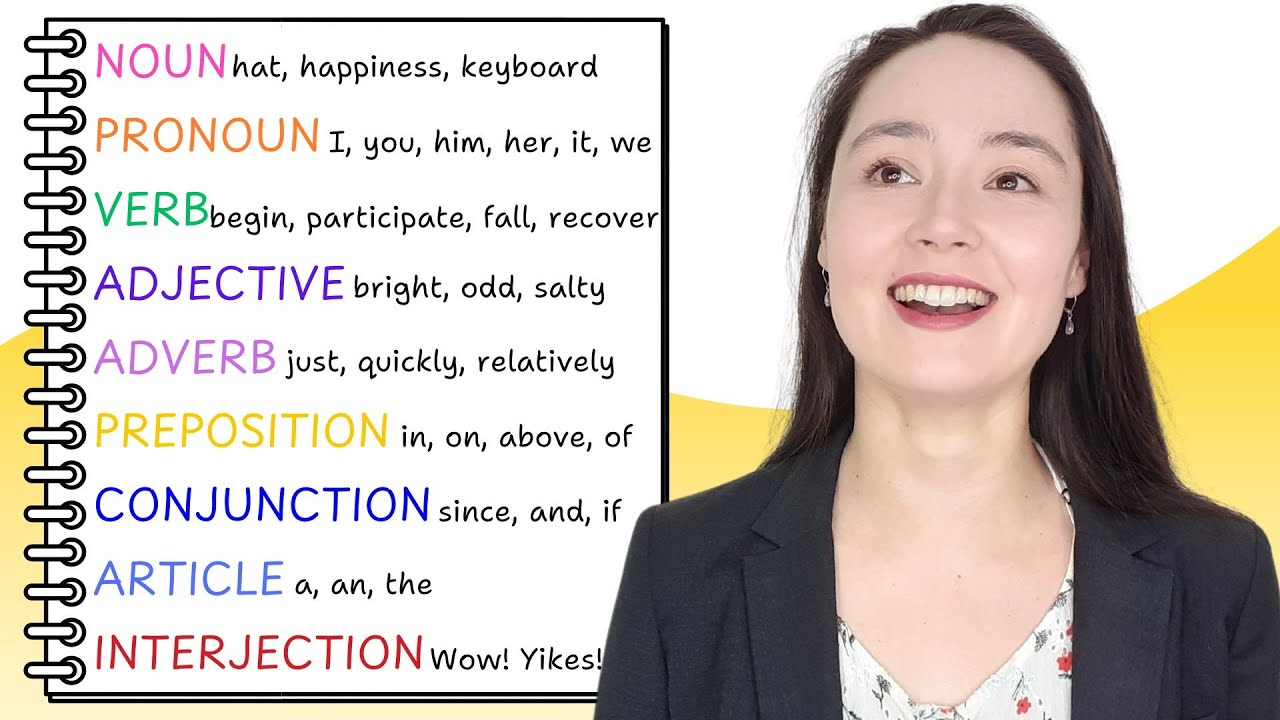
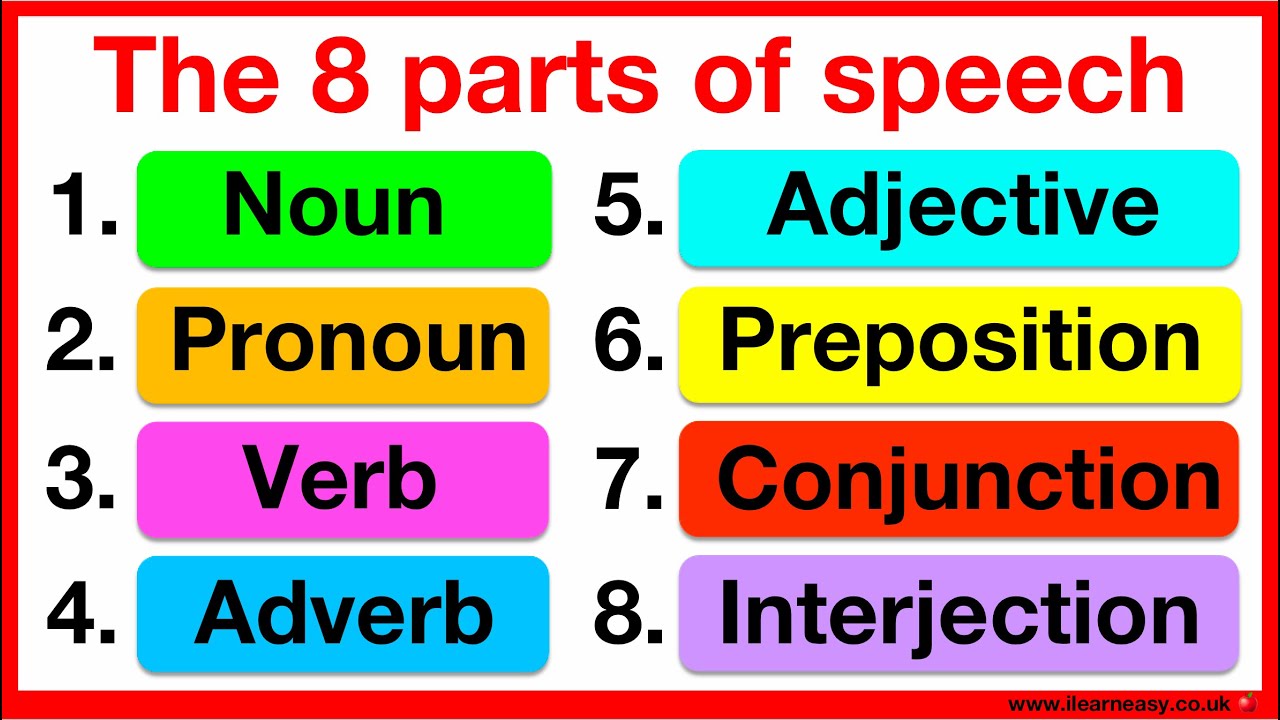
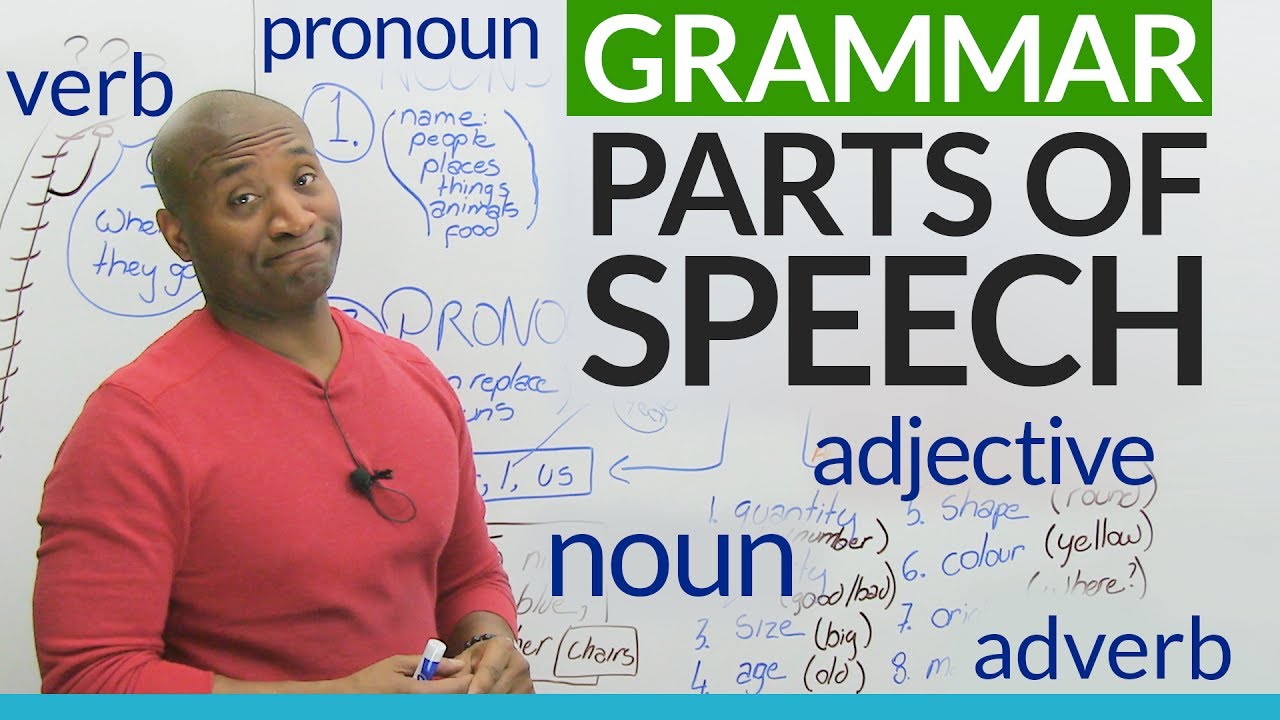
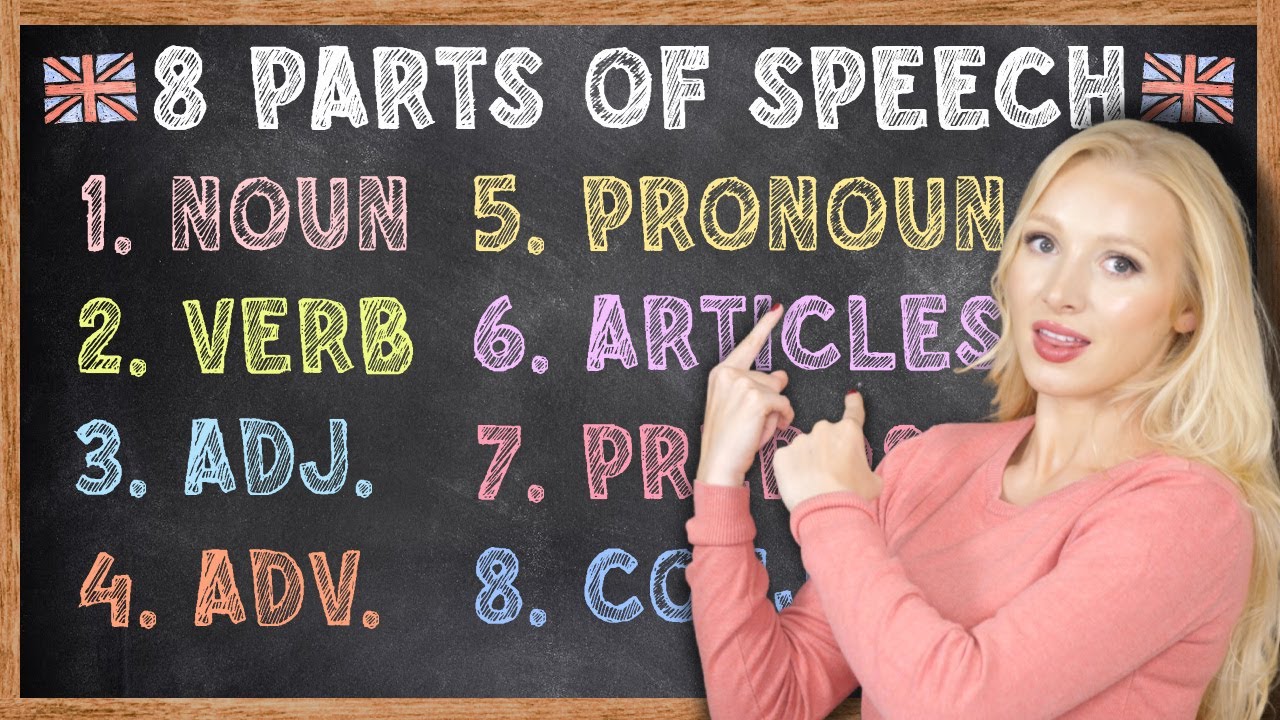
hi welcome to inkvid.com i'm adam in today's video i'm going to conclude our look at the parts of speech now i've made a couple other videos about nouns and adjectives another one about verbs and adverbs today we're going to look at pronouns prepositions articles and conjunctions okay again there is one more that's the interjections like wow and ooh and ah these are all self-explanatory i won't look at them so we're going to start looking at pronouns now again just before i do that what are the parts of speech these are the categories that every english
word falls into so when you have an english sentence each word belongs to one part of speech and it's very important to recognize them so you know how to use them in your writing in your speaking and how to understand them in your reading okay so let's start with the pronouns there are different types of pronouns there are the personal pronouns and these are divided into subject pronouns and object pronouns so i is a subject pronoun it's going to be used in the subject position in a sentence or in a clause okay i you he
she it they the object just like it sounds is going to be used in the object position of a clause or sentence me your him her etc sorry me you him her it them okay so it's very important to understand the position the type and position of the personal pronouns and then you have the other pronouns the adjective pronouns and again very important to remember that these are adjectives they will be followed by a noun my house my friend right so this is just an adjective you still need the noun to go with it so
my your his her it's uh there okay possessive this is now a noun so it's it's used in the same way as the adjective except that it's a noun so this house is mine this friend is mine okay and we're using it in a different position so mine yours his hers it's theirs and reflexive so basically just add self to all the adjective ones myself yourself himself herself etc etc just remember themselves okay so let me write that down don't forget that you're changing it to a plural because them is a plural and yourselves or
yourself depending demonstrative pronouns this that these those these are talking when you're talking about pointing at something these can be used as adjectives or as nouns depending on how you you're building your sentence then you have indefinite pronouns meaning that you're talking about people in general or things in general or places in general every every person or everybody both of these are pronouns every all each some any there are quite a few of these but they're indefinite means there is not any particular one person place thing relative pronoun so when you have an adjective clause
the the conjunctions that begin the clause but that also act as subjects in that clause in that relative clause are called relative pronouns so who which that etc and then interrogative when you have a question who did it right so the who is the interrogative pronoun so again very important to understand the words you're looking at what part of speech they are now a big reason to understand parts of speech is because if you're having any problems with any one particular word that you're just not sure how it works if you recognize it's part of
speech it's also much easier to look it up in a grammar book or online or to ask your teacher how this part of speech works in general right and as i mentioned with the other parts of speech with especially with the verbs and with the adverbs you should i highly recommend that you get yourself a very good grammar book to learn all the different pronouns how to use them when to use them how to adapt them to whatever context you're working with then we're going to look at articles articles are very straightforward because there's only
three of them there are only three of them there are the there's a definite article the and the indefinite articles ah or n the difference between a or an is the word that follows it if the word that follows it begins with a vowel and if it begins with a consonant ah but you also have to be careful it has to be a consonant or a vowel sound right so you have um a ufo although u is a vowel the sound is the is a a y a y is a consonant so a ufo um
an mri scan now and mri why because this is an acronym we don't say the actual word so it sounds like m r i sort of like that right so you're going with this sound m e and mri so keep that in mind now definite the very simple explanation is specific indefinite general so the house i know which house we're talking about a house could be any house now i know i'm very much simplifying article use articles can be very very tricky to english learners but again you need to get yourself a good grammar book
and learn all the different rules on how to use articles okay but just remember that articles are part of the speech are a part of speech and you need to know how to use them and how to recognize them when not to use them etc okay so now let's look at prepositions and conjunctions okay so now we're going to look at prepositions and conjunctions we're going to start with prepositions so prepositions these are the little words that you see all over the sentence and you see them in basically every sentence and they are called or
they are prepositions but they are function words each of these prepositions has a function some of them have more than one function some of them have only one function again you have to learn how to use them so for example in in has more than one function it could be used to talk about place it could be used to talk about time for example okay and what i mean by function words these prepositions help you relate or help the writer the speaker the reader relate events and time and events and direction or things and time
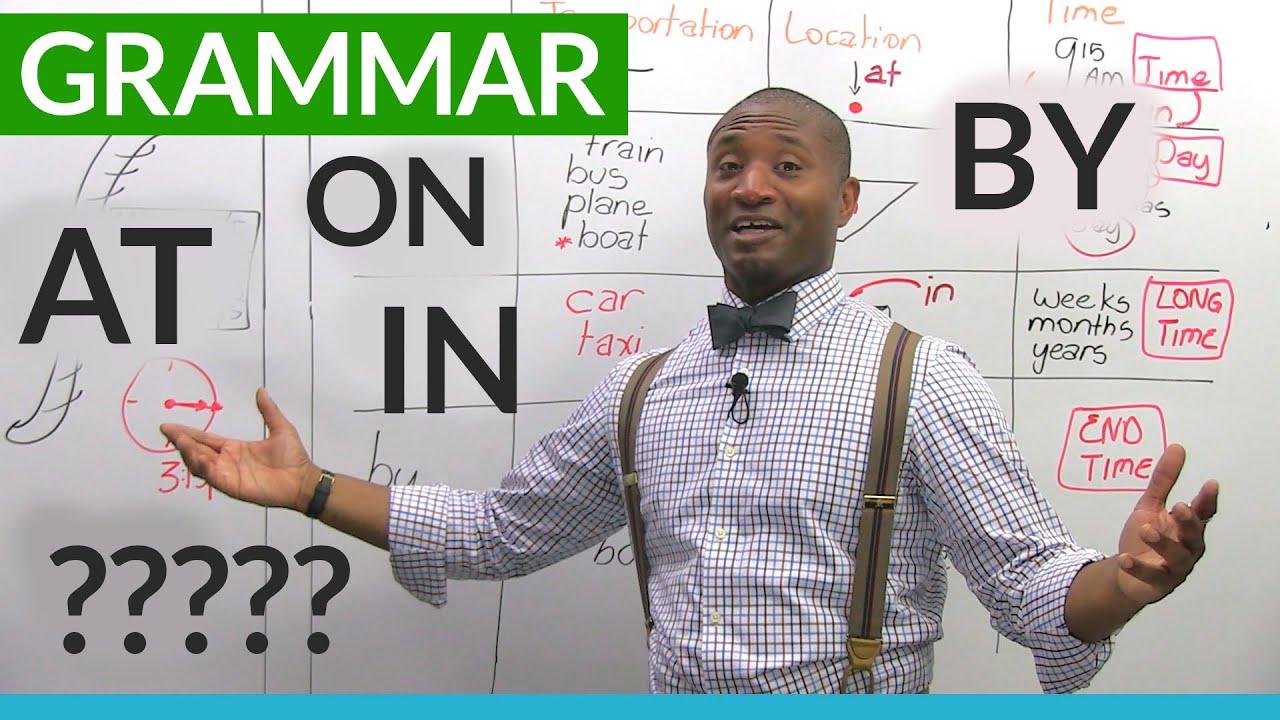
things and place so we have direction we have method so direction two method by time in on at place in on at okay so all kinds of different functions and a lot of prepositions so for example of on and at on for about to above among with the list is very long some of them can be very confusing so for example i know that a lot of students have a problem between four and two now there's a video on invid actually i made a video about the difference between four and two which you can watch
didn't understand the difference but the point is that you need to study each of these words and for those of you who are going to be taking a test for example and you need to write the prepositions i've seen so many mistakes okay make sure you know how to use the prepositions because they can change the meaning of a sentence they're small words but they're very important words and again get a good grammar book that has a lot of exercises that you can learn how to use these prepositions okay next we're going to talk about
conjunctions so there are essentially two types of conjunctions coordinating conjunctions where you're going to be joining two independent clauses and but so excuse me or for yet nor some people like to remember these by calling it fanboys if that helps you remember them that's fine four as a coordinate conjunction a little bit old-fashioned not used so much anymore you should still know how to use it but remember two independent clauses when you want to join an independent clause to a dependent clause or subordinate clause you're going to use a subordinating conjunction when which that although
if and remember subordinating conjunctions are going to be in three types you're going to have a noun clause an adverb clause or an adjective clause or a complement but again that's always going to be with that okay so which conjunction you're going to use depending on which type of clause you're going to use and what the purpose of the clause is right now this is all part of parts of speech if you really need help with individual aspects of parts of speech if you need help with articles if you need help with conjunctions if you
need help with verbs and adverbs keep in mind that yes a good grammar book is very useful but the best resource on sorry the best resource you possibly have is right here what you're doing right now ingvid.com let me write that down for you just in case you're not sure where you are go to ingvid.com look for the search box on your phone on your pc on your laptop there's a search box at this site type in the part of speech that you want to study and there is probably at least one video about this
topic you want to learn about articles we have videos you want to learn about conjunctions we have videos we are here to help you improve your english if you a lot of students ask me where do i start where do i start to learn english parts of speech is where you start make sure you understand what is a noun make sure you understand what is a verb different types of verbs different tenses adverbs adjectives prepositions pronouns articles conjunctions make sure that you understand every word that you're going to be using that you're going to be
hearing that you're going to be reading and we have over a thousand videos to help you with every part of speech okay so go look for these videos watch them take the quizzes ask the questions learn english be better english users now having said all that if you have any questions about conjunctions or prepositions or pronouns or nouns verbs adjectives please go to inkvid.com you can also look at for the forum under the video and ask me questions and i'm very happy to answer your questions about english and there's also a quiz where you can
practice recognizing the different parts of speech and watch more videos ask more questions if you like the video subscribe to my youtube channel you will get more new videos beginner intermediate advanced all kinds of topics to help you improve your english okay i'll see you again soon with a new lesson bye