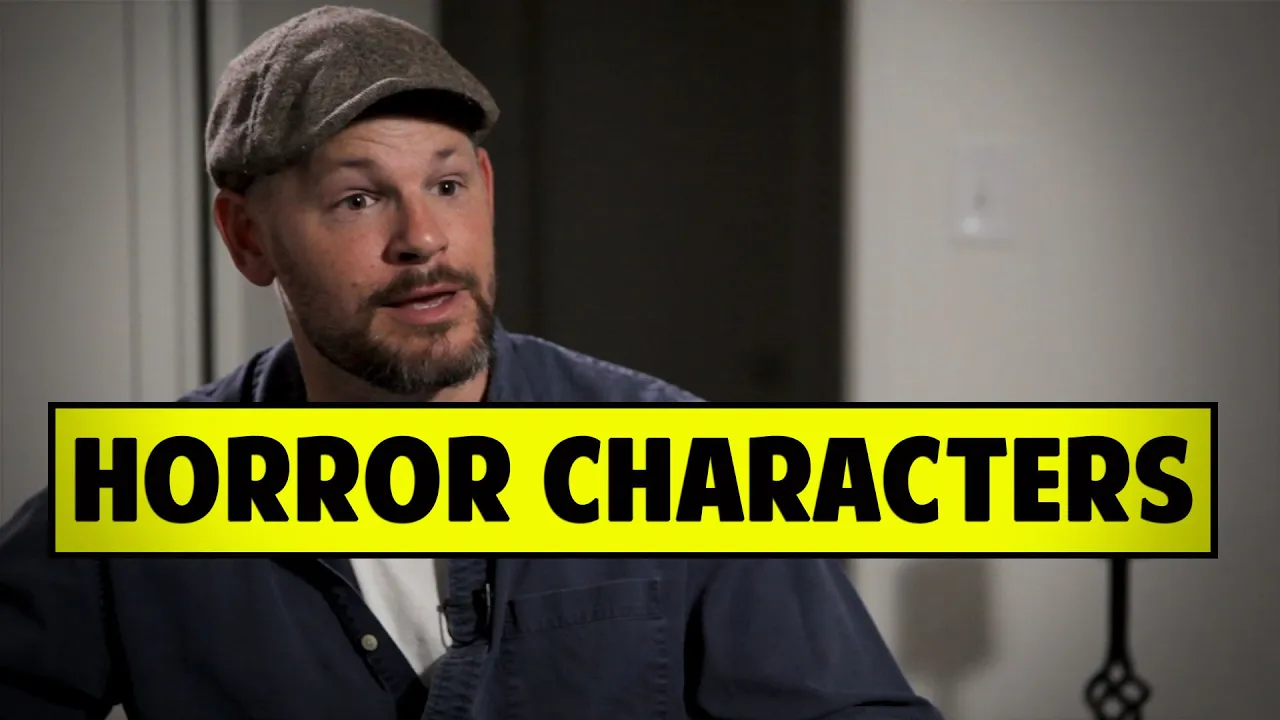
Film Courage: How do you create an awesome horror protagonist? Peter Dukes, Writer/Director: How do you create an awesome horror protagonist, antagonist or protagonist? Film Courage: Both. I said protagonist but let's do both. Peter: I think it just comes down to for me in particular what horror films inspired you the most and for me I have certain ones that were important to me or influenced me certain horror directors that influenced me more so than others certain life experiences I think certain real-life fears I think for me I take the DNA contained with all of them I
try to put it into a memorable but memorable character I think I don't really want to do a character that we've seen a million times before if I can help it I want to make someone where you truly don't know what's gonna happen next or you feel the stakes or heightened one of the tropes and one of the consequences of of following the similar structure I went to writing screenplays it's the audience kind of by this point knows where it's going most of the time they've seen everything it's hard to really fool them so whenever
I'm putting together a story and whenever I'm coming up with characters whether it's a protagonist and certainly an antagonist is I want to do someone who if it's a horror piece someone who scares me and you know where that comes from just depends on what the story is but I want him to be memorable I want them to be unique and to stand out I think it'd be fun if one day if I ever did that type of story I made one of those guys she becomes like Connick why not have it be the next
Pennywise you know you've seen these these fun posters they'll do where all the bad guys are in a movie theater I want one of my guys to be there you know I'll put them in that group someone that kind of just stands out just like the filmmaker themself has to find a way to stand out from the crowd I'd love to come up with a character that you know people remember and kind of stands the test of time I think that's the goal well I mean do you think that the person has to be real
likable is to stake carry and I know I use that a lot but I found Carrie to be a very likable character I know sure maybe people do but and I found that the the antagonist in the film to be very unlikable yeah I I think as always each stories organic and the characters have to be true to what the story is I am attracted to I think good guys that aren't squeaky clean and bad guys that aren't vaudeville bed twirling their moustaches I like to muddy it up I like gray characters I think that's
something that people can relate to a lot if you see a bad guy that at times I wouldn't say you empathize with but you can understand a little bit definitely not a James Bond villain this is someone who is more relatable and in that sense can be more scary it could be someone you know or someone that you can believe running into some day and the same thing with a good guy I'm far more interested in a protagonist who I can relate to and most people you know they're not perfect they've got flaws and maybe
they've had some things in the past that they regret I wouldn't go as far as to say they have you know big sins hiding in their closet but you know they have imperfections and maybe they've done things they're not proud of I think that makes for a far more interesting character now again since I've mentioned James Bond for doing James Bond people when James Bond villain they want they want a little bit of the vaudeville in there and that's fine and for Carrie you'd mentioned I mean Cary she had to be likable she I think
and they got Sissy Spacek was amazing in it you kind of had to feel she was literally a real girl in high school who was kind of a loner in the outsider and that's the way that character had to work and her mother was terrifying it she had to be you know and I I don't think making that mother and pathetic would have worked in that story so the kind of great character I'm talking about you know comes down to the appropriate story that it's used for so but for me though those are the kind
of characters that attract me good or bad and generally when I'm coming up with a story I look for ways to really kind of flesh them out in that manner and then you had the Betty Buckley character who to some could have seen like the bad guy but she was you know very altruistic to carry yeah and was almost like prodding her and like this tough love and I thought that was a great thing because she didn't have that she had all these different forces yeah listen I think whether you're making someone who's a little
bit muddy or they're just full on bed or full-on good I think the goal should be to make these characters you know three-dimensional you should almost be able to feel their motivations just by watching their face or their actions or what they're doing in this scene not necessarily only with dialog and you know from any writing standpoint that's what you're always aiming for no one really ever I think sets out to write what they call it kind of a cardboard you know or the carbon copy you know characters someone who feels very two or one-dimensional
and very flat and we're kind of saying that you expect them to say no writer sets out to do that on purpose I think but you know it's a tricky thing to really flesh characters out on the page you know I'm sure when they wrote you know carry they didn't have Sissy Spacek bare to flesh you down they didn't have her there to bring it to life someone originally had to bring that character to life on the page it's a hard thing to do and I think it's something that writers must demand themselves to really
aspire to and work on I'm really trying to get theirs as best they can and am i there yet I don't know I try to be and going forward as always as an everything I do always trying to push it to the next level just get a little bit better hone your craft and keep going further and further I think I'll do that till I die I don't think I don't know any filmmaker who feel or writer who feels they've finally got it they finally got it you know at some point I think they're all
even the best of the best I imagine are still honing their craft well with the Nightmare on Elm Street series or you know it seemed like the the protagonist would change but the antagonist was always the same and so am I am I correct in that it's been yeah first film for the well there were a few are there many yeah so I'm just trying to remember correctly so it seemed like the the protagonist always changed but the antagonist was always the same yeah you need more people to be bad to I guess so yeah
okay all right and and then you put in the music - so we're like this fun sort of almost party feel to a lot of it but then you knew something franchises are tricky and I give people a lot of credit for trying to take him on this is had you mention Nightmare on Elm Street because yeah I remember was taking that one I've watched about a year ago the original film it's a scary movie it's a really scary movie and I had forgotten how popular was it went on to span five or six films
or whatever was but it became so popular and this happens a lot of horror franchises that the original antagonist it becomes part of the you know pop culture zeitgeist he eventually became the comic relief in his own movies whenever he Freddy was in the scene he was given all the funny lines very straight and then they took a break for a few years and they made the new nightmare where they made him scary again but they needed that break he was like a different character still Freddy Krueger but he was he looked a little different
he's very dark or whatever it's uh it's it yeah but that's Hollywood writing a franchise it's just another complication I'm sure as a writer to come in you just kind of have to go the flow and make it work but I do remember that it do you remember there being a drastic change along the you know life in that storyline and you're right it was one antagonist always one antagonist and the protagonists would come and go and survive or not not survive you know yeah I enjoyed it you

![Horror Screenwriting And Filmmaking Tips - Brian Avenet Bradley [FULL INTERVIEW]](https://img.youtube.com/vi/WZGB3V0jQhQ/maxresdefault.jpg)