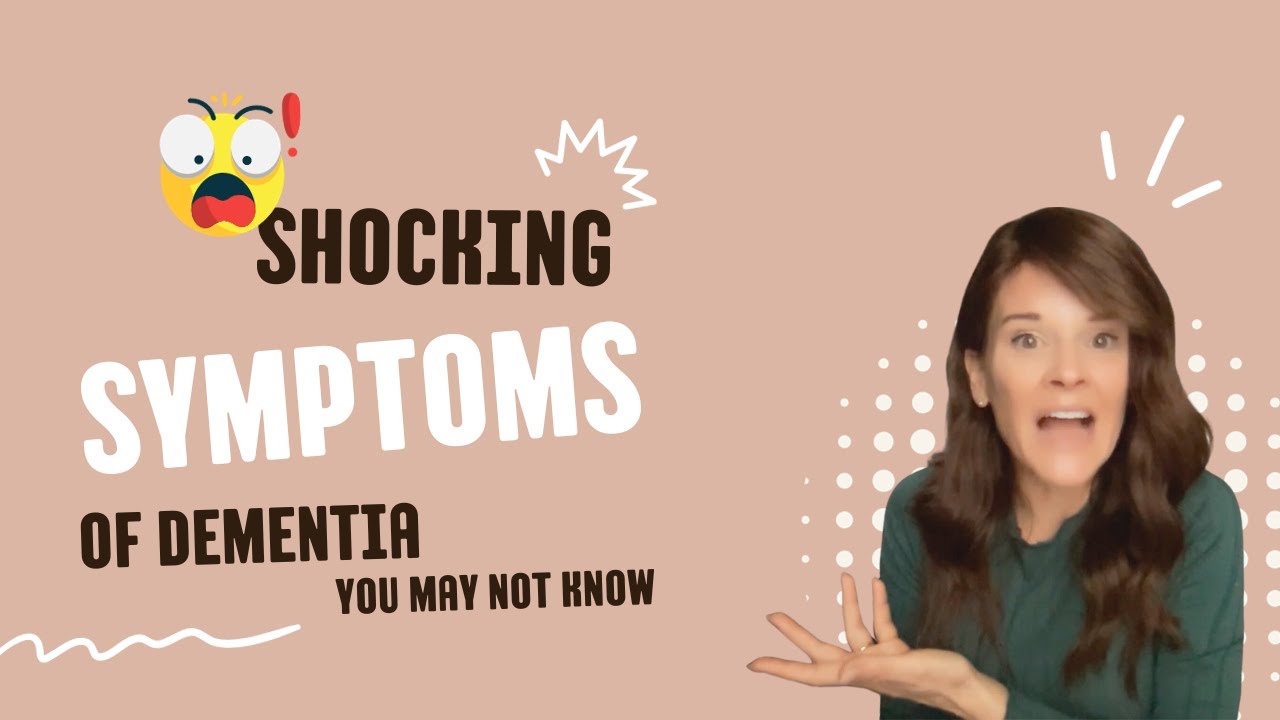
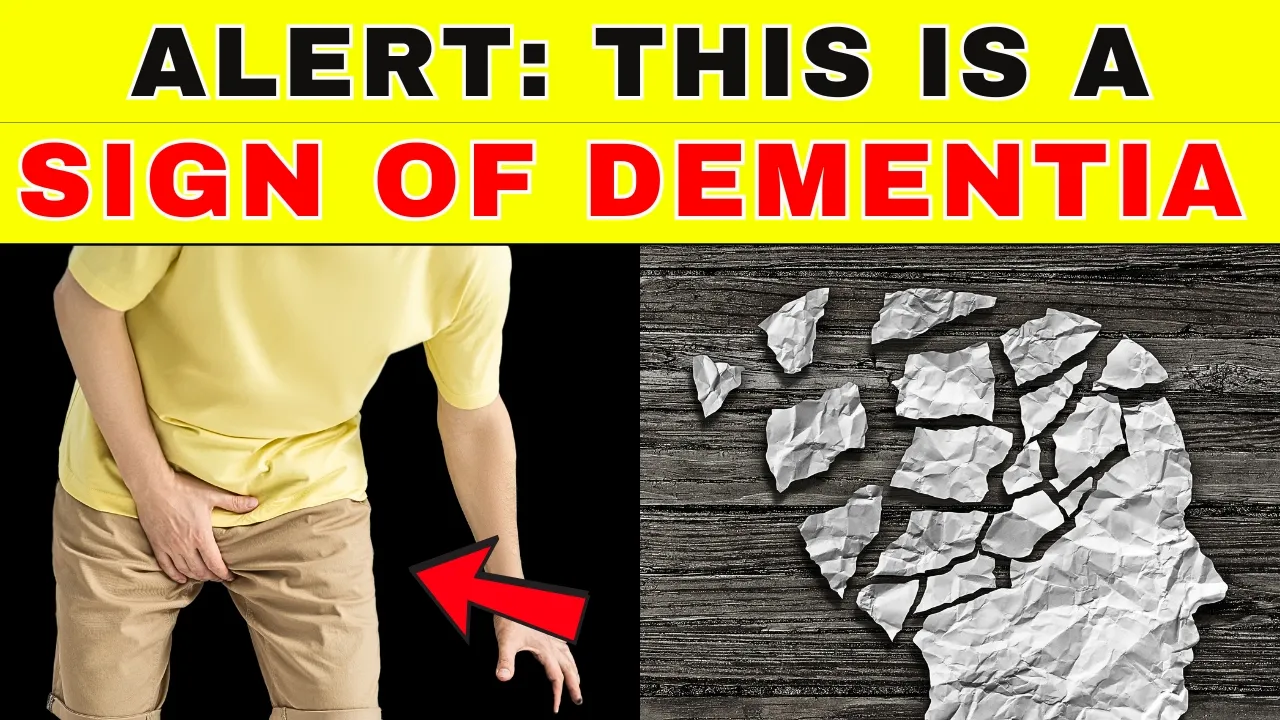
have you ever found yourself forgetting a name or misplacing your keys and wondered if it's just a normal sign of Aging what if those small moments were actually early warning signs of something more serious studies show that nearly 50 million people worldwide are living with dementia a condition that impacts memory reasoning and behavior alarmingly up to 60% of these individuals don't receive a diagnosis until the disease has already progressed significantly early detection is crucial for better outcomes yet many miss the signs because they are subtle or mistaken for normal forgetfulness but what if we could
recognize those signs earlier when intervention could make a real difference in today's video we'll reveal 10 early signs of dementia that often go unnoticed helping you to identify potential warning signs in yourself or a loved one stay tuned to learn how early action can improve quality of life and Care One memory loss memory loss is often one of the earliest and most recognizable signs of dementia but it's more than just occasional forgetfulness while it's normal to forget where you left your keys or the name of a distant acquaintance memory issues related to dementia are far
more disruptive individuals may forget entire conversations repeatedly ask the same questions or misplace items in unusual locations like putting a wallet in the refrigerator this memory loss often impacts recent events or newly learned information such as forgetting appointments or instructions shortly after receiving them over time these lapses can interfere with daily routines and responsibilities causing frustration for both the individual and their loved ones it's important to note that while everyone experiences some memory changes with age memory loss severe enough to disrupt daily life is not a normal part of aging if you are someone you
know displays these signs consult a health care professional for evaluation two difficulty finding words struggling to find the right word occasionally happens to everyone but when it becomes frequent and disrupts communication it may be an early sign of dementia people with this condition might pause mid-sentence searching for simple terms or replace words with incorrect ones like calling a watch a hand clock over time time these language difficulties can make conversations frustrating or embarrassing causing the individual to withdraw socially another common issue is forgetting names of familiar objects or people for example someone might say can
you pass that thing while pointing to an object they once named effortlessly they might also lose the ability to follow or contribute to discussions as organizing thoughts into coherent sentences becomes increasingly challenging these communication problems go beyond occasional word retrieval struggles and Signal deeper changes in the brain's language processing regions three apathy or loss of Interest apathy or a noticeable loss of interest in activities and social interactions is another subtle early sign of dementia that is often mistaken for depression someone experiencing apathy May no longer feel motivated to engage in Hobbies attend social events or
even performed daily tasks they once enjoyed for instance a person who loved gardening might suddenly stop tending to their plants without any clear reason this shift can extend to relationships as well the individual May withdraw from friends and family avoid conversations or show little enthusiasm in situations that previously excited them unlike occasional fatigue or mood changes apathy linked to dementia is persistent and unrelated to external circumstances these changes occur because dementia affects the brain regions responsible for motivation and emotional regulation recognizing and addressing apathy early is vital as maintaining an active and engaged lifestyle can
help slow cognitive decline and improve overall well-being four frequent Falls while occasional trips or stumbles are normal frequent Falls May indicate a deeper issue such as early stage dementia research has shown that individuals who later develop dementia are more prone to Falls and balance issues years before cognitive symptoms become noticeable these Falls are not simply due to clumsiness or aging but are often linked to changes in the brain's motor control and spatial awareness for example someone might trip over flat surfaces struggle with stairs or appear unsteady even when walking in familiar environments these incidents can
lead to injuries further complicating daily life and Independence Falls may also be accompanied by slower walking speeds or changes in posture like a stooped stance which are subtle red flags often overlooked if falls occur frequently or without clear cause it's crucial to consult a health care professional identifying the underlying issue early can help address both cognitive and physical health concerns effectively five disorientation in familiar places getting lost in familiar places is a troubling and often overlooked early sign of dementia this goes beyond simply taking a wrong turn or forgetting an alternate route it involves losing
the ability to navigate spaces that were once second nature someone might forget how to get to their favorite Cafe a family member's home or even back to their own house this disorientation occurs because dementia affects the brain areas responsible for spatial awareness and memory people might find themselves unable to follow landmarks or recall familiar routes they could also feel confused or anxious when trying to retrace their steps increasing their risk of wandering this symptom can pose significant safety risks especially if the individual becomes lost in unfamiliar or hazardous situations if someone frequently struggles to navigate
well-known places it's essential to seek medical advice six Sleep Disorders Sleep disorders such as insomnia excessive daytime sleepiness or disrupted sleep cycles can be early indicators of dementia many individuals with cognitive decline experience changes in their sleep patterns such as difficulty falling asleep waking up multiple times during the night or feeling unusually drowsy during the day certain types of dementia like Louis body dementia may also be linked to specific sleep disturbances such as acting out dreams sudden movements or talking while asleep these behaviors known as REM sleep behavior disorders often appear years before other symptoms
poor sleep doesn't just disrupt rest it can worsen memory mood and cognitive functioning creating a cycle that accelerates decline this connection is partly due to the brain's need for Quality sleep to clear toxins and support healthy fun functioning seven physical changes physical changes such as a stooped posture slower movements or difficulty walking can be early signs of dementia these changes often stem from disruptions in the brain areas responsible for motor control and coordination for instance a person might Shuffle their feet take shorter steps or struggle to maintain balance even without other obvious mobility issues other
subtle signs include Trembling Hands reduced grip strength or difficulty performing tasks requiring fine motor skills like buttoning a shirt such symptoms are often mistaken for normal aging or Orthopedic issues but when paired with cognitive decline they may indicate an underlying neurological condition some types of dementia like Parkinson's related or vascular dementia are particularly linked to these physical symptoms monitoring these change as closely as vital as they can increase the risk of Falls and injuries eight struggling with routine tasks difficulty performing routine tasks is a significant early sign of dementia reflecting changes in the brain's ability
to process information and follow sequences these tasks which were once automatic become confusing or overwhelming for example someone might forget steps in preparing a familiar meal leave bills unpaid to spite reminders or struggle to follow a simple recipe they've used for years the individual may also have trouble using everyday devices like a microwave or smartphone despite having no prior issues over time these struggles can lead to frustration both for the person and their loved ones as the loss of Independence becomes more apparent these difficulties go beyond occasional absent-mindedness and indicate a deeper disruption in executive
function the brain's ability to organize and execute tasks nine loss of interest in conversations a noticeable loss of interest in conversations or social interactions can be an early sign of dementia often linked to changes in cognitive and emotional functioning someone with this symptom might become withdrawn avoiding family gatherings or group discussions they may prefer silence or fail to engage in topics they previously enjoyed even with close friends or loved ones this withdrawal can stem from the person's difficulty in processing and contributing to conversations as dementia progresses they may struggle to remember details follow along with
dialogue or respond appropriately they may feel embarrassed about their cognitive challenges and Retreat from social settings to avoid potential frustration while temporary fatigue or stress can also lead to reduced social interest persistent apathy and withdrawal should not be overlooked 10 changes in I movement or Focus changes in I movement or Focus can be surprising early indicators of dementia especially in advanced stages of cognitive decline one signed to watch for is a fixed gaze where the individual appears to stare blankly or has difficulty shifting their focus between objects or people this is often linked to reduced
attention and concentration common in neurodegenerative diseases like Alzheimer's or Parkinson's disease another notable change is difficulty with depth perception individuals might struggle to judge distances leading to frequent bumps or trips as well as difficulty navigating familiar environments in some cases there can be a noticeable decrease in I movement making it harder for the person to track objects or follow conversations visually these changes occur because dementia can affect the brain's ability to process visual information properly now that we've covered the warning signs let's talk prevention the good news protecting your brain is simpler than you think
start with these proven strategies exercise regularly even 30 minutes of walking daily can boost brain health by improving blood flow follow a Mediterranean diet load up on fish olive oil whole grains and veggies stay mentally active challenge your brain with puzzles strategy games or learning new skills socialize staying connected with friends and family helps maintain cognitive sharpness sleep well aim for 7 to 8 hours per night to allow your brain to clear out toxins quit harmful habits avoid smoking and excessive alcohol while managing blood pressure and cholesterol all if you've noticed any of these signs
in yourself or someone you care about don't ignore them early intervention is key to managing dementia effectively thanks for watching