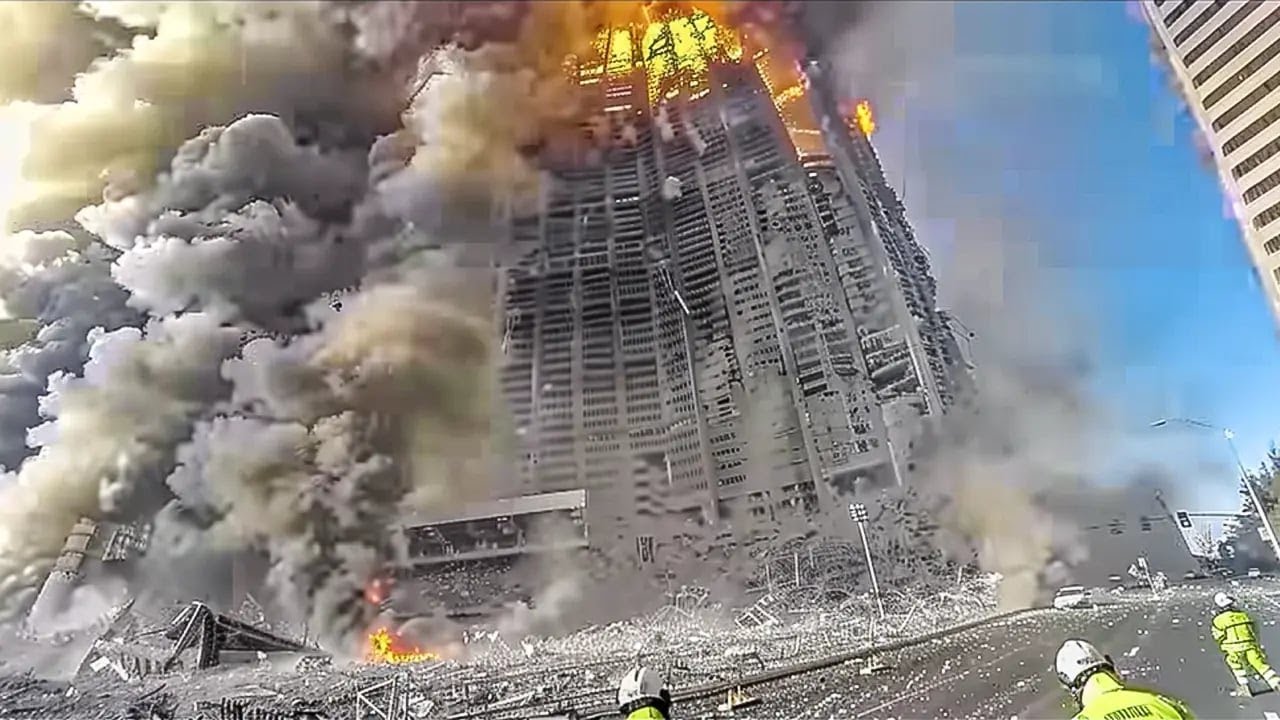
big wall of water this was a 10-in piece of plate glass that exploded literally imagine pouring millions of dollars countless hours and endless effort into a construction project some can't play Tower something's going on here you got to get us out of here only to see it crumble or fail in the most spectacular way possible we are shocked at the condition of the marble uh oh there we go from towering skyscrapers to massive Bridges the actual collapse of the world's third largest suspension bridge even the most ambitious and impressive structures have experienced catastrophic mistakes that
led to disastrous [Applause] consequences in this video we're diving into the biggest construction blunders in history where engineering errors Overlook details and sheer bad luck turned Monumental projects into cautionary tales but the p of the few sun rays bouncing off that building is making me sweat uncontrollably can now over 50° C get ready for a wild ride through the world of colossal construction failures Leaning Tower of Pisa the Leaning Tower of Pisa is often regarded as one of the most famous architectural mistakes in history yet its tilt has become an iconic feature when you first
look at it you might think it's a carefully designed Masterpiece but there's one glaring detail the Tilt The Leaning wasn't intentional but rather the result of a construction flaw the project began in 1173 with the goal of building a freestanding bell tower for the nearby pza Cathedral however the problems arose early in the construction process specifically when they reached the third floor at this point the soil underneath the tower became unstable leading to the Tilt the foundation of the tower which was only about 3 m deep was not strong enough to support the massive structure
and the tower began to lean even before it was halfway finished this flaw caused construction to Halt for nearly a century due to political unrest and Wars but in an ironic twist this break allowed the soil to settle the settling helped prevent an immediate collapse but the lean became more pronounced as the tower continued to rise by the time the tower was completed in 1372 the Tilt had already become a prominent part of its character over the centuries the angle continued to increase but the tower still managed to stand the structure endured numerous restoration efforts
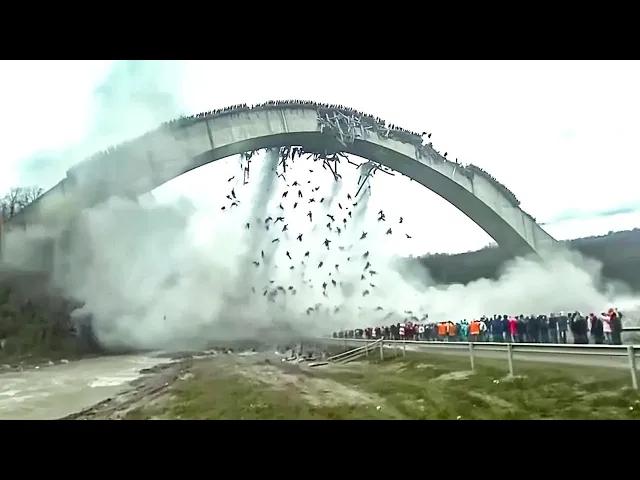
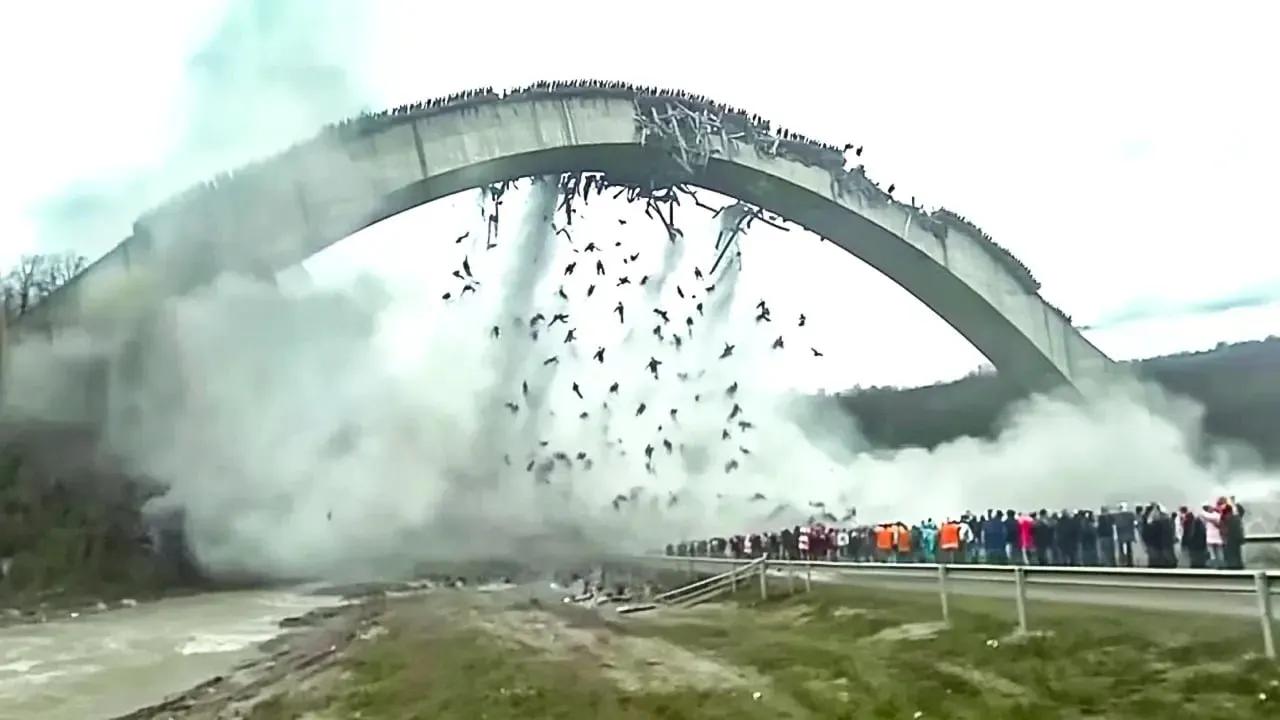
but it wasn't until a large-scale restoration project began in 1993 that significant work was done to stabilize the tower the project which continued until 2001 used a series of engineering techniques to reduce the Tilt and ensure the tower's future stability now it's time for something concerning recently in China an archway collapsed although the archway was supposed to be purely Scenic many deed to climb it on this faithful day the structure collapsed lunged more than a 100 people down towards Earth the true scale of the incident is yet to be known what are your thoughts on
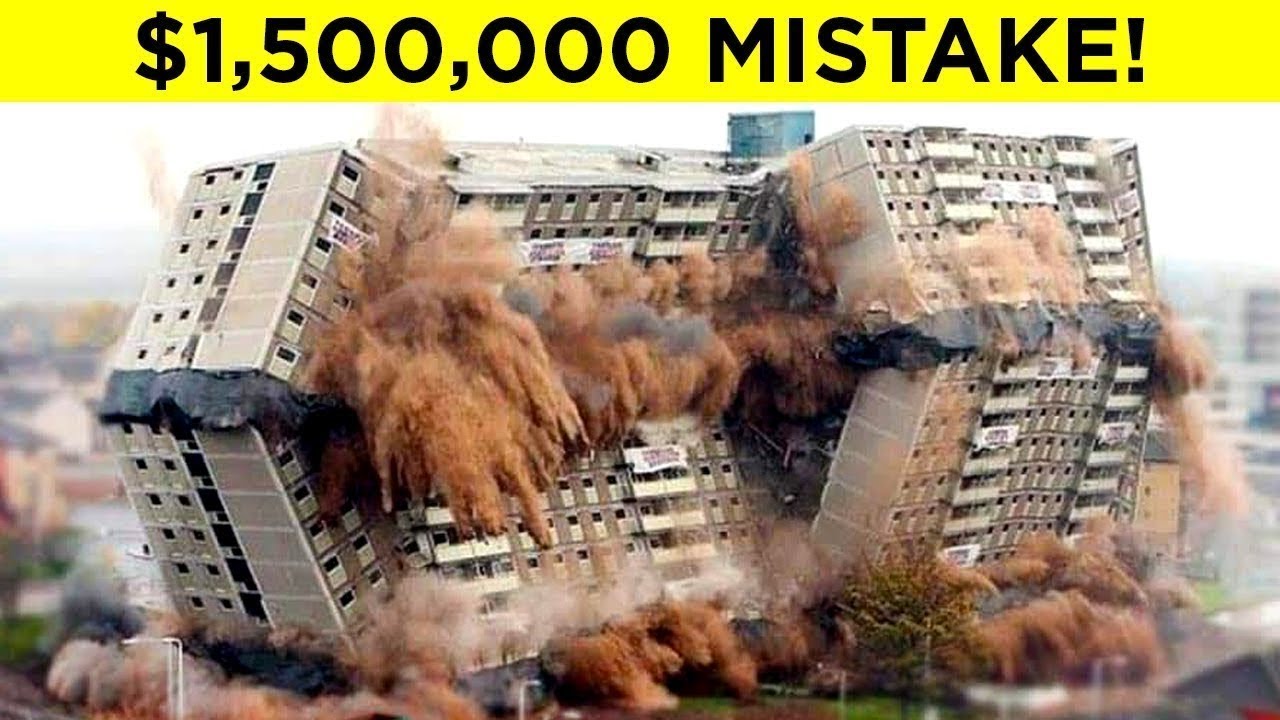
this please let us know Lotus Riverside complex in 2009 one of the buildings in the lus Riverside complex in Shanghai fell over like a giant Domino creating one of the most dramatic construction failures in modern history the Lotus Riverside complex a modern residential development was meant to be a symbol of urban progress in Shanghai with its Sleek high-rise buildings offering luxury living spaces however on June 27th 2009 disaster struck when one of the buildings in the complex unexpectedly toppled onto its side what made this collapse so shocking was that there were no natural disasters like
earthquakes involved just the combined effects of poor constru ruction practices and human error the building fell due to a serious flaw in its foundation the issue began during excavation work for an underground garage beneath the building in the process large amounts of soil were removed from around the structure this disruption weakened the foundation of the building which was already built on unstable ground as the excavation continued the soil surrounding the building became too loose to support the massive weight of the structure adding to the problem heavy rains hit the area short shortly before the collapse
further destabilizing the ground around the building the foundation unable to handle the combined effects of the excavation and the rain soaked soil gave way and the building slowly toppled over onto its side remarkably despite the dramatic nature of the collapse the building didn't crumble into pieces it remained largely intact as it tipped over though it was severely damaged the fall of the building Drew worldwide attention to the dangers of Rapid Urban Development particularly in cities like Shanghai where high-rise construction is booming it highlighted how construction flaws such as improper excavation techniques and inadequate foundation design
can have catastrophic consequences the Lotus Riverside collapse became a cautionary tale about the potential hazards of hasty Construction in the race to accommodate growing urban populations Hyatt Regency walkway collapse in 1981 the Hyatt agency hotel in Kansas City Missouri became the site of one of the deadliest building collapses in US history the hotel known for its striking Atrium with suspended walkways was designed to impress guests with its architectural Beauty the suspended walkways hanging from the ceiling above connected the second and fourth floors and were a prominent feature of the hotel's Grand Lobby however on the
night of July 17th 1981 disaster struck during a crowded Friday night dance event as the festivities were in full swing the two suspended walkways suddenly gave way sending dozens of people plummeting to the ground below a total of 114 people lost their lives and more than 200 others were injured many seriously the collapse became one of the deadliest structural failures in American history shocking the nation and raising questions about building safety and Engineering practices the cause of the collapse was traced back to a small but critical change made during the construction of the building originally
the ways were designed to be suspended from the ceiling using a single set of hanger rods however during the building's construction the design was altered to use two sets of rods one for the second floor walkway and another for the fourth floor walkway this modification resulted in doubling the load on the connection points where the rods met the walkways unfortunately the points where the rods connected to the walkways were not designed to Bear such an increased load as a result these points failed under the weight causing the walkways to collapse aquadam aquarium burst the aquadam
in Berlin once Hil as the world's largest cylindrical aquarium was a breathtaking engineering feat and a major tourist attraction standing an impressive 82 ft tall the aquadam was a Marvel of design holding 1,500 tropical fish within its massive acrylic tank it was located inside inside the Rison blue hotel where visitors could Marvel at the underwater world as they rode an elevator that passed through the center of the tank the aquadam had become a symbol of Berlin's Innovative architecture and a popular spot for tourists and locals alike however in December 2022 disaster struck when the aquadam
suddenly burst causing catastrophic flooding in the hotel and the surrounding streets millions of liters of water poured out of the tank flooding the lobby and causing significant damage the Tank's collapse was not caused by an external Force like an explosion or earthquake but by a structural flaw in the acrylic material that made up the aquarium over time the acrylic walls of the tank had developed micro fractures small cracks that were barely visible to the naked eye these flaws were likely exacerbated by environmental factors such as temperature fluctuations and the immense pressure exerted by the weight
of the water inside the tank as these micr fractures worsened the stru structal Integrity of the tank weakened Until It ultimately gave way when the aquadam burst it caused the deaths of hundreds of tropical fish that had called the aquarium home the collapse also led to millions of dollars in damages to the hotel and the surrounding area as the floodwaters Rak havoc on the building's infrastructure and property the aquadam disaster raised significant concerns about the long-term durability of such massive unique structures [Music] while the aquarium had been a stunning architectural and Engineering achievement its sudden
collapse highlighted the risks associated with large complex installations made from materials like acrylic which may degrade over time under constant pressure and exposure to environmental stresses the sinking of the Vasa in 1628 Sweden's King Gustavus Adolphus commissioned the construction of the Vasa a grand warship meant to showcase the power and might of the Swedish Navy the was intended to be one of the most formidable ships of its time boasting an impressive array of cannons and a majestic design that reflected the Nations aspirations however the ship's maiden voyage turned into one of the most infamous Maritime
disasters in history on August 10th 1628 the Vasa set sail from the docks in Stockholm but within just 1,300 M of leaving Port disaster struck the ship began to lean uncontrollably to one side and before anyone could react the Vasa capsized and sank despite being an imposing and heavily armed vessel the ship was tragically unstable the reason for this was a critical design flaw the Vasa was topheavy too much weight was placed in the upper decks and there was insufficient ballast in the lower sections of the ship to counterbalance it this imbalance coupled with a
sudden gust of wind was enough to cause the ship to tilt Beyond its Tipping Point the vassa's designers had ignored the instability during construction focusing more on Grandeur and Firepower than on fundament Al engineering principles like weight distribution and balance the ship's excessive height and the lack of proper ballast in the lower parts of the ship made it prone to tipping over within minutes of setting sail the Vasa sank taking the lives of dozens of crew members who were aboard the ship the tragic event was a stark reminder of the dangers of neglecting engineering fundamentals
in favor of ambition and pride for over 300 years the AG of the Vasa remained at the bottom of Stockholm's Harbor it wasn't until 1961 that the ship was finally recovered and painstakingly preserved the Vasa now housed in a museum stands as a powerful symbol of the consequences of ignoring critical engineering principles its recovery serves as a reminder that no matter how Grand or impressive a project may be without proper design and attention to safety even the most majestic Creations can meet a disastrous end Teton Dam disaster the Teton Dam in Idaho was an ambitious
and cuttingedge project when it was a completed in the 1970s the dam was designed to control flooding provide irrigation and Supply water to the region making it a crucial piece of infrastructure for local communities built using compacted layers of soil and rock the dam was considered state-of-the-art for its time however on June 5th 1976 disaster struck when the dam failed catastrophically resulting in one of the most devastating engineering failures in American history the incident began when the Dam's Reservoir reached full capacity for the first time as the water levels Rose small leaks began to form
in the dam at first these leaks were manageable and efforts were made to seal them but the situation quickly escalated despite the repairs the Dam's Integrity continued to deteriorate just hours later the dam suffered a massive breach releasing more than 250,000 acre feet of water into the downstream areas the resulting flood was devastating particularly for the towns of Wilford and Rexburg which were inundated by the Rushing Water the flood waters destroyed homes businesses and infrastructure and tragically 11 people lost their lives in the disaster the damage was so severe that it was estimated to cost
billions of dollars to repair the event also caused widespread environmental damage with farmland and livestock being Swept Away by the flood the root cause of the Teton Dam disaster lay in a combination of poor construction techniques and the use of Highly porous Rock in the dam structure the porous Rock allowed water to seep through weakening the dam from within the leaks and the infiltration of water further destabilized the dam ultimately leading to its catastrophic failure while the Dam's design had been considered Advanced at the time the materials used and the lack of adequate oversight and
maintenance led to its collapse samung department store collapse the samung department store in Soul South Korea was once a symbol of the country's rapid economic growth during the 1990s the department store built in 1987 was meant to be a beacon of prosperity reflecting the dynamic transformation of South Korea's Urban landscape originally the building was designed as a four-story office block however during construction the plans were changed to accommodate a five-story luxury department store this seemingly simple decision to expand the building ended up having disastrous consequences to fit the new design several critical support columns were
removed from the structure in addition to this structural change a heavy air conditioning unit was placed on the roof of the building adding substantial weight that the Foundation was not designed to handle these alterations severely weakened the building's Integrity compromising its ability to Bear the loads it was subjected to the building showed signs of distress well before the eventual collapse in the months leading up to the disaster cracks began appearing in the walls and Floors a clear indication that the structure was struggling to support the changes made to it despite these alarming signs the building's
owners and management chose to ignore the cracks opting not to take any corrective action negligence in addressing these issues would prove to be fatal on June 29th 1995 the S department store tragically collapsed the disaster resulted in the deaths of 52 people with nearly 1,000 more injured it was one of the deadliest building collapses in modern history and the aftermath of the collapse was a sobering reminder of the consequences of cutting Corners in construction investigations revealed that the collapse was largely due to poor safety standards disregard for engineering principles and an overwhelming sense of greed
and negligence the tragedy highlighted the deadly risks of not adhering to proper construction protocols the importance of maintaining strict safety regulations and the dangers of making Hasty changes to architectural plans without considering the long-term structural effects Hard Rock Hotel collapse the Hard Rock Hotel in New Orleans was designed Ed to be a glamorous addition to the city's vibrant Skyline with plans for a rooftop bar and pool deck offering breathtaking views of the City construction of the hotel began in 2018 and as the project neared completion in 2019 excitement grew for the new luxury Landmark however
on October 12th 2019 disaster struck when the upper floors of the building suddenly collapsed the collapse resulted in the tragic deaths of three workers with several more injured in the incident the cause of the collapse was traced back to a series of cost cutting measures during the construction process one of the key structural issues involved the steel beams on the 16th and 17th floors in an attempt to accommodate higher ceilings for the hotel's design the construction team opted to use thinner steel beams which were not capable of supporting the weight they were expected to carry
this decision made in the name of reducing costs directly compromised the structural Integrity of the building as the weight from the upper floors built up the thinner steel beams were unable to Bear the load ultimately leading to their catastrophic failure the building's upper floors crumpled sending debris falling down through the lower levels and causing significant damage the collapse sent shock waves through the construction industry raising concerns about the safety practices employed on the project and the risks of cutting Corners to save money following the collapse investigations revealed that the failure of the steel beams was
not the only issue with the building's construction there were also reports of insufficient oversight and a lack of proper safety measures for workers the tragedy highlighted the dangers of prioritizing cost savings over structural safety and design Integrity as a result the Hard Rock Hotel collapse led to a broader review of building safety standards particularly in New Orleans and other urban areas with large scale construction projects walkie-talkie in 2014 London's walkie-talkie building officially known as the 20 Fen Church of Street skyscraper gained notoriety for a highly dangerous and unexpected issue the building's distinctive design with its
concave glass facade quickly became a source of both admiration and concern while the shape of the building was meant to make it stand out it inadvertently became a giant mirror that Focus sunlight onto the streets below creating intense concentrated beams of heat the problem was that the concave design acted like a massive magnifying glass reflecting sunlight in a way that intensified the Heat this focused sunlight was so powerful that it melted parts of a Jaguar car parked on the street below the heat was also strong enough to Scorch nearby buildings and caused damage to street
signs Paving and other surfaces in some cases the temperatures on the street reached an astonishing 20433 de F far exceeding the typical heat of a sunny day in London londoners quickly began to refer to the building as the fry scraper due to the extreme heat it caused the glare from the building even made it difficult for pedestrians to walk near the affected areas without feeling the intense heat the public outcry was Swift and the building's Architects and developers were forced to take emergency measures to resolve the situation to address the problem sun shades were installed
on the building to deflect the sunlight and reduce the intense glare that had caused such chaos while the design of the walkie-talkie building was undeniably striking and Visually unique it became clear that the building's form had overlooked a critical engineering flaw the intense heat caused by the concave glass facade not only caused immediate damage but also raised concerns about the long-term impact on the surrounding environment and infrastructure while the building's design was eye-catching its flaw made it a prime example of how even the most daring architectural statements can lead to D ous consequences when not
properly thought through the collapse of Tacoma Narrows Bridge the collapse of the Tacoma Narrows Bridge affectionately known as Galloping Gertie on November 7th 1940 remains one of the most infamous engineering failures in history designed by engineer Leon moif the bridge Incorporated the latest advancements in suspension bridge theory boasting a sleek and modern design that aimed to save costs while providing an efficient route for motorists however just 4 months after its opening disaster struck on that fateful day Winds of 40 mph caused the bridge to twist violently with the deck moving like a ribbon in the
wind this unexpected Behavior created a dangerous instability in the structure which was unable to withstand the force the Bridge's design which was considered Innovative at the time turned out to have a critical flaw it was too aerodynamic the lightweight structure combined with the lack of proper measures to prevent aerodynamic instability caused the bridge to oscillate uncontrollably the Relentless movement led to the Bridge's eventual collapse into the cold Waters of Puget Sound the disaster while tragic proved to be a turning point in Bridge engineering investigations into the collapse revealed that the lack of damping systems and
the Bridge's unique aerodynamic properties had created the conditions for such a failure the lessons learned from this event significantly in influenced future suspension bridge designs prompting Engineers to incorporate better wind resistance measures and more robust structural elements the collapse of the Tacoma narrow bridge highlighted the need for a deeper understanding of aerodynamics and the importance of ensuring stability in suspension bridges the Aon Cent marble crisis the Aon Center in Chicago originally known as the standard oil building serves as a striking example of how luxurious materials can sometimes lead to disastrous results in architecture completed in
1973 the building was designed to stand out with its Sleek modern appearance and its exterior was clad in Italian carara marble a material known for its beauty and elegance however within just one year of its completion the marble began to show signs of severe distress cracks appeared across the facad and in some cases entire panels of marble weighing over 300 lb detached and fell to of the ground below posing a significant risk to pedestrians the culprit behind the marbles failure was Chicago's extreme climate the city experiences drastic temperature changes with hot summers and frigid Winters
these fluctuations caused the marble to expand and contract putting immense pressure on the material over time this constant shifting weakened the marble leading to cracks and Detachment despite efforts to make temporary fixes such as reinforcing the panels the problem continued to worson in the early 1990s after several failed attempts at patching the marble a decision was made to completely refinish the building's exterior the original carara marble was replaced with more durable Mount ay granite a material better suited to withstand Chicago's harsh weather conditions the costly project which amounted to $80 million was more than half
the original price of the building itself the Aon Center's marble crisis highlights the importance of selecting the right materials for a building's environment while carara marble is prized for its aesthetic qualities it was not suitable for the challenges posed by Chicago's climate the building's refacing serves as a reminder that structural Integrity should always take precedence over appearances in architectural Design This crisis ultimately resulted in significant changes to construction practices demonstrating the critical need for careful consideration of materials when constructing buildings in extreme environments Sydney Opera House a dream turned nightmare the Sydney Opera House one
of the most iconic structures in the world had a long and troubled journey to completion initially planned to take four years and cost 7 million Australian dollars the project dragged on for 14 years and ended up costing over 100 million Australian dollars almost 1,300% more than originally planned designed by Danish architect J uton the Opera House featured an Innovative design particular its Unique s-shaped Concrete shells these shells posed significant engineering challenges and the project required frequent redesigns pushing the limits of Technology at the time UT's resignation in 1966 due to political disputes and internal conflicts
further delayed the project the interior design particularly the Acoustics was left unfinished and the building was Infamous for poor sound quality when it opened in 1973 this problem led to a major renovation in recent years costing nearly 300 million Australian dollars to install new acoustic panels and improve the building's sound quality despite the tumultuous process the Sydney Opera House remains a UNESCO world heritage site symbolizing both the challenges and triumphs of modern architecture the shocking collapse of the sangu bridge the collapse of the sangu bridge in Soul South Korea on October 21st 1994 remains one
of the most tragic reminders of the danger associated with rapid Urban Development and neglected infrastructure at the time of the disaster the bridge which had been constructed in 1979 was a critical part of the city's Transportation Network originally designed to accommodate 880,000 Vehicles daily the bridge was carrying over 160,000 vehicles per day by the early 1990s more than double its intended capacity this overwhelming increase in traffic put immense strain on the structure which was not designed to handle such a volume of vehicles on the fateful day of the collapse a 48 M section of the
sangu bridge gave way during rush hour Vehicles including a bus plunged into the Han River below resulting in the deaths of 32 people and injuring 17 others the collapse occurred despite several warnings just hours before the disaster reports had surfaced about visible cracks in the bridge but no immediate action was taken to address these issues in investigations into the cause of the collapse revealed a combination of factors including faulty construction and poor welding of critical components rusted pins and a lack of regular maintenance also contributed to the Bridge's failure these structural weaknesses had been gradually
building over time and the added strain of increased traffic made the collapse inevitable the disaster underscored the dangers of cutting Corners in construction and failing to prioritize the long-term safety of infrastructure projects the sangu bridge collapse was a wake-up call for South Korea prompting significant reforms in the country's construction regulations in the aftermath of the disaster the government implemented stricter standards for infrastructure projects and instituted more frequent inspections and maintenance schedules these changes aim to prevent similar tragedies in the future highlighting the critical need for careful planning regular upkeep and safety in Urban Development ra
Plaza disaster a building's fatal flaws the ra Plaza disaster which occurred on April 24th 2013 in Bangladesh remains one of the deadliest industrial accidents in history the eight-story building located near the capital city of daaka housed five garment factories producing clothing for well-known Western Brands the building originally designed for commercial use with shops and offices was never intended to support the heavy machinery required for garment production despite this Factory owners converted the structure to house factories adding four illegal floors without the necessary permits or structural considerations just one day before the collapse on April 23rd
cracks were observed in the building's walls however under immense pressure to meet production deadlines the factory owners ignored these signs of structural failure and ordered workers to return to work the next day this Reckless decision set the stage for the catastrophic collapse at 8:57 a.m. on April 24th 2013 the building gave way the structure weakened by substandard construction materials and built on unstable land crumbled to the ground in the aftermath 1,134 people lost their lives and more than 2,500 were injured the majority of the victims were garment workers many of whom were trapped inside the
building when it collapsed the sheer scale of the tragedy shocked the world and brought attention to the dangerous working conditions faced by millions of garment workers particularly in countries like Bangladesh where safety regulations were often lack investigations into the disaster revealed that the building's structural Integrity had been compromised from the start it was built on land that was not stable enough to support the weight of the added floors and substandard materials were used throughout its construction these factors combined with the illegal modifications led to the building's fatal collapse in response to the disaster The Rona
Plaza collapse led to a significant shift in workplace Safety Stand standards in 2013 the Bangladesh Accord on Fire and Building Safety was created a legally binding agreement aimed at improving working conditions and ensuring safety in garment factories across Bangladesh the agreement brought together Brands trade unions and Nos and it focused on ensuring proper safety inspections fire protection and structural improvements in the country's garment industry though the tragedy was devastating it prompted crucial reforms that sought to protect the lives of workers and prevent future disaster Masters in the global garment industry Champlain Towers South a catastrophic
failure the collapse of Champlain Towers South in Surfside Florida on June 24th 2021 was a tragedy that shocked the nation and devastated the community the 12-story condominium completed in 1981 was once a desirable place to live known for its Ocean Front views and prime location the building was constructed with steel reinforced concrete which was expected to ensure its long-term stability however beneath the surface hidden structural issues had been deteriorating the Integrity of the building for years reports as early as 2018 raised concerns about significant issues with the building structure these included water intrusion from the
pool deck which led to corrosion of the steel reinforcements beneath the concrete this corrosion weakened the building's structural elements making it more vulnerable to failure additionally the building was constructed on reclaimed wetland an unstable Foundation that contributed to subsidence or gradual sinking of the structure over time despite these warning signs necessary repairs were not made promptly and the building continued to deteriorate at 1:22 a.m. on June 24th 2021 the unthinkable happened in less than 12 seconds the building collapsed in a catastrophic failure the collapse left 98 people dead and many more injured with scores of
residents and families affected by the the tragedy the rapid and complete collapse of the building highlighted the critical importance of timely maintenance and inspections for aging structures the Champlain Tower South disaster became one of the deadliest building collapses in US history and brought urgent attention to the issues of structural safety and Building Code Enforcement the tragedy led to a national Reckoning on the need for stricter regulations and more frequent inspections of older buildings especially those in coastal and flood prone areas in the aftermath calls for better monitoring of building conditions and faster response to maintenance
needs have grown as communities and authorities work to ensure such a disaster does not happen again as we conclude today's Journey Through the biggest construction mistakes in the world it's staggering to think about the enormous impact these errors had on our built environment from Bridges that swayed into disaster to skyscrapers that crumbled under their own weight each story serves as a powerful lesson in engineering design and the importance of planning if you found these Tales of missteps as eye openening as we did don't forget to like subscribe and share your thoughts in the comments below
we'd love to hear your perspective on these Monumental failures and the lessons they teach us for the future of construction