Lis welcome to the show hey Omar great to be in the show do you have a favorite quote something that inspires or motivates you that you can share with us yeah I think uh I love this um I think a lot of people love this quote so like uh if we have data let's look at data if all we have opinions let's go with mine uh famous quote from old Netscape Co so I think that's a great quote love that um so tell us about dream data what does the product do who's it for and
what's the main problem you're helping to solve uh so you can say like fundament like we're in the we target B2B marketers and we target mainly B2B tech companies um so that's sort of our the core people we sell to and B2B marketers are suffering from an overload of data uh they I think everybody in the in B2B marketing function would say that they have too much data and fundamentally it's because they acquire products lots of products um I came across this uh um number that somebody said like it's like some of those tools that
um help you manage software is that like average company acquires six new products every month it's pretty crazy um so they are not all C to market products but basically in the marketing function a lot of software gets Acquired and a lot of it will build data around the the customer and sort of remains siloed in all those different products and what our product does is I it extracts all the data builds one sort of unified data model that covers sort of cost activity outcome so that's typically Revenue uh and also basic basic thermographic and
demographic data that's available so we build like one data model um and we absorb data from all those tools that you buy and then you can use that for optimization so that's a key thing like um uh the old quote of like 50% of my marketing works I just don't know which in B2B is probably more like 25% that works uh and the problem is that they all that data reciting in different silos but if you bring it together you can actually start sort of activating some of that um wasted money and then there's a
ton of automations that also sort of where you if you bring this data into play then uh yeah you can do great efficiencies in your go market so that's our product uh delivers great savings especially if you have sort of a it requires that you have a a go to market that is marketing focused where you have a sort of serious investment in marketing but then there's a lot of uh efficiencies to be found and give us a sense of the size of the business where are you in terms of Revenue size of team number
of customers yeah so we are sort of in the seven digigit range in terms of AR we're s business of course uh we raised series a um end of 22 beginning of 23 and we've been scaling since then so we're sort of still on the path um with at the at the lower end of that Sev digigit space and I think a team is what 40 or 50 people yeah we're 45 people we're based in Copenhagen Denmark we are kind of oldfashioned in the sense we're an off this company and uh as you and I
were talking um you know the the the fact about me that most people don't know is that I spent a couple of years as a kid living in Copenhagen so it's a a special place for me as well yeah so let let's talk about where the idea for dream data came from the company was founded in 2018 and around that time I think you were you were working for trust pilot exactly so we came out of trust pilot which is a also a Copenhagen company um so it is uh like a review platform um primarily
for Consumer experiences buying experiences but at the other end it's also a SAS platform so it's monetized as a SAS and we were sitting in the product team there um and like back to the data silos we were sort of generating one of those data silos about the customer which was all the product data and we had a plg motion you can say so that was like a huge free free premium play going on so all that data that was sort of in our Silo and then we had the sales team they had their Silo
and the marketing team then they had like a bunch of silos of data so we had like a lot of data but very few answers uh so that's how we got started on this like uh yeah so we went looking for products that would do the aggregation of the data into to a model that we could use and do that sort of um without us having to build it and it didn't exist and we thought okay this is a massive problem because you need this and then we built our internal solution started looking at whether
other people would like it and then we got started that way got it okay so you're you're you you have two co-founders right so there's Stefan and ol oie um and so all three of you were at trust pilot no so like ol and I work together there we ran the product team and the engineering team there um and then when we sort of started you know you go out you like we product people so we didn't build a product smart pop product people don't build a product so we went out with a you know
presentations and the the knowledge that we could build sort of a duct tape and uh other products kind of prototype rapidly and and deliver if somebody would say yes and then we went to our Network try to see see if somebody was interested in sort of buying a solution like this and then one of the people we got introduced to was Stefan uh so he was another grow Stage Company and then he instead of buying the product he s bought into the company and and became a co-founder and and so while you were going through
this process of of trying to just get feedback did you did you guys do this full time did you leave trust pilot or was this sort of a a transitional thing where you were like you know evenings and weekends let's try to develop this idea and and figure out if it's something worth pursuing I think we did a little bit before we left um but there was sort of a natural transition that was happening at the company it was a good time to leave um so we sort of we handed off the torch to other
people to run the product team transitioned as well as we could and then we went off and for a period uh I would say it it was more sort of a take a bit of time off and in in that time off also do a bit of this and then transition into doing it fulltime was more that motion so we I think we when you've been on a sort of a rocket ship for five years you need a you need a couple of days to recover uh before you jump another one okay great so you've
got this slide deck you're going out there and you're talking to people how how long did that go on for um and and what point did you start building a product um so so the flow was we did sort of two paying customers on a so very like it is a data product so the Prototype was essentially like data warehouse ETL product that moves the data a dashboarding product on top uh and then make it look a bit like a product um so that was like the solution we would bring to people if they said
yes um we would rely a lot on segment.com I don't know if you but it's a tracking platform primarily and also data moving platform so we relied on that um we did that for like two paying customers plus stepen and then we thought okay there's enough here we know there is a like there's enough people who think that this is a problem uh we think we can we think we can build a product in this space um and then we raised a little bit of money in 19 so that we could hire a small team
uh so we hire a small team so we could start building a tiny bit more product but it was still very much sort of a duct tape prototype it was sort of initially built per customer so it was like just you know if we continued it would have just been I guess Tech scale Consulting um so we did that and then we went sort of you know one part o and an engineer and a designer went sort of building a bit of product me and Stefan went out to try to see if we could find
customers for the product uh see if we can find more customers um yeah and that went on for roughly six months or so and then we started like then we had accumulated 10 customers and 100K of AR and it was like okay let's raise some more money hire a bigger team that was the process so tell me a little bit more about that that initial solution you put together with segment.com like you did you actually build anything or were you kind of just taking it was kind of a bit of Consulting a bit of tools
here and there and and trying to put together a solution for those first two customers I I think like what is it to build something but the first customers it was a bit like okay deliver something next customer make a copy of all of that next customer make a copy of all of that so like after five customers you have five instances that are not the same and then when you reach 10 customers then you stop and start building right um so that was a process and the foundation was basically we were in Google Cloud
platform so Foundation was Google big query you know the orchestration component like data form um didn't was at least very early back then so we ran the sort of data pipeline in like very hacked way with I think Circle Ci or something so it was like a super hacked product and then s of gradually transitioning into something that's a bit more manageable I think our transition from prototype to product has been sort of a bit sort of a fluid motion but where now we are like think what late early 21 so that's like two years
after first uh money in it was like a fully scalable product we could offer a free product a free trial Etc and it was so now was fully automated delivering the entire product right who was your ICP when you started out yeah so the ICP when we started out I think was uh that's uh I think one of the learnings from the early uh stage of of the company was I I would say if you go and look at the first decks it was quite precise it was like look uh BB SAS 250 people uh
using Salesforce uh even using segments so it's like very precise on Technologies and like the vertical and size and everything so they're very precise but then when we started the The Way We acquired the first customers was very Network driven but maybe also you can say maybe we Shi none of us were like really salese so we shied away a bit from sort of doing um very sort of like I would say cold Outreach so we would always value more sort of the warm and introduction and it meant that when we then looked at the
first 10 customers and compared it to that ICP that was in those first decks uh that was not the same so we had we we did have some SAS companies uh some were smaller some were about that size but we also had like um a couple of sort of U more sort of traditional companies that were more like you know companies that would sell stuff in boxes uh like uh one did like Robotics and one did headsets uh and they were larger much larger than what we thought they were not on Salesforce they were on
Dynamics um as a CRM system and then we also had sort of a couple of customers that were more sort of like it was Tech it was like everything was B2B so we stayed true to that that was good um but some of them would have like um you know where it's like more maybe there was a SAS component but there was also certainly like a sort of a unit building component to it and you know in some cases this wouldn't have mattered but for us because a fundamental part of the product is sort of
this sort of tying together The observed Behavior with business outcomes then when you sort of want to model the business outcomes if that's very different you know in a SAS company most SAS companies they care a lot about you know booking new business because that's fairly good indicator of what's going to happen you know if you know what your churn is your nrr is you know what's going to happen it's good but if you are someone's like where you have a more sort of transactions based uh business then the first transaction is actually maybe very
very small relative to maybe you're building up this sort of monthly transaction base over a year or so so the the way that you measure success you know if you just say Revenue yeah that's great but how do you actually do that that becomes different and that in our product it means a lot of difference in you know if it's if it's going to actually fit the use case it's different so for us maybe you know the fit for those type different types of customers is you know variations of the product that are significant enough
that it's actually a lot of work to do it well I think we had a lot of learnings early on on sort of when we look back I would say one of the key learnings from early on was um yeah stay true to that you know I think you focus initially of course you might discover it's wrong that's fine then you can sort of then you can adjust but try to figure out a way of of sort of nailing your ICP for this first 10 customers it's kind of inevitable that something like that can happen
because you might you might sit out and say this is my ICP but you don't know for sure and with those first 10 in many ways your ICP is anybody who will talk to you and give you attention right because you don't have any customers so you're happy to to bring anybody on board but once you went beyond that and you you were like okay we we've kind of got the initial customers through through our Network through warm intros and you had to go and find some of these complete strangers did you then go back
and say let's let's focus on on this ICP that we originally set out to eventually we did and I think that was sort of one of the learnings I think it took us too long so we spent too long s of not committing to an ICP and a fairly narrow ICP and I think there are a couple of things that play there one is this you know at that point we were starting to see more and more inbound and and it's hard to turn away people at the door and the other thing I would say
is something I think you know at least I've heard other found experiences that you sort of confuse uh you know what you're doing when you're seeking investment where you're looking to you know you wanted address a very large market so you want your target like your your addressable Market you want that to be large uh and sometimes you confuse that with your ICP and say oh then the ICP has to be super Broad and I think that that's uh like we did that mistake I feel that we sort of um we we we misook you
know we thought okay look yeah be be that's a big that's a big ICP that's good but from sort of like your gradual sort of easing into your goto Market fit or whatever you want to call it like there you have to go I would say as narrow as you possibly can so you know if you can figure out a way of getting to a million dollars of AR with a super narrow icpr do that and then you also get like very very committed customers and love your product a lot because it's like very course
you need to know that you can build for a you know you can expand the ICP um but that doesn't mean that you should do it early on so that was for us a learning and I think it took us you know that's a piece of advice like if somebody asked me for advice I always say like yeah your as narrow as you can here and if you if the investor says oh oh that's not a very large CH then just find another investor or educate them right yeah yeah I have this conversation a lot
with with um super early stage Founders who are very reluctant to go that narrow and it's I think you have to remind them that look you're not you're not committing to this narrow segment forever it's just for this initial period to go out there and and um you know get some get some traction get some initial customers and then you can kind of expand from there I'm curious when you when you did uh get to the point where you were like okay we're like super narrow now with the ICP did you get it right the
first time because that's the other thing right it's like when you go that that narrow is it the right one that you picked I think to some extent yeah I think we're still narrowing the ICP and the Persona so I think we actually sort of even though now we're like I don't know what 20 25 30X that where we were at there we're still sort of narrowing it down a bit um especially I think especially when you do outbound you can be super intentional about who you're talking to and I I would also say one
of the things that probably play in here is that we came uh o and I came from sort of product and I I I feel that it meant that when people said product Market fit I only heard product that was the word I heard product Market fit I hear product and then the learning to me through this process has been look no you know you can build a a product and that product can be good but it can be useless if your market definition is wrong and like the market is the ICP I would say
like at least it's a way of thinking about the market is the ICP so if you build a product you try to push it to the wrong ICP you can be completely unsuccessful and then with the same product you target other people well then you can be very successful um and I think at least for for product people uh that can be a a sort of a pitfall that you focus too much on the product and not enough on the on the market uh of the product Market fit yeah yeah I mean you got to
build a great product but you also got to think about the who you're building it for yeah who is it great for it might be that that product is uh you know great for you know you might be having no success because you're just trying to give it to people that don't care about it so when typically um a lot of Founders once they've gone through the network got those warm intros or exhausted them and then they're looking to to expand beyond that cold Outreach right that's the that's a common thing to kind of go
and try let's just start emailing people or whatever we're going to do what was your experience did you take a similar approach yeah I I think when we raised the second time um we were very sort of determined that okay now we're going to see if we can build um can we find a way where you you can sell without founder involvement so we can to find a a more scalable way of of uh getting the product into the hands of customers so we hired our first two salespeople and our initial hypothesis was okay we're
going to do an outbound sales motion um and then and I think maybe the first mistake was that we've never done that before so we didn't really know anything about it I would say the people we hired so they're still with us so the two first sales people Laura and sand they're still with us um so they had done outbound but they done it in different you can say context so Laura worked at Gardner so that's like super Enterprise like very very well-known brand you know you send somebody a calendar invite they accept it or
you send somebody a dream data calendar invite they don't accept it that didn't work right and Sly like uh sander here had a bunch of of outbound experience but also from a more sort of known product um so there was a lot of sort of false I would say false starts where we try to sort of just copy learnings from other settings we also brought in a guy who was like very very very good salesperson and had run like super successful sales teams in like similar similar setting but just you know a a company that
was sort of close to IPO so maybe they were 70 80 million so a more well-known brand and um and and basically he was you know he had done things that worked super well so he went sort of okay let's build sort of an outbound Playbook around this and and and and set it in motion and we did that and it just didn't work um and it what we we sat down then we looked at it and like the first thing we realized but okay I would say it didn't work that's just maybe not correct
for me to say because we realized that we would not know if this worked for the next uh I think 180 days because the the sequences that we were running were so elaborate that to run through sort of a big enough cohort uh of accounts to know if it worked or not would just take us 180 days with the people we had um so we basically we cut down the sequence to something like very very basic um and designed it in a way where okay this is not an optimal sequence we know that and we
are sure we can improve it but we're going to make sure we can get results in I think 28 days so within sort of four weeks we want results we want to know if this works or not and it's a bit like you know it's not does it work perfectly it's just does this work at all okay if it works at all we can probably improve it um so we ran that test and I would say eventually we discovered okay yeah we can do outbound and and then at that point other things that happened that
meant that for a period it wasn't really relevant for us because we you know built other I would call it growth channels that worked really well and then we just had you know a little bit like say almost too much inbound um to keep running the um yeah outbound sequence and then we did a lot of like a period of almost exclusively inbound um selling what was driving most of the inbound so I think what I would say number one is that we we brought in a marketing co-founder so Stephan is a marketer and a
very good marketer so I think that was maybe the uh you want to look at the the the the foundational reason you know you bring someone in who has a marketing mindset that helps uh um and he did build sort of um he did build a lot of sort of you say foundational place of like content uh some paid and that sort of started bringing a trickle of of of inbound but what I would say really worked very well for us was that at one point step said okay look I think marketers spent a lot
of time on LinkedIn uh let's try to post a lot on LinkedIn about you know know things that are relevant to marketers not necessarily a product but just stuff that's relevant uh in this sort of data marketing space that we're in and we made a he said let's do a competition we'll try to get to I can't remember 300,000 views in three months and that was like a ton like 10 times more than we'd ever done and we tried that and then we saw that okay that actually brought sort of a gradual increase in our
inbound when we did that and were you were you guys posting from your personal LinkedIn profiles or from a company account so we didn't use a company account uh so we it was sort of exclusively building up uh the personal LinkedIn profiles of of uh Stefan uh the salese so Lauren sander me um that just it it that worked really well for us and I think it's it depends on like who who your persona is but if you your persona isn't go to market then LinkedIn is a very powerful play to be espec place to
be especially if you sort of if you if you use the medium in a way that it where you sort of play by the rules of the medium right I think a lot of social selling is connect can I have a meeting that doesn't work but you know engage in the in the community or engage in the conversations that are happening uh be interested and like you know hopefully you don't have to pret you are because you are in this space because you're interested in it so so it's natural for you to be interested and
that will build that following but I think this works for marketing audiences on LinkedIn think I talk sometimes to people like you know you can't other people might have to I think a lot of sort of community-led growth is something you will do if there's not uh an easily accessible Community then you can build your own or try to find one where you can tap into right I think these days there are so many people on LinkedIn um that it's it's actually a great uh platform to connect with all types of customers I mean you're
right not everybody is there but um now I think people are getting more more sophisticated with uh with the social selling and we're moving beyond which is why I asked you about whether you're posting from the the the company profile because I I've seen a lot of companies that still do that where you just get these random posts from the company account but nobody from the or from the organization is actually spending time on LinkedIn to you know you don't even have to be a content creator you can just be engaging in the conversations that
are already there right so huge opportunity I think I I think is a massive opportunity so that has worked very well for us and then I would say the last component I would you know product that growth comes in many versions so I would our product in itself doesn't drive growth so it's not like you know if somebody picks up our product then magically he will connect with 15 other icps and they will go and try the product we don't have that sort of circular like uh of virtual Circle but the product plays a a
significant role in our sort of sales process so we always trial with customers um and that you know both builds credibility in the sales process but it also works for us as a what was like qualification mechanism so if the customer can if you know if you're a SMB account you can unboard in a trial uh in a couple of weeks then we know that it's not going to be a good fit later on either and then you know maybe we shouldn't sell to that Customer because that's going to be CH problem later basically initially
the code Outreach didn't work and it wasn't that it didn't work it was as you described it it was it was probably just a too long process and you guys just didn't have the the luxury of time to wait six months for that to play out and when you took a uh a more lean approach you were able to start seeing and prove that there was some signs of Life there and you could you could generate some leads and then the social selling LinkedIn um and even using the product to to help you drive growth
with those just the the main um ways that you eventually hit the first million in AR or was there anything else I think like we also had a paid component in our sort of marketing strategy so there's I think in in with our product we can sort of go One path of sort of a more broad category proposition where we almost have to educate the customer but there's also sort of a more narrow uh proposition which is basically like Revenue attribution or multi-touch attribution which is just basically just a feature of a product but it
is like a micro category where there is demand so if people are search searching for multi-touch attribution and we buy that keyword then we can insert ourselves in sort of you know late stage processes so we do that um and that works to compet like building on competitors uh Brands like all the sort of classic uh tactics that everybody does we do all of that and that drives maybe I don't know 10 15% of of um of the inbound we have but then the rest is from more of a I think the whole LinkedIn approach
is a bit like a Content approach but more like personal micro content approach um that is the main driver of the rest okay great so So eventually you're you're getting clearer and clearer about you're honing in on your IP you're you're bring bring in customers you get to the first million in AR and then when you and I were chatting earlier you said we thought by that time we knew how to scale sales and we were wrong so tell me what happened yeah I think okay so we raised some more money uh and then because
like seed stag is like prove your product Market fit prove that there's an inkling of scalability series a is like okay now build sort of the scalable comp like the components of a scalable goto market so that you can raise a series B and just replicate what you did there and we thought okay look uh we had super nice growth consistent growth numbers up leading up to the series a otherwise you can't raise it so that worked super well so we thought okay great we know how to do this um and then we raised the
money got some money now we can hire start building this sort of scalable unit that we want to scale and then it just didn't work uh and I think that was like it was some some some wrong assumptions on sort of okay we um we can bring in more Junior salese and teach them how to sell the product that just proved to be harder than we thought uh and I will and also um I mean we did many mistakes like for instance we did not develop I think when I speak to Founders that are that
come from a sales background they will develop the sales Playbook themselves so they will do the founder Le sales initially then they develop the Playbook and then they teach some someone The Playbook but because we didn't have that sales background we relied on like the sales people to develop the Playbook by actually just doing sales and I think that worked very well they developed a Playbook but it was not sort of a formal Playbook it was you know it's a bit like culture is what you do the Playbook is what we did then we wanted
to document that like so okay let's document that and that I think that process failed so when we started onboarding people we didn't actually have a play book and that led to sort of a false attempt of scaling this which cost us I guess it was also a a rough time uh because like this is 2023 so everybody was struggling so it was also maybe not the easiest time to do this but I think even in a more sort of uh benevolent environment it would have failed and then we basically you know went back and
said okay let let's actually develop a Playbook let's look at what actually works start developing A playbook see if we can teach people to do that Playbook and and that is then starting to work now um we're getting closer to that sort of scalable unit that we can that that that we can replicate so what what was how how were you getting your sales team to go out and sell Without A playbook like what was the training what was the training process and yeah I think it was like learn from from sitting next to someone
like there were also that there was also intentional teaching you can say but maybe because it was not led by Founders uh there was this is a case where maybe the sort of um the focus was too much on the sales process and not enough on the product I feel um so this was maybe the risk of s of seeing sales as a a sort of a discipline that is a bit detached from product and not s of saying look no I mean whatever your sales methodology whatever you pick however you're going to do that
like however you qualify or whatever the demo is or whatever the trial is well in the end you need to connect that ICP with the product right so you need to care deeply about the product and I feel that that was maybe a bit what we were missing in our sort of when we try to teach people how to sell the product we actually forgot the product it's a bit weird right and how long did it take you what to to to build this Playbook was this just you as the founder sitting down and and
and and and just trying to you know create something did you like have to get in get some help in and and like how long did it take to come up with something that was usable for your sales team that didn't take too long because it was happening and it was getting into something that was fairly structured where we had some some salese that were sort of very successful with a sort of repeatable methodology so it was about documenting that and then starting to sort of with like teaching it to people but I think developing
the play I think if you're in I think again if you're intentional about it you can do it fast uh but if you're doing it the first time which was what we were doing um then just takes longer the risk is when you bring someone in from the outside we've seen that that they often there is sort of a bias towards what what what worked somewhere else and sometimes it's sort of you know some people hate trials but in our setting it works and maybe it's because of the product and like there many you know
many factors that means that this is a good approach for for the S&P deals for us um and then it just doesn't work that you come in and say look your trials are bad you need to sort of respect that in in in this environment in this setting right now it's good uh and then you document that and build that into the process you need to sort of formalize like you know strategy around how do you run the trial how do you make sure it doesn't get out of hand how do you make sure that
the customer gets the validation that they want Etc so you need to be intentional about it but yeah you in terms of raising money you sort of beyond the seed round you raise money at the start of the pandemic and then when you went to raise money again you did it when the the the war in Ukraine was about to stun so like we we we chatted by the ear I was like you have great timing it's like yeah you can I mean you can't plan this so I think yeah we we just have had
like uh very very bad uh timing for fundraising and we definitely I I think it's like whatever you can't control it right if you if you're fundraising and you have to fundraise at that point in time you can't really delay it without making like very very rough uh adjustments to the company you have to go fundraising so you have to raise money at that point in time and then if the whole world is falling apart like well whatever you have to deal with it so but I think that for us it has been kind of
like that has been some some rough periods raising because we literally kicked off our fundraising in 2020 just when everything closed down in Denmark like probably the same time in the states and all funds were like nobody knew what was happening so a lot of those funds that we could raise from they were a bit like oh look I'm just going to sit on my cash a little bit look what happens and you know make sure that my you know my portfolio companies don't go run out of cash so they sort of they prior they
didn't know what was happening so they just said like let's make sure we have enough money to you know support the companies we already have backed uh make sure that they make it through this so that meant a lot of people were pulling out of processes and it would just got to be a very prot like like protract Ed process it got very very long and basically the same thing happened in like we kicked up the next fundraising um pretty much when when Putin was s of matching up his troops getting ready to invade Ukraine
and then he did it and the same thing played out right well please please do let me know the next time you plan to exactly I will announce it well in advance so that people can go out and bet against the market and make a ton and un shorting some tech stock or whatever you're right all right uh we should wrap up let's get on to the lightning round I've got seven quick fire questions for you so you ready yeah what's one of the best pieces of business advice you've received yeah I was going to
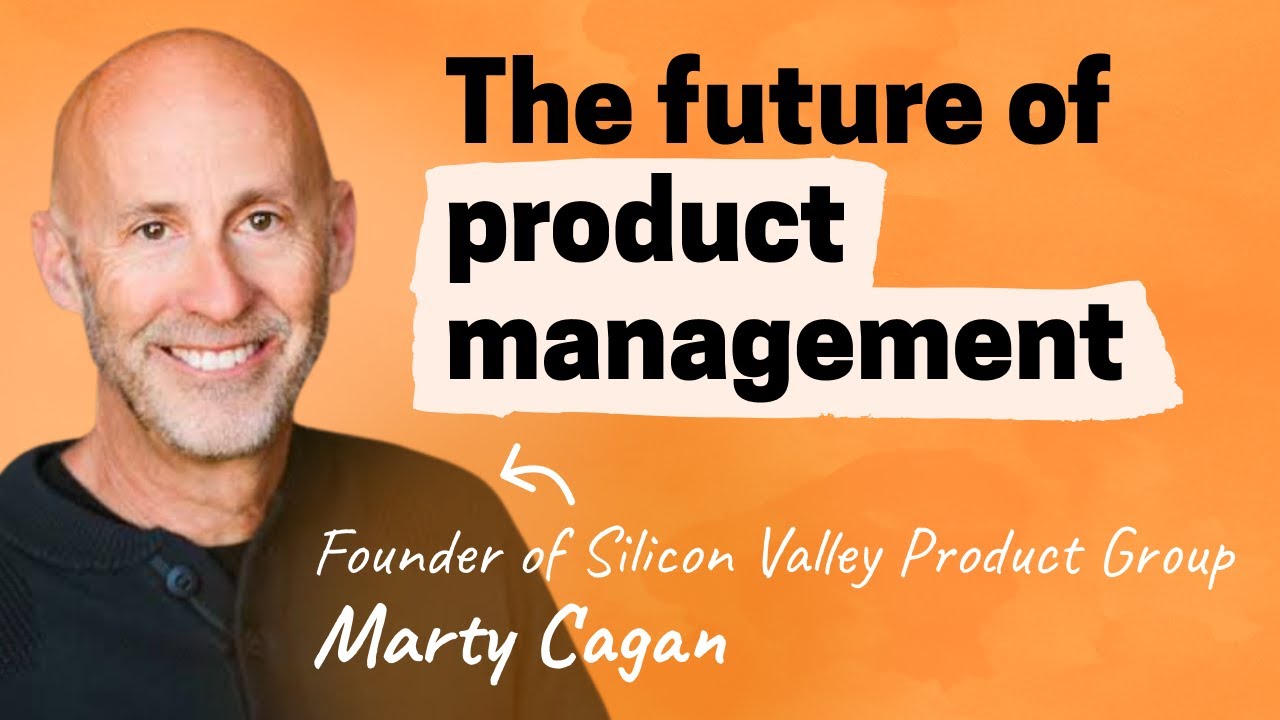
say do things that don't scale and then when you make them work then scale them but we discussed this I I also love uh yeah remember that when you look at other companies you're seeing their outside not the inside that I think that's also very very sound piece of advice what book would you recommend to our audience and why yes so I'm a product person uh by heart so loved by Marty Ken is one of my favorite books um so it's a very good book about how to build product in a effective way like where
you make sure that you get a product in the market that actually works I would also mention like April Dunford um obviously awesome I think because we didn't know a lot about the market side of the product Market fit that book taught me a lot about that what's one attribute or characteristic in your mind of a successful founder I think what has like keeping going not giving up I think is a very fundamental thing and I think like going through fundraising those periods uh has been times where you've definitely felt like maybe giving up sometimes
but it was a good thing not to do it what's your favorite personal productivity tool or habit so I love uh jet GPT um I get a lot out of talking to jpt I didn't think I would but uh but now using it I think it's a fantastic tool what's a new or crazy business idea you'd love to pursue if you had the time yeah so if I was doing a new like I love the idea okay I love the idea of doing a a product that sort of mitigates the risk of doing contracts because
that's a very big pain when you're founding a company so something that sort of makes the whole Contracting Insurance liability process transparent that would be awesome and then the other thing would be I would love U to build a product that sort of worked to sort of be like a very like a super efficient uh company advisor Based on data that you supply so basically like feed record every meeting record every call everything into a large language model and then you can ask at everything and I think chat TPT is is getting like if you
feeded a lot of this data it's already very good but if you could sort of be very broad about what your stuff in there I think that would be an awesome tool if you sell it to VCS they can ask better questions at Port meetings yeah right uh what's an interesting or fun fact about you that most people don't know yeah so I once won an award for saving the annual sheep Drive in the Pharaoh Islands um that's pretty crazy and finally what's one of your most important passions outside of your work um so Road
biking uh so B biking I love that um takes my mind of what work uh it also it I would say it builds GD and it builds of and for me it's also like networking keeping uh like a tie back to a lot of my social life I know a lot of people bik so so that's very important for me awesome well L thank you so much for joining me and uh sharing your uh Adventures over the last I guess five or six years now uh if people want to check out dream data they can
go to dream. and if folks want to get in touch with you what's the best way for them to do that I think LinkedIn is is very good of course I I I reply there we'll include a link to your uh LinkedIn profile in the show notes great well thank you so much it's been a pleasure and uh thank you for staying up late to to chat with me today I appreciate that and uh I wish you and the team the best of success thanks om it's been great chatting tonight my pleasure cheers