[Music] 1920s literature the immortal authors f scott Fitzgerald Ernest Hemingway Virginia Woolf Agatha Christie iam Forester Sinclair Lewis Edith Wharton Theodore Dreiser the great novels of the 1920s the Great Gatsby The Sun Also Rises Ulysses and American tragedy the sound and the fury not to mention the great poets of the decade Ezra Pound TS Eliot Langston Hughes these names and titles conjure up the image of the literary greats of the decade but that's mostly due to retrospect of course that's not to say that these writers and novels aren't truly great they are but like many
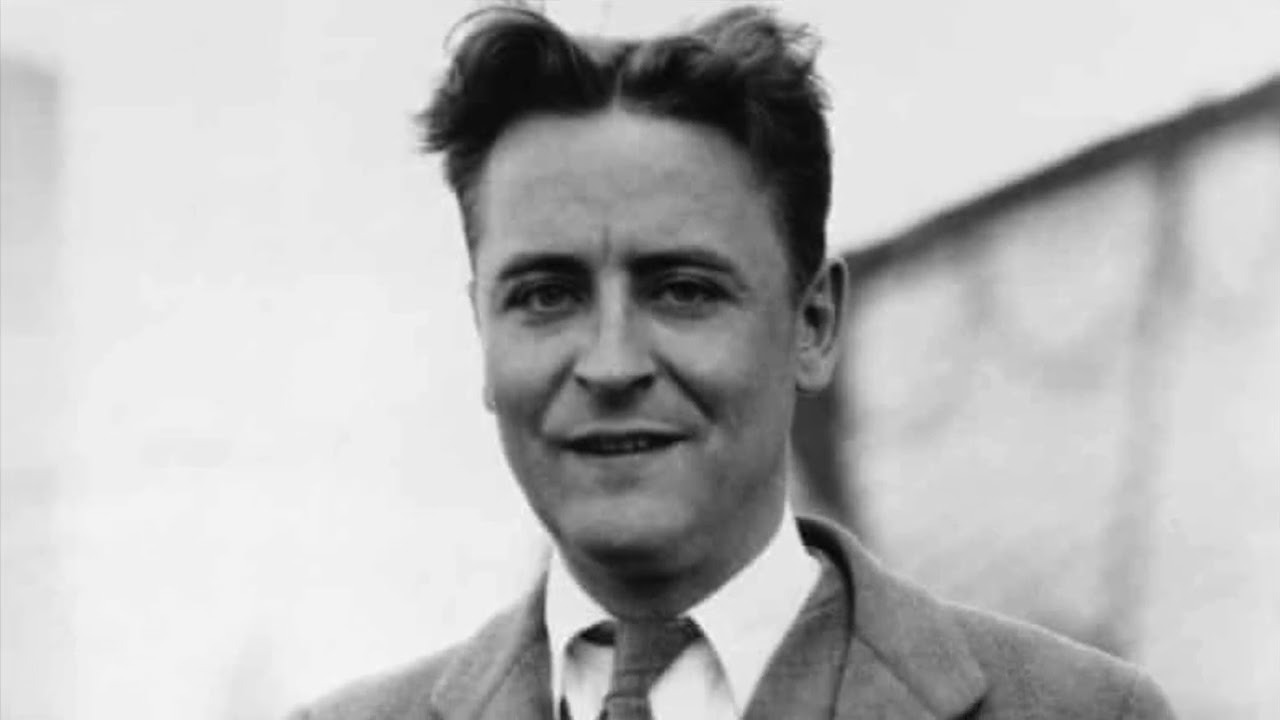
great works of art they weren't fully appreciated in their time for example the great gatsby is now considered to be the quintessential 1920s novel and is consistently ranked as one of the greatest American novels ever written but when it was first released it did not sell well it sold only 25,000 copies between his publication in 1925 and Fitzgerald's death in 1940 of course others in the literary sphere knew of its greatness but it remained relatively obscure to the general public at the time the real moneymakers the real representation of the biggest chunk of the reading
public were pulp magazines in case you don't know pulp magazines were collections of usually low quality short fiction or novelettes printed on low-quality paper it was essentially literature that was not made to last they were really only there to make some quick money the reason you've never heard of most pulp authors or pulp stories is because they really weren't very good they were strictly ephemeral pulp magazines were the successor to dime novels a trend that was especially popular in the second half of the 19th century dime novels had generally depicted exciting action in the new
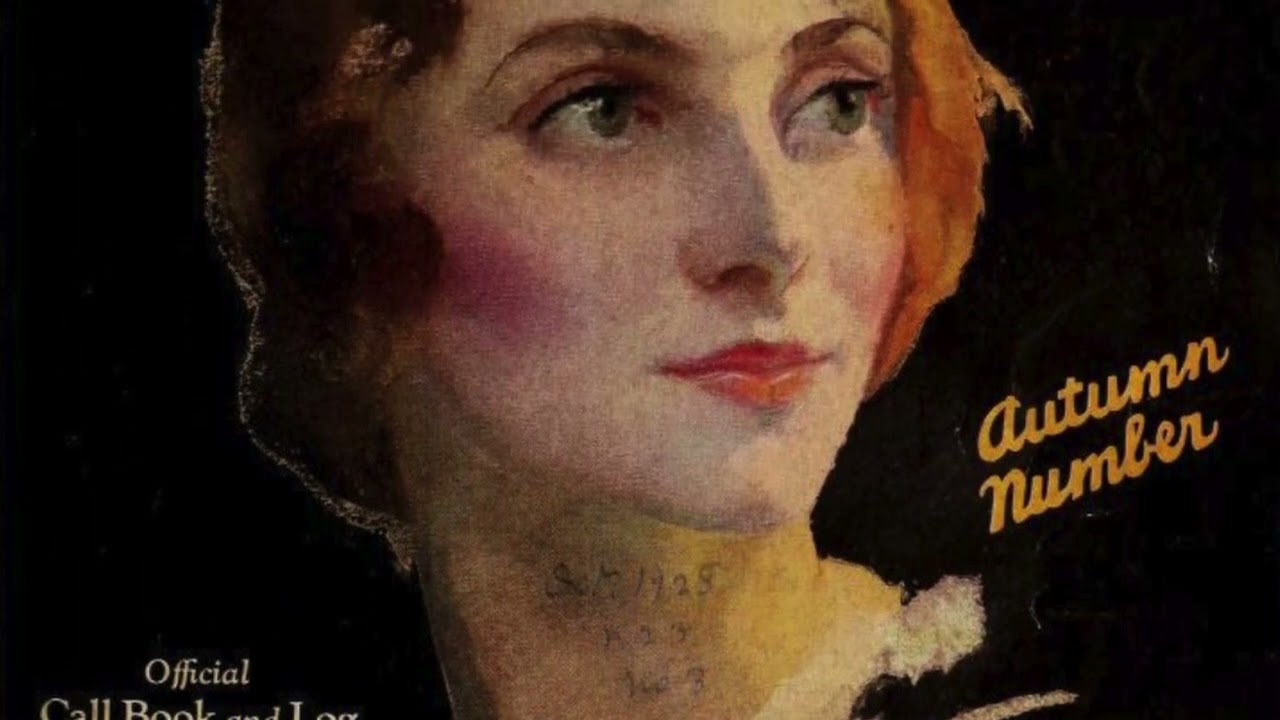
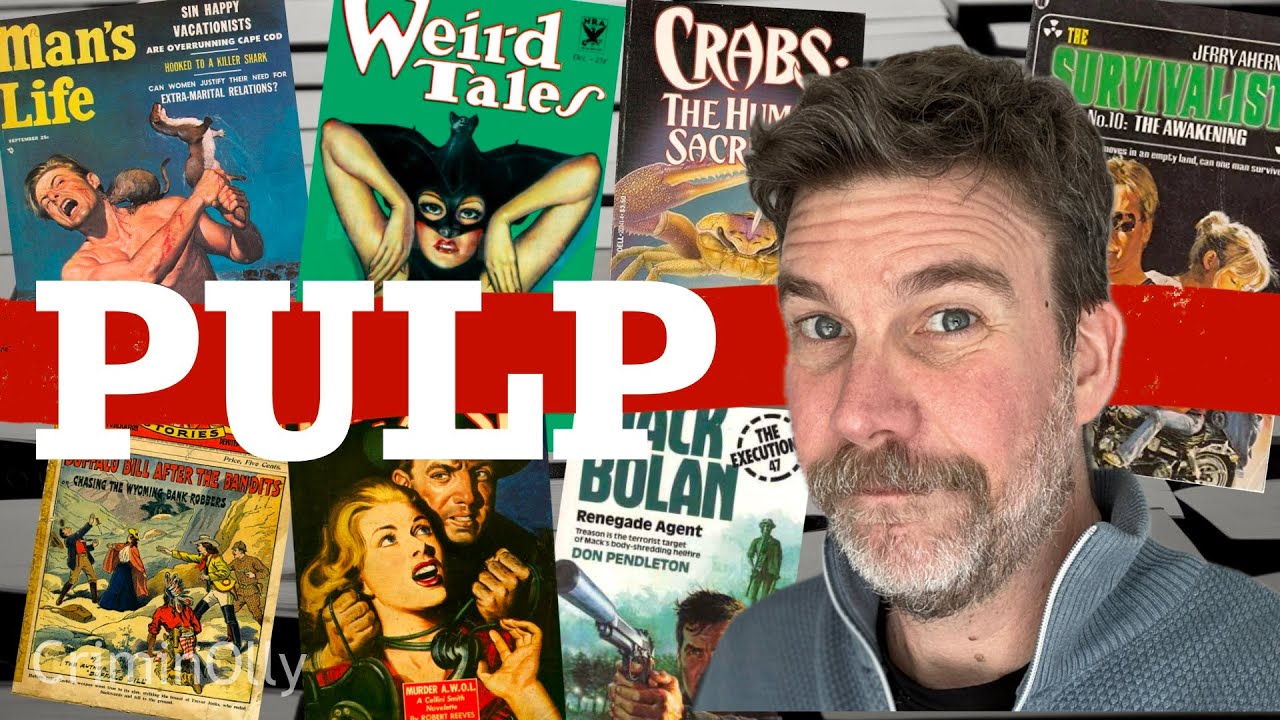
and dangerous western territories of the United States where the hero would often fight savage Indians or outlaws they were usually not particularly well written and completely dismissed by literary critics it was the same for pulp magazines however the new modern era took the dime novel formula and adjusted it the stories were often shorter and featured more aspects of janeshia genres like crime horror and the newly emerging science fiction as well as the always popular steamy romance the popular stock character of a beautiful scantily clad woman was often illustrated on the covers some of the more
borderline inappropriate cult magazines that were sometimes sold under the counter at certain stores it may be hard to understand the popularity of polt magazines and numbers so let's look at a quick comparison with normal literature at the time Ernest Hemingway's very popular breakthrough novel The Sun Also Rises sold an impressive 19 thousand copies within six months of its release in 1926 but at the same time the leading pulp magazine boasted a monthly circulation of nearly six hundred thousand other popular pulp magazines had more than a hundred thousand copies in circulation every month some even switched
to a bi-weekly scheduler Pulp Fiction was written quickly and efficiently at a rate that no serious novelists could ever hope to compete with so the main takeaway is that pulp fiction was written for the masses it was not art it was not a glimpse into the nature of humanity it was not a satire or commentary on society it was pure escapism think of the cheesy poorly made entertainment of any decade and it will boil down to the same conclusion while some pulp writers such as HP Lovecraft would eventually be critically recognized for their writing most
have faded into oblivion and few were mourning that loss Edgar Rice Burroughs one of the most popular Pulp writers of all time was Blount in his self-evaluations of his own writing and stories in 1929 he wrote I have never taken my work very seriously and I am afraid that I never shall he also said that same year I knew nothing about the technique of story writing and now after eighteen years of writing I still know nothing about the technique Burroughs his explanation of how he began writing pulp fiction sounds like it could have easily applied
to any other amateur writer who wanted to make some quick cash I had good reason for thinking I could sell what I wrote I had gone thoroughly through some of the all fiction magazines and I made up my mind that if people were paid for writing such a rot as I read I could write stories of just as rotten although I had never written a story I knew absolutely that I could write stories just as entertaining and probably a lot more so than a chance to read in those magazines but that didn't mean that pulp
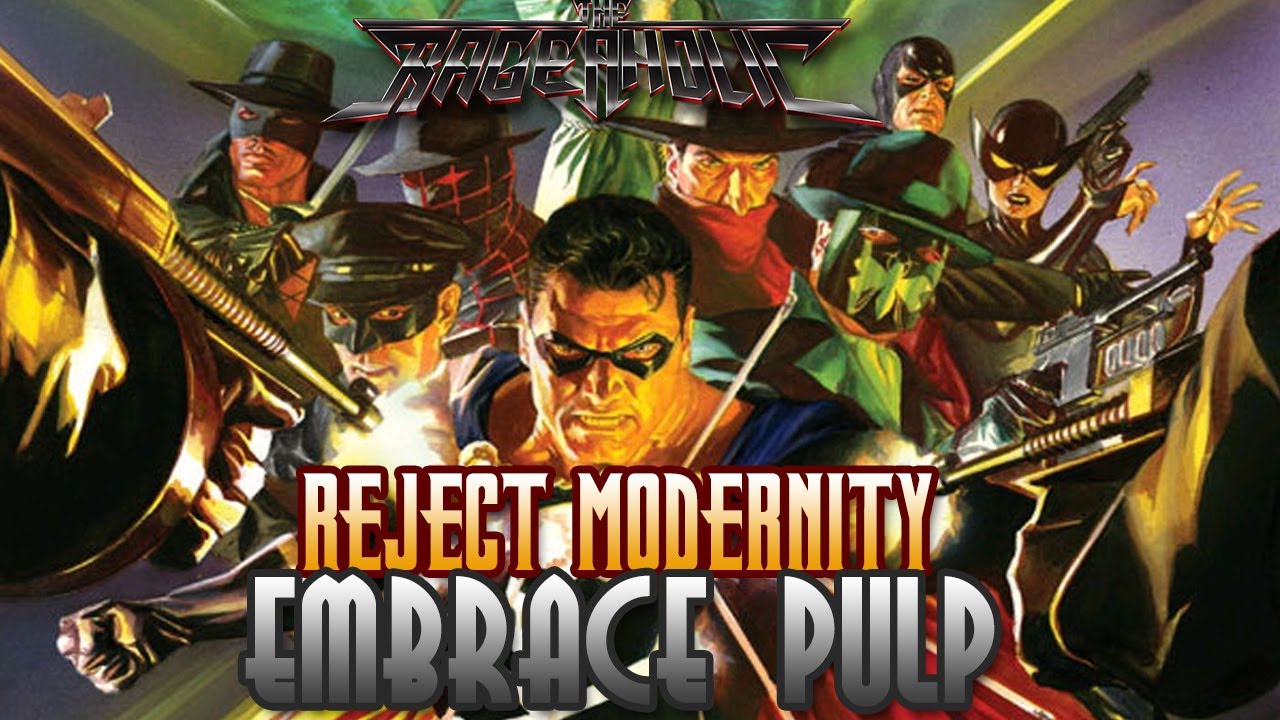
fiction didn't make its mark on the entertainment world well-known characters such as Tarzan Zorro and Buck Rogers all made appearances in 1920s pulp magazines and many famous authors got their start writing pulp fiction the most obvious example is HP Lovecraft who's extremely influential stories have been published almost exclusively in pulp magazines probably the most well known pulp author was Edgar Rice Burroughs who I mentioned before he is best known for creating Tarzan and John Carter of Mars he began publishing pulp fiction in 1915 and by the early 1920s he had become extremely successful and there
was Dashiell Hammett who got his start in the late 1920s writing hard-boiled detective stories and would go on to write such famous stories as The Maltese Falcon and the Thin Man in the early years of the next decade okay now let's talk a little bit about the magazines themselves Argus II was probably the most popular pulp magazine of the 20s it's also regarded as the first real pulp magazine starting the whole trend at the turn of the century originally publishing normal short fiction it eventually switched to a pulp fiction format and enjoyed amazing success hosting
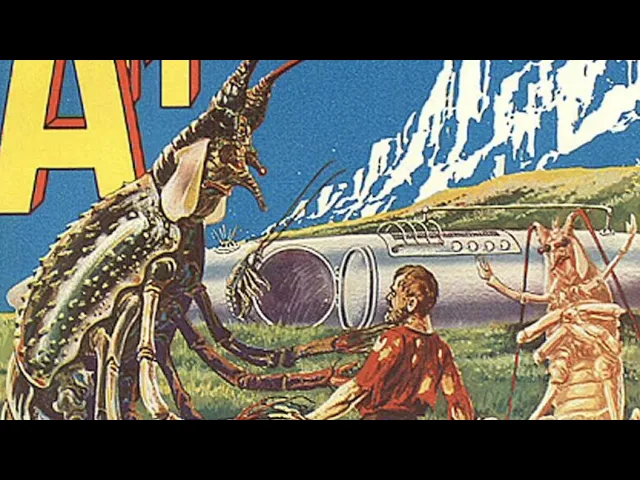
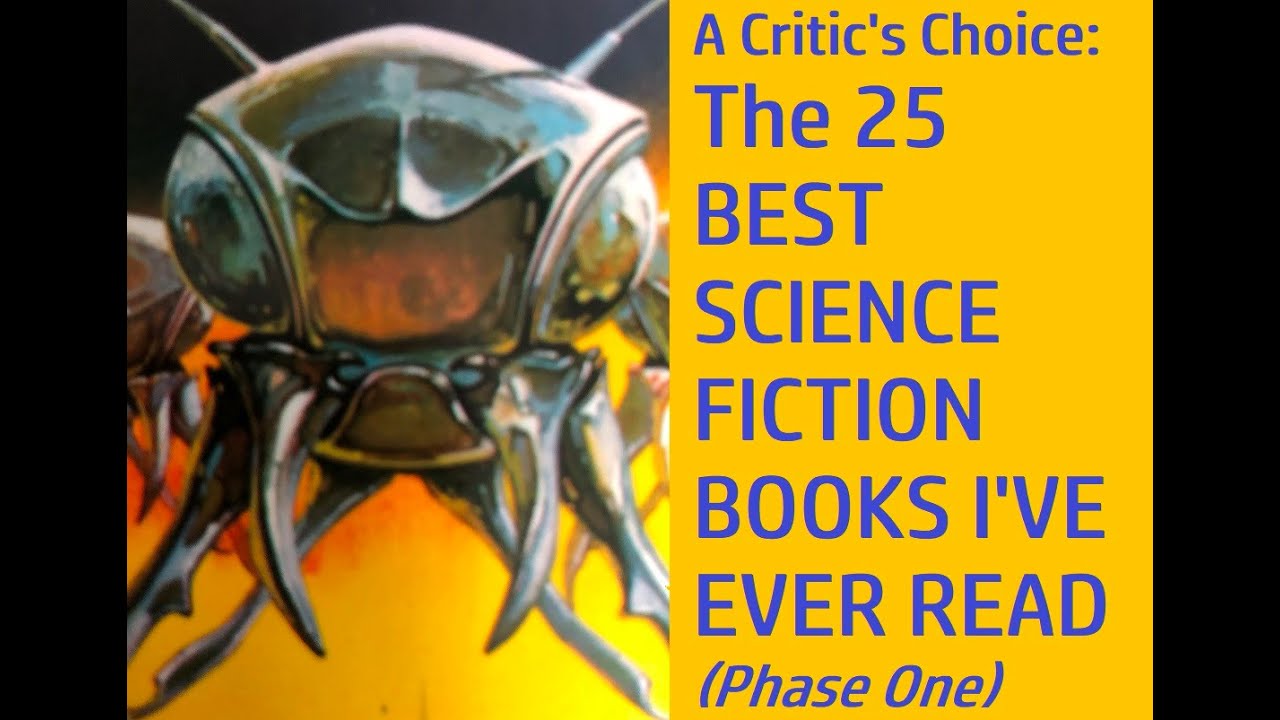
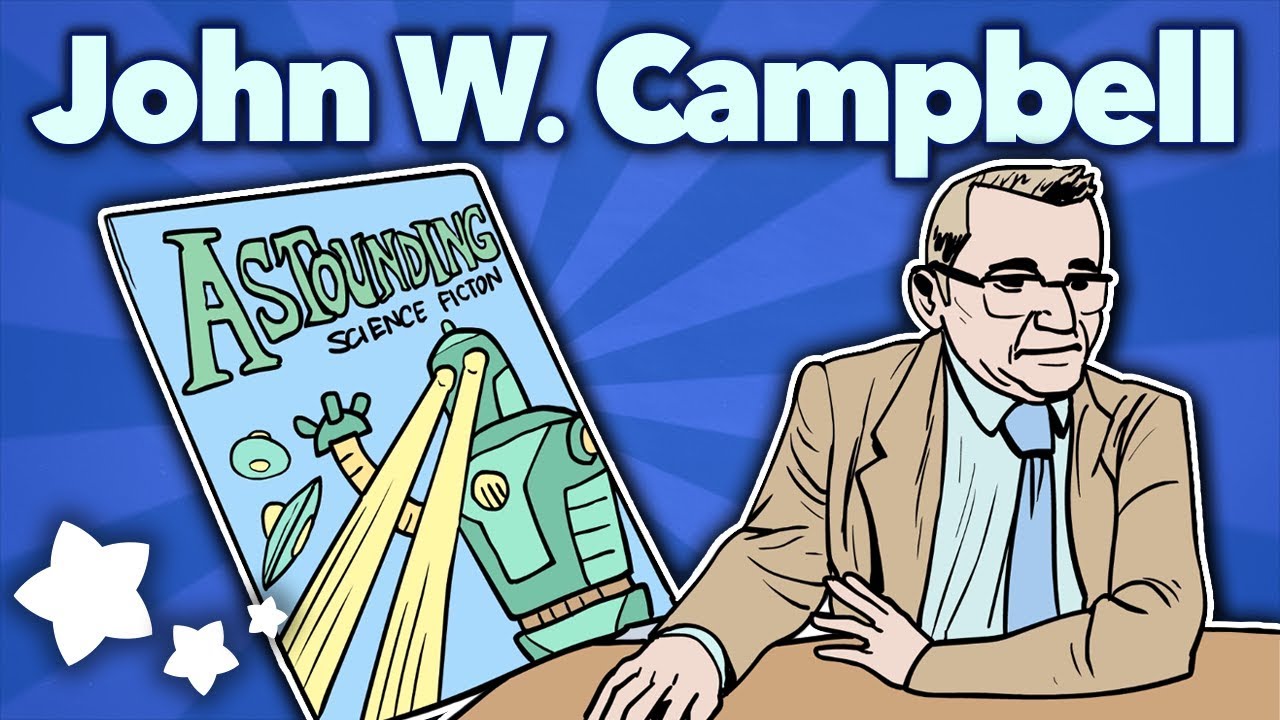
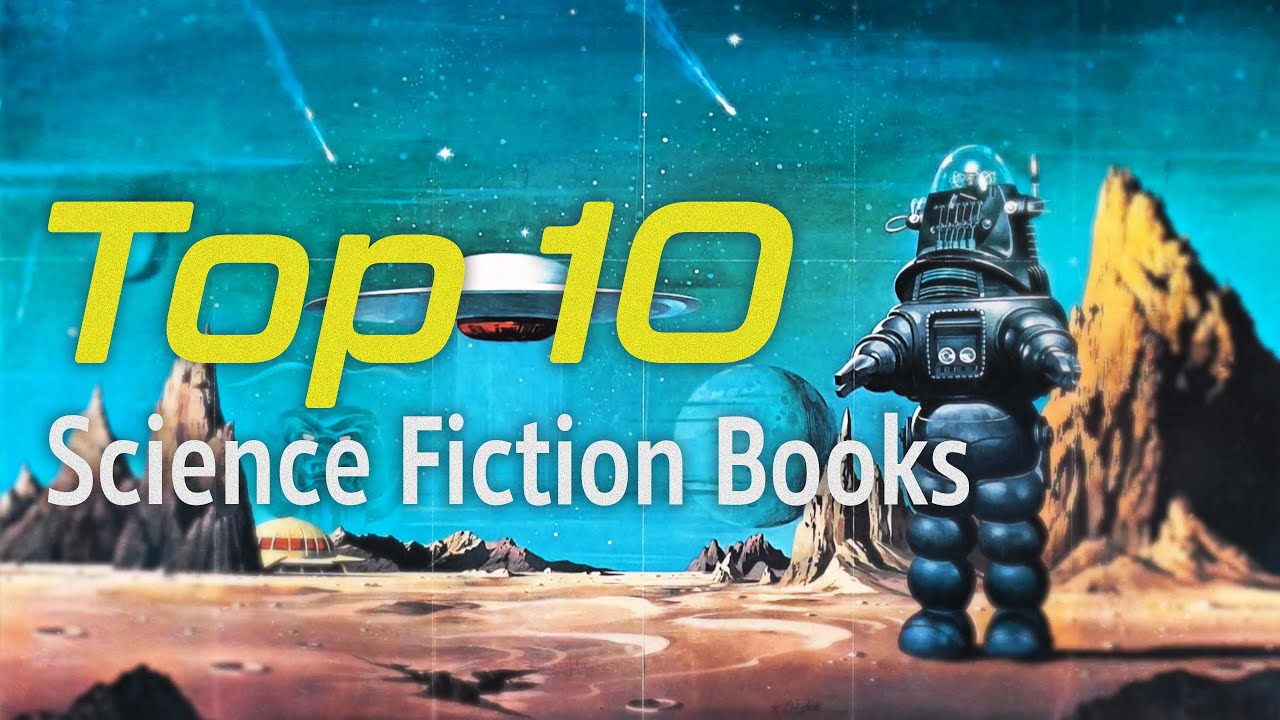
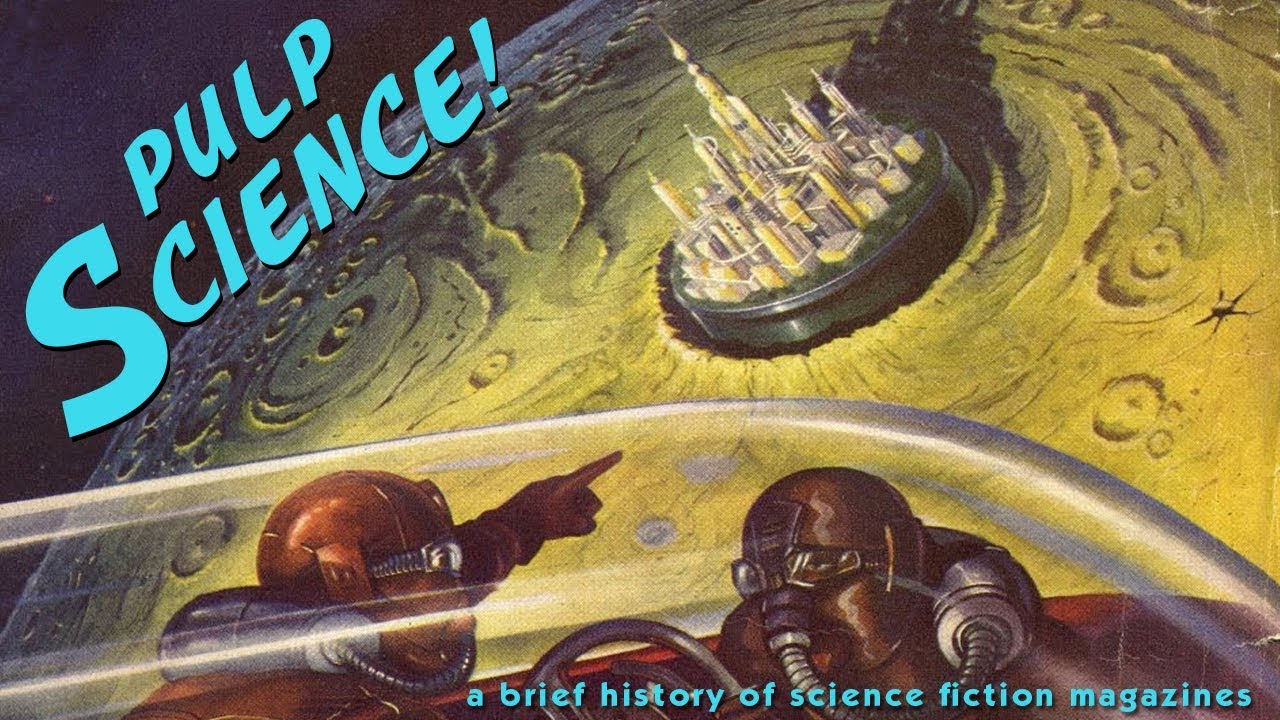
a circulation of around 500 to 600 thousand in the 1920s maybe the most iconic pulp magazine was amazing stories not only did it publish well amazing stories that took the reader on adventures to space and Lost Worlds each monthly issue also featured a science fiction influence to cover the covers were so popular that when the magazine changed to a less in-your-face cover design sales plummeted all but forcing the head editor to bring back the original style these covers would later become very important to the aesthetic of science fiction particularly in the 1950s other popular pulp
magazines of the day included the black mask love story magazine and weird tales there were hundreds of different publications if not thousands some lasting no more than a few issues most had some kind of theme usually a specific genre like those I listed before pulp magazines when first created usually featured reprints of older popular stories such as the exciting Adventures of Jules Verne and the alien and time-travel tales of HT wells but once pulp fiction especially in the fledgling science fiction developed an established community of fans sales really began to take off while pulp magazines
contributed to the rapid development of science fiction as a genre it also had a slower but equally important influence on crime noir by the end of the decade crime pulp writers liked Dashiell Hammett wrong our way to creating iconic characters like Sam Spade outside of real pulp fiction detectives like Agatha Christie's detective Porto Philip Vance and the Hardy Boys were enjoying their first successes so while there were a few notable characters in pulp crime fiction in the 1920s the way was paved for the explosion of popularity of the genre in the 1930s in their time
pulp magazines were rarely taken seriously by anyone in any kind of literary circle there was also the stereotype that pulp fiction it was for children especially young boys the style was simplistic and easily accessible anyone looking for some quick escapism could enjoy an endless amount of stories that would satisfy their craving the unabashed sensationalism and manly adventure was extremely appealing for boys who wanted to escape their sometimes too comfortable life into a world of exotic fantasy so what is the legacy of pulp magazines of the 1920s there were few notable pulp authors few notable and
original stories and most of the stories were sensationalist and not very well written and were disliked by most middle-class adults for being just that the magazines themselves were made from untrimmed low-quality paper that was not meant to last in nearly every sense they were made to be ephemeral with all this in mind it would seem that pulp fiction was just literary trash and many contemporaries would have agreed but pulp magazines did make an important contribution to pop culture it was precisely their over-the-top style that inspired others to use those elements and refine them into a
more balanced way of storytelling the competitiveness of the pulp magazines with each other drove creativity leading to the further development of many subgenres of literature that we know and love today in the artwork on the covers of some of the more popular magazines have become iconic symbols especially among fans of science fiction and crime noir and heavily influenced the development of the aesthetic of those subgenres to summarize pulp magazines were for the masses and the stories were dependent on what the public wanted so even more than mainstream literature pulp fiction really reflected the desires of
a large section of the American population and especially for young boys was one of the best outlets to experience manly and daring adventures that they couldn't have in peacetime even though pulp fiction had a fairly bad reputation in the greater literary sphere it influenced the pop culture of the following decades in more ways than most would have believed at the time pulp magazines were not so different from the other forms of mass entertainment anytime past our present everyone likes a little adventure or a guilty pleasure of some kind and that's what pulp magazines gave them
[Music] a bit careful crossing streams don't eat me I had been planning and covering the subject for a while because I found it fascinating uh such low quality reading material could have such an impact on pop culture and really helps to define an entire subgenres while they were still in their infancy maybe some of the points in this video were a bit repetitive but I really wanted to stress them so I hope you found this video interesting and maybe learned a thing or two about the world of pulp magazines in the 1920s well that's all
for now cheeks and gals out there but stay tuned for more tales from the Jazz Age [Music]