The Vottovaara Mountain, situated in the Republic of Karelia of Russia, is a place revered for its powerful energy and worshipped as a sacred site for thousands of years by ancient Saami tribes and shamans, who are the ancestors of modern Finns, as this region was once part of Finland. As one ascends Vottovaara, an array of abnormal phenomena begins to manifest in the trees. Remarkably, there are no living trees on the summit that are more than a few decades old.
Although many young pines and firs initially grow in a typical manner, they soon begin to exhibit strange characteristics. After a few years, the trees undergo transformations that defy conventional scientific explanations. The trunks and branches of trees on Vottovaara rotate around their axis due to some unexplained abnormal force.
In some cases, the upper side branches start growing not upwards but towards the ground, creating an eerie, downward growth pattern. Additionally, there are practically no animals and birds there, and the lakes are uninhabited. Perhaps this is why locals call it the Death Mountain.
But that's not all. The site has numerous strange megalithic structures and ruins, which many believe could not have occurred naturally. For example, there are approximately 1,600 sacred stones called "seids" which are arranged here in a mysterious order.
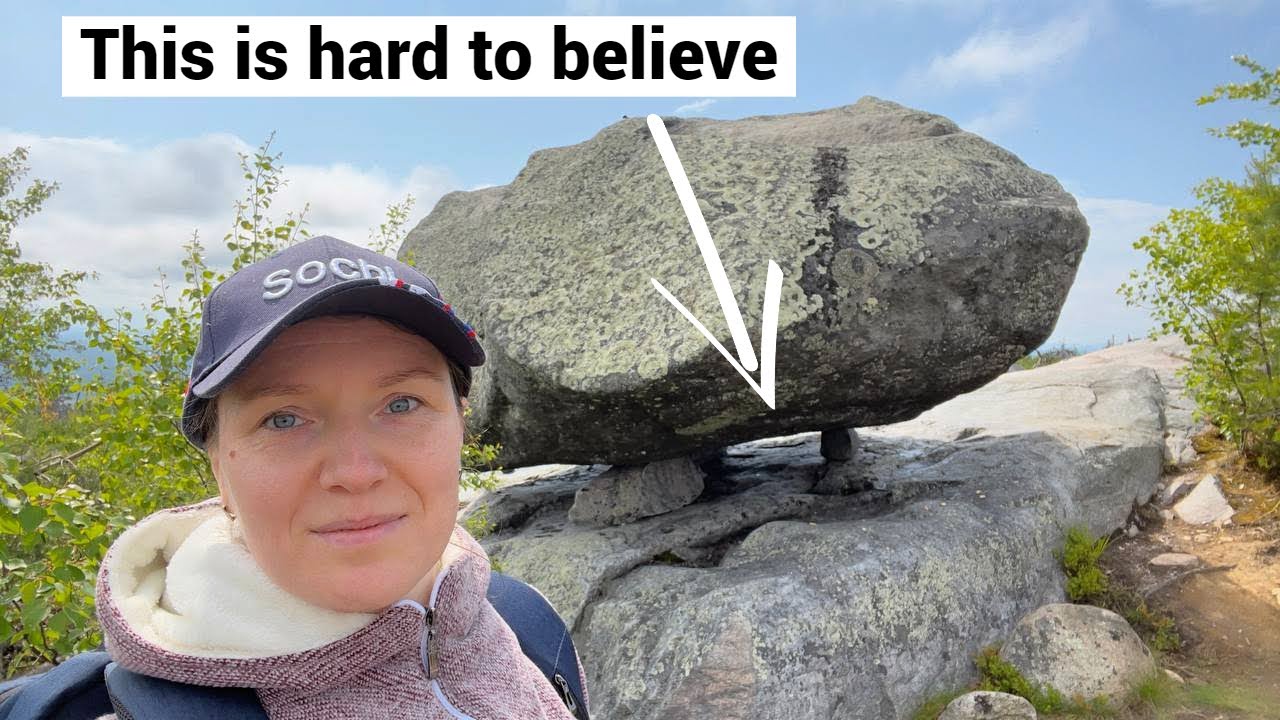
Seids or seitas are objects or sites revered by the Saami people as representing nature or earth spirits. The seid stones or boulders are often of unusual shapes and are placed in strange ways, balanced on small rocks. Scientists say this occurred naturally by luck during the Ice Age.
However, considering there are 1,600 stones in the area, all balanced perfectly on tiny little rocks, the natural luck hypothesis becomes invalidated. After all, what are the odds for so many giant stone boulders to situate themselves perfectly like that? The large stones had to be placed gently on top of the smaller ones to prevent them from breaking them.
But if someone placed them like that, how did they do it? What kind of methods did they use to lift, transport, and gently place and balance such giant boulders? But it's not just the seids.
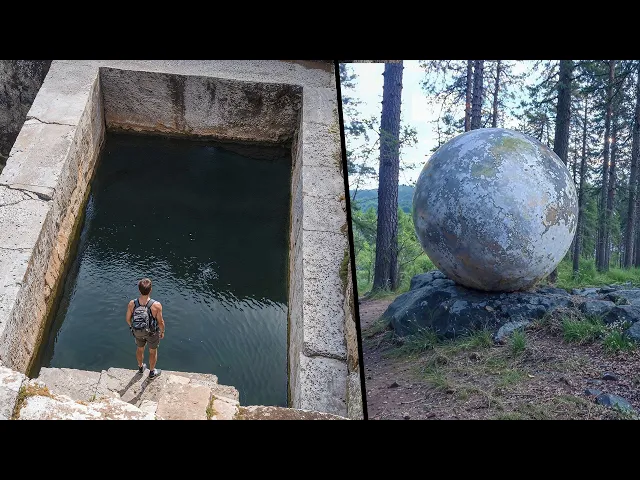
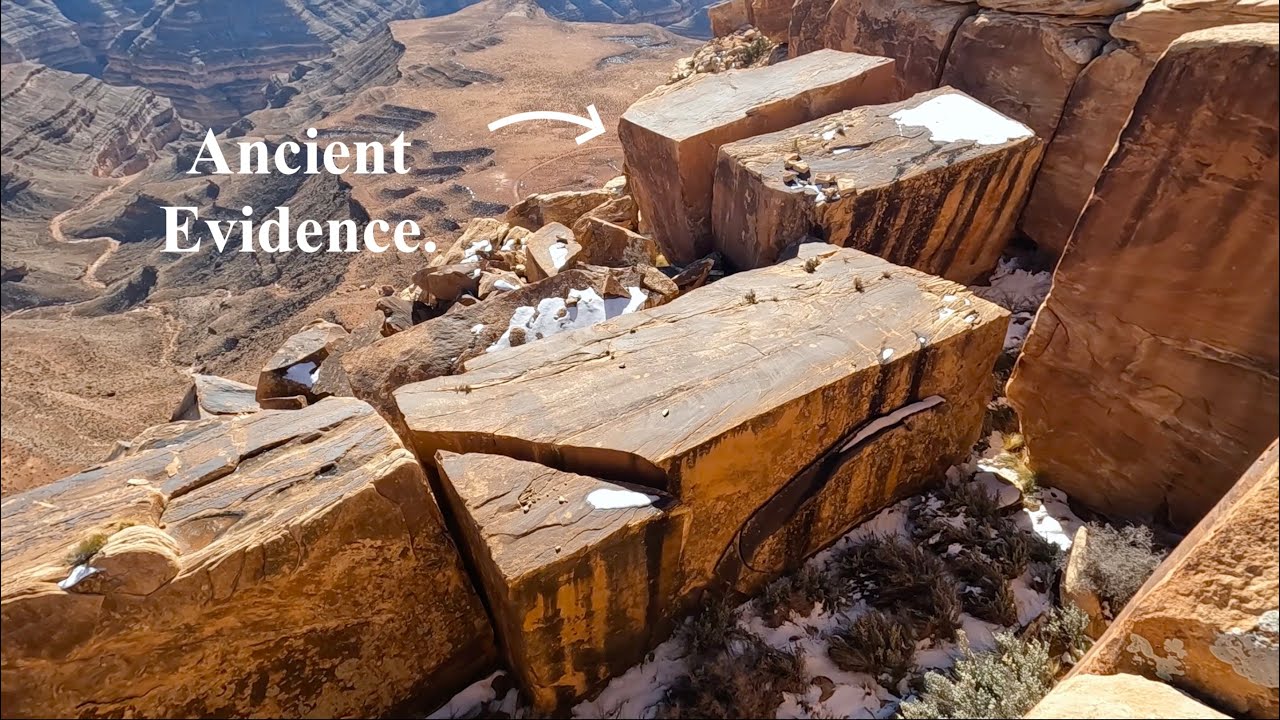
This structure is called the well. Locals believe this is an artificially constructed ancient megalithic site used for the storage of water. The blocks of the structure look like they were perfectly cut to have precise rectangular forms.
The thousands of years of erosion, of course, caused them to crack and deform, but nevertheless, the symmetry and precision of the structure are still clearly seen. No one even knows how deep this well goes, as it's always filled with water, and no proper scientific research has been done at this site. Although it hasn't been proven that this water tank was artificially constructed, we know for sure prehistoric civilizations were able to build such structures, as there's a nearly identical tank in Bulgaria, carved into the rock sanctuary of Perperikon.
The tank, measuring 40 feet long, 20 feet wide, and 20 feet deep, has a capacity of 432,000 liters. It has an extremely complex system of incredibly accurate grooves in the rock which still work flawlessly in collecting and distributing water. The city of Perperikon has been inhabited since around 5000 BCE, while a nearby shrine dedicated to Orpheus, near the village of Tatul, dates back to 6000 BCE.
Is it possible that the water tank at the Vottovaara mountain was built by the same unknown civilization that built the water tank in Perperikon, Bulgaria? Take a look at the interlockings of the stone blocks, which fitted perfectly thousands of years ago before they were displaced. There are many more strange megalithic artifacts on the complex, like these stone spheres, for example, which are perfectly smooth and oval and are often placed on podiums.
As you probably know, similar stone spheres have been found in Bosnia, near the Bosnian pyramid, as well as in Costa Rica, where there is an assortment of over 300 such petrospheres. Their real purpose is still unknown. This giant structure is believed to be the remains of an ancient stairs that were part of a larger building.
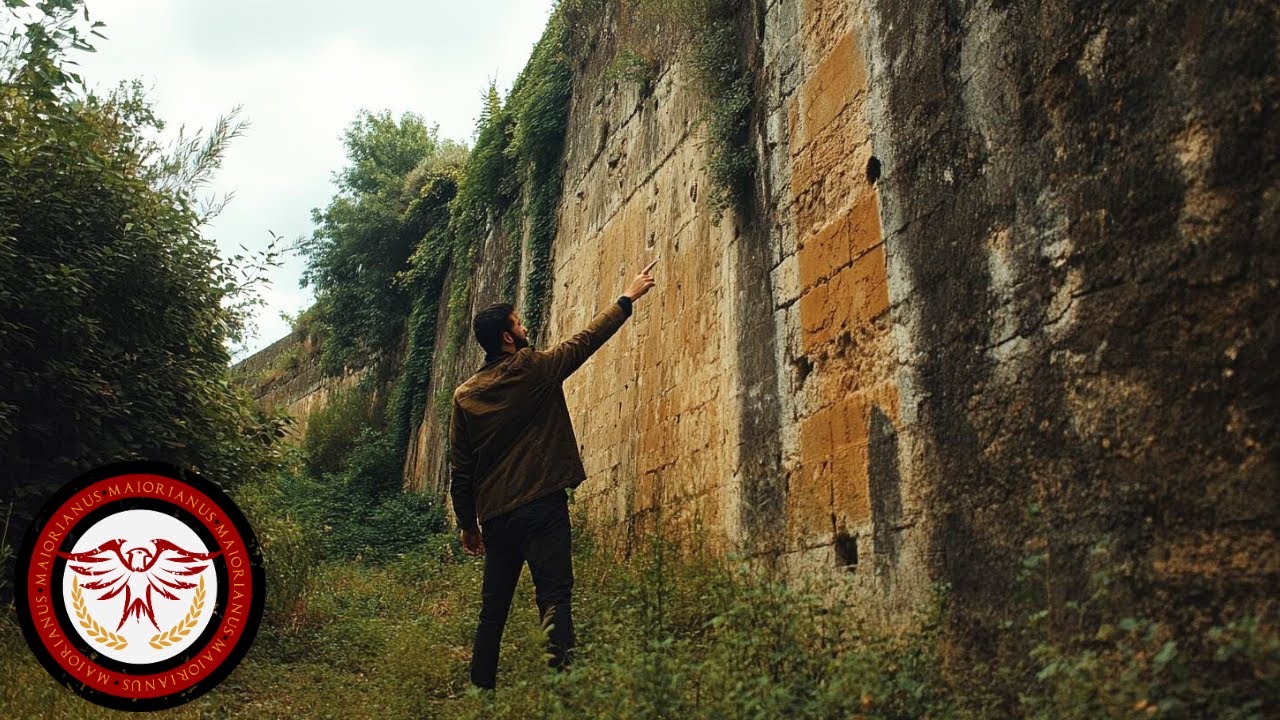
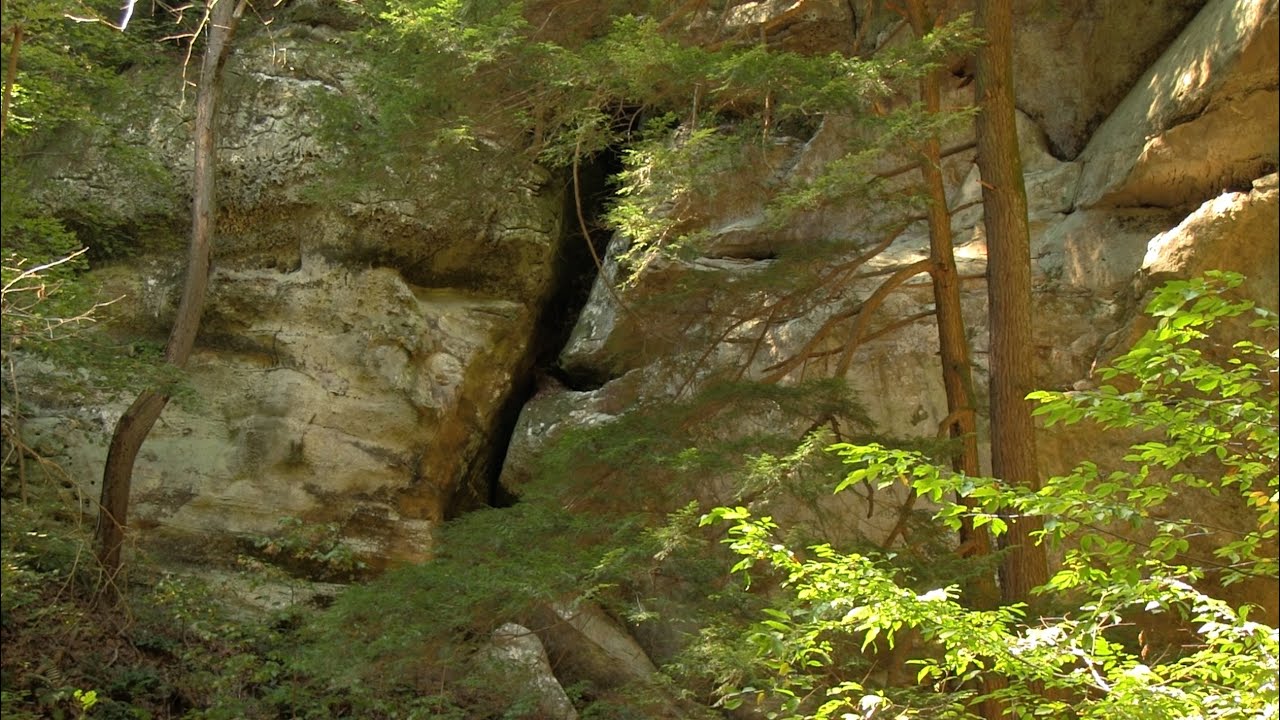
Of course, scientists dismiss it and say it's just a natural formation. And this appears like a prehistoric wall made of large squared stone blocks. As you can see, there's what appears to be a knob on one of the upper stone blocks.
The block cuts look very smooth and probably fitted perfectly thousands of years ago. There are many more stone ruins that look too artificial for a natural formation. Take a look for yourself and you be the judge.
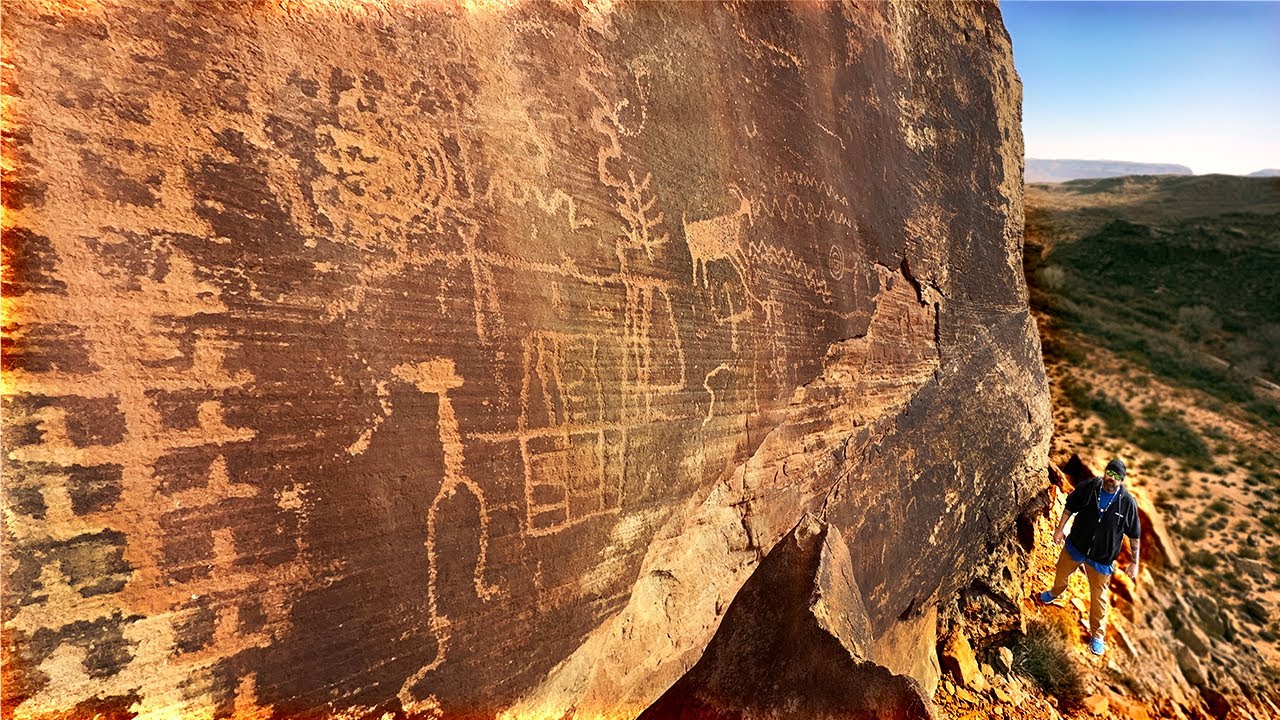
But that's not all. Archaeologists have uncovered many fascinating rock carvings in the region. On the eastern bank of Lake Onega, the second largest lake in Europe, archaeologists discovered about 1,200 rock drawings estimated to be from 5 to 6 thousand years old.
Known as the Onega petroglyphs, these astonishing rock carvings were deliberately made to display stunning special light effects, just like a prehistoric cinema. The site selection is intriguing as the artists chose granite rocks that rise vertically from the lake waters. At sunset, the designs on the cliffs become more distinct in the sunlight, indicating that the artists selected this location for its light effects despite the inherent risks.
Before sunset, the designs were barely visible and indistinguishable from below. However, as the sun approached the horizon, the granite turned dark red, and the different colored lines of the patterns became very clear. The uniqueness of owning petroglyphs lies in the imagery they contain.
Predominantly featuring water birds, especially swans, these images are unlike those found in the rock art of the Eurasian region. The most popular depiction is that of this human-like creature with a rectangular body and a large square head. This 2.
5-meter-long figure is carved into a rock that Neolithic people likely viewed as the entrance to the netherworld. A seven-pointed Orthodox cross, thought to be made by monks from the Ruhr monastery in the 16th century, is etched over the image, as later Christian people believed the carving represented the devil. In fact, the entire Vottovaara region, with all of the megalithic structures, ruins, and carvings, has long been considered an evil place by Christian believers, hence much of the structures and art were deliberately destroyed.
Nevertheless, there are many people who appreciate the strong energy of the place and regularly visit it to meditate and connect with the ancient spirits believed to inhabit the area. Tell us what you think about the Vottovaara Mountain, also known as the Death Mountain. Do you believe there's some kind of unknown energy causing the strange deformation of all of the twisted trees?
And do you think all of these stone ruins are the remains of a prehistoric civilization that built a massive complex in this area? Or it's just a natural formation? If you want to learn more about prehistoric megalithic structures, you can watch our latest video on the large dolmens from the Caucasus region.
The link is in the top pinned comment. Thank you for watching. If you enjoyed the video, please leave it a like.
And if you're new, make sure to subscribe by enabling the notifications so you don't miss our next documentary.