[Music] [Music] since the dawn of the time humanity has sought sweetness across the world nature provided its own answers in North America maple syrup was harvested from trees in South America agava syrup was extracted from the agabi plants in Europe and Africa honey was the primary sweetener and in the Middle East date syrup was a common source of sweetness but these natural sweeteners had their limitations they were perishable difficult to store and not easily adaptable across different foods then something changed a discovery so profound that it reshaped the way we eat trade and build civilizations
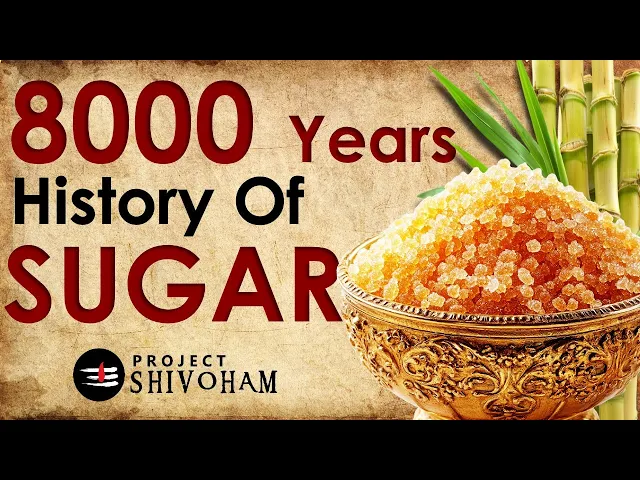
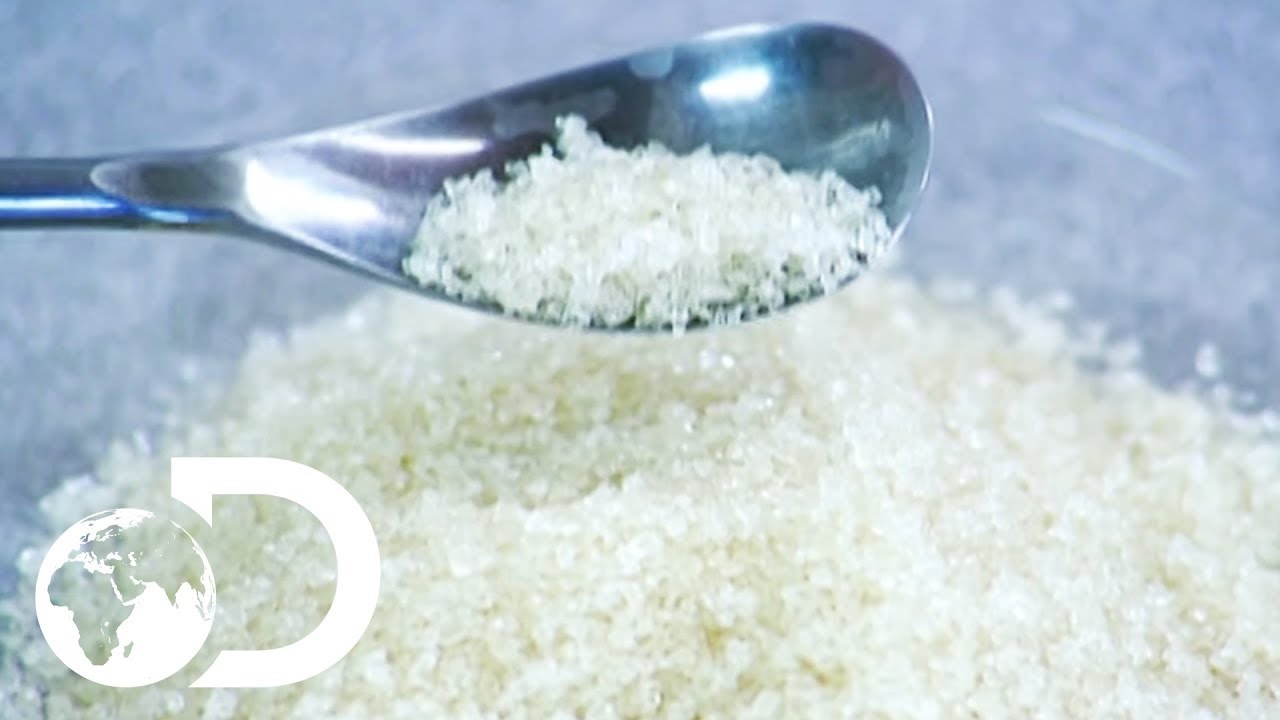
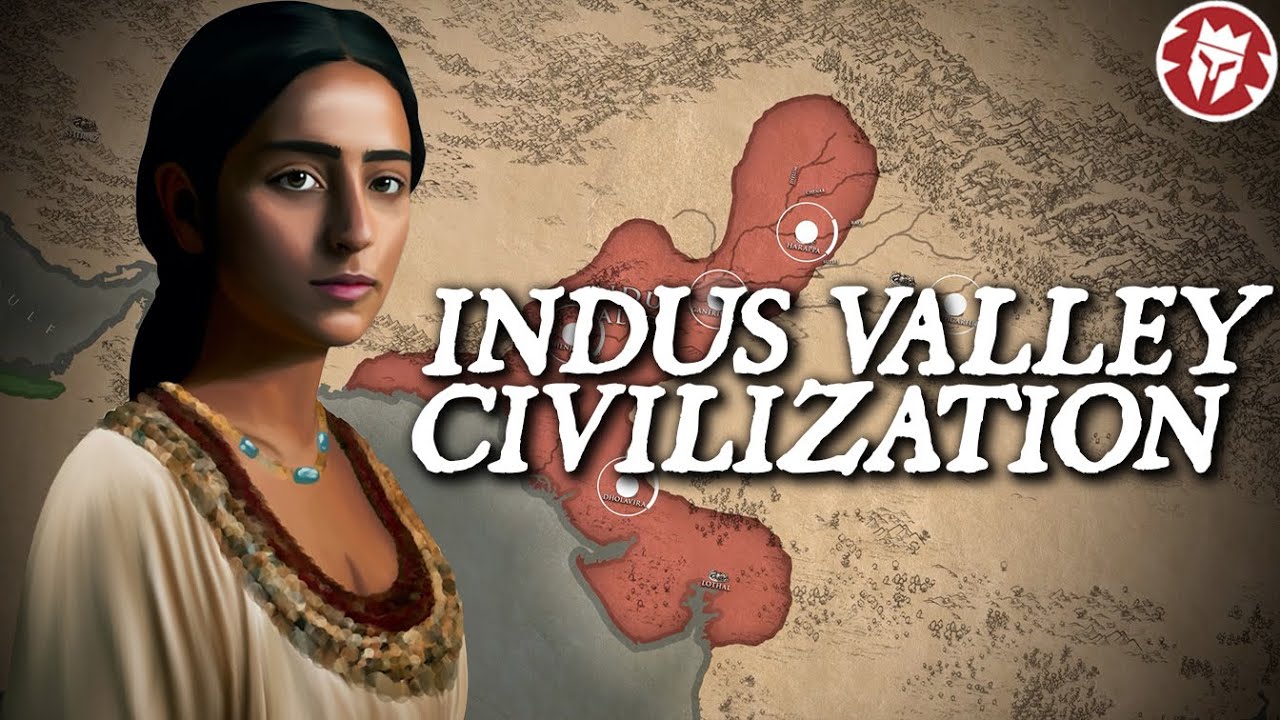
a substance that could be stored transported and Infused into every aspect of food and daily life it's the sugar and that's from India the birthplace of sugar crystallized sugar to be very specific the birthplace of crystallized sweetness where more than 8,000 years the first true sugar was crafted refined and perfected before it spread across the world this is the story of how India gave sugar to humanity and how that gift shaped the history of the food that we know today let us start with the semantics first sharara is the name for sugar in samsam now
take a good look at all these languages soari in Finnish sukra in French suiker in Dutch zuker in Germany azukar in Spanish sacon in Greek Shakur in Old Persian sacrum in Latin sukker in Polish so on and so forth this linguistic similarity is not because of all of them belong to the indoan language family at least most of them that's not the reason the reason is is much more deep for Millennia India not only cultivated sugar cane but mastered the art of transforming its juice into crystallized sweetness as we discussed the sharara the very word
that would later Echo across languages worldwide but before sugar traveled Beyond India's borders it was perfected here deeply woven into rituals medicine and Cuisine how did this ancient knowledge evolve into the refined sugar that we know today how did India's Discovery set the stage for a global Transmission in terms of sweetness to understand this we must first explore India's long and Rich history with sugar and just in case you observed Chinese the sugar is called as tang and why is that an odd man out well there is an interesting piece of history there as well
and we'll see onward in this video in Ancient India several natural sources of sweetness were integral to daily life and Cuisine Marika refers to honey a common sweetener used in rituals and food GAA is jaggery made from sugar cane juice and widely consumed for its health benefits uasa is the sugar cane juice used in various preparations tarasa refers to Palm juice a sweet sap used in Regional Delicacies and lastly we have sharara the topic of today it's the sugar the crystallized form of it from the sugar can juice these five sweeteners were Central to ancient
Indian culinary tradition in ancient Indian scriptures provide detailed references to various byproducts dried from sugar cane juice each playing a significant role in Indian Cuisine and culture urasa or sugar cane juice is mentioned in several ancient texts where it is celebrated for its natural sweetness and used as a base for various preparations the adhara one of the oldest texts refers to urasa as a vital liquid emphasizing its importance in the ritualistic offerings the term F refers to molasses the thick dark syrup produced during the process of boiling sugar cane juice Pita is mentioned in the
aurvedic text the ancient aurvedic text we'll see that in a bit GAA or Jager is frequently referenced in ancient scriptures like ramayan and Mahabharat where it is described as an essential sweetener in food and offerings the Arash shastra an ancient Indian tradas on statecraft and economics also mentioned the trade and use of jaggery lastly Shakara or crystallized sugar is mentioned in many of our ancient texts these scriptures not only document the sweeteners but also highlight their significance in daily life trade and spiritual practices of bhat the oldest reference or for the first time that you
see sugar cane juice mentioned in ancient indan scriptures is from adharam unfortunately I lost that reference somewhere in my laptop I couldn't retrieve that so giving an alternative reference of when sugar cane juice was first quoted in our scriptures that is from Sri ramay while poetically narrating the fresh waters on the outskirts of aoda flowing in the rivers of aoda this is the poetic analogy that was used it means the udaka or the water that is flowing in the rivers on the outskirts of aoda was so cool and sweet like sugar cane juice interesting thing
is the word that we typically use today sugar cane juice that's exactly how it is described in Sri rayam also ikua rasa ukand rasa IU means the sugar cane I can't really cut out the cane from that but you know what I mean and then K means the stem which is the cane and then Russa is juice ikua sugar cane juice that's the first reference that we have about sugar cane and its juices in Sri ramay hinging on our current topic which is sugar the crystallized sugar so to speak that was nowhere mentioned in Sri
ramay at the outset it appears to be that sugar as such the crystallite sugar was discovered later after the times of Sri rayam because there are ample of places in Sri ramayanam where food is described at extensive length like I already mentioned in recent times what kind of meat was consumed what kind of fruits were eaten how the marination of certain dishes was done back then all these details were mentioned in Sugar juice has lots of mention throughout SRI ramayanam but the crystallized sugar with the name of sharara or any other Alternatives or synonyms of
it the crystallized sugar that is absent in Sri ramay and we can also clearly see that by the times of Mahabharat the crystallized Sugar took its form and shape we'll see that in a bit the first recorded mention of sugar in Ancient India comes from the renowned Sanskrit grammarian The Panini Mahari and his work the asaday in one of his sutras Panini Mahari writes that sharaya this is the Sutra sharaya Pini Mahari highlights the word sharara and its various grammatical forms Panini explains that the sugar refined as sharara can appear in multiple forms depending on
its usage in context these include variations like Shakara sharam sharam sharakam and sharam among others this Insight demonstrates that sugar was not only known in its physical form but was also intricately woven into the samskritam grammar known for its significance in the cultural and linguistic landscape of ancient India the precession and accuracy of panes ashad is phenomenal it makes one of the most reliable ancient texts in the history of bat preserved flawlessly for thousands of years The Mention Of sharara in his work further solidifies The crucial role sugar played in ancient Indian Society long before
it spread across the world equally ancient and significant as pinis asaday is suut samita in fact it is much older than pinis asaday but why and what is for another day for the moment let's focus on this ayurvedic scripture by suut Mahari it's a foundational text of Aura attributed to the work of suut Mahari this work not only offers profound insights into medicine and surgery but also provides a comprehensive understanding of sugar cane and its various products in this text sushir Mahari details 12 varieties of sugar cane each with specific chemical properties and distinct uses
in both medicinal and culinary context suut Mahari elaborates the process of extracting sugar cane juice emphasizing how it should be done carefully boiled to extract the crystallized form of sharara this text specifies the techniques for sugar extraction to ensure Purity and effect Effectiveness suut samita also categorizes the different species of sugar cane based on their medicinal properties advising on which varieties are suitable for treatment and which are not some sugar cane species are identified as being particularly beneficial for consumption due to their soothing and restorative qualities While others are marked as unsuitable for therapeutic use
this distinction reflects the depth of understanding that ancient Indian schol Ries sages everybody had about the nutritional and medicinal value of sugar cane long spread before its crystallization the 12 varieties of sugar cane given in Su samhita by suut Mahari are as follows pounda tapu karaa bira shapaka costu naap vaka suchipatra naala kostak it is really fascinating to see that today for us sugar can means it's just one sugar cane you put in squeeze out the Juice drink enjoy and that's about it but the varieties of sugar cane back in those times mentioned in the
ancient AIC text for their medicinal properties and culinary aspects is just I mean I had no words when I was actually reading sushir samita for this part of the story and we Indians are good at spitting on our own face on our own history talk about auram not for its clinical validity today but at least for its historical value of what you're seeing on the screen trust me half educated fools will make fun of auram maybe it's not suitable to treat diseases today I don't know I'm not a medical but at least from a historical
standpoint it has such a wealth of information but anyway like I said Indians spitting on their own history is a quality that is exclusive to Indians in the whole world you got to live with that and more from suut samhita here is an interesting schlum that suir maharshi articulate about the effects of sugar on health he says that derivatives of sugarcane juice like GAA Sharita become more white they become more cold sweeter and more pure and the more pure they get it is more difficult for your body to digest them now owing to the current
context my interest is not in the chem or the medicinal aspects of it but just look at the derivatives that is mentioning GAA which is jari sharara the sugar that we know today Kanda much bigger crystals of sugar I think in some Indian languages we still use this word Kanda and then fita molasses so it essentially tells us that all these four formats are derivatives of sugar cane juice is well known back in those times and most importantly sugar as we know today the Shara the crystallized form of it is predominantly an aurvedic substance the
white sugar the crystallized sugar is used in many of the ayurvedic recipes or the medicines most famous one which we still know today is the chaan prash in chaan prash the crystallized sugar is used because that essentially comes from charaka samita another very ancient scripture on auram now if we turn our attention a bit towards the Cy side of the story sugar is mentioned in the Nal Maharaj Maharaja who is a king who lived before the times of Mahabharat he composed a book called padam on various Indian recipes in that he mentions about Shakara and
various recipes of deserts which can be made with Shakara that also essentially is one of the oldest reference about sugar when it comes to the culinary aspect of it in chaka's arastra sugar production is recognized as an essential part of the economy and is classified under the term Shara chanakya mentions that several forms of sugar derived from sugar cane juice each serving its own purpose Pita a concentrated syrup obtained by boiling sugar cane juice GAA the Jager that we all know granulated sugar this refined crystalline sugar that you're talking about and then the sugar candy
the K solidified sugar products often molded into various shapes and forms so shakya also emphasizes the importance of sugar cane juice processing as an economic activity indicating that its product production and sale were vital to the marketplace he elaborates the responsibilities of the food Storehouse keeper and also shanuka notes that the taxation of these sugar related products was an essential part of the administrative framework ensuring that the sugar and its derivatives were economically regulated now chanak's Arash shastram gives us a very good Insight in terms of how sugar was commercially treated some 2,200 to 2,500
years ago back in India now how did I arrive at the 8,000 years history timeline that I mentioned in the thumbnail in the title of this video well honestly it is much older than 8,000 years because we need to start counting from the adhara then the ramayan and Mahabharat period and then for sure from the times of chanakya so if we place Mahabharat at somewhere between 6,000 to 5,000 BCE that easily gives us 8,000 years at the very least continuous history of sugar in India that 8,000 years or even more at the start of this
video I said that sugar in Chinese is called as Tang right now here is the interesting piece of shared history between India and China the Journey of sugar from India to China is a tale of cultural exchange and technological advancement during the reign of Emperor Tong of the Tang Dynasty 626 to 620 I think 649 C right 626 to 649 C there was a significant interest in sugar production to acquire the knowledge of sugar making techniques the emperor dispatched on envoys to India these envoys returned with two Indian sugar makers who successfully introduced sugar cultivation
and processing methods to China the Tang huya a historical text from the Tang Dynasty documents these events highlighting the transfer of sugar production Knowledge from India to China this is one half of the story here's where things get interesting in China the introduction of sugar production led to significant Innovations the Chinese refined the sugar making process by devel veloping Advanced crystallization techniques resulting in purer and more stable sugar products and this Innovation not only improved the quality of sugar but also made it more accessible and versatile for various culinary and medicinal uses the term Tang
for sugar in Chinese is a testament to the tong Dynasty's role in introducing and popularizing sugar production in China so it's basically reflecting the Tang Dynasty who brought sugar from India to China China hence it is called as Tang in Chinese Indians are mental slaves who don't care about their history but at least it is nice to see and learn from the neighbors as to how they respect their ancestors the refined sugar produced in China eventually made its way back to India where it was embraced and integrated into traditional Indian cuisine in India refined sugar
is commonly termed as chii in Hindi and couple of other languages right a term that reflects the historical trade and cultural exchange between India IND and China two of the four most ancient civilizations in the world India and China this exchange highlights the dynamic flow of knowledge and goods between India and China of course now things are different that's a different story but this sugar or tongue it illustrates how ancient civilizations influenced each other's culinary traditions and technological advancements I can bet on this if we say that we need to honor suut Mahari for his
first known techniques on the medical aspects about sugar produ ction people will laugh at you the Indians this is the fundamental difference between India and China China respects their history India spits on its own history I know that I'm too extreme in my statement but the more and more you get to learn for yourself and compare it to what we actually learned what we grew up learning the frustration has a very valid point now if you go a little back in time back to some 2,200 to 200000 years the periplus of arrian sea it's a
Greek Maritime guide from the first century detailing trade routes and Commercial interactions between the Roman Empire and the regions along the Red Sea East Africa and western coast of India attributed to an anonymous greek-speaking Egyptian merchant this text offers a comprehensive overview of ancient Maritime Commerce and this book what you're seeing on the screen is the first documentation of how sugar landed in Europe for the first time some 2,000 plus years ago how Greeks traded sugar with India so here is an extract from this book Which documents like I said the maritime details of the
ports navigation routes Commerce Goods what kind of goods were traded from which place to which place all this done back in the times of Greeks like 2,000 years back all that is documented in this book now let's read this brief snippet the title itself is very interesting it says honey from the re called Shakari honey is quite literally the reference or the name for sweetness around the world so there was not even a name to describe sugar hence it was used just like how we say to search we just say Google it Google is actually
a noun that has eventually become a verb same way honey is become the synonym or maybe the only name for sweetness and it's coming from the reads of sugar cane hence it is called as or rather explained as honey from the read called Shakari is the first mention in the history of European world of sugar as an article of Commerce it was known to plini as a medicine now plini lived more than 2,300 years back we'll get to that in a minute but as you read Shakari is the prit form of Sanskrit sarara Arabic sukar
and of course the names continue like what I explained in the very start of this video and these documents from the ancient Greek navigational and Maritime trade explains how ancient Indians an ancient Greek traded sugar and other Commodities in exchange now if we do a quick flip to the Su samita where sugar was explained for its medicinal properties remember that right now this piece of knowledge is translated by I think the word translated is wrong but comprehensively all the ancient Indian aurvedic texts that talked about sugar and its effects on health besides many other plant-based
medicines and it their properties all in all the entirity of auram is translated by theopus a philosopher and botanist who was the student of Aristotle who lived in 371 to 287 BCE now that was the first time when the word shakaron which is actually from the samsam word sharara got into the Greek literature theophrastus compiled this book the inquiry into plants and minor works on orders and wealthier signs this is basically a corpus from auram that is translated into the Greek text by theopus the copy that you're seeing on the screen so that's where the
medicinal properties of of sugar were carried from the ancient Indian text into the ancient Greek text and of course after theas there were many other Scholars who took the culinary and the medicinal aspects from India to Greece and on the flip side there are many aspects that Indians also learn from Greece it's not a one-way story we'll talk about that in detail in some of the video but I just want to highlight here the point that there were phenomenal cultural exchanges that happened from India towards both East and West during the Gupta period that is
fourth to 6th Century CE India had already developed Advanced sugar refining techniques transforming sugar cane juice into crystallized sugar the sesanian Persians ruling over a vast Empire from present day Iran learned these methods from India making a significant milestone in the global spread of sugar technology historical exchanges between Gupta Empire and the sesanian empire were well documented with trade diplomacy and cultural exchanges flourishing Indian knowledge of sugar crystallization and refining was transferred to Persia where it was further developed Persian text from the sesanian era reference sugar production as I said Shakara is the name that
you can still see in the Persian references and following the Islamic conquest of Persia in the 7th Century CE this knowledge passed to the Arab world where sugar production flourished under the Abbasid caliphate cut to the age of colonization the European trade of sugar the Italians from 1200 to 1500 CE played a significant role in bringing sugar to Europe through the trade with the Arab world sugar became an expensive luxury item in Europe used primarily by the elite and this is the reason why you see all the names for sugar in European languages just a
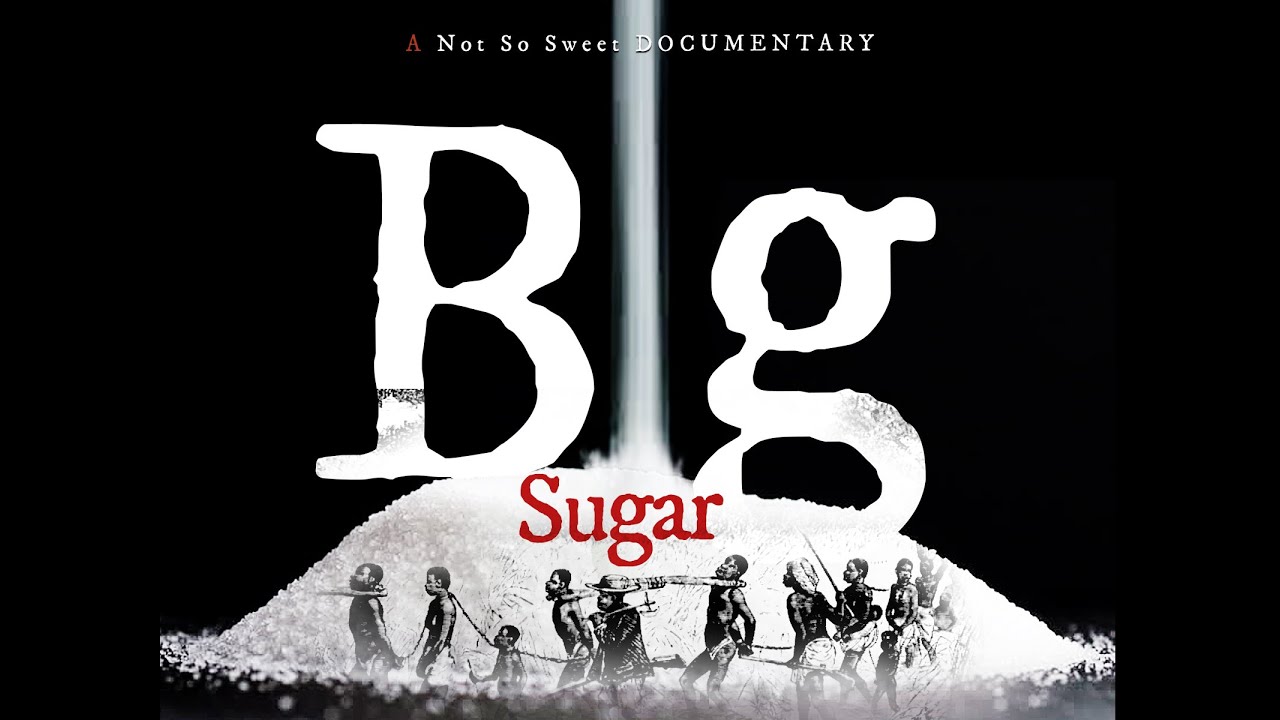
different variations of the samskritam word sharara and the so-called infamously boasted as the age of Discovery that's when the European colonization spread the sugar plantations to other parts of the world the Portuguese Spanish and later the Dutch and French began establishing sugarcane plantations in the Americas Caribbean and other tropical regions this led to mass production of sugar making it more accessible then in the 17th century broadly around thereabouts slavery and sugar trade this deadly combination was UN the demand for sugar drove the expansion of the transatlantic slave trade as enslaved Africans were brought to work
on sugar clean plantations in the new world which is the Americans particularly in the Caribbean and Brazil cut to few centuries later the Industrial Revolution completely changed sugar production Industrial refining techniques in 18th century the development of more sophisticated sugar refining techniques during the Industrial Revolution made sugar cheaper and more accessible to general population the introduction of steam powered sugar Mills helped increase production and in the 19th century the break of alternative sugars has begun sugar beat cultivation became a significant alternative to can sugar especially in Europe with the discovery of a process to extract
sugar from the beets or the beetroots in the early 19th century this provided an important alternative to Sugar particularly in the colder climates and from there on you have enormous amounts of alternative sugars today now if you take a complete zoom out here is how things look like sugar cane juice having its origins or usage back from the times of adaran and then ramay and mahabharatam so on and so forth and sugar explicitly mentioned in the ancient Indian texts like ashad or suut samita talking about the medicinal and The Culinary properties predominantly medicinal so to
speak so sharara in auram that's where the journey started and then the Greek Scholars like theopus and plini took the knowledge of sugar its production and its medicinal value from the Indian knowledge systems into the Greek literature they also traded with that Greeks trade of sugar with bat and then Chinese learned sugar making they perfected the art of sugar making in their own right and gave it back to India so that's where this beautiful exchange of sugar between India and China happened and then Persians learned sugar making from India and then Arabs traded sugar with
Persians as well as with Europeans and once European trade of sugar started eventually they took towards sugar plantations and eventually the industrial production of sugar as we know today now this is the complete joury journey of Shakara from India to the world as sugar as we know today now this is the 8,000 years or even more history of sugar for over 8,000 years India has been at the heart of Sugar's Journey from the Vic period where sugar cane was first cultivated to the Gupta AA when crystallization techniques were perfected and Beyond the knowledge of sugar
refining spread from India to Persia Arabia China and eventually Europe shaping economies trade routes and food cultures across civilizations what began as a sacred offering in the Vic rituals became a global commodity transforming the way the world experiences sweetness and that's a brief account on the Journey of sharara from India to the world as sugar with all that said leave you up there and as always thanks for watching [Music]