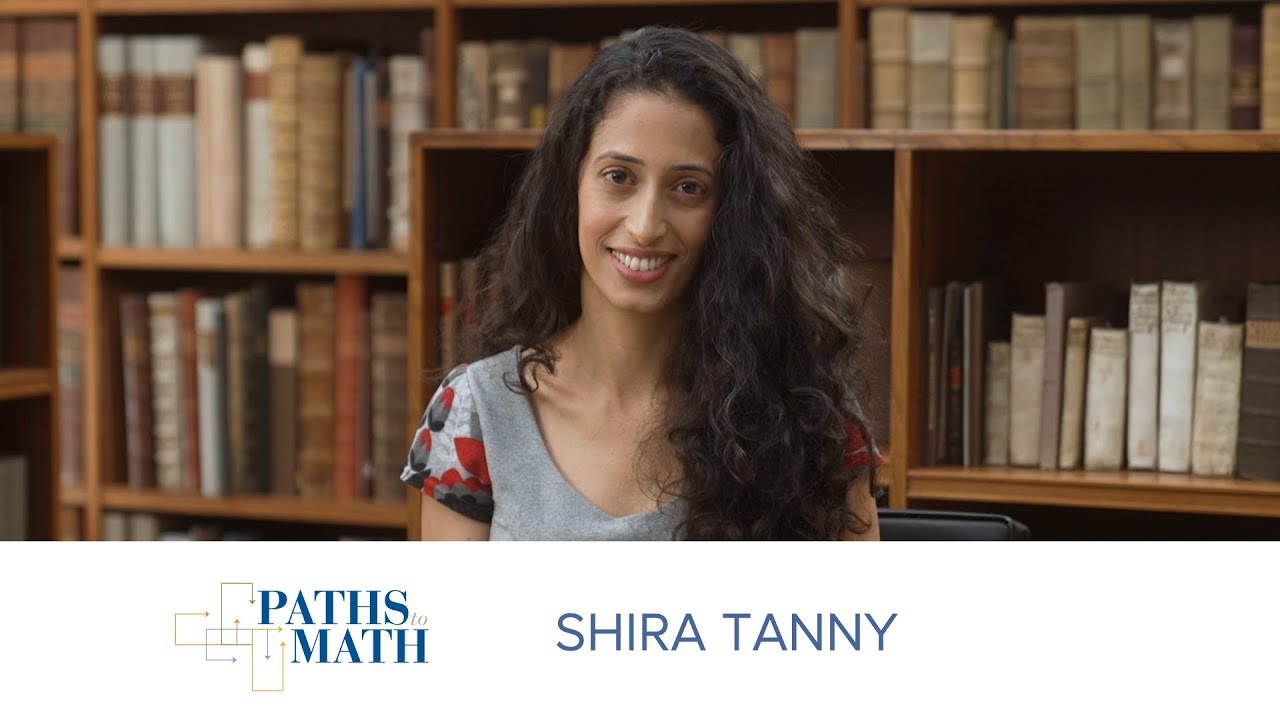
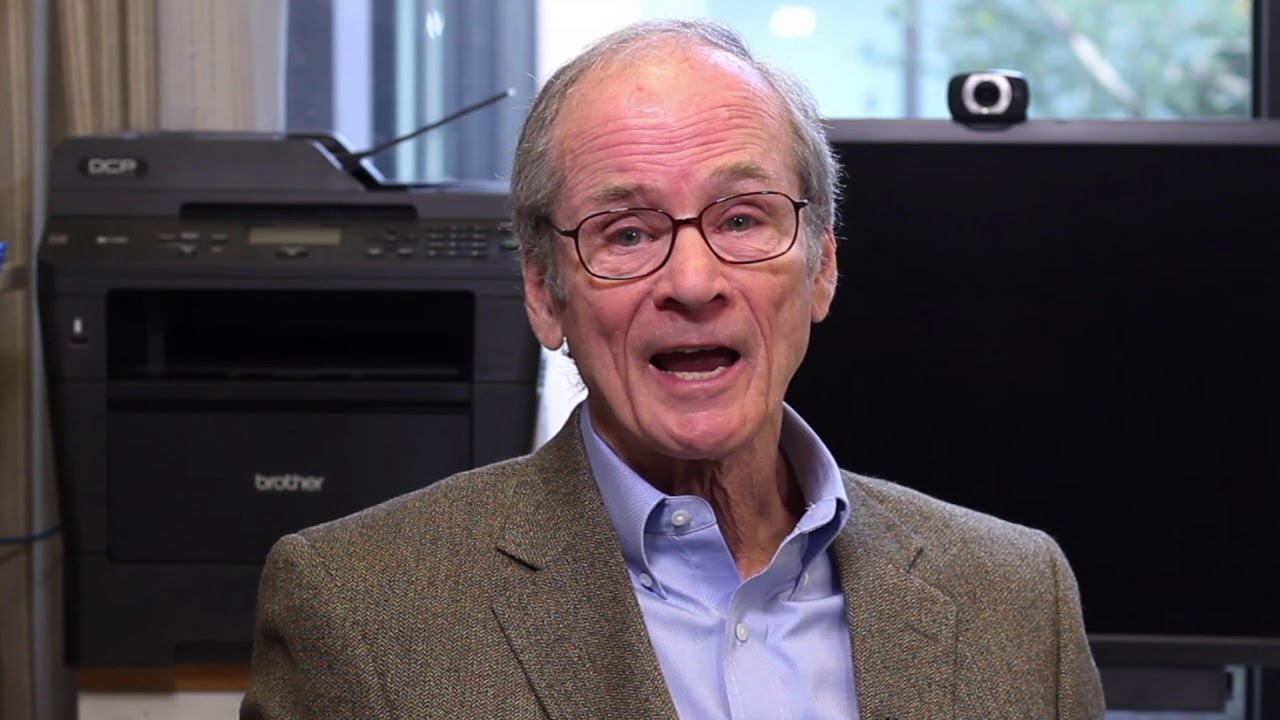
[Music] [Music] my name is Mina Cho Cara and I'm an assistant professor in the Department of Psychology at Harvard University so very generally my lab studies how tribalism how social groups shaped people's thoughts emotions brains and behavior so for example we study how phenomena such as empathy and communication break down when the social context shifts from me and you to us and them and we're equally interested in the consequences of these shifts for example discrimination conflict and even out group harm so when I say out group I just mean all the groups to which you
don't belong an in-group of course meaning the group's do what you do belong so humans and many other species very reliably divide the world up into us and them in groups and out groups and on one hand people reap numerous psychological as well as material benefits from being able to identify fellow group members and cooperate with them but of course group living also has its costs for example it produces pressure to conform so sometimes making us do or say things we wouldn't otherwise want to do or say and in other cases that of course causes
intractable conflict between groups so by some counts the 20th century saw over 200 million civilians killed in acts of intergroup conflict including genocide and warfare now these atrocities are kind of difficult for us to square it with our everyday experiences often times when I talk to people about my research I ask them questions like when was the last time you punch somebody and they kind of looked bewildered for a moment before they say well I've never punched anybody and then I say well when was the last time you saw someone punched somebody else not in
the context of say a boxing match and they say gosh I don't know that I ever have so what it suggests what it implies is that more we people have very strong moral prohibitions that keep them from harming other people most of the time so how do we make sense of these two seeming incompatibilities and it's even more surprising when we look at the actual psychologically that psychology literature for example there is a wealth of evidence that suggests that people fundamentally are our program to cooperate or for example that they're willing to pay more money
to prevent harm to other people than harm to themselves and people even seem to experience physiological aversion nasty feelings when they're asked to do things that would normally normally be associated with harming another person like shooting a fake gun but that doesn't actually cause harm so again it's this tension is really what drives my interest because from where I'm sitting what it seems like is that inner group dynamics that is the us-versus-them lens act as a primary or critical boundary condition on all of the moral values that we seem to have that we bring to
bear on our interactions with other people when we're acting just as one on one so for example I've been really interested in empathy and how empathy changes depending on who are interacting with so how do you feel when you witness or learn of another person's misfortune often times people will say that they feel bad they feel what the person is feeling or they feel some version of what you know they think a person in that situation would feel but of course it's not the case that you empathize with all people all of the time nor
would it make sense if you did be hard to get out of bed I imagine and so of course an alternative is that people feel nothing they feel apathy one of the puzzles for me is that apathy is typically not a good promoter of aggressive behavior so that suggests that maybe there are other kinds of emotions that are more important for predicting things like intergroup aggression and conflict what we find is that oftentimes people feel the exact opposite of empathy pleasure in response to other people's misfortunes what the Germans call schadenfreude and that that actually
is a better predictor of when people say they're willing to harm people from another group so one of the test cases in which we study this is actually with Red Sox and Yankees fans and in this study what we did was we recruited them and had them watch baseball plays where their own team did well or their rival failed or the rival did well and even special cases where their arrival played against the Orioles and did poorly and not surprisingly Red Sox and Yankees fans not only enjoyed it when their own team did well they
enjoyed it when the other team the rival did poorly even when the rival did poorly against the Orioles and so what was interesting to us that you know if you're not a baseball fan watching a baseball game on TV has no meaning so the way that people's emotions are shaped or shaped entirely by their social identification as either a Red Sox or Yankees fans so really it's that lens that I use to study all manner of psychological phenomena decision-making emotions because I think that if we can better understand that we can better understand exactly how
to mitigate intergroup conflict whether it's between sports fans different nations or local parties [Music]