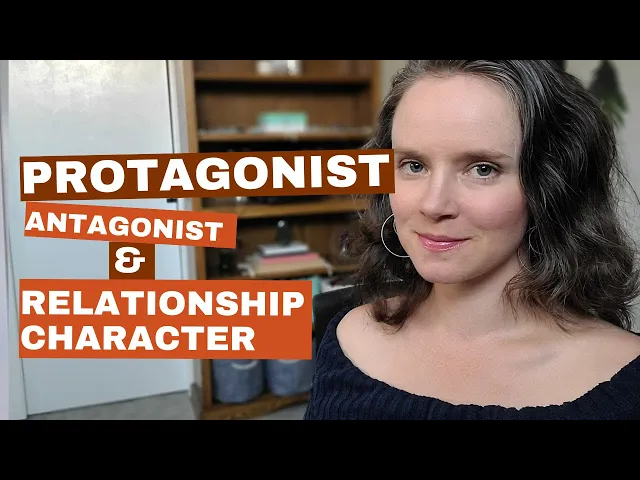
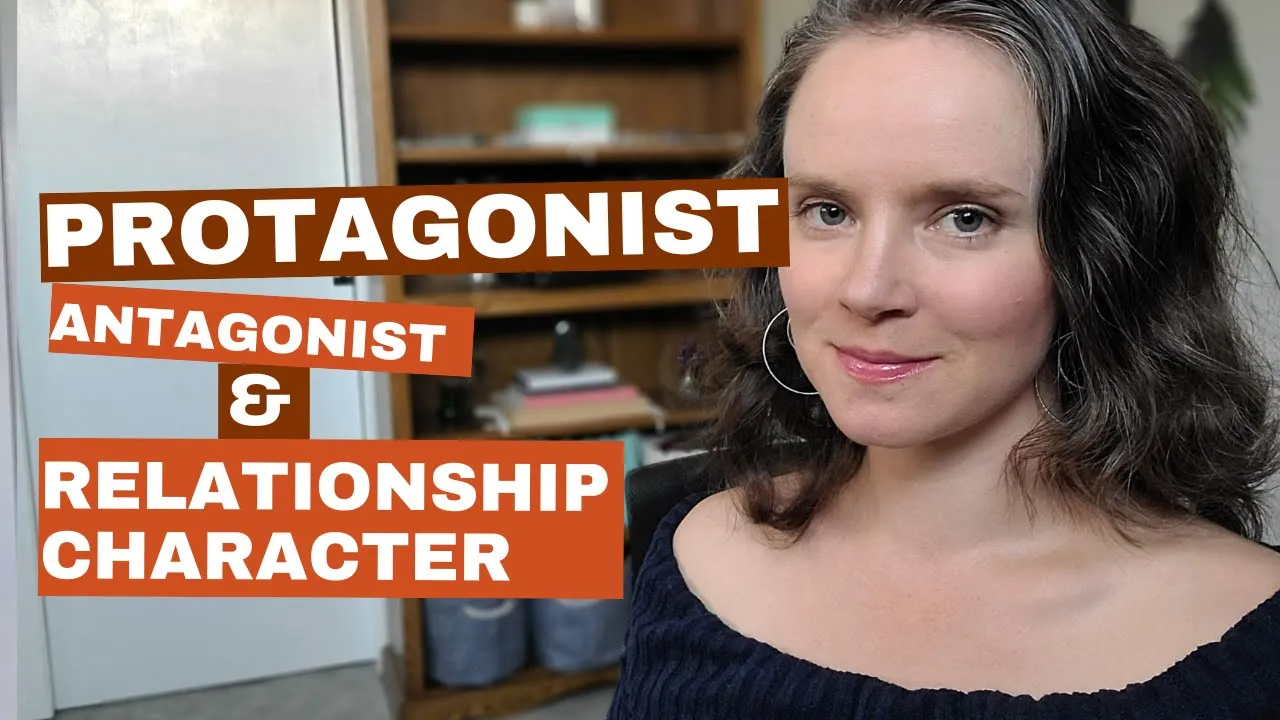
hello everyone and welcome to this week's video my name is KM wiland and I run the writing website helping writers become author.com and today I want to talk about the three most important characters from a structural perspective within your story so very often two of the most common questions that writers will ask about characters in their story is how many characters do I need and or can I have and which characters do I need what characters are important and how can I tell which characters are actually important um within and for my story and you
can actually look at this from a structural perspective and what I'm going to be sharing here is definitely like the stripped down version it's looking getting under the hood it's looking you know kind of like some of the mechanics of how story works it's not meant to be taken literally it's meant to show you the foundation upon which you can build your entire cast of characters so when I say there's only three don't freak out it doesn't mean you can only have three characters in your story okay so from a structural perspective you know what
actually creates plot makes your story move all of that there are three specific types of character who are important to make that story engine run and the first and most obvious is of course your protagonist now when we hear the word protagonist very often what we think of is the hero the main character the good guy something along those veins you know we think of a specific person possibly like a specific type of person actually pops into our mind and we see you know we have a visual idea of what a protagonist is maybe you
see your protagonist from your story so it's very specific but actually some of the times this can be a little bit um distracting from the deeper understanding of what protagonist is and how it functions within The Story So within story within plot what a protagonist does all that defines them is they are the person who is creating the forward momentum with the plot and they do that by wanting something they have a desire you know which will translate into story goals that is moving them forward now it could in some stories be the desires that
they just are wanting to move away from something else you know but it could also be that they have something specifically in mind that they're moving toward and you can think of this you know as basically like the change that you're going to see within your story so they're whether they know it or not what they're moving toward is the end of your story it's whatever state they're going to be in it's the wherever the the plot finds them you know at the end of the story you know that is ultimately what they're moving toward
and the protagonist is the one who creates that through line and that momentum moving through the story you know without a protagonist we really don't have a story it's the person who's you know who is defining what this story is about and you know theoretically you could pick any number of specific characters within your story to be that protagonist it just would slightly change you know the nature of your plot so you know different characters will want different things and that would drive and create a different plot but the protagonist is the through line so
you want to make sure that the protagonist um lines up with all of your major structural beats without throughout the story usually that means the character will be present but more specifically what it means is that what's happening at those structural beats needs to be in alignment with the protagonist's forward momentum you know with that movement toward the end state of the story so if you have you know if you can identify any particular structural be within the story where that really isn't happening where they're not moving toward that end State then it's probably a
good sign that that structural bead is off in some way so the protagonist from that perspective is the single most important character for defining your story's structural through line they create the through line and the through line should be created for them right it's a vehicle for them the second most important character and really they're equally important CU you need both of them the second one is the antagonist and similarly to the protagonist we often hear that word and we think bad guy right we think a morally negative person a villain and that's not true
that's not what an antagonist is at all that is not that has nothing to do with being an antagonist we only think that because generally speaking the protagonist is someone who's morally positive and who we sympathize with from a moral point of of view and therefore the antagonist stands in opposition to that and is often characterized as someone who's morally negative or at least ambivalent in some way however within story form just functionally speaking all the antagonist is is whatever whatever or whoever is creating the obstacles between the protagonist and their forward momentum the antagonist
and I again I often like to use the the term antagonistic Force rather than antagonist because this also reminds us that the antagonist doesn't have to be human it doesn't have to be a specific character within the story it usually well be and it will usually at the very least be represented at certain points throughout the story by characters which we'll talk about in just a second here but fundamentally all the antagonistic force is within a story is whatever is creating opposition that the protagonist has to move through because without the antagonistic Force within a
story without the opposition the protagonist can move unhindered they move very easily and smoothly toward whatever the end state is within the story and they reach it and the story's over the very fact that we have a story we have a lengthy tale to tell means that there's roadblocks kind of there's obstacles there's difficulties conflict that's encountered as the character moves through the as the protagonist moved through the story and the antagonist is that necessary counterforce within the story that creates that opposition for the protagonist to have to work through and therefore creating you know
the conflict in the interest of of the plot the third character is a little more interesting in some ways and not as obvious and the third character is the relationship character and this character can actually take quite a few different forms within the story so you know you might immediately think of a love interest or something like that could be a sidekick um you know it could be any any any relationship within the story but fundamentally what we're talking about is From perspective of story is a motivating force for the protagonist within the story and
again this can take many forms it could be an impact character who is representing the story's thematic truth and prompting or inspiring change a love interest very often will you know act within a character Arc as someone who kind of Rewards or punishes based on the protagonist's effectiveness within the plot based on their relationship to the lie and the truth and that allows them to either move forward or or not against the antagonistic Force but it could it doesn't have to be a love interest it's just it's a it's a relationship that is important to
the character and is creating um motivation for what they're doing it doesn't necessarily mean that they want whatever the end goal is for this relationship character but the relationship is shining a light on the kind of the why right the antagonistic Force within a story is is showing shining a light on all of the things that the protagonist hasn't dealt with or isn't you know hasn't figured out yet as a way to be able to move forward toward the end goal whereas the relationship character is kind of this broader context of why they're doing it
what they're trying to build why they're trying to expand and again this isn't necessarily something they're conscious of but you'll see it in stories you know as the characters move through where there there needs to be kind of that relational level so that there's a catalyst there's a why behind it and again just like with the antagonistic Force this doesn't necessarily have to be characterized it's entirely possible you know you have a story that's about one character right there's one character on stage and in that case you know the these other two forces within the
story will either be internalized and they'll be aspects of the protagonist character themselves or they'll be reflected somehow in the world around them in the setting you know as we see in stories where you know a great example just off the top of my head is the Tom Hanks movie Castaway right he's all alone on an island the whole story basically is him like lost on an island he's stuck um in the middle of nowhere and has to survive we see you know the antagonistic force is mostly just the weather and the elements and and
him trying to you know figure out how to make the island work in a way that he can survive off of it and won't die and then later on in this story we also see you know within himself his own difficulties you know as his as his own fear and just anger and frustration and all of that you know is also working against him and he has to work through that as a way to continue toward his end goal and state you of getting off the island and surviving and then of course you know we
have the relationship aspect the context created you know in his relationship with the volleyball Wilson who he personifies but of course is really just him right it's giving him something to care about something where he can project you know meaning and purpose out onto something else into the world um so he doesn't feel so alone right so that's a great example of how all these three of these elements work within a story um without necessarily having to even be represented by actual characters in most stories obviously we're going to have many many many more characters
than just these three so what's happening here right what is happening is that every single character within your story even if you have hundreds of them are related to these three Primal forces within the story they are representing in some way one of these forces within your story now first I just want to talk about um what if you have multiple protagonists so this is an important question because from a foundational perspective of story structure there is really only one protagonist right and that is what creates the structural through line so if you have more
than one protagonist you necessarily have more than one structural through line thaten happens in stories with multiple plot lines which I've talked about in a previous video this year basically you're telling multiple stories right so you have multiple different story forms with each of these three story characters SL forces happening in each of those plot lines until they coincide at some point later in the story it's important to recognize that because you need to have um a very solid through line to your structure very focused right so you may in some instances have you know
and I talked about as well in the multiple plotline video where you have two characters who are operating within the same plotline together um and they both seem to share equal weight you know romances are very obvious examples where the weight is shared equally by two um different characters and different points of view and what's happening in these stories is the two characters are sharing the role of protagonist but they're doing so within a single shared structural through line right they're not pulling in opposite directions even if they have you know smaller goals that are
separate they're working towards the same structural go goal or desire of being together and making the relationship work right the same would be true like say if you had a mystery where you feature two um detective characters equally right they're working toward the same goal so they share this protagonistic Force throughout the story and you want to make sure that that is represented in a unified way at each of your structural beats another way that and the most common way that you'll people your cast with many many many people but they still represent these three
for catalytic forces within your story is that really each one is acting as a proxy for your main protagonist or your main antagonist or your main relationship character right um I have a post about antagonistic proxies which I'll link to but basically the idea is right you have a unified antagonistic force in this instance um but it may not be represented by just one character so you may have a big bad you know and then he may have you know minions who are under him and are doing his bidding and it's not that these minions
are separate antagonists within the story they are proxies for the main antagonist and therefore acting in his stad so it's still this unified Force within the story again that's harder to do with protagonists you got to be really careful because the protagonist really is your through line and your structural anchor throughout the story and relationship characters you may have any different relationship characters obviously you're always going to get the tightest effect in a story when you narrow these things down as much as possible and you don't have a lot of extraneous characters but um you
know in a story for instance you may have a character who's context and reason and why for what they're doing and therefore representative of that relationship aspect could be a whole town you know like maybe they are you know it's more of a pesti kind of thing where you're you're just showing the broader setting and maybe there isn't a specific relationship character within the story very often there well be um what's coming to my mind right now is The Andy Griffith Show where you know Andy's kind of involved with this entire town right he's in
relationship with many many different people throughout the town but there are primary relationships you know there his there's his son Opie there's his deputy and best friend Barney and his aunt be things like that but all of the characters within the entire show relate to him and interact with him as either an antagonistic force or a relationship character so in in you know very simplified terms you could think of the relationship character as the one the protagonist is doing things for and the antagonist force and the characters related to that is being the one they're
doing it against right they're they're trying to move through that versus doing it for somebody else so I hope that's helpful you know sometimes oversimplifying things can be the opposite of helpful so if it doesn't resonate if it feels confusing then just forget about it but the essence of what I'm trying to communicate here is that there are three engines kind of within your story and if you're ever confused about whether or not a character is useful or is extraneous or you have too many characters or not enough characters this is kind of a good
place to come back to and then you can examine your cast and kind of go through and say okay this character is you know a protagonist these characters are representing the an an agonistic Force these characters are representing the relationship aspect within the story you know and that reflection back to the character of you know the growth qualities that are necessary and you can examine you know like would my story be stronger if I you know got rid of some of these and just focus in on you know one specific character um to represent each
of these would it create a stronger um Dynamic for my protagonist or do I need more you know do I need to work with more and how do I do that in a cohesive way way that is still structurally pertinent thinking about you know kind of putting each character in the little box where they belong can be helpful in organizing them and seeing you know where maybe some things are misplaced and they're not fulfilling their Optimum job within the story and or they're completely extraneous so I hope that's helpful if you have questions for future
videos you can leave those down below in the comments and I will consider them and if you'd like to stay in touch with me in the posts that I put out on my blog and podcast every Monday you can do that by signing up on my mailing list at helping writers author.com mailinglist you can also hook up with me at Instagram um author km wiland I will see you in the next video and until then have you writing