welcome back before the break we've discussed the the events and the historical developments leading up to the prohibition of the use of force in the UN Charter what we're going to do now in the second half of this first lecture on the use of force is to discuss uh the actual specifics of the definition of the prohibition against the use of force and also to talk about uh self-defense which is the main exception to the prohibition uh so uh the prohibition against the use of force as as I said before is a comprehensive Prohibition in
terms that it prohibits all use of force in Interstate context uh and also all threat of the use of force and although the article 24 does uh speak specifically about use of force use of force which is directed against territorial Integrity or political Independence or in any other manner which is inconsistent with the charter with the purposes of the United Nations uh the the the common uh interpretation and understanding of that prohibition is that it is indeed very comprehensive and that any Interstate use of force would actually uh be considered as either violating territorial Integrity
or political Independence or be incompatible with the purposes of the United Nations organization so in terms of um of the comprehensiveness it is comprehensive where it is not as comprehensive at some as some perhaps would have liked it to be is that it only regulates the use of military force there have been some states and certainly some um Scholars who were advocating that the same logic should also apply with regard to political force or economic Force but this is has not been the dominant view in fact it was specifically raised during the negotiations of the
charter that the prohibition could be expanded but most States didn't uh didn't agree and therefore uh it's it's it's it's commonly uh interpreted article 24 is is commonly understood as regulating only the use of uh military force so you have a very broad Rule and then you have uh specific exceptions uh an exception which is individual self-defense a second exception which is collective self-defense and a third exception which is collective security now uh are those exceptions um exclusive or are there other exceptions uh this is a topic which generates considerable controversy uh there are some
experts and certainly some states that argue that the three exceptions individual self-defense Collective self-defense and Collective sec security three topics which we will cover in the in the comprehensively in this in in the next unit they are uh explicit um exceptions that are mentioned in the charter but then uh there are also some other exceptions which are not mentioned in the charter but have been in existence before 1945 because if you recall we talked about just War uh as the dominant Theory during Gru's time so uh grievances could give rise to legitimate use of force
and in the past it was a common in Interstate relations that states uh were considered to uh use Force legitimately for instance in order to protect citizens of those states were uh who were uh facing uh persecution uh or um atrocity crimes in another state uh it was common for states to uh use Force before 1945 uh for humanitarian intervention purposes in order to stop massacres that were taking place in other states uh it was common for states to enforce their rights uh especially when those rights involve very essential interests so States used to uh
engage in enforcement action in order to require other states to to respect their rights so the question is what happened to these uh traditional justifications for the use of force that could have been um reasonably argued to represent in 1945 customary international law exceptions to any emerging Norm against the use of force what happened to them after uh 1945 so one view is that when you read article 51 of the charter and the the text of article uh 51 talks about nothing shall impair the inherent right of selfdefense the term inherent there are those who
say actually incorporates all all of these pre-1945 customary exceptions to uh self-defense uh the other view which I would argue is the better View and the more uh generally accepted view is that the term inherent only refers to self-defense self-defense is limited in article 51 by the terms if an armed attack occurs hence all of the uses of force before that precede 1945 uh that were accepted at international law became unacceptable after 1945 and the solution to all of these problems enforcing right preventing humanitarian catastrophes protecting uh citizens who are in trouble in another state
is through reference to the collective security Machinery to the uh United Nations security Council and this is probably the better view in reality uh the situation is somewhat muddled because um the security Council has often um failed to uh respond effectively to humanitarian catastrophes and the like and that uh creates a conundrum for States who uh on the one hand wish to pursue um an agenda that they consider to be very important like preventing atrocities or upholding their basic rights and on the other hand uh it seems as if the charter blocks that Avenue and
doesn't provide them with an perspective uh an alternative Outlet in terms of article uh 24 I I want to go back to article 24 which prohibits the use of force an important term which is used in the chter uh is the term of aggression aggression is uh used in a number of uh Provisions uh of the of the charter most significantly in article 39 which uh regulates the powers of the security Council to take exceptional measures against states that uh either threaten International Peace and security breach International Peace uh peace and security or engage in
Acts of aggression aggression has also been uh understood to have a criminal law uh component in the sense that acts of aggression not only violate uh the use of force uh the article 24 provision of the charter but may also entail upon those individuals involved in uh in these acts individual criminal responsibility while the term aggression itself is not uh is not um uh defined in the charter itself the the United Nations General Assembly did adopt in 197 before uh a definition of what constitutes Act of aggression that definition although it is not legally binding
before because it is a decision by the general assembly that definition does have significant influence because it was adopted by a large majority of states and has been extensively cited ever since that uh definition does appear to indicate that acts of aggression would constitute aggravated uh and certainly unjustified uses of force so aggravated acts of aggression involving an invasion or involving uh extensive uh use of force against another state as opposed to Accidental or marginal uh uh incursions or incidents that would constitute an act of aggression that would uh could invoke the powers of the
security Council under the aggression heading of article 39 would frame the a violation of the use of force it's a serious violation of the use of force and may also uh entail criminal responsibility we have also seen in practice uh of the of in the practice of the United Nations that when States uh exercise in exercise military force in a manner that would constitute an act of aggression uh there would be a stronger um uh uh proclivity uh on the part of uh of States um State member states of the United Nations and other third
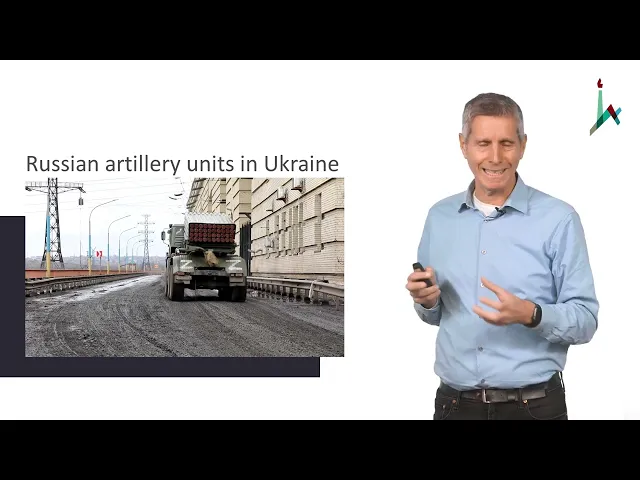
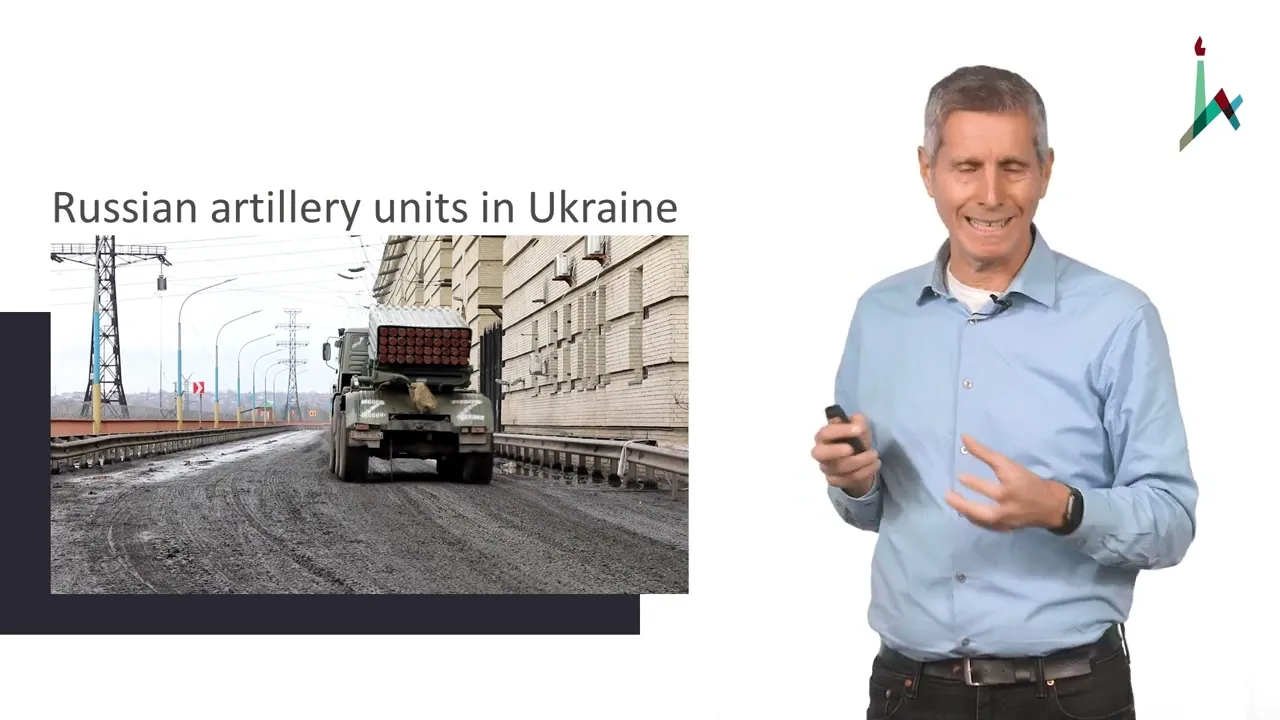
states to punish that aggressor state by imposing sanctions on it either uh through collective security mechanisms or on an interstate level and also in refusing to recognize any territorial gains that have been procured through the said Act of aggression so for instance uh when Russia uh takes over parts of Ukraine in 2014 uh through its uh through its uh uh Invasion or invitation to to to Crimea the the security the the United Nations General Assembly does consider this to be an unacceptable use of force uh which entails that uh there would be no International recognition
of the annexation of Crimea to uh to the uh to to to the Russian Federation and in 2022 when uh Russia again invades uh Ukraine in an act which is broadly viewed by the International Community as an act of aggression you see here both um a similar commitment to non-recognition of any territorial gains that the Russian Federation uh would uh would obtain but also uh a very strong International reaction in the in the name of international sanctions so aggression would generate would be considered a serious uh infringement of article 24 which would entail um probably
a stronger international reaction which could involve sanctions but could also uh would normally also involve uh non-recognition of uh any territorial gains obtained by an act of aggression and there could also be as I said before uh some criminal repercussions uh in nurburg uh the Nazi leadership was tried for crimes against peace uh which in that period of time involved a violation of the 1928 kog Bria p uh today we call these violations not as crimes against peace but as crimes of aggression uh and the the tribunal will which has the legal uh authority to
try such trime such crime sorry would be uh typically the international criminal court in the he the ICC the IC has within its uh statute uh as of 2010 a provision uh article 8 B uh of the of the of the statute that does uh afford the court uh with the the power to try uh individuals who have been involved in crimes of AGG agression and it is interesting that crime of aggression is defined in that provision as entailing uh acts which by their character gravity and scale constitute a manifest violation of the charter of
the United Nations against again uh addressing aggressions as an aggregated form of a violation of uh the prohibition against the threat or uh use of force uh it is also important to to to know that article 8 B does provide the court with jurisdiction only over those individuals who are occupy a senior leadership position who are in a position to effectively exercise control over or direct political or military action of the state so it doesn't really deal with the foot soldiers or even the mid-level uh commanders that are executing the the orders of the leadership
but with this is a leadership uh crime uh with regard to the first time that this has been seriously considered to to uh for application this 2010 uh provision uh is with regard to the Russian invasion of Ukraine in 2022 which was broadly considered by the by the International Community by the general assembly more than 140 State vot voted in that uh in that direction that it constitutes an act of aggression and that the leadership of the of the Russian Federation may as a result uh be implicated in the commission of the crime of aggression
alas the uh since Russia is not a member of the IC and neither is Ukraine uh it was clear that under the specific circumstances of that conflict the IC could only obtain jurisdiction through uh a security Council referral that is highly unlikely because Russia does have a veto power over the security Council resolutions hence uh one initiative that was uh that was attempted uh considered during that period was to try to establish what is called an ad hoc tribunal uh in the same vein of that nurenberg itself was not a permanent court but actually an
ad hoc court that was created by uh by the four powers that won the war and the idea was that the powers that oppose the the Russian uh invasion of Ukraine could also establish a special tribunal to try uh the leadership of the Russian Federation at the end of the conflict uh for uh crime uh of aggression uh it's not clear whether this is actually had um could this idea could actually succeed there are many legal obstacles on the path moving on to the right to self-defense so this is a right that as I said
before is explicitly enumerated in article 51 it's clear that the the prohibition against the use of force is a Prohibition that applies uh VAV the attacking state it does not apply VAV the defending state so a state that is being attacked has the right to use force uh against the attacker this is not controversial what is controversial is what particular circumstances would give rise to the right to self-defense and if you if you recall the right to self-defense under article 51 does come into life when uh the defending state is confronted with an armed attack
so if an armed attack occurs then and only then the right to self-defense is is is is is available and that is the dominant uh interpretation of article 51 as I said before now what is an armed attack the term armed attack itself is not defined in the charter uh there are some uh who basically say that every Act of aggression namely an aggravated use of force is also uh an an armed attack so the words aggression and armed attack could be deemed as synus synonymous with uh they really are interchangeable uh but there is
also a view that uh thinks about these three terms use of force aggression and armed attack as as three different uh grades three different levels of seriousness and that uh only serious acts of aggression would constitute uh armed attack uh the the the international court of justice didn't really uh elucidate whether it's it's this version or that version but it did clarify in a very important decision that it rendered in 1986 uh in a case brought by Nicaragua against the United States for uh military activity by uh the United States against Nicaragua uh that uh
the right to self-defense that the United States allegedly invokes is not available to the United States because even if Nicaragua was um aggressive viav uh its neighboring states even it was involved in the use of force against neighboring state that use of force didn't reach the threshold of gravity in order to constitute an armed attack so for instance uh it did mention that uh Frontier incidents a mere Frontier incident would not be deemed as an armed attack so one is talking about large scale atrocities um L large scale use of force uh we have seen
a similar decision by the uh International court of justice also in another case a 2003 case again involving the United States this time in use of force against Iran uh as a reaction to uh attacks by uh allegedly by Iran against ships that were uh that were uh sailing in the in the Persian Gulf uh and uh in that case the court says that even if Iran was behind those the mining of the shipping routs which have uh harmed the ships in question an isolated attack against a ship would not normally constitute uh an armed
attack the gravest form of the use of force of a violation of the use of force principle that would justify uh the use of self-defense by the United States the other limitation on the right to self-defense which is explicitly enumerated in article 51 over and Beyond the if an armed attack occurs provision is the um is related to the duty of notification that states have uh with regard to the security Council so a state which is subject to an armed attack and uses force uh in order to defend itself has to notify as soon as
possible the security Council about the use of force and then uh according to article 51 uh the use of force can continue uh to uh to take its course in self-defense until that time in which the security Council has taken measures that render that use of force no longer necessary so in Practical terms uh if the security Council instructs the state to stop using Force because the conditions are no longer Justified then uh that state could uh would no longer be allowed to use force in self-defense so in a way the security Council has the
power to uh override the individual self-defense of the state so if the security Council sends its own forces that render the state's defense no longer necessary or issues instructions to the parties that render self-defense no longer necessary this is what the charter actually prescribes so at least conceptually the ideas are quite similar to what you find in domestic self-defense cases individuals can use force in order to defend themselves until the police police arrive at the scene once the police arrive at the scene our police being the security Council uh then the right to self-defense is
either uh s seriously curtailed or no longer uh applicable uh in practice of course we have seen the security Council uh very rarely substitute the the ability of states to exercise self-defense partly because of the political uh Log Jam that uh renders the involvement of the SEC Security Council in many of these cases uh unrealistic so these are the two enumerated restrictions on the right to self-defense if an armed attack occurs and uh if the security Council takes appropriate action with this we are we have concluded the first half of our unit on uh the
prohibition against the use of force in international law what we will be discussing in the next half of the same unit are the unenumerated at ated restrictions on the right to self-defense which have been developed in international practice and case law and we will also be uh discussing the uh uh law and practice surrounding Collective self-defense and the law and practice Collective surrounding collective security and we will also evaluate the overall successes and failures of that regime I look forward to seeing you on the other side of this unit