- Here we are once again, a new series that we're starting here with BibleTalk. tv. I'm Mike Mazzalongo, your teacher.
The series is entitled "Joshua and Judges for Beginners: From Conquest to Settled Land," And this is lesson number one in this series, and the lesson is entitled, "Introduction to Joshua and Judges. " I Hope that everyone has a student workbook. If you don't, you can always go on the BibleTalk.
tv website, copy one of those or order one of those. Pretty handy to have as we go through this material. So let's begin our study with some comments about the authorship and the date.
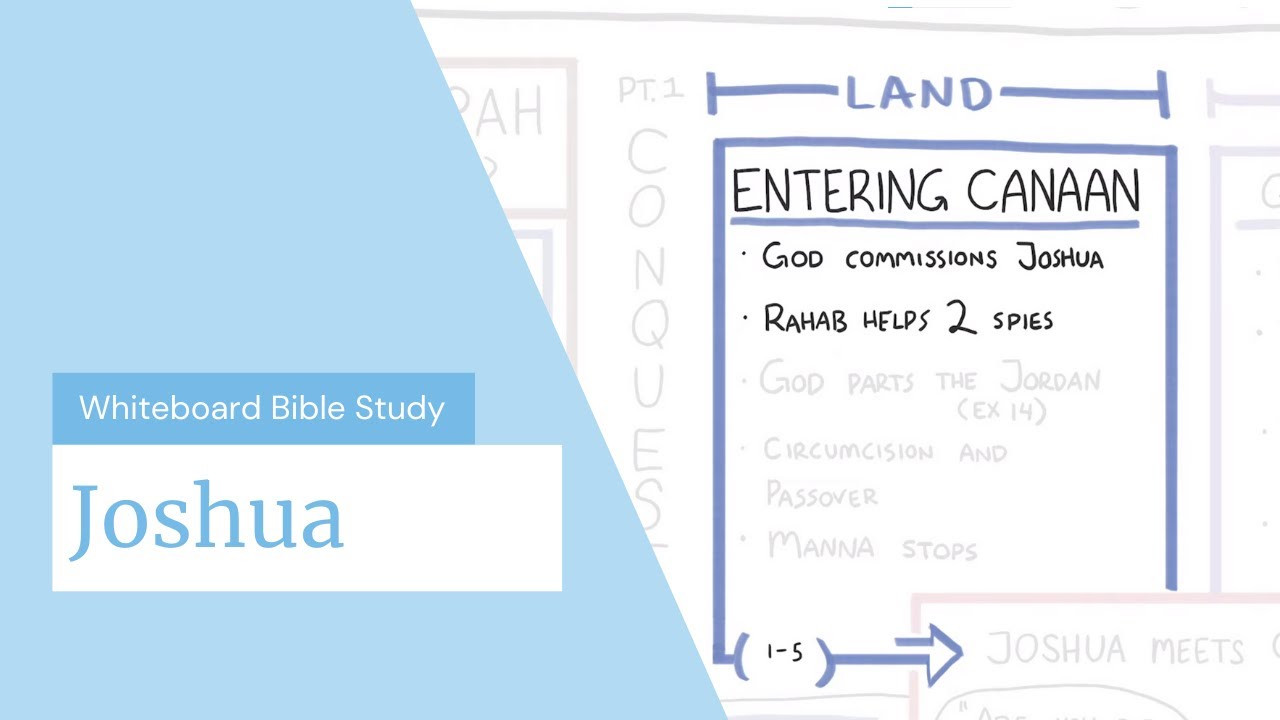
When these books were written, the authorship and dating of the Books of Joshua and Judges are attributed to the individuals that are actually named in the biblical text themselves, and the dating aligns with the events that are described in them. So we begin with the authorship of the Book of Joshua. Book of Joshua is traditionally ascribed to Joshua himself.
He was Moses' successor. He was the leader of the Israelites during the conquest of Canaan. In other words, when they entered into the Promised Land, he was the one who was leading the nation.
According to this view, Joshua likely composed or dictated the account of the conquest and the settlement of the Promised Land, drawing on firsthand experiences and, of course, divine guidance. The dating of the book, the events of Joshua are traditionally dated in the late 13th century to the early 12th century BC, corresponding to the Israelites' entry into Canaan, following their exodus from Egypt and their 40 years of wandering in the desert. It covers the conquest of the city of Jericho, the city of Ai, and other Canaanite cities as described in Joshua, and is believed to have occurred during this period under Joshua's leadership.
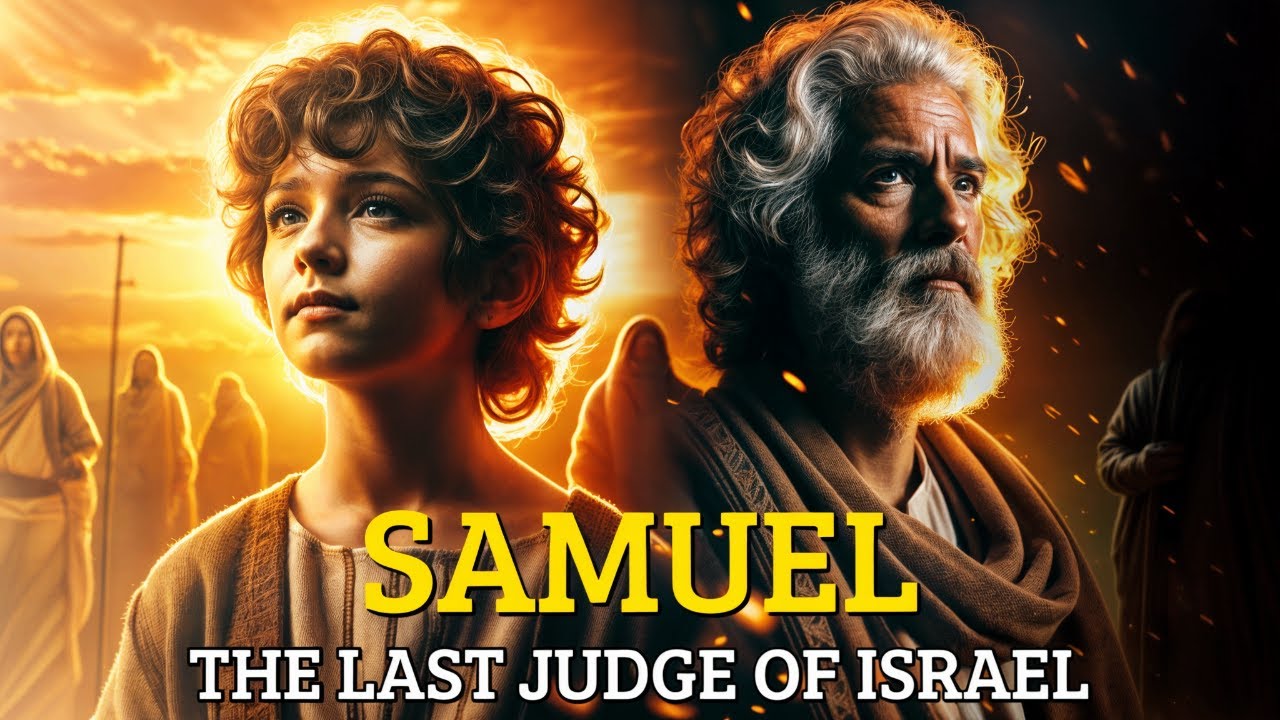
We move on to the Book of Judges, since, in our series, we're going to be studying both of these books. Authorship of Judges, the Book of Judges is attributed to Samuel, the last of the judges. Samuel, as a pivotal figure in Israel's history, had both the capability and the motive to compile and to author the Book of Judges.
As far as the dating of the book is concerned, the events of Judges are dated to the late 12th and early 11th centuries BC, spanning the period of Israel's tribal confederacy and eventually the emergence of the monarchy. The cycle of apostasy, oppression, and deliverance described in the Book of Judges reflects the historical context of Israel's struggles against the Canaanites and other foreign adversaries during this period. So, in summary, the Books of Joshua and Judges are believed to have been authored by the individuals named in the biblical text themselves, and the dating aligns with the historical events described therein, particularly the conquest of Canaan and the period of the judges in ancient Israel, and so before we actually start the context or the text of the books themselves, I want to do a bit of an overview of the historical context of Joshua and Judges that would be between the years 1400 and 1050 BC.
These two books cover this period of history. So the period covered by the books of Joshua and Judges is one of significant transition and turmoil in ancient Israelite history. This era marks the initial stages of the Israelites' settlement in the land of Canaan after their exodus from Egypt, and, of course, the leadership provided by Moses.
The following is a review or a big picture view of these two books divided into six key periods. So the first period is the exodus and the wilderness wanderings. That would be from about the 15th to the 13th century BC.
During this time, the Israelites, under the leadership of Moses, escape slavery in Egypt around 1500 BC. After the miraculous crossing of the Red Sea, they journeyed through the wilderness for 40 years, a familiar story. During this time, the Israelites received the law at Mount Sinai and they also experienced various trials of faith and obedience.
That's the first period, exodus and wilderness wanderings. The second main period is the conquest of Canaan. That's from the 13th to the late 12th century BC, and so following Moses's death, Joshua assumes leadership and he leads the Israelites across the Jordan River and into the Promised Land.
The conquest of Canaan, as depicted in the Book of Joshua, involved military campaigns to subdue and to occupy the land itself. They had key victories, which include the fall of Jericho and the city of Ai and other Canaanite cities. So that's the second main period, the conquest of Canaan.
The third main period is the settlement and tribal allotments, and this is taking place during the 12th and 11th century BC. After the initial conquests, the land was divided among the 12 tribes of Israel. Each tribe received its designated portion of territory as described in Joshua Chapter 13 to 21.
A lot of geographical details about the places and the amount of territory that was allotted to each of the tribes. The period of settlement was characterized by both victories and ongoing struggles against the indigenous Canaanite populations. It wasn't an easy task.
They had constant military campaigns in order to win over the territory and to expel the populations that were living in those areas. Fourth main block of time is the era of the judges, the 12th to the 11th century BC. Following Joshua's death, Israel entered a period of decentralized leadership.
The Book of Judges records the stories of various leaders known as judges. These people arose in times of crisis in order to deliver Israel from oppression from various either situations or other tribes or other armies that were oppressing them. These judges emerged sporadically in different regions.
They faced threats from neighboring people such as the Philistines, the Moabites, and, of course, the Ammonites. The fifth era that we'll talk about is the cycle of apostasy and redemption, 1200 to 1050 BC. The period of the judges is characterized by a recurring cycle of disobedience, oppression, repentance, and deliverance.
In other words, Israel's faithfulness to God wavered at times, and when it did, it usually led to idolatry and moral decline. In response, God raised up judges to rescue the people and to call them back to covenant fidelity. And then the sixth main period, transition to monarchy, 1040 BC.
The conclusion of the Book of Judges at the end sets the stage for the establishment of the Israelite monarchy. The period ends with the story of Samuel, who serves as the last judge and anoints Saul as the first king of Israel. So those are the six major periods that we'll be covering in our study of Joshua and Judges.
Another area that I'd like to take a look at before we go into the text are the similarities between the two great leaders of that time, and that is Moses and Joshua, leaders of the Jewish people. Get a slide up here. There we go.
We're going to start with some of the similarities. First of all, we have divine commissioning. Both leaders were commissioned by God.
Moses was chosen by God at the burning bush and was given the task of leading the Israelites out of Egypt, Exodus 3. Joshua was appointed by God to succeed Moses and lead the Israelites into the Promised Land. So one leader got them out of Egypt.
Another leader brought them into the Promised Land. Another similarity between the two are the miraculous events that took place. Moses, who led the Israelites through the Red Sea on dry ground, a miraculous event demonstrating God's power, Exodus 14, and then Joshua, who led the Israelites not through the Red Sea, but through the Jordan River, which also parted to allow them to cross on dry ground.
We read about that in Joshua 3, and then there's a question of military leadership. Moses commanded the Israelites in battles during their journey through the wilderness, including the battle against the Amalekites in Exodus 17. Joshua, on the other hand, led the Israelites in the conquest of Canaan or the Promised Land, including the battles of Jericho and the city of Ai, and we read about that in Joshua 6 to 8.
So there are some of the similarities between these two leaders. There are also some differences that we can look at. First, the role in the exodus and the conquest.
Moses, his primary role was to lead the Israelites out of Egyptian bondage. He received the law and guided the people through the wilderness, Exodus 3 to 40, and, of course, the Book of Leviticus and Numbers and Deuteronomy. Joshua, his primary role was to lead the Israelites into the Promised Land and oversee the conquest and also the distribution of the land among the tribes in a way that was fair and and equitable.
Another difference between the two was their relationship with God. Moses had a unique and direct relationship with God, speaking to him face to face as a man speaks to his friend. We read about that in Exodus 33:11.
He was the mediator of the law. Joshua, he received guidance from God, often through intermediaries like the angel of the Lord or direct commands, but he did not have the same level of intimate communication with God as Moses, and we read about that in Joshua 1:1-9, and then there was the nature of the leadership of both of these men. Moses led a people in formation, dealing with internal conflicts and rebellions and the establishment of a national identity and a religious system, and we read about that in the Books of Exodus and Numbers.
Joshua, on the other hand, led a people into fulfillment, focusing on military campaigns, settlement, and ensuring the division of the land according to God's promises. The nation, the people of Israel, were much more disciplined under Jacob's, excuse me, under Joshua's leadership as they went into the land to conquer it. These similarities and differences highlight the unique roles and leadership styles of Moses and Joshua, as well as their respective contributions to the history and to the development of the Israelite nation.
One other topic I'd like to to talk about, again before we actually get into the text, is the significance of the Promised Land. The significance of the Promised Land. The Promised Land holds profound significance for the Jewish people, deeply rooted in their history, their faith, and their identity.
This land, primarily the region of Canaan, was first promised by God to one person, to the patriarch Abraham, and then his descendants as an eternal inheritance, Genesis 12 and Genesis 15. This divine promise established the land as a central element of Jewish belief, and it also symbolized God's enduring covenant with His people. Now, the significance of the Promised Land is multifaceted.
First, it represents the fulfillment of God's promises. All of God's promises led to the fulfillment of this essential promise that He would give the people their own land. After centuries of bondage in Egypt, the exodus led by Moses marked the beginning of the journey to this land.
It was a tangible sign of God's faithfulness and the realization of a promise made generations earlier. The subsequent conquest and settlement under Joshua's leadership further affirmed God's commitment to His covenant. God made a promise to give them a land, a place of their own centuries before, and centuries later, they actually entered that physical land that they could touch and grow crops and live in.
The subsequent conquest and settlement under Joshua's leadership further affirmed God's commitment to this covenant. Second, the Promised Land is central to Jewish religious life and practice. It was the site of the significant biblical events, including the establishment of Israel as a nation under God's law.
The land hosted key religious centers such as Jerusalem, which became the capital, and, of course, the temple that was located in Jerusalem, which became the center of religious life. Also, the temple was the focal point of worship and pilgrimage, which united the people and their heritage. All the Jews were connected to one another through the temple itself because all of the Jews went to this particular place and only this place in order to offer their worship.
This land also symbolized a place of rest and a place of peace. For the Israelites, it was a destination after years of wandering in the desert, a land, as the Bible says, flowing with milk and honey, Exodus 3:8, representing abundance and security and divine blessing. And then lastly, the Promised Land had a cultural and native significance.
It shaped the Jewish people's identity, serving as a unifying element despite periods of exile and dispersion, even when they lost wars and they had famines and so on and so forth. The land was always there. The Promised Land was always there as a comfort, as a unifying theme of their historical presence throughout history, and even to this day, the hope and desire to return to the Promised Land has sustained Jewish communities worldwide, highlighting its enduring significance in their collective memory and identity, and I say to this day, are not our newspapers filled with information about what is going on in this very tiny little, you know, plot of land?
And yet the whole world pays attention to what takes place in Israel even to this day. Another theme that I'd like to talk about before we begin the text is the idea of covenant, because the idea of covenant is repeated over and over again in both of these books, perhaps beginning with the meaning of the word "covenant" in Jewish history. And so the word "covenant" or the Hebrew word "berith" in Jewish history refers to a binding agreement or a pact between God and His people.
This concept is foundational to the relationship between God and the Israelites. It encompasses promises, obligations, and a sense of mutual commitment. Mutual, when I say mutual commitment, I mean a commitment by God and a commitment by the Israelites themselves.
Unlike modern contracts, a covenant in biblical times was not merely a legal arrangement, but it was a profound spiritual bond that defined the identity and the destiny of the Jewish people. Everything that they had to know about themselves and their relationship with God was included in the covenant. Also, God would remain faithful to the covenant even if the Jews did not remain faithful in the covenant, and I want to read something from Deuteronomy 4:31 that underscores this idea.
It says, "For the Lord your God is a compassionate God. He will not fail you or destroy you, nor forget the covenant with your fathers which He swore to them. " And so there is a promise from God.
No matter what happens, God is always going to keep his part of the covenant. Now, sometimes, we think, you know, there was just one covenant, but actually, there were many covenants and many renewals of the covenant throughout history. So I want to take a look at a couple of these.
So we have various covenants from Genesis to Judges. For example, in Genesis, there's the covenant with Abraham. The idea of covenant begins with God's promises to Abraham.
God promises Abraham that he will be the father of a great nation, that his descendants will inherit the Promised Land, and that through him, Abraham, all nations will be blessed. So we see that in Genesis 12 and 15 and Genesis 17. So this covenant made with Abraham is marked by faith and trust, with Abraham's descendants required to uphold their part by following God's ways.
God is always going to provide His part, and the Israelites are expected to provide their part as well for the covenant to be fulfilled. In the Book of Genesis, there's also a covenant with Noah. Earlier, God establishes a covenant with Noah after the flood, promising never to destroy the Earth by flood again and giving a rainbow as a sign of this covenant.
So there's another covenant that is made between God and man. In the Book of Exodus, we have what's called the Mosaic covenant. At Mount Sinai, God renews his covenant with the descendants of Abraham, now who are the nation of Israel.
This covenant mediated by Moses includes the giving of the law, the Torah, and is formalized through the 10 Commandments and the other laws that are included in the Book of Exodus. For example, chapters 19 to 24. In this covenant, God establishes Israel as a holy nation and He sets forth conditions for blessings and curses based on their obedience to God's commands.
So, an extension of the covenant made with Abraham. The covenant made with Abraham, fairly simple, was just a few promises, but as time goes on, that covenant is elaborated. The things that God will do, the things that he's expecting His people to do, are elaborated in the renewal of the covenant itself in different periods of Israel's history.
Then there's the Passover covenant. The deliverance from Egypt and the institution of the passover meal serve as a covenantal reminder of God's salvation and the people's obligations to remember and to obey as basic elements of the covenant. So, another renewal, if you wish, marked by a particular feast that the Israelites had to keep.
And then in Leviticus, Numbers, and Deuteronomy, you have covenantal renewal and law. In these three books are contained further elaboration on the laws and the covenant, detailing how Israel is to live in the land that they're about to enter. Deuteronomy especially emphasizes covenant renewal, calling the people to choose life and obedience.
Deuteronomy 30. So, in these books, you get more information about the way to worship God, the way to live, how to maintain ceremonial cleanliness, and so on and so forth. All these things, part of the covenant, you know, so as the covenant is renewed, more information is added to the laws that God has included.
Now, when we get to the Book of Joshua, we have a fulfillment of a part of this covenant and a continuation of its promise. Under Joshua's leadership, the Israelites actually enter and take possession of the Promised Land. That was one of the promises of the covenant, and so God fulfills one of his promises to Abraham, and we see, in Joshua's final address, he calls for the renewal of the covenant at Shechem, urging the people to serve God faithfully.
Now that they are in the land itself, now that that part of the covenant has been fulfilled, Joshua's final words, if you wish, is to exhort the people to continue in the covenant relationship that they have with God, and then in the Book of Judges, we see covenant failure and restoration, this cycle that I mentioned previously. The Book of Judges illustrates the cyclical nature of Israel's fidelity to the covenant, that people repeatedly fall into sin and idolatry, facing oppression as a result, and each time that they cry out to God, he raises judges to deliver them to temporarily restore the covenant relationship. This period of the judges highlights the conditional aspects of the covenant, showing the consequences of disobedience and the need for repentance.
So, in the cycle, you have this cycle that continues. They're faithful, they're faithful, oops. All of a sudden, they stop being faithful.
They fall into idolatry. The idolatry leads to moral failure and so on and so forth, and disbelief, and they're punished because of it, because in the covenant, God says, basically, He says, "If you obey me, if you stay in the covenant, I'll bless you, but if you disobey me, if you leave the covenant, I'll punish you," and that's exactly what happens. He punishes them with various, you know, plagues and, you know, hardships in their lives, as well as oppression from surrounding pagan tribes, and then at a certain point, when things get, you know, unbearable, finally, someone cries out to God for help.
They repent of their sins and God restores them and usually will raise up a person to help them in that restoration process, and we read about that in the Book of Judges. So, from Genesis all the way to Judges, the covenant is a central theme that defines the relationship between God and Israel. It starts with individual patriarchs and it expands to the nation, incorporating laws and promises and conditions.
The covenant underscores God's faithfulness and the expected response of obedience and loyalty from his people, thus shaping the spiritual, social, and political life of Israel throughout these formative books. And so there's a little bit of background, if you wish, before we enter the text. Also, I want to give you three practical lessons that can be gleaned just from this introductory material on Joshua and Judges, the first of which is the following.
Faith and obedience are key. Faith and obedience are key. The stories of Joshua and the early judges emphasizes the importance of faith and obedience to God.
Joshua's success in leading the Israelites into the Promised Land and the initial victories were directly tied to his unwavering faith in God's promises and his obedience to the commandments and the covenant. Conversely, the recurring cycles of sin and disobedience in Judges will show the negative consequences of straying from God's laws. So what's the application here?
In our own lives, maintaining faith and obedience to God is the number one obligation we have in order to maintain a proper relationship with Him and a sense of peace and trust with Him and within ourselves. The thing that disturbs the peace and confidence that we have in our spiritual life is usually a loss of faith or disobedience. So, as I say, first lesson, faith and obedience are key.
Lesson number two. Leadership today empowers the leadership of tomorrow. Both Moses and Joshua were dynamic and pivotal leaders who shaped the destiny of the Israelites.
Moses, for example, laid the groundwork, leading the people out of bondage and establishing the law while Joshua took on the mantle to lead them into the Promised Land. Their leadership and the way they mentored other people had long-lasting impact, and so the lesson for today is that effective leadership involves preparation, mentoring, and the ability to pass on responsibility. In the church, leaders should strive to be the ones who inspire and prepare others to continue the mission.
Building up the kingdom of God involves investing in the next generation now, and thus ensure that our efforts in this generation will continue to bear fruit in the next generation. What I'm trying to say is the leaders today have to be consciously preparing leaders for tomorrow. If they don't, then there won't be any leaders for tomorrow.
And then lesson number three. The operative word in church growth is we, not me. The covenant relationship between God and Israel was not just individual, but communal.
The successes and failures of the Israelites were often collective and the entire community was called to uphold the covenant, not just the leaders. In our spiritual lives today, we should recognize the importance of collective responsibility in the church. The growth of each individual strengthens the whole body, and the weakness of one part affects the whole as well.
The idea here is that we're responsible not only for our spiritual health, but also for the church's spiritual health as well. What we do or neglect to do affects not only ourselves. Collective accountability and support lead to a stronger, more united, and fruitful church.
We each have a part to play in keeping the church healthy and productive. Church growth is not somebody else's business. It's our business.
Every single person in the church is responsible for church growth. As you grow personally, you help the collective church grow corporately. So these lessons demonstrate the timeless relevance of every book in the Bible, not only the ones that we study in this series.
Each book offers insights into faith and leadership and fellowship that are applicable in the church of every generation. I dare say that if the Lord doesn't come back for another 10,000 years, and a thousand years from now, other preachers and other teachers will be teaching pretty much the same type of thing to the church that exists in a thousand years from now. All right, so we'll do an assignment now.
I have a little assignment for you. I want to explain to you how we're going to proceed in this study of these books, and what we'll do is that you, the church, people who are watching online, you'll do the readings and I will do the explaining. I've noticed, in a lot of bible classes, a lot of time is taken up during the class simply reading the text, so my approach here is to provide as much information as I can about the books that are being studied.
So we won't have time to read the book in class. I may read several passages, but we're not going to read five, six, seven chapters during class time. You will read the material at home and you'll be ready for the class.
You'll be familiar with the material in the class, and that'll have the best results because we'll use the class time for explanation and exploration. And so, your assignment, read Joshua 1 to 4. Begin with that, and that'll be our approach to the study of these books.
You'll read chapters one to four in advance, and I will explain these chapters in more detail when we come back for lesson two here in class. Then you will reread those chapters once again with the knowledge that you've gained in the class, and you'll also go ahead and read the chapters for the next lesson. So, for now, our assignment is read Joshua 1 to 4, and in our next lesson, we will tackle the text of Joshua 1 to 4.
So I thank you for your attention. I hope you'll be back for lesson number two in our study of Joshua and Judges. God bless everyone.