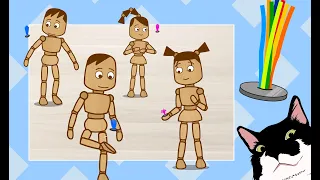
good day future doctors so this is the discussion on cytoplasm part three this is dr francis ian solover your lecturer we humans differ in terms of our physical traits some have curly hairs while some have straight ones okay some are tall while some are short so what we will be discussing on the succeeding slides is what contributes to the differences in our physical traits so i want you to take a look at the members of this kpop group okay as you can see they have these differences in their height and you know very well that
our height can be greatly affected by growth hormone and growth hormone is a protein take a look at the pictures of this beautiful women you notice that they have varying skin tones or skin color and the pigment responsible for imparting the brown color of the skin is the pigment melanin let us discuss how do we produce the melanin pigment so let's proceed to the next slide the synthesis of melanin starts with the phenylalanine amino acid this amino acid will be acted upon by the enzyme phenyl alanine hydroxylase and that amino acid is converted to tyrosine
amino acid tyrosine amino acid will now serve as a substrate for the production of the brown pigment of the skin which is melanin i want you all to take note that this chemical reaction was made possible by the enzyme phenylalanine hydroxylase take note enzymes are proteins please recall that the height of the k-pop members depended on the protein growth hormone and the production of the brown pigment of the skin melanin is dependent on the enzyme or protein phenylalanine hydroxylase so we can therefore conclude that physical traits are affected by the set of proteins we have
in our body so if you feel ugly do not blame your parents blame your set of proteins so we have already arrived at the conclusion that proteins can affect physical traits right okay growth hormone can contribute to the differences in the height while phenylalanine hydroxylase enzyme enables the body okay to produce melanin which will eventually impart brown color to the skin okay growth hormone and phenyl alanine hydroxylase enzyme are both proteins and if you can remember proteins from your biochem proteins are made up of series of amino acids but what i want you all to
take note the amino acids okay in a certain protein is has a specific sequence so meaning if you want to form a protein okay there's a certain sequence of amino acid that you need to form in order for you to form that particular protein so let's say for example we're dealing with protein a okay so the series of the amino acid should be red amino acid okay uh what is this color uh blue amino acid black amino acid orange amino acid and so on and so forth the sequence of this amino acid should be followed
okay because what will happen if let's say for example we will just change one of the amino acids so as you can see the black amino acid turned red so meaning the amino acid was replaced by another amino acid this protein will no longer become protein a and it will become protein b so you see how strict okay that the body should follow the proper sequence of the amino acids for you to form the protein so just try to imagine we want to produce melanin and melanin has to be produced every day so we need
to come up with that specific sequence okay of amino acids to form the phenylalanine hydroxylase enzyme or else okay if you cannot follow the proper sequence you won't have phenylalanine hydroxylase enzyme today and you will appear light and then if you will produce the enzyme the next day then you will appear dark and that's not possible right so changing one amino acid will cause the protein to become another protein what will happen if okay what will happen if okay let's say for example we have here the specific sequence of amino acids to form protein a
and what if we will try to interchange the positions of the amino acids so this protein has the same type of amino acids it's just that we interchange two amino acids do you know what will happen this one will not form the protein a and this one will become another protein so you see the sequence of the amino acids should be strictly followed so if that's the case for you to form melanin every day okay you need to follow the proper sequence of amino acid to form the phenyl hydroxylase phenylalanine hydroxylase enzyme so i want
you all to think now if the body has to produce the protein every day and that protein has a specific sequence of amino acid the body should have a record quoting code record of how to sequence the amino acids to form the right protein so it's like if you want to cook let's say a certain recipe you must have a copy of the recipe so that you'll just follow the instruction in the recipe and you will be able to come up with the delicious food okay so the body must have the recipe okay to come
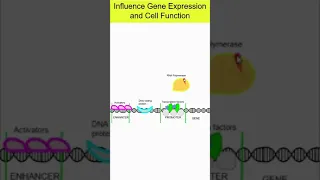
up with the upper plate protein so what is now that recipe i am actually referring to the gene okay which is actually a small part of our dna and you know how important this gene is that gene will determine the proper sequence of the amino acids to form a certain protein and this protein now will be the one responsible for making your hair appear curly so this slide will only teach you that in the long stretch of our dna okay you have their small areas which we refer to as the genes so as you can
see in this dna you have their small areas okay labeled as gene one area encodes for the hair color one area encodes for the teeth development and the other areas would encode for other proteins okay which have something to do with our physical traits the blue arrow is pointing to our double stranded dna okay and then you've learned that the dna has small areas or small portions we call the genes and these genes okay uh determine the proper sequence of amino acids to form specific proteins and the specific proteins formed will now affect our physical
traits the red arrow in the photo is pointing to the ribosomes and you know that the ribosomes are the site for protein synthesis so i want everybody to appreciate in the photo the gene or the dna okay is found within the nucleus while the site for the protein synthesis which are which is our ribosome is found in the cytoplasm you cannot afford to make the dna go out of the nucleus so that it can interact with the ribosome and dictate the proper sequence of the amino acids the main reason why our dna is enclosed within
the nucleus is that it the nucleus will protect it from the damaging effect of the enzymes or chemicals that we can find in our cytoplasm so if you will allow your dna to go out of the cytoplasm just to interact with the ribosome to produce proteins you're actually causing the dna to undergo mutation and you can now join the avengers and fight alongside with black widow okay so how to solve this problem the problem is the recipe okay is found inside your house but your kitchen is found outside your house so how do you think
we will solve this problem no we cannot afford the dna to go out of the nucleus that will now be solved by the process called transcription in transcription we unwind the portion of the dna containing the gene and then we will just complementarily copy the sequence of the bases in the gene and the copied form of the gene is now what we call as the messenger rna and this messenger rna now will be the one that will go out of the nucleus and interact with the ribosome to encode the sequence of the amino acids to
form the specific protein that is encoded by the gene that was copied in the dna inside the nucleus as you can see in the picture there is the unwinding of the dna and one of the strands is copied complementarily because most likely that strand is the one that contains the gene important for the production of the protein so that strand is complementarily copied to form the red colored ribbon-like messenger rna and that messenger rna now will go out of the nuclear pore then into the cytoplasm and will interact with the large and small subunits of
the ribosomes and the code copied by the mrna from that dna will now be read by the ribosomes and they will now be translated to form the correct sequence of amino acids to form the appropriate protein so how to solve the problem again you just unwind the dna copy the gene complementarily to form the messenger rna and it's the messenger rna now that will interact with the ribosomes in the cytoplasm okay to form the proteins so again the problem onion the recipe is found inside the house okay while the kitchen is found outside the house
so if you have the book of recipe inside your house you do not bring this entire book to the kitchen outside instead you'll just get a page of it or maybe you can have it photocopied and you will bring the photocopy outside so that you can now start cooking your favorite meal again recipe is found inside the house but instead of bringing the whole book inside you'll just photocopy a page of it and bring the photocopy to the ribosome to the kitchen so that you can now cook okay your delicious food and the delicious food
in this case is now the specific protein formed by the specific sequence of amino acid there are two processes involved in the production of proteins the first one is transcription in transcription there is synthesis of mrna by copying the sequences in the gene found in our dna transcription takes place inside the nucleus once the messenger rna is already available it will go out of the nucleus into the cytoplasm and will interact with the ribosomes and the code in the mrna now will be read by the ribosomes and will be translated into the specific sequences of
amino acids to form the protein so translation occurs outside the nucleus particularly in the ribosomes so let's proceed with our next two sets of organelles the rough and the smooth endoplasmic reticular i want you to look for the nucleus in the picture please appreciate that the nucleus of human cells have two layers of membranes can you appreciate them in the picture i want you to particularly focus on the outer nuclear membrane the outer nuclear membrane is directly continuous with the organelle we call as the rough endoplasmic reticulum the rough endoplasmic reticulum is named such because
it is studded with ribosomes making it appear granular or rough found away from the nucleus is the smooth endoplasmic reticulum and it is named such because it is devoid of ribosomes so again there are two types of endoplasmic reticulum you have the rough er and the smooth er the rough er appears rough it's because of the presence of the ribosomes and you've learned that ribosomes function to produce proteins so therefore since the rough er has ribosomes so therefore it functions to produce proteins and just like what i have told you the rough er is continuous
with the outer nuclear membrane the smooth er is called such because it doesn't have the ribosomes on its surface so therefore it would appear smooth again take a look at the spherical nucleus as you can see it has two membrane the inner nuclear membrane and the outer nuclear membrane what do you notice the outer nuclear membrane of the nucleus is continuous with the rough endoplasmic reticulum the rough er is continuous with the outer nuclear membrane and i want everybody to take note there's a reason why the rough er is positioned immediately beside the nucleus why
again rough er contains ribosomes and ribosomes function to translate mrna to start or initiate the protein synthesis you know very well the transcription takes place in the nucleus and the product is the messenger rna and the only purpose of this messenger rna is to look for the ribosome so that it can be translated so the main reason why the rough er is found immediately beside the nucleus is so that it would be easy for the messenger rna to look for a ribosome once it will go out of the nucleus so you see pradeep make the
ribosome immediately available outside the nucleus so place the rough er beside the nucleus so you have here in this picture the spherical nucleus continuous with its outer nuclear membrane you have there the ribosome containing rough endoplasmic reticulum and beside the rough endoplasmic reticulum you have there the smooth endoplasmic reticulum i want you all to take note of the foldings within the rough and the smooth endoplasmic reticula these folds are referred to as cisterns or sister nay take note the foldings within the inner mitochondrial membrane are called christe in the case of our endoplasmic reticular we
call them as sister name i want you to take a look at the cisterns or sister nay of rough er please appreciate that they are circular in shape take a look at the cisterns or sister nay of the smooth endoplasmic reticulum can you appreciate that they are tubular in shape again the raf er is found immediately beside the nucleus is actually continuous with the outer nuclear membrane inside the nucleus you have a rounded structure which we will call the nucleolus so this is the electron microscope view of the nucleus the yellow arrow is pointing to
the spherical nucleolus found within the nucleus this red arrow is pointing to the two layers of the membrane of the nucleus you have the outer nuclear membrane and then you have the inner nuclear membrane i want you to appreciate the structure found outside the nucleus the one that is directly continuous with the outer nuclear membrane that is now the rough endoplasmic reticulum this green arrow is pointing to the mitochondrion very good i want you all to take note that all of the proteins in the blood except for antibodies because antibodies are produced by the plasma
cells of the immune system all proteins except antibodies are produced in the liver so since hepatocytes of the liver are protein producing cells so expect okay that these cells have abundant number of what rough endoplasmic reticulum so we have already finished discussing the rough endoplasmic reticulum okay what are the important things you have to take note they function to produce protein it's because they have ribosomes in their surfaces which will make them appear rough okay and they have circular cisterns and one more thing they are directly continuous with the outer nuclear membrane let's now go
to our smooth endoplasmic reticulum okay the cisterns of the smooth endoplasmic reticulum are tubular in shape and this endoplasmic reticulum are devoid of ribosomes so if the rough endoplasmic reticulum functions to produce protein the question now is what is or are the functions of our smooth endoplasmic reticulum the first important thing that i want you all to take note the smooth endoplasmic reticulum is responsible for lipid synthesis so therefore you can see them in high amounts in adipose cells so we already done with the first function if the raphir produces proteins smoothly er synthesizes or
produces what lipids the second function of the smooth endoplasmic reticulum is drug and alcohol metabolism and you know very well that this is the function of the liver so come to think of it the liver cells produce proteins so therefore they must have abundant number of rough er and since drug and alcohol metabolism take place in the liver so therefore this the hepatocyte should also have abundant number of smooth endoplasmic reticulum so take a look at the picture of the liver every time that we will take in alcohol or ethanol that ethanol will be metabolized
in the liver to form the acetaldehyde so if your lover and then your drunk text your ex-boyfriend because you want him to go back to you but he said i don't wanna get back together but i would love to be friends with you so when your ex turned you down you decided to drink more alcohol so what will happen the cytoplasm the cytosol will be overwhelmed by alcohol and the cytoplasm and the cytosol will call for backup and you know what's the backup that is now your smooth endoplasmic reticulum so therefore the smooth endoplasmic reticulum
okay functions to metabolize alcohol there's a reason why some people would easily get drunk compared to their friends or to their family members okay it's because these people okay have less active smooth er in terms of alcohol metabolism so if you'll come home and you're drunk and your mother will ask you why are you drunk okay you have to look into the eyes of your mother and say ma my smooth er is less active that's why i am drunk aside from metabolizing alcohol smooth endoplasmic reticulum also functions to metabolize drugs you will learn in pharmacology
subjects that there are two phases in drug metabolism we have phase one and phase two in phase one the enzymes involved are called cytochrome p450 and phase two involves a lot of enzymes i want everybody to focus on the enzymes involved in the phase one of drug metabolism as mentioned in this picture the cytochrome p450 enzymes are found in the smooth endoplasmic reticulum of the hepatocytes or liver cells and since cytochrome p450 enzymes are involved in drug metabolism phase one we can therefore conclude that smooth endoplasmic reticulum is capable of metabolizing drugs the third function
of the smooth endoplasmic reticulum is to sequester or store calcium in muscles and the smooth er in the muscles have special names they are named sarcoplasmic reticulum singular or sarcoplasmic reticulum plural take a look at the picture of the nerve on the upper left portion of the screen as you can see that nerve is trying to control this muscle the nerve does it by releasing acetylcholine the release of the acetylcholine neurotransmitter activated an action potential as mentioned in number one that actual potential will activate the organelle beside number two that organelle now is the sarcoplasmic
reticulum of the muscles and as stated in the photo this sarcoplasmic reticulum contains calcium after this sarcoplasmic reticulum will be activated or triggered by the action potential this sarcoplasmic reticulum will release the stored calcium and that will now cause the muscle to contract should the muscle undergo relaxation the calcium will now be re-sequestered or restored in sarcoplasmic reticulum so therefore in the muscles smooth er or smooth endoplasmic reticula have special functions and that is to sequester or stored calcium ions which are important in muscle contraction let's now go to our next topic okay do you
know that the proteins that are produced from the rough endoplasmic reticulum are initially non-functional and immature so therefore they must be processed somewhere else okay so that they will become the functional protein it's like anoba i want you to imagine the mother as the rough endoplasmic reticulum and the child as the immature or non-functional protein that the rough er has produced the mother has to send the child to school so that the child will learn skills and will learn a lot of new information so that the child will become a professional someday so i want
you to imagine that the ravi r will send the immature and non-functional proteins to another organelle so that that organelle will modify will package will store the proteins until such time that they will become functional and mature and the organelle i am talking about is the golgi complex or golgi apparatus and since the function of the golgi apparatus is to modify package store or and transport proteins coming from the rough er expect that this golgi apparatus should be seen near the rough endoplasmic reticulum so as you can see in the picture you have there the
nucleus on the upper left portion of the screen immediately continues with the outer nuclear membrane is the rough endoplasmic reticulum and in front of the rough endoplasmic reticulum you have there the golgi apparatus i also want you to take note from the picture that the golgi apparatus is also composed of folds and these folds are also referred to as cisterns or sister name the red colored organelle in the picture is the rough endoplasmic reticulum as you can see the proteins that it has produced will burn off from it and will be enclosed in transport vesicles
and they will be transported to the blue colored quality apparatus please take note the portion of the golgi apparatus facing the rough endoplasmic reticulum and receiving the vesicles containing the immature proteins is called the cis phase now don't worry i will show you the spelling later on the portion of the golgi apparatus where the mature proteins will burn off so that they will be transported in any portion of the cell or maybe outside the cell you call that as the transphase so the function of the golgi apparatus or golgi complex is to modify store and
package proteins synthesized from the ribosomes or from the rough endoplasmic reticulum after allowing these proteins to mature it is also the role of the goja apparatus to determine where the protein should be transported because most likely that is where the protein is needed or the protein will become very important and functional again the golgi complex or the golgi apparatus is composed of folds and the folds will be called cisternae or cisterns and it has two faces the c face and the trans face and i have already described them with you so just take note of
the spelling so the proteins from the rafi are are still immature and they need to be modified in the golgi apparatus the thing is the protein okay will burn off from the trans phase contained in vesicle and you can clearly see that in the picture okay so they will bud off from the trans-face of the golgi apparatus enclosed in vesicle so the next question now is what will now happen to the mature protein after it has already burned off from the trans-phase of the golgi apparatus that will now lead us to our topic on constitutive
versus regulated secretory pathways these forms of secretory pathways are associated with the golgi apparatus with how the goji apparatus will transport mature proteins so take a look at the picture of the goji apparatus on the screen and then i want you to appreciate that there are proteins budding off from is from its trans phase now if the protein will be released through constitutive pathway the protein after it is enclosed in the vesicle as shown in the picture the protein and the vesicle i mean will immediately fuse with the cell membrane of the cell and the
fusion will cause the release of the proteins outside the cell the release of the protein from the vesicle does not need any stimulus so as long as the protein is available and it is already packed into a vesicle then the protein is released immediately outside the cell on the other hand when you say regulated pathway the proteins will burn off from the goji apparatus they will be enclosed in a vesicle and they will be temporarily stored in the vesicles not unless there is a stimulus that will cause them to be released as you can see
in the picture you have their purple colored signals if these signals will bind to the receptors the green colored receptors on the cell membrane the binding of the signal to the receptor will now cause the vesicle to fuse with the cell membrane before the protein inside the vesicle will be released outside the cell so regulated pathway would always depend on the presence of the stimulus so as you can see in the photo the muscles are causing the bones to move because the muscles are contracting and for the muscles to move they need to be innervated
and how do you think these nerves okay will now cause these muscles to contract okay so let's have a closer look at the neuromuscular junction so let's try to have a closer look now at the neuromuscular junction so what do we see okay you have there the terminal end of the neuron okay and what do you notice the terminal end of the neuron has vesicles okay and these vesicles are actually containing acetylcholine and as you can see the vesicles will fuse with the membrane of the postsynaptic part of the neuron to release the acetylcholine but
there's a catch i want you to listen move to the next slide so what do you notice you have there the arrival of the action potential or nerve impulse okay the postsynaptic neuron and this action potential caused the calcium channel to open allowing calcium to go inside and this calcium ions now will cause the vesicles containing acetylcholine to fuse with the postsynaptic neurons membrane to release acetylcholine so as you can see the vesicles were not moving they were not fusing with the membrane not unless there's already the presence of the calcium so therefore the calcium
here okay acts as the stimulus without the calcium okay the vesicles will remain still and they will not fuse with the postsynaptic neurons membrane so therefore this process is called a regulated type of secretory pathway so just try to imagine just try to imagine if our postsynaptic neuron would have the constitutive pathway so what will happen as soon as the acetylcholine is available okay it is immediately transported out of the uh postsynaptic neuron so what will happen it will always make your muscle contract so you can't help but always flex your muscle and that's awkward
to look at right so for the muscles to contract only when they are asked by the brain to contract okay might as well release the acetylcholine through secretary pathway okay i hope i was able to explain that well huh so you now know the difference between constitutive and regulated pathway there are also other two pathways associated with the golgi apparatus you have the anterograde or forward pathway then you have the retrograde pathway i will be explaining these two pathways on the succeeding slide so let's move so let's talk about anterograde or forward transport take a
look at the left side of the photo you have the nucleus and then continuous with the outer membrane is the rough endoplasmic reticulum with the circular cisterns then you also have on the surfaces of the cisterns the green colored ribosomes in front of the rough endoplasmic reticulum you have there the golgi apparatus when you say anterograde pathway the protein will be synthesized in the ribosomes of the rough endoplasmic reticulum then the protein will be transported to the goja apparatus for modification for packaging for storing then after the proteins will become functional and mature the proteins
will burn off from the trans phase of the golgi complex or goji apparatus and the protein will be transported outside the cell and take a look at the direction of the red arrow that's the reason why this pathway is called anterograde or forward pathway on the other hand when you say retrograde transport the protein produced from the rough endoplasmic reticulum is then transported to the golgi apparatus for modification processing and storing but after the proteins will mature and they will bud off from the trans-face of the goji apparatus they will be transported back to the
rough endoplasmic reticulum remember rough endoplasmic reticulum also needs proteins for it to function although it can produce the proteins but the proteins it produces is not yet mature so it has to send it to the goji apparatus for it to mature and once it is already functional it will now be transported back to it for it to help in its function so i want you to imagine if your parent will send you to the msf then after you will graduate you will go out of the country and practice medicine that's anterograde transport but if your
parents will send you to the msf then you will graduate with a degree on medicine but you will decide you will decide to go back to your hometown to serve the people there that is what we call retrograde transport so what we'll now decide if the protein will be transported through anterograde or retrograde pathway the answer is the kotomir kotomir proteins and you have two types the kotomir protein one or cop1 and the cotomere protein two or cop2 cotomir protein 1 mediates retrograde transport while cotomer protein type 2 mediates anterograde pathway or forward pathway so
you have here the pink colored rough endoplasmic reticulum at the six o'clock position of the screen okay what do you see the vesicles that will arise from the rough er are coated with cottomer protein 2 and cottomer protein 2 facilitates what anterograde or forward pathway so what will happen so as these proteins will go through the goji apparatus expected that as soon as they will burn off from the the trans uh trans phase of the golgi apparatus they will be immediately sent out of the cell so that is now your kotomir 2 facilitating what anterograde
or forward transport i want you to take a look at kotomir 1 what do you notice if the vesicle that will bud off from the trans phase will be coated with kotomir 1 that vesicle will actually return back to the rough er and provide it with functional proteins i want you all to take note that the process of protein synthesis is not a perfect one okay so there's a chance that the proteins that the ribosome or the raphir or the goji apparatus will produce is considered to be misfolded or non-functional so the cell has to
look for a way on how to get rid of these proteins why if the protein is non-functional or if it is misfolded might as well break it down into amino acids so that you can form new functional and normal proteins and what do you think will destroy misfolded or non-functional proteins inside the cell you call that a stop proteaso okay so proteasome is actually a small abundant protein complex that is present in the cytoplasm so it's just it's not an organelle it's just composed of protein and these proteins are actually enzymes so from the name
itself you know that it can really break down proteins okay so this proteasomes degrades denatured misfolded and non-functional proteins and can also remove proteins that are no longer needed by the cell to provide another batch of available amino acids to produce new proteins so let's try to take a look at the structure of a proteasome okay it is cylindrical in shape okay and i want you to appreciate there are those white circles and yellow circles in there the circles are actually forming a ring and each of this ring is actually considered as a protease enzyme
and from the name itself these enzymes okay are actually capable of digesting proteins so therefore proteasomes are really intended to digest proteins can you appreciate the red colored terminal ends of your proteasomes okay this red colored terminal ends are capable of okay recognizing ubiquitin so what's the importance of ubiquitin ubiquitin is actually a protein present in the cytoplasm of the cell and its main key role okay is to look for any misfolded or denatured proteins okay so meaning uh the proteins in the cytoplasm are not immediately targeted by the proteasome not unless okay they are
bound to ubiquitin so you have here in the photo the brown colored misfolded or denatured proteins okay and then this denatured protein will be recognized by ubiquitin that's why later on the picture you can see that the misfolded protein will be conjugated with the ubiquity and just like what i have discussed on the previous slide the terminal ends of the proteasome recognized ubiquity so if the protein has a ubiquitin conjugated to it okay that protein now will be targeted by the proteasome and what will happen is the protein will be broken down into amino acids
so that's how we deal with non-functional denatured and misfolded proteins inside our cells the last organelle that we will discuss for cytoplasm part 3 is the sentry oil and i want everybody to take note the sentry oils function to produce the mitotic spindle fiber that are very important in my ptosis or even in meiosis so this animation is showing you that the chromosomes during mitosis are attached to the spindle fibers and the spindle fibers are actually produced by the sentry oils the sentry oil is actually composed of two cylindrical structures one and two and looking
at one of the the cylindrical structures you will notice that it's composed of a smaller unit which we'll call the microtubules these microtubules are actually grouped as three okay that's why they are called as the triplets of microtubules so let's count how many triplets of microtubules can we find in one cylindrical structure of the centriole one two three four five six seven eight nine so the two cylindrical structures of the centrioles uh have okay nine triplets of microtubules each the two cylindrical structures of the centrioles are always arranged at the right angle with each other
okay and take note the main function of the sentry oil is to produce the mitotic spindle fiber during cell division and that ends my discussion on cytoplasm part three i hope you have learned a lot of things from my discussion thank you and you decided to drink alcohol the ethanol will be metabolized in the cytoplasm of the liver cells or hepatocyte into acetaldehyde take note this chemical process is taking place in the cytoplasm or cytosol