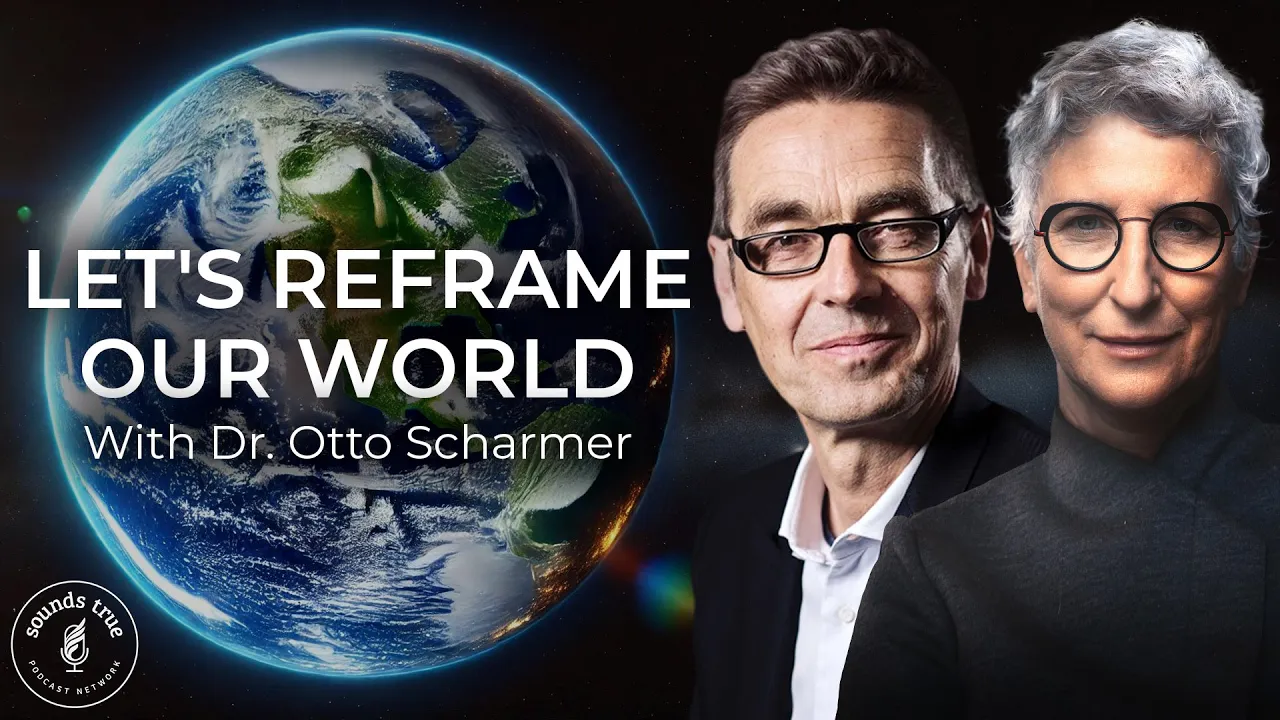
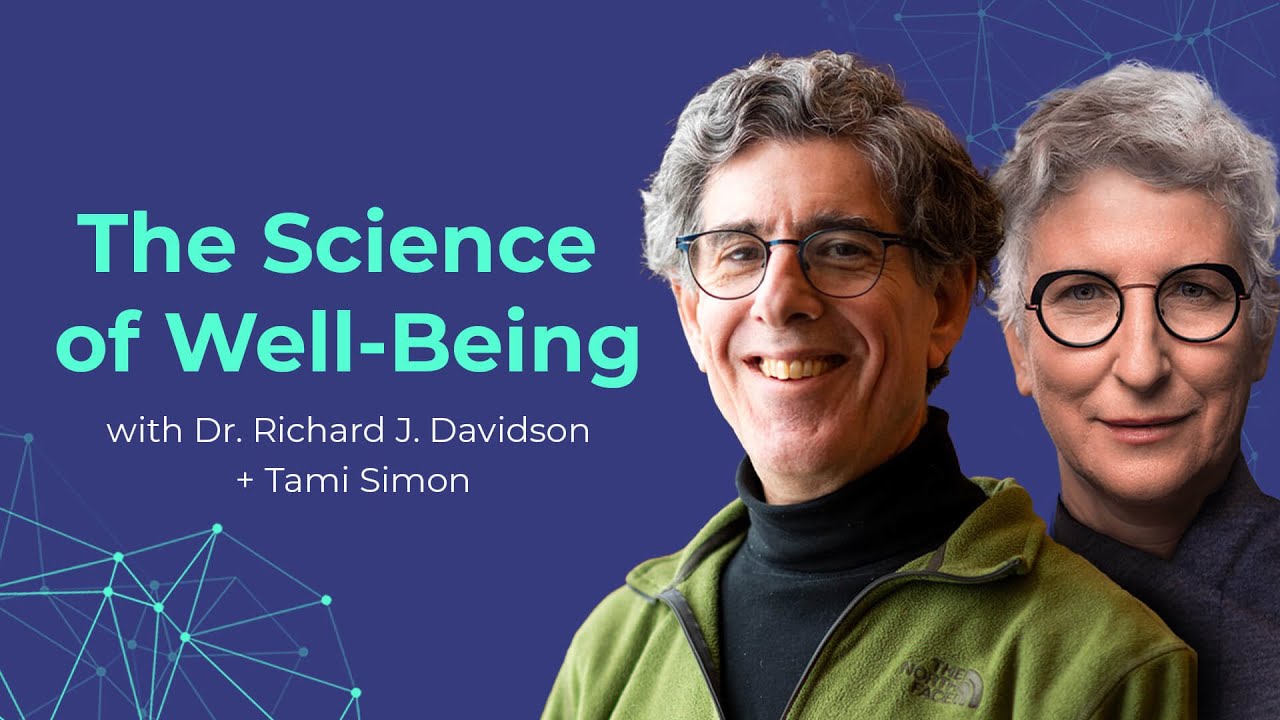
Hello friends my name is Tammy Simon and I'm the founder of sounds true and I want to welcome you to the sounds true podcast insights at the edge I also want to take a moment to introduce you to Sounds true's new membership community and digital platform it's called sounds true one sounds true One features original premium transformational docu series community events classes to start your day and relax in the evening Special weekly live shows including a video version of insights at the edge with an after show Community question and answer session with featured guests I
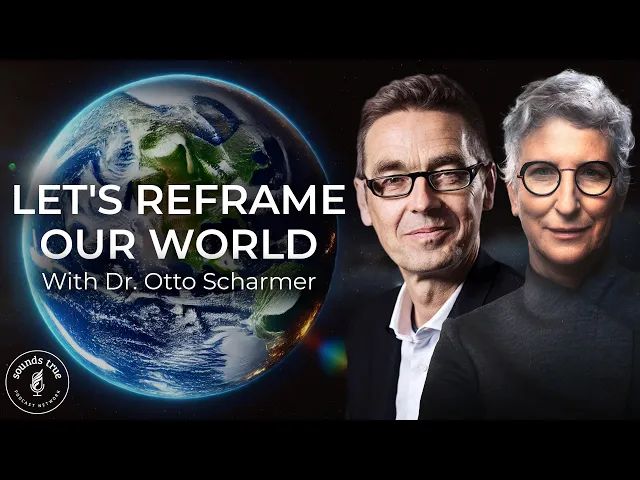
hope you'll come join us explore come have fun with us and connect with others you can learn more at join. soundstrue.com I also want to take a moment and introduce you to the sounds true Foundation our nonprofit that creates Equitable access to transformational tools and teachings you Can learn more at soundr foundation.org and in advance thank you for your support Hello friends and welcome to this special edition of insights at the edge with uto charmer it's special in terms of its depth and length and also because OT charmer and his teach teachings on awareness-based systems
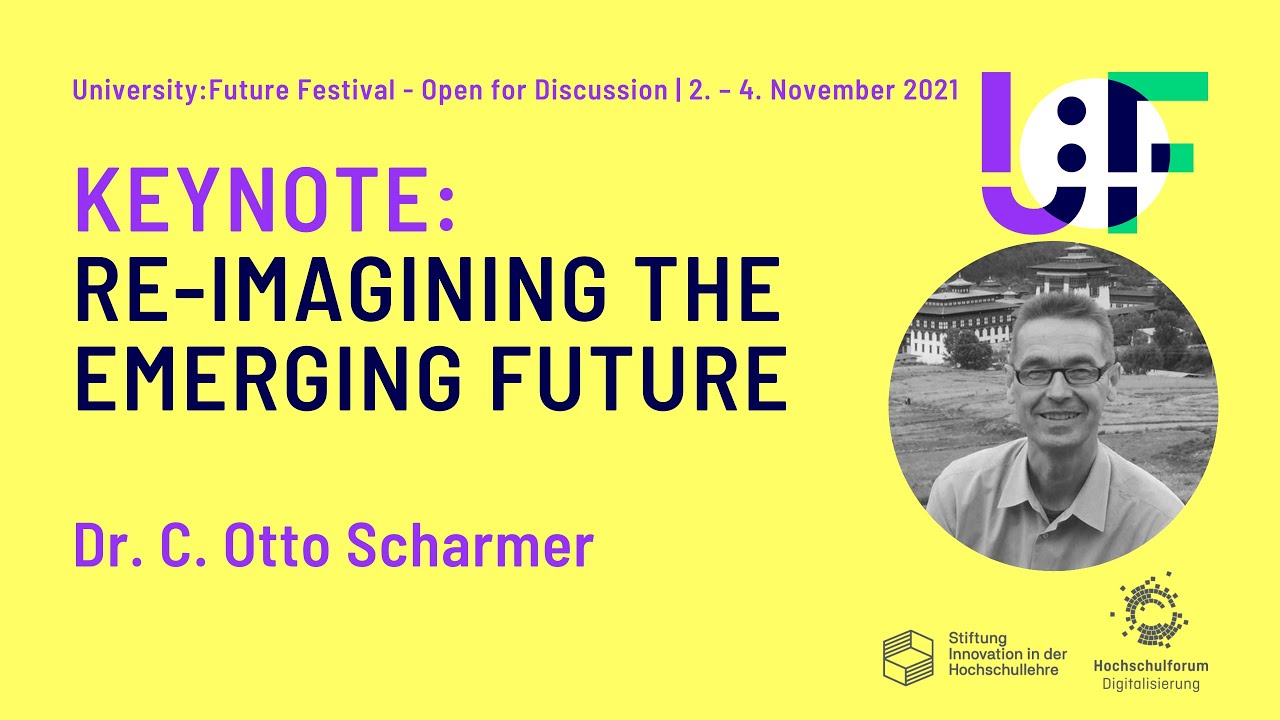
change how who we are our quality of attention our interior awareness and development makes a difference in the world in terms of change making that is A topic that I have so many questions about and is so important to me AO charmer brings his teachings on awareness-based systems change to sounds tr's program the inner MBA applying the inner development that we do to the world of business to our organizations and Here For the First Time Otto is joining me on insights at the edge Otto was born near Hamburg Germany and then at MIT as a
researcher And Senior lecturer he engaged in a study of innovators people who are new types of creators in the world of business technology science and through that study and seeing what is it that enables them to come up with breakthrough ideas he developed something called Theory youu which is a framework a practice and in many ways the seeds of a movement about how we can use Presencing inner presencing outer presencing with others to create change at this time in the innba AO teaches on leading in times of disruption and that's what we'll be talking about
here you can learn more about the inter MBA at innba program.com and with that auto I'm so happy to have this convers ation with you let's get at it wonderful thank you for for having me uh as one of your guests Tammy it's a a Great Delight to reconnect with you I heard you say in a conversation that you had the sense that this time we're in this time of great disruption it's a time that you feel you were quote unquote born for in a certain kind of way and I think that's true the module
that you teach in the inner MBA is leading in times of disruption this is clearly a time of great disruption but I want to know about you why do you feel what's Happening in your own sense of inner direction that you feel you know I was called for this time well uh maybe uh let me um let me respond with a little story uh if you um or start the response with a little story that comes to my mind a few uh weeks back um we were uh starting uh uh a project and um you
know ecosystem wide leadership Journey at the UN towards un 2.0 is really kind of around how to transform The UN to uh better meet the moment essentially and um at the beginning uh as we often are and and probably we all can relate to this experience one way or another there was this sense of that you of meet today um I would say almost like a collective depression right kind of so a little bit downbeat it's so many things go moving in the wrong direction and it's um the sense of that you find particularly among
younger people and Younger generations to say um that all these massive developments um um well progressing and moving in the wrong directions and whatever I do right as a person is has zero impact on where things are going so this sense of disempowerment and this kind of that's really this sense is at the source of this uh Collective depression by which I mean the um illusion of insignificance so the illusion of that how I show up how I pay attention to the situation how I connect with my own uh deeper lives intention and how I
connect and activate my own agency doesn't matter to the situation at hand so that was very present in the room and then a colleague of mine um Martin kongu bander kind of a colleague a Zambian um who does a lot of work across Africa and is currently living in in Oxford UK um he uh co- facilitating this session posed the following question because Everything was you know all the indicators right we have been making as everyone knows for 70 years real progress right after the second world war on many many different fronts and now the
past decade or so things are the past few years really things in terms of war in terms of inequality in terms of gender equity and so on you can go down in terms of democracy you can go down the whole list all the indicators um you know we have lost in years progress we Made in um throughout decades and not the full progress but part of it and in the in the light of that so he here's what Martin said Martin said what if the UN had been founded for exactly this kind of moment and
then you know in that conversation and you could really uh see how that whole reframing it's not like oh everything was kind of moving in the right direction now everything is turning the other way what can we do no It was what if exactly the situation we are in right now is exactly that with my whole journey that brought me up to this point have been prepared for to rise to the occasion and uh so that was then the question that came up in the conversation among them so uh and really moving this sense or
you could say this you know perceived victim mindset right this is happening to us and you know there's like um what can we do towards Uh uh maybe this is exactly what's bringing together here to rise to the occasion in the face of this together so it's essentially if you want it's a reframing right of the of of of the larger narrative uh in a way that is not saying actually these um difficult developments that I mentioned before are not true no they are factually true but it's a reframing in terms of what really deserves
our attention and what deserves Our attention is um what is kind of the other part of the story so I believe we live in a moment with two narratives one is the one I already indicated right kind of of something that's ending and dying and then there is another story kind of an all the environmental issues this the hyperpolarization and inequality issu ues and the pandemic of mental health and so on but then there's another story and uh the other story is really About um a new presence a new quality of connection that we have
to each other to the planet and to ourselves being born being cultivated and being the starting point for a whole web new web of connections of initiatives of relationships that we see taking shape in so many communities right now so that's kind of the story of you could say where a new not only a new um uh Society I would say it's really kind of across civilizations where a new civilization one that is based on reconnecting with the planet reconnecting with each other and reconnecting with ourselves not only on the mental level but also on
a level of opening our heart um is um turning into practical activities it's turning into practical Innovations and then I would say it's the second story that's happening today And that's the most significant story of our time that is least well told and the first story the story of Destruction uh gets Amplified with social media by a trillion dollar industry every single day the second story the story of emergence and of um something new being born is a story that does not have that amplification mechanism and that's kind of why we need to come together
to to create that we need to come together to To create these um uh Holdings spaces um and you know let me you know just back up this um this uh storyline with one more number and and that will wrap up my my my first response to you um and the number is 69 a few weeks back um the um couple of months back now um the new UN um human development report came out it's basically a stock taking of development globally where we are as a planetary community and um one of the most Interesting
numbers in that report is 69 69% of humanity today according to their polls and according to their research is willing to sacrifice part of their income to address Global challenges like climate change 69% said but many of these people believe wrongly believe that they are in The minority in their own communities in their own countries so 69% that's more than five billion of us that is the biggest movement this world this planet has ever seen that is not even aware of itself because it cannot see itself because most people in this movement believe they are
in a minority kind of it's just me but not the other people around me and I think this gap between the personal willingness to sacrifice something for the common Good and the misperception of the collective intention right of what others really try to do and the complete failure of our Collective decis decision making to really translate the deeply held intention of these 69% into practical results and into collective decision making that's one of the most interesting numbers I would say that exist today Because they point us at a huge potential it's a huge potential where
a possibility that is present in that many people are aware of today has not quite landed yet and I think um leaning into this space of possibility and you know everyone knows really when you look at history and how does the new happen well um essentially it's always the same story right it's through movements right so so politicians do what social movements in Societies make them do and so it's um uh you know how to turn these 69% really in in into a multilocal and multi-regional and cross- sectoral movement that is um working towards actively
Bridging the ecological the social and the spiritual divide I think that's one of the most um timely interesting and challenging and also challenging opportunities of our Time what would you call such a movement Otto that brings those different sectors if you will and concerns together to Galvanize the 69% plus well currently that movement has not one phase but many faces it does not have one name but many many names and I'm not even sure how useful it is to move everything under under one single banner I think perhaps one of the most interesting Insights up
front is there's something wrong with our collective decision making the problem is not individual intention the problem is not that people don't know the problem problem is not that people don't want to do the right thing the problem is our collective decision making so that's kind of the question of democracy that's the the you know it has um of governance um of how we come together uh but you know it it is also The question of a movement so what is the right name for that I think uh I don't know and I'm also um
hesitant to be very active and you know putting a label on that because uh I think to come up the first before maybe a name comes up or a label comes up or several right it may be a constellation of of of of frames and names we should actually move into attention we should actually move into perception we should actually move into Attending to what it is that's wanting to happen there and I would say it has in a lot of places to do with how we move from extraction to Regeneration how we move from
Silo to system or from egosystem awareness to ecosystem awareness um as I would like to say and how do we move from just reacting against the issues of the past towards sensing and actualizing the future that is wanting To emerge so Otto I'm going to ask my questions as we're talking from a real personal place as I listen to you because when you talked about oh the challenge is collective decisionmaking it has to do with our democracy and how it's structured and governance then I picked up on this other term the illusion of insignificance and
I immediately felt my own Insignificance I don't know how to how to make a dent in our collective decision making process better go back to work and see the oh this world I'm part of it's ending it's dying it's going to be horrific for a period of time yes I sense the second narrative coming but feels over a horizon of tremendous pain I don't know how to impact collective decision making so that's a a big question I'm throwing at you that I imagine some listeners share The sentiment that I'm sharing with you well I I
mean I share it uh so and to me the area of impact is wherever you are so it's um I think what I uh what I don't mean to suggest is now everyone has to ruminate about collective decision making or something like that what I what I mean what I mean is um what I want to draw the attention to is how we actually pay attention that in Our public space and often also in our lives uh there is a disproportion between the story of death and destruction and between the story of emergence and rebirth
and so who is the central agent in this story it's us right it's it's it's and a lot has to do with how we pay and what we choose to pay attention to so I think the discipline there is really About um focusing on the moment we cannot control the outcomes but we can control um the current moment how we relate to that so that's kind of where we have a lot of agency and that's really what I'm talking about so um each of us um is making the impact so what what what I'm what
is it um I said kind of um sensing and actualizing the future what what really does that mean when I use the word future I use it very differently to the way it's usually used Which is in a much more person way right usually when you know U experts talk about the future 2030 2050 we have experts talking about what happens uh in a different time often in a different place by different people that's not how I use the word future when I use the word future I mean something at most personal that happens here
and now because it has to do with a sense of possibility that I am aware Of that is connected to my own forward journey and that is looking at me because it depends on me to manifest so it doesn't get more personal right so again the future is a possibility that is not me but that is looking at me because it depends on me to manifest to come into the real world and this um intimate relationship to something That may emerge but doesn't have to and that completely depends on how I show up that really
is what I learned from studying innovators studying kind of creative people studying people who brought in their discipline something you into the world it is kind of this felt responsibility for something that is wanting to happen that isn't me but that uh is in need of me in order uh to come into the world so this um this relationship is essentially what I'm talking about this is what needs attention and it may be something different for each of us and each of these stories each of us matters the illusion of insignificance is this it it
is a you know essentially based on an assumption that there's some big lever out there that if someone is moving it from left to right something is happening that's you know solving all these things for us that's kind of the Illusion part because In reality we know how big change happen happens uh which is it's many many seemingly insignificant small things that all add up and that are connected through a web of awareness through a web of connecting our awareness with our deeper intention of what it is that we want to be in service of
and that's what I believe is H what you know is at the root or the foundation of all movement building right it's a shared sense of possibility that you know you can Articulate one way or another but it's a it's a shared sense that we feel and that you know in some cases in my youth it brings us together onto the streets but it also animates Us in different ways of showing up in our work in our lives in our relationship relationships and how we show up in difficult situations um that's really what I'm Talking
about so it's not um an othering of the future that's kind of out there someone else something big no the the future if this [Music] um possibility yes I mean I'm not in denial of all the um challenging situations I mean I I alluded to them in the beginning none of that is wrong what I'm saying is and what I'm talking about is my my own you ask kind of how do you Deal with that and and I responded to you I have the same issue but what I try to hold is a balance between
attending to what's going on yes but also attending on my own sphere of influence where I can actually in small ways right it's always small ways for each of us can nudge things can connect things can show up in an awareness that is not stopping inside my own bubble right so I I I mentioned um egosystem awareness to ecosystem Awareness what what you know so progressing from one to the other what do I really mean with that I understand they're very technical right egosystem awareness is when when your awareness originates from inside your own bubble
that's osstem awareness ecosystem awareness is when your awareness originates from outside your own bubble outside the boundaries of your system for example by Deep listening right when you really listen to another person what She or he or they trying to convey to you know when you listen to someone else's story it's very easy for us as humans what's happening to us we are taking a deep dive into that narrative suddenly we are no longer looking at that narrative from outside but we are inside that story we begin to sense into a situation through another person's
narrative or eyes and that's what we call empathic Listening we all we all can do that that's an example for moving from ego to Eco so I don't mean mean that in the moral way I mean that really in a very technical way Eco system awareness is the capacity that we have as humans to operate from Beyond of our own bubbles from Beyond of our own physical and institutional boundaries by opening the mind opening the heart and opening our will I've heard you OT talk about opening the Mind the heart and the will and opening
the the mind I think can be sort of intuitive to people listening to other perspectives not judging and shutting down opening the heart I think people may also have a feeling sense of that not that there's not a lot more to say about both of those types of opening but I think when it comes to opening the will that's where there's this like what's what's Otto talking about anyway so let's go there okay so just kind of To so opening uh opening the wh is is actually the the the most subtle shift and also the
one that usually is least talked about uh and attended to so um I want to give um maybe two um uh uh two to two two approaches or two ways of understanding that the first one is just kind of on a very um technical level opening the mind really means suspending your habits of judgment opening your heart really means A redirection kind of your attention you're listening begins to happen from the field from the the place someone else is speaking from and letting and um open will really is about letting go and letting come so
open will Letting Go can of course happen on on many levels but so for example in um when you think about social processes when you think about perhaps workshops or when you think About difficult situations um we have been in there is this period where we still hold on kind of to the original concept to the original construct and everything is kind of you know readjusted to that until we see it's no long it's no longer possible then there is this moment of stopping and letting go and opening up that's kind of the um uh
that's often in a social process so for example when you facilitate kind of uh you know a deeper Multi-stakeholder uh situation and conflict that's kind of there's there's all there's a until you reach that point where everyone is willing to at least open up to the possibility that that there needs to be a letting go for example when you merge two organizations right so what is it that people hold on to their old identities right it's still US versus them and um so the letting go is really has a lot to do with our own
identities has a lot to do With what it is what we choose to uh in our own story right there are many possibilities but what we choose to to wrap our identity around now when I say um letting go I don't mean letting go of everything so that's not what I'm talking to what I mean with letting go is uh letting go of everything that is not essential and I remember I once interviewed um the um uh Brian Arthur who was the lead Economist of the Santa Fe Institute um when I conducted that conversation and
um he really taught me about that principle right the power of intention and how much it has to do with letting go and uh when so when I asked him um about um you know the power of intention right uh whether you know that he said that's a very powerful force in the universe whether he could do say more about that So his his response was uh no it's not um it's not a powerful force it's the only force and um then when um I asked him to to elaborate a little bit on that kind
of she shared a personal story um which was a story of really of letting go of everything that is an essential which as he added in his case was just about everything so everything that is not essential means everything Thing that can get into into the way to to relate to our deeper sense of intention to why we are here what it really is uh we want to be in service of and what it really is we want to [Music] um we want to pursue as a purpose or we want to help uh to manifest
and uh so that if you go to that place it is as much a place of not Knowing as it is of knowing so so you could also think about this open will that you move from the part that you know which is often the part that's less interesting towards attending to what we don't know and um you move from all the certainty is what you thought the answer was towards opening up and allowing the universe to talk to you so for me this um open will has really everything to do with listening listening To
what my context what perhaps the planet and what perhaps the universe is calling on me to do it's just an openness right it's an openness it's not okay now I figured that out and the rest is implementation it's an it's an inner Attunement to a deeper opening that you allow yourself to stay open to the messages that are coming through your life kind of through all sorts of Experiences you may have so letting go is really the the deeper process of opening that uh in terms of your own deepest intention you realize that you may
have like a direction kind of in terms of knowledge and answers but that to really take the next step you you need to lean into your own not knowing when I hear you talk about open will Auto I think of personal experiences really difficult challenging Experience experiences you know some people might say that was when I had a Dark Night of the soul and I'm curious for you when you say oh this is when I really discovered what open will means in my life was there something happening like you can reference an experience and go
that was an experience where I discovered this many times so the letting go and letting come experience I have that many times so um and it continues to happen um I Remember one of the first times is I think it's something that I described early in the theory U book um when I came back as a 16-year-old uh from the city to our farm that um you know the the the two 300 year old house kind of we have been living in up to that point everything was gone it was taken by the fire kind
of everything that was left was a burning heap of rub so it was if You want early in my life an experience of uh you know forc go right there was nothing there I just that but you know it had I had a deep experience experience of looking into that fire because I realized how much what was burning in the fire was um uh related to my own identity right that was now now how I how much I was actually without knowing it uh in my identity tied to these material things of of the past
and um that Letting Go seeing in That fire and that Letting Go made me realize that there is another part in ourselves that is not gone with the fire that's still there and that's actually uh became much more moved much more into the foreground of my attention while you know the otherwise dominant current reality was um taken away by the fire and that other possibility know that other part of myself had to do not with necessity but with you know a felted sense of the Future that perhaps I could be um uh I could help
uh I could be connected with or I could help to manifest and um I remember but there are many forms I remember uh another one um as a you know social movement activist around the the green and the environmental movement back in the late 70s and in Germany you know when uh as a group you EXP experience police violence uh that's another so I wasn't Hurt physically but um it was a profound experience to see that violence applied to our Collective body right of the back then it was 100,000 people and uh mostly young people
and um when when I returned home that day I was no longer the same person you know I was completely I had complete Clarity around what I wanted to do with the rest Of my life changing that system that on that day day I had seen in action and kind of um applying kind of this um these injustices um I remember so sometimes it's it's something very simple so I remember when I was um I was an um assistant professor at at a at a university in um in Germany and um we were living in
a student Community right kind of it was Just kind of a happy Bunch you could say right so it's it's um it was a wonderful place and we had a wonderful time but uh one Saturday morning out of the blue my so I was just kind of um a complete I was in the completion phase of my um uh PhD and my um then girlfriend and and you know today partner she um she turned to me and said you are not learning anything new so in that so it was like even Though it would have
never crossed my mind and the moment she said it right it was kind of like like someone is taking away a veil and suddenly I knew she was right I needed to go to some other place I also knew what instantly without really thinking about that what would be the number one place I would be uh I I would like to explore as a possibility and that was back then the MIT Learning Center kind of that Peter seni at shine Chris aerus And colleagues Bill ISX and other colleagues had Co founded and uh that brought
out a really interesting combination of action new thinking but you could already back then so no one was talking about spirituality or Consciousness or so but um the language was in a way that kind of the personal experience was more accentuated and uh it clearly felt to me as a as a place where maybe if you want to Launch um a different approach how people think about leadership and systems change um and um how we need to um reimagine and reshape these realities across institutions um late the last and early in this Century um that
would be a great place um to be so that put me on that path and that's um essentially I I came here to to Boston for a couple of years and so on and then I never manage to move on so That is my story in a nutshell but the trigger was so that's kind of the third example of um uh letting go and letting come the trigger was a little challenge that uh you know my my partner posed to me that allowed me to suddenly realize what I deep down I already knew but never
had consciously thought so it was um a taking away of um it was a removing of the taking for granted of current reality and just allowing the next layer Right if that's gone kind of what's the next layer that's that's coming up so that open will is something who are the greatest teachers on open will children because children so for us if we see a new movement or something it's very complicated for us to learn this as as adults children see it immediately can do it right so that's kind of the open will to kind
of move open will essentially open mind open heart and open will Are not about just noticing stuff outside but connecting from within right you now being the beingness connecting with the beingness of what we see and being able to embody that and that's also why um what is a practice field that in the presenting Institute and the youth school we have probably the most successful and most usable practice field we have developed to dat and that's Arana aashi's work work on a social presencing theater Essentially um uh a blend between awareness mindfulness embodied learning and
systems sensing systems mapping and system sensing so it's a way of um now exploring not only the intelligence of our physical body I mean we all know that there's a so so much knowing and knowledge in our physical bodies but then as she likes to say there are the these two other bodies right so we each deal with three bodies there's the Physical body the small body there's the big body which is the body of the planet and then there is the social body and the social body essentially is the sum total of our relationships
um of how we connect with one another so the sum total of our relationships that we Ena moment to moment and becoming aware more of the patterns how we connect and uh the patterns that Manifest in qualities of thinking qualities of conversation qualities of collaboration that's essentially what um uh social pressing theater is offering a practice field for and Theory U has been basically offering a framework to right because Theory U is nothing different than looking at the qualities of relationships across all systems from The View Viewpoint of um different levels of Awareness okay I'm
going to track back to something Otto because as you were talking about listening to the Future in a very personal way how MIT was calling you you could hear the call I was imagining listeners of our conversation feeling into what they're letting go of at this moment in their life and what's calling to them from the future in a very personal way and then to actually respond to that call how a certain quality of Boldness or you could say courage or uh I have to get over myself and just do it and I wonder if
you can speak some to that because you know here you are you're very um uh uh you're not an arrogant person far from it I've asked you to say why are you a person for this time and you talked about you know a whole field the UN you're not you're not here being like it's the auto charmer show and yet you've manifested a certain kind of you know I will go for it when Called that's the quality I'm wondering if you can speak to yeah it's a good question I I I'm not so sure um
tamy I mean to be perfectly honest sure people um I have heard um several times oh it's so courageous to to do this and that and so on and then I think well is it really courageous I mean uh so yes I I left the traditional academic career path and so on and but what's the big courage I mean how much Was I really interested um yeah I mean I was initially to some degree yes I'm not saying there was no letting go and I'm not saying that comes that uh you know and it does
come with ambivalent feelings until today sometimes but in reality it's not a big sacrifice it may look like for some people for me never was a real big sacrifice because I in a way almost did the same thing which is just doing the obvious so trying to make sense until Something is really clear that it makes sense and then following that path so it's not like so in that regard it's much more in a way Common Sense uh and and less about like a heroic act right kind of where and so I want to if
um so it it it's much much more um so I want to give maybe another very recent example of that um because that puts it a little bit into context so I was a a couple of months back I was in Um Latin America and uh in Chile and so we um uh a year before we launched something new there and um so maybe I I should uh you know give a little backdrop here so 10 years ago I was really frustrated really frustrated um because I always had this um you know we indicated that
and usually uh honestly I I would not be honest about that I'm Not I always felt kind of that we need a larger movement right I wouldn't often talk about it because people think uh that sounds too grandio or something right it's it's not down to Earth but in my heart I always felt that so but then I see so you what do you do you do small things right something here something there and so on and then you get frustrated because how is the small things you do you know you see you're very aware
of the Gap with your original Aspiration that you had right what what you thought was really necessary and you would like to contribute towards so then 10 years ago um you know there was uh you know I will skip over the the details of that story but essentially uh unexpectedly a possibility open up so that I could essentially take my class that I teach here at MIT Sloan onto what back then was launched as MIT TX right and aex kind of open learning platform right That MIT was the original Pioneer of so I had the
fortune kind of to be one of the early guinea pigs not not really first generation but you know soon in in the relative early stage and we created a new learning platform it's called ulab that really it's free accessible until today it has you now new newer cohorts every single year has lots of great tools and allows people to self-organize in communities so it really has we have have more than 250,000 um registered Users and so forth so practically in most cities in the world kind of there's like they have been existing some still exist
and some not uh these um these hubs right that formed and where people just dream up interesting things and then use awareness based methods and tools to make it happen so that was one story but I always felt that okay now what's the next thing what the and we always believed that the future of online is offline right you need to get Much deeper into the in-person stuff so then with my colleagues in Latin America um you know we dreamed up something which is coming together across the entire continent right change makers a larger group
you know you just take a week per year like four days four or five four days something and you do you do that over three years so you have like place-based initiatives from the 17 of the 19 Latin American Countries and they all gather together and it includes indigenous leaders who do healing you know practices and participate so it's a it's um it's something that is practical it has kind of it deals with all the different ecosystems and the systems change initiatives it's very personal kind of it has to do with how we relate to
the land to the planet um and um uh it is probably so it It involved when I was there for 10 days the last time it involved kind of with all the local adjacent events a thousand people and I was just um amazed how this potential of change I mean it's the first time I really saw it activated that deeply on such a scale uh across all these boundaries right all the sectors countries languages and um in part belief system systems so uh seeing How uh how that can grow together made me aware of one
thing which is transformational work activating that the potential that the 69% represent is much easier than we think because collect itively as a planetary Community we go through what I would call the bottom of the U but essentially is a process of Letting Go and letting come right we go through a profound crisis of Letting Go And regeneration and because everyone who deals with social change today is already experiencing that in their in you know because we all are part of the collective we all are part of the collective field whether you're conscious or not
you you you have that experience already in your social field because of that if you hold if you build the right kind of container the right Holding spaces a lot can happen in just the four days a lot more happens today in just four days than has happened 10 or 20 years ago by far in other words transformation in the face of our current holy crisis and moment of disruption is not becoming more difficult but the Readiness is almost there everywhere at least as far as the 69% is concerned and when I saw that I
asked Myself when I came back from that what am I doing with my life why is it I'm not doing this going from country to what might happen right if kind of this intensity of work and of really activating what is already there there's nothing you need to bring into that you just need to create this holding space and allow these deeper resonances in that social field allow the generative level of the social Field to uh to be activated so why is it we are not doing this in all places right in all regions and
um what would it take so that was um disruptive for some of the other things but that's kind of that's an example right and it's not so first there is an experience you experiment with something you have an experience and then you contemplate on that experience and ask yourself what if this is really a foreshadowing of the future What does this what is this calling on me to do that's the letting come right so it's not like I have the answer I project that out into the world but more given what I experienced right with
that Community what does it want me to do to really um evolve and manifest uh in the way that I sense is um is is wanting to happen so that's so so the letting come is essentially an orientation of your own Attention and back then 10 years 20 years ago I H described this I I wrote this book Theory you kind of it's like totally unreadable I would say but um you know there's a shorter version with the essentials but today that's kind of more accessible but today I would just summarize the entire process with
just three words and the three words are Attention intention an agency and the two sentences the relationship between the two is this attention if deepened gives rise to intention to what is you know to what I'm here for right my sense of calling my deeper sense of calling and intention if clarified and Deepened gives rise or catalyzes agency so that's um that is I believe what many of us already experience on a personal level and that is also what I believe if we do that in communities locally regionally and across regions that if that happens
more on a community or systems level allows us to transform these systems that today are more harmful than helpful and That today under current conditions often lead us to Collective results that nobody wants so just to clarify Otto when you talk about the generative nature of the social field and how the experience you had in Latin America showed you this power you saw it in action can you help us understand that and how that model how I could use that in my life or a listener could say oh I get it now I get it
you know Otto says transformation is Not as hard as I think it is I think it's really hard okay so maybe I um I should clarify what I Tred to say the um what I saw in Latin America is something I have seen many times before right it's nothing new but it was the level of ease the level of naturalness to dropping into that space and the level of diversity right the diversity of the group right really um across the sectors across the political Spectrum Across worldall views um and identities is just um stunning and
um that you can um that it's possible today in a world that is cized by hyperpolarization and that whole narrative around that that you can create conditions that allow us to come together not with negotiation negotiating our ego interest and so on but in a way of really attending to what's actually happen happening in our Larger community and and how can we rearrange and reconnect um our relationships in a way that allows us to move from collectively creating the results that nobody wants to collectively realigning attention intention and agency and I think that's a story
that um often we experience on a small scale but that is of often missing but not totally missing on the larger scale when you think about the Paris agreement I Would say that's an example where it happened on a very large scale but often uh as we all know collective decision making is hijacked by by special interest groups it's kind of not happening in that way and um what um what I saw in South America is the ease and the depths um and you know of bringing kind of very diverse groups together you can say
that the social situation in um you know many countries in South America is even more extreme Right um neoliberalism was first prototype in Chile I mean that's kind of that's really the place kind of it came later here so you can say um Latin America in terms of the crisis and disruption is probably a few steps ahead of us and ahead of many other places but we all are heading in that direction so in that regard I really uh pay attention to these experiences there and what I saw is something that's very encouraging because I
have seen it in many other Places as well when you deal when you work in situations of crisis in situations of disruption change can happen much faster much deeper uh but the same disruption can also lead to more fragmentation and to more isolation and whether one happens or the other is a function of two things one is our awareness right whether we are kind of turning away and closing down or Whether we are turning toward and opening up to what um this um moment is really wanting us to do and two the quality of holding
space that's really what I'm getting at it's the quality of the holding space so the missing piece is not individual intention the missing piece is the the quality of the container and that is as true for a one-on-one conversation as it is what we do the conversation we have in a classroom the situation we the the the The the conversation we have have in a multi-stakeholder meeting the conversation we have in our team in our organizations the conversations we have uh across sectors and larger systems um change initiatives that's what I'm talking about and that's
where uh this the awareness of the crisis is um helping with easing the letting go because what does disruption at the end of the Day mean it means something very simple it's going to change the future is going to look different from the past that's what what disruption is so by definition there is a moment of Letting Go and letting come and all I'm saying is everyone knows that already um and therefore the perceived impossibility of creating new patterns of connection with one another is a Misperception and what is lacking is are the quality spaces
the quality holding spaces but to some degree also the social Technologies kind of the methods the tools how you actually shift the conversation from debate to di dialogue and so on and so forth It's kind of um these methods and tools and that's why I find that you know I I am um my field is change and kind of systems thinking and what is it what's the key metaphor we All have been using for the past 100 years it's the iceberg right kind of so there's kind of one part visible a small part uh above
the waterline and then everything else below the waterline and that's what you try to understand the layers of the iceberg and I always thought okay 100 years on maybe it's time to come up with a new metaphor uh and the metaphor of that kind of my my my new book that I'm in the um uh uh process of um writing and Completing is about is around the social field and the metaphor you know the roots for that metaphor for my own life experience is the farm I grew up on kind of my my parents who
some 65 years ago shifted um their way of farming from conventional to regenerative and when you're a regenerative farmer kind of when you listen to them when you grow up on a um uh regenerative Farm what's the number one thing that you learn it's all about the quality of the soil right and The quality of the ecosystem so all the attention you know and you realize that the quality if you don't use pesticides and chemical fertilizers and so on uh the quality of what's growing above the ground is a function of the quality of the
soil and um today right many years later and uh a few thousand miles apart from that farm I believe I'm still doing the same thing because in the field of social change if You're an educator a parent if you are a therapist if you're a leader in any kind of organization we all deal with what with social fields and what is so there's kind of the visible part of the social fields the Practical results that we create and what's the invisible part it's the quality of our relationships and it's the qu so that's kind of
the quality of the soil right the quality of our relationships and the quality of our awareness of how we pay Attention to that and how much we are where our awareness is originating from from inside or outside my own Bubbles and boundaries and that's really so essentially I think we are stuck in the wall today because all the attention is going to the results above the ground but to really shift the system we need to cultivate the social soil we need to cultivate the quality of our relationships and for that we need Methods tools practice
fields and holding spaces and that's funny right so I'm a change maker we have kind of developed you know I I have been working really with communities around the world across sectors and making this stuff happen and I thought that's the difficult part and once kind of uh you demonstrated that then you could take these um living examples And take it to the next level right kind of bring make them available democratize the access to them and that interestingly seems to be the most difficult part because you know I can fund all sorts of things
practical projects right what I cannot fund is uh democratizing access to that to really so I would say the most important work that I can contribute today like the example in Latin America is exact is exactly the Part of the work that's almost unfund because it doesn't fit the existing Frameworks of Foundations and so on and so forth while the stuff that I can fund and do fund are actually in areas that are also significant but much much less significant in terms of systems change so and that's U I'm sharing that because I think many
of us have that experience right and um and yet the quality so you can fund what's growing above the ground But you can't fund improving the quality of the social soil and yet that's the most important thing today and each of us because we enact as human beings these relationships together each of us is a gardener of that social field and that's why we need everyone uh to to participate in the shifting and the deepening and the cultivating of these relationships you know OT there's so much I want to talk with you about but I
Am zeroing in I want to make sure I understand your soil metaphor it's based on these high quality good soil high quality relationships lots of relationships that go out into the edges not just the people close to me what else makes healthy soil well I mean um a farmer will respond it's kind of U it's uh the right kind of plants right plants with good roots right that's kind of really what's Creating the soil um and um that's kind of the plantbased also carbon sequestering right kind of storing you know soil is um regenerative soil
is really the the organic matter right kind of um and um so I would say the number one thing probably is uh that is the quality of how we pay attention to that and um Also the uh spaces that we create where um where you experience a different quality of a social field so it's um it's something that the body knows the moment you enter it but um if you have not seen it and experienced it it's you know you can't explain it with words I remember I still remember when um when um I arrived
at the U Back Then at the MIT Learning Center and I saw for the First time how with a group of hundred people you could work in a way that is deeply deeply personal right that is actually inside that larger group more personal and more intimate than it would be if it we just five people there or or just two or three and kind of more directly relating to your own Essence so I um and um that's why you know back to the Latin American example kind of so you need a you don't need a
I saw that once when I so I saw that once and Immediately my body and my mind knew uh I didn't know that was possible Right the moment I felt it I experienced it in that moment a whole new set of possibilities is opening up in front of your mind right away and I think that's why what we learned over the years is yes you need tools but it's not enough because what you really need is practice fields kind of where where you kind of experience that and yes practice fields is important but also that
is not enough Because you need these larger um Arenas where you when you enter them you feel a different sense of connection there's something that happens right on the level of um our vibration of the mind and the heart when you I mean we we know that right so you know when you enter an organization you know when you come back to a group right kind of you can feel the vibe you don't need anyone to explain so so there is like a uh an embodi knowing that's accessible for us And so if you if
you know what is a good school right you know a good school is a is a school that is activating generative Fields because if I experience that as a learner it a wakens up the seeds of generative awareness and action that are already within me but that if not awakened if not put into a soil we all know kind of you take seeds you put it on fertile soil and then kind of a miracle happens you take the same seed You put it on a stone nothing is going to happen so the difference what is
the soil it is being in a field so I have seen that often the the the the way we as humans wake up to our deeper and higher possibility in life is by seeing one other person who does it there's kind of like some transmission going on if if you see people operating from a deeper place it's not that you may think oh now I'm Indoctrinated now I'm rest running behind whatever this person has been pre no it's I am waking so I see that someone can be a social entrepreneur or can be someone else
so I see someone really operating from that deeper sense of purpose and what I experienc in myself is I'm suddenly waking up to something that's present within me that I wasn't aware of before so sometimes is you're in front Of these people sometimes there someone is listening to you in a way that is actually much deeper than you ever listen to yourself I remember I was um doing a as a student was doing an interview with a philosophy with a philosopher right I was studying economics I had no idea of philosophy so yet I read
all his books or some of them I interviewed him he granted me an interview for me it was Like a you know uh a big event right kind of in my own mind this play Aristotle Confucius and then then this guy right so it's kind of that's how my I was um halfway in shock that he even gave me an appointment he was very kind answered all my questions and uh then as I was pecking up my recorder and was almost on my way out he turned to me and said I expect a lot of
you in the future I expect a lot from you in the future so out of the Blue and I almost thought well he must be talking to someone else but I knew there was no one else in the room right it was me but he addressed me in a way that I would have never allowed myself to think about myself right because it would be arrogant whatever whatever and um so it um so and I it felt like it uplifted my own sense of self into a direction that was that I never went and that
you know was more like so when I went out of that I was puzzled by that and I was a little bit less sure about my own certainties about what I could do and couldn't do right so I was more open and and the Gateway in his case is listening attending to me in a way and perhaps giving me feedback or you know um irritating me I mean you know with that question that invited me to let go of my some of my old certainties and so that you know it was very subtle but it
Always stayed with me so not as a exclamation mark as a question mark right I was less sure about more open to maybe there's something else and so it was that ex question mark that allowed you know what is Letting Go it's a question mark right an exclamation mark turns into a question mark That's letting go and letting come or that the beginning of letting come so all of these are examples of soil right how do you improve the quality of the Soil deep listening loving attention um moving from debate to dialogue creating and inviting
people into holding spaces like in my case I needed to see it once and immediately it shifted my sense my entire sense of the future of what was possible so it's um sometimes you just need to see one person who is embodying something different that was for me the case you know early on as a student in in Berlin When I met this peace researcher y g the whole place was a disappointment right that whole university but that one person that was enough so you know if one one person can do it something else is
possible so you can do it too and I think that's um so it's it's small things it's it's interesting that these deep shifts um and you know this the quality of the social Soil is um it can be small things that Mak such a huge difference for others you know OT thank you for sharing that about the transmission power if you will will that can come from an interaction with a person where you kind of catch something that's a fire in them it catches inside of you and I was reflecting before our conversation why am
I so excited to talk to Otto charmer you know this is the 800 plus interview I've done here on the insights at the Edge and it's something about that that I feel from you which is pushing me now to ask you yet a further question that's personal in nature and a little mysterious which is at sounds true we inquire quite a bit into identity who are we anyway as these individual human beings part of an ecosystem and I'm wondering how do you experience your own quote unquote identity I'm a white Northern European German male German
American who Liv half his life over there half his life here in New England I uh being B born as a German uh puts your whole identity you know there's this the Holocaust there's all these you know World War I World War II and so on so there's a very difficult history Collective History um what it does to you as a young person is there's kind of a there's never this naive identity with your Collective right it's kind of it's broken right there's more more um there's space in between so it's more like in in
inquire it's a complex relationship with many different levels what I experience is um as I uh as I uh have been working and engaged in a Number of projects in different parts of the world over many years right so I'm not kind of the person who goes you know to many places right one once or twice so I go to very few places forever right for many years because it's kind of these longterm relationships in different parts of the world that really allow the Deep learning and it um yeah it you know it has um
it makes you essentially a misfit Everywhere because there's a part of me um that feels um no it's funny to say but that feels Chinese right so that's uh that's a something not very popular these days here but uh uh it's true uh there's like now it's basically through your friends and personal experiences kind of you can you can with your heart right uh I think it's the more your heart relates it's not like I am them right so it's Not it's not that kind of identity but the identity becomes more porous and more distributed
and less really related to the parts and um so I would say what we live through with mass migration in this Century um just beginning is this kind of Blended uh multiple identity essentially you are Misfit wherever you go right and that's a it's a process also Of individuation that yet has deep Community Roots so it's kind of the the that um and that's um maybe when I um I once read a Japanese philosopher and he was talking about the spiritual experience or the experience of God I think he said and he he referred to
us as the Alien Part in myself so in your own experience there is an alien part it shows up in your experience but it's not off you it's coming through you I thought that always that was a very interesting way of framing it and what I today believe so what is what is shaping my identity none of the parts I think they are um what's shaping my identity is actually more a sense of um Awakening planetary connection that I experience On a deep human level in so many places and that um that has my attention
so I also think that all of us who deal with social change who deal with human relationships have a much deeper level a profound spiritual experience in many of these deeper social changes that usually we are completely unaware of so it happens more on a subconscious level kind of on But what um what I learned is if you hold if you create holding spaces where we slow down where we attend where we allow what is more and the background allow more to rise to the surface of our awareness then that this sense of connection and
um interconnectedness Without Really you know I think there is um is just um intensifying so and so it's it it gets like more complicated kind of so You you can no longer say where one say the individual is ending and kind of where you know another one is beginning so there is I would say the deeper levels of experience that for example when you are in a deep generative dialogue when you move into a process of thinking together there these are experiences where the boundaries between us collapse and where something is emerging that is coming
through us but Not necessarily from us so it's um and that's I think uh an experience that even though as as cultures as histories and you know through uh you know through all different other forms of different identities we are very different from each other that's also true but there's kind of this um universality of our deeper of the deeper layers of connection that we uh in these special Moments and that when we activate a Gena of social field can experience together and in fact the word humanity is the same word uh has the same
word root than the word soil right kind of so so soil is humus right humus and Humanity uh and humility all share the same in European word rout so it's essentially the same that's um and so what is just as the Soil requires cultivation and attention and intention I think the social soil also requires that and that is um that's why these hoarding spaces how we pay attention to our not only the results right what's above the ground but to the quality of connection is so um critical these days so I would say the most
important um condition for how we improve the quality of the soil is our capacity to to how we Attend how we become aware how we slow down and how we allow um the deeper layers of our own intentionality of of our own calling if you want to come to the surface and guide our our actions forward I think that's what um so many people are looking for these days and yet the way we organize our everyday reality is the complete absence of that right so we have the downloading we have of all the but um
I think the awareness That we really want to connect with one another in very different spaces but we don't know exactly how to hold these spaces that awareness is quite developed and I think that's um um that is a wonderful news and why I am I'm not I don't like to be optimistic I mean Optimist optimism is uh in a way no but I'm hopeful um so I like that word better so I'm hopeful and the reason why I'm hopeful And uh why [Music] um I really believe in our agency is that the human Spirit
right what is always in all these linear predictions of everything that's going to hell um is not accounted for is the Awakening of the human Spirit right it's our own and when you look at how transformation Works uh in um human history it can so the Awakening can Happen in the moment it's not kind of one drip at a time over 50 years right so we can we our story as humans is we first we screw up everything pretty thoroughly kind of we we we can put a check on that part and then we realize
when we are lucky what we did and that we need to look into the mirror we see and sense ourselves and from that slowing down of the attention from really kind of connecting with with not only what is But what is wanting to emerge in this moment we begin to operate very differently and this is the process we see on so in so many examples right now it's not uh okay I need to go to uh Latin America for that I'm only gave that example because it happens there what anyway happens in many places in
you know in a variety of more distributed forms there is where it comes together and where really uh with uh in a quite natural way is beginning To form kind of a larger shared holding space and we are now beginning to initiate kind of similar developments over the next few months kind of in in Asia Pacific uh in Africa and beginning also in other places so I think this is just kind of one of many examples under way right now but there's a lot that's happening but usually the primary narrative is the other one as
we Discussed before and that's why it's worth um placing our attention onto that phenomenon because that's how we create the future we grow in the direction of the question we ask right kind of um probably many know this line we can also say we grow in the direction we turn our attention right we grow in the Direction Where We succeed in realigning attention and intention not just on a Personal level but also on the on the level of the social field a what a terrific conversation what a terrific opportunity this has been for me to
connect with you and for the sites at the edge listeners to connect with you thank you so much for all the work you're doing if people want to get a hold of you and learn more about the presencing Institute what's the best way well there's a if you type in um - school.org or uh present saying Kind of you you end up at the US School uh website there's lots of uh great resources there um you can also just uh typee in autos.com it's just my name autos.com that's my homepage there that's where I have
a bunch of blocks and um um little um pieces and then you know I think if if if you think about uh a book the one that may be usable and and readable kind of that I would recommend is um Essentials of the one that has Been published but largely what we talked about is really also the evolution of theory U into really an evolved concept of um awareness base systems change uh and that's kind of the new book is really uh so the working title is presen say seven practices for cultivating the social field
or for transforming the social field and um that will come out um um in In March 2025 so in a few months and for those of you who are interested check out innba program.com OT is part of our guest faculty our next cohort starts in September we run the 9-month online immersion once each year Otto thank you so much thank you Tam thank you thank you big heart Embrace thank you so much thank you so very much very nice to connecting to you look forward to to reconnecting otherwise soon and if you'd like to watch
insights at the edge on Video and participate in the after show Q&A session with our guests come join us on sounds true one a new membership Community featuring award-winning original shows live classes Community Learning guided meditations and more with the leading wisdom teachers of our time use promo code podcast to get your first month free you can learn more at join. soundstrue.com sounds true waking up the world [Music]
![React Tutorial For Beginners [ReactJS] | ReactJS Course | ReactJS For Beginners | Intellipaat](https://img.youtube.com/vi/9vZ8ELqerPo/maxresdefault.jpg)