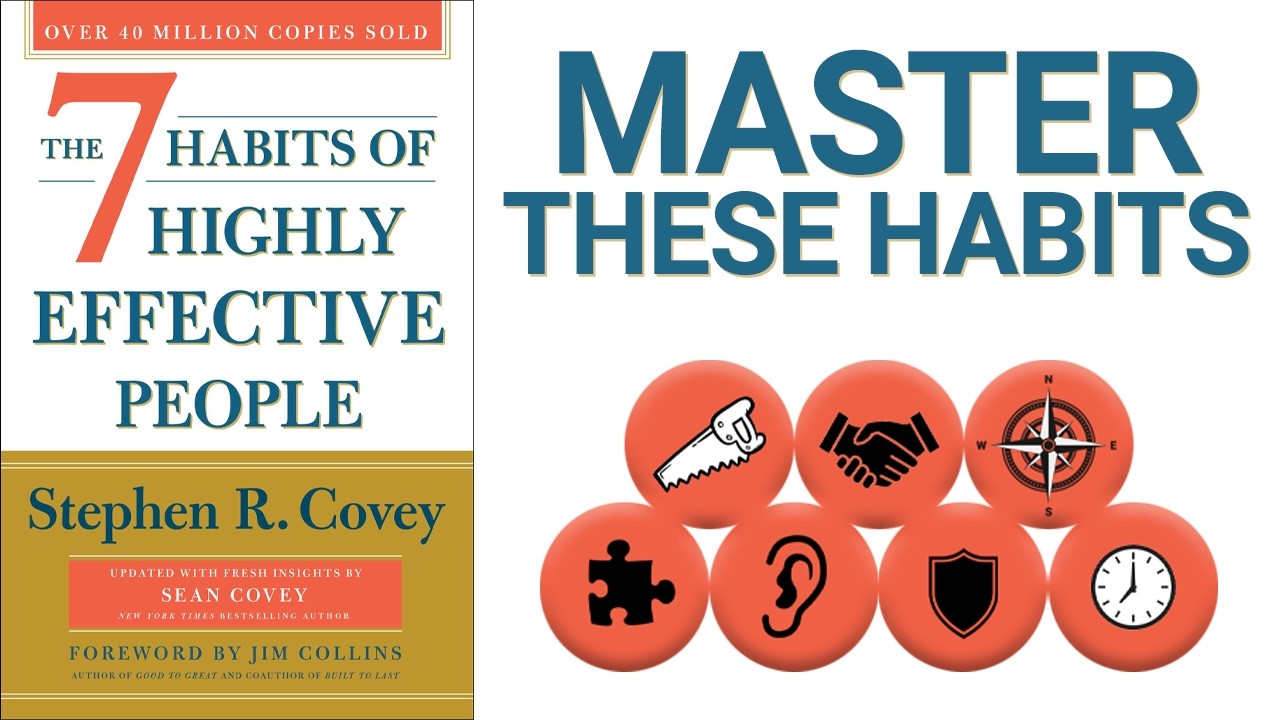
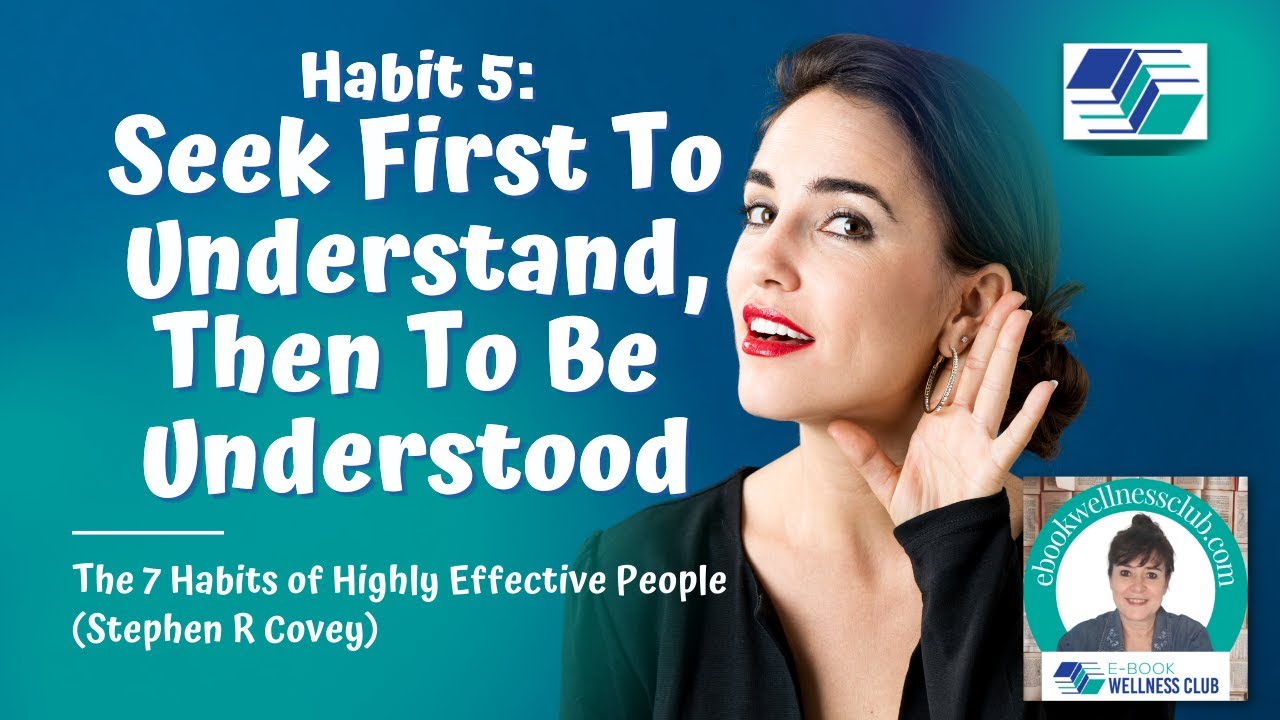
habit number five seek first to understand then to be understood before we can offer advice suggest solutions or effectively interact with another person in any way we must seek to deeply understand them and their perspective through empathetic listening let's say you go to an optometrist and tell him that you've been having trouble seeing clearly and he takes off his glasses hands them to you and says here try these they've been working for me for years you put them on but they only make the problem worse what are the chances you'd go back to the optometrist
unfortunately we do the same thing in our everyday interactions with others we prescribe a solution before we diagnose the problem we don't seek to deeply understand the problem first habit five of the seven habits of highly effective people says that we must seek first to understand then to be understood in order to seek to understand we must learn to listen first stephen covey in the seven habits of highly effective people remarks you have spent years of your life learning how to read and write years learning how to speak but what about listening to listen empathetically
requires a fundamental paradigm shift most people listen with intent to reply not to understand at any given moment they're either speaking or preparing to speak after all kobe points out communication experts estimate that ten percent of our communication is represented by our words thirty percent is represented by our sounds and sixty percent is represented by our body language when we listen autobiographically in other words with our own perspective as our frame of reference we tend to respond in one of four ways one evaluate agree or disagree with what is said two probe ask questions from
our own frame of reference three advise give counsel based on our own experience 4. interpret try to figure out the person's motives and behavior based on our own motives and behavior but if we replace these types of response with empathetic listening we see dramatic results in improved communication it takes time to make this shift but it doesn't take nearly as long to practice empathetic listening as it does to back up and correct misunderstandings or to live with unexpressed and unresolved problems only to have them surface later on the second part of habit 5 is then
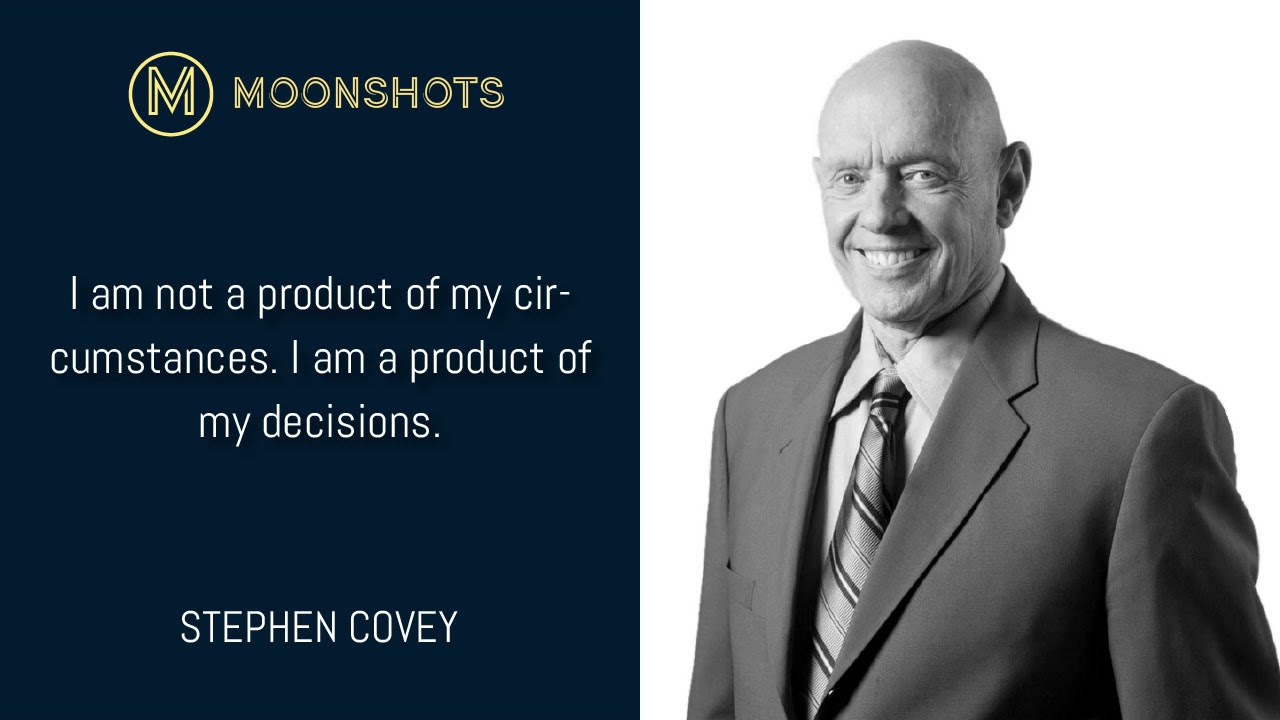
to be understood this is equally critical in achieving win-win solutions seeking to understand requires consideration seeking to be understood takes courage right stephen covey when we're able to present our ideas clearly and in the context of a deep understanding of the other person's needs and concerns we significantly increase the credibility of your ideas here are a few ways to get yourself in the habit of seeking first to understand one next time you're watching two people communicating cover your ears and watch what emotions are being communicated that might not come across through words alone was one
person or the other more interested in the conversation write down what you noticed two next time you give a presentation root it in empathy begin by describing the audience point of view in great detail what problems are they facing how is what you're about to say offering a solution to their problems habit number six synergize by understanding and valuing the differences in another person's perspective we have the opportunity to create synergy which allows us to uncover new possibilities through openness and creativity the combination of all the other habits prepares us for habit six among the
habits of highly effective people which is the habit of synergy or when one plus one equals three or more the whole is greater than the sum of its parts for example if you plant two plants close together their roots will co-mingle and improve the quality of the soil so that both plants will grow better than they would on their own synergy allows us to create new alternatives and open new possibilities it allows us as a group to collectively agree to ditch the old scripts and write new ones so how can we introduce synergy to a
given situation or environment start with habits four and five of seven effective habits by stephen covey you must think win win and seek first to understand once you have these in mind you can pool your desires with those of the other person or group and then you're not on the opposite sides of the problem you're together on one side looking at the problem understanding all the needs and working to create a third alternative that will meet them what we end up with is not a transaction but a transformation both sides get what they want and
they build a relationship in the process by putting forth a spirit of trust and safety we will prompt others to become extremely open and feed on each other's insights and ideas creating synergy the real essence of synergy is valuing the differences the mental emotional and psychological differences between people after all if two people have the same opinion one is unnecessary when we become aware of someone's different perspective we can say good you see it differently help me see what you see we seek first to understand and then we find strength and utility in those different
perspectives in order to create new possibilities and win-win results so what are the key lessons from habit six one make a list of people who irritate you now choose just one person how are his views different put yourself in his shoes for one minute think and pretend how it feels to be him does this help you understand him better now next time you're in a disagreement with that person try to understand his concerns and why he disagrees with you the better you can understand him the easier it will be to change his mind or change
yours two make a list of people with whom you get along well now choose just one person how are their views different now write down a situation where you had excellent teamwork in synergy why what conditions were met to reach such fluidity in your interactions how can you recreate those conditions again habit number seven sharpen the saw to be effective we must devote the time to renewing ourselves physically spiritually mentally and socially continuous renewal allows us to synergistically increase our ability to practice each habit habit seven of the principle-centered seven habits is focused around renewal
or taking time to sharpen the saw it surrounds all of the other habits and makes each one possible by preserving and enhancing your greatest asset yourself there are four dimensions of our nature and each must be exercised regularly and in balanced ways firstly the physical dimension the goal of continuous physical improvement is to exercise our body in a way that will enhance our capacity to work adapt and enjoy to renew ourselves physically we must eat well get sufficient rest and relaxation exercise on a regular basis to build endurance flexibility and strength focusing on the physical
dimension helps develop habit one muscles of proactivity we act based on the value of well-being instead of reacting to the forces that keep us from fitness secondly the spiritual dimension the goal of renewing our spiritual self is to provide leadership to our life and reinforce your commitment to our value system to renew yourself spiritually you can practice daily meditation communicate with nature immerse yourself in great literature or music a focus on our spiritual dimension helps us practice habit two of seven effective habits by stephen covey as we continuously revise and commit ourselves to our values
so we can begin with the end in mind thirdly the mental dimension the goal of renewing our mental health is to continue expanding our mind to renew yourself mentally you can read good literature keep a journal of your thoughts experiences and insights limit television watching to only those programs that enrich your life and mind focusing on our mental dimension helps us practice habit three by managing ourselves effectively to maximize the use of our time and resources fourthly the social dimension the goal of renewing ourselves socially is to develop meaningful relationships to renew yourself socially you
can seek to deeply understand other people make contributions to meaningful projects that improve the lives of others maintain an abundance mentality and seek to help others find success renewing our social and emotional dimension helps us practice habits four five and six by recognizing that win-win solutions do exist seeking to understand others and finding mutually beneficial third alternatives through synergy as we focus on renewing ourselves along these four dimensions we must also seek to be a positive scripture for other people we must look to inspire others to a higher path by showing them we believe in
them by listening to them empathically by encouraging them to be proactive the real beauty of the seven habits of highly effective people is that improvement in one habit synergistically increases our ability to improve the rest renewal is the process that empowers us to move along an upward spiral of growth and change of continuous improvement so what are the key actions of habit seven one make a list of activities that would help you renew yourself along each of the four dimensions select one activity for each dimension and list it as a goal for the coming week
at the end of the week evaluate your performance what led you to succeed or fail to accomplish each goal two commit to writing down a specific sharpen the saw activity in all four dimensions every week to do them and to evaluate your performance and results this video is the second part of the seven habits of highly effective people summary if you haven't watched the first part till now we have added a link in the card above and the description below for your convenience viewers if you find this summary of chapters of the seven habits of
highly effective people useful do subscribe to mr smart and hit the bell button for future updates also join the smart club through a link in the pinned comment for illustrations pdf version and a detailed quiz for each new animation live long smart living you





![7 Habits Of Highly Effective People: Book Summary [2024] | Book Simplified](https://img.youtube.com/vi/73GC1_k-PV0/maxresdefault.jpg)