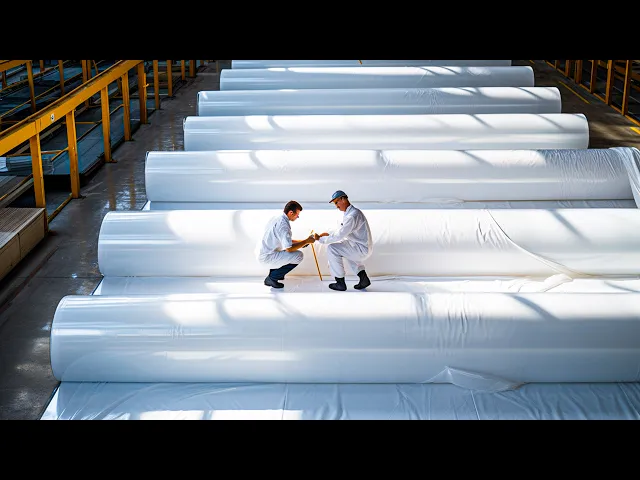
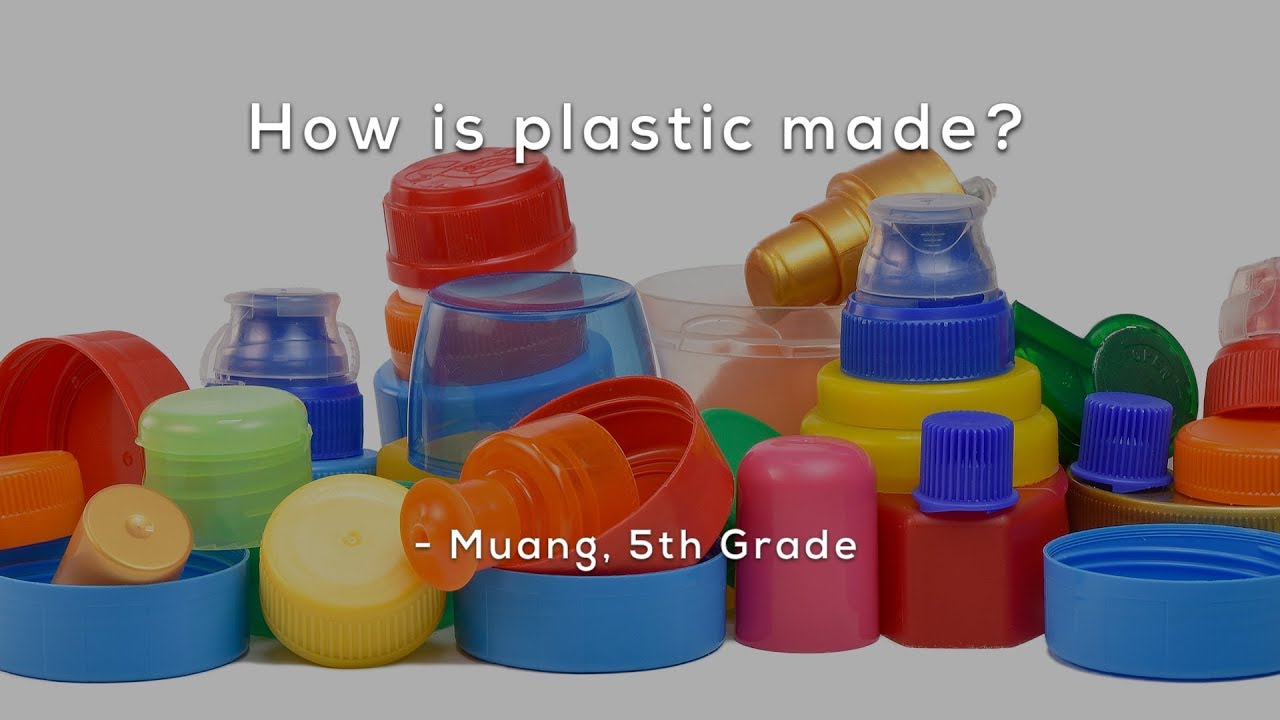
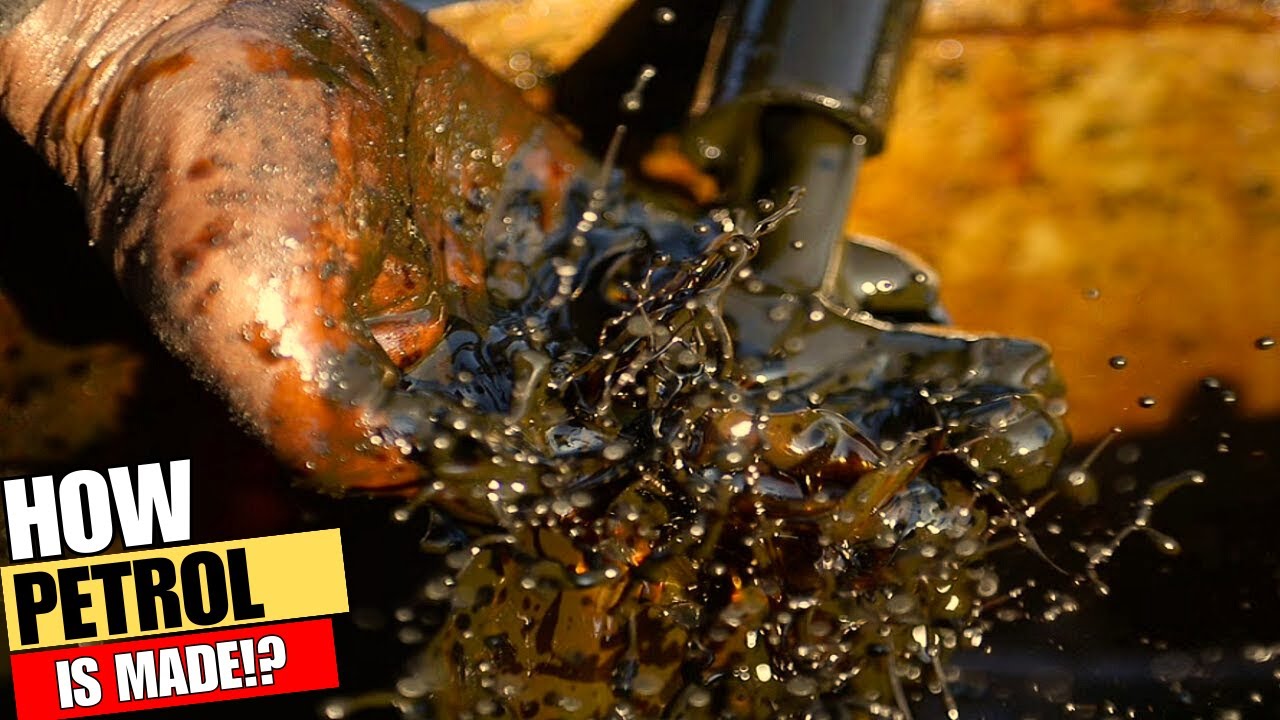
its Global Production has doubled about every decade according to estimates over 380 million tons of plastic is produced every year it's no surprise then that the Plastic industry is valued at over $600 billion so how is it made crude oil the primary raw material for plastic is extracted through a process called drilling it involves drilling a well bar into the Earth's crust to reach underground reservoirs that contain oil the drilling process typically uses a drilling rig which is equipped with specialized equipment to penetrate the ground once the wellbore reaches the reservoir the pressure within the
reservoir forces the crude oil to flow up to the wellbore this initial flow is often aided by the natural Reservoir pressure but as the pressure decreases over time other techniques like pumping or injecting gases and fluids may be used to enhance oil recovery once extracted crude oil undergo refining by heating it in a furnace to about 700 ft 52° F or 400° C Vapors from the oil move into a fractioning column a tall tower containing a series of Chambers the chambers are warmer at the bottom of the Tower and cooler at the top the various
substances that make up petroleum rise through the chambers as gases until they reach the temperature at which they become liquids since each substance has a different boiling point it liquefies in different chambers and can be separated and collected ethane and propane the building blocks of plastic have low boiling points and are collected as gases from the top of the tower ethane and propane fractions now separated from the crude oil are subjected to a process called cracking cracking breaks down the larger hydrocarbon molecules in these fractions into smaller more valuable molecules like ethylene and propylene these
smaller molecules are the monomers used in plastic production the the cracked ethylene and propylene monomers are then collected and prepared for the polymerization process polymerization polymerization is the core process in plastic manufacturing there are two main methods addition polymerization monomers like ethylene and propylene undergo addition polymerization catalysts and initiators are used to break the double Bonds in the monomers and create polymer chains polyethylene polypropylene and polyvinyl chloride PVC are produced using this method condensation polymerization some Plastics are formed through condensation polymerization where two different monomers react releasing a byproduct like water nylon and polyester are
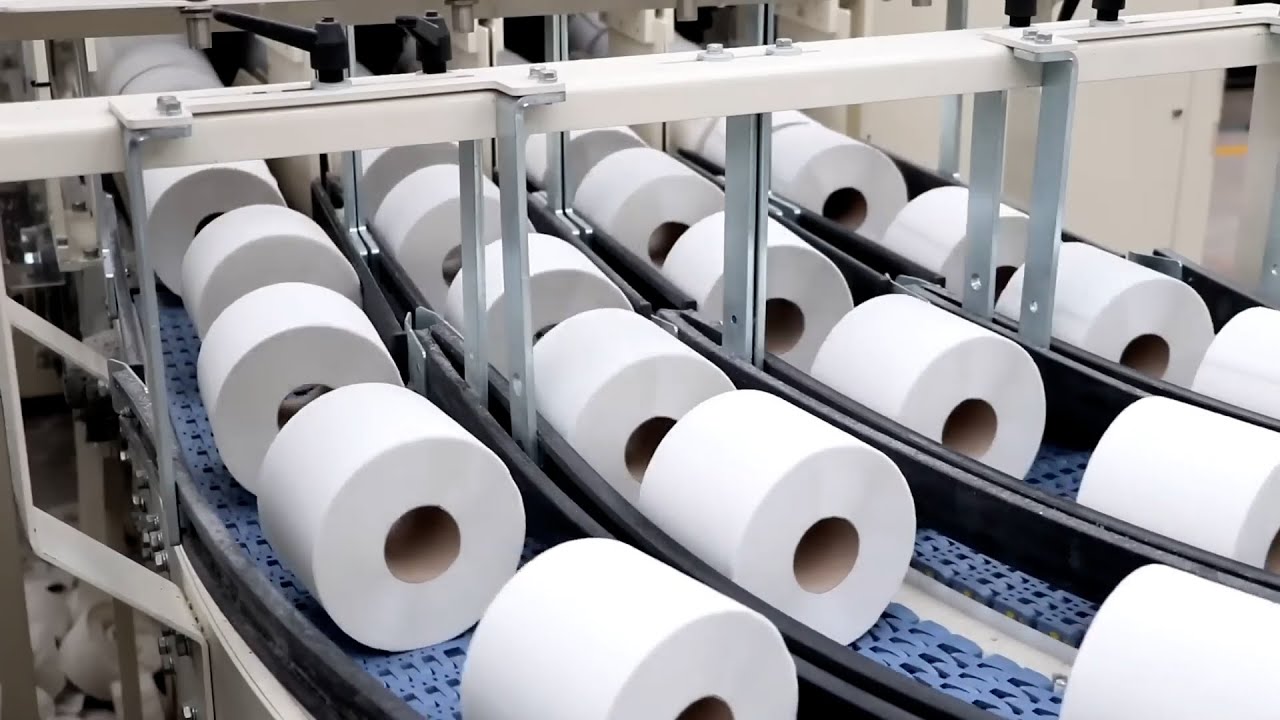
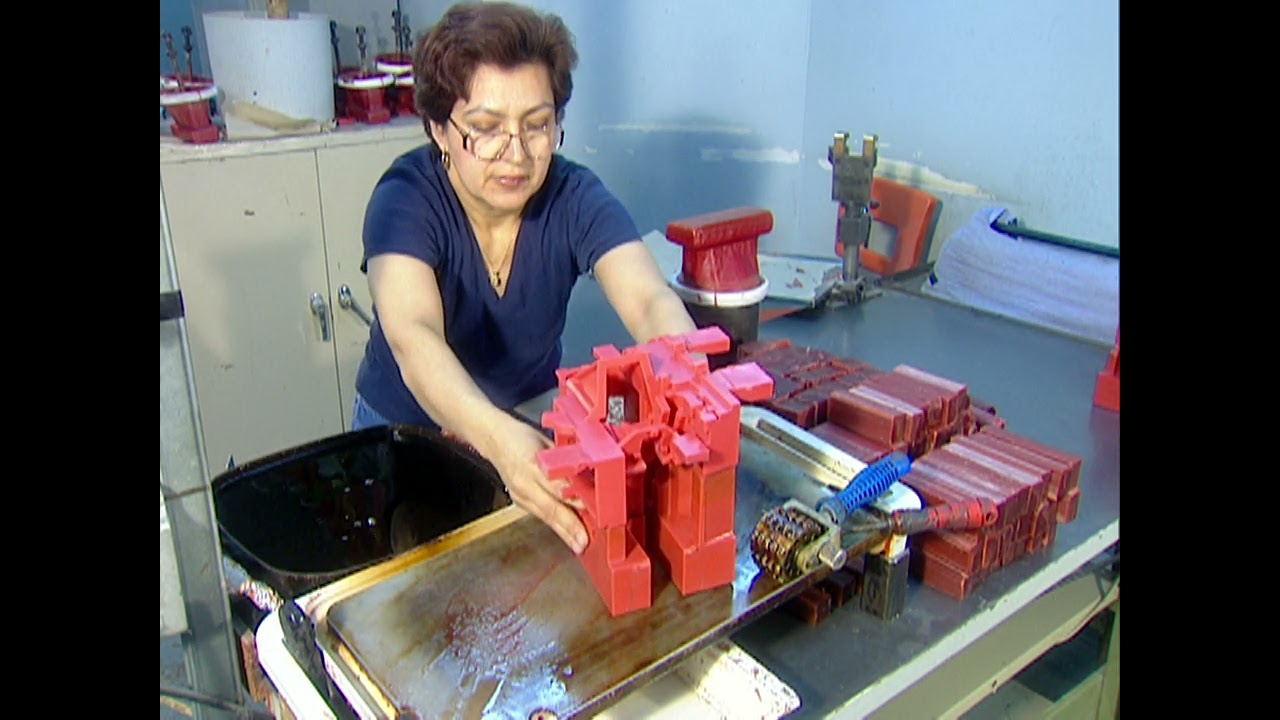
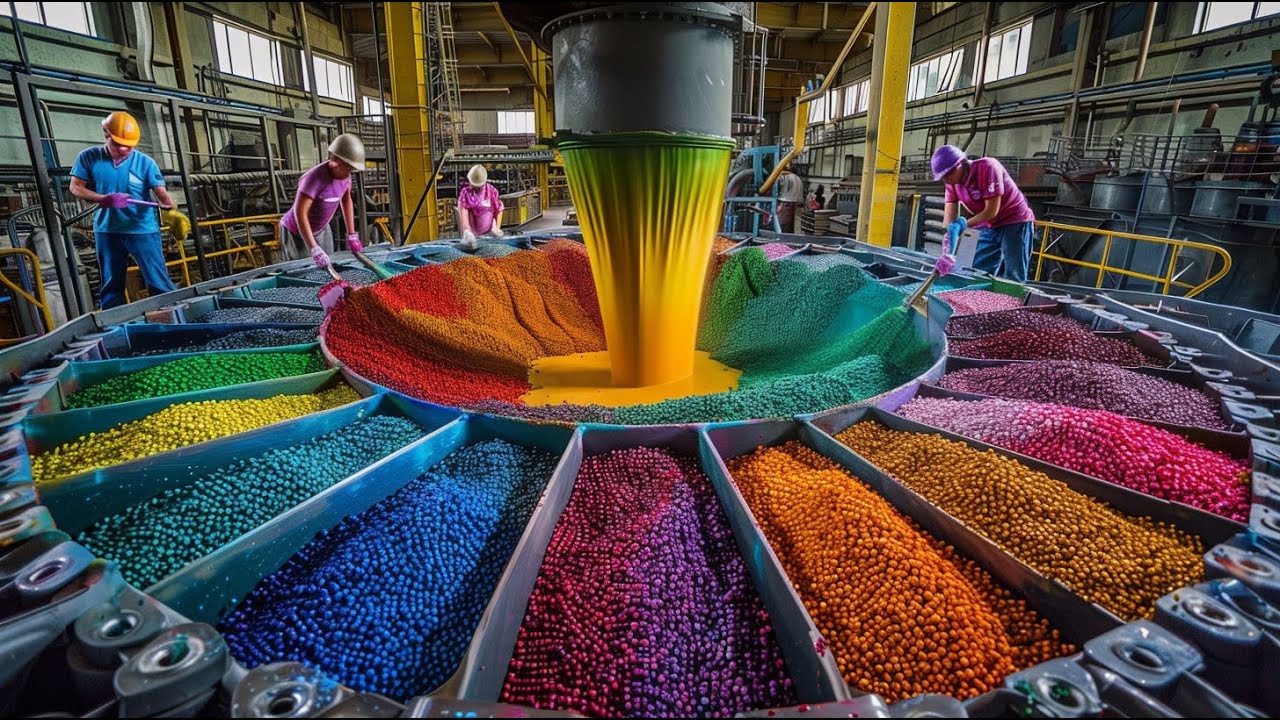
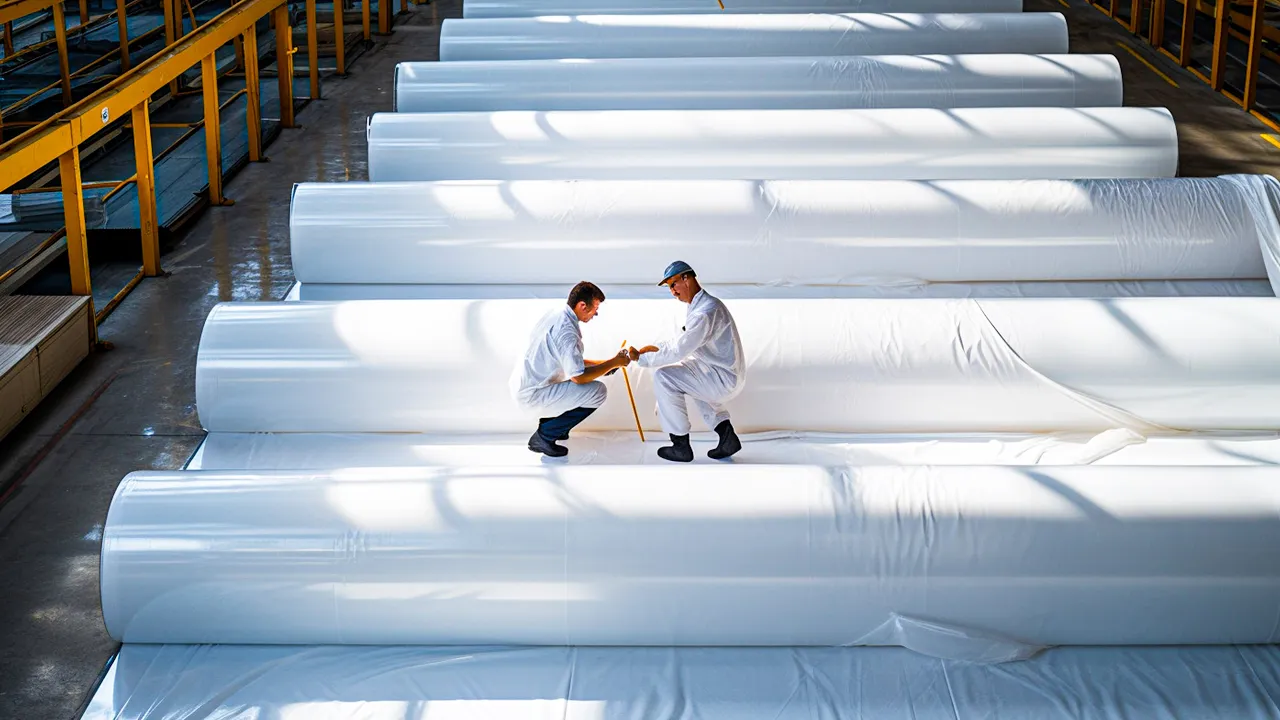
examples of plastics formed this way after polymerization the resulting plastic can be converted into standardized plastic pellet also known as nurdles this process involves extruding the plastic into strands cutting those strands into pellets and Cooling and drying them to maintain their quality the nurdles are then packaged and transported to plastic manufacturers who use them as raw material for various plastic production processes once the plastic pets are received they are melted and shaped into various forms using techniques like injection molding Extrusion and blow molding these processes determine the final product's size shape and properties after shaping
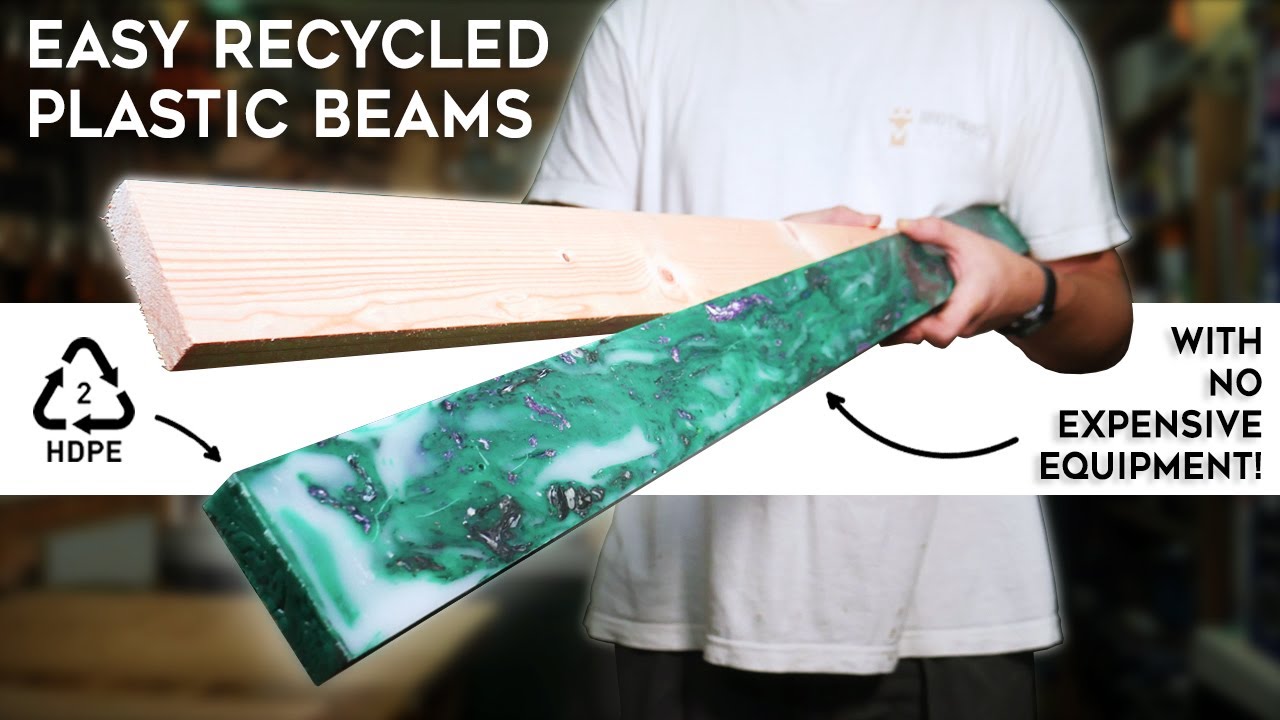
the plastic is cooled and solidified to retain its intended form and properties plastic properties can be enhanced by incorporating additives during or after polymerization these additives impart color UV resistance flame retardancy flexibility and other desired characteristics in addition to primary plastic production nurdles can also be used in the recycling process recycled plastic materials can be pelletized to create recycled plastic pellets which which are then used to manufacture new Plastic Products with recycled content nurdles can spill at every stage of the plastic production process from production sites during transportation and in the manufacturing stages Factory spills
and Spills during Transit are a result of limited awareness careless handling insecure storage and inappropriate equipment when nurdles spill onto the ground Wind and Rain can wash them down storm drains or into waterways from where they ultimately end up in the ocean to prevent nurtle spillage and uphold responsible plastic manufacturing a range of quality control procedures should be implemented this involves establishing good manufacturing practices GMP tailored to plastic pellet production utilizing proper handling and storage guidelines ensuring robust pellet packaging conducting regular quality assurance checks and providing thorough employee training on spill prevention and response thinking
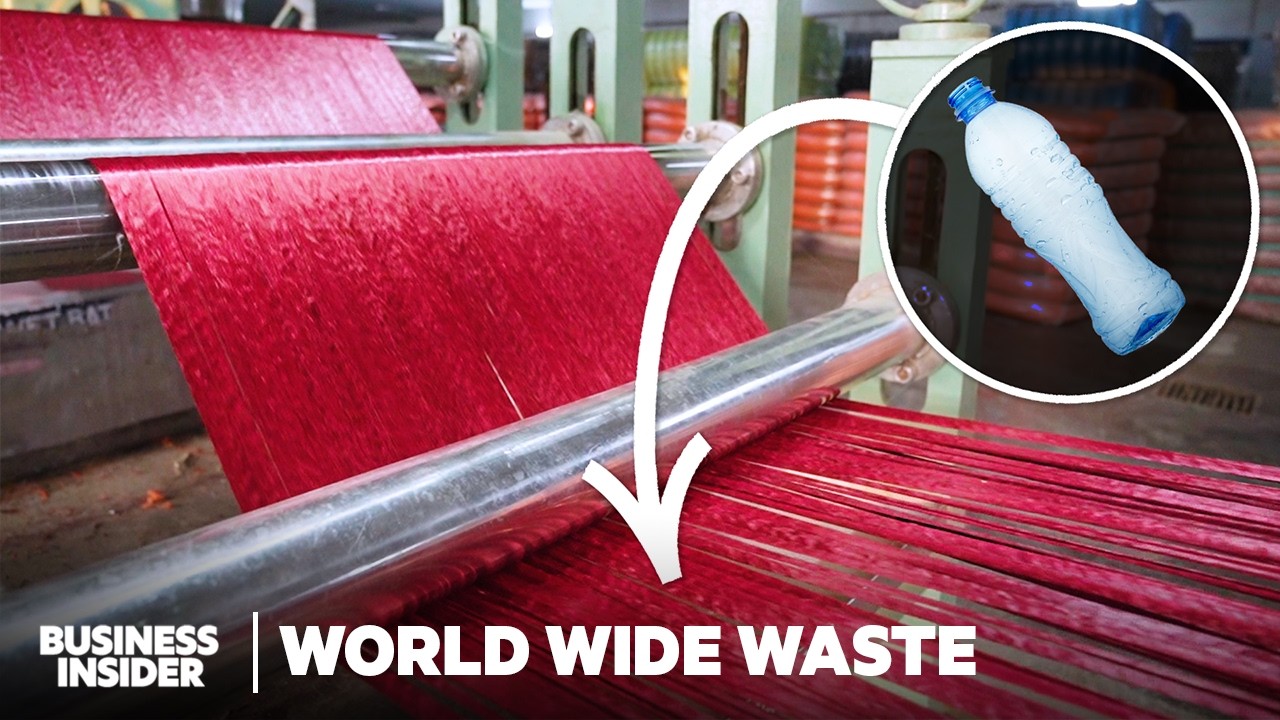
of application here's how plastic Coca-Cola bottles are made