[Music] Australia faces significant challenges due to invasive pest animals such as feral pigs rabbits foxes feral cats and pest birds with wild parrots being a particular concern these invasive species wreak havoc on the economy environment and Society causing over $1 billion in losses annually what are the damages these birds cause and how have they been controlled join us in this video as we look into how Australian Farmers deal with 17 million invasive wild parrots farming is not only affected by mammals like wild rabbits wild pigs or rats every year Australian farmers and ranchers suffer significant
damage from millions of wild birds from the parrot family parrots are extremely similar in shape appearance and habitat there are currently over 300 species of parrots in the world with the majority of them living in heavily forested areas in Central and South America Africa and australasia [Music] Oceania currently there are 56 species of parrots living in most areas of Australia with an estimated number of 17 million individuals among them are the gala coatu the sulfur crested kakatu the rainbow lauret and the budgerigar some of the most popular parrot breeds on the continent there are flocks
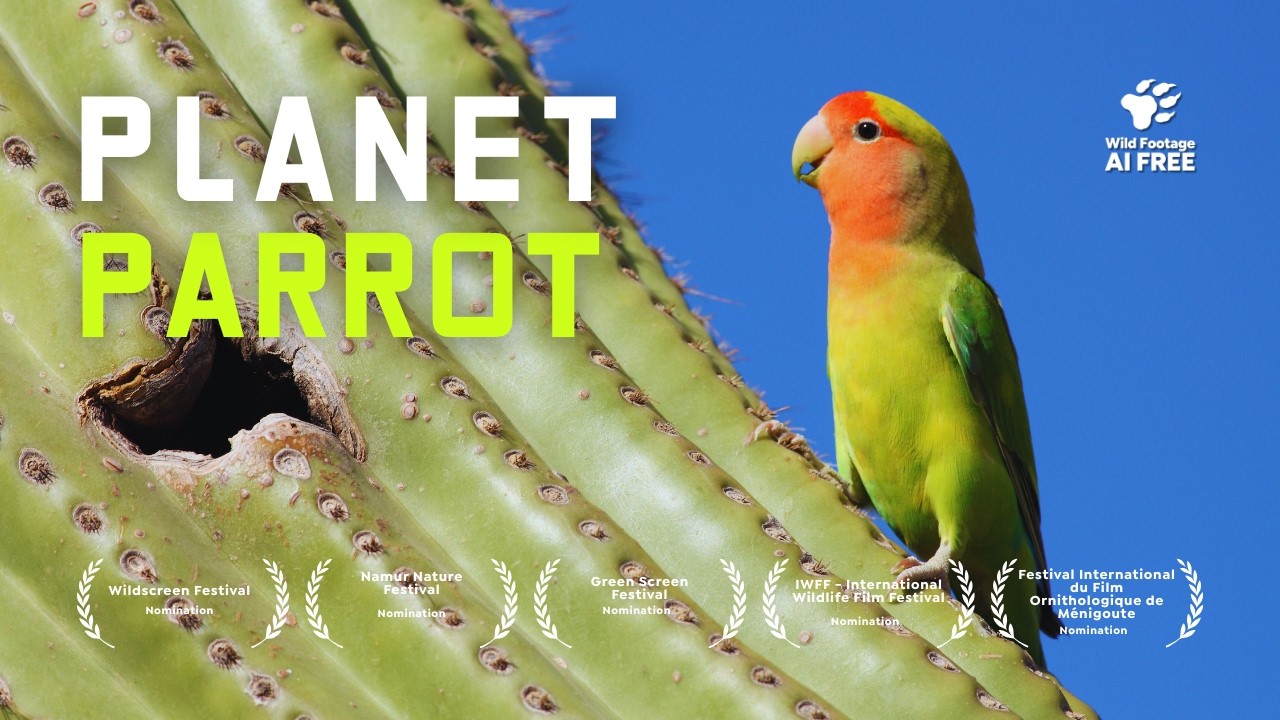
of parrots that number in the dozens and even hundreds and they can appear where you [Music] live in addition to making annoying noises they can also harm crops such as grain fruit and nut trees parrots can also nest in inappropriate places like the recesses of your roof having dozens of parrots in your backyard also causes pollution due to the hundreds of piles or droppings they leave behind the galakatos are believed to be the most numerous of all parrots living on Mainland Australia in the wild the gala is found in various habitats from arid hinder lands
to wooded areas also this bird is commonly seen in urban and Suburban areas of cities in addition to the Galas buggies are also a parent species found in abundance in Australia and the negative impact of this small bird on agriculture in this country is significant in the wild buggies usually live in flocks of about 100 individuals however the number of buggies in the flock can increase to several thousand after the rainy season the reason for the rapid increase in the number of buggies in a flock after the rainy season is that the rapid growth of
vegetation provides more food and nesting material at this [Music] time as a small bird that lives in flocks buggies have always been considered the favorite prey of birds of prey such as Falcons in most areas of Australia the places where bungees live are also home to flocks of Falcons with an estimated population of nearly 5 million the impact of birds of prey on the number of buggies in Australia is negligible it is estimated that only about 1.3% % of buggies in Australia die each year due to the impact of predators and other factors such as
disease or [Music] hunting in most areas of Australia the breeding season for buggies usually lasts from September to February of the following year however this bird can also stop breathing for a year if the weather conditions are too dry or lack nesting material after about 6 to 7 weeks these young birds will be ready to leave the the nest after each breeding season the number of colony buggies usually increases to about 13 to 17 times the original [Music] number like most other parrot species in Australia buggies also have a habit of eating nuts and grains
in the wild adult buggies must drink water at least seven times daily therefore small water holes in Aid regions of Australia are often places where you can easily see the appearance of these small birds after discussing the overview of invasive animals in Australia the farmers experience different challenges due to the invasive Birds what are these [Music] challenges Birds may damage agriculture by destroying or removing buds stems leaves buds or fruit causing infrastructure damage including irrigation systems or may cause secondary spoilage due to mold yeast disease or insect damage some secondary diseases appearing after bark damage
such as sour rot or Bettis ceria disease can damage fruit especially in cold weather the presence of pecked and partially damaged fruit can impose a large penalty for abatement and add significant labor cost to the harvesting process when Growers attempt to remove spoiled fruit damage to poultry can also cause an early Harvest reducing fruit quality and quantity Dam Dage to leaves especially cockus and Rosel occurs when Birds cut off branches stems and entire fruit destroy Buds and growing ideas or uproot seedlings damage to leaves May directly affect fruit or nuts in the season in which
they occur but may affect the plant's growth in The Following season this is especially true when the damage occurs between or below the intern nodes of the growing plant it is estimated that more than 4 million Galas are living in the entire territory of Australia each year these noisy birds cost Australian grain Farmers about $173 million in damage to their crops a flock of parrots with hundreds or even thousands of them will cause significant damage to fields of wheat or sorghum when about to enter the Harvest period in addition Fruit Farms such as bananas or
mangoes are also a favorite place for a flock of buggies the biggest challenge facing almost half of all Australian Farmers was economic uncertainty including global economic conditions and the rising cost of doing business many other issues Australian farmers raise include weather Workforce issues government policies Rising interest rates economic conditions climate change natural disasters and biocurity Western Australian farmers are in stark contrast to other states the biggest challenge is government policy which expressed major concern about the wa government's recent repeal of the Aboriginal cultural heritage act Farmers on 1, 2,499 hectares of medium-sized Farms were most
likely to see economic conditions and costs as a significant challenge 69% versus 49% of all [Music] farmers Dairy Farmers were the most likely to State they had no problems 133% versus 4% of all farmers and the least likely to mention economic conditions and costs as a major issue 30% versus 49% of all Farmers Birds cause significant damage to grapes in all Australian States in one garden over 95% of the buds on a plant were lost to Roselle approximately 3 million buds were removed from 44 trees in the same Garden bird damage to fruit crops includes
pruning leaves and flower buds stripping trees and gnawing on walnuts hazelnuts almonds olives macadamia nuts and pistachios sulfur crested cockus Galera cockos little cockus and long cockroaches are the main Aven pests of the fruit industry this species has been shown to drop more fruit on the ground than it eats a report to Parliament by The macademia Industry Council and Growers into the damage to cockus in Victoria suggests economic losses to the nut industry could be huge nuts were particularly damaged with Victoria losing 42% of its production hazelnuts 10% olives 5% and pistachios 5% also suffered
significant damage the cost of the losses alone was between $8,800 and $277,000 additional administrative expenses and time costs Growers refuse to plant fruit due to coatu damage are incalculable in another case Gala allegedly killed hundreds of almond trees at a conversion rate of $1 516 per tree crows can also be serious pests of almonds and like cockus they often eat more nuts than they can reducing yield and quality a survey of horticulturists in the Northern Territory indicated that losses from birds and flying foxes were moderate 20% 40% severity damage index greater than 35% for a
range of crops including passion fruit longan lychi Peach nectarine bis rambutan date Carambola custard apple pawpaw sapodilla guava star apple and water Apple vegetables and beans like plums Abu fruits bananas melons prang and mangoes farmers in Western Australia are most concerned about the effects of government policies according to a poll conducted before the Western Australian government's backflip on the contentious Aboriginal cultural heritage [Music] Act 41% of Western Australian Farmers rated this stratey as one of the biggest challenges facing them to save endangered species from destruction native species are often trapped poisoned and shot in large
numbers by hunters also Australian Farmers make Nets to control the damage caused by the invasive parrots compared to all Metropolitan bird species bird netting is one of the most cost-effective and long- Lasting ways of bird proofing buildings and other structures it provides a very discret and impervious barrier that protects build buildings without jeopardizing the birds especially the invasive [Music] parrots synthetic sounds such as highfrequency ultrasonic sounds are one of the best ways to get invasive parrots to scatter and perhaps not to return the trick becomes even more effective when you include a scary visual object
such as an owl statue or a scarecrow with shimmering tassels Australian Farmers often adopt this method in controlling invasive [Music] Birds the majority of bird Nets are made of UV stabilized materials such as polyethylene it is commonly used to discourage birds from entering restricted areas such as Gardens warehouses and carports bird netting can be used for seasonal bird problems or for long-term use on buildings for commercial purposes one of the most cost-effective bird control strategies for small mammals is the the use of Nets it is also the least harmful and non-lethal form of bird care
therefore what are the impacts of conservationists responses to damages caused by invasive [Music] parrots hunters and conservationists can play a vital role in ensuring the parrot population some Hunters adopt ethical hunting practices that emphasize sustainable harvesting and population control they can help prevent overpopulation and its negative effects on the environment by carefully managing parrot populations through [Music] hunting conservationists also play a vital role in parrot population management they are a part of a larger movement that focuses on preserving parrot habitats implementing conservation initiatives and supporting responsible tourism their efforts are aimed at preserving parrot populations
and ensuring their long-term survival when balancing population control and conservation efforts ethical considerations come into play it's important to strike a balance between the parot well-being and the overall [Music] ecosystem experts in wildlife management and ethical hunting organizations can provide valuable insights on this subject they may emphasize the need for systematic research to determine sustainable hunting quotas and strategies from a wildlife expert's perspective Ive to support parrot populations they may also advocate for Habitat conservation and Restoration Fair Chase ethical hunting methods and consideration of the animals welfare are all vital to ethical hunting organizations they
may argue that well-regulated hunting can contribute to conservation efforts by governing populations and supporting conservation initiatives with hunting permits and [Music] fees ultimately finding the right balance between population control and conservation efforts requires collaboration and dialogue among hunters conservationists and experts it's a complex issue with many points of view but the ultimate goal is to ensure the long-term survival of parrot populations by balancing ethical considerations and maintaining the ecosystem's health the report found that several biological factors play a role in The increased mortality risk for certain parot species with body shape being one of the
most [Music] influential larger parrots are at a much higher risk of Disappearing due to longer life expectancies fewer progyny and a higher chance of being hunted according to the report parrots with specialized habitats are also at a greater risk of population decline researchers found that parrot species that live in habitats restricted to specific species species of trees and a smaller habitat distribution area were at a greater risk of Extinction than species that thrive in a wide variety of tree [Music] species deforestation is destroying critical habitat areas for this predominantly tree dwelling bird species group with
about 70% of all parrot species dependent on tree cavities for nesting and relying on tree seeds and fruits for food knowledge of a species status distribution ecology and dangers is essential to an evidence-based approach to its conservation management this knowledge along with budgets for specific conservation initiatives allows for the assignment of funding to activities that bring the species the maximum [Music] benefit nevertheless many endangered species are poorly understood and determining which conservation strategies will help them is difficult in such situations it is necessary to have methods that allow for decision making in the face of
uncertainty we use structured expert testimony to determine the likelihood of future management strategies for the critically endangered and until recently poorly known night parrot Cat Care was deemed to be the single most effective management tactic for the night parrot by [Music] experts however the most significant conservation gains were likely achieved when grazing preventing feral cats and managing fire to maintain night parrot habitat firefighting to protect night parrot habitat was deemed to be the most cost-effective option as was intensive Cat Care using controll techniques that exploit local knowledge of cat movements and ecology the least cost-effective
approach was to protect and restore potentially desirable but degraded night parrot habitat these expert opinions serve as a starting point for land managers implementing Ong ground initiatives aimed at the night parrot and those implementing long-term conservation plans they should be implemented assessed and improved within an Adaptive management framework considering the potential co- benefits of these strategies for other species and ecosystems the more General approach applies to conservation planning for managing and conserving other poorly known speci species it's not surprising that Island endemism could be a contributing factor to increasing Extinction risk according to the report
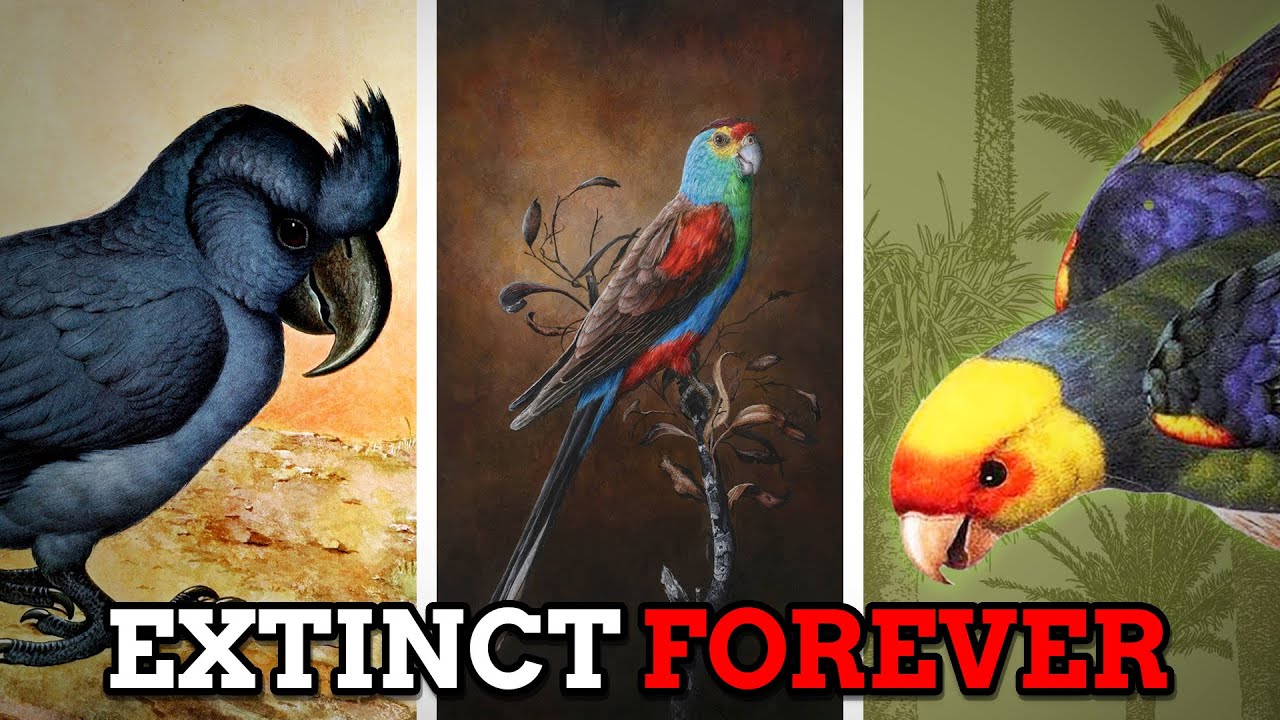
88% or 14 of the 16 already extinct parrot species were restricted to Island habitats although this rule is applied to extinct species the results indicate that a restrictive Island environment can significantly raise the chances of population destruction resulting in a large number of extinct Island dwelling parrot species migration patterns as well as social and nesting habits are among the other variables considered in the study however researchers found that large body sizes and special habitats such as Islands or particular types of forested areas are the biological factors that most influence Extinction risk a great many parrot
species are endemic to deforestation as they depend on forested areas as a nesting area and a food [Music] source after revealing the damages and effects caused by wild parrots hunters and conservationists play significant roles in preventing these damages what are the ways and methods Australian farmers use to control these wild parrots parrot populations are being managed by various means while still ensuring their well-being is being investigated breeding prevention programs such as the use of contraceptives for parrots are one of the options scientists are researching the production of safe and effective contraceptives that can be administered
to parrots in controlled environments this helps to regulate their reproduction and prevent overpopulation without harming the birds another approach is being explored which involves habitat [Music] restoration researchers are aiming to create conditions that discourage parrots from visiting certain areas or encouraging them to disperse by modifying the environment this will help them to manage their population and minimize the effect on specific habitats in addition other Humane approaches are being investigated and implemented to discourage parrots from certain areas or behaviors these methods use non-lethal strategies such as deterrence or aversion [Music] training when it comes to population
control these strategies aim to minimize harm to the parrots interviews with researchers and footage of these methods in action can provide further insight into the effectiveness and ethical considerations of these approaches it's exciting to see how Science and Technology are being used to create novel solutions that balance population control RO with the health and conservation of parrots the study of the consequences of human development looked at factors such as invasive alien species agriculture hunting and trapping energy production and Mining and residential and Commercial [Music] development according to the researchers agriculture logging hunting and trapping are
the top three overall threats to parrots according to the study results AG agriculture retail and residential development hurt parrot populations in all regions however the effect of environmental factors on extinction risk varies by region in Central and South America agriculture is the most dangerous to parrots while in Africa hunting and trapping are the most harmful human related [Music] activities the greatest threats to this species group's abundance are found in australasia Oceania which is character ized by logging and commercial and residential development economic growth certainly plays a role in extinction risk countries with rapidly increasing populations
May invade the habitats of certain parrot species population decline is largely attributed to agricultural expansion in these countries which affects about 30% of parrot populations [Music] worldwide logging is also dangerous killing over 50% of parrot species in in the indomalaya region alone in addition the results indicate a relationship between gross domestic product GDP and the degree of Extinction risk the severity of Extinction risk vulnerable to critically endangered is directly related to the GDP of the countries where it occurs Ola explains the report also includes a list of the countries with the highest Extinction risk for
parrot populations according to the list Australia is ranked third out of the top 20 countries for parrots with the highest Extinction risk although Australia is regarded as a developed country with stringent Wildlife protection laws the danger to its native parrot species is still high its ranking emphasizes the connection between GDP and increased vulnerability to Parrot populations to control the population of Gala some localities in Australia have used measures such as culling or trapping all controls must be in place by Australian Wildlife laws to ensure that these birds are treated humanely it is estimated that adopting
methods to control the Galas cost the Australian government nearly $4 million a year however the ecosystem suitable for researchers is determined in what aspects has the Australian ecosystem been important in scaling through the invasive parrots a complex network of living organisms is embedded within Australia's diverse Landscapes and seascapes which are intertwined with the physical environment in which they live ecosystems are the foundations of Life they provide habitat support food chains and networks and control ecological cycles and processes when an ecosystem's key defining features and functions are lost their degradation and destruction can result in irreversible
[Music] collapse native vegetation is vital to Australia's Health it stabilizes soil attracts beneficial pollinators and other plants purifies water stores carbon and provides food and habitat for wildlife vegetation and fungi together form the basis of the food chain for land-based ecosystems the Australian continent hosts a diverse range of ecosystem types aggregated into 89 Biore regions and 419 sub regions based on climate geology land form native vegetation and species information in the interim biogeographic regionalization for Australia the continuing parot invasion in Australia has a major effect on the country's ecosystems the increasing parrot population can jeopardize
the delicate balance of native flora and fauna if left unchecked resulting in long-term ecological consequences parrots are known to compete with Native species for food and nesting sites which can negatively impact biodiversity they can also Aid in the spread of invasive plant species by dispersing their seeds over long [Music] distances this can further alter the structure of ecosystems sustainable development plans are vital to minimizing these potential impacts this requires a combination of population control strategies habitat restoration and public awareness we can minimize the negative effects of the parot invasion by adopting sustainable management strategies and
safeguarding the unique ecosystems of [Music] Australia the sustainability of Australia's ecosystems is however largely dependent on Collective action and further study individuals businesses and governments are all required to collaborate in the development and implementation of effective management plans to better understand the ecological Dynamics and impacts of the parot invasion further studies are required which will help us make informed decisions and take appropriate steps let us engage in this important dialogue by raising awareness and supporting initiatives that promote sustainable management of parrot populations we can work together to preserve the biodiversity and ecological diversity of Australia's
remarkable ecosystems for generations to come as a result ecosystems such as the tropical rainforest of Southeastern Australia are among Earth's most rapidly changing biomes for example approximately 125 billion trees have been cut down in the Murray darling Basin since European settlement major changes in land cover in the tropical rainforests of Southeastern Australia have had significant impacts on biodiversity including native bird species millions of birds will die directly or indirectly from agricultural clearing some birds connectivity patterns have also changed numerous outcrops also characterize the temperate forest [Music] environment






![The Macaw Kingdom | Documentary [Expedition Edition] HD](https://img.youtube.com/vi/3ieppWouPxk/maxresdefault.jpg)