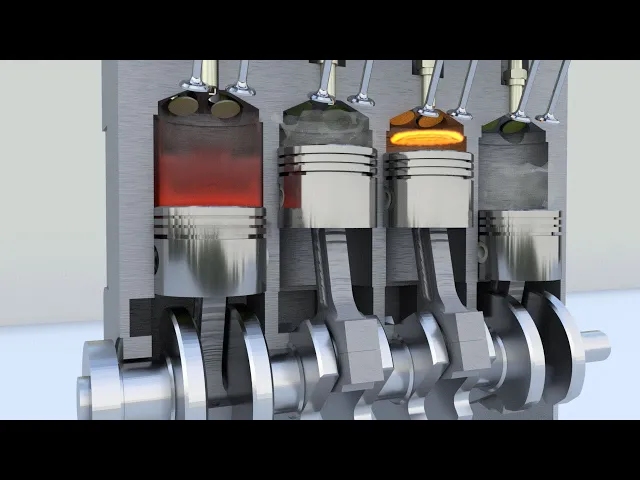
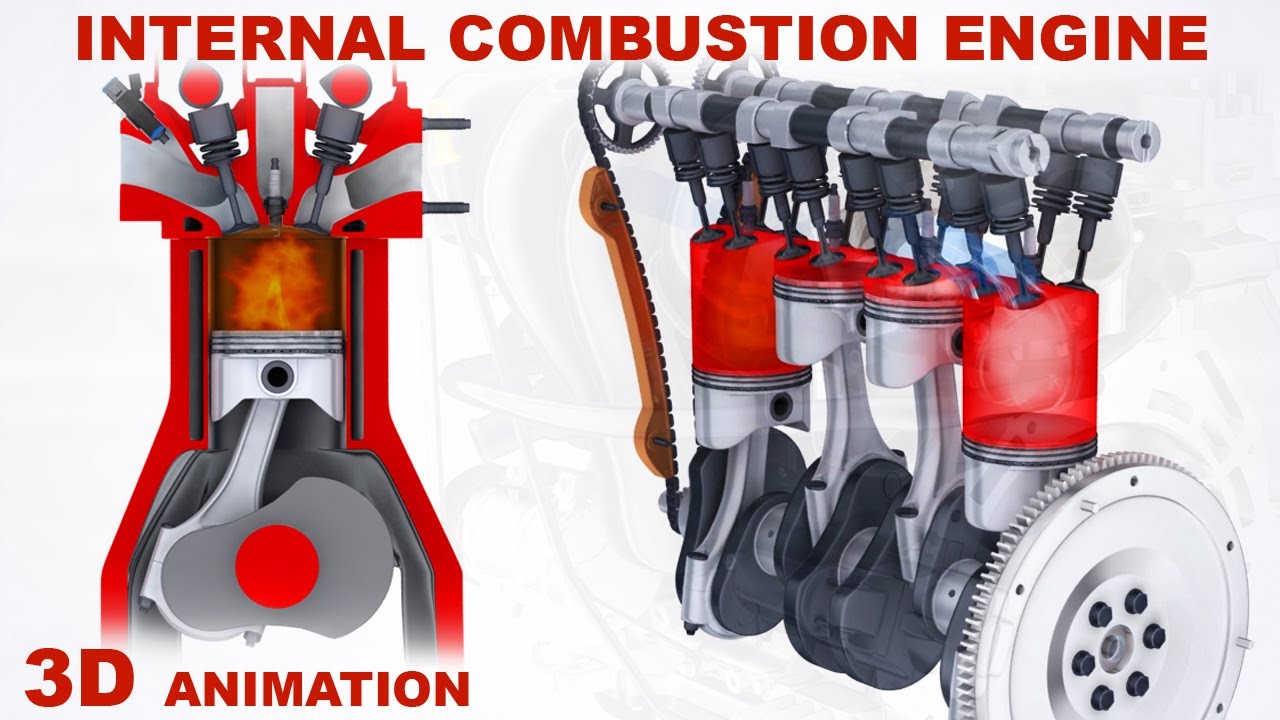
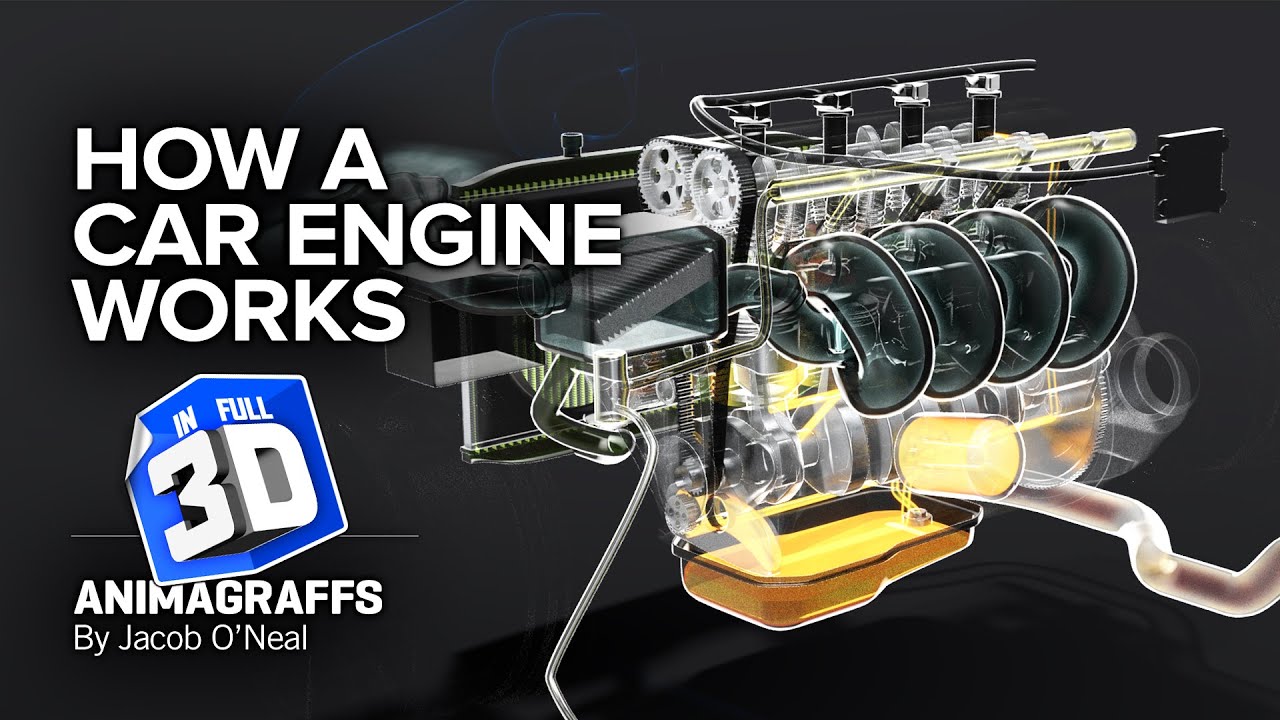
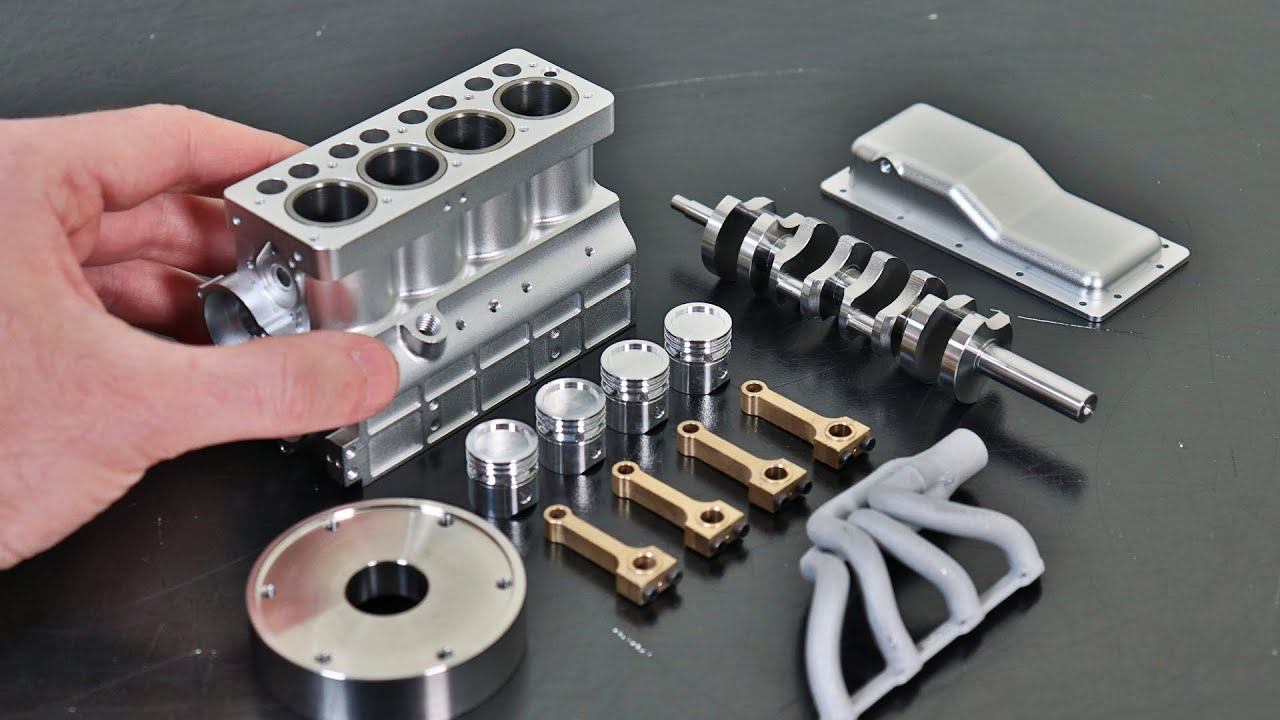
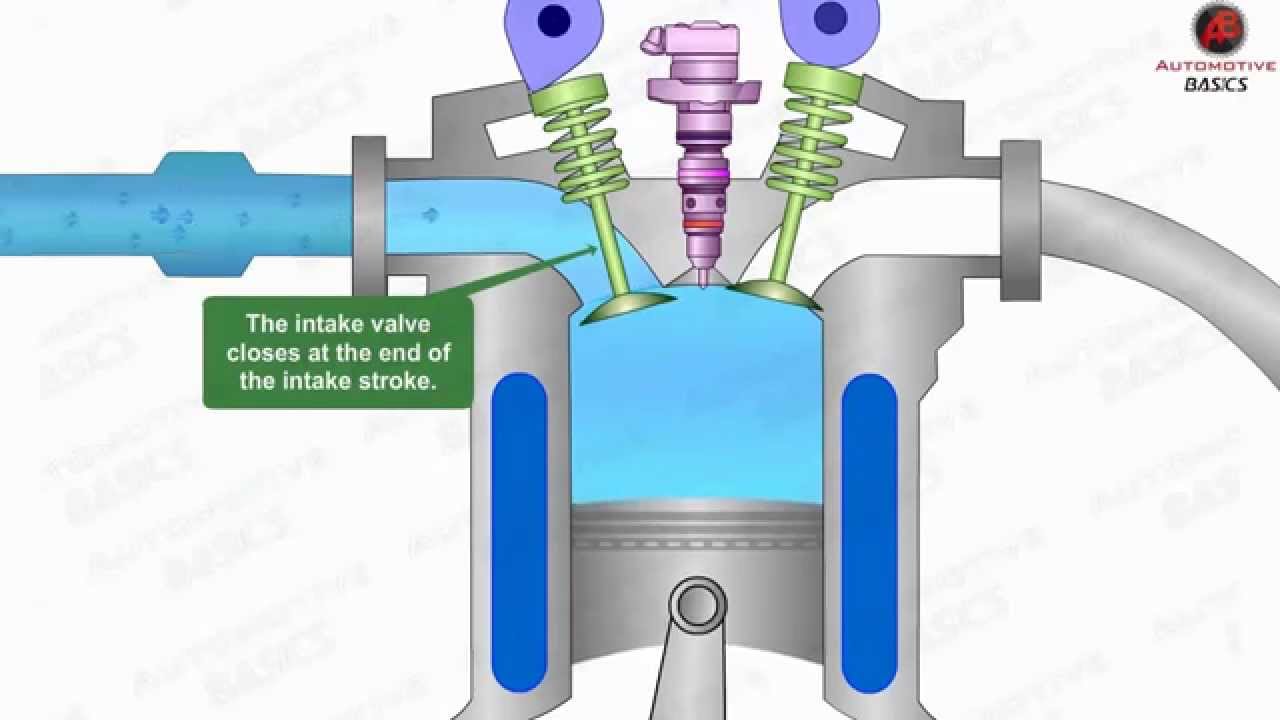
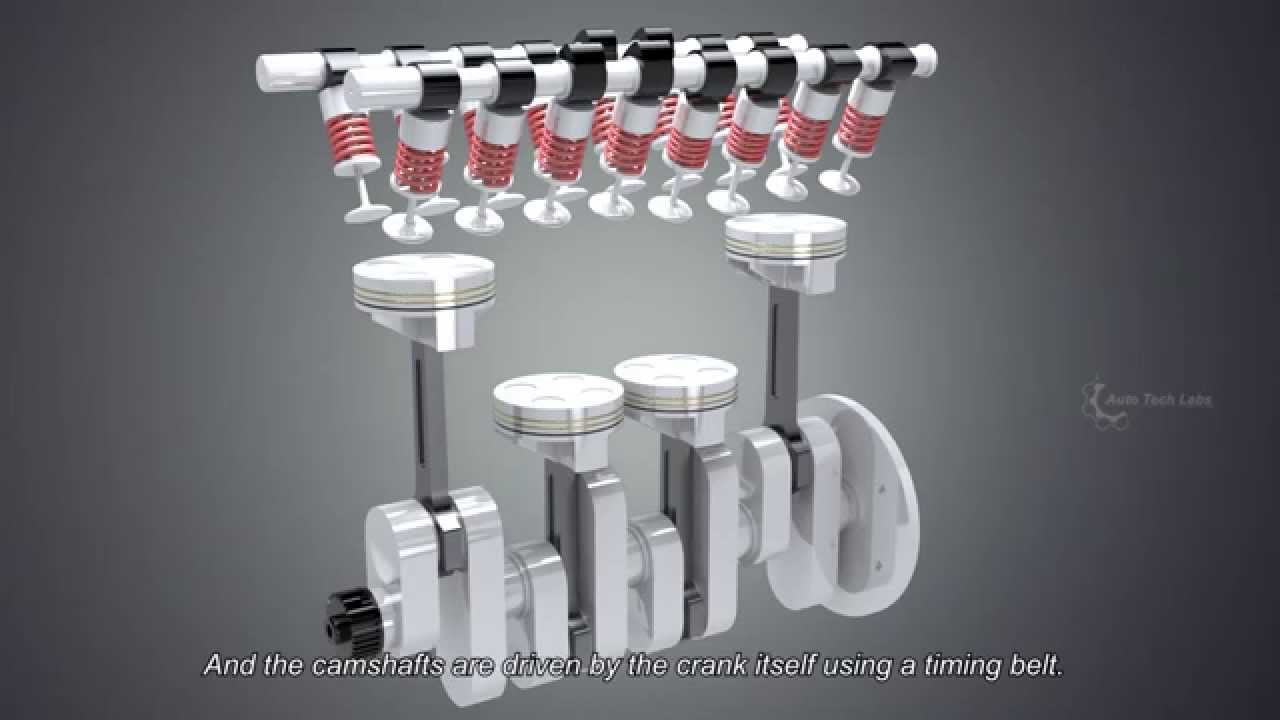
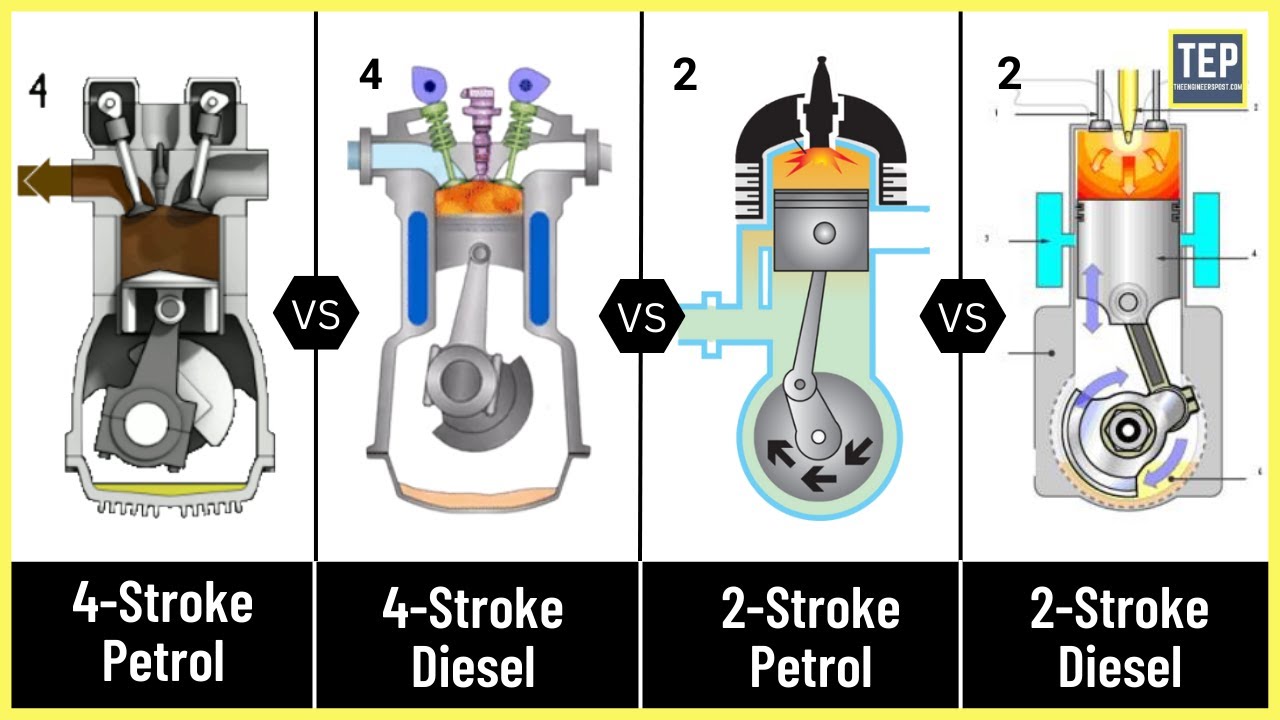
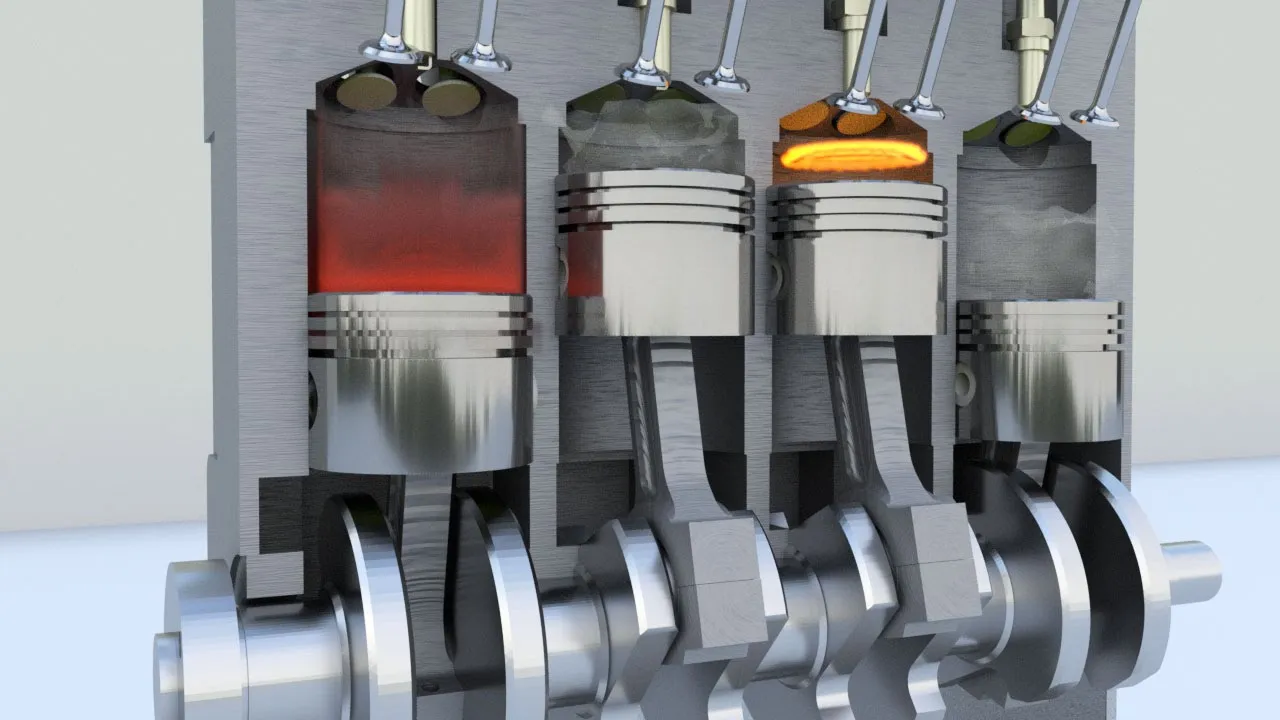
how internal combustion car engine works to understand how an internal combustion engine operates let's see what elements it's made of and what happens at different stages of its operation the piston is placed on the connecting rod attached to the crankshaft this construction allows converting the linear displacement of the piston into a rotating shaft the piston is fitted into a cylindrical bore executed in the block the bore piston and cylinder block surfaces form a working chamber valves are installed in the lid allowing to connect the chamber to the intake or exhaust manifold the gas distribution mechanism
is responsible for opening the valves the fuel is delivered to the working chamber through the nozzle the candle provides a spark to ignite the mixture the engine cycle has four phases phase one fuel and an oxidizer air are needed for an engine to work meaning that the piston must move down to free up the volume for filling while the valves on the side of the inlet manifold open up when the piston moves down the working chamber volume increases air enters the cylinder cavity influenced by the atmospheric pressure or a compressor in this example fuel spray
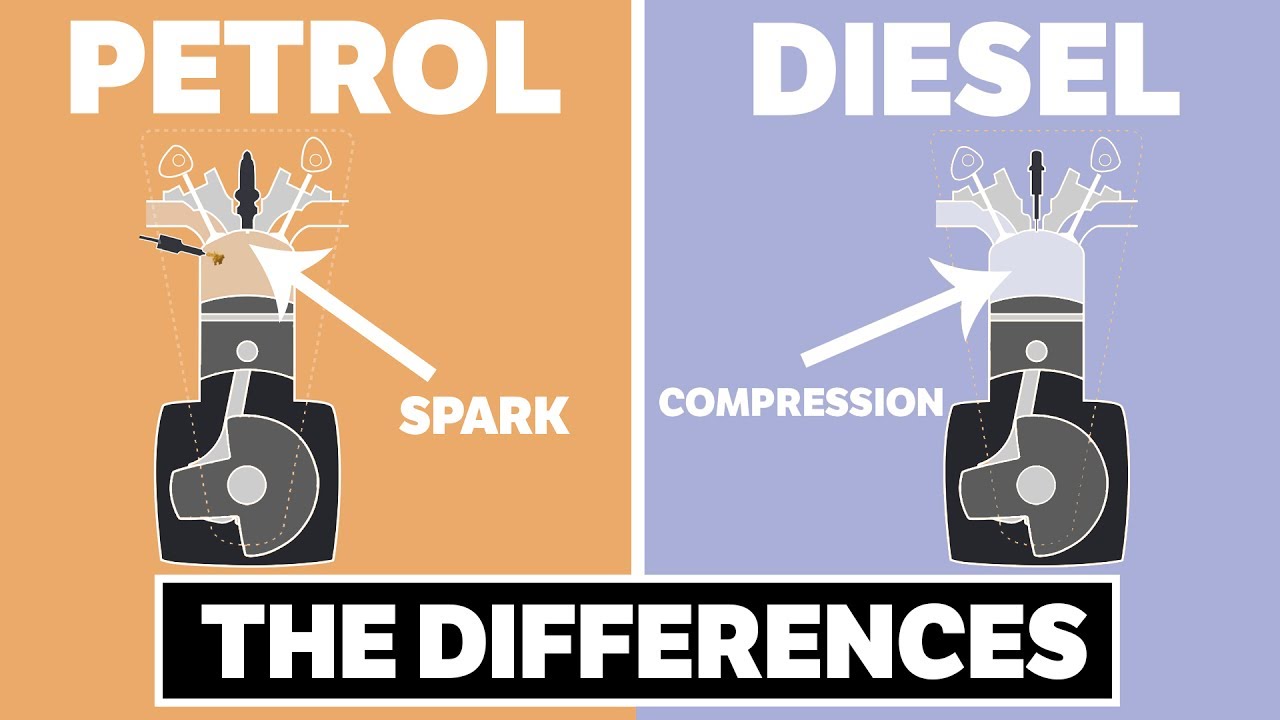
nozzles are installed before the valves saturating the air with fuel phase 2 the obtained mixture must be compressed to expand later upon ignition so the piston must move upwards increasing the pressure in the cylinder phase 3 the mixture is compressed a spark from a candle ignites it in a gasoline engine the ignited mixture expands and forces the piston to move downwards pushing the crankshaft and setting in motion all the mechanisms base four the piston is at the bottom and the entire chamber is filled with combustion products so the piston must move up to displace gases
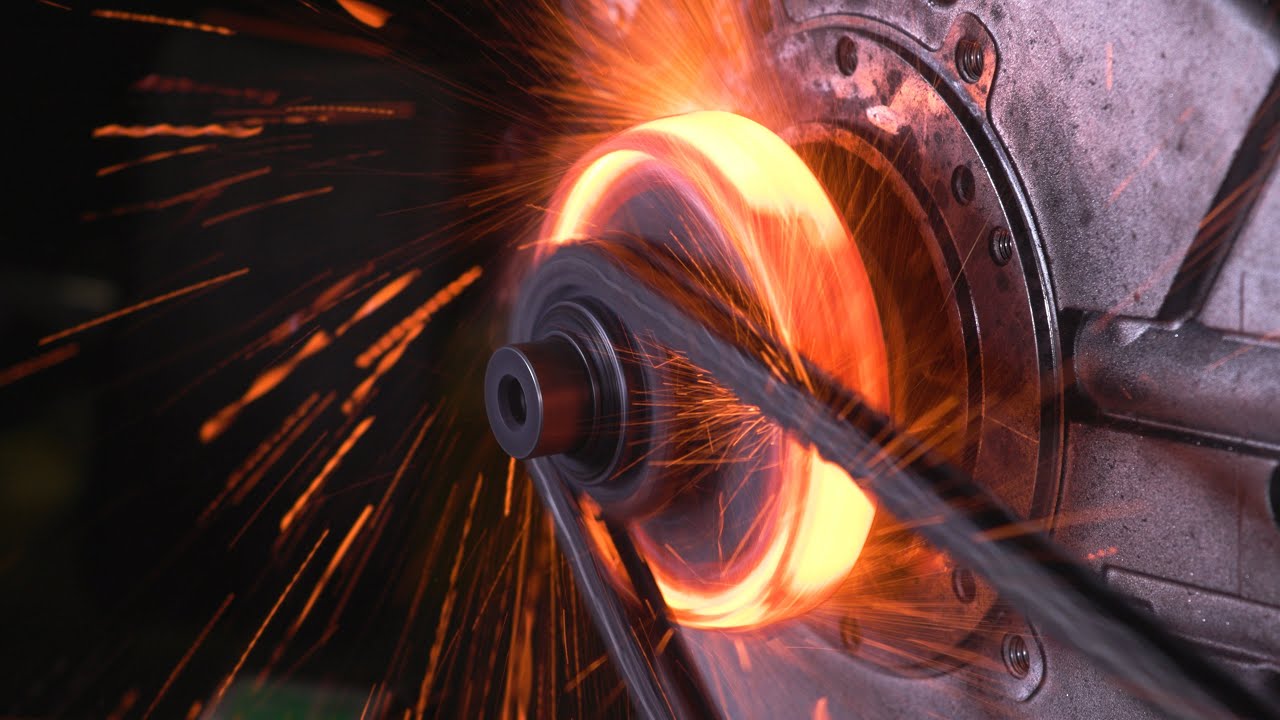
into the exhaust manifold the valves on the exhaust manifold side should open at this moment when the piston is at the top the first phase begins again repeating the cycle so it turns out that the piston rotates the shaft only for one part of the cycle the shaft moves the piston the rest of the time but where does it get the energy a flywheel can be installed on the shaft and then it will move by inertia by the way you can install several pistons on one shaft now that we have identified four phases installing four
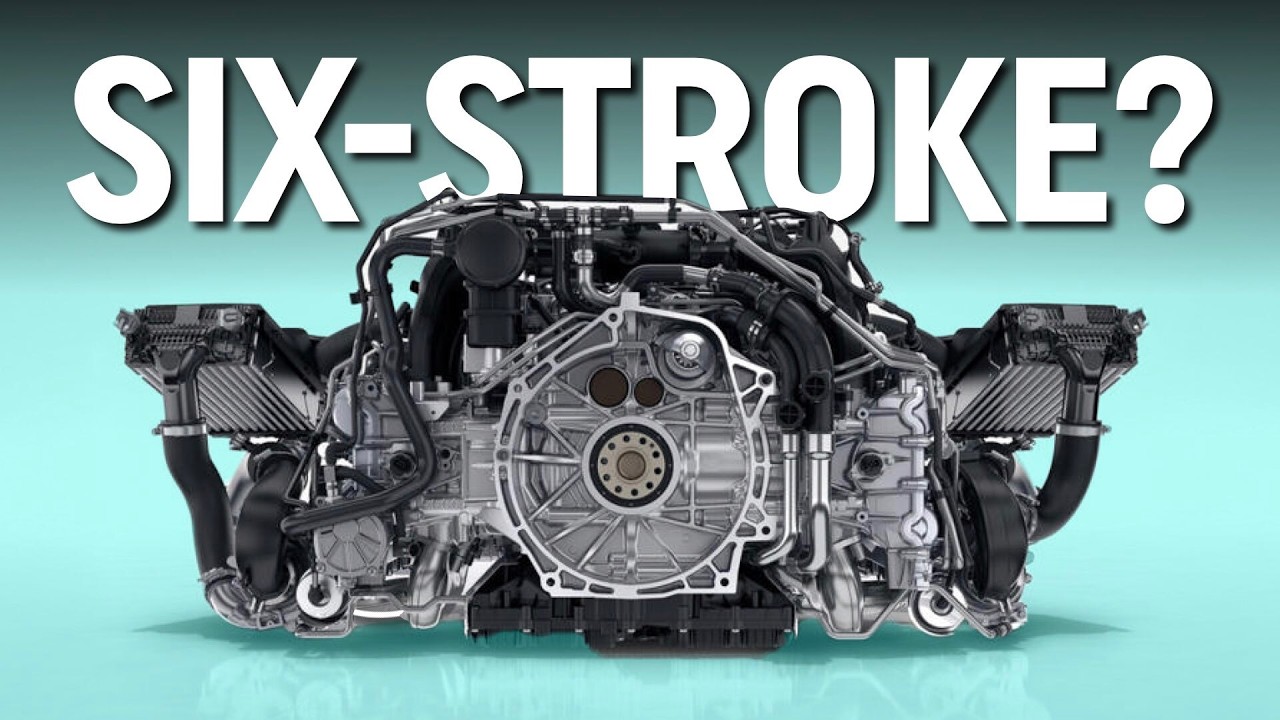
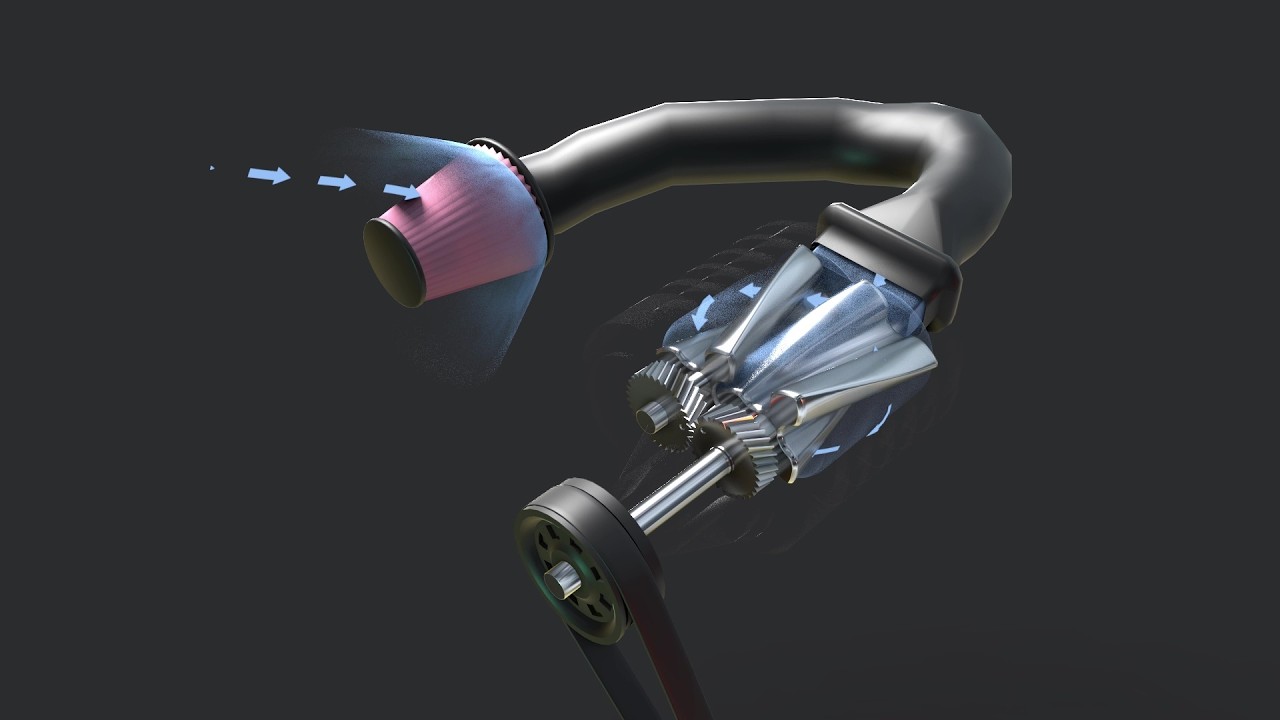
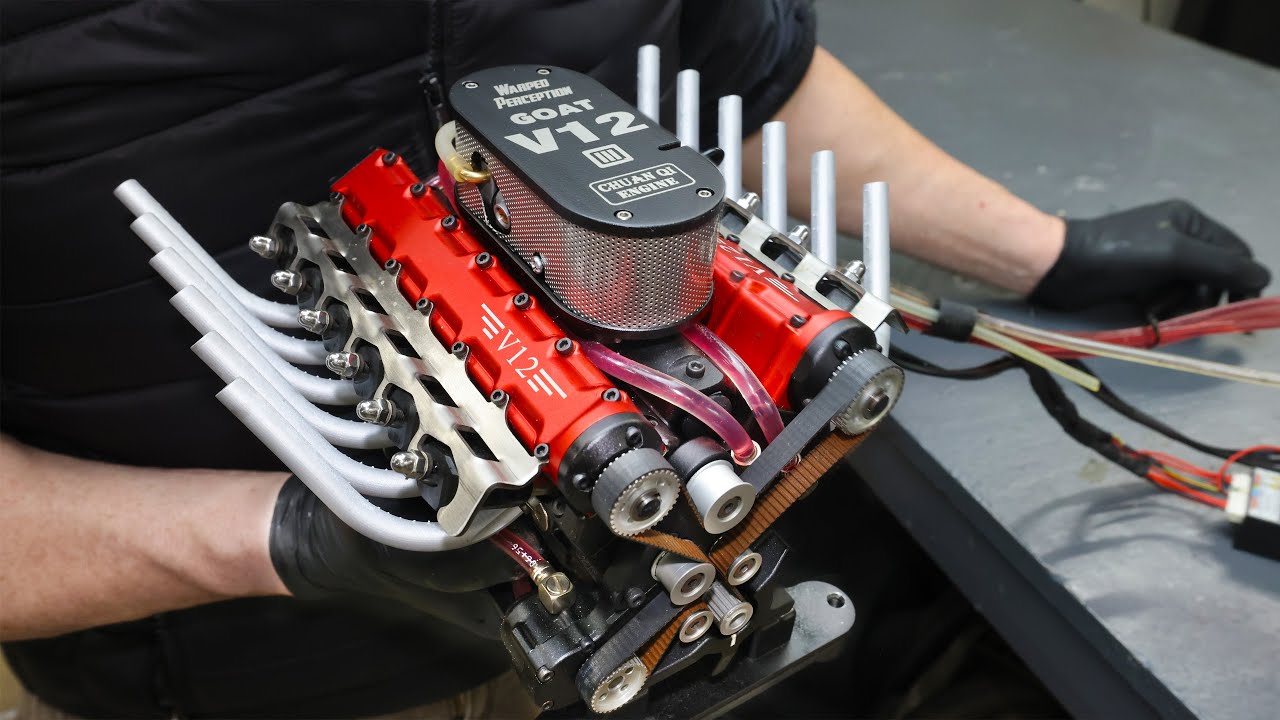
pistons on that shaft is logical while one sucks in the air the other compresses the mixture the third executes the working stroke forcing the crankshaft to move in the fourth displaces the exhaust gases into the exhaust manifold to increase the power you can increase the number of pistons to 6 8 12 or use turbocharging for more information on this device look up the video on our channel called how turbocharged engine works i will leave a link in this video in the description box below if you found this video helpful subscribe to the channel and never
miss another one of my videos