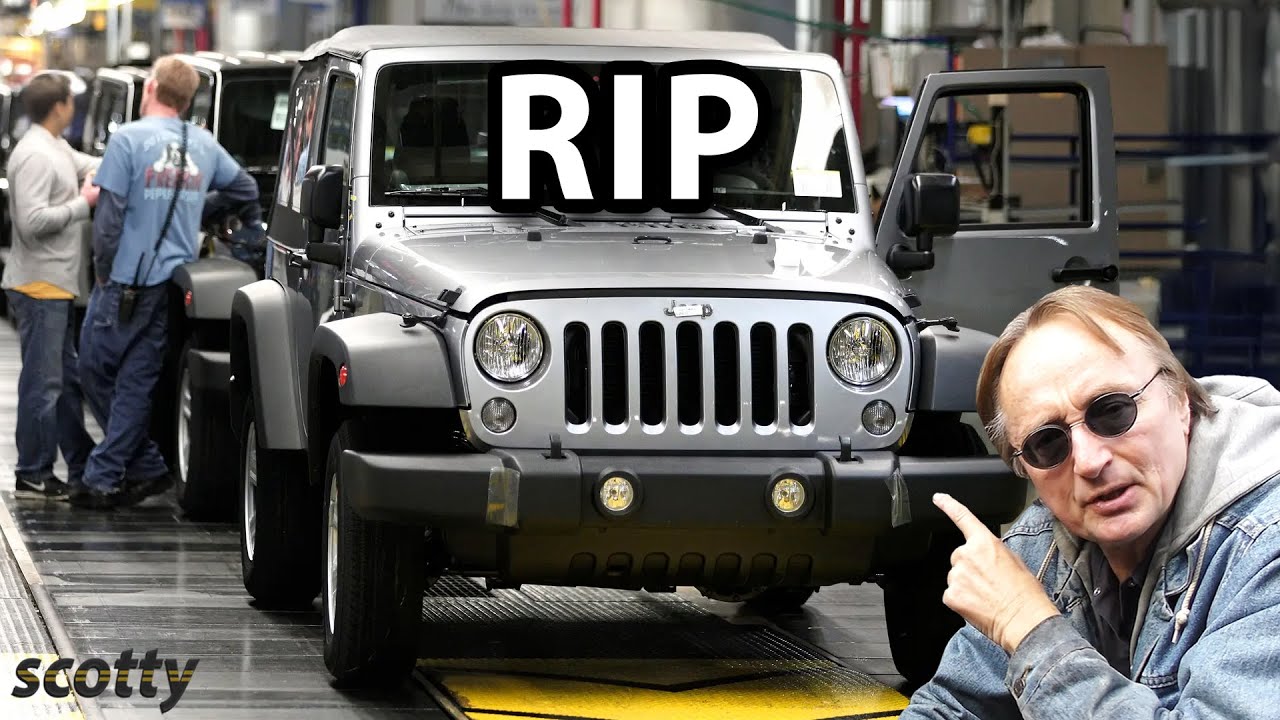
Stellantis announced the end of Jeep and fired so many of their workers globally that it feels like we're watching a dramatic series unfold. Honestly, it's hard not to feel for the folks involved—Jeep, Ram, and Chrysler. Oh, and let's not forget Dodge!
Basically, almost all the popular brands under the Stellantis umbrella are struggling, and to be honest, this could even lead to bankruptcy, or Stellantis could be punished by the authorities because of how big this whole thing has become. But what's exactly happening? Well, Jeep seems to be closing down, and the workers are feeling the heat more than anyone.
There are more layoffs on the daily and an increasing concern of how to make a living. This is a huge problem because Stellantis is firing a lot of people; we are talking in the thousands. But why?
It all starts with the creation of Stellantis, the huge car company that came from merging Fiat Chrysler and PSA Group. After this merger, we have seen a lot of strategic shifts coming from the top. They have a new concept now, and not every brand under Stellantis is winning with this new formula.
In fact, they are failing drastically. So what changed? Well, just look at Jeep.
It has always been known for being tough and ready for adventure but seems to have a bit of a struggle with this new strategy. Just imagine how big of a brand this name represents—Jeep, a brand famous for its rugged off-road vehicles. But now it feels like Stellantis is trying to force Jeep into a new role that doesn't quite fit.
Jeep's charm has always been its toughness and accessibility, but now they're aiming for the luxury market, trying to compete with big names like Land Rover and Lexus. It is all about being the car with the shiniest interiors and high-end tech. But this is common sense, right?
Trying to match up with luxury brands is not a good move for a brand built for rugged adventures. Think about it; even Toyota has tried and failed. That's why they created Lexus in the first place!
But here we are, yet witnessing another decision that seems like a blind move. Just look at the revolving door of executives. It seems like every time we blink, there's a new head of Jeep stepping in or out.
Just recently, they let go of the North American Jeep chief. They are on a roller coaster that just won't stop spinning. But why is this happening?
Well, it turns out their strategy isn't hitting the mark, and that's got to be frustrating for everyone involved. Who could have guessed this was coming? And let's not forget about their competitors.
Brands like Ford are rolling out new models that cater to both adventure seekers and everyday drivers without breaking the bank. The Bronco is back, baby! And it's capturing hearts and wallets left and right.
If Jeep wants to keep up, they need to rethink their game plan. On top of all this, quality control issues are haunting Stellantis. Reports of Wranglers spontaneously combusting?
That's not just a minor hiccup; that's a major red flag. Nine incidents of vehicles catching fire, even when parked and turned off— that is the kind of news that travels fast and can seriously tarnish a brand's reputation. The National Highway Traffic Safety Administration is all over this situation, conducting investigations that could lead to recalls or worse.
Consumers are understandably wary. Who wants to drive a car that might turn into a bonfire on wheels? This is not the kind of publicity any brand wants, especially one that prides itself on being tough and reliable.
And the numbers tell a pretty grim story. In the first half of 2024, sales of the Wrangler plummeted by 33%. That's not just a dip; it's like falling off a cliff.
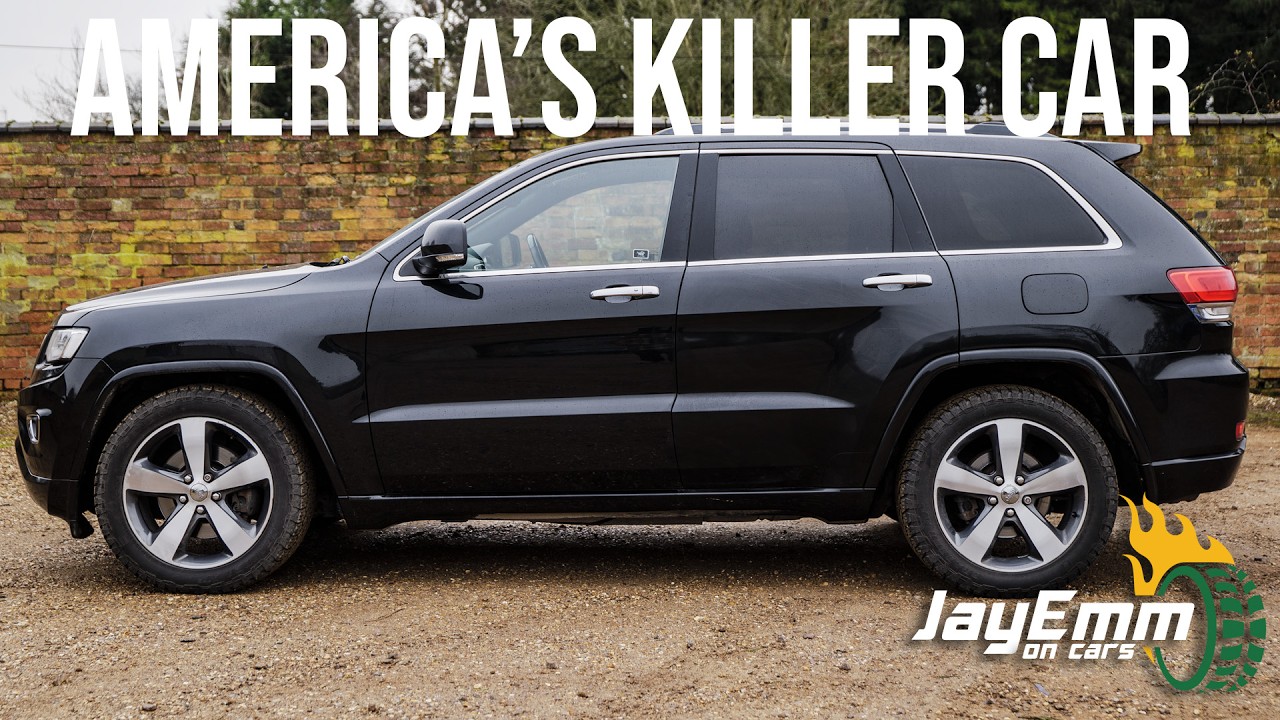
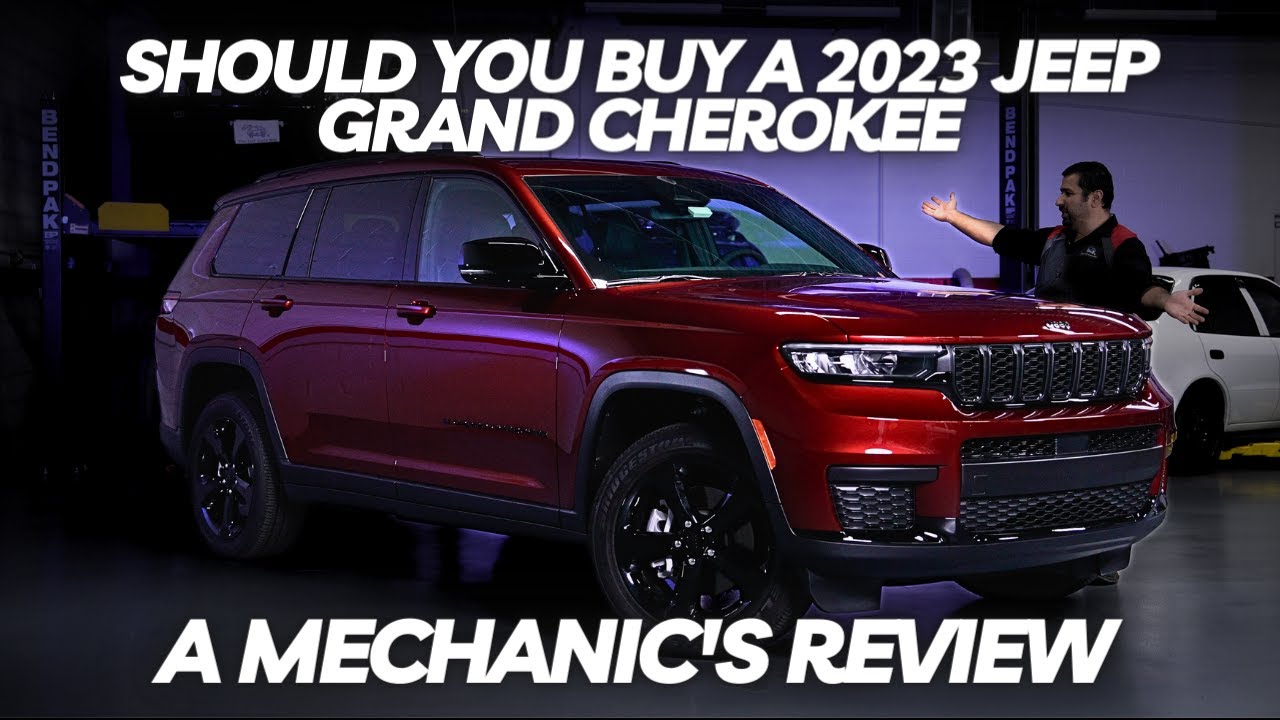
The Grand Cherokee isn't fairing much better, with nearly a 20% decline in sales. When you combine these figures with rising production costs and quality concerns, it paints a bleak picture for Stellantis. To combat this downward spiral, Stellantis has taken drastic measures, and that is what is causing the commotion.
It's like they're hitting the brakes hard in hopes of regaining control before things go completely off the rails. But is that enough? Well, they have to overcome two things.
Let's break it down. The pricing dilemma—here's where it gets tricky. If Stellantis wants to revive sales, they'll need to consider slashing prices significantly.
Sure, they've hinted at discounts like $5,000 off, but let's be honest, that won't cut it when consumers are expecting more substantial reductions. People want value for their money, especially when they're shelling out tens of thousands for a vehicle. Imagine walking into your favorite store looking for a killer deal on jeans only to find out they're still priced like designer wear when you know you can get something similar at half the price elsewhere.
That’s how buyers feel about those Wranglers and Grand Cherokees right now. This is the first thing that they need to overcome—reconnecting with consumers. Over the last five years, Jeep has jacked up prices by more than 50%.
That's wild! I mean, would you drop six figures on a Jeep? Sure, there are a few who might, but most of us are left scratching our heads.
This shift to an upmarket strategy seems to have pushed away loyal customers who just want a reliable vehicle without breaking the bank. Imagine being a longtime Jeep enthusiast who saved up for years to buy your dream vehicle, only to find that it costs as much as a small house. It feels like a betrayal when brands you've trusted suddenly become out of reach.
How does that make you feel as a potential buyer? Disheartened? Frustrated?
It's tough to watch a brand you love become something you can't afford. Truly, to turn the ship around, Stellantis needs to reconnect with its core audience: the adventure seekers who want reliability without sacrificing their savings. They need to remind us why we fell in love with Jeep in the first place, and that reason is those weekend getaways into the wilderness, the family camping trips where you could fit all your gear in the back without worrying about your budget.
What if they launched special editions at more accessible price points or revamped their marketing strategy to highlight affordability alongside capability? Imagine ads showcasing families enjoying road trips in their Wranglers without breaking the bank—that would resonate. It’s like the recent sales decline has affected their ability to think straight about what we want.
But can you blame them? If I were Carlos Tavares, the CEO, I would be sweating bullets. But let's talk about it.
How has Jeep's decline affected them exactly? The first thing to take a hit was their market share, reflecting broader challenges within the automotive industry. In the first half of 2024, Jeep experienced a staggering 33% drop in Wrangler sales and nearly a 20% decline in Grand Cherokee sales.
Such steep declines are not just numbers on a spreadsheet; they indicate a loss of consumer interest and trust, which can directly translate to a shrinking market share. The financial repercussions of declining sales are evident in Stellantis' recent earnings reports. The company's net income fell by 48% to $6,252,372,000 in the first half of 2024, missing analyst expectations significantly.
This decline is primarily attributed to lower sales volumes and an unfavorable mix of vehicles sold. The financial impact of declining sales is becoming increasingly clear. Have you seen the latest numbers?
In the first half of 2024, the company's net income took a nosedive, dropping by 48% to $6,252,372,000. That’s a huge drop and well below what analysts had expected. When fewer vehicles are sold, it's no surprise that revenue and profits take a hit.
Have you noticed how some models just aren't flying off the lots like they used to? This drop in sales is hitting Stellantis hard. The mix of vehicles being sold is also playing a big role.
Think about it: if the company’s more profitable models aren't in demand, and they’re selling more of the lower-margin vehicles, how does that affect their bottom line? Exactly, this unfavorable mix is making the financial situation even worse. So what's Stellantis going to do about it?
Well, they’re in a tough spot, and these earnings results show just how urgent the situation is. To bounce back, they'll need to rethink their strategies. Maybe it’s time for some changes in their product lineup or new approaches to boost sales.
At the very least, they need to fix their issues first before trying to be luxurious, right? And this is the second thing they need to figure out. But what are they doing now?
Well, they’re introducing a final edition model that pays homage to their legacy while embracing the future. This limited production vehicle will be capped at 4,000 units worldwide, making it a collector's dream and a fitting tribute to the brand's storied history. They are doubling down, and the Ram 1500 TRX Final Edition isn’t just another release; it’s a high-performance beast, a ticket to adrenaline-fueled adventures and luxury.
Under the hood, you’ll find a jaw-dropping 6. 2L supercharged HEMI engine. We’re talking about a staggering 702 horsepower and 650 lb-ft of torque bursting forth.
Want to feel your stomach drop? This powerhouse rockets from 0 to 60 mph in a blistering 4. 5 seconds.
Imagine the thrill of that acceleration—it’s not just fast, it’s a visceral experience that will have you grinning ear to ear. The best part? Just step inside, and the experience elevates even further.
The interior is decked out with enhancements that scream luxury, with patina contrast stitching, bold TRX embroidery, and special faux suede door panels embracing you the moment you slip inside. Every detail has been meticulously crafted, culminating in a gauge cluster that proudly displays "Final Edition. " And let’s not forget about tech and comfort; the cabin is home to a premium 19-speaker Harman Kardon sound system that delivers sound so crisp, you’ll feel like you’re at a live concert.
A sleek head-up display and a digital rearview mirror add a modern touch, making every drive feel like a scene from a sci-fi movie. You’ll enjoy heated and ventilated seats that pamper you no matter the weather, alongside memory settings for both the driver’s seat and mirrors, ensuring everything feels just right. Combine that with advanced safety features like adaptive cruise control and lane-keeping assist, and you have a truck that’s as smart as it is powerful.
This is the concept Stellantis is trying to push across all of their brands, but will it work? Let’s talk about it. How will they win?
Well, like I told you earlier, they need to figure out a way to connect with their customers. But here’s the thing: when they figure it out, they fix their issues too. These cars have so many issues that they are painting a bad picture over the brand's reputation.
First up, there’s the issue of quality control. Jeep has had its fair share of hiccups when it comes to reliability and build quality. If they want to regain consumer trust, they’ve got to address these problems head-on.
It’s not just about fixing defects; it’s about showing customers that they’re committed to delivering top-notch, dependable vehicles every single time. Stellantis is really at a crossroads right now. They have a unique opportunity to steer Jeep back to its roots and reclaim the essence of what made the brand so beloved in the first place.
This is a pivotal moment for them, and how they handle it could define Jeep's future. Future, and here's where it gets even stickier: inventory issues. Stellantis is sitting on a mountain of unsold vehicles.
They have one of the highest market day supplies in the industry. That means cars are just sitting there while dealers struggle to sell them. Can you picture being a dealer right now?
You've got bills piling up for vehicles that aren't moving off your lot. It must feel like being stuck in quicksand—no way out. Dealers are facing mounting pressure as they try to manage their inventory costs while also keeping their businesses afloat.
Imagine having dozens of shiny new cars on your lot but knowing that each day they sit there costs you money. It's not just about selling cars; it's about survival. How would you feel if your livelihood depended on moving those vehicles quickly?
The future for Stellantis and its brands is uncertain, but one thing is clear: both dealers and customers deserve better. As we watch this drama unfold, it raises questions about loyalty, affordability, and what it truly means to be part of a brand community. Where's the support?
Dealers are feeling the heat big time. Many are worried about covering their floor plan costs, the interest they pay on unsold inventory, and some are even facing bankruptcy. It's heartbreaking to think about hardworking dealers who've built relationships with customers now feeling abandoned by their manufacturer.
Imagine walking into your favorite local dealership, where you've bought cars for years, only to find them struggling and offering discounts just to stay afloat. It feels personal because these dealers are part of our communities. How would you feel if your favorite local restaurant or shop was on the brink of closing its doors due to circumstances beyond their control?
In fact, many dealers have reached out directly to Stellantis executives, expressing their concerns and asking for support in moving inventory. They're not just asking for handouts; they want partnership and collaboration. Isn't that what business should be about?
Working together toward common goals. Instead, this industry is being filled with betrayals. See, Stellantis is not only making dealers sad; their employees are getting the boot.
These layoffs could start as soon as October 8th, and that's not just a small number. We're talking about a significant impact on families and communities. Can you imagine being part of that workforce and hearing this news?
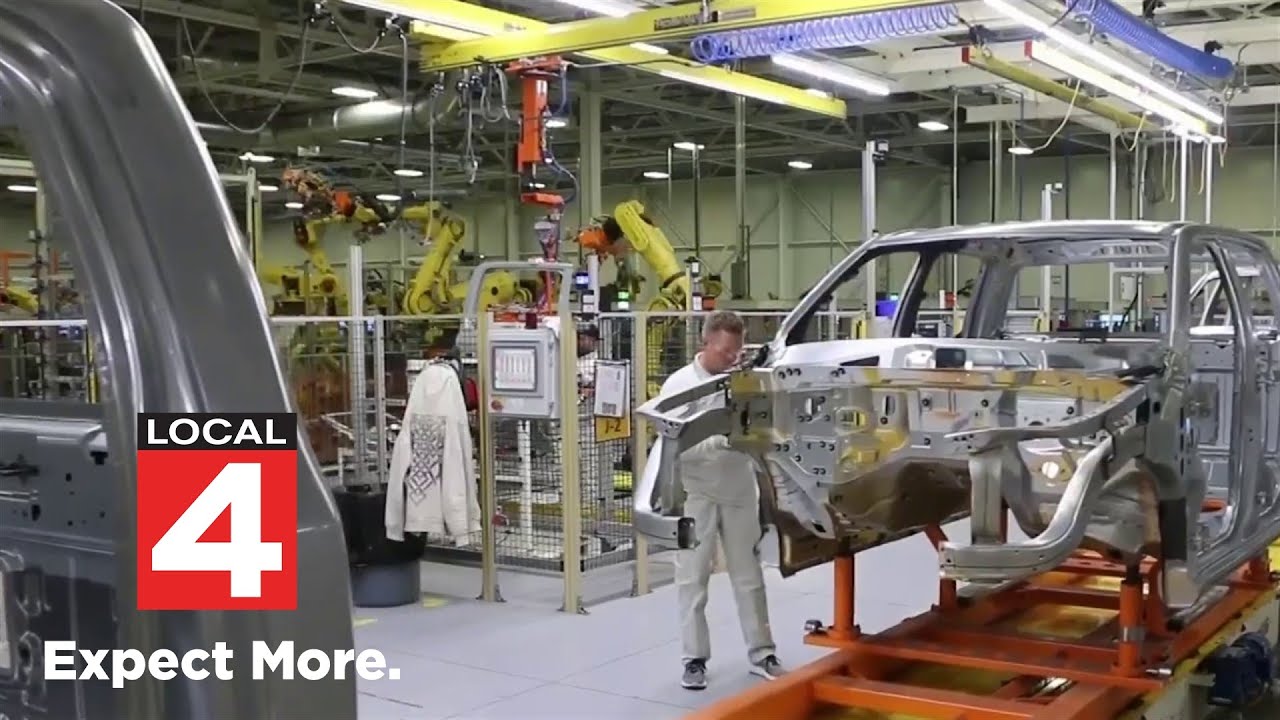
It's enough to make anyone anxious. The news coming from the Warren Truck Assembly Plant is nothing short of shocking. Stellantis has announced a plan to lay off up to 2,450 workers at this vital manufacturing facility in Michigan, and the implications are significant.
This decision is directly tied to the unsettling halt in production of the iconic Ram 1500 pickup truck model. What does this mean? Layoffs are slated to start as early as October 8, of 2024.
That's right—more than 60% of the plant's workforce, approximately 3,700 UAW-represented workers, could find themselves without jobs. Stellantis assures us that senior employees who face layoffs will receive a lifeline in the form of 52 weeks of supplemental unemployment benefits along with healthcare coverage for a two-year period. While that's a comforting thought, it hardly masks the reality of the situation: the livelihood of thousands hangs in the balance as this once-thriving plant reports uncertainty.
Looking back, the troubles at Stellantis didn't start with this news. Earlier in March 2024, the company confirmed it was laying off around 400 non-union employees. This represented nearly 2% of the entire U.
S. workforce in engineering and technology sectors within Stellantis. Why did they make this move?
The company framed these layoffs as a necessary step to boost efficiency and cut costs—key measures in a market filled with pressures and challenges that simply refuse to relent. But that's not all. Fast forward to July 2024 and we see more trouble on the horizon.
Stellantis temporarily laid off 1,600 employees at the Warren plant. Why? The reason is tied directly to reduced vehicle output.
This situation paints a troubling picture of the company's ongoing struggle with market demand and inventory management. The ripple effects of these layoffs reach far beyond the assembly lines; they touch communities, families, and the economy itself. Plus, in light of all this, the future of the Warren Truck Assembly Plant hangs in a precarious balance as Stellantis navigates the stormy waters of economic uncertainty and fluctuating demand.
The ramifications of these layoffs could resonate for years. It raises a haunting question: what's next for the dedicated workforce who have put their heart and soul into building some of America's most beloved trucks? The road ahead seems fraught with challenges, and it's a narrative that many will be following closely in the months to come.
Fain made it clear: what affects one of us affects all of us. He's not just talking about job security; he's signaling that if things don't change, we could see a national strike. Now, that's some serious talk.
Fain is the current president of the Auto Workers Union, and he is asking Stellantis bluntly, "What are you going to do? " Well, they have made commitments to building electric versions of popular models like the Jeep Wagoneer and have plans for the Ram 1500 EV at their Sterling Heights plant. But how can they claim to be committed to innovation while simultaneously cutting jobs?
It raises an important question: are these investments really going to protect existing jobs or create new ones? As it stands, there's no clear answer on whether these moves will lead to job growth in Metro Detroit or if we're just seeing a reshuffling of roles. Longtime employees are feeling the strain as they watch their colleagues face uncertainty.
At a recent rally, one worker expressed solidarity with those facing layoffs by saying, "We're all feeling this; it's tough out there. " What is the moral out there? The mood among Stellantis workers is nothing short of tense.
A cocktail of anxiety and uncertainty looms large in the aftermath of last year's hard-fought negotiations for higher wages. These negotiations, part of a major strike organized by the United Auto Workers, had temporarily sparked hope for better conditions, but now those hopes seem to be overshadowed by a growing sense of dread. Workers are left wondering what comes next as the company struggles with its challenges.
Cooper, who leads a team at the Toledo Assembly Complex, paints a grim picture of the current workforce morale, stating it's reached a new low. According to him, seasoned employees have been issuing war warnings about the possibility of plants relocating to Mexico, a move fueled by escalating labor costs in the U. S.
As sales numbers tumble, those warnings start to feel more like a looming reality than a mere concern. The looming threat of job losses hangs over the plant, transforming day-to-day work into a nerve-wracking experience filled with "what ifs. " Lori Naylor, who works in the chassis department at the Warren truck plant, shares a similar sentiment, expressing her frustration and fear about the precarious position many of her colleagues find themselves in.
The anxiety is real, especially among those worried about their ability to support their families, given the very real threat of upcoming layoffs. Naylor's concerns focus on the younger workers—those with less seniority—who are much more vulnerable in this ever-changing landscape of job security. She reflects bitterly on the recent contract ratification, feeling it fell short of addressing the critical issue of job stability that so many workers desperately need.
Then there's Pinson, another employee who has experienced firsthand the chaos that these changes can bring. He suddenly found himself reassigned to a warehouse position in Detroit without any prior notice—a disruption that altered not just his responsibilities but also his entire routine. The changes stretched his workdays uncomfortably long, forcing him to leave his home at the crack of dawn around 9:00 a.
m. for a grueling 5:00 a. m.
shift. Imagine the sudden commute costs that come with it! Fortunately, he has managed to return to his original role, but the uncertainty is still staring at him, particularly with rumors of ongoing layoffs circulating throughout the plant.
Now, when all of this happens, you’ve got to ask yourself: where is the union? What is the union doing? I mean, it is not hard to guess that there is backlash coming from the United Auto Workers, emphasizing how crucial unions are in protecting employee rights and ensuring job security in turbulent times.
As thousands of workers face the uncertainty of their futures, the UAW is stepping up to push back against corporate actions that threaten the livelihoods of its members. This isn't just a job loss; it's a vital fight to keep workers safe and secure in their roles. As I told you earlier, the union's president, Shawn Fain, who has emerged as a formidable critic of Stellantis's handling of the layoffs, is particularly angered by the decision to eliminate nearly 2,450 jobs at the Warren Truck Assembly Plant, especially in light of Stellantis's simultaneous announcement of a staggering $46 million investment geared toward electric vehicle production.
Fain has not held back his criticism of CEO Carlos Tavares, labeling him as pathetic for granting himself a 56% pay increase while so many employees are being shown the door. In a powerful statement, Fain proclaimed, “The American taxpayer has invested in Stellantis; workers have invested in Stellantis. It's time for Stellantis to invest in us.
” This sentiment drives home the point that the company needs to focus on its workforce as much as it focuses on its financial growth. In this fight for accountability, the union is clear that Stellantis must follow through on its promises to its workers. Fain has made it abundantly clear that the union expects more than just corporate investments; they want solid guarantees that job stability will be a priority going forward.
“We need real commitments to job security,” he asserted, highlighting how crucial it is for those who have given countless hours of their lives to build vehicles to feel secure in their roles. This isn't merely about dollars and cents; it's about the lives that depend on these jobs and the communities built around them. Moreover, union leaders are increasingly worried about how recent layoffs impact not only the individual families directly affected but also entire communities that rely on stable manufacturing jobs.
Michael Spencer, president of the union in Local 1700, voiced his outrage over the recent job cuts, labeling the situation as disappointing and disgusting. He characterized the layoffs as a shockwave sent through local economies, resulting in sky-high unemployment rates and drastically diminished buying power for families. When Stellantis cuts jobs, it reverberates across neighborhoods, creating a ripple effect that extends far beyond the factory gates.
So what is the strategy here? Well, the union has started mobilizing its grassroots efforts, rallying its members to stand together in solidarity. Union leaders have organized demonstrations and meetings, striving to boost morale among those who now find their futures uncertain.
The message being sent is clear: unity among workers is crucial in the battle against corporate greed and indifference. For workers like Lori Naylor, who described her feelings of absolute, utter fear about supporting her family in the face of impending layoffs, the union has served as a source of strength and reassurance. It is committed to amplifying the voices of its members during this chaotic period, ensuring they don't get lost in the shuffle as the company shifts toward electric vehicle production.
But is it enough? Some workers are saying that the union is not doing its job properly. What do you think?
Let us know in the comments. Thanks for watching; see you in the next video!