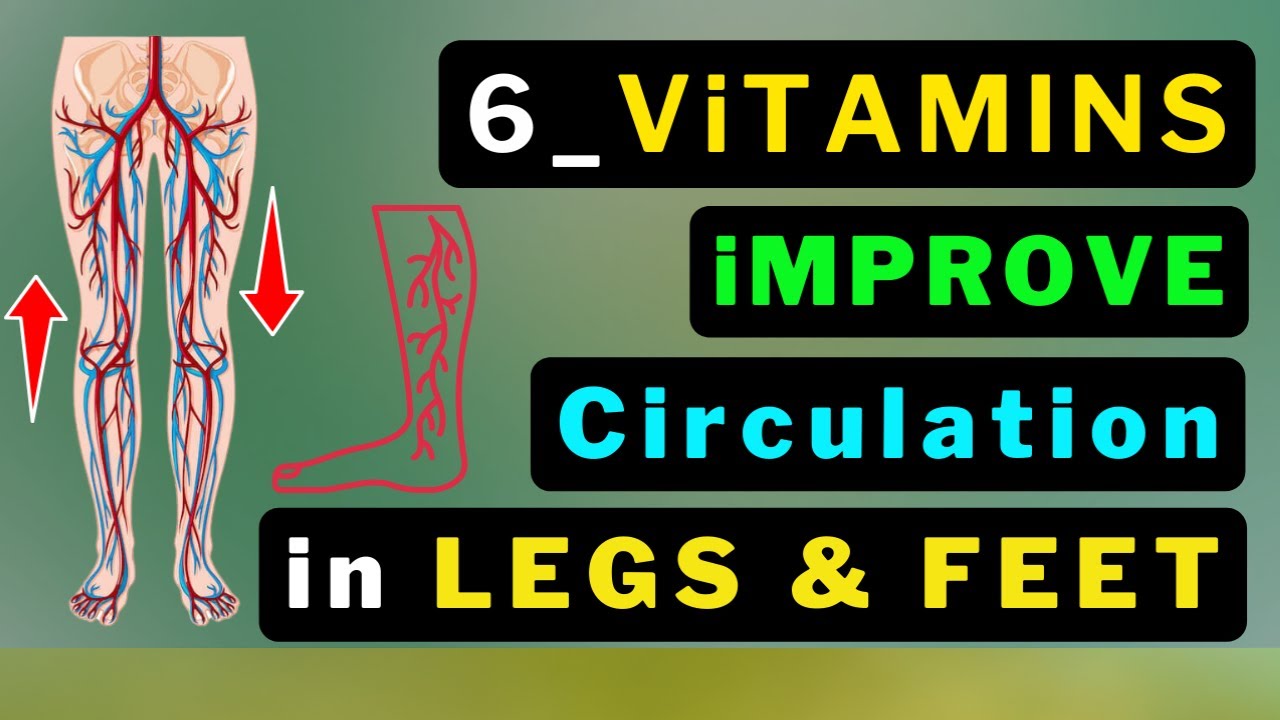
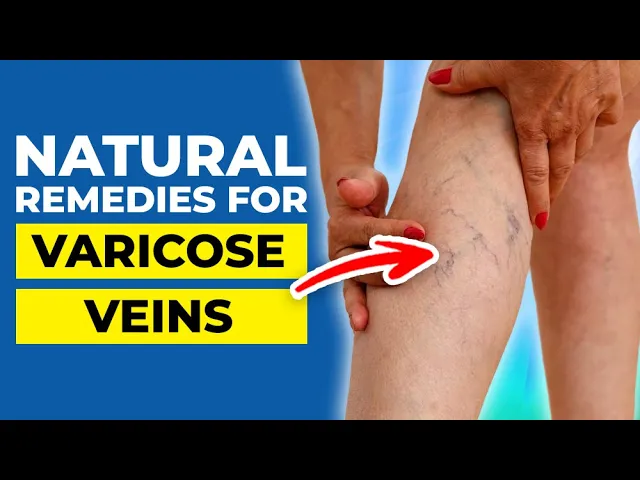
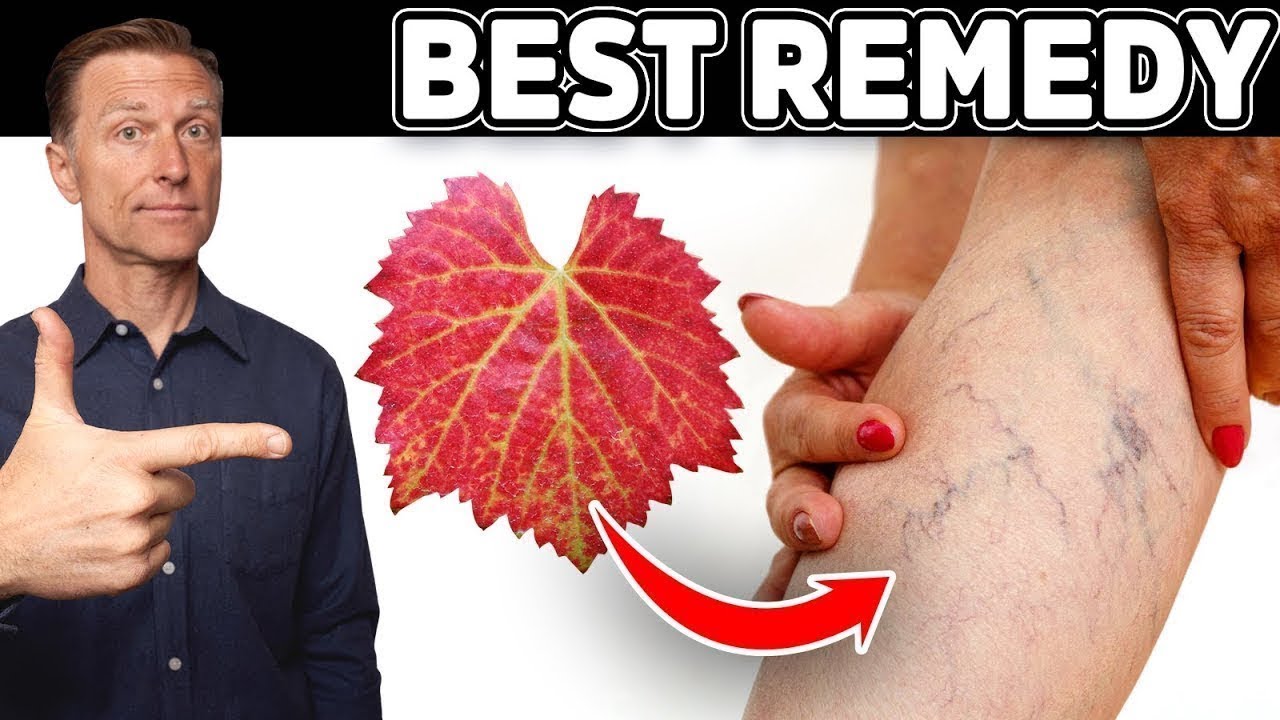
In this video you’ll discover the ultimate foods, natural supplements, and lifestyle tips to combat varicose veins. You’ll discover a compound in the skin of certain fruits… which in one study significantly reduced pain and visible symptoms in just 2 weeks. This compound is also consumed to prevent or clear up hemorrhoids.
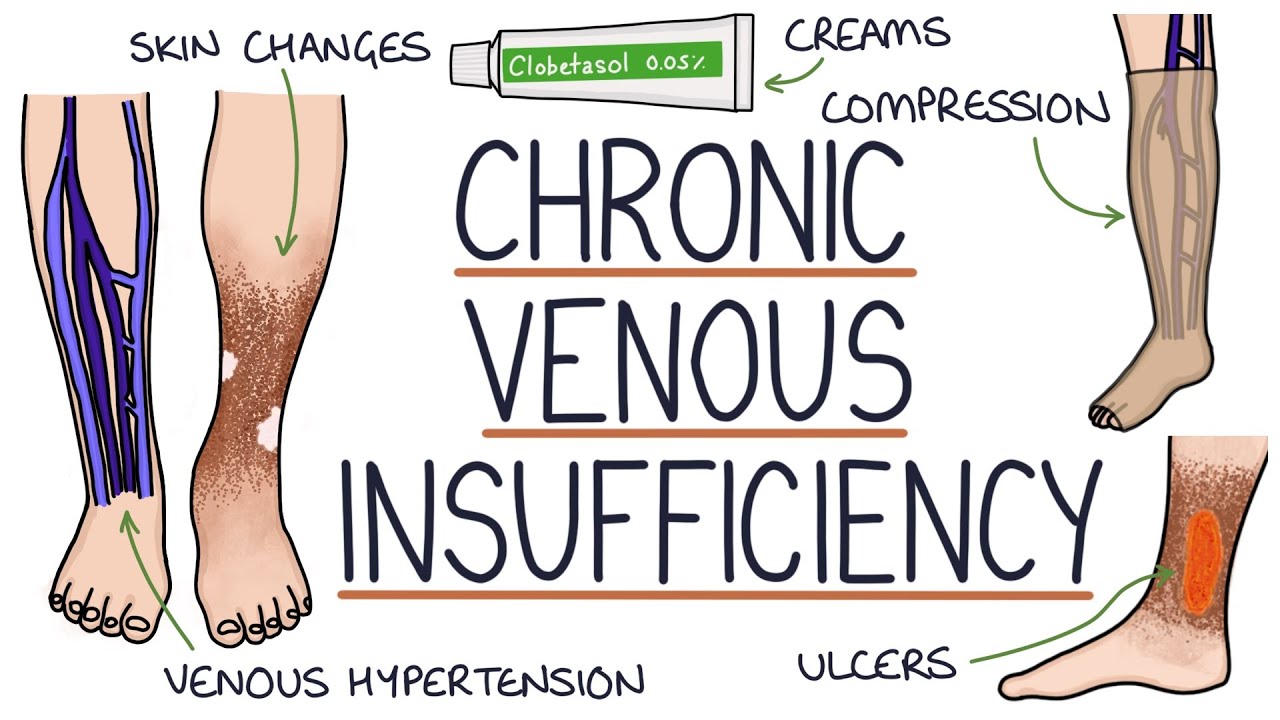
Plus we’ll reveal a relaxing 5 to 10 minute routine that nourishes not only your veins, but also your heart and entire cardiovascular system. Varicose veins aren't just a cosmetic issue - they're a sign that your veins are struggling. When they get damaged, blood starts to pool… causing them to enlarge and twist.
Hey presto, you get varicose veins and blood clots. So what can you do about it? Before we get to the things that specifically target varicose veins… it’s important to have your vitamin bases covered… Starting with Vitamin K2.
Vitamin K2 plays a crucial role for cardiovascular health… and people often don’t get enough. K2 directs calcium to your bones rather than leaving it to build up in veins and arteries. In fact, vitamin K2 deficiency is one of the leading drivers of atherosclerosis heart disease… or clogged arteries.
In the same way, K2 supports proper vein function and blood flow in the legs… reducing the risk of varicose veins. However, vitamin K2 isn’t common in the typical diet. The richest sources are organ meats, especially liver.
Fermented foods like natto, sauerkraut, kimchi, and kefir are also high… And you’ll get smaller amounts from hard aged cheeses like Gouda and Jarlsberg… As well as grass-fed butter… Pasture-raised eggs… And organic meat. If you suspect you’re not getting enough K2… ask your doctor for a “blood panel for vitamin deficiencies”. In one study, calcification rates reduced by a whopping 50% with vitamin K supplementation.
It’s THAT important! Next. .
. Vitamin D is essential for healthy muscle function. Muscles in your legs compress veins, helping to pump blood back to your heart… a process called the Muscle Pump Mechanism.
Now, your muscles need vitamin D to contract and relax properly. Without it, everything falls apart. The best way to get vitamin D is through sun exposure, as your skin produces it naturally.
Our next vitamin is going to boost this process. For dietary sources, eat plenty of: * Fatty fish like salmon, mackerel, and sardines * Eggs and mushrooms grown in sunlight While these foods provide a top-up, the sun is by far the most potent source. Aim for regular, moderate sun exposure on large areas of your body, such as your arms, legs, chest, and back.
At number 8, Vitamin C is essential for producing elastin and collagen - proteins which give your veins strength and flexibility. Without enough vitamin C, veins weaken and become prone to damage. By boosting collagen production, vitamin C also maintains healthy skin, which in turn helps you produce vitamin D when you're in the sun.
So load up on vitamin C by eating plenty of citrus fruits, berries, kiwi, bell peppers, and broccoli. Now, that’s the fundamentals covered… At number 7 we have grapeseed extract. Grapeseed extract is rich in compounds called oligomeric proanthocyanidins.
These powerful antioxidants work wonders for your vein health. First, OPCs neutralize free radicals that damage blood vessel walls. This protective action helps maintain the integrity of your veins.
Additionally, grapeseed extract preserves vascular elasticity, meaning your veins keep functioning under pressure. In 2022, researchers investigated the effect of grapeseed extract on chronic venous insufficiency… which is linked to varicose veins. The study compared two groups: one took grapeseed extract and the other took a placebo.
After 90 days, the grapeseed extract group showed a significant 15. 6% improvement in blood flow speed, while the placebo group had no change. However, while this supplement shows promise, exercise caution.
If you're taking blood thinners, have a bleeding disorder, or are scheduled for surgery, consult your doctor before using grapeseed extract. It may interact with certain medications or increase bleeding in some cases. At number 6 we have horse chestnut.
Strange name right? Horse chestnut is a tree native to Europe, known for its spiky seed pods. The seeds contain a compound called aescin, which has remarkable benefits for vein health.
It decreases swelling in the legs, thanks to its ability to seal small blood vessels and reduce inflammation. This boosts venous tone, improving blood flow. One of the key ways horse chestnut works is by inhibiting enzymes that destroy proteins in your blood vessel walls.
This reduces leakage and keeps your veins functioning properly. A systematic review of 17 randomized controlled trials showed impressive results. People using horse chestnut experienced: * Improved leg pain and swelling… * Less itching… * And reduced visible symptoms.
Noticeable changes can happen after 2 weeks… however they tend to be cumulative… getting better over time as you continue using horse chestnut. At number 5, copper is what we call a trace mineral. This means your body only needs small amounts of it, but those small amounts are very important for your veins.
It's essential for building and repairing endothelial cells - the smooth protective lining in your blood vessels. These cells are your first line of defense. Think of them as the smooth inner lining of a pipe.
When it’s all going well, blood flows smoothly. But if the lining gets damaged, microscopic tears can lead to blood clots and plaque buildup. Copper also helps regulate iron levels in your body, which is important because excess iron can damage your veins… causing varicose veins.
Working alongside vitamin C, copper aids in the synthesis of collagen and elastin. As we discussed, you need these for strong and flexible veins. To top up your copper levels up, shellfish like oysters are a great source.
You’ll also get a good amount from organ meats, as well as nuts and seeds. We’ll come back to copper in a moment, because it’s actually used in clothing to reduce varicose veins too… but first… At number 4 we have Hesperidin & Diosmin. Hesperidin and diosmin are plant compounds taken together as a supplement.
Found naturally in lemon peels, these flavonoids pack a punch for vascular health. They work by stabilizing capillaries and boosting lymphatic drainage, which helps remove excess fluid from tissues. In a study of 72 people with varicose veins, about 68% had less pain and other noticeable improvements after just two weeks taking a diosmin and hesperidin supplement.
These compounds are also used for hemorrhoids, which is a form of varicose veins. . .
just in a different place. As always, consult your doctor before starting these supplements, because diosmin can interact with anticoagulants, anticonvulsants, and other medications. For a natural boost, grate lemon zest into your salad dressings or cooked dishes.
While not as concentrated, it's a tasty way to get these beneficial compounds into your diet. If you’re finding this useful, please click the like button. Click subscribe and turn notifications on to see future videos as we release them.
Ok, beyond vitamins and plant compounds, there are 3 key things that combat varicose veins. At number 3… don’t sit or stand in the same spot all day! Prolonged sitting or standing significantly increases your risk of varicose veins.
When you remain in one position for hours, leg circulation slows down, causing blood to pool. This puts extra pressure on the vein walls, potentially leading to varicose veins or spider veins. So make an effort to move throughout the day.
Set a reminder to get up and move every 30 minutes, even if it's just to grab a glass of water or take a quick walk around the office. Better yet, incorporate mini exercise breaks into your routine if possible. Try some gentle stretches or bounce on a mini trampoline.
If you work at a desk, consider investing in a sit-stand desk or swapping your chair for a Swiss ball for a few hours each day. Long flights pose a particular risk for vein health. The combination of prolonged sitting and low cabin pressure increases your risk of blood clots.
These clots can be especially dangerous if they move to your heart or lungs… known as pulmonary embolism. If you’re flying long distance, stay hydrated and take regular walks up and down the aisle. At number 2, compression stockings can make a big difference if you’re prone to varicose veins.
These stockings apply gentle pressure to your legs, promoting better blood flow and reducing swelling. They're particularly beneficial for pregnant women and people with existing vein issues. Some compression stockings even come infused with copper.
A 2019 trial tested the impact of copper compression socks on people with lipodermatosclerosis – a connective tissue condition linked to varicose veins. After 8 weeks, the copper-infused stockings reduced affected skin area by about 16%, while the regular compression stockings showed significantly less improvement. In general, people wear them during the day, putting them on first thing in the morning when swelling is minimal.
However, your healthcare provider may recommend wearing them at night too, depending on your circumstances. They can also be great for long flights, potentially reducing the risk of blood clots. But before you order a pair, talk to your healthcare provider first.
Because if you have certain conditions, they might do more harm than good. Similarly, raising your feet against a wall or on a chair can work wonders. Most experts recommend doing this for between 5 and 15 minutes, a few times each day.
The veins in your legs have a tough job returning blood to your heart because they're so far away. That's why varicose veins happen in the legs. Elevating your legs above your heart helps your circulation to counteract gravity and move any pooled blood.
In fact, this is one of the most important postures in yoga for this very reason. For even better results, try gentle ankle rotations while your legs are up. The key is to make sure both your legs and feet are higher than your heart.
On that note, at number 1 we have exercise. Regular movement stimulates blood flow, strengthening your leg muscles and helping push blood back to your heart. Walking, swimming, and cycling are top choices, as they're low-impact yet effective.
Aim for at least 30 minutes of activity most days. You'll not only help with varicose veins, but strengthen your heart for better circulation. Of course, you also want to do everything you can to prevent blood clots… so watch our video on the 7 Worst Foods that Cause Blood Clots… and limit those.
Remember to click like and subscribe if you haven’t already!
![How To FIX Blood Flow & Circulation! [Heart, Arteries, Legs & Feet]](https://img.youtube.com/vi/HwcfPwxrL-A/maxresdefault.jpg)
![Spider Veins in Legs & Varicose Veins Treatment [Causes & Symptoms]](https://img.youtube.com/vi/la9MrZJuG-M/maxresdefault.jpg)