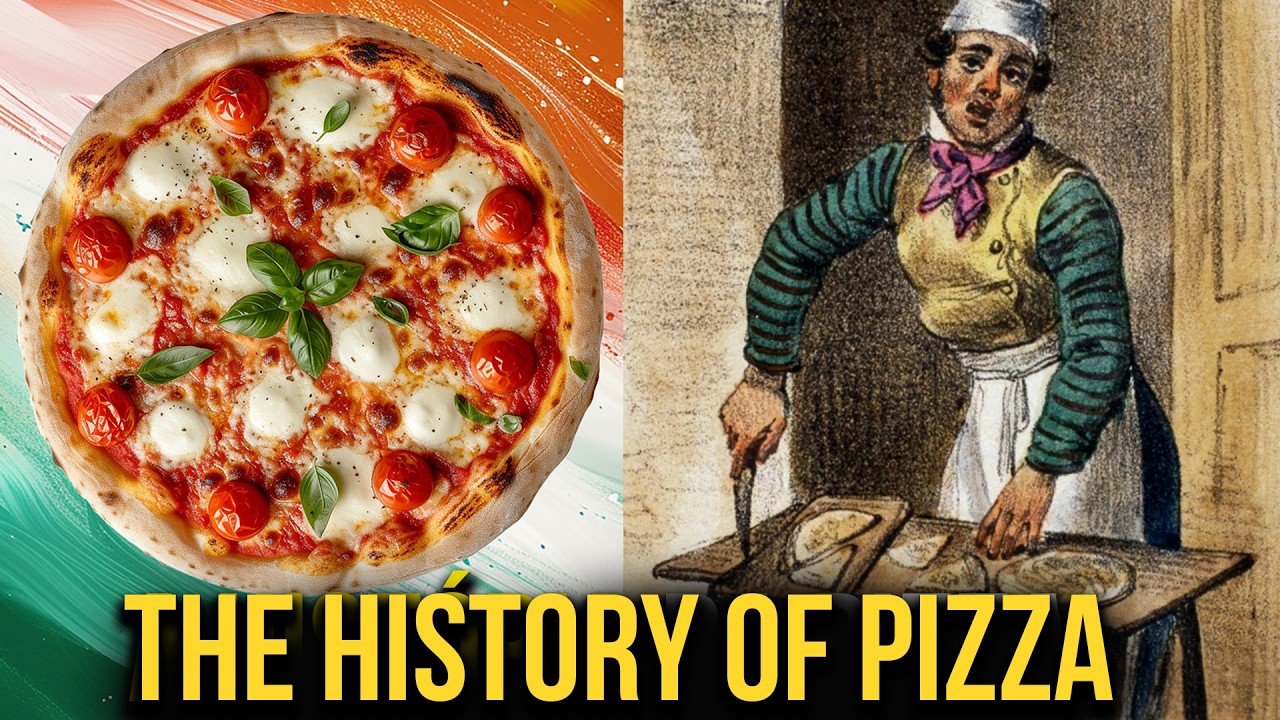
Pizza! Pizza! Pizza!
Who doesn’t love pizza? I love it. You love it.
The ninja turtles love it. Everyone loves it. According to recent surveys, pizza is the single food that most Americans would want to eat for the rest of their lives.
Unfortunately, on several occasions I have even heard people claim that pizza is an American invention. Of course, this is absurd, so let’s dig into the history of pizza so that we can set the story straight. The earliest ancestor of pizza was definitely born in the old world.
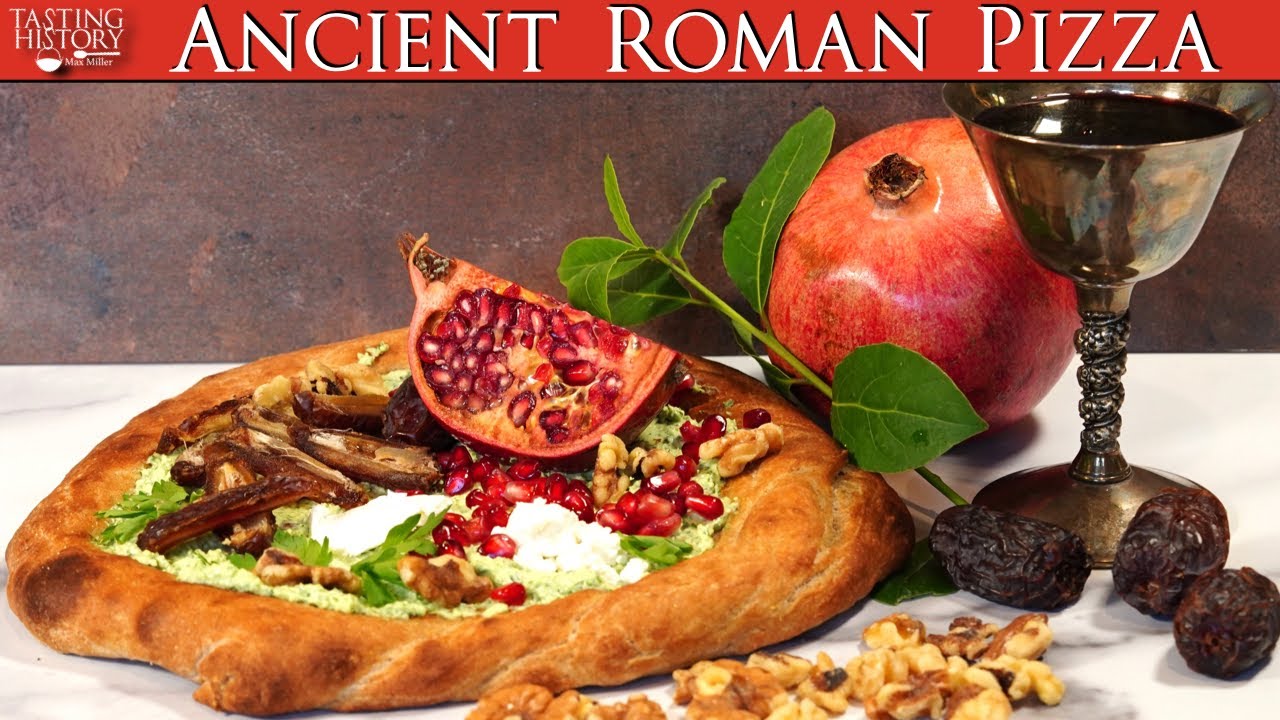
In fact, archaeologists have found a type of bread in Sardinia dated from at least 3,000 years ago, so Sardinians clearly already knew about the use of yeast in baking. The ancient Greeks themselves used to bake flat bread called πλακοῦς- πλακοῦντος (plakous-plakountos), which was often flavored with different ingredients like garlic or onions. In the 6th century BCE, the soldiers of Darius the Great, King of Persia, are reported to have baked special flat bread on the backs of their shields using the heat of the sun.
This bread was often flavored with dates and cheese. Continuing along, in the 3rd century BCE, Cato the Elder, the first Roman historian, wrote about “flat rounds of dough, dressed with olive oil and herbs, baked on stone”. Then in the 1st century BCE, the Latin poet Virgil, in the Aeneid, mentions flat bread being used as a cutting board, which at the end of the meal could be eaten as well.
Evidence of flat breads has been found even in Pompeii, the city destroyed by the eruption of Mt. Vesuvius in 79 CE. Shops with marble table tops very similar to what you would find today in a modern pizzeria were also found.
Many other populations in the Mediterranean were also familiar with this type of bread. The Etruscans had a version, the Catalans did too, a type of leavened bread called coca, while Sardinians had carasau, and many other cultures around the world share some similar products meant to accompany meats or fish. But obviously we are still far from our modern concept of pizza.
The origin of the name “pizza” is also rather obscure, and the story has several versions. Some believe that it comes from the Latin verb pinso-pinsāre which means “to pound or to flatten”, and this is supported by the concept that pizza is something formed by kneading the dough until it becomes a flat circle, as we know it today. Others see a connection with the ancient Greek word πικτή, meaning fermented pastry, which later became in Latin picta and perhaps later on pizza.
Lastly, the word could derive from the ancient Greek πίσσα, or bran bread, where the double sigma can also be read as a double tau, and thus may be read “pitta”, also to indicate a sort of flat bread. The actual name “pizza” appeared for the first time in a Vulgar Latin document from a town in Southern Italy, Gaeta to be precise, in the year 997 CE. This town was still part of the Byzantine Empire.
The document was talking about a gift of “duodecim [read: duodekim] pizze”, meaning 12 pizzas, which was to be given to the Bishop of Gaeta for Christmas and Easter. However, once again, we are still far from the modern delicacy, as we are still talking about some kind of rustic flat bread. Any mention of pizza before the sixteenth century is still talking about a pie covered with salsa bianca, or white sauce.
This was called “mastunicola”, and it consisted of thrifty leavened bread covered with caciocavallo cheese, basil, and lard. In the seventeenth century this dish was already one of the favorites of the Bourbons, the French family who was ruling Naples at the time. The Bourbons were raising water buffalos not far from the Royal Palace of Caserta.
These animals had been brought to Italy by the Lombards after the fall of the Roman Empire. The Bourbons started using buffalo mozzarella on their flatbreads, and the dish became popular both among the rich as well as the poor. Finally, it was the ingenuity of the Neapolitans who transformed this simple dish into something much closer to what we envision today.
It’s hard to pinpoint the precise introduction of the tomato to Italian cuisine, but it certainly had to be after 1492, when Christopher Columbus sailed to America. Subsequently, the Spanish colonizers brought tomatoes to Italy from Peru, and though they were first believed to be poisonous, they were then utilized in a sauce and spread over flatbread. By the 1800s the use of tomatoes on flatbread was already very common.
Thus, Pizza Marinara was born. The sauce was named as such because it was made with simple ingredients suitable for the poor sailor, or mariner. It could be transported at sea without spoiling.
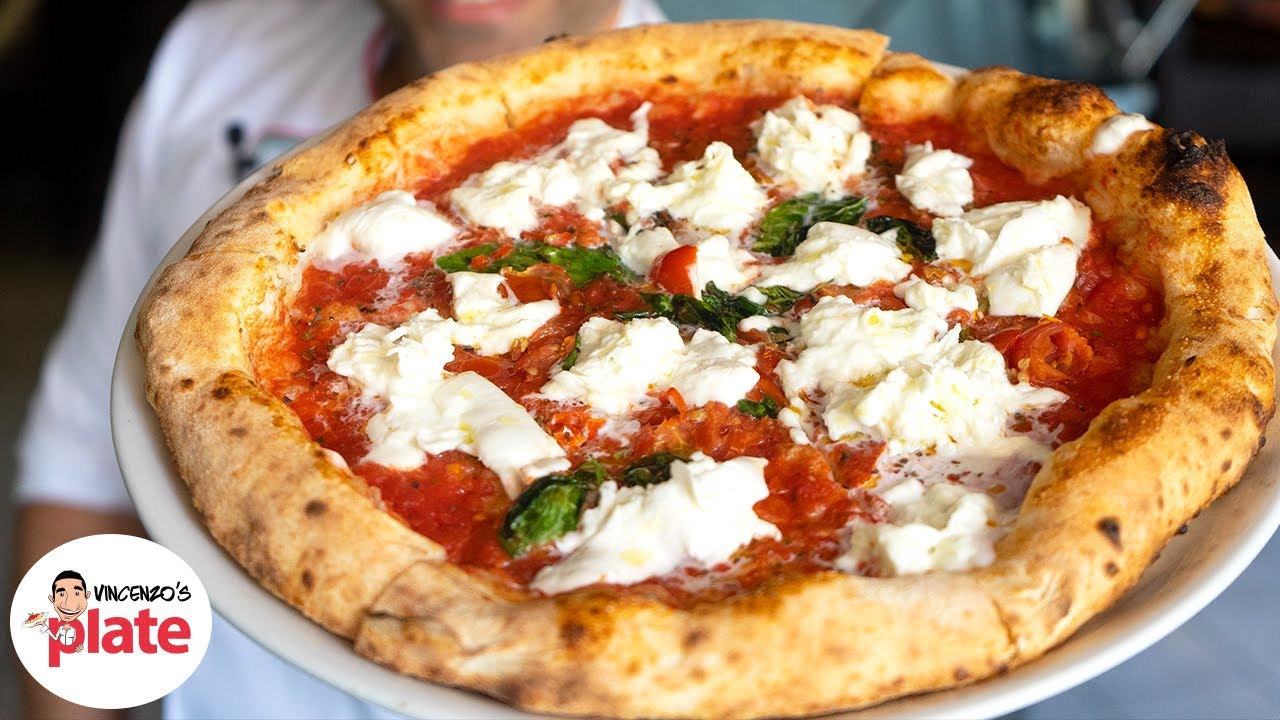
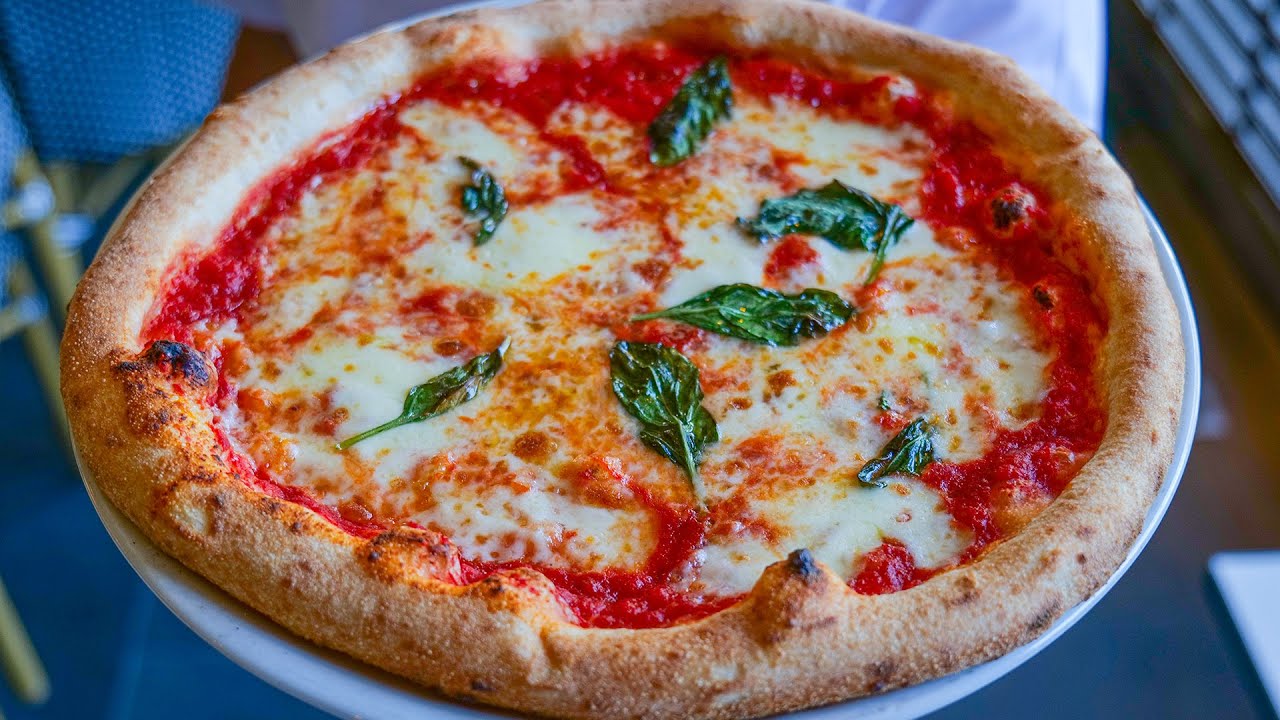
Some kind of minced fish, probably anchovies or sardines, could have been added to the sauce in order to provide protein. Hence the name “marinara”, which means sailor’s style. According to legend, in 1889, a Neapolitan pizza maker named Raffaele Esposito, during a visit of the queen Margherita of Savoy, decided to create a special pizza with the colors of the Italian flag.
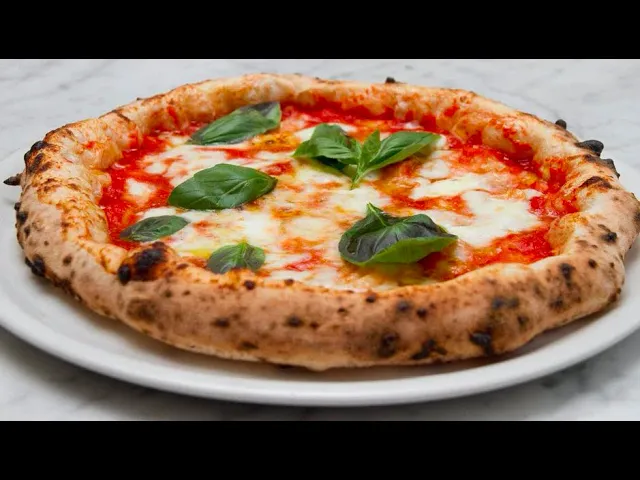
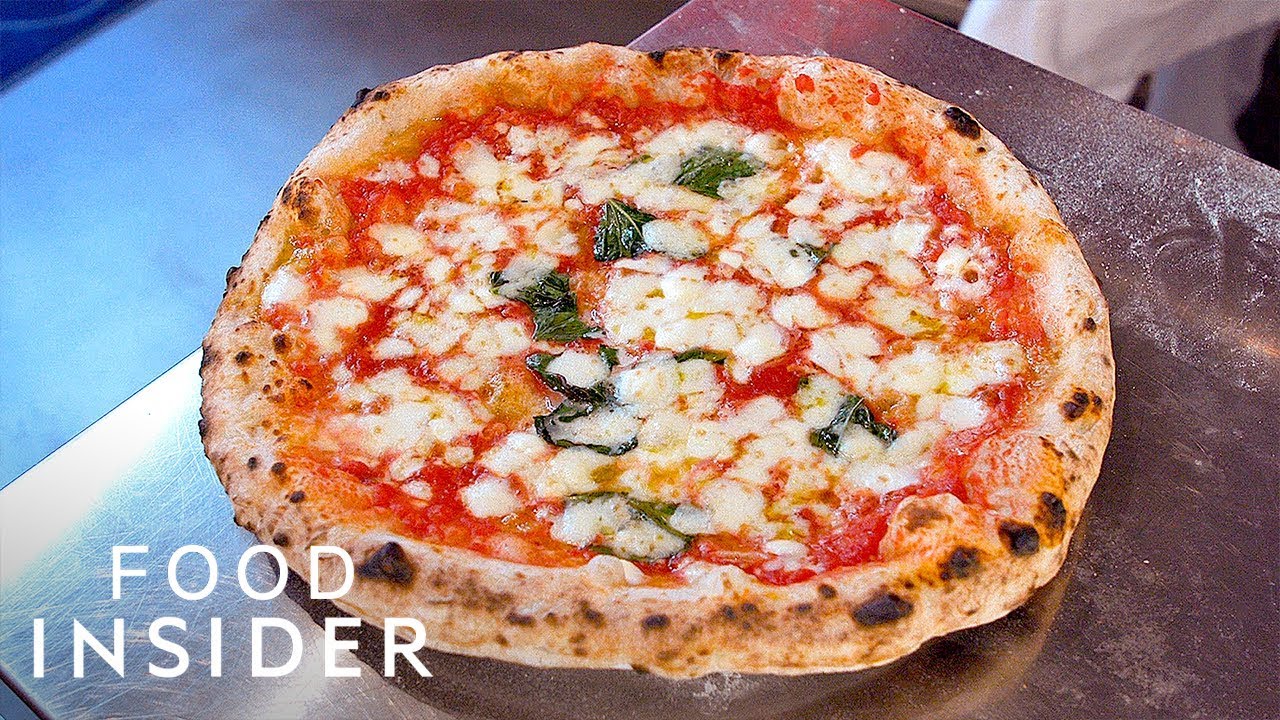
Green was done with basil, white with mozzarella cheese, and red with tomato sauce. He called this dish Pizza Margherita to honor the Queen. And the rest is history.
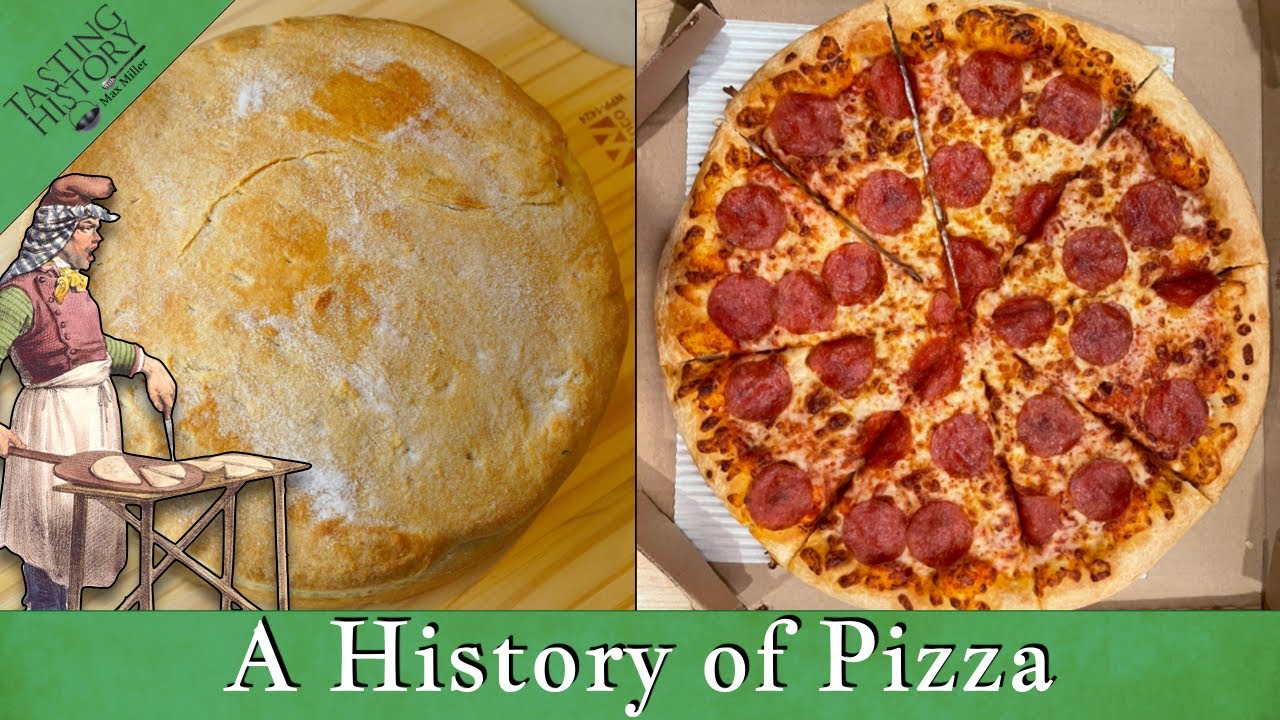
With the emigration of so many Italians to America in the late 19th and early 20th centuries, pizza became an international hit, which only grew even bigger after World War II. The first pizza in America was made by a man named Gennaro Lombardi, in New York City, in 1905. He was followed by Franco Pepe, in New Haven, Connecticut, with his coal-fired pizza.
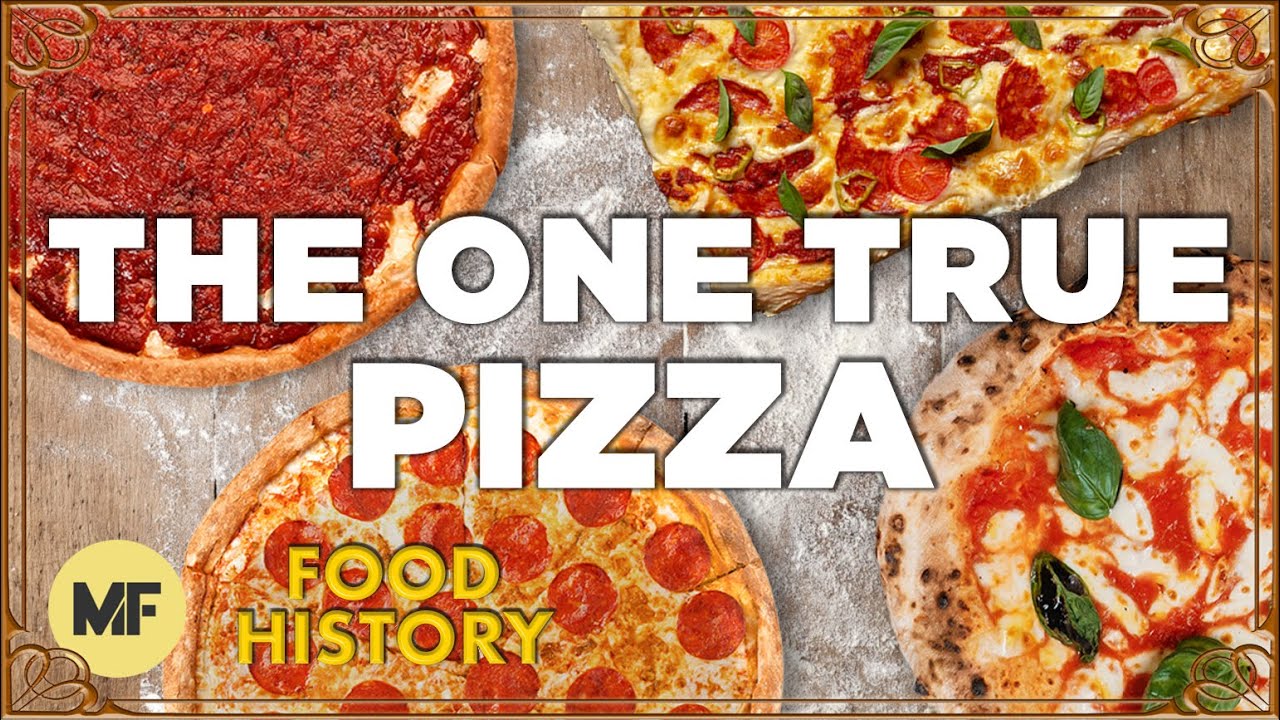
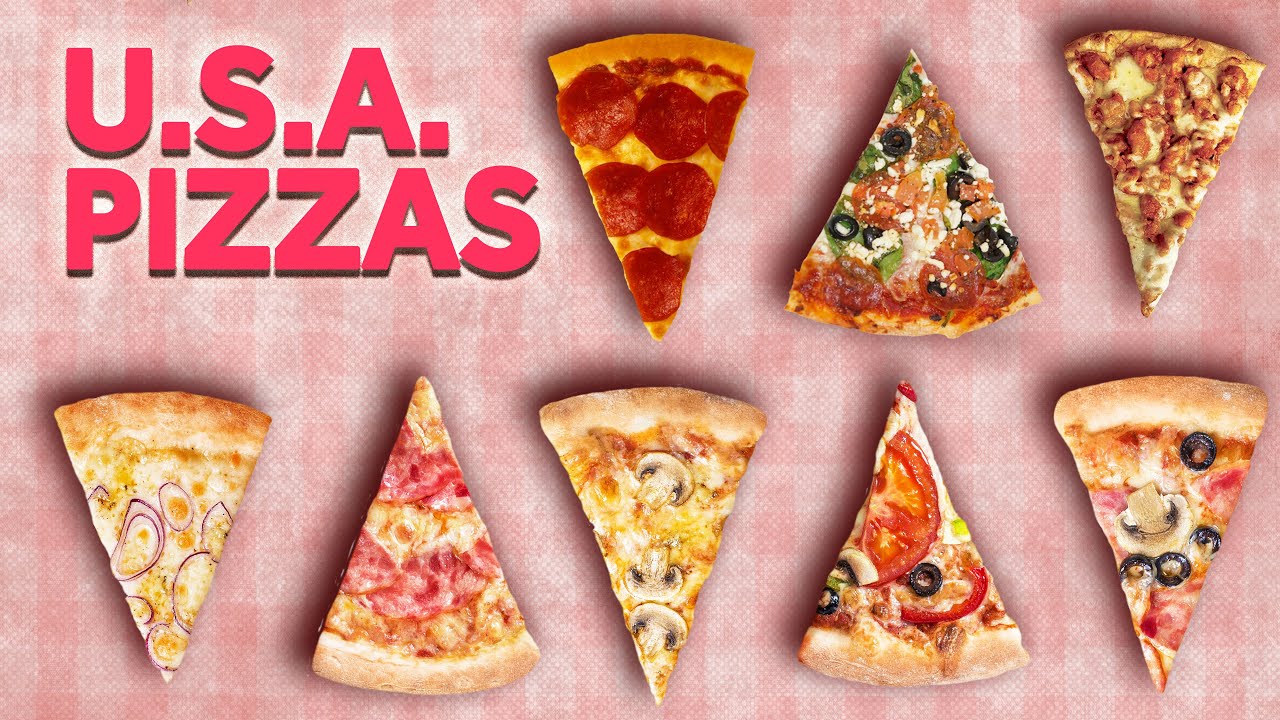
Things only picked up from there, and over the century that followed, pizza became the most popular food in America, with all the endless chain restaurants of varying qualities. Now we must understand that Americans innovated pizza considerably, so it is a bit different than pizza in Italy. And while the best pizza in America is truly outstanding, since this series is about Italian language and culture, we are interested in the way pizza is made and served in Italy.
First we must understand that Italians don’t split pizzas. They are individual entrees served in a personal size meant for one person. This is typically a size whereby those with small appetites may have trouble finishing it, and those with large appetites will finish with no problem and may still want another bite or two.
So, if you go to Italy, what kinds of pizzas can we expect, and how do we order them? Let’s look at the most popular types. Pizza Margherita, as we mentioned, consists of tomato, basil and mozzarella.
This is a classic, and you can’t go wrong no matter what city or town you happen to be in. Pizza marinara , which we mentioned as well, consists of tomato, oil, garlic, basil and some anchovies. Pizza alla boscaiola means forest style, so this includes porcini mushrooms.
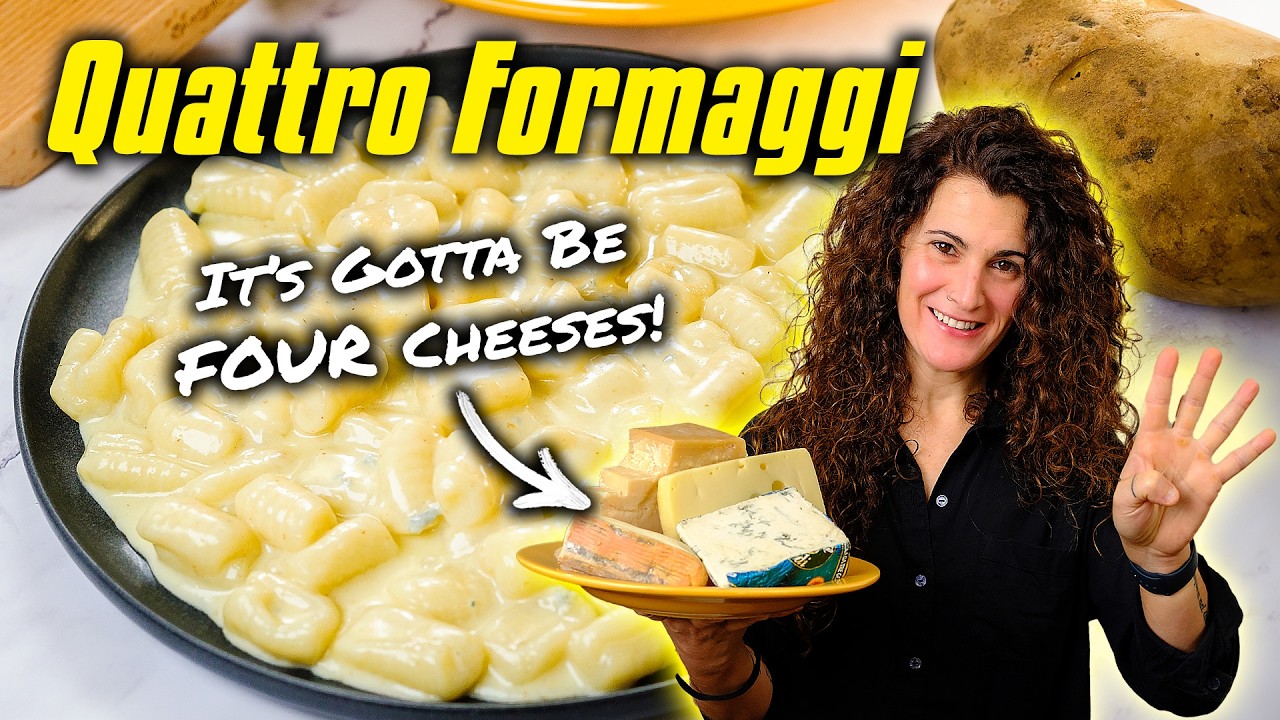
Pizza ai quattro formaggi means four-cheese pizza. So this is classically with gorgonzola, mozzarella, taleggio and gruyere. These days, it is common to see ricotta, parmigiano, or still others.
But it needs four for sure. Pizza quattro stagioni means four seasons, and each quadrant of the pizza represents a different season. Each pizzeria may have a slightly different take on this in terms of ingredients, but this will typically include ham, artichokes, olives, and mushrooms, and it’s a really fun pizza visually.
Pizza capricciosa has prosciutto, mushrooms, artichokes and mozzarella. Pizza ai frutti di mare is covered in seafood, like clams, shrimp, calamari and octopus. Pizza alla diavola has tomato, mozzarella, and spicy sausage, where diavola means devil, hence the hot and spicy sausage.
Pizza ai carciofini means with marinated artichokes. Pizza alla Romana has tomato, mozzarella and anchovies. Pizza allo speck e mascarpone has smoked ham and mascarpone cheese.
Pizza calabrese is tomato, mozzarella, and sharp salame. Pizza carbonara has mozzarella, pancetta, which is sort of like bacon, egg and parmigiano. And pizza trinacria, to celebrate Sicily, has tomato, anchovies, capers, and olives.
As you can see, while Italians do indeed put toppings on their pizza, there is a fairly limited set of options, and they don’t cover the pizza as abundantly as Americans. But any pizza lover would have to admit, sitting down in a nice piazza in any Italian city and digging into a gourmet pizza is one of the most enjoyable experiences imaginable.