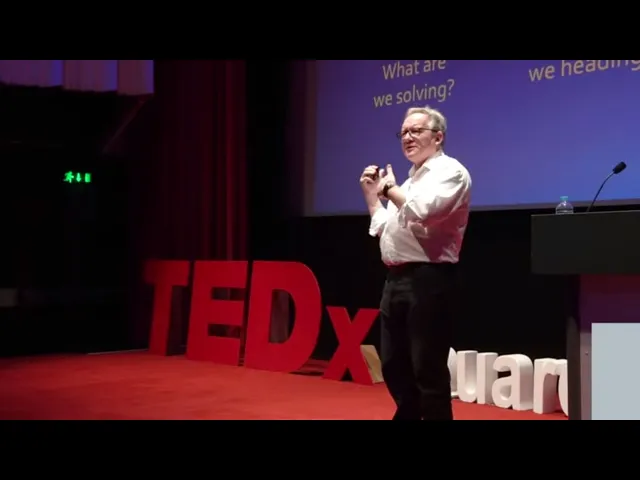
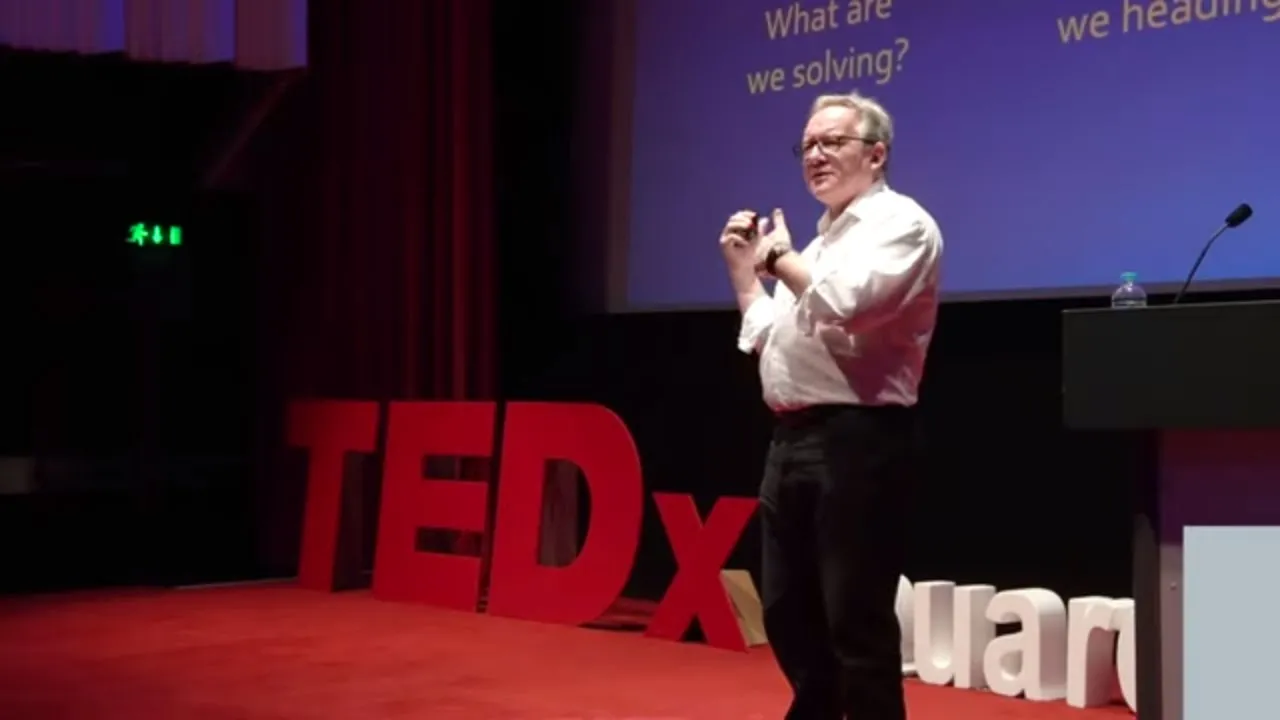
[Music] I've got to talk to you about how to make change happen because everyone's been talking about how to make change happen and it can sink big and out of control and I'm going to talk to you about how you make change happen every day one conversation at a time it's called cents making but it is about making change happen okay I have a question for you what do you do when something doesn't make sense okay if you're human and I'm assuming we asked a little human in the room at the moment you do one
of three things you either ignore it if you think it doesn't matter and you kind of hope that ignoring it doesn't come back to bite you later or you estimate what you think it means and act on that or if you've got time and you're not too busy and there's not too many things to check on your phone then you actually take time to go go through in detail and try and work out what it means and what to do so as humans that's what we do every day hundreds if not thousands of times a
day we ignore loads of stuff could you know because we can't deal with all of it we estimate loads of stuff because that gets us through the day and it also makes us feel good and then we reserve really working things out in detail for the things where we think it matters most one of the other things that I am is an ex engineer so is an engineer I look at an equation like that and ask the awkward question about yeah but how do you decide which one to do win right and most of the
time we decide which one to do when on autopilot that's part of the thing that makes us human it's part of the thing that makes us really good at whatever it is we do we get really good at doing things over and over again and knowing just you know when to switch from one to the other but if you stand back and look at that again in our really busy fast-moving world it's also risky right if you do the wrong thing at the wrong time it can lead you let's just say into problems so what
I want to do is look at how we actually do that thing right so when we're trying to make sense of things there are always two of us in the conversation one is the part that we think we are which is the doing part it's kind of the grown-up part the part that gets paid loads and money to do whatever it is we do and it's and it's busy trying to get things done and then slightly in the background there's a out of this that's constantly check in every situation in checking us and trying to
work out whether it thinks we're doing the right thing or not and if we're doing the right thing it leaves us alone and if it thinks we're not any kind of interferes whoo hold onto me don't go there the last time you did that it was a real problem go over there because that looks look much more like something we've done before so this part spends a lot of time taking our experiences from the past and then applying them to whatever we've got in front of us and saying come on let's try and make sense
of it based on what we know so far well that's fine but it you know literally only gets us so far right as I've already said if you're in the middle of a conversation and actually something else is going on but it just looks like something in the past then you're going to be doing the wrong thing so again it's an engineer this is how I've learnt over the years to actually think of these things whatever you're doing this boy he's probably also a diagram of a conversation but whatever you're doing there's the situation itself
that you're trying to deal with the problem you're trying to solve there are the other people involved in the equation and the way they see things and there's also you and the way you see it and the way you react and it turns out that those reactions notice in those reactions and dealing with those reactions is actually really important to everything we do this you know checking part if if it but if if it's busy checking things and it sees what it thinks is a problem then we get tense we get stressed and we can
end up avoiding things and arguing with other people but equally if it's checking things and it thinks there's a real opportunity there it gets excited by something we can wade in too fast and then we hit problems we weren't expecting and then we still end up avoiding arguing with people right I spent a lot I spent a long time practicing avoiding and arguing through my teenage years and quite away into my 20s as my wife will agree it came through a whole load of reasons funnily enough loss and connected with some of the first speakers
I got into arguments at school because I wanted to mix art and science at a level and they said no are going to lots of arguments in various companies that I work for including management consultancies when I say that I'd like to try and change things and they'd say no can't you get back your box and just sit quietly on the corner of the room somewhere and I got quite good avoiding and arguing people I got quite smart the you know the kind of dance the argument I enjoy to a degree but it was stressful
and eventually one day I worked out but I wasn't actually making as much progress as I'd like so I should probably do something about him and what they started to look for was something that I've ended up calling instead of avoiding arguing in the whole time what does it mean if you collide those different views together and then actually produce something else with it so this is my quick summary since making diagram we had two different ways of making sense of the world that I've already referred to so I'll go through these fairly quickly on
the Left we've got where things that already make sense - his patterns we've already learnt filters that we see the world through stories we tell ourselves habit which we use and we draw on those all the time every time we do something like riding a bike reading our emails all during a coffee you know the kind of autopilot stuff keeps us going through most of the day and that's really useful and then we also have this ability to make new sense of the world to explore the specifics of this situation this talk this meeting this
problem whatever it is we're doing right but we can get so hooked on the left-hand side that actually our reactions start to cause problem this thing that should be helping us stay safe do good work all of those things becomes a problem because he keeps us trapped on the left just at the time when we probably need to be moving across to the right so what I'm going to show you is a shortcut over the past 25 years that I've been looking at all this kind of stuff it can get very complicated but they've only
given me ten minutes so this is the shortcut to the 25 years of experience that says when I'm in the middle of something I'm in the middle of a conversation someone just said something to me and I'm reacting and I'm either getting really stressed or really angry or really grumpy or I'm getting really excited I can't wait to say something but I'm kind of trying to stay calm questions are a really useful thing questions can be really useful because they just create space questions do two things one is if you ask yourself a question your
brain calms down or that's stuff that's firing off with the reactions goes hold on them and it someone just asked me a question there what was that so you get your thinking back engaged again questions also invite other people into the discussion right I've lost count of the number of really smart people over the years that I've worked with who've got some brilliant ideas in their head and they walk into a room and they spend 90 slides and 30 minutes pouring stuff at people and then expect at the end of the half an hour for
everyone's still to be awake and interested and engaged whereas if two minutes in you'd actually ask people a question I've got a conversation going you would have got much further so the three basic questions you can expand on these but essentially they're kind of really simple the first question is where are we why we here what do we solve in what's the problem we're trying to fix what's the question we're trying to answer whereabouts are we what's working what's not working who says who's in that conversation and who's not in that conversation and where's the
evidence we can throw lots of opinions around I said I wasn't going to mention the brexit word but I mentioned the breaks of word anyway right there's lots of people there's lots of people on both sides of the argument at the moment yelling things around but trying to find facts in this really complicated situation is well there are just not many facts right and then if you can agree on what we're trying to solve the obvious next question is where are we heading how will we know when we got there is it close is it
far away what would that look like if you can get people having conversations about those two points those two things that you're trying to do the space in the middle opens up and becomes much easier and instead of fighting about solutions for different problems and different outcomes you find yourself on a more aligned journey bringing people in the same place it can take time but if you don't nail those two things the conversation in the middle is a bit of a waste of time anyway so here's some very quick examples very quick examples I've just
seen the timer so three examples of where this works digital business I spent a lot of my career you starting as an engineer working as a coach I spent lots of my own career in this space tech people who get really excited about the tech business people who really excited about the business and making money and then the people they forget called customers who were kind of essential to the whole thing trying to hide those people together is still really hard I've been doing this for 25 years I said the tech has changed out of
all recognition but the biggest problem is still the same one which is getting people to talk to one another by the way in case anyone's thinking your generation makes no different this generation X always that or whatever this is all just about being human it isn't about how good you are with the tag the second one is meetings for anyone who's in a really big business I'm gonna have to work really fast now take the questions with you to the meeting right because most meetings don't work because they just don't ask those three questions about
why we're here where are we trying to get to and what's the meeting for anyway and then finally really importantly most of my talk has been about how to do this with other people but do not leave yourself out of the equation why am I here what am i solving where am i head in on what options do I have when we're all so busy doing stuff it's really easy to leave this piece out so I'm gonna leave you with one slide really fast what do you do when something doesn't make sense back to our
original question notice that it doesn't make sense breathe really deeply and if you have to wash your hands at the same time to help with that ask yourself the three questions and keep asking the three questions until you're clear on the answers explore lots of different options and lots of different perspectives and practice practice practice because this doesn't work unless you put it into practice it isn't enough to know it thank you [Applause]