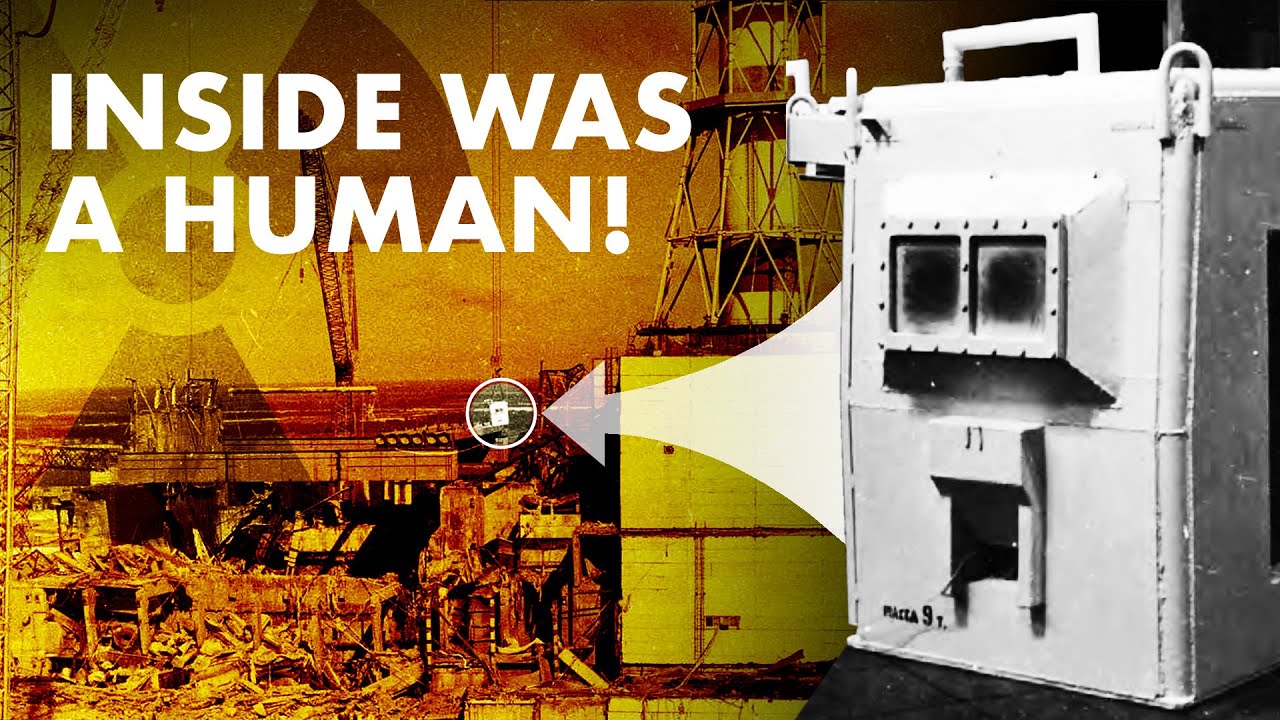
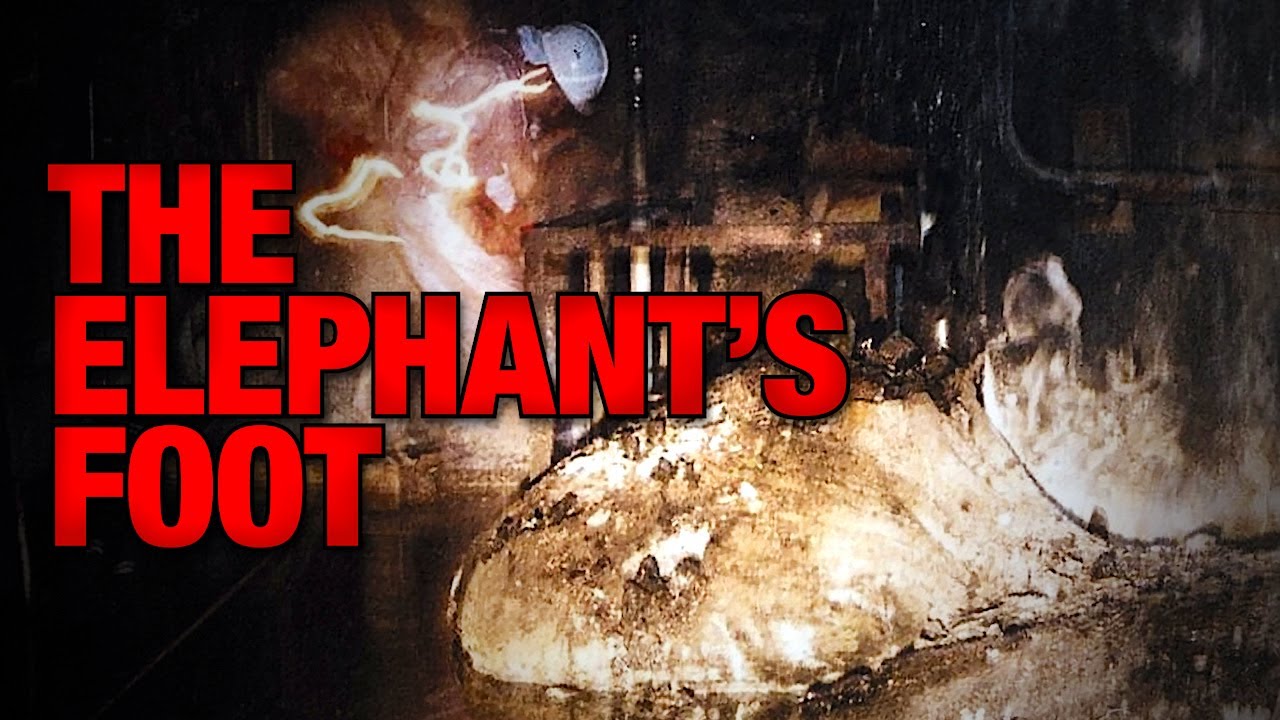
[Music] the claw of death hidden in the dense Woods outside pripiat lies one of the most unsettling remnants of the Chernobyl disaster a colossal steel claw Frozen in its final act the claw once part of a crane used in the cleanup after reactor 4 exploded has become an intentional Monument to the catastrophe so radioactive that mere contact could be deadly this Digger claw nicknamed The Claw of death began its terrible Legacy in the chaotic weeks following April 26th 1986 when chernobyl's reactor erupted in an explosion of steam and Flames the blast was so intense it hurled control rods Fuel and radioactive graphite blocks some weighing hundreds of pounds onto the rooftops surrounding the reactor building this graphite which would absorb massive amounts of radiation from the Reactor Core turned the rooftops into some of the most radioactive places on Earth standing on these surfaces for even a minute would lead to fatal radiation sickness the lethal doses accumulating faster than any protection could counter in those early days the Soviet cleanup teams faced a desperate dilemma the graphite had to be moved to avoid further contamination but neither humans nor most machines could survive prolonged exposure robots were deployed to remove the graphite but they lasted only minutes before the intense radiation fried their circuits with few other options Soviet workers turned to machines like the crane whose claw became part of the final line of defense in pushing radioactive debris back into the shattered core every time it grabbed another block radiation accumulated in the steel by the time it had completed its task the claw was beyond rescue a piece of Machinery now nearly as radioactive as the debris it had moved afterward cleanup teams transported it or perhaps abandoned it to a secluded part of the forest far from Human habitation but in 2019 archaeologist Robert Maxwell stumbled upon it during a private tour venturing into the forest with a guer counter he came face to face with the claws Eerie latent power quote when I had my encounter with the claw let's just say it was screamingly radioactive Maxwell told news. com. au the counter screamed as he measured its radiation levels climbing past 39.
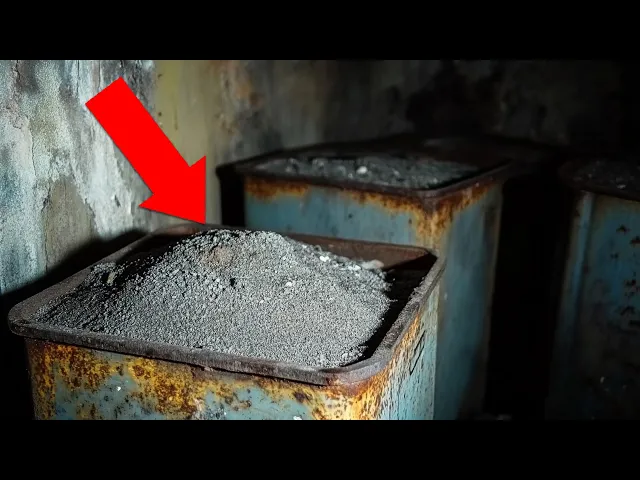
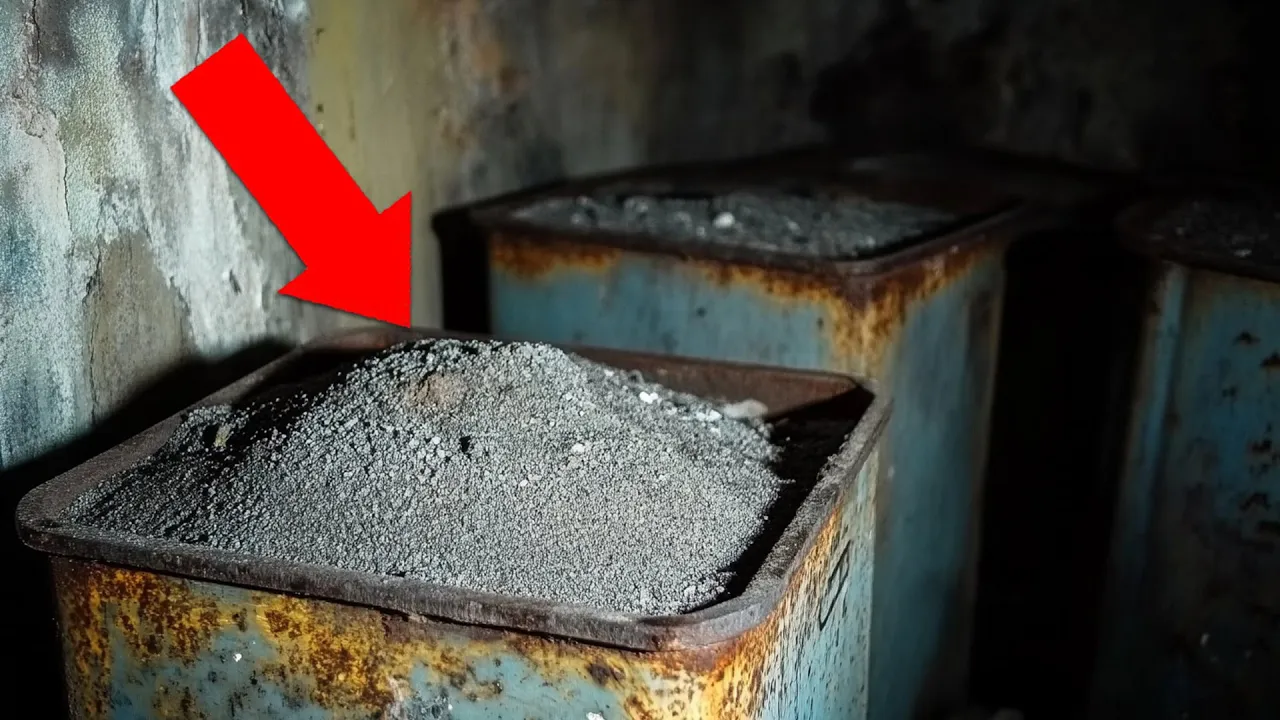
8 micro CS per hour hundreds of times higher than safe background levels in a single day the claw radiates about 950 micro CS enough to put anyone near it at risk of serious illness Maxwell's encounter with the claw wasn't without caution you're constantly aware of contamination he explained noting how radioactive dust can cling to surfaces or be inhaled threatening anyone who lingers too long yet despite warnings and the claw's infamy it has continued to attract a few daring tourists one particularly controversial photo shows two female visitors climbing inside the claw grinning and posing for the camera as if it were an amusement park [Music] prop today the claw sits undisturbed some locals believe it will remain there indefinitely a machine that can no longer serve but cannot safely be [Music] removed the gray sand in the dark dripping basement of pipat's abandoned Jupiter Factory something disturbing lies in weight vast containers of black and gray sand laced with radioactive elements seem to pulse with Secrets buried in the shadows of Chernobyl was the sand part of a forgotten experiment a relic of a darker purpose what was such dangerously radioactive materials doing in the basement of a supposedly civilian Factory opened in 1980 on the outskirts of the now abandoned city the Jupiter Factory manufactured cassette recorders and home electronics but its official role it seems was a cover for covert operations in semiconductor production supporting Soviet military needs employing over 3,500 people at its peak Jupiter remained partially active even after the 1986 Chernobyl disaster quietly conducting radiological research before its final closure in 1996 as rumors grew about this hidden military lab so did the interest surrounding its basement a space now known for housing containers of a mysterious powder the sand itself a gray black powder is supposedly unnervingly Radioactive measured by some explorers it levels over 2500 micro cits per hour analysis from one scientific Explorer has shown that it contains elements directly linked to chernobyl's rbmk nuclear reactors such as strontium 90 cesium 137 and plutonium in a site already Infamous for contamination these readings rank among the most dangerous outside the Reactor Core adding to the mystery shelves upon shelves soil bags clear and labeled around the sand some believe these samples were essential to Jupiter's secondary mission to research radiation decontamination techniques in the exclusion zones early years others have proposed that the gray sand might be tied to a production method using the rbmk 1000 reactor to radiate silicon ingots producing Neutron dope silicon essential for the electronics used in nuclear detectors still theories of hidden nuclear weapons production have surfaced though Logistics and the factory of small scale make these improbable the Soviet Union's primary nuclear facilities like the mayak plant were purpose built and tightly guarded Far From Any populated area at least one recent Explorer has dismissed the sand as merely active carbon used in protective applications according to his post on Reddit the radiation in the room is minor and emanates from objects near the sand like a shoe and a bag of old firefighter equipment used in early decontamination efforts as Jupiter's Legacy Fades into Decay The basement's Mysterious sand is a reminder of the Factory's ghostly double life was this gray sand simply a relic of Soviet era decontamination tests or was it one final mystery left beneath the quiet ruins of [Music] priot az5 in the early hours of April 26th 1986 the reactor control room of chernobyl's unit 4 pulsed with the glow of warning lights and the anxious murmurs of Engineers they were conducting a safety test to determine whether the reactor's cooling pumps could continue running on residual turbine power in the event of a power outage at the center of this Controlled Chaos was a single red button the A5 designed as the ultimate fail safe pressing this button should shut down the reactor in seconds yet on this fateful night no one knew it would act as a Detonator at 1:23 a. m. reactor operator Leon tonov broke the tamper evident wax seal on the A5 button removed its plastic cover and pressed down intending to conclude the safety test on Reactor 4 this action initiated an emergency scram procedure which was designed to Halt the nuclear reactions by inserting control rods made of neutron absorbing Boron carbide however the rods had a critical design flaw their tips were made of graphite a material that unlike the rest of the rod actually increased reactivity as the control rods began to descend they displaced Neutron absorbing water with this graphite temporarily increasing the rate of nuclear reactions in the unstable conditions already present within reactor 4 this unexpected Surge and reactivity sent the reactor's power soaring out of control within seconds the control rods jammed only a third of the way down leaving the reactor unable to fully shut down the intense spike in power caused the fuel rods to overheat and shatter rapidly generating steam at aate the reactor could not contain the resulting pressure violently breached the reactor vessel triggering explosions that ejected radioactive material and destroyed much of the building's structure a controversial Theory suggests the topov may have pressed the A5 button twice the first press under this theory was an attempt to manage a slight power increase by partially inserting the control rods a few centimet halting their descent when he released the button however as power continued to rise he pressed it again in Earnest this time to initiate a full [Music] shutdown this double press according to proponents of the theory jammed the rods in a position that maximized the reactor's explosive potential sealing its fate while unproven the theory raises questions about whether a split second decision and a flawed button design contributed to the disaster's unprecedented sequence of events today the A5 button in the reactor 4 control room exists only as an empty socket the button and its protective cover likely removed as unofficial souvenirs during the early cleanup operations after the disaster these buttons were later replaced with switches in update reactors but the empty socket of the A5 button remains a haunting reminder of the catastrophic sequence it once initiated basement of pripiat Hospital number 126 the basement of pripiat Hospital number 126 holds no bodies yet it remains perhaps one of the most haunting burial Chambers in modern history here beneath the crumbling Soviet era hosal Hospital complex lie the abandoned uniforms helmets and Boots of the first firefighters who rushed to contain the Chernobyl disaster item so radioactive that after nearly four decades they can still deliver a lethal dose within hours the hospital located on drewby narado Street once served pipat's 49,000 residents many of them workers at the nearby power plant it's roof bore an optimistic slogan health of the nation the country's wealth but in the early hours of April 26th 1986 that promise crumbled along with the roof of reactor 4 Lieutenant Vladimir pric and his men felt the explosions that would reshape history they didn't hesitate within minutes they were racing toward the smoke billowing from the nuclear power plant what began with Pro's initial team of 14 would soon swell into a massive emergency response 37 fire Crews comprising 186 fire Fighters commanding 81 engines drawn from across the KE region all converging on a disaster they couldn't see or fully comprehend racing Against Time and physics pic's team faced the immediate challenge of reaching the reactor's roof some 230 ft up with the facility's internal firefighting systems destroyed by the explosion they had to manually lay hoses for their trucks in temperatures exceeding 3600 de f they battled fires fueled by 70 tons of uranium and 900 tons of graphite unaware they were being exposed to radiation levels 6 to 7 times the lethal dose roughly 20,000 renen per hour Hospital 126 began filling with casualties by Dawn no official announcement had been made about the disaster but by 10:00 a.
m.