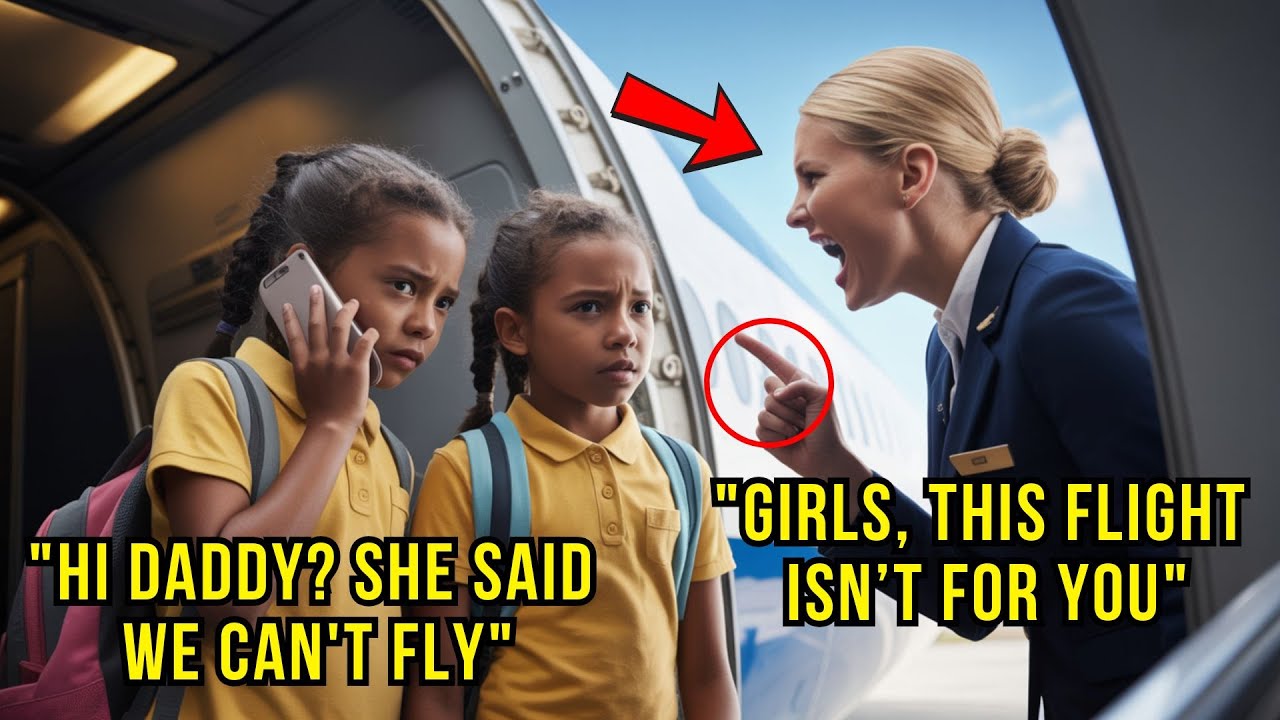
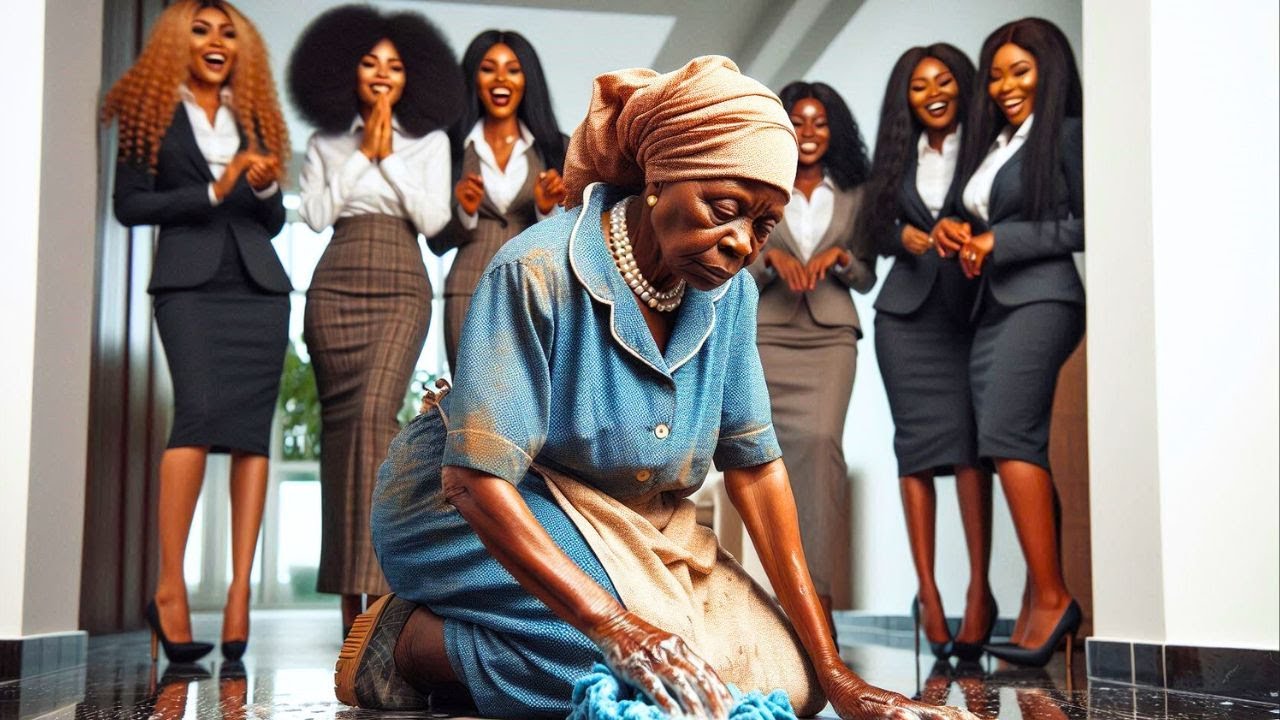
During childbirth, Mr Duncan's wife tragically passed away, leaving him to raise their twin daughters alone. When the girls turned five, he remarried. But his new wife hates the twins and calling them bustards, leading to a bitter divorce.
From that moment on, Mr Duncan vowed never to marry again. He sold all his properties just to ensure his daughters could go to school. The people in the community mocked him, calling him foolish.
selling your only source of income just to educate girls. They'll grow up, marry, and leave you behind, they said. But Mr Duncan never gave up.
Years passed, and now his daughters have returned, not just to see him, but to pay him back for every sacrifice he made. Watch the full video to discover. If this is your first time on our channel, take a moment to subscribe to our channel as we dive into the full story.
To our returning subscribers, thank you for always watching and liking our videos. Now, let's get into the full story. The air in St.
Bridget's Hospital was thick with excitement until the beeping monitors slowed. Cristiana's last cry faded, and silence swallowed the room. Outside, Mr Duncan paced the corridor, building toy planes, in his mind for the son he expected.
Then the doctor arrived, hat in hand. Your wife, she's death, but your daughters are alive. Two nurses placed tiny babies in his shaking arms.
Perfect identical twin girls. A sob escaped his throat. Cristiana, you promised we would name him Daniel if he is a boy.
His tears hit the blankets. He kissed each forehead and whispered, "Lillian, Millie, I will take care of you girls myself. " Grief and wonder wrestled inside him.
But the vow was made. With no mother, no extended family, just the memory of his late mother, buried three months earlier, Mr Duncan carried newborns into a night that felt endless. At home, bills, and funeral, plans lay scattered across the kitchen table like broken promises.
Dawn arrived before sleep did. The babies wailed, hungry, and he panicked at the empty tins of formula. Scrambling through town with the twins tucked under his coat, Duncan met Madame Ayel, a midwife who collected donor milk from nursing mothers.
She pressed two bottles into his palms and said, "They are everybody's children now. " Her kindness stunned him. Humanity still had light.
Inside that fragile dawn, Duncan found enough hope to keep breathing. He rocked the babies, humming the lullabi Cristiana loved. The house felt colder, but the twins small breaths warmed his chest.
Over the next weeks, he stitched diapers from old bed sheets, boiled water in rusty pots, and learned to swaddle by trial and error. Neighbors peaked over the fence, whispering that a carpenter could not raise infants alone. He ignored them, fixing a mobile above the crib made from scrap wood and string.
When exhaustion threatened, the vow echoed, "I will take care of you. " By the first monthly checkup, the twins were gaining weight. Nurses marveled.
Towns people stopped predicting disaster. Yet, loneliness crept in every night. Duncan stood at the bedroom doorway, watching the girls sleep, whispering stories about their mother, the woman who loved mango pie, who laughed louder than church bells, who died so they might live.
He prayed that one day they would understand the depth of that sacrifice. For now all he could offer was steady hands and a father's stubborn heart. And so before the twins even learned to smile, the legend of a carpenter who refused to fail.
His daughters began to grow quietly, one sleepless night at a time. Three months later, Lillian discovered her thumb, and Millie mastered the art of shrieking whenever her sister got attention. Mr Duncan juggled feedings with furniture orders, carving headboards while rocking a cradle with his foot.
One afternoon, timber dust flying, he fainted from sheer fatigue. When he opened his eyes, the village chief's wife was wagging a finger. You need help, man.
Pride will bury you faster than grief. She arranged a schedule. Four women would rotate visits, washing clothes, bringing soup, and teaching him the secrets of collic cries and nappy rashes.
Duncan protested, but soon surrendered to their practical love. Madame Ayel arrived every evening with fresh bottles of donor milk. Cristiana saved many mothers when she taught them to read, she reminded him.
Now they repay. Her words soothed his guilt for accepting charity. He kept meticulous notes on feeding times and volumes, determined to raise strong, healthy girls.
The twins grew into chubby toddlers, turning the carpentry shed into a playground. Wooden shavings became confetti in their hair. Lillian's first word was plain.
Milliey's was papa. Each milestone fueled Duncan's resolve to give them opportunities he never had, especially education. Community gossip, however, took a new turn.
A man cannot live without a wife, elders insisted. Children need a mother's hand. Suitors for Duncan appeared at market stalls, subtle as rainclouds, praising his skills and hinting at lonely evenings.
He smiled politely, heart closed. At night, he conversed with Cristiana's portrait, confessing fears. Am I enough for them?
They deserve more than carved toys. But the picture only glowed under candle light, silent approval in her painted eyes. One Sunday after church, Pastor Ausu gave a sermon on companionship.
Under its weight, Duncan felt the pew splinter beneath him, though it did not. The congregation's stairs lingered as he ushered the twins outside. Later, rocking them.
To sleep, he asked aloud. Should I dare let someone else in? The question hovered unanswered, drifting through the open window like the smell of fresh cedar.
In those quiet months, father and daughters formed a fortress of three. Outsiders saw chaos, sawdust trails, nappies drying by the stove, incomplete client orders. But inside beat a rhythm of laughter and lullabibis, a melody strong enough to silence town gossip, at least for a while.
When the twins turned five, school fees loomed. Duncan's carpentry business was modest. Desks and cabinets paid bills, but left little extra.
After one especially lean quarter, he thought of remarrying, not for love, but for partnership. Then he met Clara, soft-spoken, recently widowed, admired for her cooking. She praised Duncan's furniture, doted on the twins during brief visits, and promised to treat them like my own.
Her gentle smile chipped away at his hesitation. The wedding was simple. Vows beneath a mango tree, choir songs drifting across the yard.
The twins twirled in yellow dresses, excited at gaining a Mama Claraara. For six sweet months, the house smelled of fresh bread. Bedtime included stories in two voices.
Duncan dared to believe fate had granted them a second chance at family. Reality struck on a humid Thursday. Duncan returned from the workshop late, sweat glued to his shirt.
Hearing screams, he bolted inside. Clara towered over the twins, brandishing a wooden spoon, welts already forming on tiny arms. Bastard twins, she spat.
You spilled palm. Oil on my new rapper. Millie cowered.
Lillian shielded her sister. Something primal ignited in Duncan. He stepped between them, voice shaking, but low.
Touch them again and you will answer to me and God. Clara's face twisted in disdain and replied, "You think anyone else will want a man cursed with motherless girls? " She got angry, packed her belongings before dawn, and slammed the gate behind her.
Neighbors whispered about the failed marriage, while Duncan rocked the twins who whimpered in their sleep. Shame burned, but rage burned hotter. At sunrise, he knelt by their beds.
"Never again will I gamble with your safety. You are my everything. The vow renewed, ironclad.
School resumed. Clara's memory faded like chalk and rain. Duncan cooked uneven pancakes, braided hair with crooked parts, and forgot picture day forms, but the twins laughed through it.
They invented a secret handshake. Three claps and a nose tap, signifying unbreakable unity. If loneliness pricked him at night, he buried it.
sanding planks until dawn to make bookshelf orders. Each finished piece financed spelling bee entry, fees and class excursions. Village council members shook heads.
Who sells his heart for daughters? Sons would carry his name. Duncan responded with more shelves, more laughter echoing from the wooden shed.
And in that defiance, the twins learned their first lesson. Family is the people who choose you every single day. Primary school raced by in a blur of chalk dust and lunchbox swaps.
Lillian loved science charts. Millie tinkered with broken radios, claiming she could make them sing again. Duncan's pride swelled each time report cards arrived.
Yet he noticed the mounting fees for junior high. Textbooks, uniforms, lab contributions. Income from the carpentry shop plateaued while timber prices rose.
He tightened his belt, skipped dinners, and accepted night commissions, shaping office desks under weak kerosene light. One rainy afternoon, a businessman entered the shop and admired a mahogany cradle Duncan was restoring for a client. Your craftsmanship is wasted here, he said.
Open a showroom in the city. Duncan smiled but shook his head. The city was a luxury he could not afford.
His dreams wore school uniforms, not suits. Without warning, government inspectors arrived, citing new permits and safety upgrades. Compliance would cost more than a year's profit.
Duncan pleaded for time, but received a closure notice. That night, he spread the document on the dinner table. The twins, now 13, watched him bury his face in calloused hands.
Millie reached across, whispering, "Papa, we will be okay. " They scavenged discarded wood to build birdhouses, selling them at Sunday markets. Lillian painted bright wings.
Millie engineered swiveing bases. Customers loved the novelty, but earnings barely dented tuition. Duncan pondered selling his prized possession, the carpentry shop building itself.
The idea felt like selling a limb, yet the future demanded sacrifice. He visited the land registry with a pounding heart and returned with a forale sign. Gossip exploded.
Foolish man. Girls will marry and leave. Invest in sons.
The twins heard every sneer, but stayed silent, adding extra color to birdhouses, turning pain into art. 3 months later, a buyer offered enough to cover high school fees and a modest living allowance. Duncan signed, keys trembling in his grip.
On moving day, the twins pressed their palms on dusty walls, thanking the shop for feeding us all these years. Duncan locked the door one last time, tears falling onto the iron padlock. He walked away carrying only a toolbox, identical hands holding each daughters.
Behind them, the wooden sign creaked in the wind, whispering a farewell no one else could hear. Relocation was inevitable. They rented two small rooms behind the city's central library, close to the twins new secondary school.
Duncan searched for work, but carpentry vacancies were scarce. One custodian posting caught his eye. Library cleaner needed, pay modest, hours dawn to noon.
he applied, explaining his woodworking history. The head librarian, Mr. Mensah, examined his scarred palms, then smiled.
"Anyone who respects wood will respect books. Job is yours. " Each morning before sunrise, Duncan swept marble corridors, polished reading tables, and oiled creaky hinges.
As the sun rose, he inhaled the scent of paper and ink, a different forest than the one he once carved. He pocketed torn pages to patch at home, muttering, "No story deserves the dust bin. " The twins often joined after class, finishing homework between shelves while their father mopped.
Librarians adored them and slipped extra textbooks into their backpacks. Despite tight budgets, family evenings brimmed with laughter. They shared one bowl of Jolof rice, told riddles, and studied under a single bulb.
Millie dissected broken alarm clocks. Lillian traced flight paths on world maps salvaged from library archives. Duncan watched, marveling at how hunger for knowledge overshadowed hunger for food.
The city, however, bore sharper tongues. Market women scoffed when Duncan bargained over bruised tomatoes. "Where is your wife?
" they demanded. Taxi drivers joked that he should loan out the twins for bride price. advances.
Each insult chipped at him, but he stored the pieces, intending to build something better later. One weekend, the school announced a field trip to the regional airport. Fee fee unattainable.
Duncan considered pawn shops. Hearing his sigh, Lillian urged, "Papa, don't. We'll write essays instead.
" But Mr. Mensah intervened, sponsoring them quietly. When the twins stepped onto the tarmac and watched planes thunder overhead, destiny roared to life.
Lillian felt her pulse sink with jet engines. Millie studied wing flaps, eyes gleaming with equations. They returned home breathless, declaring careers in aviation.
Duncan nodded, fear and pride intertwining. "Then we will target the sky," he said, knowing the ground beneath him was already cracked. Senior year tuition nearly broke them.
Duncan patched school shoes with leftover leather, mended uniforms until seams groaned, and accepted extra cleaning shifts, scrubbing graffiti from stairwells at midnight. The twins volunteered at church, bake sales, saving coins in a biscuit tin labeled Skyfund. By graduation week, admission letters arrived.
Lillian, BSC aviation at Emerald Air Academy. Millie BSC mechanical engineering avionics at Techfront University. Tuition figures turned excitement into quiet panic.
They explored scholarships. Competition was fierce. One required an essay titled Why My Background Fuels My Drams.
Lillian wrote about losing a mother she never met, finding fathers in library shelves, and dreaming in engine thrusts. Millie described birdhouses and broken radios turning into lessons on lift and torque. Their raw honesty secured partial grants, still insufficient.
One dawn, Duncan stood outside their rented rooms, staring at his toolbox, the last relic of his craft. He took it to a pawn shop. The clerk examined each chisel, offered a humiliating price.
Duncan accepted, tears masked by sawdust on his cheeks. That evening he laid cash before the twins. "University will happen," he declared.
They wept, not from joy, but from the weight of his sacrifice. Community mockery escalated. Former neighbors sent letters.
A man without assets is no man. Duncan burned them. He now cleaned office buildings on weekends, accompanied by the twins who wiped windows for pocket money.
Strangers assumed they were his employees. He introduced them proudly as future pilots and engineers. Some laughed, others gifted them bus fair.
By September, they scraped together first semester fees. On movein day, Duncan borrowed a wheelbarrow. To transport two suitcases and a stack of secondhand textbooks across campus lawns, students in flashy cars stared.
The twins waved. Before leaving, he knelt. public display be damned and prayed over them, asking God to swap his strength for their success.
The dormatory elevator doors closed, taking his daughters upward, while he remained on ground level. Walking home, he felt both emptied and full. The city lights blurred, and for the first time since Cristiana's death, Duncan allowed himself to imagine a future where grief was not the headline, but the footnote.
University life was dazzling and brutal. Lillian battled advanced physics. Millie waited through calculus and machine design.
Many classmates arrived in chauffeur-driven vehicles. The twins rode packed buses at dawn, balancing notes on their laps. At night, they cleaned part-time at a cafeteria, pouring leftover soup into thermos flasks for their father.
Duncan, now 48, felt muscles protest each mopstroke. Yet he refused rest, timing his breaks to call the twins and recite motivational quotes scribbled on napkins. Pressure turns rough stones into smooth ones, he'd say.
They repeated the phrase before exams. Mid- semester, Milliey's laptop crashed, deleting a crucial assignment. Replacement was impossible.
She borrowed lab computers at odd hours until security guards complained. Lillian stayed awake, solving practice problems by flashlight so her sister could use their shared desk. Exhaustion knocked at their room like an unwelcome tutor, but they kept the door shut.
During a campus symposium, Lillian impressed a visiting pilot with her questions about cockpit ergonomics. He offered mentorship and access to flight simulators. Meanwhile, Millie won a design contest by proposing adjustable winglets for small aircraft.
Prize money covered next month's rent. They phoned their father, voices trembling with relief. Duncan danced alone in the library corridor, broom as a partner, tears streaking his smile.
God hears persistent knocks, he whispered, but hardships persisted. Duncan slipped on wet marble, spraining his back. Sick leave meant lost wages.
Bedridden for a week, he worried about renters. The twins pulled cafeteria tips and walked dogs for affluent lecturers, sending funds home. Struggle rotated like clock gears, but never stopped the machine entirely.
By semester's end, both girls ranked top five in their cohorts. Dean's lists went up, and whispers shifted from disdain to admiration. They returned to their tiny rooms, high-fiving over bowls of instant noodles.
Outside, fireworks crackled for University Founders Day, but inside, three hearts celebrated a quieter triumph. faith proving stronger than circumstance. Second year opened with promise until Duncan received eviction notice.
Rent had jumped beyond his cleaner salary. He stored belongings in borrowed church space and slept on a library store room mat. When the twins visited on break, he fabricated stories about upgrading the apartment.
They sensed the lie but respected his pride. One evening, exhaustion caused him to nod off with a floor buffer still humming. The machine jerked, slamming into shelves.
Books toppled like dominoes. A priceless first edition landed in dirty water. Mr.
Mensah gasped, "Duncan, your health is failing. " Facing termination, he confessed everything. Instead of firing him, she arranged a fundraiser, citing his decades of service.
Professors donated. Alumni mailed checks. Within weeks, funds covered his medical bills and secured a bedsitter near campus.
Duncan protested, but Mr. Mensah insisted, "You mended our books. Let us mend your life.
" During recovery, he audited free evening classes on computer aided drafting, claiming old dogs learn new tricks. The twins cheered him on. Lillian supervised his physical therapy regimen via video calls while Millie emailed ergonomic chair designs to prevent future injury.
Bond grew thicker than misfortune. At the year's close, the aviation school announced a competitive internship program with Skyway Airlines. Only two slots existed.
Lillian submitted an application hard and throat competing against peers with family ties in the industry. On selection day, she spotted her name on the notice board. Ranked first.
She collapsed into Milliey's arms, crying, "Papa's mop bought me wings. " Meanwhile, Millie secured a summer placement at Aerotch Manufacturing. She designed a prototype avionics bracket, sturdy yet lightweight, impressing supervisors.
They extended her internship indefinitely with a modest stipend. She sent half of it to Duncan, who used it to buy health insurance for the first time in years. At night, Duncan journaled gratitude for spilled milk that led to donor mothers, for ruined cradles that birthed birdhouses, for sleeping on storoom floors that made strangers generous.
He finally saw the pattern. Pain carving space for blessing, one splinter at a time. Third year blurred into final dissertations, simulator hours, and sleepless design sprints.
The twins shared a mantra, one more step. When anxiety struck, they called home to hear Duncan's steady baritone recite Psalm 23. He in turn leaned on library colleagues who kept an eye on his diet and forced him to rest.
A month before final exams, Duncan felt a familiar tightening in his chest while polishing oak banisters. Doctors confirmed mild hypertension. Medication added a new expense.
Lillian threatened to drop a class and work extra shifts. He forbad it. Millie offered to sell her phone.
He vetoed that, too. They compromised by sending him weekly meal prep containers. On campus, Lillian aced her instrument flight check ride, logging flawless takeoff and landing.
Millie unveiled her capstone project, an AI assisted diagnostics module for cockpit systems. Judges awarded highest honors. Word spread quickly.
The twins of the cleaner who sold everything. Media requested interviews. They declined, citing exams.
But the legend grew. Back at the library, staff planned a surprise retirement party. Duncan's contract was ending with fiscal restructuring.
He accepted the news gently. Seasons change. Unknown to him, Mr.
Mensah circulated his resume to furniture boutiques in the city. Within days, Artisan Gallery offered a consultant role designing custom pieces for luxury hotels. Pay, triple his cleaner salary.
They valued not just his skills, but his story. When he phoned the twins with the news, they screamed so loudly a dormatory alarm went off. Three victories in one week.
Felt surreal. Lillian clapped her hands, chanting, "Papa's back in business. " Millie calculated how quickly they could clear his overdue utility bills.
Exactly two pay cycles. Exams concluded. Gowns were ordered.
Duncan tailored his old Sunday suit, ironing it to near perfection. He bought a secondhand camera and learned basic photography on YouTube, determined to capture every moment himself. In his journal, he wrote, "Cristiana, come see what your girls have become.
" Graduation day dawned bright as prophecy. Rows of caps shimmerred under stadium lights. Duncan arrived early, claiming a front row seat with the press of mentors and parents.
When Lillian crossed the stage, he yelled, "That's my pilot! " causing laughter in the stands. Millie followed, tassel swinging and blew a kiss.
Cameras flashed. Duncan tried to photograph, but tears blurred the viewfinder. Strangers snapped pictures for him instead.
After the ceremony, the twins pulled him to the tarmac where Skyway Airlines had parked a training jet for demonstrations. Lillian, now officially first officer trainee, invited him inside the cockpit. He traced switches like sacred relics.
"I used to build toy planes from scrap," he whispered. She replied, "Your hands built this future, too. " Millie joined them holding a gift.
A miniature wooden plane carved from leftover mahogany, the first wood Duncan ever let her touch. "For your desk at Artisan Gallery," she said. He cradled it as though it breathed.
"Mia crews finally cornered the family for interviews. A reporter asked Duncan what kept him going. He answered simply, "A promise to their mother.
" The clip went viral, inspiring parents nationwide. Donations poured into a new scholarship fund the twins established for girls in STEM named Cristiana's Promise. That evening, they ate a car and fried plantain at a roadside stall, preferring humble flavors to hotel banquetss.
Between bites, they planned next steps. Lillian's simulator sessions, Milliey's engineering residency, and Duncan's first hotel lobby installation, a sculpted walnut reception desk. Three paths, one heartbeat.
Under street lights, Duncan lifted his face to the sky. Planes roared overhead, their red beacons tracing arcs of destiny. For the first time in 21 years, he allowed himself to exhale fully.
The vow had not only survived, it had taken flight. 6 months passed. Duncan's bespoke furniture designs graced hotel suites and corporate offices.
He trained apprentices, sharing both carpentry techniques and life lessons about sacrifice. In evenings, he attended business courses, learning supply chain logistics. Education never ends, he told his apprentices, echoing advice once given to his daughters.
Lillian advanced to co-piloting regional flights, collecting postcards from cities she once traced on faded maps. Each landing, she whispered, "Papa, we made it. " Milliey's diagnostics module secured a patent.
Aerotech offered her a leadership role. She countered by requesting a research grant for eco systems. They agreed.
The twins pulled savings and scouted real estate. One Saturday, they drove Duncan to a gated neighborhood outside the city. He assumed they were quoting furniture jobs.
Instead, they stopped before a cream colored mansion. "Welcome home, Papa," Millie announced. A gold plaque beside the door read, "Duncan House.
" Shock rendered him speechless. Inside the living room displayed portraits of Cristiana, the twins at every age, and a framed copy of his original carpentry license. Tears dripped onto polished marble.
I cannot accept such luxury, he rasped. Lily encountered, "You once slept on a storoom floor so we could have textbooks. Accept this roof because we finally can.
" He surrendered, embracing them until laughter replaced sobs. They organized a housewarming feast inviting librarians, donor mothers, apprentices, and even skeptics who once mocked him. Many apologized.
Some stayed silent, humbled by proof of a father's faith. Duncan raised a glass of malt, toasting Cristiana and every unseen ally along the road. That night, standing on the balcony, he watched city lights flicker like votive candles.
In the distance, an aircraft ascended. Maybe Lilian piloting, maybe not. Regardless, the sky now felt personal, a diary written in contrails.
With stability achieved, the twins turned outward. They pitched a bold idea to the municipal council, build a combined primary school and clinic in their rural hometown where education and health care were scarce. Funding came from their salaries.
Duncan's profits and donations sparked by viral interviews. The council granted land. Construction began.
Duncan oversaw sight carpentry, designing desks wide enough for left-handed students, and often ignored detail. Lillian taught weekend aviation science workshops, letting children craft paper planes. Millie installed solar panels, explaining renewable energy in simple terms.
Opening day attracted crowds. The building bore the name Christristiana Memorial School and Health Center. A ribbon cutting ceremony featured choir songs and a fly over by Skyway Airlines in honor of Lillian.
Children screamed with delight. Elders wept. Duncan delivered a speech.
Once people called investing in girls a waste. Today, girls are investing in everyone. Applause thundered.
Newspaper headlines praised the twins, but they redirected credit to community donors and early helpers like Madame Ayel and Mr. Mensah, each given honorary plaques. Humility, they believed, was the runway to sustained impact in I.
The following months, clinic nurses recorded dramatic drops in preventable diseases, and school enrollment doubled, especially among girls. Success stories spread. One child announced she would become a pilot doctor, inspired by both sisters.
The vows ripple now reached shores they would never see. Despite triumphs, old wounds resurfaced when Clara, the stepmother who left, appeared at Duncan's gallery, gaunt and desperate. Her second husband had squandered savings.
She now sought employment. Staff bristled, but Duncan offered tea. Over steaming cups, she apologized for cruelty to the twins.
"I was drowning in my own bitterness," she confessed. "Duncan felt anger, stir, but remembered sleepless nights carving forgiveness into wood. He provided a small consulting contract, ensuring she would report to HR, not him.
" That evening, he told the twins. Millie clenched her jaw. Lillian sighed, recalling Psalm 23.
They agreed. Mercy did not erase memory, but it freed the heart from chains. News of Duncan's gesture circulated, amplifying his legend.
Critics claimed he was naive. Supporters hailed his grace. He ignored both labels, focusing on the next furniture commission.
Yet in private, he wrestled with uneasy gratitude. Hard lessons often forged unbreakable bonds. Years rolled into a symphony of routine triumphs.
Lillian achieved captain status, commanding international flights. Millie led a team developing lightweight composite fuselages, reducing fuel consumption by 15%. Their joint foundation sponsored dozens of girls in STEM programs nationwide.
One anniversary of Cristiana's death, the family gathered at her grave. Duncan, now gay-haired but upright, placed cedar shavings shaped like wings on the headstone. The twins read letters to the mother they never met, describing first flights, prototypes, and the mansion's mango garden.
Wind rustled leaves like applause. Afterward, they visited the donor milk center, founded by Madame Aayle, now expanded with capacity to serve multiple districts. A plaque listed initial donors, including mothers who once nourished the twins.
Lillian addressed staff. You saved our lives drop by drop. Today, we fly because you believed unseen.
Nurses wiped tears. Cameras clicked. Back home, the trio watched sunset from the balcony.
Duncan mused. Life carved me into a better man than I ever planned. Millie leaned on his shoulder and carved us into women who carry your mark wherever we go.
Stars emerged, the same ones Duncan once studied from a leaking roof. Now they glittered above a mansion, yet felt no less miraculous. The vow had outgrown its maker, shining light on countless paths.
That was legacy. On the 20th birthday of Cristiana Memorial School and Health Center, dignitaries gathered for an expansion unveiling. Duncan, 70 now, walked slowly but proudly, can handcarved by Millie.
A choir of children sang a song titled A Father's Promise. Lyrics written by Lillian during a transatlantic layover. As speeches ended, a young girl named Amina tugged Duncan's sleeve.
Sir, I want to become an aerospace engineer and help Captain Lillian. Tears welled in his eyes. He knelt despite creaking knees.
Then, "Aim higher than the clouds, my child. " A photographer captured the moment. The image would later, "Hadline international magazines under the caption," "Faith in flight.
" That evening, a private celebration filled the mansion. Apprentices, librarians, pilots, engineers, donor mothers, and former skeptics mingled. Duncan clinkedked a glass for silence.
Voice soft yet firm, he declared, "Love is the only investment that never depreciates. Thank you for proving it. " The twins presented one final surprise, a documentary about their journey scheduled to screen in schools worldwide.
Duncan watched the trailer, montages of sawdust, library halls, runway lights, then stood overwhelmed. If this story teaches anything, he told the room, it is that every child is a runway. Clear the debris and they will take off.
Later, alone on the balcony, he whispered to the stars, "Christiana, our girls fly higher than we ever dreamed. " A distant jet glimmered. Perhaps it carried Lillian.
Perhaps not. Either way, its trail traced a shimmering signature across the sky. Proof that vows kept with love can defy gravity forever.