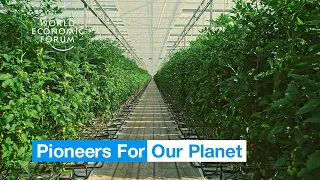
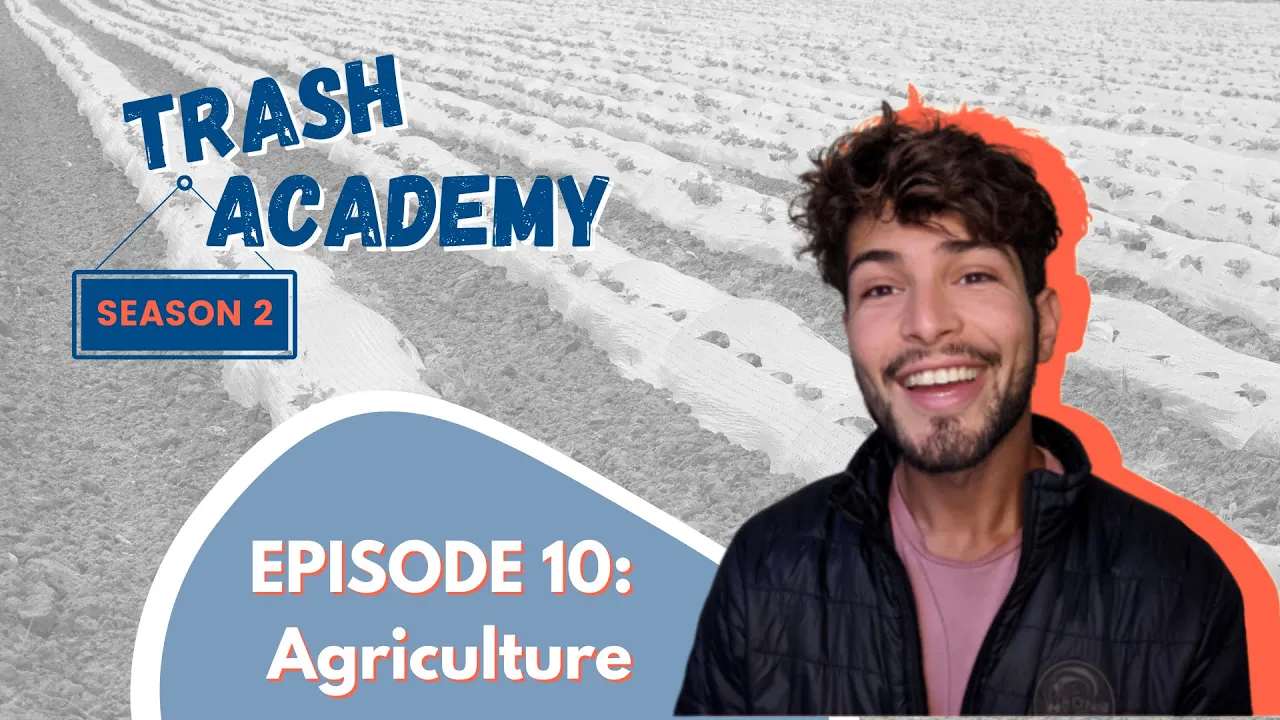
Hey everyone and welcome back to another lesson of Trash Academy My name is Eliseo and in today's lesson we're going to be talking about agriculture one of the many sectors where we find plastic Okay so why use plastic in agriculture? Well growing different kinds of foods such as greens, fruits and even vegetables has dramatically changed over the years and today's agricultural fields are way bigger and are often found in climates that only allow for certain kinds of foods to grow but plastic has definitely changed all of that. Now one single trip to an agricultural field will make you realize the amount of plastic that is actually used to grow all of our food way before they actually ever hit supermarkets all around the world wrapped in plastic.
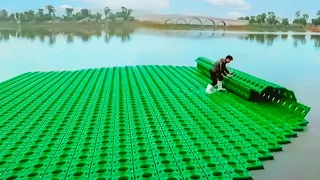
From irrigation pipes and lines to plastic sheets lining fields there's no denying how much plastic has become a huge part of agriculture. So why do we use plastic in agriculture? Well the most common types of plastics that are used in agriculture are actually PVC and HDPE high density polyethylene and polyvinyl chloride.
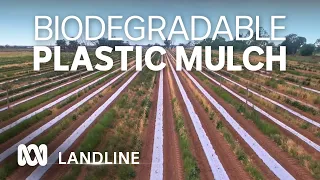
Now PVC is often used for irrigation irrigation pipes and lines while polyethylene also known as plastic mulch is said to help with weed management reduce soil water loss raise soil temperature increase your yield which means increase the amount of food you collect at the end of the growing season and it is also said to shorten harvest cycles. Now researchers estimate that plastic mulch polyethylene is said to increase your crop yield by one third. Now we have to remember that plastic was first introduced into the agricultural world in the 1950s and global plastic film used on farms was expected to reach 6.
7 million tons by 2019. That's almost two percent of all the plastic that is actually produced every year. Now plastic that is used to grow crops and used on farms even has its own terminology and it's called plasticulture.
While plastic mulch may help increase productivity when being used in agriculture polyethylene plastic film is most often not recycled. Now U. S.
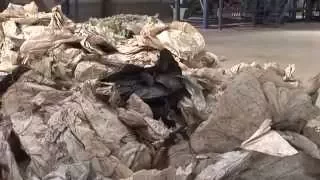
agriculture uses 1 billion pounds of plastics annually and plastic mulch makes up about 40 percent of all the plastic being used in the agricultural industry. Now one thing to remember is that plastics that are used on the farm are typically expensive and difficult to recycle as they often contain fertilizers pesticides and soil that can make up to 50 percent of the plastic's weight. It makes it extremely inefficient and time-consuming for local recycling centers.
Now one thing that may be a little bit surprising is that plastic mulch can only be used once then it has to be replaced seasonally which amounts to huge waste management issues for local agricultural communities and surrounding environments. Plastic pollution is complex and there's no one quick fix that will solve this issue. 5 Gyres is continuing to explore the different sectors to work towards target solutions.
And to be successful we must all work together policymakers, innovators, corporations activists, scientists, and individuals. Follow along and join the movement at @5gyres Now I want to thank all of you for joining us once again in Trash Academy. My name is Eliseo and I hope to see you all real soon.