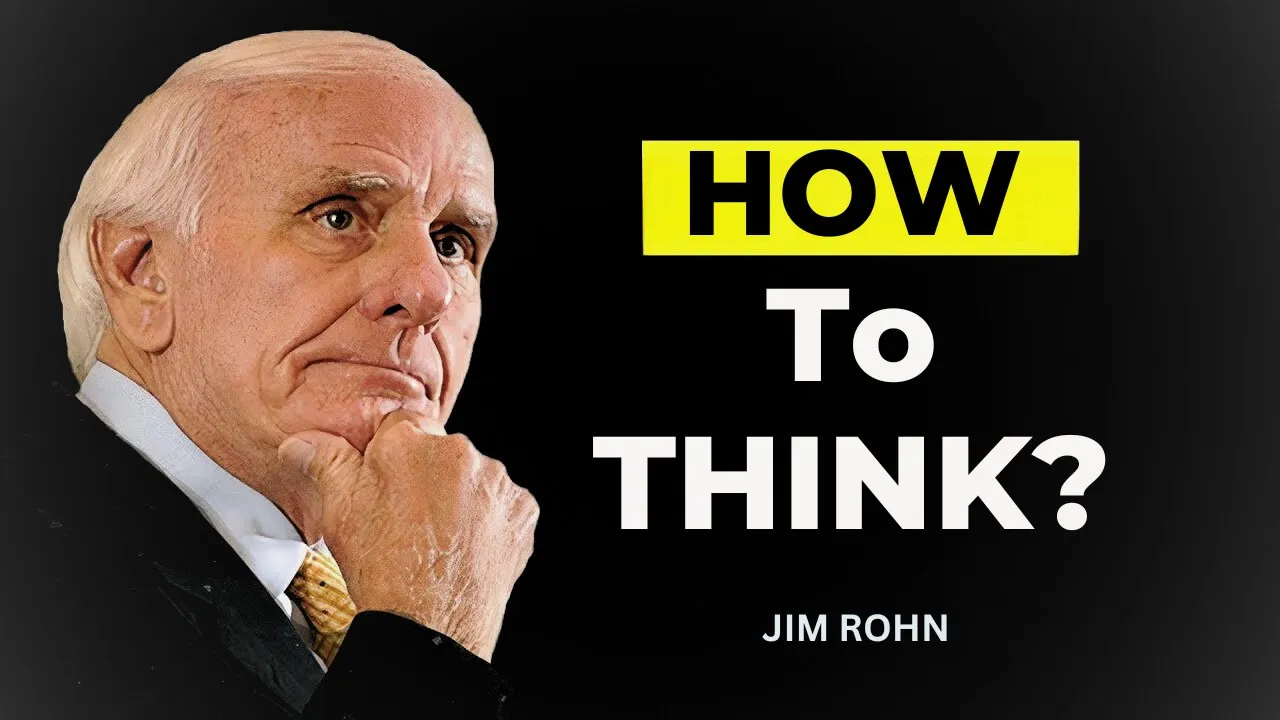
Most people assume thinking just happens. They wake up, go through their day, react to situations, and believe that's all there is to it. But real thinking, the kind that leads to success, is a skill, and like any skill, it must be developed with practice.
I remember a time when I thought I had all the answers. I worked hard, but I wasn't making progress. One day, Mr Show asked me, "How often do you sit down just to think?
Not react, not worry, but actually think deliberately and deeply? " The truth? I wasn't.
I was too busy running in circles, doing the same things, expecting different results. Great thinkers, successful people, set aside time to think. They ask better questions: "How can I solve this problem?
What's the next opportunity I'm missing? What can I do today that will improve my future? " When you train your mind to think critically, creatively, and strategically, you start seeing solutions where others see obstacles.
It's like a muscle; the more you use it, the stronger it gets. Start by setting aside even 10 minutes a day. Write down your thoughts, challenge your assumptions, expand your perspective by reading and learning from others, because the better you think, the better you live.
And if you don't take control of your thinking, someone else will. If you want to rise above average, you must shift your focus from getting to giving. I'll never forget when my mentor asked me, "How many people's lives are better because you're in it?
" That question hit me hard. Up until that point, I had been focused only on my own struggles, my own financial worries. But he made me realize that wealth, success, and fulfillment come from solving problems for others.
Think about the most successful businesses; they exist because they serve people. They solve problems. A struggling salesperson thinks, "How can I make more money?
" A successful salesperson thinks, "How can I help more people? " That shift in thinking changes everything. The moment you start asking, "How can I create value for others?
" your opportunities will multiply. The more people you help, the more doors open. Whether it's in business, leadership, or personal relationships, the law is the same: your impact determines your income.
If you want to move beyond average, start thinking about how your work, your skills, and your knowledge can make someone else's life better. The more you give, the more you grow; and in the end, your success won't be measured by what you accumulated but by the difference you made. Most people want success, but they want it now.
They want wealth without patience, rewards without effort. But real success doesn't work that way. If you only think about today, you'll keep repeating today's struggles.
The secret? Learning to think long-term. I remember a time when I was struggling financially.
I wanted quick fixes, higher pay, better opportunities, an easier way out. But my mentor taught me something powerful. He said, "Don't just ask what pays you now; ask what will pay you for life.
" That changed everything. Short-term thinking says, "I need money today. " Long-term thinking says, "How can I build skills that will make me valuable for years?
" Short-term thinking says, "I don't have time to read. " Long-term thinking says, "If I don't learn, I'll stay stuck. " The healthy, the successful, the extraordinary—they plant seeds today that will bear fruit tomorrow.
They invest in knowledge, relationships, and habits that create a future of abundance. The average person lives paycheck to paycheck, but those who think long-term build a life of financial and personal freedom. Don't just think about what's easy now; think about what will make your future extraordinary.
There are two kinds of people in the world: those who solve problems and those who dwell on them. And let me tell you, the difference between success and failure lies right there. I once worked with a man who always had an excuse for why things weren't working.
If sales were low, he blamed the economy; if his health was bad, he blamed genetics; if he wasn't making progress, he blamed his boss. He spent all his time talking about problems but never once did he ask, "What can I do to change this? " Now, compare that to another man I knew—same company, same challenges, but a completely different mindset.
When sales dropped, he asked, "How can I bring in more clients? " When his health declined, he said, "What daily habits can I improve? " When things got tough, he got better.
See, the problem dwellers focus on what's wrong, what's unfair, and what's stopping them. The problem solvers focus on solutions. They ask, "What's within my control?
" And that's the key. Life will always hand you problems—unexpected bills, difficult bosses, failed plans—but what you do with those problems determines your future. You can sit and complain, or you can take action.
And the people who take action? They're the ones who rise above, while the others stay stuck exactly where they are. Most people use "what if" thinking the wrong way.
"What if I fail? What if people laugh at me? What if it doesn't work?
" They let these questions paralyze them, keeping them stuck in fear and hesitation. But let me ask you: what if you flipped it? I remember a time when I was just getting started, unsure of my future.
I could have asked, "What if I never succeed? " But instead, I asked, "What if I could double my income in the next 5 years? " That one question changed everything because it forced me to think differently.
See, the right "what if" questions open doors: "What if I could learn a skill that makes me invaluable? What if I could build something that creates wealth for generations? What if my best days aren't behind me but ahead?
" These kinds of questions stretch your thinking; they push you to find. Solutions take risks and move forward. If you let fear drive your "what if" questions, you'll stay small.
But if you let vision drive them, you'll start seeing possibilities you never imagined. And when you start acting on those possibilities, that's when everything changes. If you want to expand your thinking, you've got to expand your mind, and there's no better way to do that than through reading and learning.
Someone once asked, "What's the first step to changing your life? " My answer: change what you feed your mind. I remember when I first got serious about success; my mentor told me, "Go get a library card.
" I thought, "A library card? What does that have to do with making money? " But he knew something I didn't: wealth starts in the mind.
He said, "Read the right books, and you'll start thinking the right thoughts. " And he was right. When I started reading, everything changed.
I studied success, leadership, business, finance—subjects that rewired the way I saw the world. Books introduced me to ideas I had never considered, strategies I had never thought of, and possibilities I had never imagined. The average person reads one or two books a year, but successful people devour books because they know knowledge is leverage.
A single book can teach you what took someone 20 years to learn; a single idea from a book can make you a fortune. If you want to expand your thinking, start reading. Feed your mind with wisdom, and soon you'll start seeing opportunities you never saw before.
That's the beginning of transformation. Most people look at success and think, "That's for someone else. " They see the wealthy, the accomplished, the leaders, and they assume those people had advantages they didn't: better upbringing, more connections, more talent.
But here's the truth: every successful person once stood where you are now. The difference? At some point, they asked themselves a powerful question: "Why not me?
" I remember working at a regular job, making pennies, watching others succeed. I thought success was for them, not for me. But then I met a man who changed my thinking.
He asked, "Do they have two brains, four arms, a secret advantage you can't develop? " Of course not. The only difference was how they thought: they believed they could, so they did.
And that's the mindset you need. If someone else built a fortune, why not you? If someone else created a great business, why not you?
If someone else became a leader, changed their life, made an impact, why not you? You don't need permission. You don't need perfect conditions.
You need belief, action, and persistence. The moment you stop making excuses and start asking, "Why not me? " you open the door to a new future.
The only thing standing between you and the life you want is the mindset you choose today. Who you spend time with will shape how you think. It's unavoidable.
If you're around people who complain, make excuses, and see problems everywhere, guess what? You'll start thinking the same way. But if you surround yourself with people who challenge you, inspire you, and push you to grow, your thinking will expand in ways you never imagined.
I learned this lesson early on. There was a time when my closest circle wasn't helping me grow; we talked about the weather, how unfair life was, about why success was out of reach. But then I started spending time with people who thought differently—people who saw opportunities, people who talked about ideas instead of excuses—and suddenly my own thinking started to change.
Successful people think differently because they associate differently. They seek out mentors, they read books by great minds, they have conversations that stretch their thinking. If you're the smartest person in your group, it's time to find a new group.
If your friends aren't talking about success, personal growth, and new possibilities, it's time to add new voices to your circle because your future is being shaped by the people you think with today. Choose wisely. The way you talk to yourself determines the life you build.
Most people don't even realize they're trapped in a cycle of negative self-talk. They say things like, "I'm not smart enough," "I'll never make that kind of money," or "I always mess things up," and over time, those words become their reality. If you keep telling yourself that success is out of reach, that's exactly what will happen: you'll never reach it.
But here's the truth: the mind is like a factory, constantly producing thoughts, and if you don't control the production line, it will start manufacturing doubt, fear, and failure. I used to struggle with this myself. When I was young, I would catch myself saying things like, "I'm just not lucky," "Maybe I'm not meant to succeed," and guess what?
My results reflected those thoughts. But then I realized something: if I could talk myself into failure, I could also talk myself into success. Instead of saying, "I can't," I started saying, "How can I?
" Instead of thinking, "I'm not good enough," I told myself, "I'm learning and improving every day. " And slowly, my mindset shifted. And when the mindset shifts, everything shifts.
So pay attention to how you speak to yourself. Your words are planting seeds in your mind, and those seeds grow into habits, actions, and results. If you want a better life, start by speaking to yourself like someone who deserves it.
Success isn't just about working hard; it's about thinking smart. Many people stay busy yet never make real progress because they lack strategic thinking. They react instead of planning; they chase opportunities instead of creating them.
But the ones who win in life are the ones who think ahead, anticipate obstacles, and position themselves wisely. I remember a time early in my career when I was struggling to make ends meet. I was working hard, putting in.
. . Long hours, but I wasn't moving forward.
Then I met a man who asked me a simple question: "What's your long-term plan? " I didn't have an answer; I was just trying to survive. And that's the problem: most people only think about today.
But if you want to change your life, you need to think 5, 10, even 20 years ahead. Strategic thinking is about looking beyond the moment. It's about asking the right questions: Where do I want to be in 5 years?
What skills do I need to get there? Who do I need to learn from? The successful don't just hope for a better future; they design it.
If you don't have a plan, you're at the mercy of circumstances. But when you master strategic thinking, you take control. You create a roadmap, and with a clear destination in mind, success is no longer a matter of chance; it becomes inevitable.
So here we are at the end of this journey together, but let me tell you something: this is not the end; it's the beginning—the beginning of a new way of thinking. Because if there's one thing I want you to take away, it's this: your thoughts shape your life. The difference between success and failure, between wealth and struggle, between happiness and frustration—it all starts in the mind.
The average person drifts through life, reacting to circumstances. But the successful, they take control. They think ahead.
They develop their minds like a craftsman sharpens his tools. So let me ask you: what are you going to do with this knowledge? Are you going to let it inspire you for a moment and then forget it, or are you going to take action?
Start today. Challenge your thoughts. Pay attention to what you say to yourself.
Surround yourself with people who make you think bigger. Read the books that will stretch your mind. Plan your future with intention.
And most importantly, don't just think—act! Because thinking alone won't change your life; it's thinking combined with action that creates transformation. If you got value from this, share it with someone who needs to hear it.
And if you're ready to take the next step, commit to making this the moment you change your mindset forever. Because the future isn't something you wait for; it's something you create.