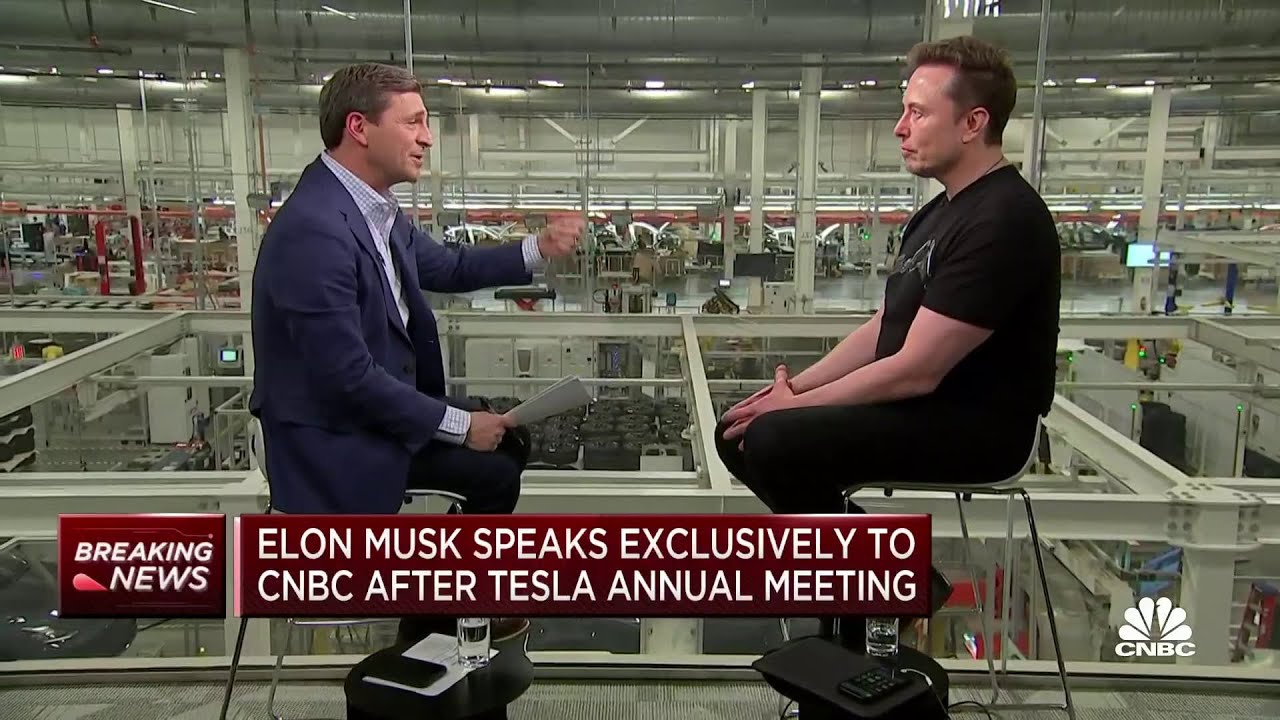
welcome to a new episode of opening bid I'm Yahoo finance's executive editor Brian sazy this of course is the podcast that will make you smarter about investing stocks and you know what maybe even life normally I would do a stock of the day here but I want all time to go to our feature interview that is John Murphy Bank of America's senior Auto analyst John good to see you in person been reading your notes for for eons so good to see you has been thanks for having me Brian yeah of course welome welcome to the
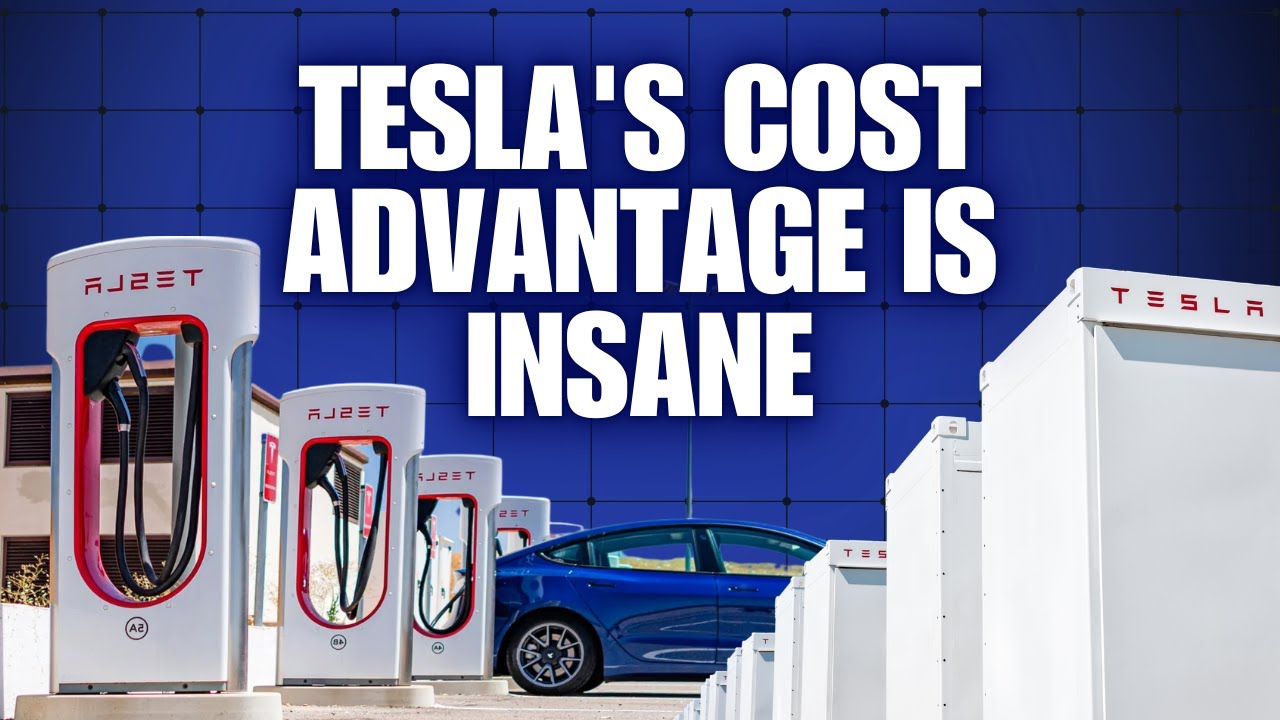
NASDAQ so you're full on on Tesla you've covered Tesla for a while and what caught me amongst many things notes we'll pick apart your analysis and you're covered to the company Tesa is about to enter its second wave of growth what does that look like to you so I mean I think um you know it's the new core to Future uh company and it sounds kind of weird because we in our comment we have this framework of core to Future and basically leveraging the ice business in the truck business to fund the future which is
Av and EVS uh Tesla is obviously at that next level with their EVs and their AVS to some degree um and what you're seeing is this this this real wave of core being sort of new products that are coming next year as well as some beyond that that are funding the future and what we just saw was um you know gross an improvement gross margin that's helping fund this future so I think what we're seeing is the evidence uh of funding of that that future and the future um is cyber cab nextg nextg models um
potentially uh full self full self-driving sooner than people are are thinking uh as well as potentially the the robotics um you know that they they've shown at the at the at the robo taxi day um as well as uh energy storage so you think about that there's kind of a you know a a you know soup of things there um and when you think about a stock like this there's this huge opportunity curve out there um or Frontier of all these things that can go right potentially for the company and then you have this very
strong core that's developing right now that's funding that so um The Wave is going to look like many many different things um it may take many different shapes as as we progress through the next few years this for a hotman you ever seen a company like Tesla before i' I've been doing this for over 25 years I've never seen a company like this before um no it's it's pretty uh it's pretty impressive and I think when you look at um what this you know what's going on at Tesla you know you have I mean it's
not Tesla but you have Elon um with SpaceX and everything that's going on Tesla and xai and um I think we have a real innovator whether you like him or not um that is really kind of shocking the world and bringing a lot to the table and you know we've had a lucky run here with Tesla with almost free cap for you know the better part of of a decade so he's been given tens of billions of dollars um but the reality is he's done something really uh amazing with it and is really uh pushing
the envelope um which I think is going to be great for Humanity over time hopefully hopefully Americans and someone has covered this company literally I I guess Dave from ground what is it about Elon how is he able to to surprise Wall Street and deliver I I would say very surprising third quar but I would say a surprising year and then come out with things that most people thought wouldn't even exist exist well I think the answer no doesn't exist for Elon if it's uh possible at all he pushes forward and I think there's a
very important thing that the other companies uh face and it's a constraint on on Capital and that really um that really is important I mean when you're focused on profits and returns in the short run you can of often lose focus on sort of the one to 20 year vision and what you really need to do to drive those earnings going forward and and new products new products going forward so I think with the the luxury um of his uh I mean his his celebrity to some degree um as well as his intelligence um as
far as getting things done and and and dreaming about them it really provides uh you know an opportunity that other companies don't have and they get Mulligans that other folks don't I mean you know FSD has had some issues um you know El really be a perfect El's got some of his own issues but when you look at um you know Cruz at at GM I mean they had one you know unfortunate event that was handled horribly from a PR perspective um but they got put in the penalty box had that happened to Tesla probably
would have handled been handled better from a PR perspective but um you know they would have blown they would have blown through it so um you know so there's there's a lot of things that are that are going on there but the answer no doesn't exist and the idea that uh you have to hit certain profit return hurdles in the short run um they're unconstrained from in a in a significant way which is very important for you know long-term value creation I want to go I'm going to we'll go more into Tesla but I've had
some time I've been able to spend some time this year at Mary bar CEO of General Motors they had a good quarter they're doing lots of things electric vehicles why isn't there that it doesn't feel like there's that excitement around what GM's doing I mean I like some of their EVS they're nice the cat lur I that's a nice that's a nice ride you know they're they're they're pumping out great product right now I mean even even the Equinox uh you know mid $30,000 EV uh we got to drive it in Tennessee a couple weeks
back and a really uh really great product um you know they're doing all the right things uh but the reality is they're constrained by sort of this view that they are an a pure auto company which is largely what they are um they're encumbered by a bad business in in China now I mean we've been saying for years for that something has to be done with that we've been saying for um you know for years now that they they should they should exit China there's you know we could go we could spend hours on on
sort of the geopolitics um and Industrial strategy there that would have driven that uh should have driven that decision year years back um but they've got great stuff uh with with the ulum platform with Cruz um you know OnStar has been a great product for them that they've they got a check from me every month yeah well they've never been able to really really monetize and in a way that they should and I think there's another thing that the the the core companies particular like GM don't understand I and I I said core to future
for for uh for Tesla but for a company like GM right there's the core North American Truck business where they make you know the large large majority of of their money but there's also this opportunity in working with their dealers and this gets into the mundane but it's very important because it could generate tremendous amounts of earnings and cash flow where if they worked harder in maintaining the lifetime uh customer relationship in a way that they don't usually they lose a customer after 3 to four years out of their dealerships um they could monetize these
vehicles for a much longer period of time simple stuff like parts and you know parts for parts parts and service and then lifetime subscriptions and other things that they could participate in over time the dealers could probably double the triple their profit take and GM would have a very a very significant uh Vig off that if you will or or or or or or or or Sheriff put it put it put it put it in real terms um Tesla is getting this right they're building their installed base and they're maintaining that relationship with a customer
now I don't think you need to disinter dealers you actually want to leverage them in a in a very significant way but Tesla is set up to hold on to that lifetime customer relationship in a way that that GM for and the other incumbents probably could but they haven't quite gotten there yet so once again on the core side of the business Tesla is doing something that is probably a lot better than what the incumbents are doing the incumbents could do it as well though so you have a buy rating on Tesla did it Blow
past your price Target already well it's moved a lot in the last two days so so it's it's moving quickly um you know I mean we're going to have to reassess things as as as the stock the stock takes off and part of our thesis on on Tesla is their access to lowcost Capital uh so you know the reality is if they raise 10% um you know if they did a 10% Capital raise right now it you know would be a bit deluded I but I think shareholders would share it you raise 80 to 90
billion dollars of of capital that you could put on your balance sheet to execute on all these these opportunities so it is almost a autocorrelated um you know Financial instrument in a way that if you just you know if you use it and leverage it you really can you know accelerate growth I want to try to go line by line on your call I mean I always read your notes but cyber truck and the semi-truck I thought these were Niche products they're they they still well for the moment they're Niche because they're they're they're small
volume but they could become big bigger that was my take over time and you know I this is this is going to be a very weird thing on on on the Cyber truck uh cybertruck is is depending on your taste a little bit different looking I I'll I'll I'll leave it at that uh what's very interesting about about the Cyber truck is um there are wraps on these Vehicles right that take it from I've seen I've seen wraps all orange blue WPS some of them are a little bit more mundane and make the vehicle look
really good I mean those things might like you make the vehicle look good depending on your taste but when you you know look like a you know a Reynolds Wrap you know vehicle you know rolling down rolling down the street you know some people like that most people don't but these wraps that they're also starting to sell with the vehicle um make it look a bit more normal so it becomes a little bit more mainstream so I don't think we're going to be looking at something that's like an 800,000 unit pickup truck run like Ford
does with the the F series does this thing rival the F series no no I think I think I think you're looking at a very good product that maybe gets to 100 maybe 150,000 units um in the next one to two years and then burns out like all all prod product does over time but that's far better than we were we were thinking I mean we were kind of limiting it at 50,000 I thought this was going to be owned by like a Bitcoin owners you know well quite a few Bitcoin owners do own it
so I mean that's kind of the way way it had way the way it has gone um you know on the semi side that's still a TBD I we're going to we're going to see some volume ramp up next year but it really won't won't hit um real volume until 2026 and there's a lot of debate on whether you really should be electrifying um you know semis and and and sort of could you go fuel cell or does diesel actually still in a very efficient format make make more sense so I think there's a there's
a big debate there and big question mark there so the volumes on that might be relatively small too do do you really think Tesla can hit that what they came out with 20% to 30% volume growth protection for next year that's huge and I think it shocked everybody we we've we've got about a 17 to 18% growth rate so we're 2.1 million units I in in in the model um I think you're going to need to see these new models launch right you're going to need to see uh derivatives of the 3 and Y they're
lower price point we've had a a long a long take that you need to create or democratize uh the EV to increase volumes so people can buy them at an affordable price and actually have a better cost of ownership so I think that's going to be incumbent um and that's going to be necessary to get to that that growth rate um even our 17 to 18% so we're taking this the slight the slight under on that um but the reality is you're going to put another you know couple hundred thousand units on the road more
on a year-over-year basis another 2.1 million units incrementally that may create incremental Revenue over time to you um whether it be FSD or whether you actually get um you those Vehicles into a a cyber cab Fleet if you will um that you know could generate even even more money over time but that that's that's a little bit farfetched next year but I mean the idea that you're going to have new product is is going to be key to driving that growth every analyst is different have you ever picked apart one of these cars like I
know analysts sometimes do like tear Downs of cars we we so we for for over 20 years we've done something called who makes the car right so we've picked apart sort of a generic car if you will about 7 years ago we started doing it for a generic EV using uh the the model 3 and the X uh and model 3 and the Y I should say um as sort of a core so we haven't done it physically we've done it sort of virtually um and it's you know it's it's trying to estimate and understand
the different component costs of the vehicle and right now uh on a generic vehicle you're probably looking about a $10,000 EV hickey on a bill of material versus an ice vehicle Tesla is probably somewhere you know probably 50 to 60 % of that so they're they're much further along than than other folks um they're doing they're doing a great job interesting all right uh hang with hang with John we're going to go off for a quick break we're going to be right back on opening bid all things Tesla the future of Tesla and maybe the
future of Tesla stock we'll be right back all right welcome back to opening bid having a really fun chat uh on all things Tesla and cyber cab so they have this event Elon holds this event we saw something what was a car it wasn't something thing drive by itself and went to a destination are you a big believer that this country is going to be filled with cyber kebs so I think autonomy is something that is uh far more important than people are are are realizing um there's the simple side of this which is the
robo taxi fleets that I think the Cyber cab will Pro probably play an important role in but to be a a a selfish uh New York Centric New Yorker uh which I've been for my entire life um you know we've done a lot of analysis this on New York City and there's a little over 13,000 Yellow Cabs here uh in New York City they drive about a billion miles a year right so if you think that you can get your cost per mile lower than them or a human driver that's you know less than a
buck a mile I think you and I would be happy to pay two bucks a mile uh $25 yeah I know I mean you know the C the cost of moving around New York City is incredibly high and you're going very slow um but you know but if you could take that down and undercut um you know taxis and iers and lifts dramatically you could have a business model I mean whether you pick two three four five bucks at each dollar above a dollar $1 so if you do $2 you're doing a billion dollar year
a year at an Eid there's actually room in New York City it's hard to believe um around 4:00 in the afternoon late in the evening and the in the outer Burrows right being a you know kid from the outter Burrows um you know there is a need for transportation there so if you could go out and you could say listen I'm going to help you with your underserved community that is hard time getting to work and getting their kids to school and I'm going to charge them two bucks a mile which is a very efficient
way at lowcost way to get people uh around there's a huge opportunity in major cities that's the easy part I think the more interesting part and this is something that has not happened uh for almost a 100 years is the speed of travel in vehicles needs to go up and the fundamental utility of this industry which most people don't even really think about is to get from A to B quickly and the reality is that has not changed for the better part of the last 60 years since 1956 when when we had the um the
interstate highway act put in place that's when we had um high-speed uh travel U increase or improving dramatically take it back even a little bit further to the 1910s when the uh when the Model T came in into sort of full effect and was pumping out millions of of units a year public transportation really ramped up people could move farther and faster and spread out so that's kind of the the precedent if you think about New York City once again to be New York Centric uh in 1910 the population was about 2.3 million folks as
people could move out it dropped to about 1.6 million in the following decades and has never grown since because people could move in and out quickly that was uh that was brought to bear by Autos uh and public transportation that it hasn't but it hasn't increased since then so the reality is autonomy if it is successful and a vehicle can't hit something else uh the safety level has gone up so dramatically that that the speed of travel should be allowed to be increased and there's kind of this this um sort of ongoing uh sort of
Governor from from governments that limits your ability to create incremental value for the consumer it's called the speed limmit I mean getting in a Honda Accord and a Mercedes S-Class you're getting to the same place at the same amount of time well I've got a big gas cler with 500 horsepower why do I start to go there you go well if you could drive if you could drive you could drive faster sa but the but the reality is people start spreading out and a lot of the real estate in the country that is underused could
could actually be utilized and you could create this great economic growth think about what just happened in China over the last 10 to 15 years although the economy is is slow uh at the moment the reality is the growth in the Auto industry and the increases speed of travel for their society drove a significant part of the high singled digit GDP growth we wonder why we're stuck at 2 to 4% GDP growth hoping for 4% someday uh in in in the US and the reality is people can't move around faster farther in fact actually the
speed of travel is coming down because um because traffic uh is going up the reality is if somebody could travel 50% or 100% as fast or double the speed of travel their capacity utilization on the road gets cut in half and it creates more space I mean there's all sorts of things you can do here but autonomy I think Beyond Robo taxi has to be something that is thought at sort of the federal and and state level as to what you can do with it and creating dedicated high-speed lanes for these highspeed vehicles we have
precedent for that on H HOV um really could change the Dynamics of of um sort of the economy and Society right the more people move around and see each other they realize they're not different um that help helps you know from a social perspective as well blow some mind so there's some real opportunity from an economic growth structurally and societal benefits um that we get off the internet and and see each other um that could be a huge benefit as well so you're looking for over 20% earnings growth for Tesla next year in 2026 in
either one of those scenarios that include any type of money from from a fleet of Robo taxis at Tesla um implicitly there's a there's a little bit of growth there but basically if we think about sort of earnings uh in roundhouse numbers um in 22 we were uh at four bucks last year were three bucks this year it's going to be about two bucks and we go to three and four bucks in the next two years you're not getting a huge lift um until you get into into the out years from a cyber a cyber
cab Fleet I mean 26 is when any volume would would come out um so I think that it's it's kind of more it's more in the out years uh from from a stock perspective when you see a stock kind of bottom out in earnings revisions and start you know it starts going up and the earnings start growing that's usually when stocks start working so that's um it's going to be an interesting time for the stock for the next couple years so if Tesla's coming out with a a robo Fleet I me what does that mean
to an Uber what does it mean to a but what does it mean to a General Motors and a Ford this is it strikes me as big a big structural change coming to how we live our lives so I think it's a huge challenge to all the competitors whether it be the fleet managers or the the other manufacturers uh I think to your point earlier Mary bar doing a great job I think Cruz is going to be relatively competitive um you know other than that one snafu um they've had other snaf food but that bad
handling of that that that accident um I think they they'll be in the race with them with t weo um Cruz there'll be a couple other players that that come in Ford's got to really you know catch up pretty dramatically um I think it means a lot in City centers as I as I as I as I mentioned before those companies at least the the D2 or the D3 however you want to Define Atlantis these days um don't play that big in City Center so it's not an immediate threat to them but if we get
into that world that I just talked about about increasing the speed of travel um it is going to it is going to be a real is going to be a real risk for them and it's something they're going to really need to think about people might need less Vehicles people might decide not to share their vehicles and have these these personal vehicles um we could spend hours about uh the efficiency of of the asset utilization which is no as near as bad as the Bears would think it's actually uh reasonably efficiently used um the asset
itself but um I think they're going to have to do a lot of work in catching up in in Tech and I think the one thing once again getting back to the core of the D3 is they really need to lean back on their truck franchise because that's where they make all their money in this cyber world I don't think you're going to see a big change uh in large pickups and probably large large SUVs um they might be augmented by this Tech but the use case there of actually using the the trucks for you
know business for hauling um that's not going to change much are you a big believer in Tesla monetizing humanoid robots listen I you know I travel a lot for work and if I could have a clone back here uh and you're taking care of my kids and running around and doing a lot of other work for me I I I would love it so and I might pay a lot of money for that so I know I do think there all joking you side I do think there's an opportunity there for for that that kind
of service um I think there's a a question over time with the robots and on the self-driving side do you really need to get real AI working or could you uh lowcost country Source the operation of the these these uh robots and vehicles and remote control them for a while at very very low cost so I think there is an opportunity to do well listen holy listen well listen some of this stuff is is happening right now I mean anything that's um you know that's an autonomous vehicle fleet has a a god function as I
call it where there are they're being remote monitored and if they get in trouble they're remote driven out of that the situation so there is um you know there is some of that stuff that's going on right now um listen I think there there's a there's a huge there's a huge opportunity there menial tasks um you know repetitive tasks can be uh robot robotized if you will o over over time and I you've seen that in a lot of manufacturing plants I've been in plants for more than 25 years and there's a lot of R2D2
like robots like carrying Parts you know stuff a lot of it does exist and you don't need it necessarily to be humanoid so the the humanoid side of this um for Optimus is is is a bit intriguing and that I think would get involved into involved in people's sort of daily lives as opposed to manufacturing because I don't believe that you really need the the humanoid robots um quite in the same way um you do is the existing robots in in plants to to manufacture 10 years from now where's Tesla like what does this business
even look like to you you know I think there'll be very they're very significant multiple streams outside of Auto if you will I mean I you know I think uh Optimus and and whatever the derivatives are are probably a big part of it energy storage which we didn't talk about which is a little bit outside of the The Wheelhouse for a dumb autoing almost like myself um but I just don't like talking about like what Solar City I don't know just solar well solar there's Solar City but then there's the the storage and sort of
the flow off of what you're doing with batteries and and managing we're going to have to have you back just for like a 24 minute combo on batteries well yeah there's there's there's lots of stuff there and we have a great analyst Juno who helps us out with that cuz I'm not the battery chemistry analyst there there you go there's a plug for June ho um very good analyst um so I think as as as you know as you look at this you you have robots you have energy storage you've got you know auto core
and then you have Auto uh autonomous um and you'll have you know many other things that that get developed out of out of Tesla over time that sort of is you know it's elon's launching pad um and then TR generating billions of dollars of capital to to fund it you know in the M two minutes we have left um this is obviously not a political um podcast is not really not what we do here but if Elon if there is a change in the White House and president Trump wins and Elon goes to run Doge
or Department of government offici like who is his number two and who who runs who runs Tesla um you know I think Elon will be forever uh intertwined in Tesla um I don't think there's um really a number two that I I would point to that uh would would replace him or really could replace him so I think he will still be heavily in involved with with with the company um I just don't think there's a there's a day where where he won't be involved um you know to the other side of the equation of
of the opportunity said of Elon getting involved in the government you could um run National regulations on on autonomy which I I agree with him actually could be very interesting because then we could have more may we drive faster and developing this yes and save time um which is you know I mean you know the average person spend seven to eight years of their life in a in a vehicle so if you cut that in half you get three to four years three and a half to four yearsun back you pay a lot of money
for that kind of stuff that's you know I mean that's you know a lot better than an S-Class if you get something that could actually you know drive that fast um but I mean I think there there are real things that um could be very interesting from a from a federal standpoint um that he that he could get involved in and I think the thing we have to remember about this industry is there are a lot of geopolitical um implications for the Auto industry it's 4% of GDP here it's north of 15% in China it's
somewhere in the middle uh in Europe um we saved uh GM and Chrysler out of bankruptcy or ran them through bankruptcy 08 09 for a reason to save jobs but also save the industrial manufacturing base and also because it is how we all get around um you know it's wildly more important than I think people really give it credit for and they often like to mign it as a dirty emissions generating you know bad industry and in the reality the the public good that is created by this industry is is pretty wild follow this guy's
work I you made the auto automotive Hall of Fame last year right did I as an industry influencer yes all right congratulations on that I mean it's not AER you get to talk to a guy like John Mory covering Tessa appreciate your time always love talking to the BFA team Bank of America's senior Auto analyst John Murphy good to see you we'll talk to you soon thanks Brian all right and that's it for the latest episode of opening bid uh opening bid I should say I'm so excited about this episode I can't even get the
words out of my mouth uh Like Us on YouTube hit us with those five stars on Spotify and apple uh we appreciate the love we feel the love and encourage us to do even more great work like this we'll talk to you soon