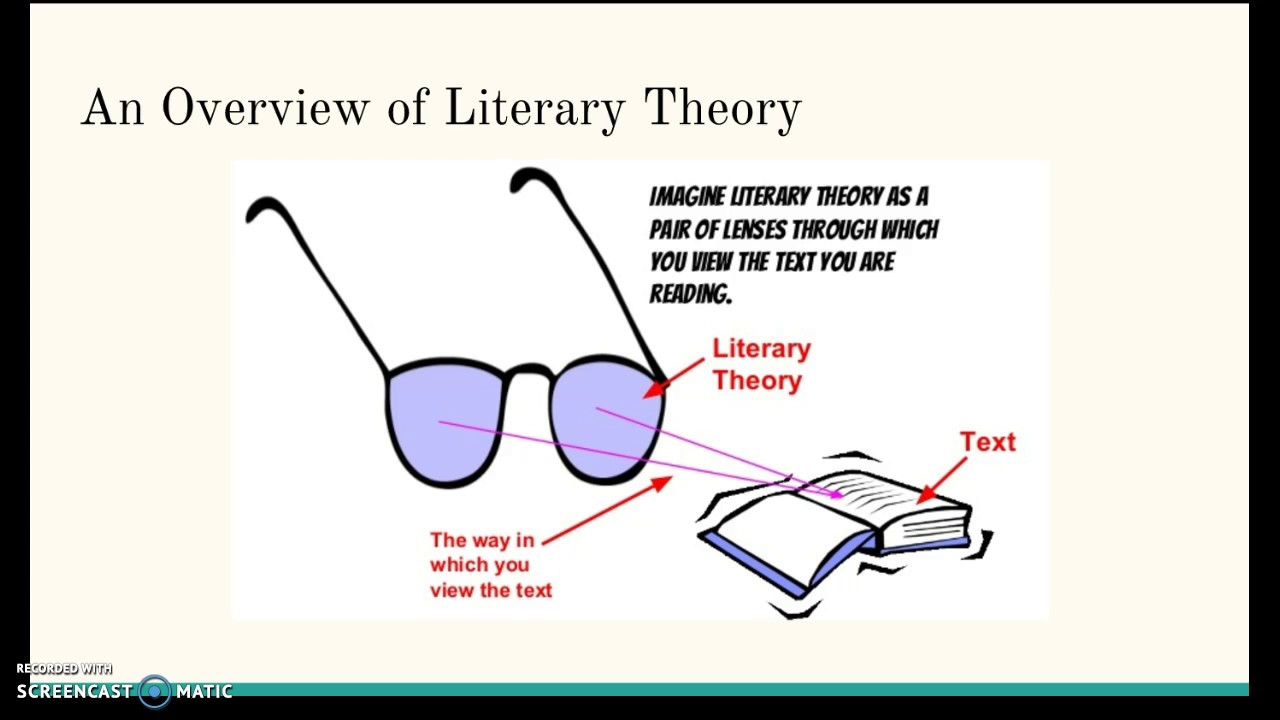
so in college we had a nickname for our literary theory and criticism class boot camp and that's because well it was really difficult but also because it equipped us with everything we needed to be successful English majors in this video I'm going to introduce you to those same core skills so that you can analyze just about anything so first off what is literary theory and how do you use it well it's hard to talk about theory without having something to theorize about so let's take a movie twenty-seven teens Wonder Woman now you could watch this
movie and not do any analysis of it and really enjoy it from an entertainment perspective however if you want to dive deeper into the movie and maybe try and pull out some additional meaning you have to turn to analysis and the easiest way to analyze something is through theory for instance you could look at the mythology that went into the lore of the characters and the world you could look at the history of World War one you could look at Gender Studies and how in a certain scene the sexualization is actually of the male lead
not the female lead you could compare to other superhero movies and how they performed accordingly you could look at past Wonder Woman films or future Wonder Woman films one day and see how it lines up how things have changed and does that reflect how our society has changed and our tastes have changed again you don't need any of this to watch Wonder Woman that's the idea of literary theory as you dive beneath the surface you dive deeper into it to examine more than just what you see on perhaps a first viewing usually to do literary
fear you have to reread some things so first off as we just talked about you have concentrated analysis the other thing that literary theory allows you to do is join the conversation when you're theorizing you turn to other theorists as well so you can see for instance that people have written about William Shakespeare for hundreds of years and when you write your paper on Romeo and Juliet you're joining a conversation that spans time and cultures as many many scholars have written about that play and finally everyone has a bias and literary theory can help us
identify bias and instead of being completely turned off by them we can look at something from another person's perspective and take from it what we want and leave what we don't want or respond to it or perhaps even ignore it completely but either way knowing that all of us have a bias because we're humans it's good to try and identify those the first theory we're going to talk about is called new criticism now new criticism is a little confusing because it's actually one of the older types of literary theory but it was new at the
time and it's kind of always been called new criticism new criticism became most popular at the turn of the 20th century it's partly a product of what's called beaker Envy where the literary types were envious of the scientists and they wanted to find a way to examine things much like how you would conduct an experiment so what did they do they focus solely on the text they don't look at anything about the author's life or what year it was written or if you were practicing new criticism today you want to do any googling whatsoever you
would only look at the words in front of you in the poem short story novel or play now this can be very challenging and certainly it can be very limiting however there's some tricks to try and find some things to write about because this is still a pretty common assignment usually it's called an explication with poetry new critics love looking at tension in the text usually this is defined as binaries or opposites light and dark life and death savage and civil rich and poor whatever it might be trying to find those opposites and where's the
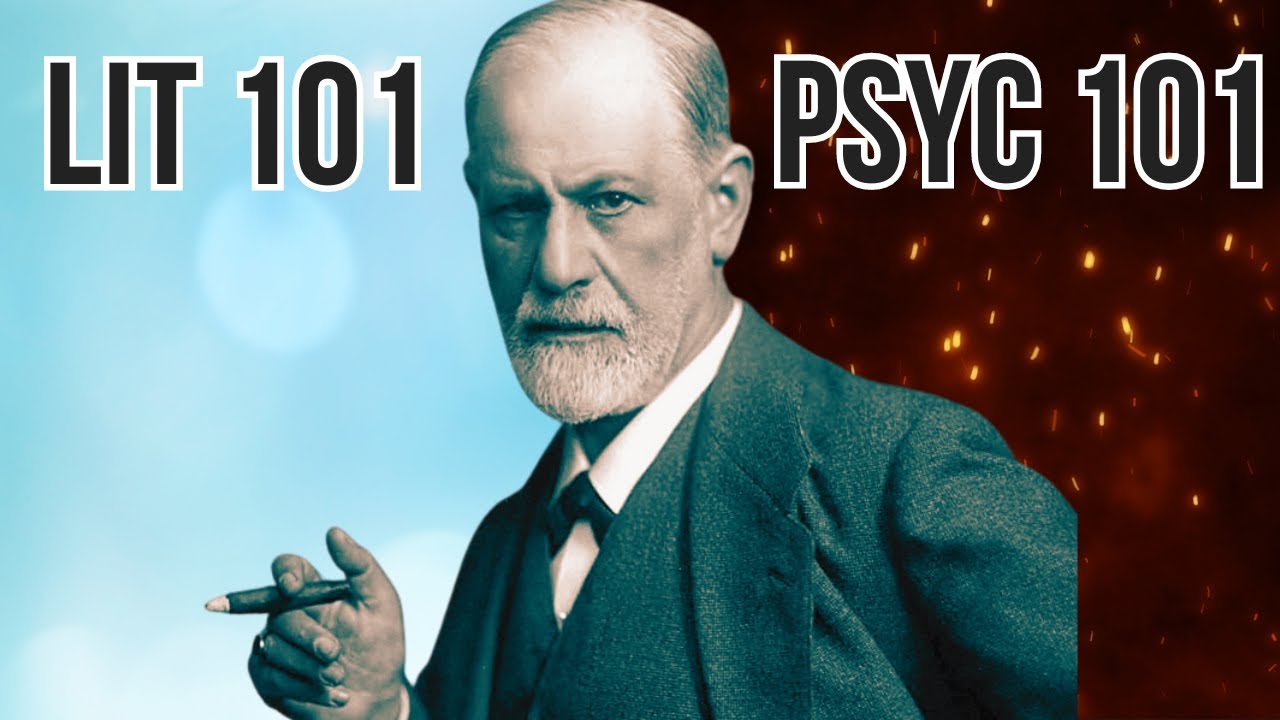
tension in the texts likewise they'll look at parallels in the text what things run together foreshadowing or callbacks to previous instances in the text so as I said earlier and as I'm sure as you can imagine this is a very limited way to look at something how it was very popular for a while and it's still a very useful exercise today when we want to practice close reading next up we have psychoanalytical criticism psychoanalytical criticism is highly influenced by Sigmund Freud and while Freud has fallen out of fashion in the psychology realm he's still very
alive and well in the literary realm and that's because Freud used literature and art to back up a number of his theories perhaps his most infamous theory of all time is the Oedipus complex which is of course named after Oedipus from Sophocles play Oedipus Rex when doing psychoanalytical criticism it's important to look at the subconscious thoughts of the characters not just what they say but what they might project what sort of things they're holding back and remission and maybe some cognitive dissonance going on in their lives this can be a very useful study for those
who perhaps are interested in going into psychology one day after all it's quite rude to just really merely try and psychoanalyze your friends or family however literary characters aren't real so it's perfectly OK to psychoanalyze them as long as what your argument is backed up by the text this can be a really fun type of criticism for students because Shakespeare writes characters who are depressed perhaps characters who have PTSD but he doesn't use those words those terms didn't really have the same meaning or even exist in his times but just because he didn't have those
terms didn't mean he didn't recognize that in people and in his characters so it can really be a way to bridge the gap between older writers and a modern audience next up historical criticism while this criticism looks at what is old it is very much a newer type of criticism and very popular still to this day there's a couple different ways you can do it you can look at the author's historical context but you could also examine the historical context of the story let me give you two examples of this if you're looking at the
Great Gatsby the author's historical context would be the 1920s the setting of the story the 1920s because he wrote it as a contemporary novel however if you are looking at Julius Caesar by William Shakespeare your authors historical context would be the late 1500s early 1600s but the characters and the settings historical context is ancient Rome and really if you wanted to do it properly you would want to look at what did Elizabethan England know about ancient Rome at that time there's also a real focus with historical criticism on multiculturalism looking at things from different perspectives
so let's say you were reading The Scarlet Letter and you took some time to examine the perspective of the Native Americans in the novel as opposed to just the Puritan settlers this would require you to dive into some history which would lead you into historical criticism biographical criticism biographical criticism focuses on the author of the text however it's not as easy as it necessarily sounds it's really really important not to draw one-to-one comparisons between the author's life and his or her works this is what's called a biographical fallacy and I have a video explaining some
biographical fallacies and a WH Auden poem if you're more interested in that but basically it's really important to remember that no one knows the author better than the author knows themself so it's important not to just come out and say oh this character is written like the author's father or the author's mother or wife or husband or whatever it might be or oh they're writing it this way because of what happened in their life at this time you have to be really really careful about drawing those 1 to 1 comparisons because oftentimes we find out
they're not really correct or very well-supported so Ben Johnson's on my first son is about the death of his first son and biographical criticism would say well he wrote this because his son died but if you read that poem it's very tempting to think that he's writing it in the throes of grief that his son has just passed away and so he sat down to write this poem when really he wrote it many many years later and it's only through careful research that you would figure out that this is long after his son has passed
away and that this is a grief that never goes away a deep unhealing grief so the opposite of biographical criticism would be reader-response criticism so instead of focusing on the author were focusing on the reader and this partly came about in the postmodern era with the famous theory about the death of the author and instead of focusing on what the author thinks of the text or what we think the author thinks of the text we focus on what the text does for the reader and this is a very useful type of criticism after all a
poem isn't really complete until it's been read I can write a poem but if I never share it with anyone it's really only half of the agreement now there's a lot of use for writing just for your own sake and never sharing it with people it can be incredibly therapeutic and helpful but since most of what we're talking about in school has been read since you know you're there reading it it's important to think what does the reader contribute to this however this isn't just what you think of the text or if it reminds you
of your own life it's what does the text and VOC in you so you could examine how other cultures read the text so for instance you might look at how in 2020 a reader sitting in London might not really be able to connect with Charles Dickens London's setting however a reader sitting in another city might very well because that city nowadays might have more in common with Dickens Sony in London then current London does you could also look at original readers what were the first reviews of novels that have big plot twists such as dr.
Jekyll and mr. Hyde and finally you could look how different age groups respond to a text think about when you watch a movie how your parents see the movie compared to how you see the movie or your children compared to you or think of your favorite movie growing up how it appeared when you are a child as opposed to when you watch it now and how things change all of this can fall under reader-response criticism and then we have deconstructionism so deconstruction is way too complicated for me to explain in a couple of minutes here
but basically it is the opposite of new criticism it's seeking to destroy binaries in the name fairness and invert situations for instance when we talk about binaries there's always one word that has a positive connotation as opposed to a negative connotation and it changes depending on who's thinking of these words but if you think up and down up positive down negative right and left right path left negative why is that most people are right-handed rich and poor we think of being rich is a positive poor being a negative how about black and white that one
might make you a little uncomfortable and that is why deconstructionism exists not just that but that's a really useful purpose of it to try and take away the structure built into our language because there is no denying that there are many many works out there that use white imagery as a positive and darker imagery as negative and that has some real powerful and dangerous implications so deconstruction is all about breaking that apart however it goes a lot further than just that basically it doesn't matter what the structure of the work is exactly and it's very
easy if you're not careful with deconstructionism to fall into conspiracy theory that spongebob isn't actually just a kids show it's a commentary on the dangers of Cold War nuclear testing because Bikini Bottom is a real location where they were once setting off nukes and that's why all the creatures down there are so messed up and why the snails are meowing and the sponges are talking and the squids are playing clarinet now that's not what spongebob is about but a deconstructionist doesn't care what the actual meaning of the work is they want to turn it around
and look at it from a different perspective now deconstructionism can be a lot of fun but really it's not in fashion anymore however I think it's a good tool to add to your examination belt when it comes to approaching a text and all of these can be used in combination sometimes a professor or teacher might want you to only use one type of theory but oftentimes when I'm I try and combine many different theories to try and figure out more about the text some other theories you can dive into there's theological which is looking at
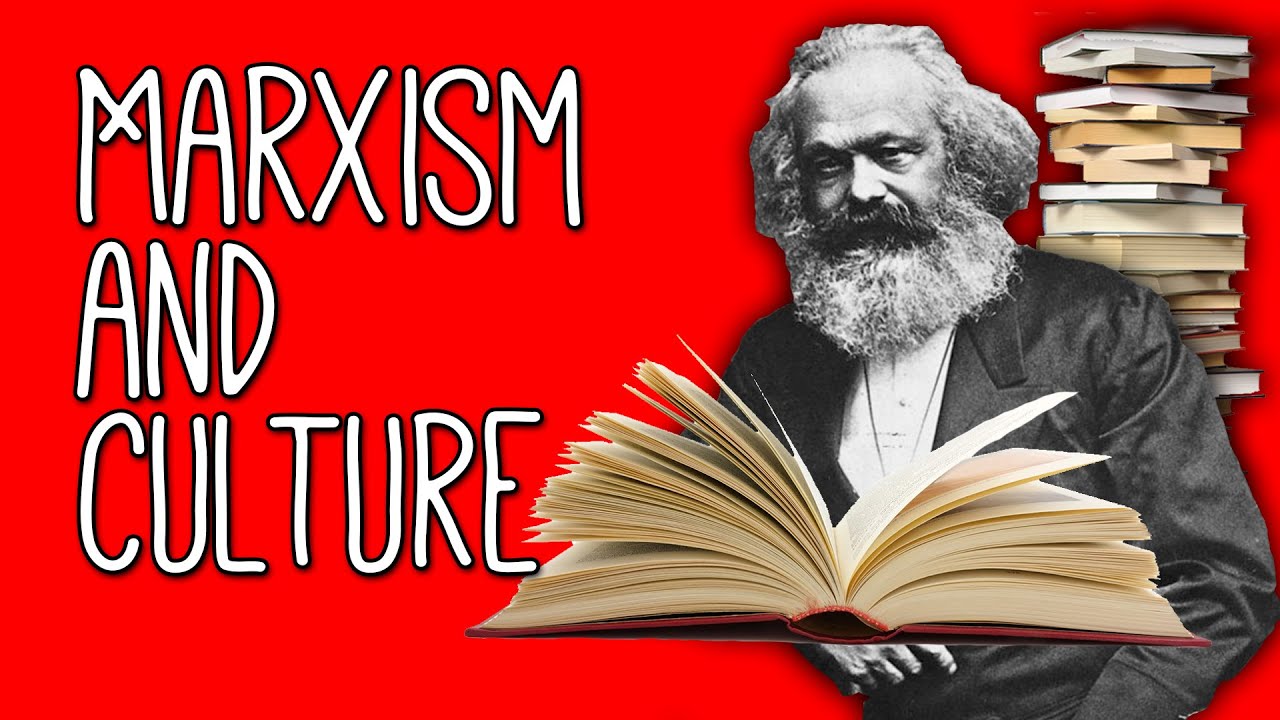
it from a religious perspective there's Marxist which is usually looking at it from an economic perspective there's feminist and Gender Studies so there's all sorts of different ways to look at a text and all of these are just different tools so when your teacher professor hands you a poem and says write two pages about this you have an idea of where to start you have a way to generate ideas that you could write about and defend because far too often we just go into the internet and try and figure out what someone else has to
say about this poem or short story I mean I make videos about poems and short stories I know this happens and there's nothing wrong with having someone else explain their perspective to you but your view should never stop with their perspective when I analyze Arabi that's my analysis of Araby I've derived this analysis from many different places but it's still my analysis and it would be very wrong for someone to just take my analysis and use it as their own and I'm not even talking about plagiarism wrong it'd be wrong because they're not completing the
thought experiment that comes with reading and analyzing literature because if you can analyze literature you're going to be better at analyzing other things including difficult family situations who to vote for when elections come around whether or not a company is good to work for all of these things require deep thought and they don't necessarily have one correct answer so by all means please continue to watch my videos if you're watching them to try and learn more about literature but you should never stop with my videos instead use some of these literary tools to try and
figure out the way that you can approach a text and practice that analysis and hopefully get an a on that paper if that's what you're after if you have questions leave them in the comments I'll see you next video thanks for watching [Music]