hello everybody and welcome to today's video the presence of the three witches is one of the most talked about elements in macbeth and yet they only appear on stage four times in this video we'll take a brief look at each appearance considering what we learn about these so-called weird sisters shakespeare's use of structure with his decision to open the play with the witches suggests that they will take a significant role in macbeth act one scene one is the first time the audience gets to see the witches and we're invited into a mysterious world made all
the more enigmatic by the fact that we arrive at the end of whatever it is they've been doing the first line we hear is when shall we three meet again their meeting is complete and whatever they were up to we can only guess shakespeare is clever in his construction here prompting our curiosity about what role the witches will take in the play the structural decision to start with the witches suggests that their role will be significant but the fact that we've missed the focus of their meeting leaves the audience unsure of what to think of
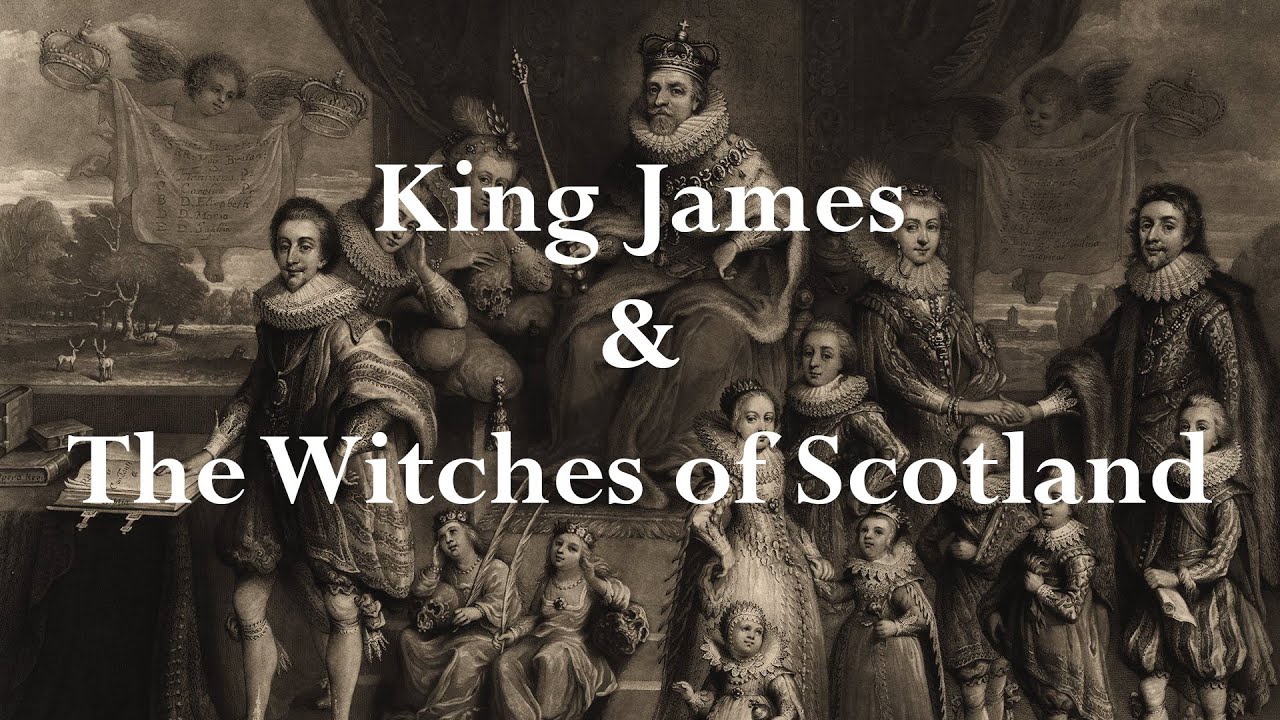
them the witches introduced the theme of the supernatural which in jacobean times would have been a big draw for audiences because there was a huge amount of interest and belief in witchcraft practicing witchcraft was a crime punishable by death in shakespeare's time and during the jacobian era king james is estimated to have been responsible for the burning of four thousand alleged witches in scotland alone king james actually wrote a book on the subject demonology so beginning the play with this scene is therefore not only a good way to grab the interest of the audience but
also of the king an important source of revenue something interesting to note here is that ideas about witchcraft changed quite rapidly in england macbeth was first performed in 1606 writing in 1745 about the play samuel johnson explained that in order to make a true estimate of the abilities and merit of a writer it is always necessary to examine the genius of his age and the opinions of his contemporaries a poet who should now make the whole action of his tragedy depend upon enchantment and produce the chief events by the assistance of supernatural agents would be
censored as transgressing the bounds of probability he would be banished from the theater to the nursery and condemned to write fairy tales instead of tragedies in other words just under 140 years after the play was first produced audiences found the idea of witches and spells laughable much like we do today and the 1735 witchcraft act reduced the penalty for practicing witchcraft from death to a maximum of one year in prison this law change reflected a shift from actual belief in witchcraft to punishing those who made a pretense of having special powers and that's the genius
of shakespeare he taps into contemporary obsessions and ideas to make his work relevant to his audience but make no mistake when it was first produced the witches and their incantations would have been shocking to an audience shakespeare also uses form to set the witches apart from other characters whilst all of the nobles in macbeth speak in iambic pentameter with unstressed syllables followed by stressed syllables the form used by the witches is trochaic meter with stressed syllables followed by unstressed syllables for example fair is foul and foul is fair i've put the stressed syllables in bold
here now this use of trochaic meter heightens a sense of the witch's otherworldliness and makes them stand out from the rest of the characters emphasizing their wickedness perhaps the biggest topic open for debate when it comes to the witches is just how much power they possess for example do they make macbeth kill king duncan or was he going to do it anyway this was a topic explored in a 2010 oxford university lecture by dr emma smith smith points out that whilst in act 1 scene 1 the witches seem to know what is happening when the
battle's lost and won and also where to meet macbeth upon the heath the question raised is does that mean they're able to draw him to them or simply that they know where he will be do they have the power of direction to make things happen or the power of prophecy to predict the future for smith shakespeare's use of dramatic irony is key in suggesting that the witches aren't as powerful as they might first appear to be when the witches prophesied macbeth in act 1 scene 3 that he will become thane of cordor it's the first
he's heard of it and so when he's told of the promotion shortly after by ross it could very well appear to macbeth that the witches made it happen however the audience is in a different position we already know from act 1 scene 2 that duncan was going to promote macbeth to thane of cordo as smith puts it to the audience it seems much more likely that the witches interpose in a chain of human actions rather than direct actions themselves macbeth might see his promotion to thane of corridor as being linked to the witches but smith
argues an astute audience would judge that macbeth's promotion is a result of a rational political reason he has been a brave and loyal warrior whereas corridor has been a traitor this dramatic irony then allows the audience to view the witches as not as powerful as they appear to macbeth as if to assist us in drawing this conclusion just before this happens also in act 1 scene 3 we see the witches in discussion with each other a discussion which reveals the limitations of their power and influence for example the audience finds out that one of the
witches has been offended by a woman who wouldn't give her chestnuts and has decided to take it out on the woman's husband who is a sailor we learn that the witch has control over the winds and uses them to disrupt the ship's journey it's important to note however that the witch does not have the power to take the sailor's life though his bark cannot be lost yet it shall be tempest tossed shakespeare's use of structure is key here he deliberately shows the audience the limits of the witch's power so that when macbeth arrives and is
captivated by them we can see that his infatuation tells us more about him than it does about the witches the witches appear next in act 3 scene 5 but many scholars and editors believe this scene was not actually written by shakespeare at all but inserted by actors either to give themselves more lines or to excite the audience much of the evidence for this comes from the fact that hecate has so many lines despite not being introduced to any point previously it's also said that the witches appeared different to when we first met them even though
they don't say much at all whatever the truth we learn in this scene that the witches are subordinate to hecate who is angry that they did not consult her first before speaking to macbeth hecate describes herself as the mistress of your charms meaning the source of all your powers again the idea of the witches as powerful is undermined here as they are essentially reprimanded by their superior in act 4 scene 1 macbeth has come looking for reassurance and comfort that what he's done will keep him on the throne the witches duly show him three apparitions
which macbeth interprets in his own way these apparitions while seeming to comfort him are actually entirely deceptive and symptomatic of how the witches speak in riddles and half-truths the audience has shown a series of apparitions that are supposed to confirm one thing but in fact can be interpreted as the complete opposite shakespeare is flagging something that becomes crucial to the final outcome of the play he is in a way signposting important details for his audience the first of the apparitions is the armed head which literally foretells macbeth's eventual decapitation at the hands of macduff macbeth
however appears to believe that the head is representative of macduff and seems thankful for having seen it obviously misunderstanding its true meaning the second vision is of the bloody child which is in reality mcduff the advice given to macbeth is that he should feel completely safe and secure because no one who's been born of woman can hurt him the equivocation here is that the apparition is macduff and so clearly he is alive despite not being born of woman macbeth fails to see the deception here and reads into the prophecy that he has nothing to fear
the third vision is of a child crowned with a tree in his hand this is malcolm duncan's son coming to macbeth's castle carrying a branch from a tree the advice here is that macbeth can't be harmed until burnham wood moves to dunsinane obviously believing that it's impossible for a forest to move macbeth feels even more secure following this prophecy essentially he's come to the witches for reassurance they've shown him a vision of the future and he's read into it what he wants to see before he leaves however the witches on macbeth's orders show him a
final vision here he sees a line of eight kings who are all descendants of banquo and this leaves him in an awful state considering that it means none of his descendants will inherit the throne it's very curious here that macbeth sees this and yet still doesn't doubt the earlier visions it's clear the witches are playing with him yet in this state he either doesn't seem to care or notice and that's the last time we see the witches in the play which is in itself worthy of analysis if the witches are so powerful why do they
not appear at all after act 4 scene 1. their impact on stage is unquestionable when they do appear there but the reality is that once the battle starts they're nowhere to be seen today it's hard to see the witches as anything more than laughable but in shakespeare's time belief in witchcraft would have meant that they had a much greater impact on the audience from their appearance in the play's opening scene as the play progresses however their supposed power becomes questionable and by the last third of the play their absence perhaps suggests that they weren't as
significant as they at first appeared if you found this video useful please do subscribe to the channel and for more on the witches pick up mr brother's item at beth which is linked in the description you