if you're an aspiring barrister then you will be or you should be familiar with muting and there's a lot that goes into making you a formidable muta which i've learned along the way by observing moots acting as a master of moots and actually participating in moves so in today's video i'm going to break down the needs to know to prepare you for the moots ahead guys it's nice to have you back on the channel i hope you've had a lovely christmas and happy new year to you all my name is taz and i'm a barrister
based in the uk and on this channel we look at the challenges facing law students and explore the nature of our minds through materials supplements and practices to create happy healthy and optimized mental well-being this video comes at your request i looked in the comments section someone asked if i could put a mooting video together i had a look to see what was out there i couldn't really see anything comprehensive so i thought you know what let's give it a go to kick it all off with what is a moot basically a moot is a
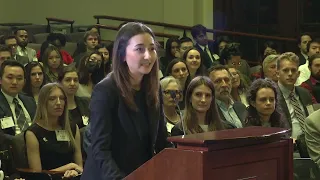
mock appeal case where two teams of advocates will give their submissions to a judge and throughout it they'll be questioned by the judge on the basis of their submissions now before the moot you'll be given a problem question and it will outline the grounds of appeal and that will be the focus of the actual moot itself every moot is different each institution has their own set of rules so i'm going to try and give a broad overview of what's encompassed within the actual moot itself but always defer to your own institution to ensure that you're
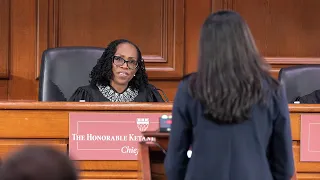
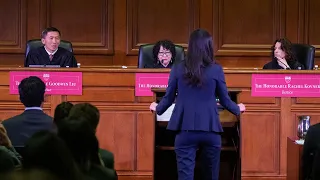
following the right rules and regulations for your moods there are three key players in the mood the mutas normally this consists of lead and junior council lead council will tackle first rounds of appeal juniors will tackle the second rounds of appeal the judge and they are basically there to question council on their submissions and there will be judicial intervention throughout the moot which motors need to prepare for and finally have the clerks or the timekeepers making sure that the motors stick to the times allocated with respect to timings normally lead council will be given seven
minutes for their submissions because they are dealing with the first rounds of appeal which tend to be more detailed and broader and uh juniors will be given five minutes the order in which submissions are given can vary but the standard format for a move is lead appellant followed by the lead respondent then you have the junior repellent followed by the junior respondent yes there are different formats such as cross appeals but that's normally the standard recipe let's get into the preparation remember a seasoned vet can be bested by a first time motor depending on the
level of preparation they've done the bedrock to the moot is when you're given that problem to identify what's relevant and discard what isn't because that's going to be the focus of your research the key is to focus on the grounds of appeal do not get lost in the weeds it's really easy to do when you start diving into the research just remember that because it's absolutely essential once you know what the problem is remember from the outset that you're not going to make more than really three submissions so identify what those submissions are through the
research and tailor that research towards building those submissions the best place to start with the research is the textbook know what area you're talking about whether it's negligence misrep contract go to the chapters in your book and wrap your head around what the issues are in the problem by understanding that area of law you don't want to miss the area of law you don't want to turn up to a moot thinking it's a misrepresentation and it's negligence because it just blows everything out the water and you'll end up looking like an absolute fool when you're
doing the research identify the key cases in that area based on their relevance first and foremost to the problem that you're facing and then the second is the actual authority behind that case and for those of you forgotten up here i've put the actual hierarchy of the english court system as a reminder in case it's been a while supreme court cases will carry more weight than for example a higher court case but it's important to actually identify what court you're mooting in i.e if you're mooting in the supreme court a decision from a court of
appeal case is nothing but persuasive and it's not binding it's important to remember that remember any case you end up using you need to have its full citation because you're actually going to refer to that in your submission but also remember for some cases that appear in loads of different reports there is a hierarchy in terms of the reports again which i'm going to put up here just for simplicity so with that said if you can use the citation from the report which is at the top of that ladder this isn't going to make or
break your moot but we want to be getting the basics right and then finessing the difficult parts as best that we can you won't be forgiven for getting the simple things wrong the last thing to say on authorities and this is quite a common pitfall for people new to mooting is that they'll tend to just pick out a quote that they like or something which is marries up nicely with their case and they won't actually read the facts of that case and know the intricacies of that case and what will happen is you'll get to
a move you'll be questioned on the specifics by a judge you won't know and it just serves to weaken the argument that you put forward basically where i'm going with this is know those authorities inside now if you're gonna use them in advance of the moot you'll normally be asked to submit a skeleton argument and that skeleton argument will be contained within a bundle let's take each of those in turn starting with the skeleton argument all i want to say with the skeleton is that number one it should be a summation of your points and
the authorities that you're going to use you need to check with your institution what is the limit in terms of the word count with the skeleton and how many authorities are you allowed to use because normally there will be a cap and the final thing i want to say with skeleton arguments is that remember this isn't a document that is going to show every single thing you're going to say in there the point of the skeleton is that it's a skeleton it's the bare bones of your submissions which you get to the moo and you
breathe life into those arguments you use that skeleton as the springboard for what you're going to say not as the blueprint for every word that's going to come out of your mouth in terms of the bundle it's your skeleton argument with all your authorities wrapped up into one and you're going to want several copies of it one for the judge potentially one for the opposition and i would recommend highlight it sticky notes the important parts dividers whatever you want to use it needs to be easy to navigate why because you want to be able to
grab their ear when you're delivering something rather than them trying to scramble through your skeleton and the easier it is to find the easier it will be for them to listen i'm happy to provide my skeleton argument and trial bundle as templates for you guys just reach out to me my details are in the description below dress is just standard core attire so dark colors formal wear when you're mooting you'll be on your feet delivering submissions when you're not you don't want to be shifty and moving around it's very distracting for everyone listening so you
just want to be seated still and just be observant of your actual behavior while you're not delivering submissions there's different etiquette for the judge for the opposition for co-counsel and for yourself so let's start off with the judge whenever you refer to a judge in a moot it's directly that is it's my lord or my lady if it's indirectly it's your lordship or your ladyship examples would be my lord i have three submissions i will put before the court today or if i can direct your lordship to paragraph x top tip you can never refer
to a judge as you so for example you can't say can i get you to the room will go silent and they'll look at you with absolute disgust so when referring to co-counsel or your team it's my loaded friend mr or mrs jackson when you're talking about the opposition it's always referred to them as lead counsel for the appellant or lead counsel for the respondent just to make it clear you don't just have to refer to the opposition by saying lead counsel for the appellant you can also use my learned friend with them finally when
you're talking about yourself never use the word i think it's always it is my respectful submission that what separates a good motor from a great muta is really basic it's knowing your stuff and what do i mean by that it's knowing the facts of the case knowing the law knowing your authorities and most importantly knowing your submissions like the back of your hand and because that will allow you to be flexible in there you won't be rigid stuck to a script uh stumbling over yourself you know everything you know exactly what it is you're trying
to say and where you're trying to get to stance is important you don't want to be fidgety distracted tapping your leg all these things that you normally will iron out by practicing film yourself see what those little habits are that you have and try and work on them and get rid of them so that when you're in there you're very focused you're very still you're very professional eye contact is really important so you don't want to be down in your skeleton you want to be looking into the judge's eyes and empowering that submission through eye
contact style is important but that's something really you'll only figure out through experience through doing more moves gaining that confidence in your own ability and your ability to deliver persuasive submissions i can't emphasize how important tone is so when you're listening to someone who's just very monotone in their delivery so it's just very much like this it's so much less persuasive than when you're listening to an advocate delivering submissions where they are very selective in the words that they are choosing to emphasize and they're just very conscious of what it is they're saying and how
it is that they're saying it volume's really important you don't want to be sounding like this throughout the entire move you want to be making sure your voice is heard at the back of the call and that the judge can hear your submissions clearly finally speed whatever you say about speed i guarantee you when it's the first time you're delivering submissions even when you think you're going slow you're going fast so my recommendation would be always slow it down because even if you think you're moving at a certain pace you're not you're probably moving too
fast especially for beginners practice see how fast you're going and just always have a referral in the mood to remind you a physical reminder to slow down let's get into the move but before we do i just want to say this when i started moving people would always be saying don't use a script whatever you do don't use a script but the script does have its benefits especially for an inexperienced muta it's like stabilizers it's like riding a bike it's really useful in the beginning and what i will say is once you've got that experience
then you leave it behind because the problem is with using a script is that you're down there in the skeleton when you need to be present in the mood to be able to respond to things on the fly and the only way you can do that is when you divorce yourself from the script i thought it'd be really helpful to break down the moot in the actual order of the sections that an advocate will take in the moot itself so let's start with the first section and that is the introduction the intro will go something
like this if it pleases your lordships my name is tara kaldik and i will be appearing with my learner junior mr wasim aldik on behalf of the appellants my learned friend mr benjamin watson will be appearing with mr elliot caddick on behalf of the respondents my submissions concern the first round of appeal second section is the facts now you'll rarely be asked to repeat the facts because that's eating into submission time but normally the formality is to say something along the lines of is your lordship sufficiently familiar with the facts in the present appeal after
the facts you want to briefly outline the arguments which your team's going to deal with indicating what points you're going to deal with and what points your junior's going to deal with and after that you'll say something along the lines of this my lord i have three submissions to put before the court today my first submission is x my second submission is y and my third submission is zed now the fourth part is the actual delivery of your first second and third submission and after you deliver your third submission it's a conclusion or a summary
of those submissions in terms of building and delivering the submission i would use the point evidence explain method so that make the point refer to the law as the evidence to support that point and then explain its relevance to your appeal and to your submission so after outlining your submissions it would be something along the lines of unless your lawships have any questions at this stage i will proceed with my first submission an example of the first submission could be something like this my lord my first submission is that the contract between mr yellow and
mr green uh is void as mr yellow's advertisement did not constitute an offer but an invitation to treat that would then be followed by the evidence which is the law or your authority which you're going to refer to now remember when you're referring to authorities you need to give the full citation so for example it's something like this may i refer your lordships to the case of hunter and canary wharf limited which can be found at the 1997 law reports appeals cases at page 665. after you've directed the judge to the case in the exact
paragraph you then need to ask if they would uh benefit from a brief summary of the case the relevant facts of that case and again this would go something like would your lordships benefit from a summary of the facts in this case and then once you've actually cited the case then you'll proceed to the explanation part which is exactly how is that case relevant to the submission that you're making in this appeal and then after you've followed that for each of your submissions at the end of your third and final submission ask the court would
they benefit from a summary of your submissions for example would your ladyship benefit from a summary of my submissions the final section is the sign off it's a formality essentially where you say my lordships unless i can be of further assistance those are my submissions i briefly want to deal with judicial intervention and this is where you'll be delivering a submission it might not be making sense or a judge might want some further information so he might cut you off or she might cut you off and ask you a question about the submission that you're
making now the first thing i want to say is this the best remedy for dealing with judicial intervention is to have already thought about what are the weaknesses in your position or in your submissions in advance and try and predict what the questions are going to be when responding to a judge it is i'm obliged or i'm grateful a top tip when dealing with judicial intervention don't just say the first thing that comes to your mind always pause for a few seconds collect your thoughts order those thoughts and then say it rather than just responding
out of impulse and just blurting the first thing that comes out of your mouth if you're throwing a curveball and you don't know and you need a bit more time just ask the judge to repeat the question you buy yourself time to think about it a little bit more and by the time he's finished asking it again he can pause take a little bit more time and then give him the best thing that you can conjure up and hope it's good enough if you get asked a question you have no idea what to say and
you have nothing to say then say something along the lines of this i'm sorry my lord that is not a matter i feel i'm able to assist you with finally i think it's really important for anyone doing any sort of mooting to have an appreciation for what the judging criteria looks like how is their performance being assessed and normally this consists of four components the first is the presentation clarity and strength of oral arguments made the second is the use of authorities the third is the actual how they've dealt with judicial intervention and finally is
the courtroom manner and each of these have sub-categories in which they're judged against and they're rated normally out of ten at the end of a move whether you've won or lost ask if it's not offered for feedback because really you want to be going into every move having a little journal adding all the judges comments to it so that you can use that feedback to refine your performance see where the holes are in your game where the weaknesses are and all of that will contribute to making you a more polished version and a better motor
thank you guys for watching i really do hope you enjoyed that episode but please do let me know your thoughts down in the comments below and if you want to support the channel make sure to like and subscribe it makes a massive difference and other than that guys you know what it is i'll see you at the next one