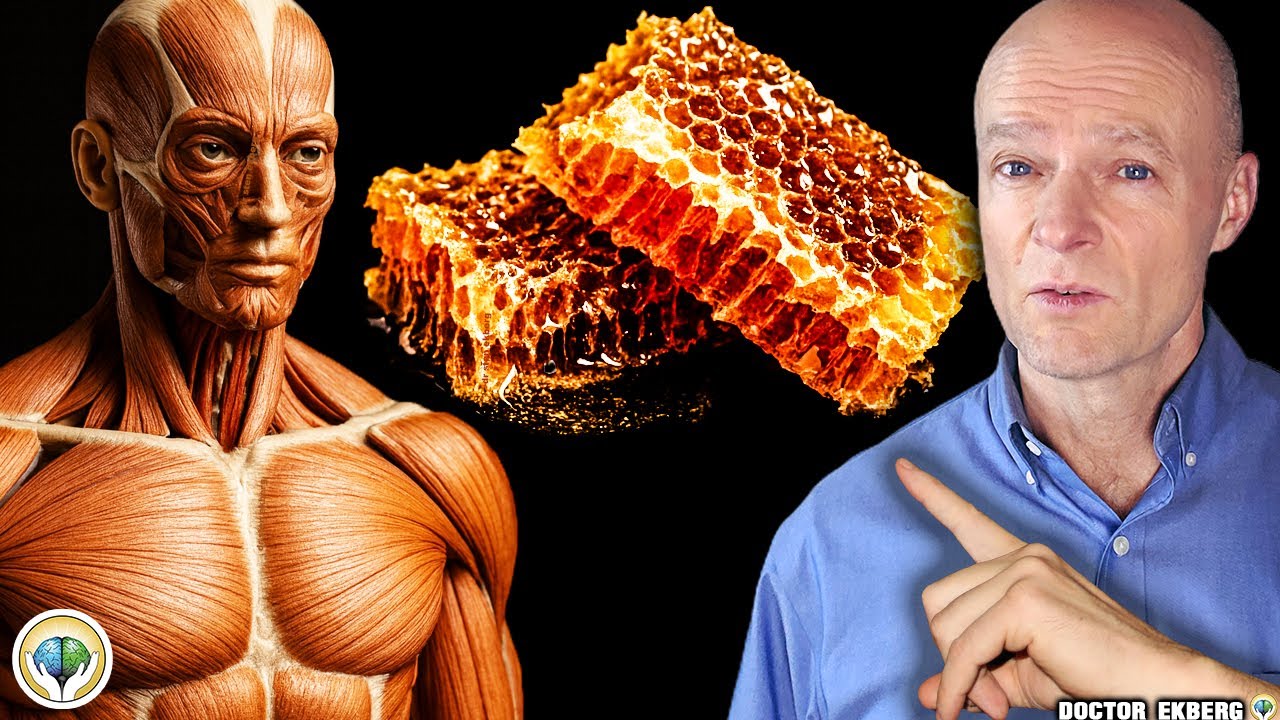
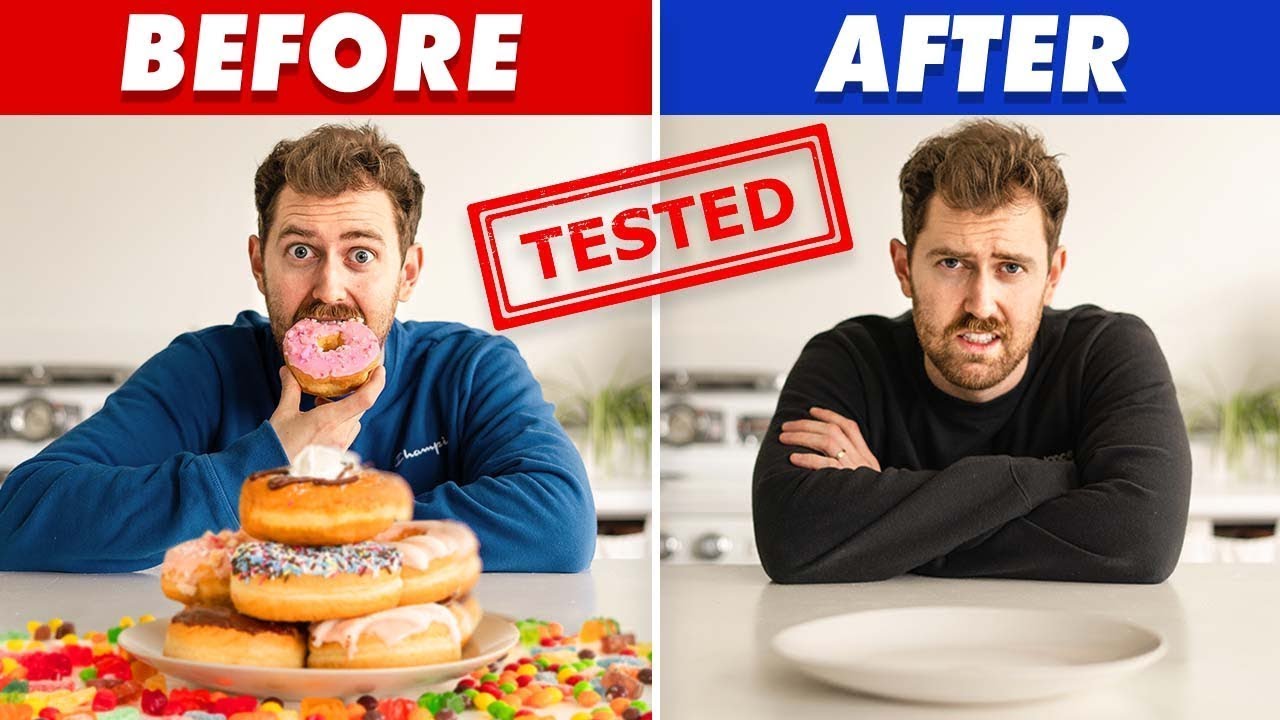
Hello Health Champions. What would happen if you stopped eating sugar for 30 days? And when I say sugar I'm talking about anything that has calories and tastes sweet that means sugar honey agave high fructose corn syrup rice syrup they're all disaccharides meaning there's two molecules linked together they're small molecules they get processed very quickly and other than the fact that they have different ratios of glucose and fructose that's the two molecules linked together they're pretty much the same, all right.
They still affect your body very much the same. Glucose raises blood sugar and spikes insulin and causes insulin resistance over time and fructose clogs up the liver and causes insulin resistance that way so sugar is the most important thing to avoid the classic idea of sugar something that tastes sweet but we also want to be aware of the other type of sugar which is polysaccharide also known as starch and this is what we find in bread and potatoes and corn and so forth. They don't have the fructose but they have hundreds or thousands of these glucose molecules linked together and it's only a matter of minutes before this starch turns into glucose and starts spiking your blood sugar.
That's why the glucose the blood sugar impact between sugar and bread is pretty much the same. So I want to talk about some of the short term things you would notice some of the mid-term but also some of the long-term benefits with special emphasis on what happens to the brain. Probably the very first thing that would happen is that you get some cravings and like a lot of things it might get a little worse before it gets better because what happens here is if your body is used to sugar and carbohydrate if that's the typical fuel that you have been provided and now you stop it your body is not going to know where to get the fuel where to get the energy.
So when you eat carbs on a regular basis you spike blood sugar the insulin suppresses the blood sugar and you get a blood sugar roller coaster. You get unstable blood sugar and normally whenever your blood sugar was low you would just eat some sugar or some carbs and you would bring it back up but now your body doesn't know where to get that fix so it has to first repair its metabolic machinery a little bit. And it doesn't take very long it's only going to take a few days something like two, three, four days for your body to start adapting and learning how to get energy somewhere else and in a few days time you will reduce your insulin levels and when insulin goes down your body will upregulate some of the fat burning enzymes and you'll learn how to make energy that way but in the meantime you're going to have a few days that you'll probably have some cravings so just stick with it because the first few days is probably the only big hurdle.
Besides cravings you're also probably going to get some withdrawal symptoms because sugar and carbs is an addiction and just like cocaine and heroin they feed into a reward pathway in the brain that has to do with dopamine. And when we trigger dopamine we get an initial sense of pleasure and that's why we seek out these things that's why we get tremendous pleasure from them, but in the long run when we get habituated now that turns into dependence and now it's more like a baseline that if we don't get it now we feel horrible and that's what the withdrawal is all about. And like Wayne Dyer used to say an addiction is when you can't get enough of what you don't want and i think if you think about sugar and comfort foods that description fits pretty well that you really don't want it but you still can't get enough of it.
Dopamine is a natural substance so it's absolutely necessary for us it's what gives us drive and desire and goals it helps us fulfill goals because it helps us focus on potential rewards and when we get it in nature it is very finely balanced and tuned so we get just the right amount. But when we get it via sugar stimulating the pathway and with cocaine and heroin that can fit directly in the pathway they're isolated forms They're purified. They're refined they are many many times stronger than anything we would ever find in nature so sugar is natural in berries and plants and vegetables but it has maybe one or two percent in a vegetable the sugar is pure and the cocaine and the heroin are very strongly concentrated so now with these isolated forms the effect is many many times stronger so now we bypass this fine-tuned regulation that the body normally does and over time we get desensitized.
The tissues don't respond as much anymore to that strong dose and we need more and more and more. Many of you will probably remember an ad campaign that ran years ago where they said bet you can't eat just one and it was a potato chip company who shall remain unnamed but what it means is that they are very well aware that they're selling an addiction and not only are they aware of it they know all this stuff but apparently they're proud of it too. Now you may be asking why is it then if these substances are so addictive why is it that some people can drink alcohol without becoming alcoholics and some people can eat sugar without becoming sugar addicts and it's because we're wired differently but also addiction varies because of how our brain is configured.
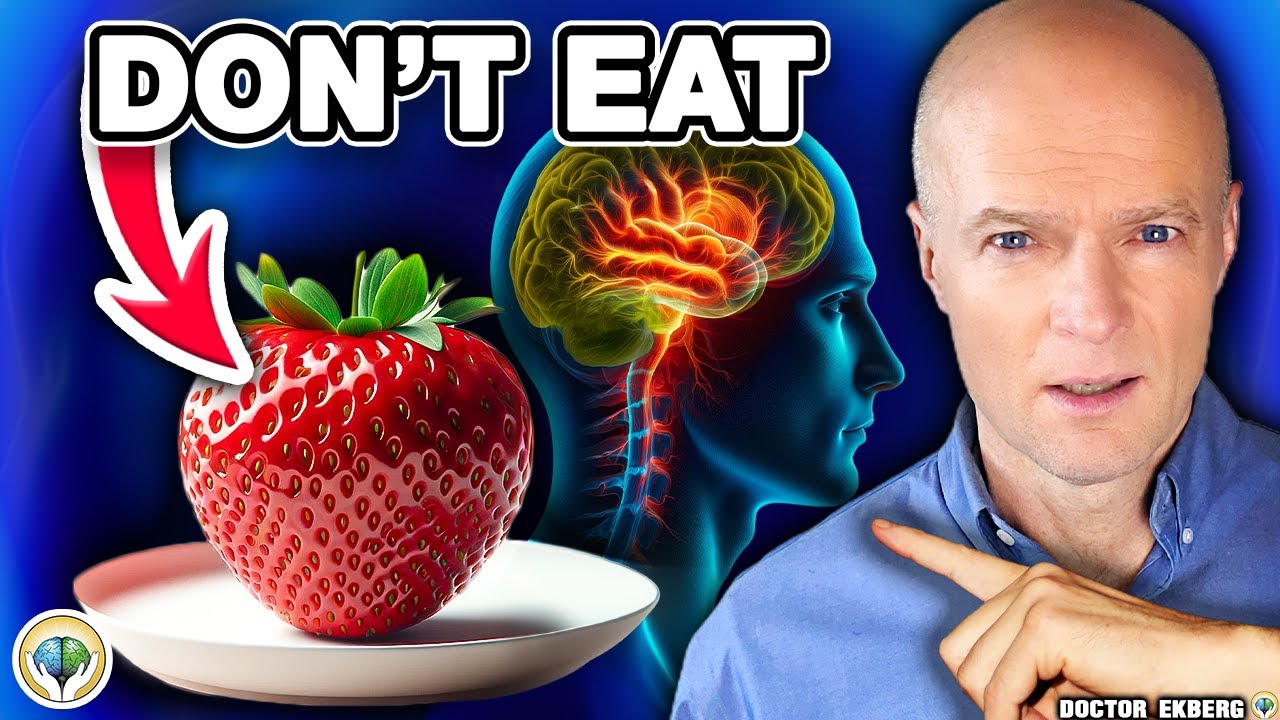
Where are our strong and weak areas because they talk to each other. So we have some lower centers that's the midbrain over here we in marked in red and that's associated with more primitive functions like pleasure and survival whereas the higher centers have to do with executive function with thinking motivation and control. The lower centers respond and produce pleasure they feed into this reward pleasure pathway so sugar, heroin, cell phones anything that creates a reward a pleasurable feeling is going to feed into this pathway.
And anything that is done repeatedly and has the potential to create an addiction is also going to alter the neurons and when these neurons get altered we get stuck in a different communication pattern and that creates dependence on this substance or this thing that creates the pleasure. And the only thing that keeps us a little bit in control are these higher centers so the better the higher centers, especially the frontal lobe is working, the better it can control and and turn down the volume on the demands of the other areas. The good news is that there's something called neuroplasticity that the brain can change itself and the strongest driver of that change is movement exercise and this is why I talk so much about exercise all the time because it affects almost everything we also want to understand something called BDNF, brain derived neurotrophic factor and don't worry about the name all you have to know is that it's miracle grow for the brain it makes things happen it makes things change and repair and connect better and this BDNF it protects against shrinkage in the brain so when we have these substances alter the neurons they can actually degenerate and shrink as a result of that constant stimulation that barrage they down regulate essentially but BDNF will protect against that process so in other words exercise will reduce the likelihood of getting addicted to these substances.
On the other hand sugar will do the opposite. Sugar will reduce the production and the effect of this BDNF so it will shut down this miracle grow and the two really powerful things that will help produce BDNF is exercise and fasting. So in other words cutting the sugar increasing the exercise will make more BDNF and it will make you more resistant to this addiction tendency and the effects of these substances and I think it's sad that any time we hear about exercise it's either about looking a certain way or about burning calories.
If you eat a cookie you have to burn so many calories well if you see how wide the influence of exercise is i think you can see that it goes a little bit further than just calories. So it's important to understand those things to see why it can be difficult to break out of a habit an addiction. But if you make it through the first few days it gets a whole lot better now you're going to notice less cravings only a few days into this you will start to stabilize your blood sugar and your body will start becoming fat adapted so that results in less cravings.
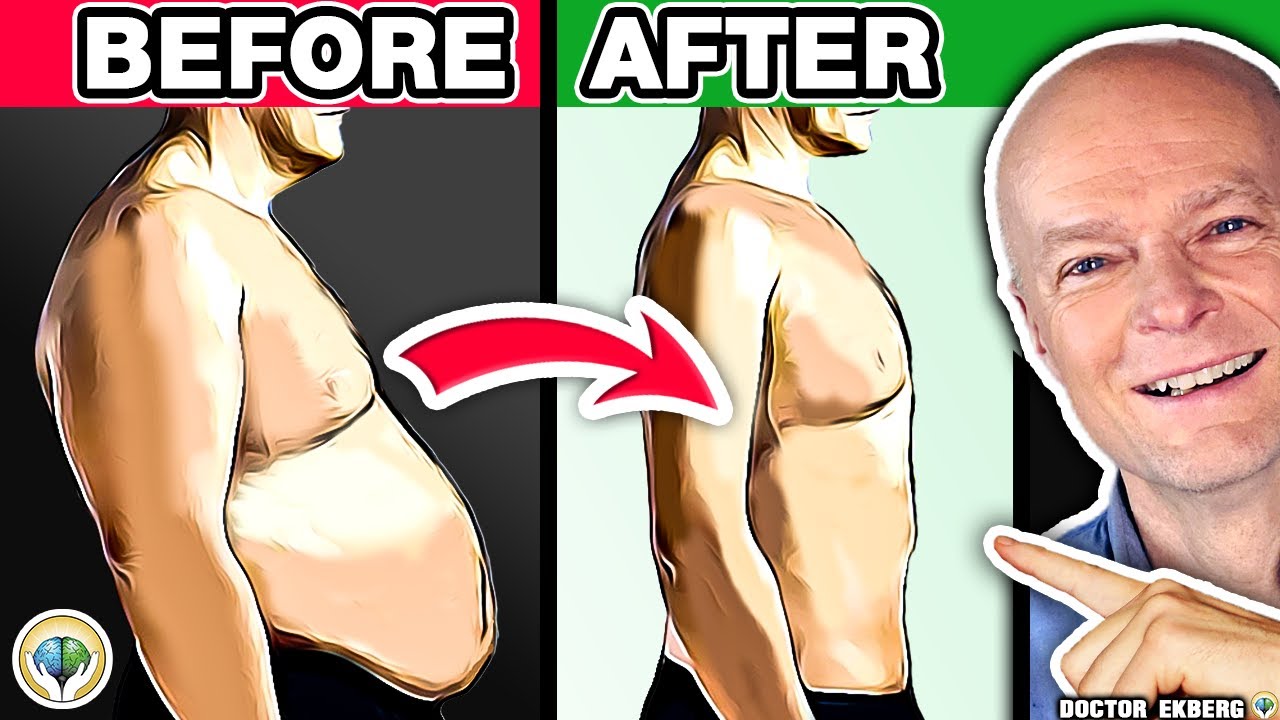
Also after just a few days you will notice less hunger this is partially because of the more stable blood sugar you don't have those constant swings but also now after a few days your insulin is starting to come down your insulin levels and insulin is a storage hormone it locks away the fat so with less insulin now you can start accessing that fat. It allows fat burning and it allows access to that body fat and of course a huge benefit which is maybe the biggest reason people try this is that now you get some weight loss. And when we look at the brain we also see some big improvements most people are going to notice an improvement in mood.
Their mood lifts they have less of a tendency for depression and anxiety. They notice improved mental clarity and improved focus. They get more done and the reason these things happen are several again stable blood sugar.
Why? Because the brain is the primary reason blood sugar is so tightly controlled we love to have it around a hundred we can get a coma from either very high blood sugar or very low blood sugar so the brain really really likes it at a tight controlled level. And mostly the brain depends on glucose for fuel but if you become insulin resistant then the brain may not be getting all the energy it needs from the glucose and that's when people find you become fat adapted and you quit the sugar and the starch now you go really really low on carbohydrates.
You're going to find you make some ketones and ketones are an alternative fuel for the brain. So if your brain can't get it from the glucose now it has an additional fuel source. And not just the brain has more energy but your whole body has more energy you'll notice with the stable blood sugar and being fat adapted your body has now started repairing that metabolic machinery insulin is dropping fat burning enzymes are increasing so you don't have to top off your blood sugar with carbs your body makes energy in a very stable manner.
Another very interesting thing is that your taste buds are going to change or more specifically the receptors from your taste buds. So you're going to rewire your brain to perceive food differently and this can be a huge experience for people because you get a whole new appreciation for real food. You're going to probably notice that it tastes amazing you'll find flavors that you never noticed before because they were all dulled by fast food and sugar.
And I hear all the time that people are off of sugar off of sweets for a few weeks or a couple of months and then there's a birthday and now they go have some cake and what do they think? They think it's too sweet they don't even like it anymore some of the things that they said oh I waited months for this and then they go back and have it and now they don't even like it anymore or even worse they eat that cake and now they feel nauseous because their bodies know better. And if you get through the first few days and you make it to day 30 don't stop now you have a good lifestyle but if you decide to do some blood work now is where you can get some objective proof of how much healthier you have become.
You'll probably find that your blood glucose has dropped that your A1c which is your three month average glucose has dropped significantly that your triglycerides are lower and that's the fat in your blood so even though you might be eating a whole lot more fat your triglycerides will drop because they come from sugar. You'll find that your cholesterol has improved not necessarily that the total is lower but you'll find that the HDL is probably higher and the ratio between your total cholesterol and your HDL will probably have dropped and that's one of the most important indicators for heart disease risk even more important is probably the number of small LDL particles if you run a more specialized cholesterol profile that number will probably drop and even if LDL stays the same total you'll find that the ratio of the small oxidized damaged LDL to the total LDL will be much much less and what all of these indicate together is if they're going in the right direction that indicates a lower inflammation. And if you measure it you'll probably also notice that your blood pressure has come down but most importantly is the profound impact that you can have on your future health.
In just 30 days of cutting out sugar you can completely transform your future health picture of course you have to keep it up you can't do it for 30 days and then go back on junk food but you will start burning through some of that liver fat when you stop feeding your liver fructose now it can start burning up some of that fat and you reduce your fatty liver. You will reduce your type 2 diabetes you can reverse type 2 diabetes rather quickly by cutting out sugar you can reduce your risk of kidney failure of blood pressure elevated blood pressure. You reduce your risk of heart disease stroke and dementia.
You will also reduce your risk of cancer and you will improve your immune function and I hope this next piece is going to get your attention because we're all very familiar with something called covid19 which is a pesky little virus but what most people don't realize is that this virus tends to kill some people and spare others. And what's the difference? The biggest difference is everything that we have talked about these all these factors are due to insulin resistance metabolic syndrome and a low grade of inflammation and what they found early on in the epidemic is that the people with metabolic syndrome and a number of these risk factors they had about a 15 percent mortality whereas people without this had a 0.
1 percent or less so you could improve your statistics your odds 100 to 150 times by stop eating sugar. So let's go through and see how these factors the sugar and the brain start affecting our covid19 situation. So we have the epidemic and they tell us to stay at home and then when we stay at home we don't have our normal social interactions.
We don't go to work we don't get that stimulation so we worry about our jobs. We worry about Covid and we don't get our normal stimulation and joy in our life so with worry we also get more anxiety and we get more depression. And before the covet epidemic we had about 17 percent of the U.
S. population had some degree of anxiety or depression that was sort of significant enough to be called a problem now mid-epidemic or late epidemic we are at 40 percent. So almost half the population have anxiety or depression as a result.
And as we talked about when we're feeling bad we want to feel better so we look for rewards and the easiest drug to get a hold of is called sugar. So when we're worried or anxious or depressed we tend to eat comfort foods and most of those have sugar or starches. And then when we're told to stay home and we can't even walk on the beaches or in public parks, now we stop moving and because we're also depressed we don't have the motivation we don't feel like going for a walk or doing anything.
And when we stop moving now we weaken the brain the brain doesn't get that stimulation to make new synapses and make brain-derived neurotrophic factor. And when the brain weakens now of course we don't have that inhibition so we get more depressed and when we're more depressed we move even less we get a weaker brain and so on and then because we're more depressed we eat more sugar and this sugar further blocks the BDNF and makes the brain even weaker now the weak brain can't inhibit stress anymore so we have more stress than ever but the brain is weaker so the stress rises to the surface and goes uncontrolled. And then of course with more stress we weaken the immunity and then we eat more sugar that further weakens the immunity and all along this is the immunity that we needed to fight off the virus.
So I don't mean to paint a bleak or depressing picture for you what we have to understand is that we can do something about it but first we have to understand how these things work so that we can get a goal so we can get some motivation and stop eating sugar and start moving and start reversing the situation. I really hope you're ready to cut out the sugar for the next 30 days but if you need one more reason let's talk about money that tends to get people's attention. And where do a lot of people put a lot of their money is into something called health insurance.
Now there's two types of health insurance there's either health insurance with an I that's what most people have health insurance and then you spend a whole lot of money every month so that when you get sick then they can treat your symptom and you don't really get any better. The other type of Health Ensurance is spelled with an E and that is the action that you take to Ensure that you stay healthy or that you even reverse the disease that you have so if you spend a little extra money on real food that will give you much better health Ensurance with an E and I'm still in clinical practice but in my office we do not accept any health insurance with an I because they don't pay for any health Ensurance with an E. If you enjoyed this video you're going to love that one, and if you truly want to master health by understanding how the body really works, make sure you subscribe hit that bell and turn on all the notifications so you never miss a life saving video.