hi welcome to the new series of NCERT geography class 11 fundamentals of physical geography this video is about the chapter 1 geography as a discipline so why do we need to study geography since we live on planet earth it is important to know the physical environment of the earth it is almost like knowing our own surrounding as dramatic it may sound our lives are affected by a surroundings in many ways if you see everything around us came from natural resources like plants animals minerals soil and water there was a time when people only ate edible
plants and animals to survive as time went by human being developed technologies and that gave birth to food industry so you see how our food habits changed over time and same goes for clothes as well so this is what geography teaches us as to how human society as well as the earth developed gradually with time so geography as a discipline helps us in understanding the changes which have taken place over time so now the question is what is the meaning of geography in simple terms geography means the study of Earth it's the earth that we
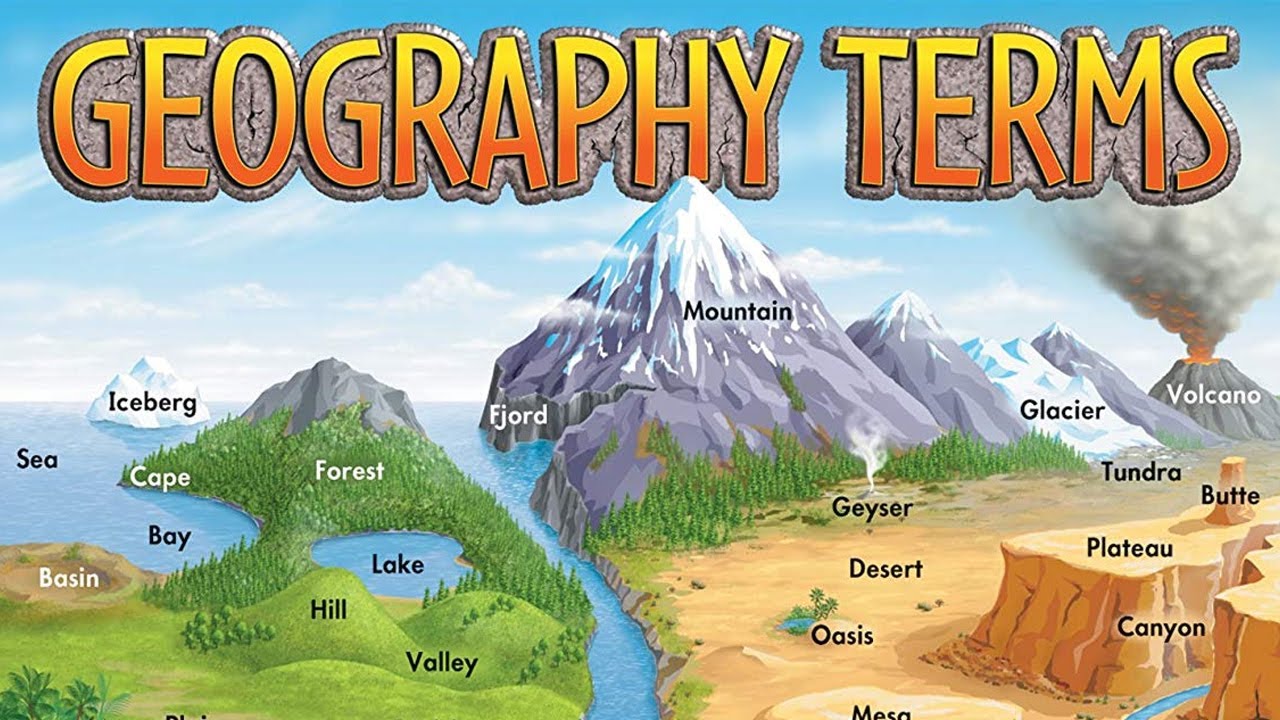
are trying to study try to understand this on earth we have two important components first it is the physical features like mountains hills valleys Plains patios oceans lakes deserts and wilderness and then we have human beings I mean without humans earth would be like any other planet now in human society we have variations in terms of social and cultural form we have people belonging to different community different background with different beliefs so it is really interesting to see the relationship between the physical environment and social or cultural features from poetic point of view we can
say physical environment is like a stage and human societies are the actors performing now try to relate this you go to different places you witness new culture new social values and that can be seen through the architectural style food rituals customs human behavior etc so all these creative skills were invented by people on the land form over a long period of time so this is what geography helps us in understanding the relationship between the physical aspect and the human aspect of the earth the term geography was first coined by Eratosthenes a Greek scholar geo means
earth and graph us means description so this is a description of earth that we are trying to understand in geography now geography has many disciplines like natural science and social science under Natural Sciences we have geology pathology oceanography botany zoology meteorology etc and under social science we have economics history sociology political science anthropology etc these all disciplines study different aspects of the earth now one of the important work of a geographer is not just to study the variation in the physical feature of the earth but also to understand the association with other factors like what
causes these variations for example cropping patterns differ from region to region but we also know it is closely related to factors like soil climate demands in the market investment and technological availability so you see the correlation between two phenomena and one more important point that you need to understand is that these geographical phenomena are not static they are dynamic meaning they change over time human society is growing and changing rapidly and so is the physical land form the early human society be called in primitive society they were directly dependent on the nature for food clothing
and shelter and if you see now the present society is inventing new technology to utilize Natural Resources one good example would be with the creation of big machines physical environment can be modified by humans which was extremely difficult once upon a time therefore we can say technology brought freedom it helped in reducing the harshness of labour increased labor efficiency and provided leisure to human beings to attend to the higher need of life but so much of development around we now find humanized nature and naturalized human beings remember this term it means humans have converted the
environment totally the way they wanted with the help of the natural creativity and thought process now it brings us to a point where we will discuss geography as a discipline which is concerned with three sets of questions and they are basically what where and why they stand a three question that you'll find in everything so by what we mean that what is the relationship between the natural features and cultural features found on earth in simple terms what is the relationship between human and land so all those sort of questions falls under this category then we
have where by where we mean where are these variations seen on earth we are talking about the distribution pattern of human culture Society on earth because when we see a particular place with a lot of population it immediately speaks a lot about not just the human aspect but also the land aspect of that place and it's a known fact that most of the population resides in plain areas rather than rough hilly terrain so those sort of questions fall in this category and finally we have the why question which answers the cause and relationship between natural
and human features one example would be why we find a particular place with high and another place with low population so that sort of question falls under this category so if you see all these three questions answer the dynamic interaction between human beings and the physical environment now we are going to read about geography as an integrating discipline always remember the meaning of the word integrating is bringing together joining combining and if you see geography does that work pretty smoothly it sees the world as one giant global village because in geography we get to read
about so many things like distances routes transportation technology and communication then economy population etc so geography integrates with all these separate disciplines and helps us in understanding the world as if it was one single entity and if you look at your geography textbook we have chapters dedicated to every single topics that I just mentioned and by having a fair knowledge about all these topics it will be easier to integrate them and understand the earth as a single entity which is what geography is helping us in doing it I hope you're getting what I mean now
another important aspect of geography is time time is an integral part of typical studies and the reason we say that is because every geographical phenomenon undergoes change through time and can be explained temporarily so if you see the environment around us is constantly changing so here I'm talking about the physical features like landform climate vegetation economic activities occupation so if you see these all are changing with respect to time so you need to think of it this way when things are changing at such a drastic rate there has to be some yardstick right in order
to measure how much the change has occurred these are some decisions that are made by institutions because if there is no institution then there will be no yardstick then there will be no rule or regulation that needs to be followed universally so a simple example from this book we can see is that we can say that a place a is 1500 kilometer away from place B now this is purely based on a distance like yes you know what the distance between place a and place B is but it can also be set in a different
way you can say it in terms of time you can say that this distance can be covered over a course of two hours or these two places are two hours away so what you see over here is that time has been used as a yardstick to measure distance therefore time is very important in understanding any jogger difficult phenomenon now we are going to read about physical geography and Natural Sciences so remember the meaning of Natural Science is related to physical features and then there is another one which is called social science which is related to
economics population and all those sort of things so under this topic we are going to purely read about all the natural activities environmental activities that has taken place over the course of long time so when we say physical geography we are talking about physical features of Earth and we also know that these are pretty much linked with other disciplines like geology meteorology hydrology and pathology so for those of you who don't know about all these single terms let me just quickly give you a brief description geology means the study of landforms how land is responding
you know how the surface of earth is behaving constantly and then we have meteorology meteorology deals with climate and hydrology deals with water ocean bodies and then we have pedagogy pedagogy deals with soil and these all have a very close link with Natural Sciences so again always remember whenever there is a term called Natural Sciences always remember this is talking about the physical aspect of the earth and then there is another term called biogeography this is closely related to botany which is study of plants and then we have zoological of animals and both plants and
animal are part of nature therefore we definitely count them under Snatcher senses so one need to have a fair amount of information related to all these disciplines in order to be a successful geographer however a geographer should also be proficient in mathematics and arts now why do we need that we need that to draw maps because maps are very important when it comes to geography and then maps have strong relationship with latitudes and longitudes which deals with basically numbers and thats how mathematics and art comes into play so now we are going to talk about
geography and social sciences so when we say social sciences we are talking about the cultural and the social aspect of human society and again this topic is also equally important because when we are trying to understand geography as a whole subject then understanding social as well as the Natural Science is equally important now the kind of disciplines that falls under social sciences are sociology which studies the classification of human societies then we have political science so this helps us in studying the government and the states and other political units then we have economics which deals
with the production and distribution and consumption of goods and services and their management and then we have demography which studies the characteristics of human population so all these different aspects or rather I would say different disciplines helps us in understanding the geography being a part of social sangs now why is it important to understand all these different disciplines so there is an importance which is associated with it in terms of understanding the territory people and the sovereignty of a particular place so we know that the earth is now divided into small small states countries and
continents and all these places has its own preferences so to understand all of this it is very important to understand all the different disciplines now if you look at this picture wait a second this picture I need to straighten it out okay now it's good now so here's a picture in which you can see the geography and its relation with other subjects so at the center you have this earth and then these are the other disciplines that that is directly sometimes indirectly associated with geography so we have read about all these topics previously in this
chapter and I have also explained you what they stand for what their expertise is so probably we will read about all these topic individually in depth about it as we go forward and complete this class eleventh NCERT geography now this brings us to a new topic that is branches of geography so basically all the discipline that you saw in the previous picture those are nothing but the branches of geography because geography is an interdisciplinary subject to study so this kind of approach was introduced by this person named as alexander von humboldt a german geographer because
he understood it clearly that to understand geography we have to consider both the aspect the natural side of it which which are the land features and the landforms and all those sort of things and then the social aspect of it that is the human population economics politics so if you were to understand geography as a whole you need to learn all these interdisciplinary subject which is associated with geography so again you'll hear this term a lot which is dualism so dualism is one of the main characteristics of geography so when we say dualism we are
actually referring to two theories so one theory says that let's just only talk about physical geography that's it meaning let's just understand the earth the land form the ocean the climate that said there is nothing else that meets anymore importance and then there is another theory which says no human beings are integral part of the Earth's surface which again holds a lot of weight you cannot you cannot eradicate the fact that human beings are not to be studied because as it's well said that they are part and parcel of nature so whenever you hear about
this term dualism in geography just immediately recollect these two theories one is related to the physical aspect that is the physical geography the other is related to the human aspect that is human geography so here are all the branches of geography in a systematic approach so at first we have the physical geography under that we have geomorphology climatology hydrology soil geography etc and then we had the human geography under that we had the social population economic and the historical aspect so we're going to read about all these topics in depth all these chapters going forward
in this textbook so for now just quickly have a quick glance on them so again we have a picture that depicts the branches of geography so you have the physical then you have the human on this side let me just draw that so this is the physical aspect of geography and here is the human aspect of geography now there is this another branch called biogeography so in this we are basically talking about plant and animal geography so in other words we call it as botany and zoology now the interesting part about this is that biogeography
lies in between physical and human geography it's like an interface and one of the reasons that you can think of it is plants and animals are both a both important aspect for human because it provides food and it is also an important aspect of the earth because planet Earth is capable of creating such species and such kind of plant and animal species which is what makes Earth different from other planet so that's why this topic biogeography is like an interface between human and physical geography so as I said that under biogeography we have plant geography
where we study the pattern of natural vegetation plants and then we have zoology or zoo geography which studies the pattern and geography characteristics of animals and then we have ecosystem or ecology as well as the environmental geography this all falls under biogeography so again we'll talk about all of this as we move forward in this textbook so for now just have a look at it now we go to the last topic of this chapter physical geography and its importance so again just a refresher when we hear the words physical geography we are dealing with the
physical features of the earth like lithosphere which is also called the landform then we have hydrosphere which is waterbodies then we have meteorology or atmosphere which is the climate temperature and weather part and then we have biosphere which includes all life-forms including human being and microorganisms so all these things together make up physical geography you see all these phenomena is very crucial for the survival of any organism on the earth it is like a sustaining mechanism and with the help of Technology human beings have learned the art of harnessing these natural resources to the best
of its use hence we can also say that the study of physical geography is emerging as a discipline of evaluating and managing natural resources after all everything that we read up till now is all natural resources but if we look closely there is a complementing relationship between physical environment and human beings and that is what geography helps us in learning with this we have come to an end of this chapter I hope you have found this video informative don't forget to check out the question and answers on the website I'll mention the link in the
description as well as in the info card right up there if you enjoyed these videos and see a purpose behind watching them please like the video and comment down below until then catch you guys later and talk to you guys on the next one peace