industry 4. 0 vs industry 5. 0 book unprecedented occurrences have posed challenges to Industrial operations over the last decade and the recent covyd19 pandemic is one obvious example in addition to its social impact the virus has shattered the traditional industrial work process to deal with the challenges the industry must act quickly to address the situation to maintain a sustainable business today we'll look at the differences between industry 4.
0 and Industry 5. 0 intro many have been talking about the industry 5. 0 Revolution and many have asked how it differs from industry 4.
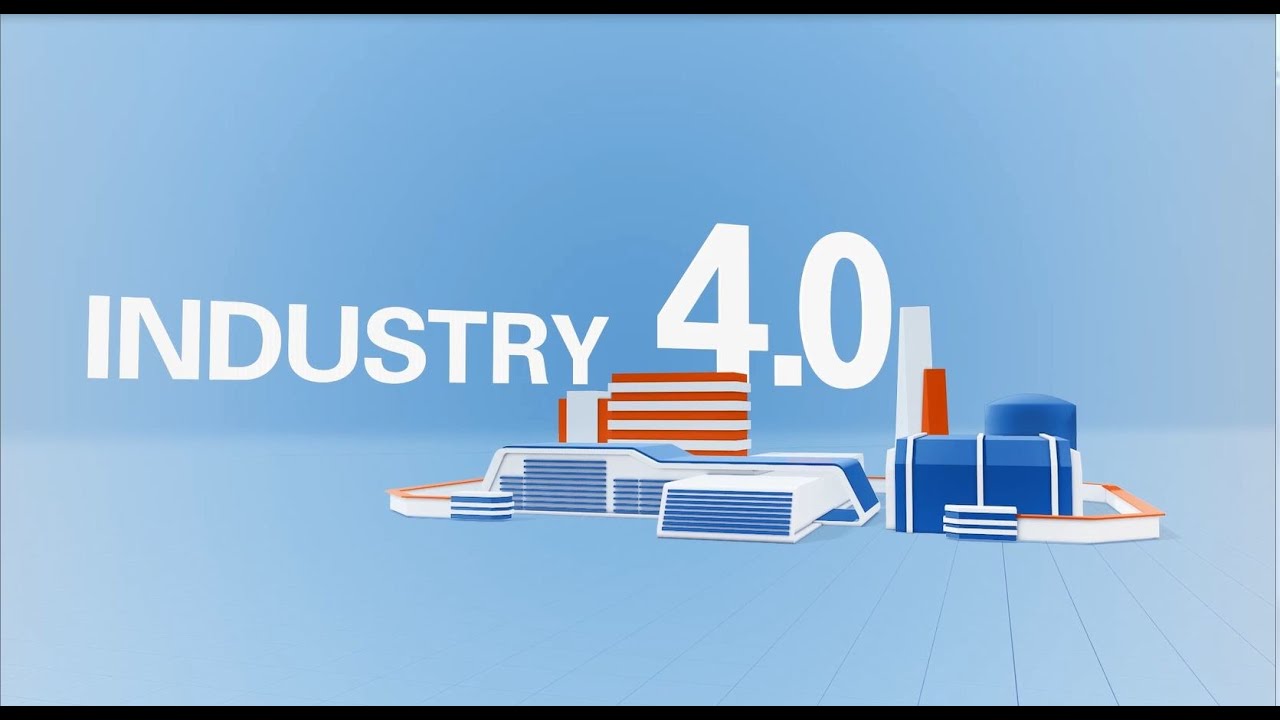
0 so let us discuss what we mean by 4. 0 and 5. 0 body the digital transformation of manufacturing slash production and related Industries as well as value creation processes it's called industry 4.
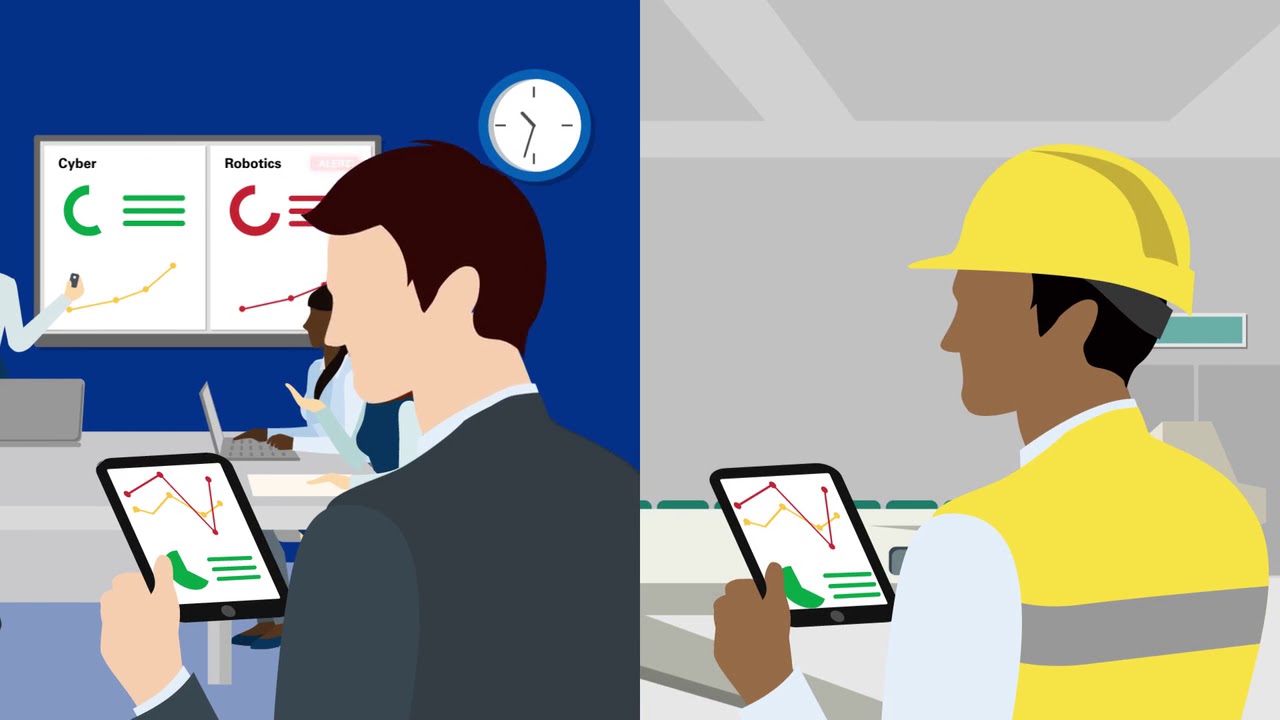
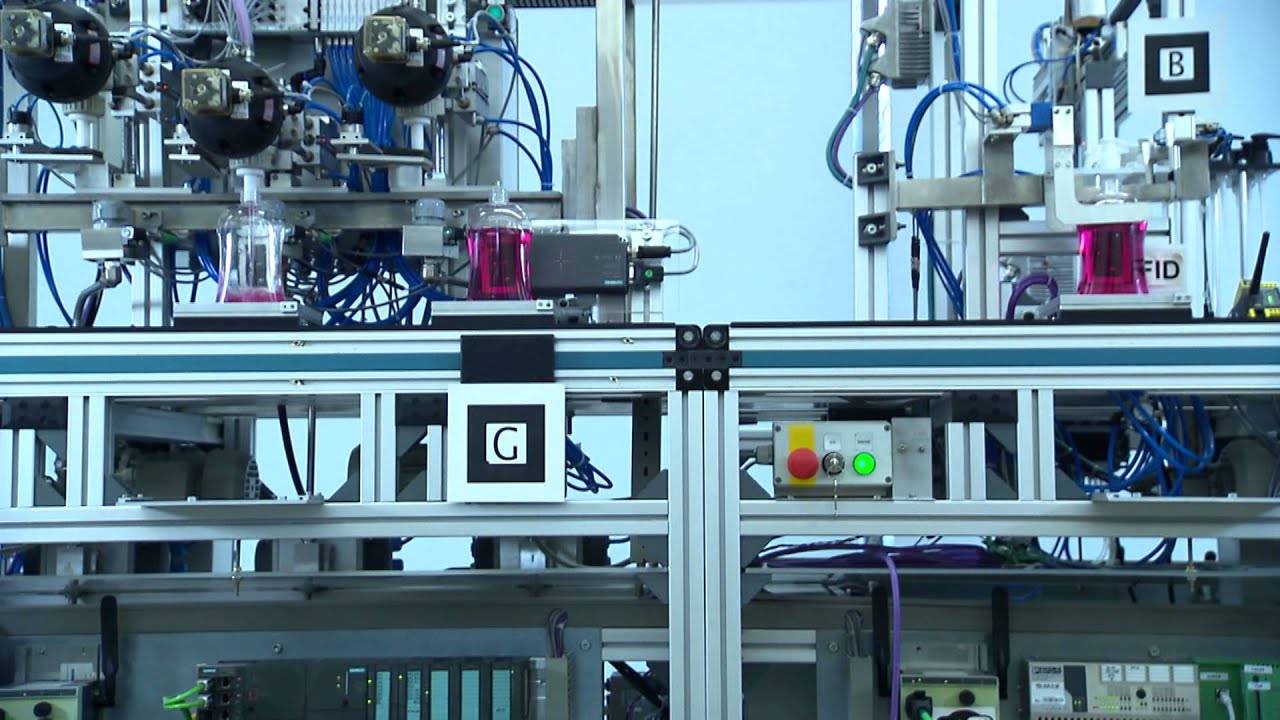
0 it is the result of an initiative to revitalize the German manufacturing industry it encompasses cyber physical systems The Internet of Things cloud computing cognitive computing the development of the intelligent Factory in essence the technologies that enable industry 4. 0 use existing data as well as a plethora of additional data sources such as data from connected assets to gain efficiencies on multiple levels transform existing manufacturing processes create end-to-end information streams across the value chain and realize new services and business models on the other hand industry 5. 0 provides a primary vision of an industry that goes beyond efficiency and productivity as sole goals and reinforces the industry's role and contribution to society it prioritizes worker well-being in manufacturing and employs new technologies to provide Prosperity Beyond jobs and growth while respecting the planet's production limits it adds to the existing industry 4.
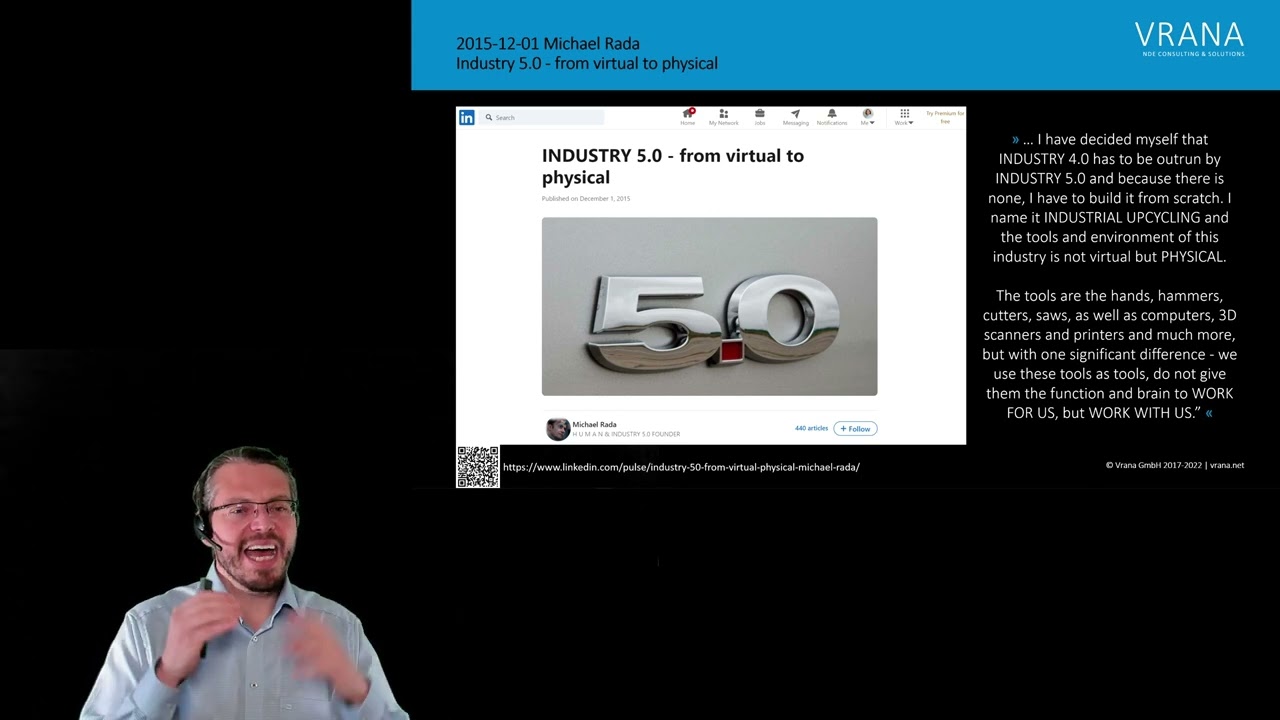
0 approach by putting research and Innovation specifically at the service of the transition to more sustainable human-centric and resilient Industries interconnectivity between smart automation devices and systems is Central to the 5. 0 industry vision Michael Radder has another vision for industry 5. 0 rather 2015 Rada 2017 according to rudder the priority of Industry 5.
0 is to efficiently utilize a Workforce of machines and people in Synergy with the environment it transitions from a virtual to a physical environment this Vision focuses on waste prevention now that we have discussed industry 4. 0 and 5. 0 in detail let's discuss the significant differences between the two sectors industry 5.
0 takes a more collaborative approach than industry 4. 0 with increased collaboration between humans and robots while the theme of Industry 4. 0 is connectivity via cyber physical systems industry 5.
0 while also aligned with platforms enabled by industry 4. 0 also addresses the relationship between man and machine also known as robots or Bots industry 4. 0 paved the way for human slash machine collaboration a collaboration between machines and interconnection in the middle of the plant Logistics Supply Chain management and the end user all stakeholders will now be able to collaborate on a single platform facts to digital integration in addition to these components industry 5.
0 integrates human creativity and robotic precision resulting in a one-of-a-kind solution in high demand in the coming decade industry 4. 0 and 5. 0 have created a roadmap for Enterprises to follow to thrive we know that industry 5.
0 is relatively new with new additions but what's so different about it robots are already a fixture in the manufacturing industry and Industry 4. 0 Technologies enable greater flexibility in manufacturing processes human creativity and craftsmanship are combined with robot speed productivity and consistency in Industry 5. 0 that's all there is to it in a nutshell this is where it differs from industry 4.