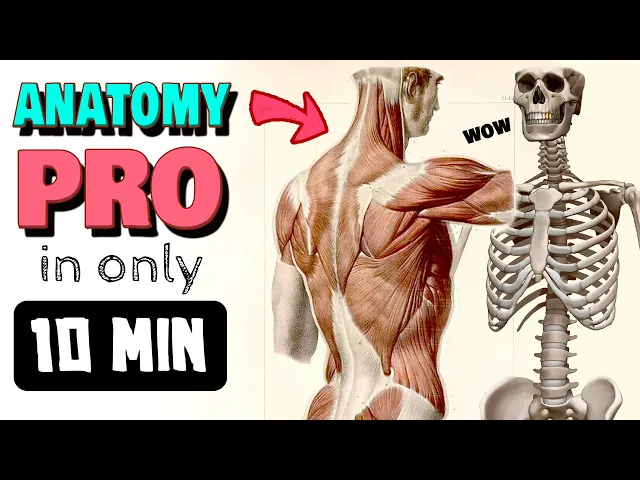
oh nice if you're like me and like to draw characters you probably know just how important it is to know Anatomy it's what allows us to draw all sorts of characters in all sorts of poses bad Anatomy Bad characters so in this week's YouTube Art School episode I'll go over the entire body showing every muscles and bones that are most important to us artists everything important packed into one Epic video so bookmark this and come back to it later if needed and uh oh quickly let's get started we're late for class [Music] all right classes
in session pay attention it took me a while to put this all together and even more so to create the art for the video so make sure you pay the philosophy of either one like or one sub Legends say it makes you smarter and uh let's get right into it we have a lot to cover in a very short time so whip out your Sketchbook and take notes let's start from the upper body we're focusing on Surface defining muscles and bones for this quick class so stuff that's helpful when we drop so I'll skip the
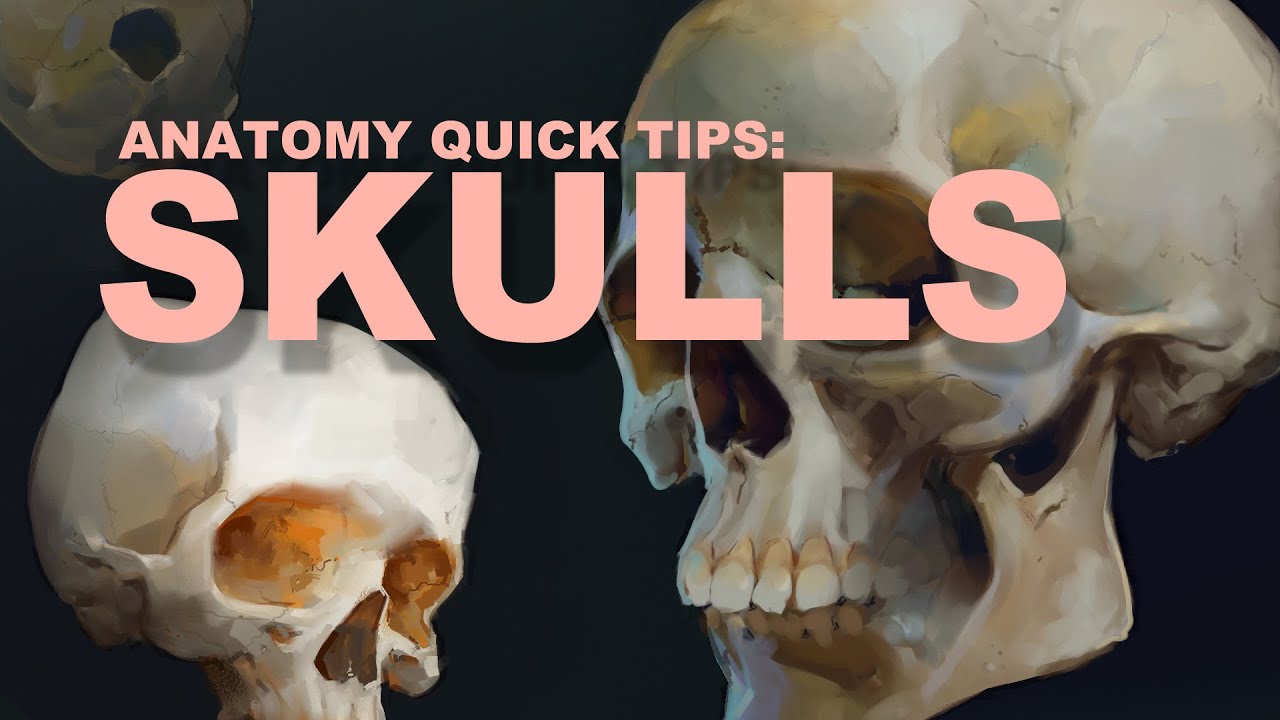
head maybe I'll do a video dedicated to it in the future but just some quick facts about it while it might seem pretty simple this call is actually made up of two main sections the facial bones and the cranium combined containing a total of 22 different bones and then when it comes to the muscles we have about 20 different ones for each side of the head or slightly more depending on how they're counted like if that includes some of the neck muscles or not anyways there's a lot to learn there but that'll be for another
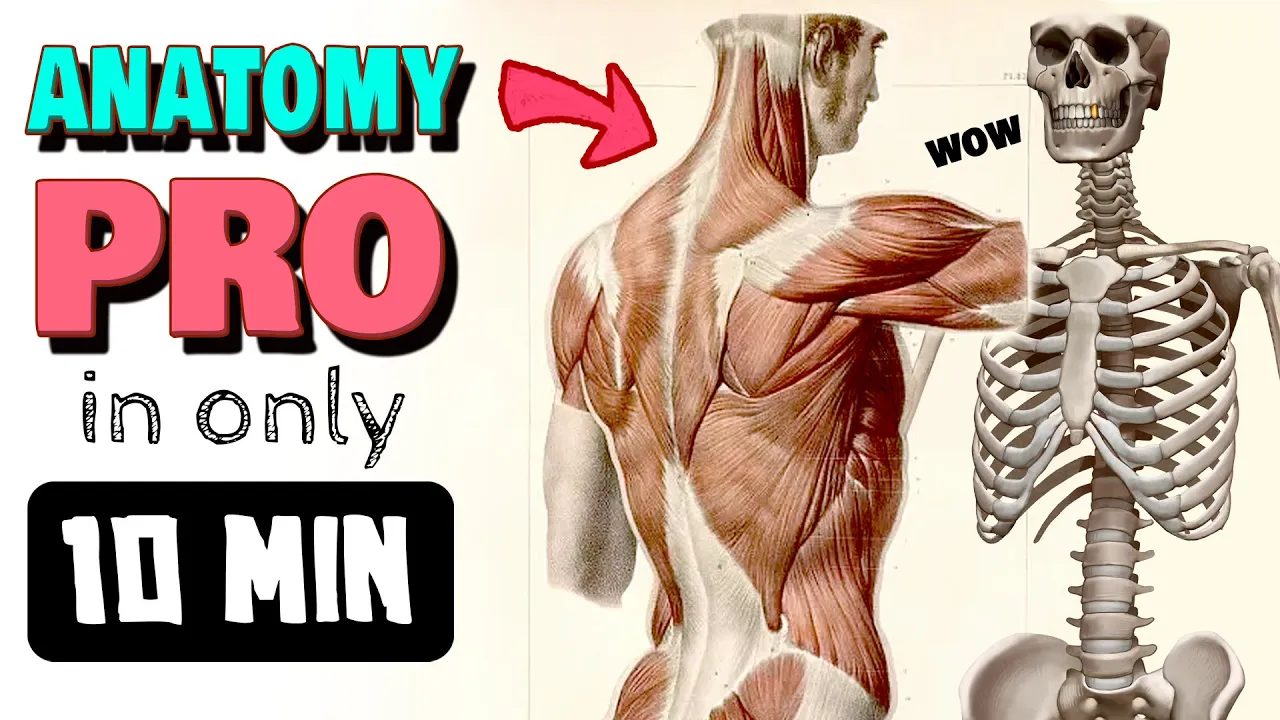
time let's move on to the anatomy of the upper body when I teach Anatomy I prefer to always start with the main bone structure since well that's what supports the muscles it makes sense so for the upper body we're going to have a number of bones that are worth pointing out some of it I'm sure is already familiar and again we're looking at the main bones but there are 206 bones in the bodies so we're focusing only on the basics and so here we go attached to the skull is the spine let's start there the
spine technically contains 33 vertebrae seven cervical vertebrae 12 thoracic ones and five more the lumbar vertebrae the rest are going to be found in the lower portion of the spine called the sacrum and the coccis attached to the thoracic vertebrae are 12 ribs that form our rib cage hence the name specifically we have seven true ribs these ones attaching at the front and three false ribs and two floating ribs that don't connect to the front of the rib cage like the others the false ribs are called that way because the cartilage they attach to merges
into the cartilage of other ribs instead of connecting directly to this sternum like the others the sternum is that flat bone kind of shaped like a tie it's our hearts shield and let's make our way back up a bit at the top of the sternum is where our clavicles our collar bones are attached these s-shaped bones articulate around the sternum and reach all the way to the shoulders to form part of the shoulder socket the rest of the shoulder socket is contributed by the scapula located on our back floating over the ribs we often call
this the shoulder blade and uh well that's it for the Torso then moving into the arms the humerus bone forms the upper arm and the ulna and the radius together make up the bones of the forearm from there we have all the bones of the hands but those are tiny and didn't make the cut for this video and now with our frame laid out let's see how our main surface muscles of the upper body attach to all of this we have a lot of small muscles in the neck but there are two larger ones that
artists should definitely be aware of this ternal math to it is one that's attached in the front partially on the clavicles and the top of the sternum and then twists its way around the neck and attaches at the base of the skull in the back and while the second muscle I'm talking about is the trapezius on the back the traps attaching to a lot of different Bones the top of the scapula along half of the spine approximately and at the base of the skull also and towards the front on the clavicles like most muscles these
are pairs you know left and right now continuing in the back this big muscle here covering most of the back is the latissimus dorsi responsible for a lot of the arm movements and we can see it attached to the humerus here on the scapula will have three visible smaller muscles that also helps the shoulder articulate this is the teres major the teres minor and the infraspinitis back to the front here's the pectoralis major that we all probably are familiar with the packs which then leads us below to the abdominal group and then on the side
of our torso here we'll find the oblique muscles joining the hip bones and many of the ribs and then finally to wrap up the abdomen we can also see the serratus interior muscles here kinda intertwined with the obliques and laying directly on top of the top nine ribs moving to the arms let's start with the deltoids the shoulder muscles there are three main heads for those the anterior head in the front the middle head in the middle and the posterior head in the back here we have the triceps again three heads the lateral head on
the outside the long head on the inside and the medial head in between then moving towards the front here's the brachialis sandwiched between the triceps that we've just seen and the biceps in the front biceps which means two heads and you'll find the long head here on the outside and the short head closer to the body moving down to the forearm now this muscle here is the brachioradialis and almost identical below that's the extensor carpi radialis longus a mouthful for sure from there I'll usually split the rest of the forearm muscles into two groups the
extensor muscles on top of the arm responsible for extending the fingers and the flexor muscles on the inside of the the forearm responsible you've guessed that for flexing the fingers quickly the extensor group is made up of four surface muscles the extensor carpi radialis brevis the extensor digitorum the extensor digitize minimi muscle and the extensor carpi ulnaris on the inside of the forearm you know the side of the palm of the hand the five surface flexor muscles are the pronator teres the flexor carpi ulnaris the palmaris longus muscle the flexor carpi radialis and the flexor
digitorum superficialis muscle these are borderline worth mentioning since they're all bunched together into one big Mass you know but that's the arm Anatomy completed and we're actually halfway through the body now already as you can see there's a lot to it despite me skipping a ton of stuff and not even talking about the functions of these body parts or how to draw them except that's something that I actually do spend a total of around 10 hours going over in the context of my art program and that's just a tiny fraction of the full content of
the program cover in all kinds of classes everything you would need to learn to be able to draw anything your mind can imagine and though while this is the part of the video where I get to announce that we just passed a new Milestone we now have over 18 000 students in art school program just absolute Madness I'm so thankful to all of you who did get the program uh the price did increase this month to reflect recent additions but to celebrate I'll be continuing the summer sale this month to upset the increase it's a
big discount so it'll only last until the end of this month make sure you check the link in the video description to learn more about it there's no better time than summer break to get serious about your art alright moving on to the bottom half of the bod now so let's see the skeletal structure first again before we move on to the muscles it'll be a lot simpler for the lower body we'll pick it up at the pelvis where a lot of stuff is attached to very important part of the body in the back the
spine leads us right to it this sacrum here is both part of the spine and the pelvis at the same time in some way the elephant's ear looking section here that's the ilium and the edge of the ilium is called the iliac crest and the part that looks like goggles is called the ischium I mentioned those different parts because lot of muscles attached to those different ones now the leg bones follow the same pattern as the arms so we'll find this large bone the longest of the body actually called the femur for the upper leg
the lower leg will be made up of a pair of Bones tibia and the fibula and then we'll skip the feet here as well but let's not forget the patella which is the technical name for the kneecap it links the quadriceps that we'll just see in a moment and the tibia via the patellar ligament and we're actually almost done so let's wrap this class up with the muscles of the leg starting from the back here's the gluteus medius one half of the butt cheek and the other half is made up of the gluteus maximus towards
the front we'll find a tensor fasciae Lata or the tfl now the lower part of that along with the lower portion of the gluteus maximus kind of merge into this long band of connective tissue called the iliotibial band or tract and that goes all the way down to the start of the tibia on the outside of the leg connecting the upper leg and the lower leg for the upper leg we'll have three main sections or groups of muscles the anterior meaning you know the front thigh muscles the abductor muscles and the posterior or back thigh
muscles in the front here we have the quadriceps femoris a big four-headed muscle hence the name it's made up of the vastus literalis the rectus femoris the vastus medialis and hidden underneath the last head called the vastus intermedius starting at about the same spot here on the Ilia Crest next to that we have a long band of muscle called the Sartorius that kind of wraps around the quadriceps and attaches right below the knee now moving to the back the posterior group is made up of the biceps remorse right next to the quadriceps remorse which is
soft next to it moving towards the center of the body here's the semi-tendinosus next to that the semimembranosis and then the gracilis which is another long band of muscle very similar to the Sartorius especially since they run right next to each other at approximately the same spot and then to wrap up the upper leg we'll have three more muscles the abductors starting with the abductor Magnus here sandwiched between the semi membranosus and the gracilis and towards the front here we'll find the abductor longus and the pectinius and finally the lower leg let's go from the
back to the front and the calves are actually made up of a muscle called the gastrocnemius made up of two heads the medial head on the inside and the lateral head on the outside both are attached to the lower part of the femur at the top and Below to the calcaneal or the Achilles tendon that reaches all the way down to the calcaneus or aka the heel now right behind the gastrocnemius is a flat muscle called the Soleus towards the outside of the leg in order we also have the fibularis longus the fibularis brevis the
extensor digitorum longus and the tibialis anterior and we've done it that wraps up the surface muscles and the main bones of the body at least what I find is most relevant for artists now there's obviously a lot more that we haven't seen and I highly encourage you to look into it you know once you've memorized what we saw today but only this should already give you a huge Advantage as an artist most professional artists don't even know half of this stuff and I know this from experience I hope this was helpful again if you're into
this stuff as much as I am I highly recommend you check out my art program where we do a deep dive into the full human anatomy including the head the hands and the feet I worked really hard on it but even if not you should still check out the link to my store in the video description I have a lot of freebies on there that I'm sure you'll find useful so check it out and make sure that you're on time for next week's class live from Hawaii [Music] foreign [Music]