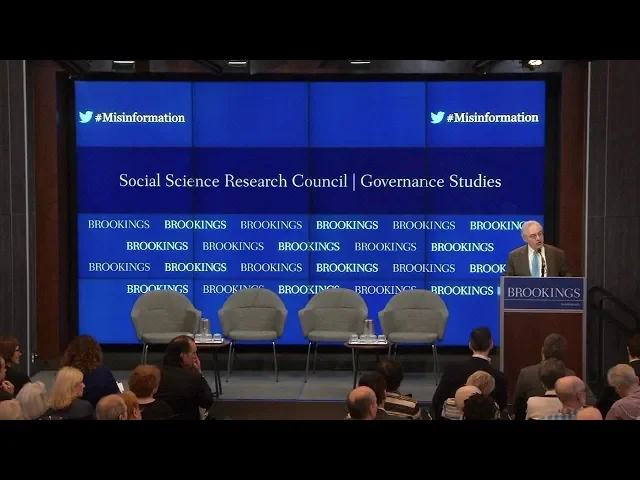
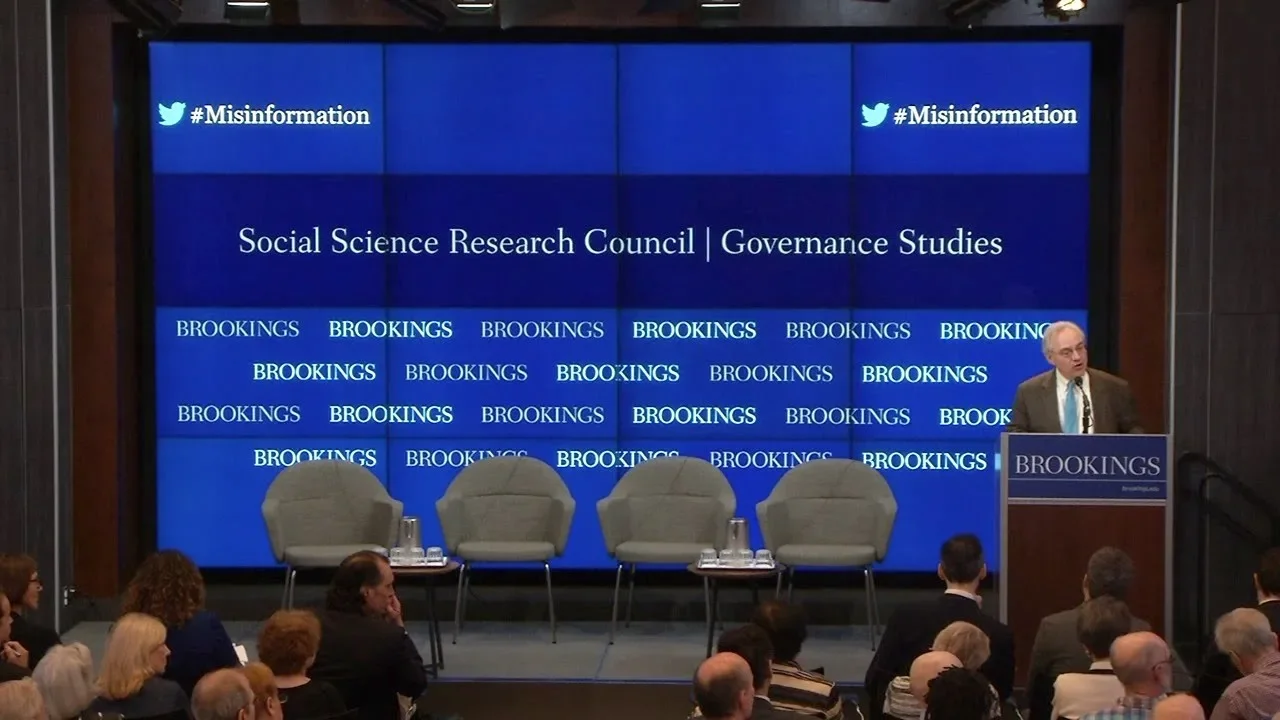
good morning everyone I'm very pleased to welcome you and those who will be watching on c-span to this morning's symposium my name is Jason rody and I'm a program director at the Social Science Research Council I direct the digital culture program the social data initiative and co direct with cristela Trump who is in the audience here the median democracy program which is the program sponsoring this morning's activities were privileged to be joining our friends and collaborators here at the Brookings Institution to host this event the consequences of misinformation a symposium on the history circulation and
management of misinformation which are untruths circulated without the intent to deceive and disinformation which are untruths circulated intended to deceive we're grateful to two members of the SSRC median Democracy advisory board who helped us shape today's event and are active participants in it EJ Dionne is senior fellow and governance studies here at the Brookings Institution and of course a regular columnist with the Washington Post and he also serves as co-director of the median democracy advisory board and John sides who's associate professor of political science at George Washington University and founder and contributor to the monkey
cage also part of the Washington Post we're also grateful to the SSRC and Brookings Institution's staff who helped put this event together and EJ will be naming them later in his remarks and finally we're grateful always to the funders who helped make all of this possible the Jon s and Ja James L Knight foundation the democracy fund and the William and Flora Hewlett Foundation so there may be some of you who are less familiar with the social science research council we're an independent nonprofit international organization founded in 1923 our mission is to foster innovative social
science research nurture new generations of social scientists we've supported some several thousand fellows in our ninety five year history and through our work with universities policymakers foundations and think tanks we seek to mobilize social science on important critical issues for the public good these issues include our work in the 1930s for example informing the development of Social Security under the Roosevelt administration and now at this moment when technology has influenced core institutions and practices in media and democracy so in 2017 the SSRC created the meet this media and democracy program to encourage academic research practitioner
reflection and public debate on all aspects on the close relationship between media technology and democracy just last month we organized a conference at Stanford University on the topic of social media and democracy assessing the state of the field and identifying unexplored questions and a report from that meeting which aimed to scope out a future research agenda will be made public in the coming weeks we encourage you to look at it we also just launched a new website called the median democracy Network which aggregates and curates academic research news opinion and events all around on these
topics and I encourage you to visit it mdns SRC org it'll help you get a handle on the wide scope of conversation around this topic so investigating the causes the sources and the spread of myths and disinformation has been central to all of this work and led us to put together this symposium today the spread of false information has historical roots of course in sensational journalism state propaganda political disagreement foreign espionage and partisan debates a collection of approaches far richer than suggested by the currently popular phrase fake news the suppose M is informed by social
scientific and journalistic perspectives on the most effective means of understanding and countering false information even as it explores the challenges in doing so what is the historical context of myths and disinformation how is it exploited by political actors both within and outside of a state how do existing divisions and increased polarization create the conditions for Mis and disinformation to be more effective in what ways do technologies incentivize or disrupt the spread of Mis and disinformation now often we might open a symposium like this with questions like why this topic or why now but we really
only need to look at the latest headlines to see that we have a cultural and a problem with missing and disinformation made ever more complicated by a changing media environment distorted economic incentives and challenges like increased political polarization and the role of social media technology companies in the platforms they provide our central agents whether it willingly or unwillingly in the modern spread of Mis and disinformation you may see you may have seen that a consortium of bipartisan foundations is partnering with the Social Science Research Council to structure and manage the process through which scholars and
researchers will gain access to Facebook data social data collected by Facebook and one of these areas of anticipated research is in disinformation you can find out more about this social data initiative our role in our perspective at our website at SSRC org so the integrity of knowledge at circulation and use is also at the center of another SSRC initiative a task force created last year called to secure knowledge which is co-chaired by Bernadette great little Chancellor emeritus of the University of Kansas and IRA Katznelson the professor of political science and history at Columbia University and
past president of SSRC the task force was inspired by our conviction that both science and democracy depend on open systems to pursue knowledge on norms that foster confidence and trusts the task force has looked at a number of these aspects of regarding securing knowledge and we anticipate release releasing findings in mid-september so these are just a few of the reasons that we were eager to bring together the wonderful speakers for this morning's event who will share their insights and prompt us all to reflect on histories contexts and solutions to the spread of MIS and disinformation
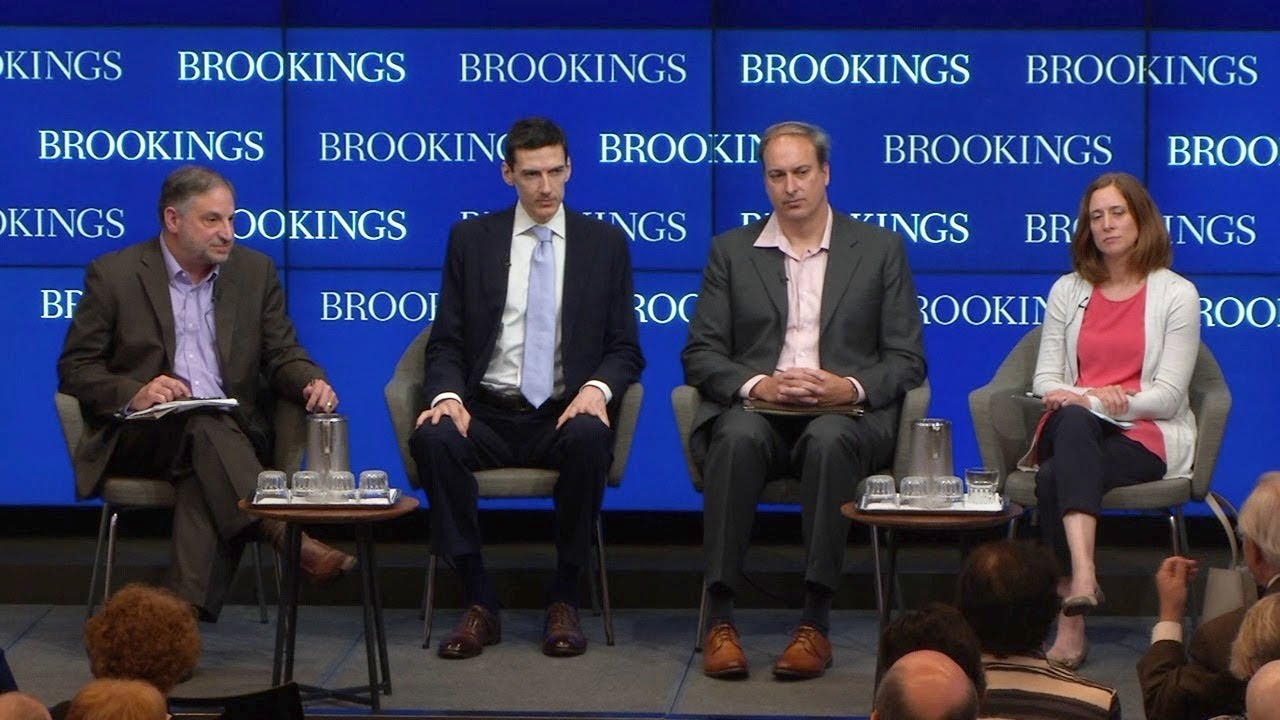
with an ambition that such knowledge will help us edge toward a more just and democratic society so following this EJ Dionne will offer his own opening remarks and some contextual framing and and thanking again people who helped put this together then we have three sessions one hour each in which three participants will offer a snapshot based on their research and background knowledge on the session theme a few minutes about seven to nine minutes each from any who are watching this in the future from afar please visit the Brookings or SSRC websites for an agenda and
biography biographical information but quickly summarize the three panels are the status of facts and the persistence of information the spread of misinformation and correcting or managing misinformation for each session we also have a respondent who will give a few words and then quickly turn to questions to offer to the panel so that they might reflect on those and finally will open up each panel to the to the audience for questions we do ask that you keep your your questions brief and we have people with microphones all around so that you could speak in the folks
who are watching from afar can purchase a Justin just to move quickly and efficiently will will only begin each session by just identifying panelists by their name and affiliation unless I said the full biographies are available online so welcome thank you to Brookings were eager to it started and EJ everybody laughed when my colleagues said well we don't need any explanation of why we're here today I thought well maybe I can dispense with my whole talk but I thought I'd give it anyway I'm EJ Dionne I'm a senior fellow here at Brookings and I want
to welcome everyone quite literally as joe biden might say in the name of truth justice and the American Way now for those of you old enough to remember the reference a good media environment means that you shouldn't have to be Superman to be able to find the truth or at least the best approximation of it that we can have we have assembled some extraordinary people here today to discuss the spread of misinformation whether it is a bigger danger today than it is in the past and what impact it can have on the media democratic deliberation
and free elections thank you so often left to the end of events but I want to begin with them today because so many people put in so much work um so we could have this discussion today I would like to thank my colleagues at the median democracy program at the SSRC particularly adjacent rody Chris Stella Trump no she is not related to another Trump we might think of penny penny Weber and John sides just a brilliant brilliant scholar for making this event possible and for spearheading such important research if I may also thanks to IRA
Katznelson for all of his early and essential work on this project um thank you to all our distinguished panelists who are among the most prominent thinkers on these topics in both academia and journalism and thank you for the working staff Adam Watters Adam I think this is your last Brookings event that you will organize unless I'm forgetting something on our schedule boy will I miss you Adam waters Lettie Duvall Oh sandless a black who have done so much work here and thanks to everybody for being here for nearly a century the SSRC has supported social
scientists producing innovative research in the public interest as Jason mentioned the media and democracy program was launched in 2017 to bring together a diverse group of experts to examine how transformations in media technology and politics affect each other and how policy might make those interactions more beneficial to democracy in the common good as a journalist but at least as important as a citizen who wants democracy to prosper in our country and around the world I was grateful for the SSRC invitation to become involved in this endeavor um the work that's already been completed is a
demonstration the vibrancy of the debate over the proper responsibilities of the media and democracy and the ways in which new technologies can make enormous contributions to this work while also creating a large new problems technology is like that it's neutral it all depends on how we use it and how we harness it today's program will I am sure spark similarly enlightening and thought-provoking conversation our topic this morning is on the consequences of misinformation and over the cost course of the three panels you've already heard about we will I won't give you a preview because you
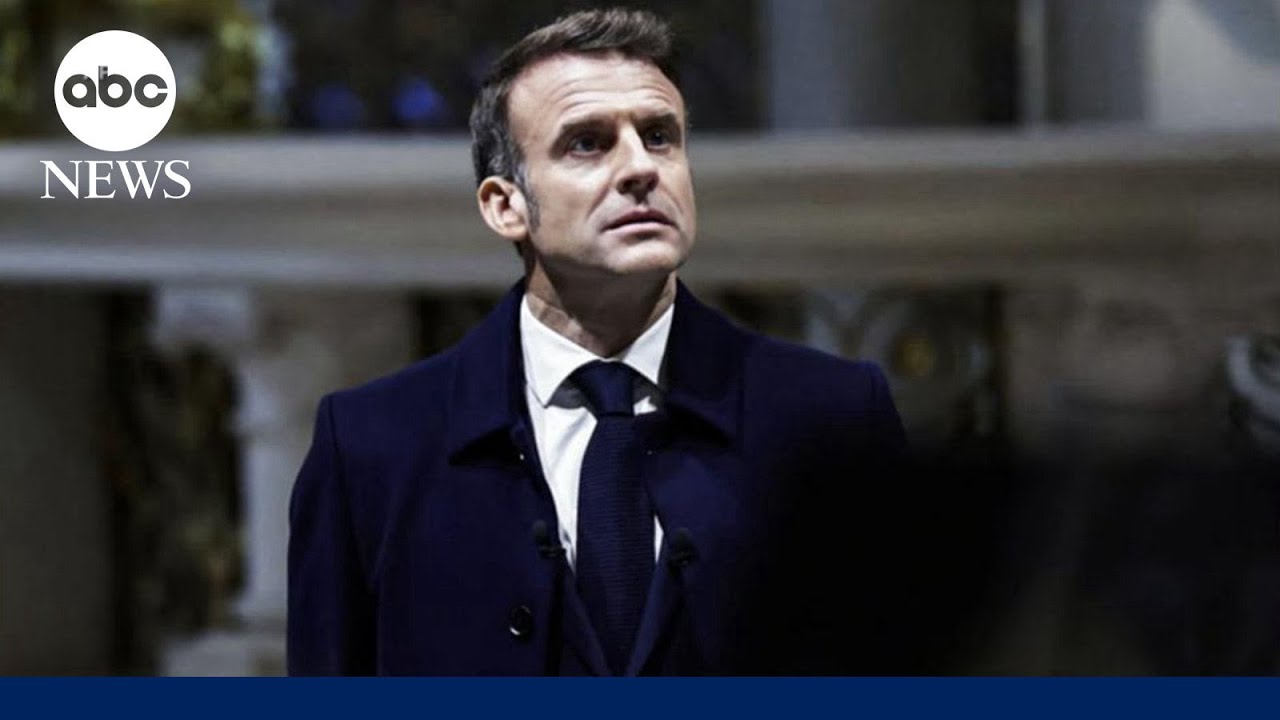
already had it but we are going to sort of pay particular attention I think it's fair to say to how we can manage and correct misinformation and falsehood going forward we're hoping to spark a wider dialogue and to deepen the synergies between academic research and journalistic best practices as I alluded to earlier to say this is a timely topic is if you will forgive me not fake news when French president in Manoa Macomb visited the United States last month he spoke plainly about the dangers of dis misinformation to liberal democracy to protect our democracies he
said we have to fight against the ever growing virus of fake news which exposes our people to irrational fear and imaginary risks without reason without truth there is no real democracy because democracy is about true choices and rational decisions the corruption of information is an attempt to corrode the very spirit of our democracies it is powerful book on tyranny the historian Timothy Snyder offers 20 lessons from 20th century history about the present era a lesson 10 was at once basic and essential believed in truth to abandon facts is to abandon freedom Snyder insisted if nothing
is true then no one can criticize power because there is no basis upon which to do so you submit to tyranny when you renounce the difference between what you want to hear and what is actually the case today the fight for truth may be the most import struggle of all and the journey to alternative facts into what has been called the post truth world has a long history this is not the first time we have struggled with these questions we should also by the way not pretend that the rise of partisan media is anything new
for us in our country's early years an inch of the 20th century the press was primarily a part as an institution fiercely devoted to defending one party in attacking the other or even defending the interests of a competing faction in a party and attacking another over time a movement emerged led by a walter Lippmann among others to introduce the notion of objectivity into journalistic practice a journalism Lippmann himself called on journalists to emulate and that quote Lippmann the patient and fearless men of science who have labored to see what the world really is now I
have always wondered about comparing us ink-stained wretches or at least we used to be ink-stained to scientists but it is a noble legacy that is still alive and strive for in our older media institutions and and also in so many of the new ones but the trend toward objectivity was later upended by transformations in the media and the economy traditional media institutions as we all know a faced severe financial challenges and the rise of alternative outlets with more openly partisan leanings again bringing us back in some ways to the origins of our nation social media
have made it easier for citizens to inhabit their own information world's free not only from challenges to their views but also from correction of error and misunderstanding technology made everything more efficient and that included the spreading of lies in this new environment the dedication of the older news outlets the establish newspapers and television and radio networks to balance became more and more problematic is balance ever owed to falsehood what can be done if one political candidate is out shape outlandish ly and shamelessly willing to make up facts and level a steady stream of unsubstantiated charges
while the other candidate is merely flawed in the way all candidates are flawed it needs to be said to concern over the fate of truth in fact is not a sudden preoccupation of our current moment the rise of mass media makes the categories of truth and falsehood irrelevant to an evaluation of their influence those are the words of the historian Christopher lash in his book the culture of narcissism truth has given way to credibility lash continued facts to statements that sound authoritative without conveying any authoritative information in an observation that will bring true to the
experiences of consumers of certain websites in cable news broadcasts he notes and at quote lash again by using accurate details to imply a misleading picture of the whole the artful propagandist makes truth the principal form of falsehood and Christopher lash wrote in his book published his book 39 years ago in 1994 Michiko Kakutani the New York Times literary critic wrote a powerful essay that could be republished in 2018 with absolutely no alteration throughout our culture she wrote the old notions of truth and knowledge are in danger of being replaced by the new ones of opinion
perception and credibility Kakutani warned of a universe in which truths are replaced by opinions as citizens become increasingly convinced of the authenticity of their own emotions and increasingly inclined to trust their ideological reflexes again that was in 1994 and of course in 2005 Stephen Colbert launched The Colbert Report by defining the word the term truth by which he meant statements that people believe to be the truth regardless of whether they are connected to any facts or evidence they just sound true to people he was referring in part to the Bush administration's decision to invade Iraq
but it was a term that applied very broadly to many aspects of our politics these problems of course aren't solely confined to the United States as Macross intervention suggested just as it did here during the 2016 election the Russian government is systematically attempting to spread false information in to interfere with the democracies of cross across Europe when McCraw for example fared as well in the French presidential election in 2017 if the media there had responded differently to efforts to release information damaging to him only days before the voters went to the polls autocratic leaders around
the world have wrapped weaponized that phrase fake news to deflect or suppress media criticism of the treatment of their own people but we should not be entirely without hope I am a kind of hope monger I confess the resurgence of some of our major newspapers and other news outlets in the ways in which new websites have picked up some of the reporting slack left by the decline of other media institutions is one source of hope journalism I point out a very particular thing that I think is extremely helpful is more depth than it used to
be using reporting presenting and explaining data many outlets have managed often brilliantly to maintain a strong allegiance to fact in truth while presenting both in the context of a clearly articulated political viewpoint one of the most widely cited observations in an era when even facts seemed to have a political allegiance is the late Daniel Patrick Moynihan's coinage everyone is entitled to his own opinion but not to his own facts speaking if I may just for this moment as an opinion journalist I'd and that there is a need for a corollary to Moynihan's rule opinion journalism
cannot be called journalism if it is not based on fact in an ideal world a journalism a verification in fact would live side by side with an enriched and factual opinionated sector and this may well be our future but technology does not stand still there will continue to be more opinion available than ever combined with a greater capacity on the part of individuals to select only the point of view that they share it's why I actually like to get hate mail it means people are reaching out across the divide to look at views that they
can't stand so god bless all the hate mailers and the fact is that in the name of advance enhancing the online experience social media platforms tend to push people toward others who are like them and agree with them because it's always more agreeable to have someone agree with you defending those engaged in the work of establishing verifiable truths and I see that as one of our purposes today and that's across a broad range whether they are specialists and government agencies who collect and disseminate accurate information scientists and others in the Academy who subject their work
to critical scrutiny or the practitioners of all fashion journalism defending all of these folks is essential to carrying out all the other tasks of democracy disorienting the public by blurring the line between facts and falsehood Alexander Hamilton warned us long ago is the trick of the despot whose object is to throw things into confusion that he may ride the storm and direct the world win it should now be clear that false balance does not serve the truth defensiveness does not preserve journalism's values and trying to appease critics who have no interest in the truth only
compromises journalism's purposes the growing push back in the media to untruth is a sign of Health and the rallying of many citizens who have put their money on the line through thousands of new subscriptions to a variety of news outlets god bless them has demonstrated that journalism's role in preserving democracy and liberty is more widely recognized than their ever still as we will be hearing today there is much more to be done to combat misinformation and to identify those who spread it just a couple of points on some of the issues we might discuss today
we can abstractly distinguish between misinformation untruth circulated without intention to deceive and disinformation falsehood spread with malicious intent but as we learn from the discussions just this past weekend about when and how the media should use the word lie intent itself is often a contentious subject how do we approach the problem of false information when the lines are blurred between lies and simple missed statements or exaggerations should the nature of falsehood affect our choice of intervention to correct it additionally stories about the spread of misinformation via Facebook and Twitter during the 2016 election have highlighted
the ways in which social media can exacerbate misperceptions and fan the flames of conspiracy but can new communication technologies be harnessed to resistant misinformation and strengthen democracy while preserving the freedoms necessary for a raucous and open political conversation how can social media platforms become more consistent allies of both a raucous debate and of the truth now scripture teaches that the truth sets us free which means that misinformation and disinformation are indeed the enemies of freedom the right to seek and to find the truth is a right worth defending and discovering ways to make that defense
effective is an essential task so I salute the scholars and journalists we will be hearing from today for undertaking that effort if Ally can get halfway around the world before the truth gets its sneakers on our participants will help us to find much better running shoes and ways to get out of the blocks a whole lot faster thank you very much and I am so pleased to welcome the first panel led by my old colleague mark stencil where's mark I had the great privilege of working with both Mark and his mom and they are both
awesome people welcome mark stencil thanks for watching be sure to LIKE and subscribe for more videos from Brookings [Music]