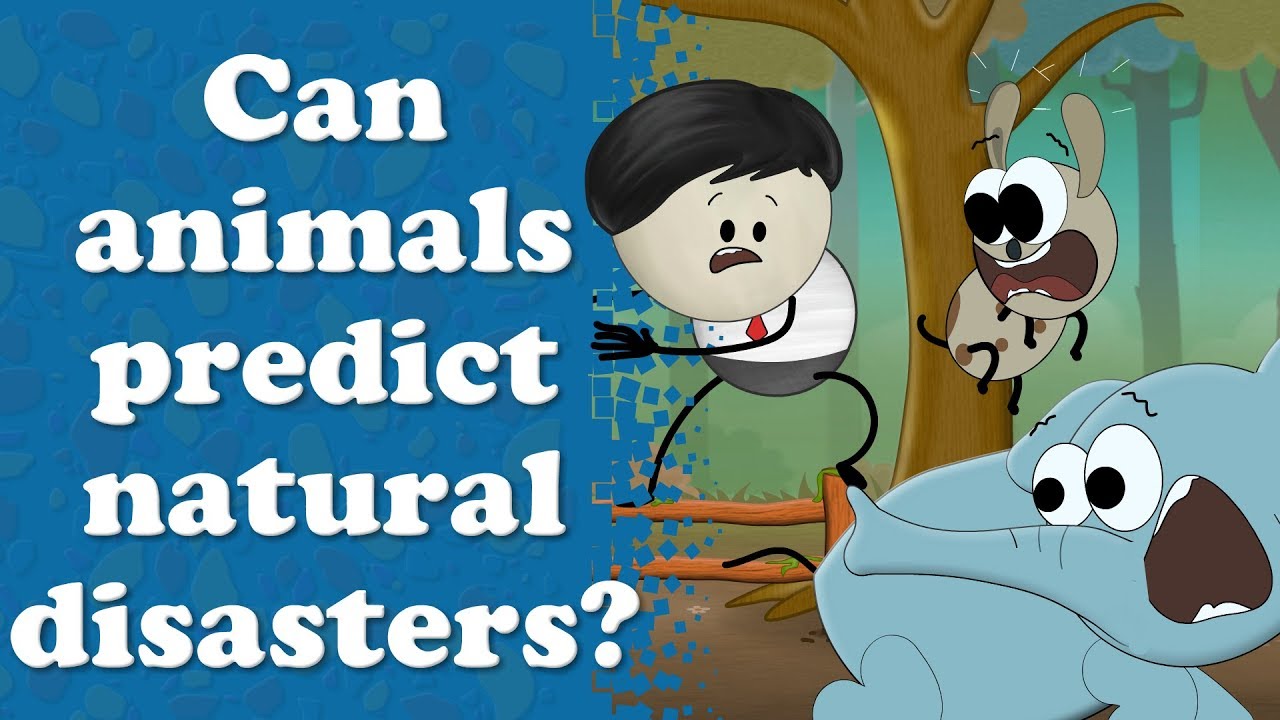
Now that we have seen in previous videos what wild animal suffering is and why it matters, we will examine the different ways animals suffer in the wild. In this video, we're going to start by considering how they can be harmed by factors related to their physical environment, in particular by weather conditions and natural disasters. Weather, especially temperature, plays a major role in influencing the well-being or suffering of animals in the wild.
Fluctuations and temperatures in certain regions affect large numbers of animals. Many animals, especially those reproducing in high numbers, may colonize a certain area when weather conditions are fit for them to live in, only to die when weather conditions change. Cold-blooded animals, like fishes, amphibians, reptiles, and invertebrates are particularly susceptible to sudden changes in temperature.
Young animals who cannot migrate or who live in shallow waters that get cold more quickly are especially at risk. Cold weather leads to loss of life more routinely than hot weather. Animals who don't hibernate or become dormant in cold weather have to endure large variations in temperature.
The temperatures may fall within a tolerable range what may nevertheless be very uncomfortable. This may weaken animal's immune systems and make them more susceptible to illness. It's common for large portions of a population of mammals to die every winter, and more than half can be wiped out during a particularly harsh winter.
Unlike many other animals in temperate climates, deers don't migrate or hibernate in the winter. They try to crowd into the few spots that provide some shelter from the cold, wind, and snow. Food is also scarce for them during the winter.
Animals who hibernate are more vulnerable during the winter due to risk of disease or starvation before the winter's end. For example, bats can suffer from frostbite or starve to death if they awaken during their winter hibernation and fly around too much, depleting the fat stores they need to get them through the rest of the winter. Crickets, like many other insects, can survive the winter in diapause (dormancy).
Whether they survive or not typically depends on which stage of their life cycle they are in and how unstable the winter temperatures are. Some insects can withstand being frozen solid because they produce a cryoprotective chemical similar to antifreeze. However, if they fall out due to sudden warming temperatures, they may not survive a refreeze.
Birds can usually tolerate a relatively large range of temperatures. Yet if they are sick or injured and unable to fly to our warmer place or can't keep up their body heat in the winter, they can suffer from frostbite. They can also suffer from crash landings on ice or wet pavement that they mistake for water.
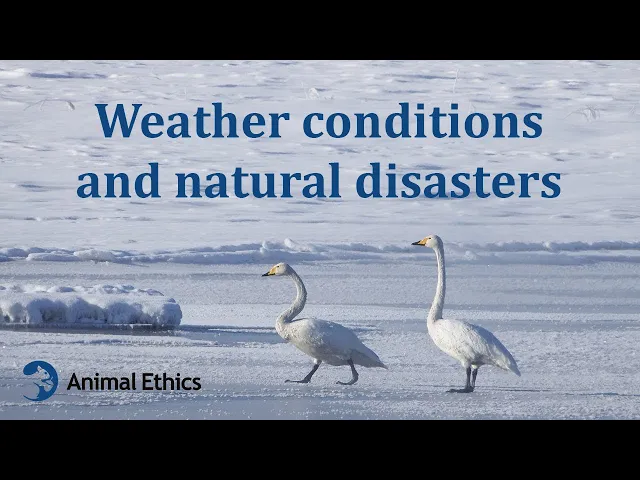
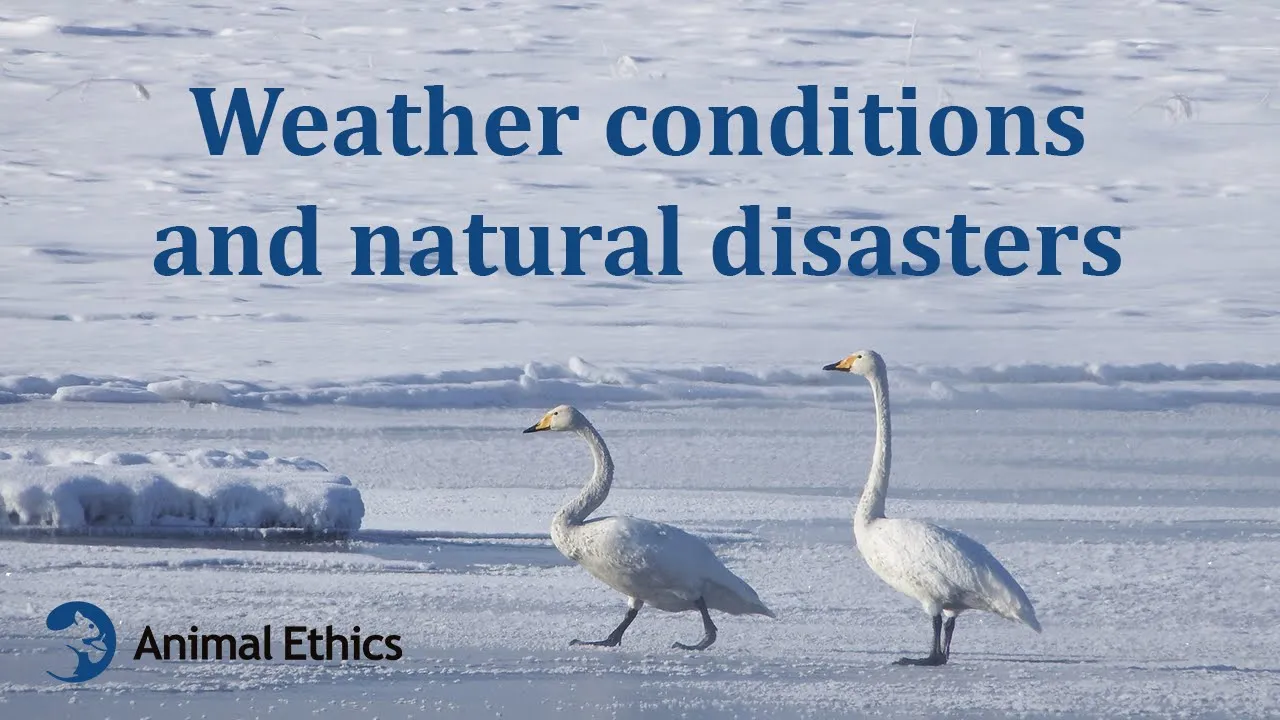
Swans and other birds who can't move well out of water sometimes get stuck on ice and injure their wings trying to flap against the hard surface. Cold-blooded animals like fishes, amphibians, and reptiles have to expose themselves to warmer or cooler water or air to regulate their body heat. As a result, they are more vulnerable than mammals and birds to heat stress or hypothermia due to sudden temperature changes.
Although marine environments generally have smaller temperature fluctuations than air, there can be a large variation in temperatures between bodies of water. Just as land animals migrate to inhabit new zones, marine animals can move into areas that are colder or hotter than is good for their bodies. Floods and heavy winds can also displace marine animals so they end up in unfavourable environments.
Sea turtles commonly experience "cold stunning" when there is a rapid change in temperature or the water remains cold for too long. Cold stunning occurs when decreased heart rate and circulation result in shock and lethargy that can be fatal. Young turtles are especially at risk because they often live in shallow water that gets cold faster.
Cold stunning often happens during unusually cold spells, but in some areas it is chronic, occurring every winter and killing more than half of the turtles who aren't able to migrate. In response to warmer temperatures, the metabolism of some marine animals slows down, enabling them to better adapt. However, many marine animals experience heat stress that impairs their ability to consume oxygen.
if temperatures remain too high for too long, they will be unable to survive. In extreme cases, or when changes in the climate occur progressively over long time periods, entire populations may die off, suffering a great deal in the process. Animals dying from extreme weather conditions can experience a lot of pain in addition to losing their lives.
Many factors other than extremes of temperature can affect animal populations. Some animals require a certain level of humidity to thrive and can suffer a great deal in arid regions. For others, too much humidity or rain can be harmful.
Although there are many animals who are not affected by rain, or who actually like rain, there are others who are bothered by it, or have illnesses or physical conditions that are worsened by it. Just as rain, snow, and strong winds can negatively affect human well-being, they can cause similar discomfort and stress to animals living in the wild. Even if these uncomfortable conditions don't kill them, just as they usually don't kill us, they can still cause suffering for non-human animals.
Without access to adequate shelter or medical care, complications that would be minor for humans can be severe for animals living in the wild. Several other weather phenomena can have a huge impact on animals, and can wipe out entire populations. Their effects can combine with other factors such as the availability of food and water, the presence of predators, and diseases.
Consider, for example, droughts, heavy snows, and flooding. These extreme conditions can kill animals directly, for example, by drowning, or indirectly, for example, by damaging the food supply. Weather conditions can also cause diseases or trigger epidemics among animals.
Many animals get weaker during the winter due to the harsh weather, which makes them more susceptible to becoming sick. Other animals suffer from diseases that become active only when certain weather conditions occur. For example, many birds carry avian cholera that is inactive.
Lobsters are more susceptible to lobster shell disease when the water is warmer, which weakens their shells and makes them more susceptible to injury and predation. Animals living in the wild are particularly vulnerable to natural disasters. Earthquakes, hurricanes, volcanic eruptions, tsunamis, and forest fires can have devastating consequences.
Many animals died or drown, are buried alive by dirt ash, lava, snow; crushed to death and collapsed or burned burrows; smashed against trees and rocks, or pelted by hailstones. Others sustained major injuries. Animals are often at high risk of being displaced, either because they moved to safer places or because they were swept away by high winds or rushing floodwaters.
If displaced animals are crowded together in a small area, they risk major outbreaks of disease and parasite infections. Malnutrition and starvation due to limited food supplies also become major risks. The animals might also be affected by exposure to sun, cold, or wind if they do not have adequate shelter.
The wind, rain, and debris from storms injure and kill animals, including destroying shelters and contaminating food and water sources. Strong winds and rain can cause broken limbs and head trauma, as well as breathing problems and infections from getting water in the lungs. In storms, animals are displaced and orphaned.
Most of these problems would not be fatal if the animals were able to receive care, but in most cases they do not. A few lucky mammals and birds get care if they are blown into urban areas and are found disoriented on someone's lawn. When these storms occur in colder weather, animals are killed or injured when they are pelted with jagged hailstones the size of golf balls.
The pressure can also rapidly mix the cold water near the bottom of the ocean with warmer shallow waters. This can cause hypothermia in cold blooded animals who rely on the water temperature to regulate their body temperature. The strong currents produced by mixing waters can kill many small and slow-moving animals who can't just swim away.
Smaller animals are more vulnerable to drowning or dying in resulting floods and mudslides. Burrowing animals may be safe from smaller disturbances, but torrential rains can collapse their burrows or block the entrances, trapping them or leaving them without shelter. Burrow entrances can be blocked by branches, leaves, stones, and other debris moved around by the water or wind.
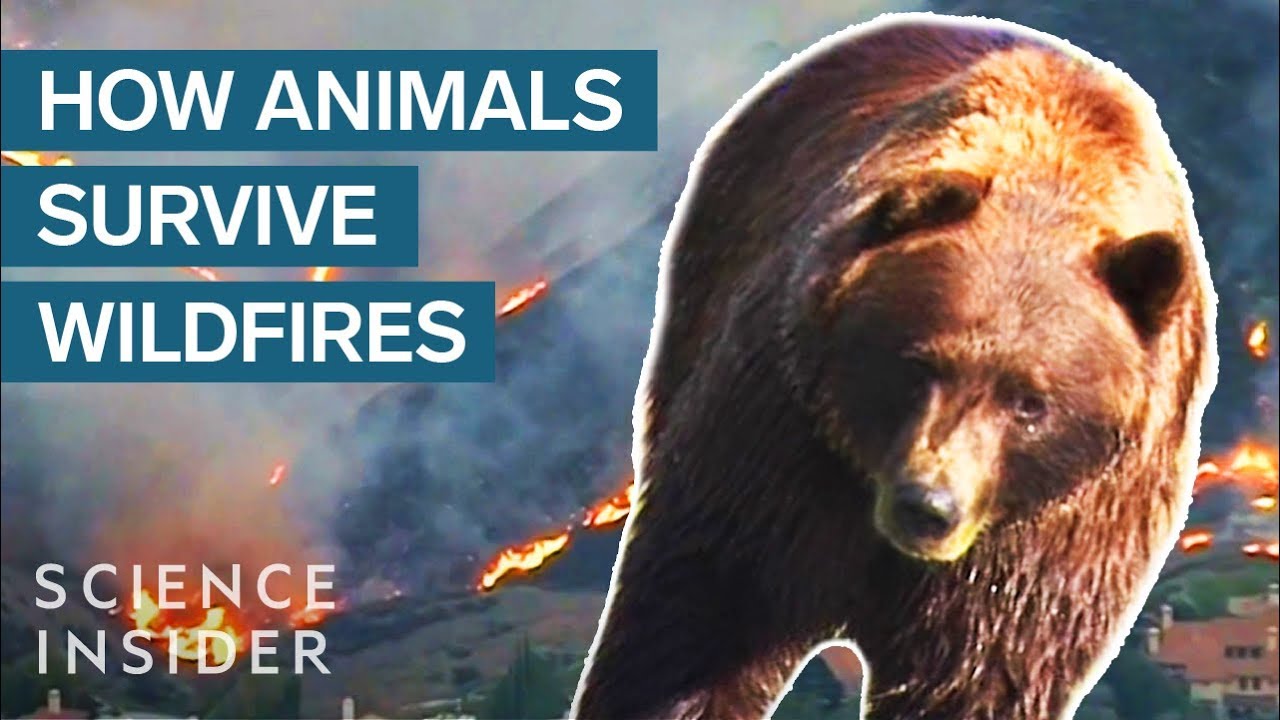
Leaves and debris can also harm marine animals, blocking sunlight, reducing oxygen levels as they rot, and suffocating fishes by blocking their gills. A single wildfire can kill millions of animals. The flames and smoke of forest fires kill most animals in their path, Including many burrowing animals who are too near the surface, and animals who live in rivers and streams as the flames pass over.
Animals who run away may be caught by waiting predators along the path. Even if they survive the fires, the aftermath can leave animals with burns, blindness, and respiratory problems that can be fatal or permanently debilitating. Some animals like squirrels, porcupines, and koalas try to get away by climbing trees, which is not a good strategy in a fire.
Other animals may try to flee but then panic and return to their dens. Smaller animals can burrow into the ground, but if they don't burrow deeply enough, they will die when their dens heat up like an oven. Fleeing animals may die due to smoke inhalation, burns, exhaustion, disorientation, or attacks from other animals.
Mothers and babies may not be able to leave, and territorial animals may be more reluctant to leave and end up staying where they are until it's too late to get away. Smoke injury is usually short-lived and often heals naturally within a few days. However, if it is severe enough or prolonged, it can cause greater harm, including lung damage, vision loss, or blindness.
Birds are especially at risk of serious respiratory harm because of how much air they take in relative to their size. Burned skin can cause a lot of pain, limit mobility, and may never heal completely. Singed wings and other appendages can affect animal's ability to move around and navigate.
In earthquakes, animals can be buried alive by falling rocks. Seabirds and fishes who live in shallow waters near the shore are buried alive in sand or debris and suffocate. Fishes are washed ashore where they die slowly because they can't breathe outside of water.
Earthquakes may be followed by landslides that bury animals alive and destroy their homes, or by floods that can drown them or sweep them away. In addition to shaking land, earthquakes can shake and displace the seabed. Land masses can sink into the water, along with the animals who live there.
When the ocean floor is displaced, It can create a tsunami, which is a series of high, fast waves that begin quickly, can cross oceans, and can last for days. When tsunami strike, birds and other small animals can drown when they are washed into the water, and be unable to get back to dry land. In addition to causing tsunamis, earthquakes can cause fires, which lead to further death, injury, and destroyed homes.
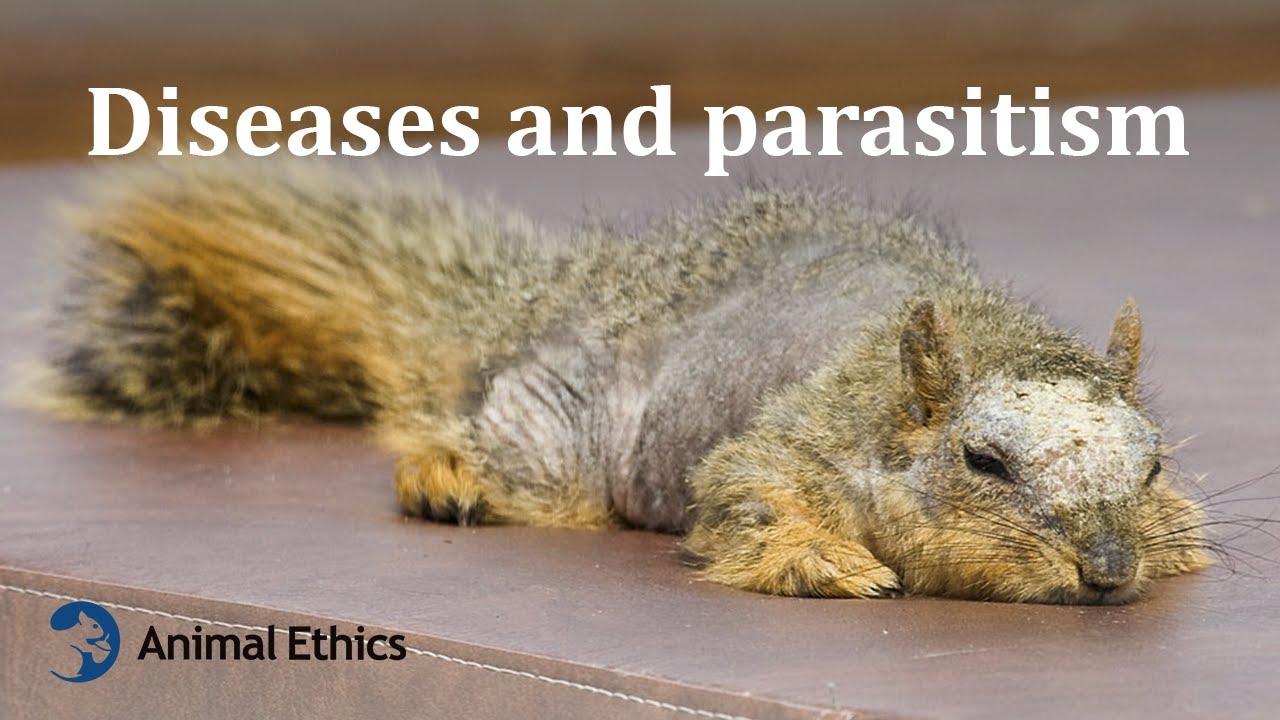
In this video we have seen some examples of ways in which weather conditions and natural disasters can harm animals in the wild, not just by their immediate effects, but also over the long term. In the next video, we will look at different way at which animals in the wild can suffer and die: disease.