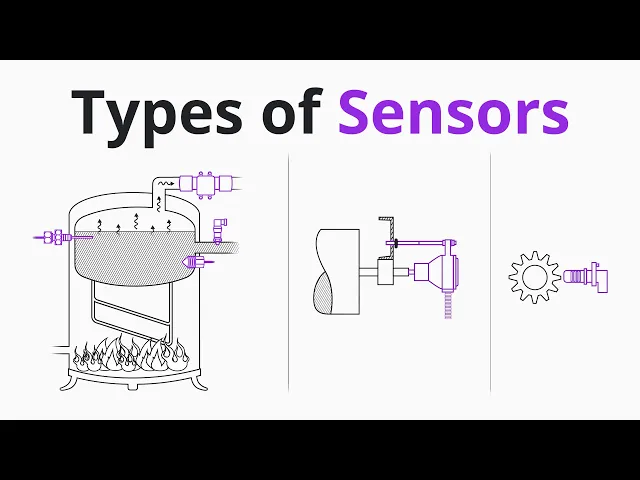
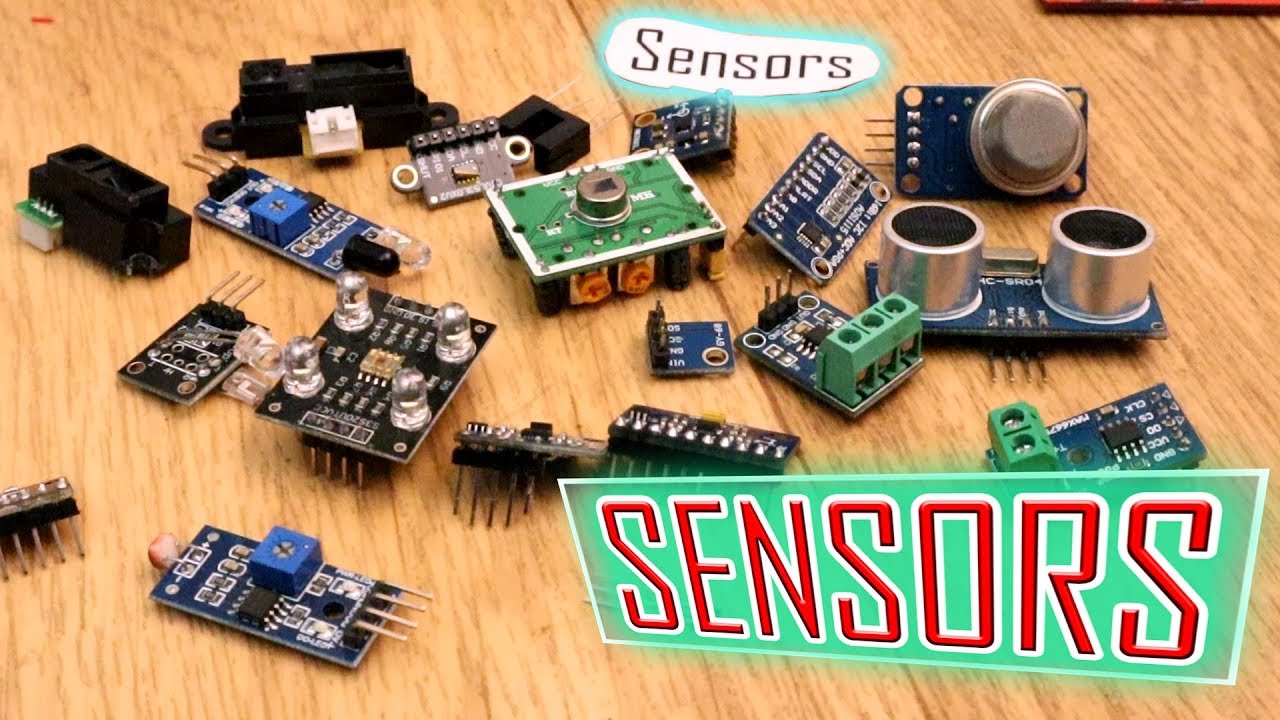
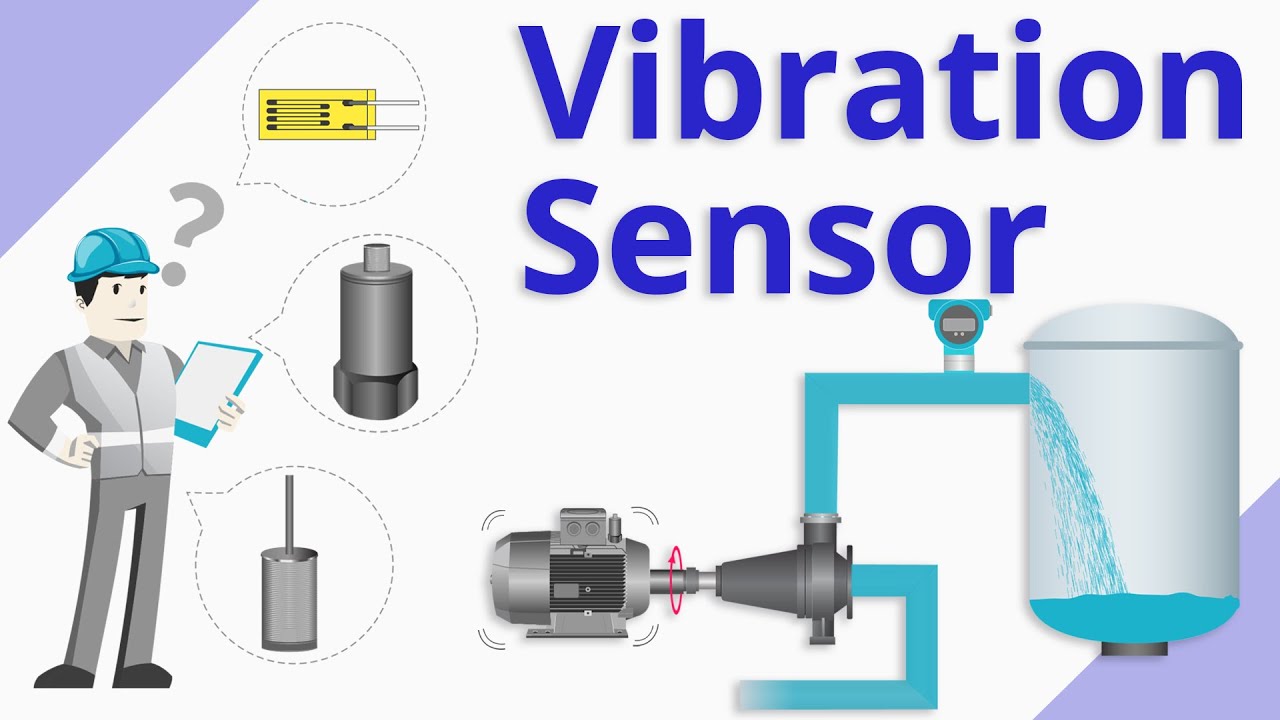
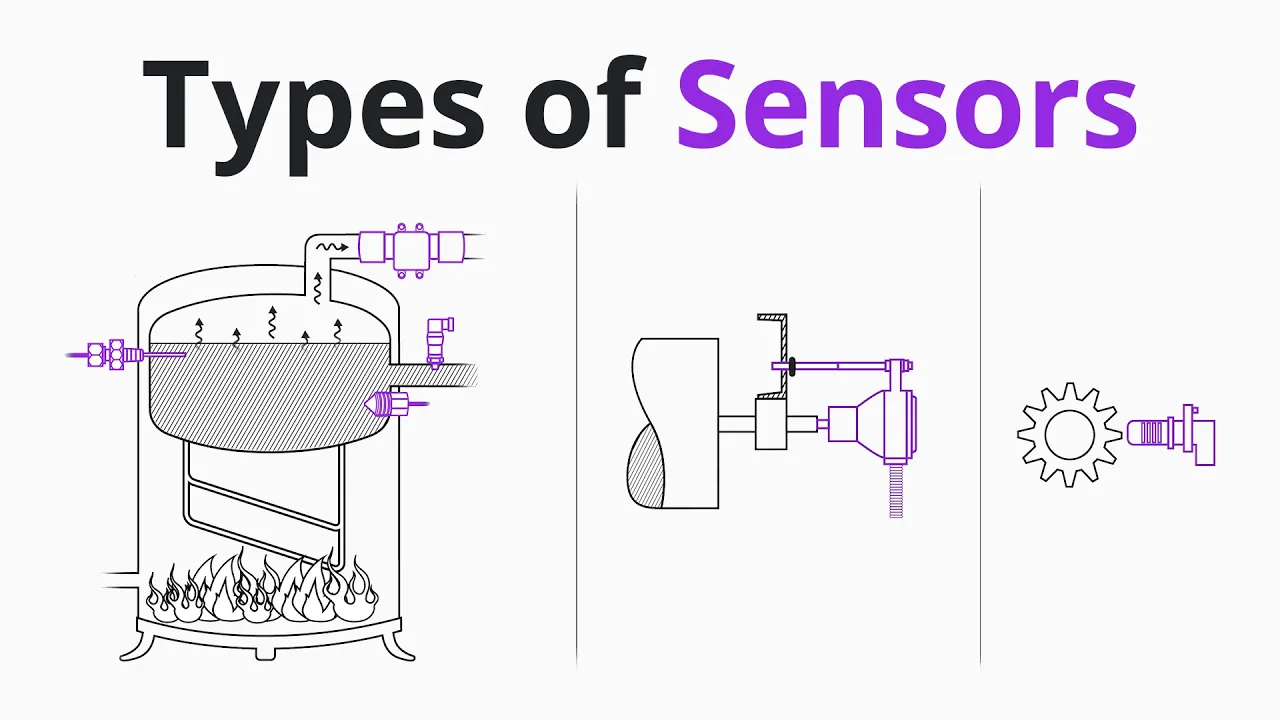
[Music] sensors are a part of everyday life at home and work there's probably not a day that goes by where you aren't impacted in some way by a sensor in this video we're going to talk about what a sensor is what it can do and how it can be used in process control okay off we go a sensor is a device that senses something today we have sensors that can see feel hear smell and even taste without sensors our home and work lives would be quite difficult for example as you drive to work the traffic
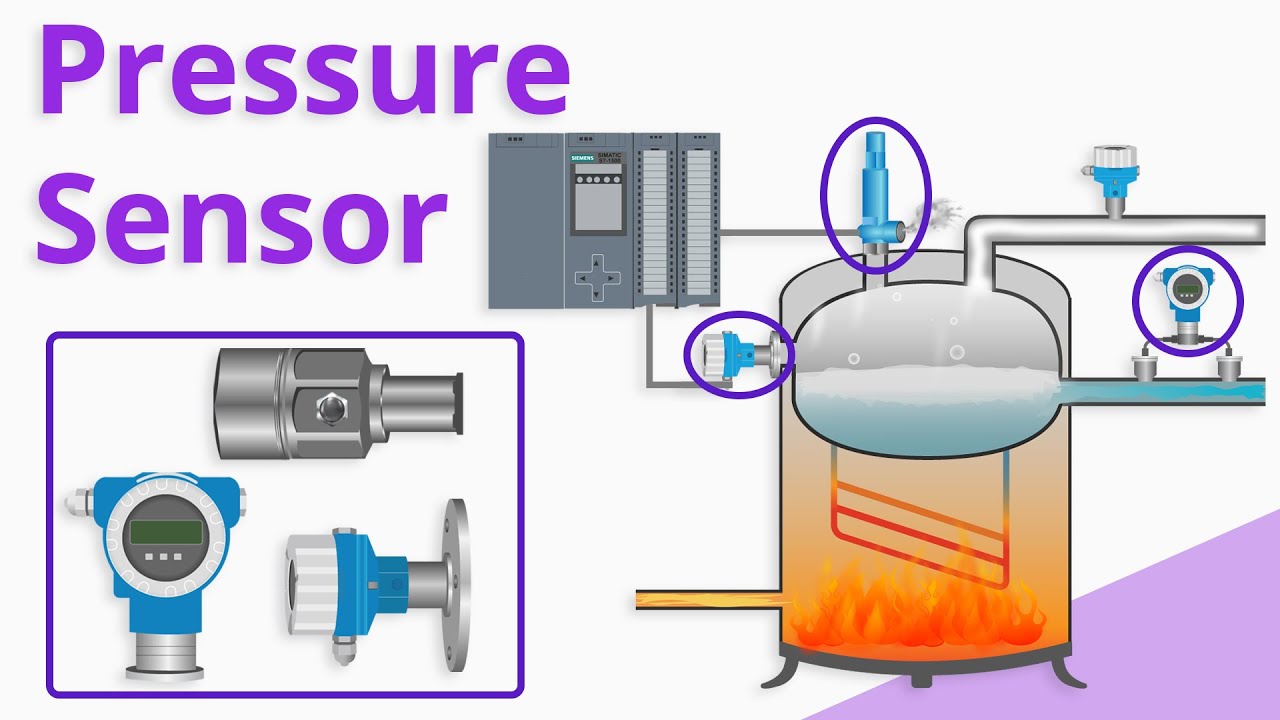
lights at an intersection are controlled by sensors embedded in the road these sensors detect your arrival at the intersection as you approach the grocery store the door automatically opens because of a sensor in your plant the batch process temperature and pressure are displayed and controlled as a result of output from sensors in the world of instrumentation and process control we define a sensor as a device that detects changes in physical electrical or chemical properties and produces an electrical output in response to that change what are the typical physical properties that sensors are detecting let's name
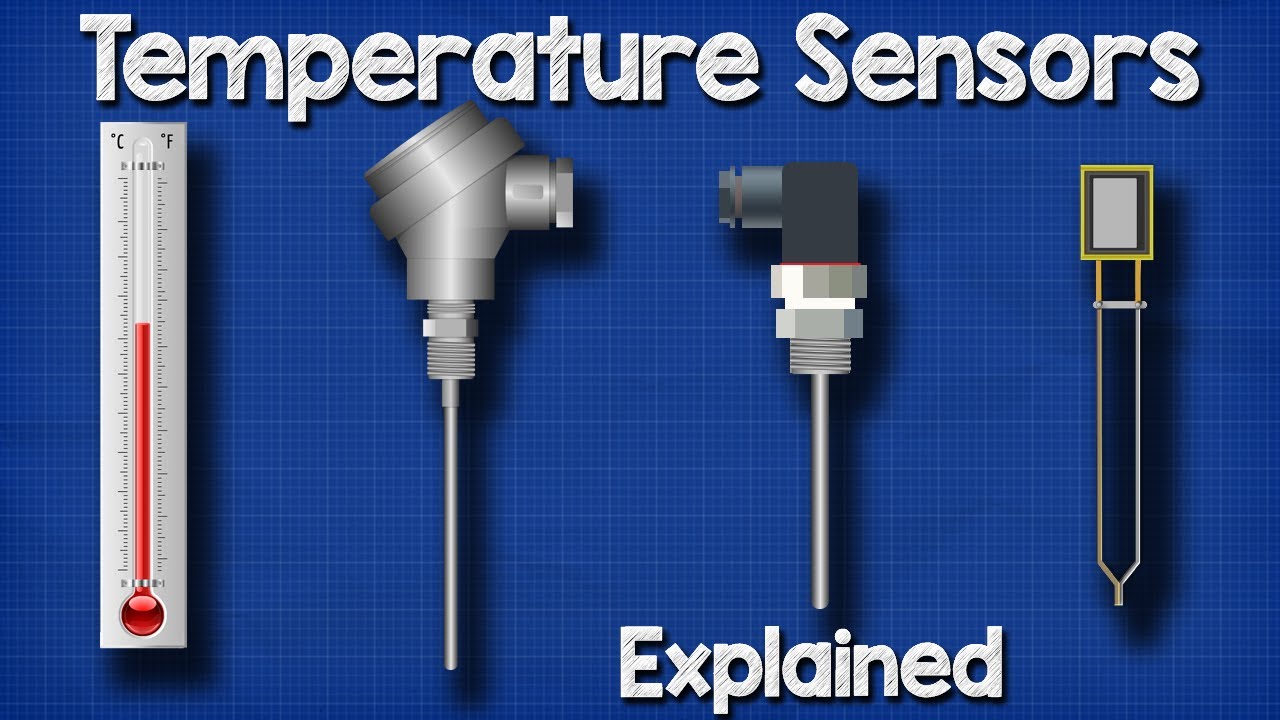
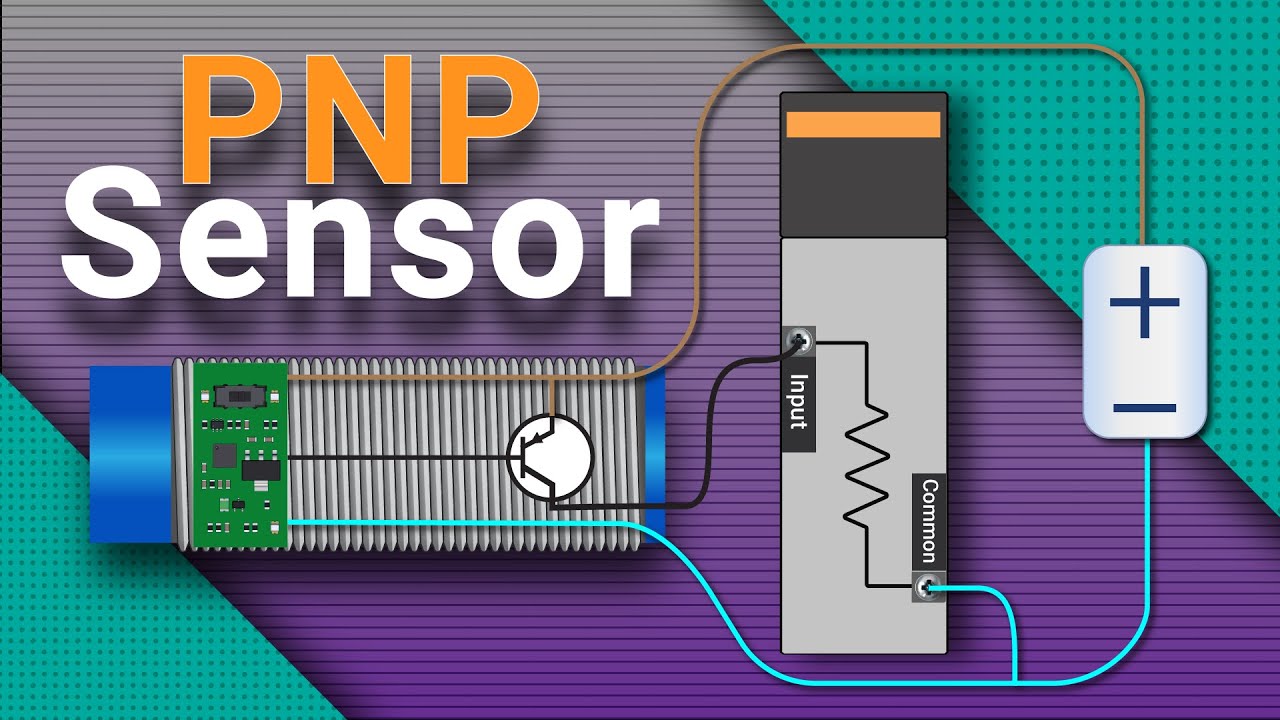
a few level temperature flow pressure speed and position from a process control perspective we can classify sensors as either passive or active a passive sensor requires an external source of power to operate while an active sensor does not a thermocouple is an active sensor as it does not require any external power supply to operate as a thermocouple is exposed to an increase in temperature it will develop an increasing voltage across it another example of an active sensor is a piezoelectric sensor a resistance temperature detector or rtd is a passive sensor it is a device that's
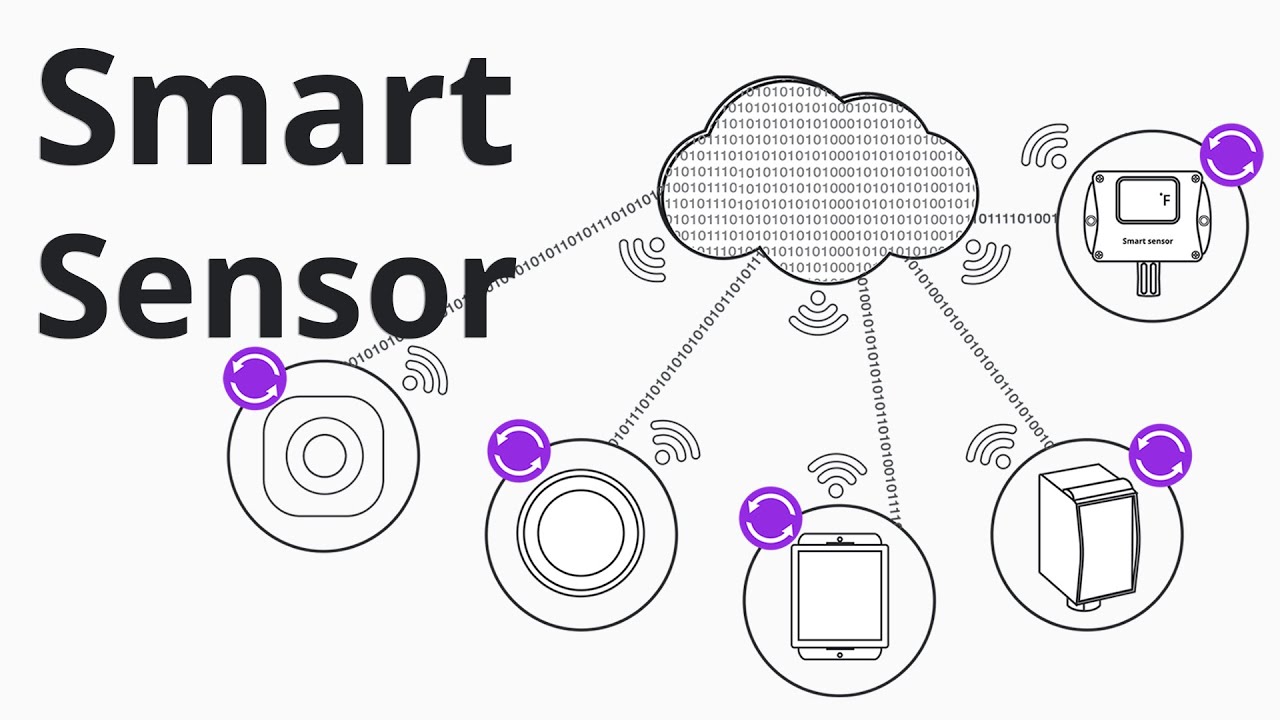
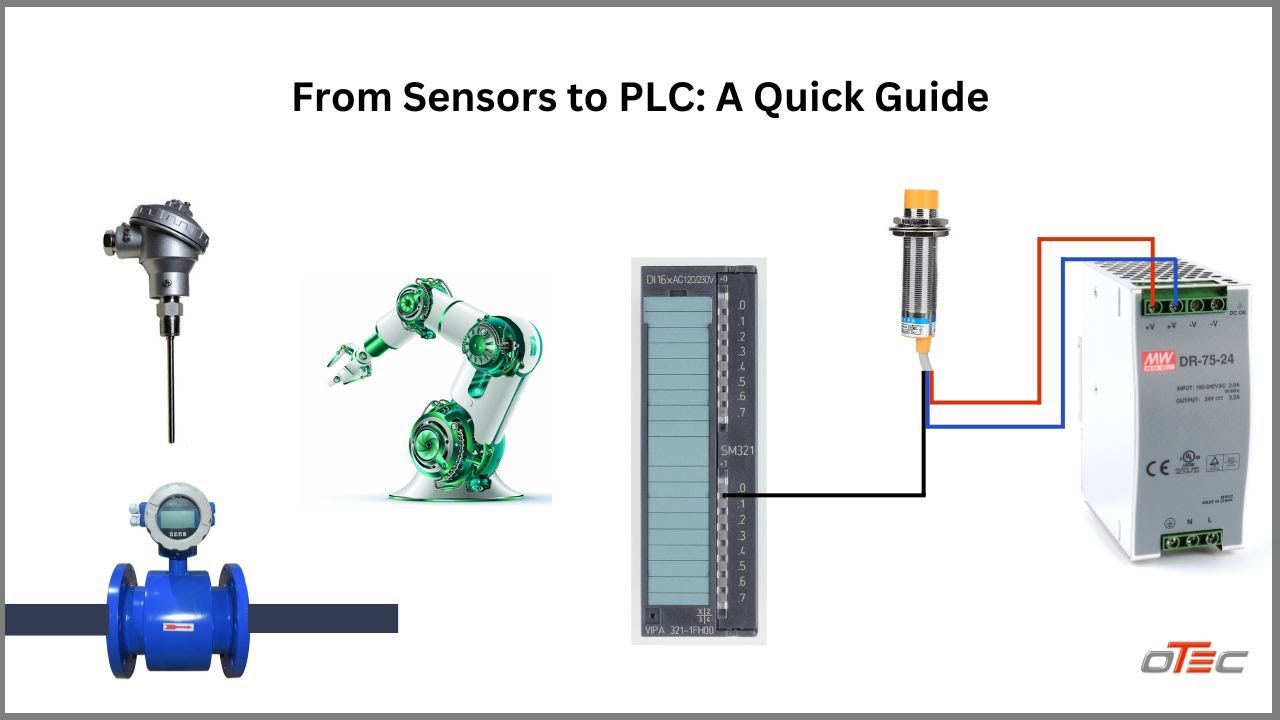
resistance will change with a change in temperature to take advantage of this change in resistance an external supply or an excitation circuit is required to produce a change in voltage another example of a passive sensor is a strain gauge all right now that we've talked about sensors and the physical properties that they can sense let's discuss how they are used in the industry almost every sensor used in process control will be connected to a transmitter because the sensor's output needs to be conditioned or amplified here's an example we've already talked about a thermocouple and the
voltage output created when it is heated unfortunately the voltage output of a thermocouple is minuscule in our example the thermocouple will produce a voltage output from 8 millivolts to 18 millivolts over 450 degree fahrenheit change in temperature in process control we condition that 8 millivolts to 18 millivolts thermocouple voltage and convert it to a 4 milliamps to 20 milliamps industry standard signal that represents our controlled temperature range let's review what we've covered today sensors are a part of everyday life at home and work a sensor is a device that can see feel hear smell and
even taste in process control sensors are classified as passive requiring an external excitation to produce an electrical output or active producing a voltage output without any external excitation in process control sensors are used to measure physical variables such as level temperature flow pressure speed and position sensor output voltages are very small and therefore require a transmitter to amplify or condition the output to make it usable in process control applications newcomers to realfars have free access to one of our online courses you can take advantage of this offer by downloading the realpars app and selecting the
first lesson of the plc hardware course just like this video the lessons are all high quality and also very easy to follow also for a low monthly fee you'll get full access to an exclusive library of courses on plc programming and industrial automation topics as well as new fresh out of the oven videos each and every week these courses are all member exclusive and are not shared anywhere else on the internet [Music] you