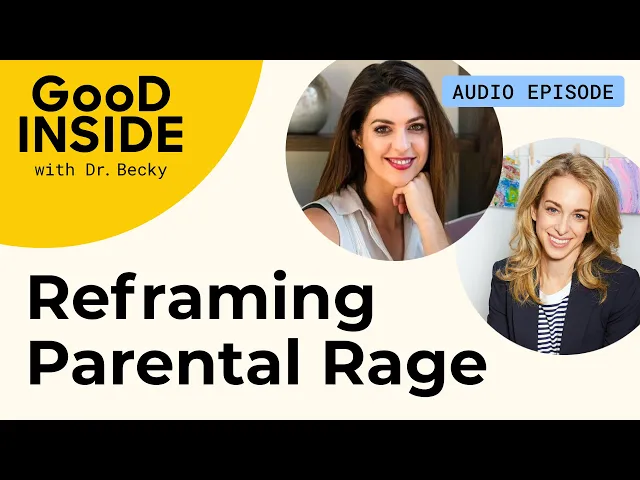
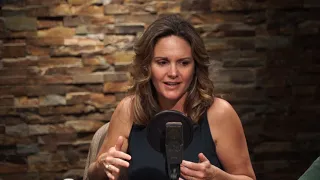
hi i'm dr becky and this is good inside i'm a clinical psychologist and mom of three on a mission to rethink the way we raise our children [Music] i love translating deep thoughts about parenting into practical actionable strategies that you can use in your home right away one of my core beliefs is that we are all doing the best we can with the resources we have available to us in that moment so even as we struggle and even as we are having a hard time on the outside we remain good inside hi anna i am
so excited and honored for you to be on the podcast today so welcome well thank you so much i am absolutely is such a privilege and i am such i've honestly your your work and resources have transformed my parenting so this is a wonderful thing to be chatting with you today well we can mutually fangirl because i've been a fan of you for a really long time too and i think i reached out to you on instagram however long ago feeling kind of sheepish um and then you know we ended up connecting and i just
always love talking with you do you know what i think it was my husband that introduced me to you he found one of your videos on instagram and he's like wow this lady is talking some powerful stuff and yeah that was that was the beginning so thank you well that is very heartwarming i feel like there's a way that that's going to be related to what we're talking about because i find so many of the women in heterosexual relationships that are in our community and they often say how do i get my partner how do
i get my husband to watch a video or be engaged so how amazing for everyone to know also like it is possible yeah for a husband to take on that labor and say hey look what i found you might be interested in this parenting related video yeah and i'm very glad i'm very glad and i think that's it isn't it it's ideally having being on the same page or at least kind of seeking those resources and that insight together means that you can implement it together and yeah it's been a bumpy journey but we're we're
on it and we're so grateful our kids are grateful well let me tell everyone the topic we will be talking about because it is such an important one it's something that you and i share as just a common area of interest of importance of helping parents understand what's going on and it's the topic of mother rage yeah and irritability and we can also you know kind of a little generalize that to parental rage um and here i think we're gonna be talking about maternal rage as related to kind of concepts around femininity and motherhood that
have been given to us over the years so let's just jump in like what okay what is mom rage what do you hear about it from other moms so i'll i'll share a bit of my own experience because i think i've started hearing so much more of mums like in my in my community on social media i've started hearing so many more of people's kind of behind-the-scenes experience since i've started sharing mine because i think there is often so much kind of shame and self-judgment around rage and anger so it's one of those things that
we can feel really it's hard to talk about it feels like a taboo so when i started untangling it for myself with my psychotherapist head-on that's when i find that i can start removing that shame from my own experience and then i can hopefully verbalize it and articulate it in a way that will help kind of chip away that shame for other people so they can talk about it more openly so i i'm quite a fiery person i would say i i i feel things quite big mostly like my uh deeply feeling kid that i
that i have that um will hopefully not be so deeply feeling in the background as he's having his bath as we record um so i've always felt emotions quite big but i've learned to really kind of oh just contain them and but not not in a great way just kind of push them down and i've i felt irritability with hormones and kind of you know that oh just you know things coming out sideways and trying to trying to push that down as well for the sake of my relationship and i kind of coped all right
with that to be honest i didn't like it when i saw that rage or that frustration rise however the pandemic gave us so fewer opportunities to do the things that distill that anger so for me that that rage that feeling of it's a mixture of overwhelm stress it's lots of things it's kind of really bubbling and physical and quite visceral and but there were less opportunities to do those things that kind of really defuse that for me so for me it was walking over here in england we were allowed to walk once a day and
often i'd walk with my kids and they would start someone would have a tantrum within feet of the house and then we had to go back and that was that done so there was no walking you know there wasn't really seeing friends having that community those little chats that us mum have was kind of leaning against someone else's washing machine in their kitchen as the chaos is continuing you know there were less of those opportunities even the moments of space that you get when you walk around from the passenger seat of the car to the
driver's seat of the car and it's just that quiet you know there was none of those those moments and i started realizing that i was experiencing more of this this kind of rage in a way that was so much more again visceral than i had experienced before and there was this one moment and i remember it so clearly i was in the kitchen and the three kids were there it was just hard we hadn't been out and i i messaged my husband who was working upstairs and i said you've got to come and swap out
with me like you have to i'm gonna i'm gonna pop i said and he didn't read the message because he was on a conference call 20 minutes later i'm surprised i lasted that long it just i popped and i roared like a lion i screamed i mean i was almost bent double because it was like this this stuff this this noise just came out of me and i can even feel it thinking about like remembering that moment and it was it was uncontained and you know whoever in my house wasn't crying started crying like my
toddler had already been crying she was on the floor she cried harder one of my kids came in from the other room wondering what the hell was going on my husband entered the room on the phone with the laptop in arms going i'm really sorry i'm gonna have to see you there and you know it was it was this moment that that followed came the most the biggest wave of guilt the biggest wave of shame and i thought i have to untangle what this is because i am not going to be the only one roaring
in my kitchen right now in life so i started to think about it and i started to realize that you know this this anger this rage in me was a very clear culmination of unmet need chronically overlooked need due to circumstance or just purely because i found it hard to ask maybe sometimes and and unvalidated feelings that i hadn't been able to voice that i hadn't that i hadn't spoken about and i think in talking about that then and once i'd kind of determined what i thought this was on social media i started getting this
huge kind of barrage of of me too this is wow these are the moments i've been having these are the the feelings i have been having and i have been shaming myself and feeling guilty and then we just continue the cycle and i didn't want to be in that place so i've so many different directions i i'd love to explore with you but i want to actually go in none of them yet because i want to come back to something you said rage as a symbol or a symptom or a sign of unmet needs not
as a sign of badness as a sign of there's something wrong with me as a sign of what type of mom does that do i not really love my kids am i not fit to be a mom not that's not what you said you said rage as a symptom of unmet needs can you can you unpack that term unmet needs a little bit no you know yeah and the badness is where i'd gone before because the badness is where i naturally jumped to so this is why i really had to unpack and unpick this because
i know that i am not bad i know that i love my children i know that i'm a good enough mum and for me those unmet needs were the overlooked opportunities for rest or the opportunities that i saw but didn't feel deserving of the lack of support and the support that was there that perhaps i found difficult to ask for because it's like a spiral isn't it you know the more we push these things away the more we overlook them all the more we can't grab hold of them you know it it nudges our self-esteem
down it affects our confidence and then we you know it's so easy just to spiral down and there was there were other little symptoms of this kind of rage and irritation and it would be that the gap between responding to my like something happening some challenging moment got a deeply feeling kid you know one of those moments where those his emotions just you know feel really unregulated and all out there and i'm that recipient i am that i am that absorber i am that container and i think the not having my needs met or not
meeting them not recognizing what they are it it lessens that gap between that trigger that that emotion from him and how i respond so i might then snap at him or i might say for goodness sake charlie i haven't got time for this now when actually what i really want to come out in those moments is this considered response but we have to have energy for that there's a couple things i want to kind of speak to everyone listening right now so for everyone listening right now i want to just ask yourself have i had
an episode or many many many episodes of this parental rage just pause and ask yourself this and hold next to your answer especially if it's a yes which i would guess is true for 100 of the human beings i know including myself is i'm still a good person and then i want you to actually just say to yourself right now i must have important unmet needs i must have important unmet needs anna is a licensed psychotherapist so am i trust us when we say this is true i must have important unmet needs my rage is
not a sign that i'm a bad parent or a bad person or that anything's wrong with me my rage is a sign that i have unmet needs and when i do have a whole host of unmet needs and yes it's normal to think i don't even know what my needs are you can have unmet needs even if you don't know what your needs are very very common then anna what you're saying and and i'm a very visual person so if you're like me and you're listening and you're not driving you know if you're driving do
not do what i'm saying if you can put your hands out in front of you and you know kind of have a gap between them and look at one hand and say this is an urge i'm having and look at the other hand and say this is the actual action i'm having and when we're in a place where we're more grounded we can have an urge to yell at a kid and it can be separate from the action of yelling at our kid right there's distance between our hands now if you join me in kind
of clapping your hands together when we're in a place and i'm curious this is what you're saying when we have these chronic kind of unmet needs there's no space between urge and action one just immediately converts into the other so i have an urge tl and it's just coming out as a roar yeah absolutely it's like i i liken it to you know when i'm really depleted it's like my skin's gone there's no buffer against the world there's no you know the noise is louder the stresses are more stressful the challenges kind of are far
more likely to floor me i'm reacting to everything my nervous system is just ready it's wound up and ready and and you named yourself as a deeply feeling person and it's one of the core things i think about deeply feeling kids and adults is their porousness right and that's what you're saying no skin is like just complete porousness to the world and i think you know even if people don't identify as a deeply feeling kid when we're depleted we're we're more likely to get into that place and as for not knowing what those needs are
i've been there and i i sometimes what i find it really helpful to do also a very visual person as i imagine standing in a shop and i'm trying on different clothes and i'm i'm just trying to you know when you try things on and sometimes you try something on it just fits and it fits and you know that it's the right fit for you so the other day i was sitting in my car and i was like wow i've got a need here i don't know what it is so i started listing them out
to myself i'm like am i hungry am i tired do i need a hug am i lonely and that the word lonely just slotted into the core of me and i was like oh i'm lonely and i thought right there we go that's the need there and it's i think sometimes we're so used to overlooking our needs that we don't even we've lost the language of them for ourselves but i love that i love how you take away the morality around i don't know what my needs are because again it's so easy for all of
us to struggle with something and immediately convert that into badness or something's wrong with me even like i'm trying to figure out my needs okay i have some needs and you're right sometimes you go into a store and you think i do need new clothes i don't know what i want but i don't know exactly what i need but i know i'm gonna go try some things on and then you try something on you say it fit and you're like awesome i found something most people don't say to themselves god what is wrong with me
that i didn't know that i needed this red and pink polka dotted shirt i should have known i was looking for this no one says that they just think wow cool i went through a process and i found something that worked so so empowering to think about our needs in that way i'm just gonna try things on i don't have to know if it fits and trust over time that my body will just kind of click with something yeah but this is what we do with our kids isn't it and there's always a you know
there's always a little us inside of us and for some of us that little us never really learned about like the value or the language for their needs or maybe they just hid them because so for me there was um when i was young my sister had cancer so there there was so much going on that i wanted to be neat and tidy and almost need less i didn't want to add to the burden so for me my needs just got pushed down i didn't really value them i didn't really have them validated because i
found it hard to talk about them so you know for me i need to go through that process and i think as soon as we add that compassion and release that expectation of ourselves we're less likely to get stuck because that shame and that self-judgment and that self-criticism that comes in those moments of frustration or rage or irritability because we don't like it we don't like ourselves somewhere like that that's not it doesn't fit with that view of how we think we should be as mums and as soon as we release some of that shame
and that judgment we can see it for what it is that is just a little flag that pops up and says hey you need something something's not quite right here are you okay what do you need how can we start speaking to that little version of us inside that you know just like i do with my kids are you okay maybe they're they're upset about something and i just want to gently find out what that is so that maybe i can can sit with them in that or or help them support them shame compassion blame
curiosity i'm just thinking about these various ways we can react to those moments of that rage coming out so can you explain i know you explain this so beautifully like what what does shame and blame really do to us after those moments yeah so they just keep us stuck in that place because it's almost as if let's say there's there's a need for support or or you're going through something you've tucked it away because life is busy and fast and actually you're really sad about something that has happened and it's just pushed down and pushed
down and it's an unmet need to talk an unmet be an undisclosed and unvalidated feeling and it just comes out and then we pile on that shame we pile on that frustration and we kiss our kids goodnight and we think i'm gonna be better tomorrow i'm gonna try harder and we push further and we push further and we try harder we up the pressure and then we're more like you know that just adds it all on so when when we feel that guilt it's it's thinking actually that guilt has purpose it's there to say right
let's do something about this it's not saying because i i've got many friends who will say to me and don't worry about it everyone shouts at their kids i'm like do you know what i am worried about it because to me it's something that i want to work on it's not i'll say i might even say to my to my kids you know i'm really sorry that my emotions came out like that i'm really sorry that i did shouting and they might say it's okay mommy i'm like actually do you know what it's not how
it's not how i ideally want to be it's not how i want to talk sometimes so i i'm tired and i'm grumpy and i'm going to work on that you know so actually it's it's taking it's being accountable it's taking responsibility and it's thinking where would you like to be and i always say it's not all of the time but more of the time so as we work on these things we have to have compassion and grace for ourselves because we're not perfect and as we know children don't need a perfect parent to prepare them
for a very imperfect world so it's it's recognizing that when that guilt is there it's there to prompt us not to shame us we can slip into that shame i am bad i am wrong i am not good enough or we can go into that let guilt prompt us to think right what's going on here how can i resource myself what can i do what can i read what can i listen to which of dr becky's podcast might be helpful right now you know and it's meeting it's meeting that need because we want to do
well we don't need to do perfectly but we want we want to do well so it's letting that guilt prompt you has a purpose we don't need to fear it it's just horrible when it turns into that shame and we do not need that because then we're stuck in it we're stuck that's exactly right and you know i i think about it so similarly maybe with slightly different language right that i agree guilt guilt is a really helpful emotion i always think guilt reminds me what my values are like i'm i'm happy that something reminds
me of my values when i'm in a bad place it helps me reorient and i think how guilt for everyone listening how i think about guilt is different from shame allows me to see my behavior as not in line with my values while holding kind of who i am as a person as separate from my behavior essentially i'm a good person who did a not so good thing my behavior was the yelling not so good not in line with my values my personhood my identity remains good i am good inside to me shame is very
different in that we use some behavior to essentially define and take over our personhood so yeah i still yelled that's still not great in either scenario guilt or shame but in shame what happens is essentially my behavior collapses into my identity i am bad because i did a bad thing and so there's there's no quick and easy way you know to uh to cope with with that difference but i do think that's like a little bit of a shorthand when you're in that spiral that's probably shame and not guilt and just to almost hold your
hands out and say here i am as a person i'm a good person and look that way and then look the other way the other hand and say here's that thing i did yep that was not so good and and i find that useful i'm a good person and i look the other way who did not such a good thing and the only way we can cope and move forward is from a place of feeling good inside because as long as you feel bad inside your entire energy has to go into kind of surviving that
feeling there's no growth there there's no growth in survival mode right finding that goodness reminding yourself i'm still a good person i always say to parents because they say the same thing well am i going to let my kid off the hook right you're not letting anyone off the hook i always think you're keeping someone on the hook if you actually want to help someone change if you want them to be responsible for change you have to hold your own goodness or that person's goodness if you want to let them off the hook blame and
shame and punish away punish yourself punish your kid that's actually why you let some off the hook because it's impossible to change yeah so true and i think a good way to determine whether you're feeling guilt or shame is to think are you moving towards the thing the resource the support that is gonna help you or are you actually moving away because what's the point i'm gonna fail anyway i'm just a terrible person my kids deserve more than this and then we're just swimming around in it and we're less likely to do the thing whether
it's rest or have that conversation because we're so embarrassed about it you know it's our is it moving you towards that thing or is it moving you away i love all these images that we're working with love an image so i i want to move to i know a question probably on many people's mind what can i do proactively you know to have fewer of these moments to have less rage build up and then kind of come out when everything's overflowing um because that's i think that's what's better for everyone involved yeah and i think
it's really just starting to notice and ask yourself i just use these two little questions what do i feel what do i need you know we check in with our kids often don't we we monitor them we just kind of give we just glance at them make sure that they're okay make sure that they're not kind of looking really hungry or really sleepy or you know kind of starting a fight with one another we just kind of we just we're just aware and i think when we notice ourselves checking in with our kids what would
it be like just to say to yourself feeling need feeling need what do i feel what do i need might be nothing or it might be like i'm just feeling really hormonal and i really need a way you know just starting to become sensitive and aware of what those needs are even if you can't meet them then just even acknowledging it naming it noticing it is validating it's saying i matter so that you know sometimes we don't realize that that we're at that place before we just hit the crash you know something happens the cereal
box falls out the cupboard and we're a mess yes because we haven't noticed that actually we've been overlooking these things so chronically and then we shame ourselves because we're like oh my goodness why am i so upset about this you know sometimes it is that straw that breaks the camel's back that finds us on the floor on a wednesday afternoon you know having viscerally roared like a lion because i can't even remember what the trigger was at that moment but it would have been something small yep but actually it you know and it's seeing it's
looking behind and thinking instead of being cross with myself or what just happened that seemed so insignificant what about looking back and thinking what contributed that what needs am i ever looking how can i start just making space for them in normal life day-to-day life because the more we give the more we need it's simple science isn't it you know we know that when it comes to our car we put the fuel in the longer we drive the more fuel we need yet with ourselves i think you know we just look for all the hacks
the coffee that any way to kind of shortcut meeting a need so that we can just subdue it and silence it and tuck it away and these things just build they just become more urgent i think that's really powerful that idea of shortcuts i'm not going to remember right i don't remember where i read this but someone said like you know there's always two problems with shortcuts you get somewhere unprepared right or you get somewhere before you're supposed to be there and it's interesting right with self-care like is a shortcut to self-care right having a
cup of coffee well it might not be you might actually need more time than that you might need to do something different and you know i think another piece that we you know haven't gotten to yet is this this is so much bigger than any one of us in terms of our you know pattern of not listening to or getting to know or meeting our own needs right we are up also against this you know huge you know societal construct around motherhood as such selflessness it's always a term that i find terrifying the idea of
a mother is selfless or father or any parent as selfless like you know i always think about a parent as like the leader of a family or the ceo i just don't know anyone who wants a selfless ceo of anything like you want someone to be without a self that's actually like the most terrifying image yeah well when you strip it back like that you know i think we think about it as giving and loving and you know i started motherhood thinking that to love and this is the the narrative that i i learnt as
a child that to love is to give yourself away without question without you know without really sharing the cost and and i think you know our kids need us to have a self because that is how that they they learn you know is it that all of these emotions stop when you become a mom the rage the boredom the frustration the apathy the you know all of those things do they just stop when we become mums because sometimes they feel like that's that's the pressure that we place upon ourselves is that when we have a
baby we lose half the spectrum of human emotion and we feel cross with ourselves when we feel anything other than that caricature ideal of nurturing and loving and sacrificial you know we give ourselves away and then what have we got left and and i think you know it can be pretty practical sometimes and to me like the idea of motherhood as selflessness or self-sacrificial i can just say for me does not serve me that idea does not serve me period that to me as an adult is enough to rally around something different it sounds like
it doesn't really serve you either no gosh no and it doesn't serve my kids and it doesn't serve my family and it doesn't serve my friendships and i think this is what i started to realize when so my second my lovely deeply feeling kid had silent reflux and it went under undiagnosed for the first kind of six months of his life so he screamed and screamed and it was awful and i i tried and i tried and i tried to to fix the world and i couldn't and i had less and less resources and i
remember just feeling like an utter i felt like i was bad inside i felt like if i was good inside i would have been able to be enough for my child so i kind of almost took and absorbed all of the blame and the pain and the the difficultness about that situation and i remember you know thinking i have pushed on and pushed on and pushed on because i felt this is what i should do as a good mum and then i started to realize i wasn't happy i wasn't happy i was you know it
wasn't just that the situation was difficult it was just that i had nothing left of myself i didn't even have a sense of humor anymore because we need energy to laugh we need energy to rationalize anxious thoughts we need energy to coach ourselves through moments where we feel tempted to compare the living daylights out of ourselves against what we see on social media we need energy to engage in other people to invest in relationships and i think i'd seen this giving of myself away as love when actually the in reality chronically it stopped me being
able to truly give and receive love in a way that made life fulfilling in a way that it should be so i would love to end with kind of taking some of this and turning into some kind of really practical in the moment kind of strategies because i know people listening are thinking okay yes probably that idea of motherhood or fatherhood or self-sacrifice that doesn't serve me either and and just saying that out loud is so powerful it takes away judgment just whether an idea serves you or not does that serve me it does not
serve me if we go with that then i think putting that into action involves these moments of like how do i actually carve out time for myself what do i say to myself to motivate doing that and what do i say maybe to my kids essentially in those moments and i would love anna for you to go first and it could be on something different but i love a real you have about and it involves you swimming yeah can you speak about that and maybe relate that to in a moment that you are choosing to
say go swimming as an act of fulfilling a need you have what do you say to yourself to convince yourself this is important and what might you say to a kid who let's be honest is at the door saying no or can i come with you right yeah so you know what that was transformational for me this realization that in in doing these things to fill myself up i was loving my children i was literally equipping myself to be able to respond and react more lovingly to them i was widening that gap between that reaction
that immediate whatever it was the sniping remark or the shout i was widening that gap between what i sometimes felt like doing because i'm human and i have a reaction and a nervous system response to something and sometimes i just want to run out of the house but i'm not going to do that and i'm far less likely to do that when i've had some breathing space some time some little something that invests back into myself and it's you know it's not overlooking those small things even if it's ten minutes to do a quick walk
around the block and ground myself in nature and take some deep breaths something is always better than nothing but i started realizing that these things are acts of love towards my children because they literally i remember saying to my therapist once on in one of the in the pandemic i said it's like my parenting depends on me going for a walk and she said yeah anna because it does and it was like wow and i started seeing these things that historically for me had been so ridden with guilt and you know oh i feel bad
doing this and you know just it really i started it was like i just took these hazy old glasses off and started seeing these things for what they were and a shower that i used to brand as self-care where hey i take the self-care box i had a shower my husband doesn't come out the shower and go where hey i've taken the self-care box or i've had a glass of water well hey go me i had to start upping my my level of what that actually meant for me you know what's reef what's going to
refill and refuel me it doesn't matter as much to what it is but but what it gives me it doesn't need to look like it does for your mate or someone else on the internet it's what gives what gives you something and as for the kids they know that i do these things and i say no mommy's gonna go and do her workout now here you go you watch this for a little bit and they can come see me if they need anything but they've just as i've implemented it more into my life it's just
become more normal for them they know they understand they might not always like it but they benefit they might not like it sometimes but they benefit and that that that that is far more important i can deal with their momentary dislike when i know what i'm giving them as a result i i love that and you know i think it's it's glennon doyle who talks about you know our kids learn what love is and our kids will learn what parenthood is from us and they'll repeat that right so the message you want to give your
kids around what does it mean what is a mother right how does a mother love and what weighs to herself to her kids they really benefit from having a mom who says i'm going to take a swim yes that is important right and i'm going to exercise because it's for myself you know for me one things i think about here is how important it is for me to go out with girlfriends or for me to go out with my husband and another couple without kids all right and how important it is to maintain those other
parts of me part of friend part of colleague part wife right all the parts of me that are not mom right that being a mom is a part of me i would say it's an important part of me but i really mean this it's still a part of me it's a part of me and if i don't attend to those other parts the whole system breaks down because i am not meant to turn into one of my parts nothing works well and so i think about you know the times that i carve out you know
a dinner with a girlfriend and then i can't put my kids to bed or me and my husband both go out right and i do think there's something about really owning this to our kids that's so important because i think when they hear our hesitation you know we're almost when we ask for permission you have soccer with your friends you know i have to go out with my friends like whoa of course they protest more because what they really hear is my mom isn't so sure it's safe to go out with her friend she's asking
me like a five-year-old essentially for permission that doesn't feel good for anyone because it's just a reversal of roles and it feels so good really to say to my kids in such a straightforward way i love being your mom and i love being dad's wife and part of being a wife is actually spending time with your husband without your kids here that's really important that's why we go to dinner on thursday nights with no kids and it's so liberating to hear myself say that i actually think it's so comforting for a kid to hear that
in such a straightforward way and so i think what i say to myself before that to motivate that is some version of there are so many parts of me and all of them are worthy of attention right motherhood is a part of me and that's only one part and that allows me to own it and then when my kids still do because of course they do their independent people say no but i want you to put me to bed i can empathize oh you wish mommy could stay tonight i know you never like when a
babysitter puts you to bed i get that it's gonna be one of the harder nights and i know you can get through it i actually can empathize with my kid because i don't see their protest as a sign i'm doing something wrong because i've already convinced myself of the importance of this decision powerful stuff and then when you acknowledge all those different parts of yourself instead of just living the one and deciding that that is the okay one and all the other ones have to all the other parts have to live in the shadows and
then resentment comes in yeah like that is that okay like right yeah yeah you can say that yeah i said it because the kids will feel that yeah you know and what is it is it young that says how you know one of the biggest gifts essentially we can give our children is is the lived life of a mother ah a lived life they are watching us not be self selfless not being selfish but being self to show them that they can grow up and be self too when they grow up they don't have to
stop seeing their friends they don't have to stop being able to sit and chill on the sofa they don't have to stop having fun they can carry on being their self too first of all you and i could talk forever and i know it'll be another opportunity or i hope they will the way i love to end podcasts is to give listeners three takeaways so so many important things but we all know me and you too right we're moms and multiple kids sometimes you're like just tell me the things like i it's too much too
many things in my head so i'm gonna ask you to take number one and three and i'll jump in with number two okay so if listeners are taking away three things from this conversation what would those three things be feeling need feeling need asking yourself set it as a reminder on your phone write it on the back of your hand fn what do i feel what do i need don't need to act on it now you don't even need to understand why just acknowledge it and vocalize it yourself yeah okay i'm gonna take number two
ask yourself right now what part of me can i identify that's important beyond my role as a parent and it doesn't have to be a friend or a wife it can be a dancer it can be a baker even though you've never been a professional baker you just like to bake what other part of me can i identify beyond my role as a parent and can i give that part a little bit more attention and time this week brilliant i'm gonna think about that one as well so my third one would be see when you
feel guilt see it is there his purpose is to prompt you to think about a need that might have been overlooked it is not there to shame you what might it be prompting you to do love that now can you tell everyone how they can get more of you because i know everyone like me will want to follow up so i'm on the gram instagram at annamartha a-n-a-m-a-t-h-u-r i've got books i've got one called mind over mother about worrying anxiety and motherhood i've got one called know your worth which is about self-esteem boundaries people-pleasing and
then one recent one called the little book of calm for new mums which really everyone says is relevant regardless of how old your kids are but it's just a little book of emotions and you just skip to the emotion that you feel you don't read it front to the back and you just get a little kind of pep talks and words of encouragement some ways of untangling that feeling and yeah i've got a podcast called the therapy edit which is all little 10 20 minute long ramblings like this and chats with guests i love how
well you understand a parent's experience even that like this book is not meant to be read front to back i hope everyone here heard that because that's a book i really want right the book that you're like this is meant to read in like two minute chunks right yeah absolutely that's where my mind is at the moment well thank you so much for being here i love this conversation that happened as we came together and can't wait for our next opportunity to connect i loved it too thank you for the privilege thanks for listening to
good inside i love co-creating episodes with you based on the real-life tricky situations in your family to share what's happening in your home you can call 646-598-2543 or email a voice note to goodinsidepodcast gmail.com there are so many more strategies and tips i want to share with you and so many good inside parents i want you to meet i'm beyond excited that we now have a way to connect and learn together head to goodinside.com to learn more about good inside membership i promise you you're going to love it it's totally game changing and if you're
not already receiving my free weekly email go to goodinside.com to sign up you don't want to miss it good inside with dr becky is produced by mary kelly our senior producer is beth rowe and our executive producers are erica belski and me if you enjoyed this episode please do take a moment to rate and review it or share this episode with a friend or family member as a way to start an important conversation let's end by placing our hands on our hearts and reminding ourselves even as i struggle and even as i have a hard
time on the outside i remain good inside why is it so hard to find reliable answers to parenting questions how is it in 2022 parents still search on google for answers from strangers well now there's a better way introducing the good inside membership an expert guided community-powered platform redefining modern parenting in our library you'll find hundreds of bite-sized videos articles scripts and workshops tackling the trickiest parenting topics and it doesn't stop here we've created a private community guided by me dr becky and coaches trained in the good inside parenting method here you can ask questions
connect with other parents or attend a live event on a topic that matters to you this is the parenting handbook that doesn't exist this is parenting advice at your fingertips where you need it when you need it the most this is good inside membership you