It's kind of like a thermostat on the wall. Most people have a thermostat inside their head. That's right. >> And so if you think about the thermostat at 70° and if it gets to like 75, the AC comes on and cools it down. >> And if it gets to 65, the furnace comes on and heats it up. Individuals have the same thing. They put their own limits on what they think is capable and what they can do. And some of that stuff's Imprinted at a young age. So, it's finding out what's going on in their
world and then how do you help raise that ceiling inside their head of what they think is they're capable of doing. Think about a pizza. >> Yeah. >> The slice is the pizza. Like each area, their work is one, family could be another one, friends one, hobbies, their inner world, their health, their faith. We talk about what each of those slices Are. Current present like what's your satisfaction level? >> And then we talk about future state in one years, 3 years, 5 years. What do you want it to look like? What would be the ideal
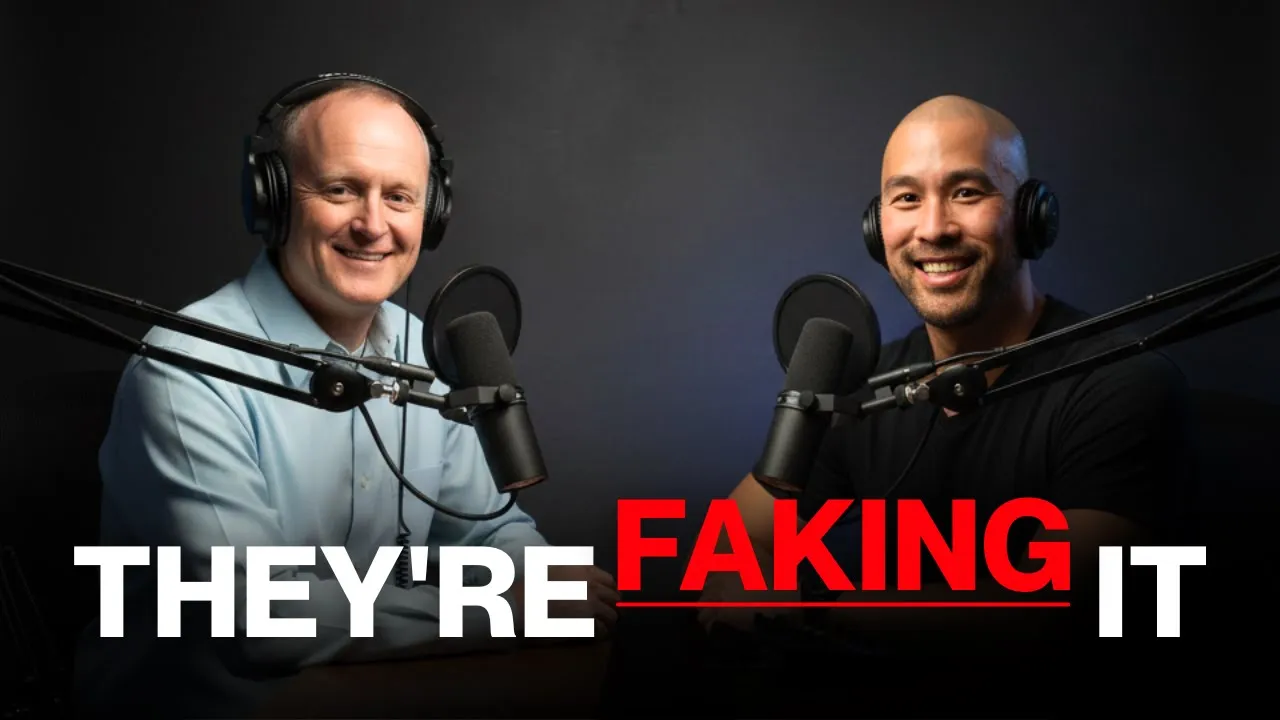
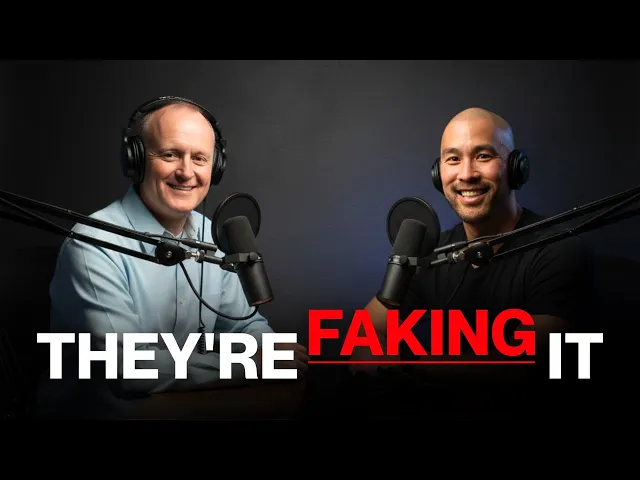
if there was no governor, no restriction holding you back? What would that look like? And then we look at the gap between the two, which is really a bridge. How do we bridge between the present to where you want to go? Welcome back to the Revenue Vault, the Show where we break down how elite sales leaders think, hire, and scale teams that win year after year. I'm Marcus Shan, CEO of Venley, and every week we dig into the systems, behaviors, and leadership moves that create real repeatable revenue. Today's guest is Ryan Jawswick, a former Fortune
500 senior vice president who led more than,400 sellers and revenue teams across North America at H Heartland. He spent over 25 years building and scaling High performing organizations from running massive field operations at CentOS to helping VC back companies grow without burning out their people. Ryan is now the CEO of Ryan Jwick Advisory where he coaches CRO, founders, and senior leaders on performance, culture, and sustainable growth. He's known for identifying top tier talent before the results show up, creating cultures where people stay, and leading on the balance of accountability, clarity, and empathy. In today's app,
we get into how to spot elite potential before someone has the numbers to actually prove it. The behavioral signals that separate executors from information collectors, how to build a sales culture people don't want to leave, and why the best leaders scale by raising mindsets, not just metrics. If you're building a team, leading a team, we're trying to rement how you lead, you're gonna get a ton from today's conversation. So, you know, Ryan, we met in a pretty unconventional way. Like, I was interviewing to potentially work for you and there's a little bit of a mixup
of the wrong time zone in which I basically didn't show up for our interview at the time you had your calendar. So, uh, looking back, what did that moment teach you about giving people grace or reading beyond like surface level impressions? >> Yeah. Well, I think well it's funny because I don't even remember it. So, Let me start with that. Like, so it didn't make as much of an impression on me, you know, over a decade later. Good. Um, but I mean, I think I mean, we're all human, right? And so, like, we make mistakes
>> and especially when you deal with people in different time zones, it's going to happen. Um, a lot of times when I look at Marcus, how does someone react once the mistake happens? Like, >> yeah. >> Do they get defensive and deflect and like try to throw it back on you or do they just say, "Hey, I made a mistake." and and are they honest about it? And if they are, then it's like, okay, like it happens. Um, and I remember I do actually kind of remember now that I'm thinking about it, like you you
were really stressed about it and >> Oh, I was very stressed. I was like, well, cuz it was funny because um obviously I was interview had a Full-time job. >> Yeah. >> And uh I get a call from you and I'm about to walk into appointment and I answer it and you're like, "Hey, it's it's Ryan. Um are we still good for our interview?" like it like right now. I'm like, "What?" Like I was like, "Oh, actually I'm super sorry. I must have put down the wrong time. I had for like 3 hours from now."
Like, "Oh my gosh, is there any way we can make it work 3 Hours from now?" And you're like, "Actually, you know what? I can make the work." No problemmo. You're like totally chill about it, right? And then um and then, you know, when I show for interview, you know, 3 hours later, you were you were super cool because um there was somebody who would book the interview for us. >> Yeah. >> And it was like so it wasn't your fault, it wasn't my Oh, let's just blame that Guy. He was like, he's like, I
guess he put the wrong time zone in for both of us. So, we just we just didn't realize. Um, but you were like super cool. Like, hey, just like it's all good. Like, actually, this is what I had. This is probably what happened, but it's no big deal. And I thought that that was actually like a really really good time of leader, if you will, because Yeah. >> you didn't like make me feel bad. You didn't like berate me. You didn't like Point fingers. I was like, "Wow, that was that was a really cool move
by this guy. I don't even know." >> Yeah. Well, I think from doing a lot of interviews early on, I I would ruffle people's feathers. Um and and I learned that's not the right way to do it. >> Yeah. >> Because like just like a sales call, like if if you want to really get to know someone, you've got to establish rapport and trust >> and a safe environment. Uh and so, you know, diffusing the stress you have was super important for me to be able to ask behavioral based questions and really find out, do
you have the core attributes to be able to effectively do the job. >> Yeah, I I love that. I think that's so key. And you know, Ryan, you've been wildly successful whether you were at, you know, at CentOS, at H Heartland, and now doing your own work for your own Business. And you know, you've consistently have spotted like top performers >> before they had worked for you, before they actually had results at your company. Um, what are maybe some of the earliest signs that you you paid close attention to? >> Yeah. Yeah. I mean, some
of the things that you you know, I think about talents, so attributes, I think about skills, and I think about knowledge. So Talents and attributes are things that I believe you can't train someone to do >> like they're born with it. They develop in the first seven years of their life and then the skills are like sequential steps. >> Yeah. >> Uh sales process so forth and then the knowledge which be industry company and so forth. So I try to focus on do they have the core attributes to do the job and do it well.
>> And so some of those this harder to train someone is like the attitude. >> Are they glass half full, half empty? um you know how do they you know what are some of their belief systems around uh adversity overcoming you know challenging situations in their life how do they learn >> like are they a self-arner do they need someone to hold their hand you know what's the motivations behind them and if they have those core things we can Add the training when it comes to sales process we can add knowledge >> and hopefully they're
a good culture fit too >> uh that that they thrive in that environment and and so you look for those leading indicators that someone has has just that raw talent that that maybe someone hasn't poured into them enough or and been in the right environment and you apply that to them and they just exponentially take off and You know you learn through time that sometimes you're right and sometimes you're not right. You're like you know what I thought this person was going to be great and they didn't work out. Uh and that's life that happens
too >> 100%. And I always think it's like how can we just increase our odds of them being successful, right? So we look for these core things like these attributes and I think this is I think it's really powerful, right? Especially the one you Mentioned where I mean all of them are really important but one of the ones you mentioned is like how do they learn? How effective are they at learning? >> Yeah. >> How how do you identify that in a in a process in an interview process to see are they maybe a fast
learner? Are they a go-getter? Are they like self motivated to go and learn themselves? >> Yeah. So sometimes I'll ask questions, you know, like if we were interviewing, I'd say, "Hey Marv, tell me about the last time you learned something new." Like what was it that you learned? What was the process you went through? And I'm listening. Did you read a book? Did you listen to a book? Did you watch YouTube? Did you go listen to a podcast? Did you take a webinar? Did you go to an inerson conference? Did you have to go physically
do it and then get feedback on it? Like, and I say, "Oh, that's great. Can you give me another example? Like, give me an example of something you learned or tried to learn, but you weren't able to learn it. and why? And so I'm trying to unpack how does their learning process, strategy, system align with the companies and and is there going to be a match or are they going to need extra attention because they the way they learn something may not align with our LMS or whatever the system is that they're using or hands-on
coaching. They're used to getting hand-on Coaching, but this system's set up in a remote environment. So like I'm trying to uncover how well they adapt to that environment. I think that's really powerful, right? And there's a couple things that I caught on based off what you just said there, right? Because you're going deep into um what's what's kind of their natural instinct to learn. Yeah. >> You know, if if they if they can rat off pretty quickly, oh, I'm doing like, you Know, I'm reading books every single every single night. I I I pay for
coaching myself. I'm in mastermind programs. I do X. I do Y. I do this. You're like, whoa, they have a many examples. Then you go even deeper. Hey, give me another example. So it's like you can see like where are they already? Why versus a person who's like yeah um you know in college like I read a book you know you could sense it out. I think it's that's really really interesting. I Like that. >> Well there's so much knowledge out there now. It really comes down to how well do they actually execute. >> Like
it's almost overload especially with AI and all the other stuff with information out there. Like you can get knowledge but how well can they actually apply the knowledge and get an actual result out of it. So I think that's a great point, right? Because some I've also have made the mistake of hiring People who are like they're obsessive with acquiring knowledge. >> Yeah. >> But they don't execute the knowledge. >> Yes. >> You know, especially in today's time, it's so easy. I mean, within seconds, a chat GBT will tell you everything you need to know,
right? Um, how do you identify that now in a time where information is overly abundant that they're not just like an information Person and true execution person from that knowledge? >> Yeah, I mean it goes back to the behavioral based questions like, hey, give me an example of a time that you had to learn something new and I'm listening for what was the actual result that they got out of it. >> Yeah. >> Right. So, if they took on a new sales job, let's say, >> you know, were you from that industry? Is it a
new industry? So, how did you learn the industry stuff? like how many how much time did it take you? Who actually poured into you? Um how did you how many other reps were there? How did you compete with the other reps? And where would if I called your manager, what would they tell me you ranked out of those 10 other reps >> and in what period of time? Like I'm asking those type of questions usually deeper in the interview because it get People a little uncomfortable at the beginning to go in that hard. >> Yeah.
>> Um but it'll tell me how well do they actually get the result. Not just show up and say I worked at this company. So many people say, "Oh, I worked at Google or I worked here, I worked there." Okay. Well, what did you do there? >> Like, what result did you actually produce? >> So, I think it's really key and that's Where I love the angle, the positioning you went. I think a lot of leaders miss that. >> Yeah. >> They kind of take the first surface level answer and they're like, "Oh, this person
says, oh, they they read all these books and do do whatever." And they're like, and that leader's like, "Check, got it." Versus you actually get in the weeds. It's like, "Walk me through exactly what did you exactly Learn? What exactly did you apply? How did you actually rank? what were the actual outputs and and and and outcomes as a result of that. I think a lot of leaders miss that and ask those questions. >> Uh is that something you've kind of seen across the board or some other leaders as well? >> Without a doubt. >>
And and think about it, you probably see this too, Marcus, in the sales world, Reps miss that, not interviewing, but when they're actually doing prospect presentations, they just don't ask enough follow-up questions to really get to the root of the buying motive or or the pain points that they're actually wanting to solve. It's no different interview. Are you actually going deep enough to really find out do they have the core attributes to do the job? >> Oh yeah, 100%. I mean it's like, you know, most of them go like, you know, a Mile wide, an
inch deep versus, you know, an inch wide, a mile deep, right? >> And like that's where the gold is, you know. >> Totally. >> That's where you see if they're real or not. If they're just kind of, you know, BSing you on in the conversation, right, to try to get to the next step of the interview process. >> Totally. >> Totally. Now, um, what's what's really Interesting is, you know, you've run teams where people wanted to stay and these are some industries where they're known for having like really heavy turnover, right? Um, what were some
of the core principles you've implemented in creating teams that people didn't want to leave? >> Yeah, I mean, a lot of it came to how do you build a culture that people want to be part of? And I I loved one of the the quotes that Richard Branson once said Is, you know, train people well enough that they could leave and get another job, but treat them well enough that they don't want to leave. Okay. might have words smith a little bit like but the premise of that quote is you know create an environment where
people want to stay. >> Yeah. >> And I have learned a lot of that comes through trust >> like do you actually follow through and Do what you say you're going to do right do you create an environment that valuing people as a human that when they show up and when they do a good job that they're being recognized. Do you hold the standards high enough >> or if you have people that aren't producing, that are unethical, that aren't doing the right thing, are you removing them or are you turning a blind eye to that?
>> Yeah. >> Because your top performers notice that. >> Yeah. >> And they don't want to be in an environment with a with a bunch of low performers or people that aren't honest or ethical or things like that. Um, and there's this balance, right? You know, before we recorded this podcast, you were talking about your son and you. So, as a parent, it's like you want to protect your your children from just the harshness of the world. >> But then there's this balance between how do you expose them to the world? >> That's right. >>
For them to understand that the world isn't perfect. And it's the same thing in a company. How do you protect someone from the bureaucracy and the red tape and some of the craziness that sometimes happens behind the scenes, but expose them enough so that you don't lose trust from a transparency standpoint? And and that's a dance and a balance. A lot of Times I work with executives now on because there's things that companies sometimes do >> to hit quarterly earnings or to appease the board or investors that sometimes the employees are like, uh, do I
want to be part of this organization? >> Right? and that leader's caught in the middle of having to balance that. >> So, I think it's such a great point, right, where I think it's a really strong leader is able to take that level Of pressure and translate in a way >> Yeah. >> that can kind of feed into uh you know uh for lack of better term people in in the lower ranks, if you will. Um, as you're coaching some of the exacts, what are some things you you coach them on to be able to
translate it better so they're not feeling the full brunt of the organization and pressure? Yeah. I mean, sometimes it's how do you build develop a relationship with individuals On the front line, right? There's that saying of the higher up you go, the more often people tell you what you want to hear, not what you need to hear. >> Yeah. >> And so, how do you develop that relationship where people will actually tell you what they really feel? Because, you know, I believe when someone turns over, it's not an event. There's a series of events that
happened that cause someone to become disengaged. >> Yeah. And one of my favorite books on that is a seven hidden reasons why employees leave. >> Oh, classic book. I got >> classic book, right? >> And it's like, you know, and I've done ex interviews for organizations um and and and hundreds of ex interviews and and a lot of them fall within those seven reasons. Like, yeah, >> you know, do they have a friend at work? Do they feel that they're being invested In? And so for these executives a lot of times that I coach, I
ask them, do you really know why someone works at your organization? And do you know why they're leaving your organization? like have you actually had conversations with people that left and and create an environment that they feel safe enough to tell you versus just going on glass door and bashing you >> and you'd be amazed at how many executives don't don't take the time to Or even think of like okay it's good to carve out a half an hour an hour and make some phone calls and have conversations with people around that. So how do
you do from like a proactive perspective right? So like you know you've ran some big orgs, 1500 plus, you know, reps in the org. Yep. >> So you know you're one of these many many layers of leadership, right? Um how do you stay connected with the the frontline reps so they can build that Trust and rapport them at that level? >> Yeah. Well, there's a couple different things that I've done before is one through engagement surveys. >> So we would do a sales satisfaction index every six months. >> Yeah. um have reps and and and
leaders answer certain questions and with that it would give us what we call leading indicators of where are possible disengagement that is going to most likely predictably lead to additional Attrition in certain parts of the country. Um and then other parts you know I would do is I would look at the the chats and whether they use Google chat whether they use Slack look at the comments that are being made with some of the different reps or some frustration or pain points. It could be around the product. It could be around customer service. It could
be around marketing. And there's always going to be a little bit of noise and friction, But if you start seeing these common themes and the other one that I found most effective that I kind of referenced before is carve out some time just to make phone calls. You It's amazing what you can learn when you call up. You know, I used to carve out usually an hour to two every single week and I would take the the leaders board and I would start at the top and I would call the very top reps from the
prior month and I'd recognize them. Hey, incredible Job last month. So proud of you. Great job. And that's the voicemail I'd leave if they didn't pick up. And if they did pick up, I would speak words of affirmation to them. And then I would say, "Hey, what's going on? What's what's working for you? Where are you feeling headwinds? >> What can the organization do better, more of, less of?" And I would just hear them out. And I write the the comments down. Um, and when you start getting These common themes between people, you start saying,
"There's something here like maybe this needs to be redone or tweaked or they say they love this incentive we did a couple months ago. They don't like the one right now, so maybe we need to revamp that the next quarter." Um, and then those I bring to executive meetings and and build case studies around and and a lot of times, um, that's where I get information from. >> Yeah, I love that so much. And it's such A I think back to our time when we worked together. >> Um you know, even though it was a
brief time, I remember you had called me and left me a voicemail. I I remember you also coming in the field and hanging out with me for half a day. You know, I was very stressed for that half a day, but it was awesome having you come out, hang out with me. I don't remember that day or not because that was years ago, but that was a lot of fun. >> Yeah, I remember I actually even remember our interview process beforehand. And what was unique, Marcus, is that if I remember right, I got you stock
options from when you started. And that was very, very rare. Like, I'd never done that for anyone else. Um, and I'd go to my boss and say, "Hey, what do I want to do?" And he's like, >> "What are you talking about? Like, we don't do that." I said, "I know we don't, but I want to do that." Like, Because it was competitive. You were looking at another organization, if it was enterprise or something else that you were looking at, um, and was able to get you some some stock options to join. >> I I
I remember I had those for for many, many years. >> Yeah. probably did pretty well because obviously >> did very very well >> 24 so >> um >> yeah pretty awesome really >> yeah was interesting is what was really cool is I think back to from my interview process how you how you ran that um the whole journey of that to um us going the field together and like spending like half a day together like obviously you're very busy VP you're like I'm going to hang out with this like this rep hang on the field
go in the field with him and like do stuff um so that was cool I mean I remember like You know you were cuz you you know it it didn't feel like um what you would imagine a VP coming in grilling you making you feel bad like it felt like very comfortable. Yeah. >> Right. That you were here to support. You didn't take over the deal. You let me kind of do my thing. You you uh acknowledge what I did really well. You coached me with some other opportunities. And I remember thinking like wow that
was a really cool Experience. I didn't know what to expect with that. >> Yeah. And some of it's a it's a mindset shift. You know I work with executive on that. I said, "In in in actuality, if you think the rep works for you, you you've got it backwards >> because without the reps bringing in the revenue, without the customers, you don't have a job as an executive. So take that hierarchy, flip it upside down and say, how can you have a servant Heart >> and grow into this to really help serve the people that
work for you and part of that is building relationship >> and being there instead of saying, "Gotcha, you did this wrong." More like, "Hey, you did that right." Like, "Good job." And hey, I noticed this. Can I give you some feedback on that? and asking for permission and then giving some constructive, wellth thoughtout, caring feedback that can take him from Here to here. >> Yeah, I remember because I I still remember that exact day, right? Because um well, and now I've never told you this piece, but you know, I had like three meetings booked. I
was going to pick you up, I think, at the train. You could take the train, I think, from Seattle down south. And uh that morning before two of them actually had had basically cancelled. >> Yeah. and had a basically like run to The office immediately start phone blocking, fill it back up, then go pick you up, go out there. Um, and for the rest of the day went quite well. But I remember like even after how you how I felt after it and then then I was uh pleasantly surprised. I think it was like maybe
the same day or a day after you sent an email to the regent about our field ride and I was like, "Wow, this guy is awesome." Like this is like I I just it was just something I never Thought through. Um, when you kind of, you know, hear that story of what you did in the past, what kind of comes to mind for you? >> I didn't quite understand when I've done what in the past. >> Yeah. Because like there was it was a multi-step phase of like you went from like you're in there, you're
coaching, which is like cool like most leaders aren't doing that already at your level, right? Then even after you're sending Like an email just to the whole region talking about how your experience was. >> And I remember just how I felt like I felt like, wow, what a cool guy. What kind of maybe drove you to have that type of process, right? And I mean, let's start with that. What kind of drove that type of process? >> Yeah. Well, I mean, processes are scalable. >> Yeah. Yeah. >> Right. So, like smaller organizations I'll work with,
they think they have a process, but then you realize they don't. They don't have a sales process. They don't have much of a leadership process. They're not doing effective one-on- ones. Um, in in this case, like over time doing enough ride alongs, I realized one, don't make people feel super nervous because then they're gonna it's going to be a bad experience and then they don't want you to ride with them. >> They end up telling you like, oh, everyone cancelled. I don't have any appointment. And they think the leader will say, "Okay, don't come." Well,
I would say, "Okay, well, we're going to go out and coal call together then." That's right. They're like, "Crap, I didn't think he was going to ride with me." >> Yeah. >> Uh, but make it fun and enjoyable. >> Yeah. >> And then afterwards, like if people did a good job, reinforce that behavior. Like most people love words of affirmation in some format. Now some would get really really nervous with me sending out a regional email recognizing them. Um and they would say hey Ryan don't do that again in the future. Um, but most people
are like in sales they're extroverted and they they want to be like, "Look at me, look at me." >> Like, and if you do a good job and you Reinforce that behavior, others say, "Hey, nice job." But they also say, "I want some of that." So, I want to set up an effective ride along when Ryan or whoever leader comes ride with me and I want to, you know, take some of the feedback and implement it and learn it. >> Um, and and ultimately, I enjoy doing that. I love building people up and helping them
do more than they think is humanly possible. >> Yeah, I I love that. I mean, I think I Think in my my bra book somewhere in my office, I think I still have that letter, right? I I still have that email like printed out, right? Because um I think when I think back from like a process perspective because I even after I I saw you do that, I learned from that. I'm like, wow, that's really cool. When I became a sales leader, even a sales manager, I'm like, I'm going to do the same thing where
it makes sense. How can I reaffirm the right behaviors, make Them like lift them up and and it's it's amazing how the effect that that they get. And I found the higher I I went up even as it had more of an impact, right? All right. So, coming from you as a VP, it was like, wow, like this guy who barely knows me, took the time to number one, come out, hang out with me, and then not only that, he then took the time even write a follow-up email just to recognize my behaviors. That's cool.
That's leadership, you know? That's like That's how you build trust in the front lines. >> Well, that's it, right? And it's it's I I like to call it influence without authority. >> Yeah. >> Like maybe you're in the hierarchy, so someone could say, "No, you have authority." But especially in larger organizations when you have to work with other departments and get people to do things that don't directly work for you, It's influence on authority. And how do you do that? You build people up, right? You help help build trust with them. Um versus pointing fingers
and blaming and all that that happens within some organizations that it's just not as effective long term. So typically as we kind of get in the weeds a little bit when you're looking when you're like whether you ride with reps or you're looking at the call reviews um what are you typically evaluating and what Behaviors tell you that maybe they have a higher ceiling than they actually realize because I think a lot of them have a low ceiling in their mind. >> Yeah I mean partly I think has to do with their beliefs. So if
I have an opportunity outside of just looking at data to actually have an interaction with them like what words do they use, sentences they use, what type of situations have come up with them, you can get a real glimpse into what's going On between these two ears. And >> you know at a young age I got very very fascinated where you'd have two individuals on a sales team both in the same environment. One does really really well and one doesn't do so well. And one of them who does well doesn't feel like it's good enough.
And the one that's like just meeting expectations, he's happy. They're content. >> Yeah. >> And I'm kind of like, well, why? Like What's And it has to do with the internal mindset. And so I use the analogy Marcus, it's kind of like a thermostat on the wall. Most people have a thermostat inside their head. That's right. >> And so like if you think about the thermostat, it's 70°. >> Yeah. >> And if it gets to like 75, the AC comes on and cools it down. >> And if it gets to 65, the furnace comes On
and heats it up >> depending on what part of the country or world they're in. Yeah. Um, and so individuals have the same thing. They they they put their own limits on what they think is capable and what they can do. And some of that stuff's imprinted at a young age. Yeah. >> Where they grew up, the school they went to, the parents, the friends. And so it's finding out what's going on in their world. And then how do you help Raise that ceiling inside their head of what they think is is they're capable of
doing. And I learned that endurance activities often the mind gives up way before the body gives up. >> Yeah. like and most salespeople, they give up before they truly reach their potential. So, if you can speak words of encouragement and and give them resources, um even when they don't believe in themselves to produce at a higher level, I've literally seen reps And and leaders go from here to here because you pour into them from a leadership standpoint. >> I love that. What are maybe some other specific things like let's say you're running a large org
because I found like you're right Brian Tracy calls it the self-concept, right? which is you perform to your level of self-concept just like your thermostat example, right? So or thermometer example. So with that being said, you know, like if You have a running or and you see them have they kind of have like you some of the you know a good chunk have like they just they're like cool like you know industry average is hitting 40%. I'm at 50%. I think it's probably pretty good. How do you raise that bar? >> Yeah. I remember on
a ride along one time with a rep and we were sitting in Costco parking lot and it turned into this magical conversation >> because I started I just asked him I Said what what gets you up in the morning like why do you do what you do and he says oh I want to support my family and this and that and he's got an older car and like and I said so what else and and it was like he just had this like mediocre type of goals and I just said hey can I give you
a p perspective and I said don't take this the wrong way I feel like you're just coasting through life like you're okay with just mediocracy. I said I might be Totally wrong and I'm okay with you telling me that and I don't say that to offend you. I just don't feel any like robust goals that you want to take your family to Disney World or you want to buy a bigger home or you want to get promoted or you want to give more to charity and like you're just kind of living in the grave. didn't
think much of that conversation and maybe a year or two later that individual came back and said that was life-changing for me Because I literally stopped did a reflection like looking in the mirror and realized yeah I'm totally playing it safe my own fear my own insecurity >> instead of setting aggressive goals and since then he's what bought his big way bigger home with cash like has went out and started his own business like he's done incredible things um and so why I say that is because these little conversations that leaders have that they think
is just kind of in passing Can literally change the trajectory of someone for the rest of their life >> through the word that we use. >> 100%. I love that story so much, right? Because, you know, I I I've found generally speaking a lot of people, they lack the self-awareness to even realize it's a problem. They're like, I got a pretty good life. You know, like even my base salary, a little bit of commission, I'm kind of okay. And sometimes you need someone who's, you know, leaps and Bounds ahead of you to say, "Hey, like
let's just look at the situation right now. Are you truly are you fully aware of this that you're totally good with this or is there a potentially better dream life that you can go after if you knew you could not fail?" >> Yeah. >> And just getting them to realize that like, "Oh man, like I think you're right." >> Yeah. >> That is like it's like a powerful unlock. But sometimes they need a third party to help challenge them to break them out of that thermostat thinking. That's it. And and tap into the why. Like
sometimes people get so caught up in the how. Like how am I going to do something? But if they get really really clear on the why, like what is it that motivates them to run through walls? Like they're willing to do it. They'll find a way to do it. >> So let's go let's step deeper into leadership and and running large orgs because you had a especially at Harland you had you know thousand plus people you know beyond that right that um across sales ops incentives many many departments. Um, what are maybe some of the
important levers that allowed you that you could that you could pull that allowed you to scale without things breaking? >> Yeah. Well, one I would look at the Culture, >> right? We had a pretty strong culture because it was all remote. Most most of that Salesforce was spread out all around the country and working out of their own home. They're W2s, but like that was unique, especially coming from a sentence environment where you are coming in the office every Monday and Wednesday and like you're in phone block and >> and so now you got an
environment where People are out on their own >> and and learned in that environment is you can't make anyone do anything that they don't want to. It's short term >> like >> so it's trying to find out how do you tap into someone's human motivation? >> Um and so we created monthly in incentives. We had monthly business plans that they would create. It was all around what what motivated them to want to go do the work, pay for the college Education, get a vacation home, buy an Airbnb house, go on take their parents on a
world vacation, like whatever it was that was going to motivate them to want to go do it. And then the systems were were crucial. I mean, that size of organization when you got to have you got to have systems and processes to to lean back on. But here's where some organizations I think get derailed is they focus so much on the process and the process becomes clunky, >> becomes bureaucratic and it takes away from what the original process was set up for. >> So ideally focus on the objective that you want to accomplish the end
result and then have a process there that hopefully most people follow and hopefully that it works but don't be so rigid that they have to follow the process that it takes away from people actually hitting the result. M I think it's so key. >> Yeah. We also did a ton of incentives. Like we threw a ton of I call it sales candy um at the organization from trips to TVs to I mean you name it, we would have incentives for stuff for people to want to go out and earn it. >> I love that. And
I think what's interesting is like and I wonder right because like sales count is awesome but sometimes when you have like even that monthly plan where it's like their own personal they want to go after sometimes That hits more right because it's like it's so entwined internally. So, how did like was there like a doc you guys use? What was some like the the nitty-gritty? It was like a a monthly meeting. How did you implement that? >> Yeah. So, there's there's a template that they would fill out. >> It would have their goals. It would
have listed why they want to do it. >> Even broken down to how much do they want to make in that month from the Income standpoint >> and then it would break down the metrics like how based on their conversion ratios, closing ratios, how much activity do they actually have to do to be able to generate the number of deals to generate that amount of income. what verticals are they going to go after? What type of network networking groups are they going to be involved in? And so those would evolve over time based on the
tenure of the rep. You know, newer Reps were selling a lot more smaller deals, larger reps were more focused around partnerships and integrations and >> um selling much larger complex sales. Um, but the the individual plans were very customized >> and we would do training with the leaders on how to have those conversations on one how to raise someone's internal thermostat. >> Yeah. >> Authentically and and coming from a Place of love and care on how to raise the standards on what they think they can actually go and get and then help coach them around
the tactical part of how to actually go run the plan to go accomplish it. And then and then Marcus, those plans were broken down to where there was conversations every single day of the working week. >> Um in the morning they would send a note around what they were going to do for the day based on their plan. And then at The end of the day, there was a you know 5 to 10 minute conversation on how the day went. >> Um and and that was part of the process and system and cadences that was
set up. >> So I I love that so much because I think some leaders be like, "Oh, that's like too much." But when you take a step back and you really look into it and it's like all right if you take a high level perspective third party perspective you it's very clear their personal goals of What they want to achieve whether it's the Airbnb you know money they want to make private school forget whatever it doesn't matter they have their own personal goals and it sounds like that doc then basically walks them backwards exactly tactically
what they need to do to actually achieve that outcome that they they personally set out for and then on top of that then we're inserting systems like having the leader just hold them accountable to that, you Know, every single day. But it's not holding them accountable to a company goal. It's holding them accountable to what they personally said they wanted to go after. Does that sound right? >> Yeah. And then it's less about micromanagement. >> That's right. >> And it's more about I'm coming alongside you like shotguning a car and helping you achieve the goals
that you set. >> That's right. >> And they're important to you. >> I love it. I mean, I think it's it's, you know, I think some leaders aren't going to like that. I personally love it. The way I look, it's it's kind of like when you go and hire a fitness coach. You tell that person your goals from like, you know, what you want to achieve, whether it's muscle mass or body weight, whatever, how you want to look or feel. And then they're going to hold you accountable to it every day. Did you go did
you do my workout? Did you eat this thing? Like, hey, we're helping you get to the goal outcome. You decided, not me, but you decided. And at the end, we happily pay that person lots of money to do that for us. And this is this should be no different. Except the difference is we get paid by the company when it's being done. >> I love that. I I love that. So, um Okay. So, I think what's really cool is um as I I look at your your trajectory in your Life, you have um for lack
of better term reinvented yourself many many times, right? From the door to door days, uh you know, even when you're you know, selling like buying books door to door, right? Uh from like, you know, being a rep, a manager, you know, VP, senior VP, now your own company. um how has maybe your leadership philosophy evolved through some of these transitions over time? >> Yeah, I I would I love that question and And I think um probably empathy. I'm probably more empathetic. you know, even back from when we used to work together. It was pretty hard
charging and like this is what we're going and like uh and I've become more understanding that everyone's going through this crazy thing called life and there's challenges that that individuals and organizations all are trying to tackle and they throw in market dynamics and things that are in control and out Of control. Um yeah, so I've developed more level of empathy. I've also developed um with that different perspectives. In the past, it was all about sales. Like, how does the sales just produce more revenue? And it's almost like, you know, at a horse race, you know,
they put these blinders on the horses and they're like this and they just they see straight. Where now it's like it's much broader thinking about the whole organization. Like, you know, When we build out a sales or for working with a leader or a channel, it's like, okay, well, can the rest of the organization support it? >> Like, what does operations look like? What does the customer service look like? You know, what about marketing and feeding the leads? and like how does the whole ecosystem operate not just in sales >> and so um that's a
greater perspective of Dane from working in different Departments and doing different trainings and work with different people in different industries and now with people all over the world you know before it was just based in >> you know in the United States and now deal with individuals in big different time zones and everything else. Yeah. So I'd say empathy greater understanding. Um, >> I think it's really cool is um I don't know if you read um Sam Walton's book Made in America. It's came out years ago, right? Um and he talks about um there's the
eye the I shape and the T-shaped uh person is that >> I don't remember that one. >> No worries. So what they talk a lot about is a lot of times you know when we're really good at one single function. for instance like hey we're really at sales we one sigma function we're very good at right so that's all we can really do and that's great if you Only focus on that skill you can you can achieve some pretty cool things but you do get eventually capped in where you can go in your life and
your career and then there's people who have yes one singular function but they also have a te they also understand other departments really really well and it's usually through experiences maybe their roles and what they've done and those people yes they they may be really at one thing but they have a broader Everything else. So, they become infinitely more valuable to the marketplace. Yeah. >> Because they're able to see and make different decisions. So, like I think back to like when I was just a salesperson versus running a P&L, I sold very differently versus when
you run a P&L, you understand business. You're like, "Oh, okay. Maybe I should have been maybe been a little more upfront here. Maybe a little more clear here. Maybe I should have set certain expectations up front." You know, you you just operate a different world. And I think it's really cool because what you're talking about sounds a lot like that which is like you were the hard charger I I eye type of person and now over time you develop way more empathy because you understand like all these other departments and it really changes how you
lead you know so yeah that was pretty cool. >> Yeah I appreciate that and the individual you know used to be very focused around sales skills and now I look at holistically the whole person like oh yeah >> I deal with a lot of people that are very successful at work. >> Yeah. But you go outside of work and they're completely out of balance. You know, the relationships, they don't have one with their children or their spouse or their health is declining. And it's Like, okay, well, let's how did they define success? Because if it
is just about the money in the bank account, that's great. >> Yeah. >> But what happens in five years when you die of a heart attack? Like is that success? And so through these different experiences, I've able to step back and say, "Yeah, how do you define success for your whole life, not just one element of the pie, which is work?" >> So I think it's such a key point, right? Um, so when you're working with the, you know, with a client and, you know, they've been really successful in like maybe their career, what are
some things you do with them to help them other parts of their lives? >> Yeah. Well, I mean typically go through a conversation gap conversation and talk about present like and we define each area of their life like you think about a like a like a pizza. >> Yeah. >> The slices of pizza like each area like what is it? You know their their work is one, family could be another one, friends could be one, hobbies, their inner world, their health, their faith. And we talk about what each of those slices are current present like
what's your satisfaction level? >> And then we talk about future state in, you know, one years, three years, five years. What do you want it to look like? Like what would be the ideal if there was no governor, no restriction, no thermostat holding it back? What would that look like? And then we look at the gap between the two, which is really a bridge. Like how do we bridge between the present to where you want to go? And there's a bunch of different tools and frameworks and things like that that I'll use and take people
through. >> But to your point earlier, it's about them gaining awareness and them just Saying, "What do I want?" Sometimes they become so numb into just running on a hamster wheel. Oh yeah. Groundhog Day doing the same thing. they haven't stopped and said, "Yeah, you know, I've kind of lost passion in certain areas of my life." >> And re-energizing them and empowering them to say, "Let's bring those back and let's get you back on track." Like, they have the power to do that. Um, and there's a value exercise I go through to Help them prioritize
what are the values that they're living in their life and and then are they aligned with those values? It's one thing to say it, it's another thing in how they do it. They could say, "Oh, here are my top five values." But then we look at their calendar. They look at their checkbook and there's total misalignment. >> That's right. >> So, they're in congruent. And if they're okay with that, then so be it. But a lot Of them aren't okay with it and they're like, "Yeah, it keeps me up at night." Like, I have a
lot of regret. >> Yeah. I think it's so powerful, right? And I think it's um I was talking to um a friend a little bit earlier today and we talked about how a lot of people, you know, they're intentional in some parts of their lives and unintentional other parts of their lives. >> Yeah. >> So, maybe they're really intentional. Maybe like I'm going to climb the corporate ladder, get up there, make the money, get the titles, do all that stuff, but then they kind of lose focus on the other parts. Not intentionally, just unintentionally. Maybe
it's their health, maybe it's their faith, maybe it's their family. And I remember uh this years ago when I was in corporate, I remember looking ahead to people that are way beyond me in the company. And I saw many of them were divorced, uh Overweight. >> Yeah. They were popping pills all the time just to maintain maintain like you know their blood pressure and other stuff. They were constantly stressed. They never saw their family and their kids. I remember like see I'm like I just I I had just had a kid right who's like you
know two months old. I'm like I don't think I want that. >> Totally. >> I was like I don't think I want that you Know and I was like I had to start doing something now. I think that's really cool what you're doing because um when you can help people like you know sometimes maybe they're already deep help kind of fix it but they can realize it before then and get help before then and get like their life dialed before it gets to that point. >> Yeah. >> That may shift some decisions they make in
their own career and their life Moving on forward that can actually literally add decades of life on the back end. >> Totally. It absolutely will. But >> and and I like you said it's about how do you catch it early enough and have the awareness around it and hopefully the motivation around it. >> Oh yeah. Um, yeah. And I I get a lot of fulfillment working with people around that stuff. Like it's very fulfilling. >> Yeah. I think it's really really Important. I think not people not people think about it until something happens. >> Yeah.
>> Like something happens in their life. They maybe they have a heart attack. I remember the moment I realized it was when I went to the doctor and my doctor was like, "Hey, your blood pressure is prehypertension and you're 30 years old." And I'm like, "What? I eat healthy. I work out. I do all this stuff." They're like, >> "Yeah, so you're prehypertension. So that means you're you're not taking good care of yourself, right? And that was like a wakeup call for me, right? It wasn't like a drastic one, but it was kind of like,
whoa, I kind of pride myself in like being a healthy person. Totally. >> This is in congruent to who I try to be. >> So this is a problem. I need to solve this problem now. So I think hopefully people that are watching, listening to This, they don't wait till mine was a minor thing, but wait till something more serious happens and they have a realization. They catch it early on and they're getting help before then. So, um, now if we go back and and here's what I think about. I think about so many of
them actually like high power like sales leaders, right? Like cuz they they've they're used to like one speed like go really hard, right? And they get and they get to that point, right? Um, If you were talking to a CRO who's running a large organization, um, what's the single most important priority to get right? What would where would you tell them to start based off our conversation today? Yeah, that's a that's a hard question to ask without having the context. >> Yeah, >> because I think in the past I would just say and I tell
them, yeah, >> you know, make sure you have the right People, have a good comp plan, have a good CRM. And now I'd probably take the approach of like, well, tell me more about your current sales organization and tell me about what tech stack you're using >> and what challenges are you currently having? You know, if you got 200 people, do you want to have 250? Do you want to have >> 150? um you know how is the market how is AI impacting your organization how is You know the tariffs if all impacting so I
I you know my approach would probably change a lot to get additional context to find out where is it that they're currently at where do they want to go and then what are the challenges between the two um because they may have a great tech stack in place already like >> they've got auto dialers they've got an AI they've got you know intelligence stuff or maybe they don't have any of that and it's unorganized and it's just You know reps writing stuff on note cards, which >> you wouldn't you wouldn't think, but sometimes it's crazy
what >> they take no notes at all. >> Yeah. No notes, right? >> Um Yeah. Or they or they've, you know, went after a mass hiring spree and hired a bunch of people that aren't producing and it's dragging down the P&L and they don't have standards in place. They don't have a recognition program in Place or they have high attrition >> and they're spending all this money on external recruiters or internal recruiters hiring people in, but then they're losing them out the back. So without having that context, it's tough to say, "Hey, you're the number
one thing you I would I would have you focused on." >> Well, I think what's really what's really cool, Ryan, is even though you weren't necessarily exactly what it is, What you're really saying is, "Hey, we got to stop and do a deeper like dive into everything that's going on." That's the first thing we have to do really identify what are the true core constraints across the board for the organization as a whole, right? And and I'll say even go back to our conversation about even that individual sales leader. Maybe it's them themselves. Maybe they
have a governor on their system. Maybe their health is Not out. Maybe they have personal going on actually impacting the actual business, right? So identify that true core constraint first. What the real root cause is, not don't sell the symptoms, sell the root cause. Then it's like cool. Now we have figure out a plan once we know exactly what's going to have the the most impacted impact in the over organization. Does that seem pretty accurate? >> Absolutely. >> Yeah. >> Because too often you go in, you change something that's already working. >> Oh yeah. And
then all of a sudden now you're you're worse off because the result you were getting is now went backwards and you're not improving the other result. >> It's so true. I've seen it far too often where maybe a later comes in from maybe a prior or in their mind they have like a bias towards like this what worked Before on the company start changing everything now and then of course >> everything crashes and burns because there was a reason why they did a certain way and there's many fires to put out but that wasn't the
most pressing fire to put out first. Totally. >> Totally. and that or then then that leader leaves. I mean the average tenure of a VP now is 15 months. It's like wild. >> They just don't have the timeline that They used to have. Um depending on the organization uh you know they're expecting results in a very short period of time. >> Oh yeah 100%. Uh this has been an incredibly insightful conversation. Ryan, if people want to learn more about you, find you to work with where can they find you? >> Yeah, so they can find
me on LinkedIn, Ryan Jazwick. Uh they can also go to my website ryanjwick.com. Um would love to meet them. they can send me a connection invite or send me a DM and would love to chat and learn more about them. >> That's a wrap on this episode of the Revenue Vault. Now, if you got value, here's your next step. Go to eventconsulting.com/teams to get a free performance scan of your sales or we'll show exactly where deals are still and how to actually fix it. And if this episode gave you even one Insight worth sharing, send
to a sales you respect. I'm Marcus Shan. Thanks for being in the room.
![La Rosa de Guadalupe Capítulo 2026 TÚ ÚNICA AMIGA [Part 1] FULL HD](https://img.youtube.com/vi/WNoUd7FsldQ/mqdefault.jpg)