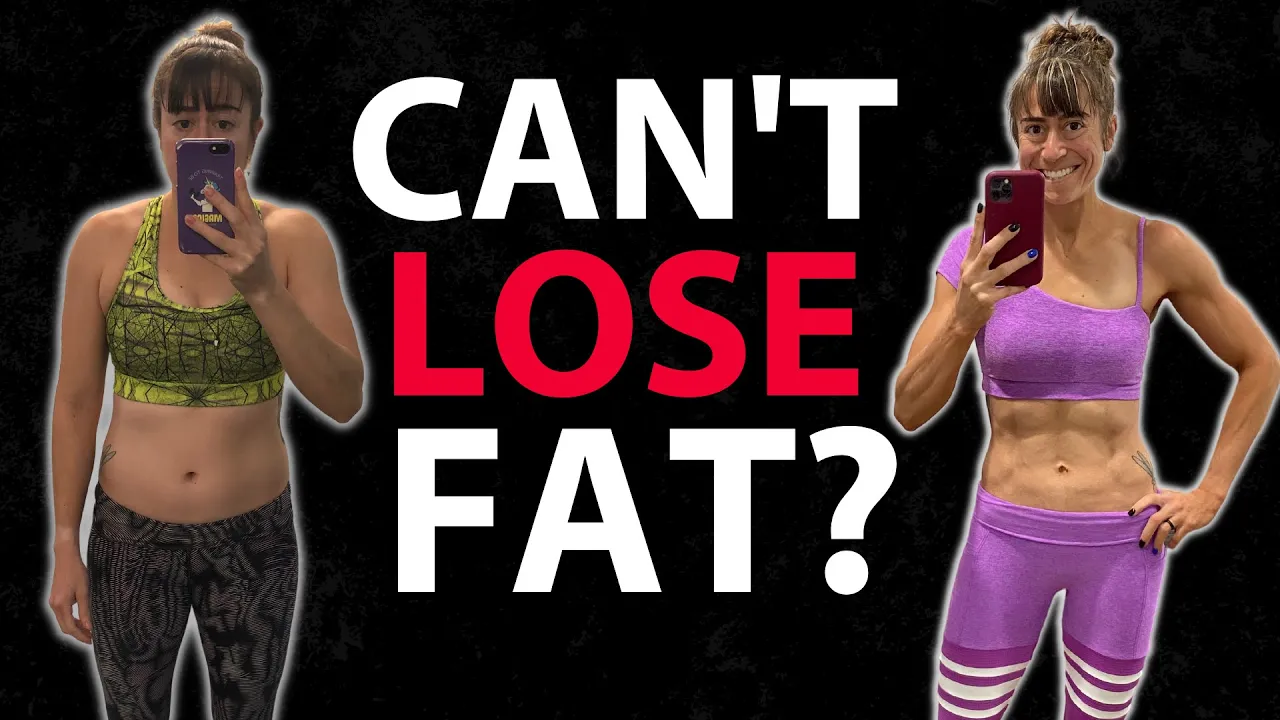
Struggling to see the weight loss results you want and feel like your only option is to overhaul your entire lifestyle? Well, you don't have to. In this video, I'm going to share the seven common lifestyle habits we think we need to implement to lose weight that are actually holding us back.
And then I'll explain the secret to increasing your metabolic rate to become a fat-burning machine. Hey guys, it's Cori from Redefining Strength where we help you create the healthiest version of your personal lifestyle because one size doesn't fit all. Losing weight means making a change to our daily habits, but sometimes we make changes that are actually holding us back.
That's why in this video, I want to highlight the seven habit changes to avoid and what to do instead to see results while improving your metabolic health. Mistake number one, cutting out the foods you love. What's the first thing we think we need to do when we want to lose weight?
Restrict. For many of us, dieting means cutting things out. Often the first foods we eliminate are the ones we love the most, but we also know they're not the healthiest for us.
Our dessert, our salty snack, but by cutting these things out, we also create that feeling of restriction which ultimately sabotages us. At some point, we feel like our willpower just runs out because we aren't meeting ourselves where we're at to make sustainable changes based on our personal lifestyle balance. So instead of cutting out your favorite food first, make an ingredient swap or portion adjustment first so you can work around the foods you love.
Even focus on what you can add in over cutting out. Shrink your portion of rice at dinner from one cup to three quarters cup. Do half a sandwich with a side salad to adjust your portion, lowering your carbs and adding in vegetables.
Sprinkle nutritional yeast on your popcorn to bump your protein and add a cheesy flavor. Help yourself create lasting changes by avoiding that restriction mindset. Mistake number two, making yourself eat specific things.
Don't force yourself to consume foods you dislike just because someone mentioned a potential health or fat burning benefit. That's a surefire recipe for disaster because at some point you're going to run out of self-control and default back into old habits that sabotage your results. We can't do one thing to achieve results then go back to old habits and expect to maintain those results.
The changes have to stick. So if for instance you don't like coffee, don't force yourself to drink it just because someone else says it can help you lose fat faster. First off, any fat burning benefits of coffee are small and you adjust to the caffeine intake over time which means that benefits become less with time unless you keep consuming more.
Second, caffeine can have a negative impact on mood and sleep. And third, this is a one percent change that will make no difference if your overall nutrition and workout routine aren't dialed in. But it may have a huge impact on whether or not you stick to your plan long term.
Just like trying to force down a ton of vegetables you dislike and bland and boring foods because you're trying to hit someone else's arbitrary standard of clean will ultimately sabotage your long-term success because you won't enjoy or be able to stick with the habits. Stop making yourself feel guilty about the foods you eat and focus on making those lasting changes. We get good at what we consistently do and the habits we enjoy we're willing to do more of.
So if you don't like broccoli, don't force yourself to eat it. Try other vegetables to find something you enjoy. Mistake number three, designing hour-long workouts or two-a-day sessions.
How many times have you thought I just don't have enough time to work out? You aren't alone. It's because we see all these people losing weight, training for hours a day, or doing two-a-day sessions.
But this focus on doing more often leads to a lot of wasted time and effort and holds us back from building a consistent routine and habit. It's about quality not quantity. The best results come by designing workouts that work for our actual schedule because then we'll be consistent with them.
If you have three days a week and 30 minutes, design full body workouts to get in everything you need with those sessions. That'll be far better than ending up missing body parts split workouts because you just don't have the time to stay consistent. And as you get consistent with that routine, you can always add in more workouts later.
And you might find that this is the perfect way to stay consistent even when life tries to get in the way. Mistake number four, you try to burn as many calories as you can or get as many meps as possible in your training sessions. When most of us want to lose weight, we start training harder and we get those calorie trackers, heart rate monitors that tell us our meps.
We focus on doing more. We feel this need to hit a certain calorie intake, get a certain number of meps, or have our heart rate hit a certain level for our workout to be good enough. But your workouts shouldn't be about calories burned.
Workouts can help us create that calorie deficit to start, but over time our body adapts. And there's also no magic fat burning zone where we need to keep our heart rate only at this level to magically burn a ton of fat. If our diet isn't dialed in, we won't be able to out exercise or nutrition for long.
Trying to out exercise your diet may actually be why your metabolism is slowed and you're now blaming your age for your weight gain. Stop focusing on burning more calories in your workouts. Instead, turn your focus to building muscle, whether you challenge yourself with body weight moves or weights.
This will improve your metabolic rate to burn more calories or rest. But more on this after mistake number seven. I've shared a link in the video description with training tips to help you lose fat faster.
Mistake number five, forcing a meal frequency. Eat six small meals a day. No!
Do intermittent fasting. It's the secret. No!
There are so many different meal timings and frequencies out there that people tout as the best. But one size doesn't fit all. How you schedule your meals may depend on your schedule, when you train, and even whether you prefer one big meal or more snacking.
Many different schedules can work. You can always adjust your meal timing strategically based on your progress towards your goals, and you might find that tweaks add up once you have everything dialed in. Don't stress meal timing or freak out if you didn't have your post-workout protein shake within 30 minutes of training.
Your muscles aren't just going to melt off. The key is dialing in our daily portions and routines. And then we can play around and experiment with those meal timings to really see what makes us feel best and also helps us stay consistent with the habits.
You may find you enjoy less frequent and bigger meals to feel fuller after eating and even have to prep fewer dishes. Or you may enjoy more frequent snacks as you're a grazer and on the go and it's easier than stopping for a meal. The key is really designing for your lifestyle.
Mistake number six is you're focusing on being good all week. Consistency is key. And while it can feel like you're being consistent by being good all week, that weekend eating or drinking can add up more than we realize.
While it might feel like you're being really consistent for five or six days a week and only off plan one or two, those one or two days can really add up. Especially eating out, those foods can be more calorically dense, not to mention fancy lattes and cocktails can really add up. We can often end up even drinking more calories than we realize.
If you're just starting to make changes, be conscious of how much more you're eating on the weekends as those calories could be throwing you out of the small deficit you've created during the week. Even tracking those cheat days or cheat meals or meals out over the weekend can show you how much those are really changing your weekly averages. While focusing on consistency each and every day is key, we need that consistency over the weeks and even months to add up.
If you are finding that being good all week is leading to more binging on the weekends, really assess whether or not you're doing too much during the week to restrict. It may be that you're creating unsustainable habits. Also consider the changes in your lifestyle over the weekend that might be sabotaging the consistency you feel in those habits during the week.
It can help you start to plan and make small adjustments on how you handle the weekends in eating. By recognizing the difference in your habits over the weekend, you can really plan ahead to make small tweaks and adjustments that pay off. Maybe you try some new restaurants with healthier options for a Friday night date night or you adjust earlier meals that day to account for a dinner out and strike a balance.
Mistake number seven, we do all the habits we should be doing. So often we just try and do more. We go from zero to sixty to try and hit all the habits we think we should be doing and we implement them all at once because we want results yesterday.
But we never stop to consider whether or not these habits are realistic for us or we can maintain them long term. We don't assess are they actually meeting our needs goals and lifestyle. In this effort to get results as fast as possible we do all these new things.
We overwhelm ourselves with change and then we wonder why we don't have the willpower or self-control to keep going when things come up in our life. We need to realize that each of us will have a different lifestyle balance and trying to force someone else's version of a healthy lifestyle is ultimately going to sabotage us. So focus on small changes meeting yourself where you're at.
Before even making any changes consider tracking your current lifestyle, your sleep, your workouts, your nutrition. This can help you meet yourself where you're at to make sustainable changes that will last. Now what's the secret to increasing your metabolic rate to burn even more calories at rest?
Focus less on losing weight and more on building muscle. Muscle is the secret to losing fat faster and no I'm not telling you that you have to bulk up but by emphasizing gaining muscle in your workouts you're going to help yourself actually lose fat faster and see that lean tone physique that you want. Because muscle is key to a healthy metabolism and gaining muscle can even increase your metabolic rate if you've died in the past causing metabolic adaptations.
More muscle means you burn more calories and you can build muscle at any and every age so don't slash your calories super low or turn all your workouts into cardio sessions. Focus on building muscle and you're going to see that fat loss happen even faster. For more tips to help you boost your metabolism if you're struggling to lose weight check out my can't lose fat four tips to boost your metabolism video next.
If you like the video make sure to like it comment below if you have any questions and subscribe we're posting new videos each week.