Have you noticed how arthritis pain seems to slowly take over little parts of your life? First, it's the stiffness in the morning. Then it's the pain when you stand up, walk down the stairs, open a jar, or even hold a coffee cup for too long.
And before you know it, your knees, fingers, hips, or shoulders start deciding what you can and cannot do every single day. But what if one of the biggest helpers for joint pain wasn't hidden inside an expensive supplement bottle? What if it was sitting in your kitchen this whole time?
Today, we're talking about five simple beans that many people completely overlook when it comes to arthritis relief. And honestly, that's surprising because these foods are packed with natural compounds that help fight inflammation, protect cartilage, support muscles around the joints, and even improve gut health, which plays a much bigger role in arthritis than most people realize. Now, this doesn't mean beans are some magic cure.
And no, you should never stop taking medication your doctor recommends. But here's the truth most people never hear. Painkillers mainly help cover the pain for a few hours.
They usually don't nourish your joints. They don't help rebuild cartilage. They don't support the muscles that protect your knees and hips.
And they don't do much for the long-term inflammation slowly wearing your joints down day after day. That's where food can make a real difference. Because when you consistently give your body anti-inflammatory foods, high-quality plant protein, minerals, antioxidants, and fiber, your body finally gets the support it needs to fight back from the inside.
And if you've been dealing with arthritis for years, you already know this pain is about much more than discomfort. It's about losing freedom. It's about thinking twice before walking too far.
It's about avoiding stairs. It's about waking up stiff and going to bed exhausted. That's why this video matters.
Today, I'm going to show you the five beans many people say help them feel less stiffness, better mobility, and more comfortable movement after adding them to their daily routine. We'll talk about what makes each bean so powerful, how they support your joints naturally, and the easiest ways to start eating them without changing your whole lifestyle. And trust me, you'll want to stay until the end because the final bean on this list may be the most powerful of them all when it comes to full-body inflammation, gut support, and long-term joint health.
One, cannellini beans. Let's start with one of the most underrated foods for arthritis relief, cannellini beans. Most people know them as white kidney beans.
They're soft, creamy, mild in flavor, and very easy to add to everyday meals. But even though they look simple, these beans are packed with nutrients that may help support painful joints naturally. Cannellini beans contain plant protein, fiber, antioxidants, magnesium, potassium, and calcium, and these are exactly the nutrients many people with arthritis need more of.
Arthritis is often connected to chronic inflammation and oxidative stress inside the body. Over time, inflammation can damage joints, increase swelling, and make movement more painful. Oxidative stress can slowly wear down cartilage and connective tissue, making stiffness even worse.
This is one reason cannellini beans may be so helpful. They contain natural compounds called polyphenols and flavonoids that help calm inflammation in the body. Their antioxidants also help fight free radicals before they damage healthy joint tissue.
In simple words, these beans may help protect your joints from more stress over time. Cannellini beans also support the muscles around your joints. This matters because strong muscles help reduce pressure on the knees, hips, and lower back.
The plant-based protein inside these beans can help maintain muscle strength as we age. Magnesium may help relax tight muscles around painful joints, while potassium supports fluid balance and may help reduce swelling. Calcium also helps support stronger bones, which gives your joints better support.
Another great thing about cannellini beans is how easy they are to eat. You can add them to warm vegetable soup, mix them into salads, or blend them with garlic and olive oil to make a healthy spread. They are affordable, filling, and simple to include in your routine without changing your entire diet.
And that's the important part. Arthritis relief usually comes from small habits repeated over time. Cannellini beans are not a magic cure, but when you eat anti-inflammatory foods consistently, you give your body more support from the inside out.
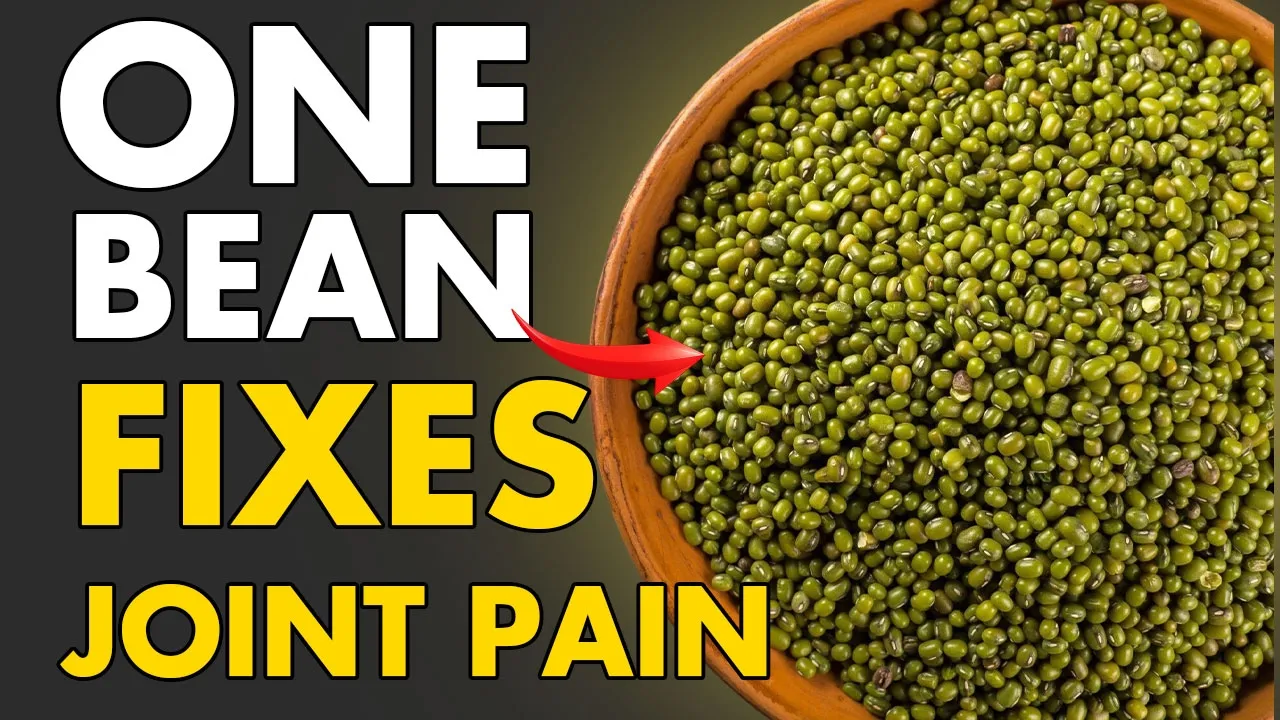
Over time, that may help you move easier, feel less stiff, and enjoy daily life with less discomfort. Two, mung beans. These small green beans have been used in traditional diets for many years because they are easy to digest, filling, affordable, and packed with nutrients that help support the body naturally.
If your joints feel stiff in the morning or your knees and fingers ache throughout the day, mung beans may be a simple food worth adding to your routine. What makes mung beans special is their antioxidant content. They contain natural plant compounds called flavonoids, including vitexin and isovitexin.
These compounds help reduce oxidative stress inside the body. Oxidative stress happens when harmful molecules called free radicals damage healthy cells, cartilage, and connective tissue. Over time, this damage may increase stiffness, swelling, and joint pain.
Mung beans help fight back by protecting the body from some of this stress. They may also help support a healthier immune response, which is important for people with rheumatoid arthritis. In rheumatoid arthritis, the immune system attacks healthy joint tissue, leading to inflammation, pain, swelling, and stiffness.
Mung beans contain nutrients that may help calm some of that inflammatory activity and support better balance inside the body. These beans are also rich in plant protein, magnesium, potassium, calcium, and manganese. Magnesium may help relax tight muscles around painful joints.
Potassium helps support healthy fluid balance and may reduce swelling. Calcium supports strong bones, while manganese helps support cartilage and connective tissue. Together, these nutrients may help improve flexibility and movement over time.
Another great thing about mung beans is how easy they are to eat. You can add them to warm ginger soup, toss them into a fresh salad, or cook them with vegetables in a simple stir-fry. They are light, healthy, and easy to include in everyday meals.
Mung beans are not a magic cure for arthritis, but when eaten regularly, they may help support healthier joints, better mobility, and less daily discomfort naturally. Three, soybeans. Young soybeans are also called edamame, and they are packed with nutrients that may help people dealing with arthritis, stiffness, and chronic joint pain.
What makes soybean special is their high protein content and natural plant compounds called isoflavones. Isoflavones are antioxidants that may help reduce inflammation in the body. This is important because inflammation is one of the main causes of arthritis pain and stiffness.
When inflammation stays active for a long time, it can slowly damage cartilage and make movement more difficult. Soybeans may help calm some of that inflammatory activity naturally. Soybeans may be especially helpful for people with osteoarthritis and chronic inflammation.
They are also often discussed for hormone-related joint discomfort, especially in women after menopause. As people age, hormonal changes may affect bone strength, cartilage, and inflammation levels. The natural compounds inside soybeans may help support better balance in the body during this stage of life.
Another reason soybeans are so powerful is their protein. Strong muscles help protect the knees, hips, and lower back from extra stress. When muscles become weak, painful joints often work even harder.
Soybeans provide high-quality plant protein that helps support muscle maintenance and tissue repair as we age. Another reason many older adults enjoy soybeans is because they're satisfying without feeling heavy. And that matters when your body already feels stiff and tired most days.
Soybeans give your body protein to help maintain strength in the legs and joints. While minerals like calcium and magnesium help support bones and muscle function as you age. But what really makes soybeans interesting is how they may help the body beyond the joints themselves.
A lot of inflammation actually begins in the gut. When digestion and gut bacteria are out of balance, the immune system can become more reactive, which may make arthritis symptoms feel worse. The natural fiber in soybeans helps support healthier gut bacteria, and over time, that may help the body stay calmer from the inside out.
And honestly, soybeans are one of the easiest foods to start with. You can toss edamame into a salad, add soybeans to rice or vegetables, or simply enjoy them warm with a little garlic and ginger. Small habits like this may not seem powerful at first, but over time, they can help your body move and feel better in ways you actually notice.
Four, black-eyed peas. Black-eyed peas may not get as much attention as other healthy foods, but for many seniors, they can be one of the most practical beans to include in a daily routine. One reason is because they provide long-lasting energy without feeling too heavy after meals.
And when you live with arthritis, energy matters more than people think. Joint pain can make the body feel tired, slow, and drained throughout the day. Even simple tasks like walking around the house, standing in the kitchen, or climbing stairs can start feeling exhausting.
Black-eyed peas contain a combination of complex carbohydrates, plant protein, and fiber that helps the body stay fuller and more stable for longer periods. Instead of causing quick spikes and crashes, they provide more steady energy, which may help seniors stay more active during the day. And movement is extremely important for arthritis.
The less the body moves, the tighter and stiffer the joints often become. These beans also give the body important nutrients that many older adults do not get enough of anymore. And sometimes that shows up in simple ways people ignore every day.
Feeling weak after walking for a short time. Legs feeling heavy in the morning. Joints feeling tight after sitting too long.
Even low energy throughout the afternoon. The nutrients inside black-eyed peas may help support better movement, muscle function, and overall strength as the body gets older. A lot of older adults stop eating healthy foods because they think everything has to be complicated or expensive.
But black-eyed peas are actually the opposite. They're simple, comforting, and easy to turn into a real meal. You can cook a small pot and eat it throughout the week without spending much money or standing in the kitchen for hours.
And for many seniors, that matters. When your body already feels stiff and tired, the last thing you want is a difficult diet that feels impossible to follow. Foods like black-eyed peas work better because they're realistic.
They fit into everyday life. No single food can completely erase arthritis pain overnight. But eating simple, nutrient-rich foods consistently may help the body feel stronger, move more comfortably, and maintain better mobility over time.
Sometimes small daily habits really do make the biggest difference. Five, navy beans. These small white beans may look simple, but they're packed with nutrients that help the body in many different ways.
Arthritis is not only about pain, it also involves inflammation, cartilage damage, stiffness, swelling, and muscle weakness. Navy beans help support several of these problems at the same time. One reason navy beans are so helpful is because they contain antioxidants and natural plant compounds called polyphenols.
These compounds help fight oxidative stress inside the body. Oxidative stress happens when harmful molecules called free radicals damage healthy cells and joint tissue. Over time, this damage may increase stiffness and make arthritis symptoms worse.
The antioxidants in navy beans help protect cartilage and connective tissue from some of this stress. Navy beans also contain anti-inflammatory compounds that may help calm inflammation in the body. This matters because long-term inflammation is one of the main causes of joint pain and swelling.
When inflammation stays active for a long time, it puts extra pressure on the joints and may reduce mobility. Eating anti-inflammatory foods regularly may help support the body naturally over time. Another important benefit of navy beans is their plant-based protein.
Strong muscles help protect the knees, hips, and lower back from extra stress. Protein also supports tissue repair and helps maintain muscle strength as we age. Navy beans are also rich in fiber, which supports gut health and immune balance, and healthy gut bacteria may help lower inflammation throughout the body.
As people age, the body often responds better to simple foods than extreme diets. Navy beans are one of those foods that feel steady, comforting, and easy on the body. Nothing fancy.
Just real nourishment that may help support better movement and daily comfort little by little over time. Navy beans are not a miracle cure, but when eaten regularly, they may help support healthier joints, better movement, less stiffness, and more daily comfort naturally over time. So now, let's take a step back and look at the bigger picture.
Today, we talked about five simple beans that may help support your body naturally if you struggle with arthritis, stiffness, swollen joints, or daily pain. And what makes these foods so powerful is that they don't only help one part of the body. They work from multiple angles at the same time.
They may help lower inflammation, protect cartilage, support muscles around the joints, strengthen bones, improve gut health, and support better mobility as you get older. Cannellini beans help support inflammation control and muscle strength. Mung beans may help calm oxidative stress and support immune balance.
Soybeans provide powerful plant protein and natural compounds that support joints and bones. Black-eyed peas help support gut health, which plays a huge role in inflammation. And navy beans bring everything together with fiber, antioxidants, protein, and important minerals that support the entire body.
And now, I'd love to hear from you. Which of these beans would you actually try first? And if you want to learn about more foods that may help reduce inflammation and keep your body strong as you age, watch the next video on the screen right now.