Are you tired of working hard and yet struggling to achieve financial success? Do you feel like, no matter how intelligent you are, your bank account just doesn't reflect it? Well, it turns out that financial success has less to do with intelligence and more to do with your money habits.
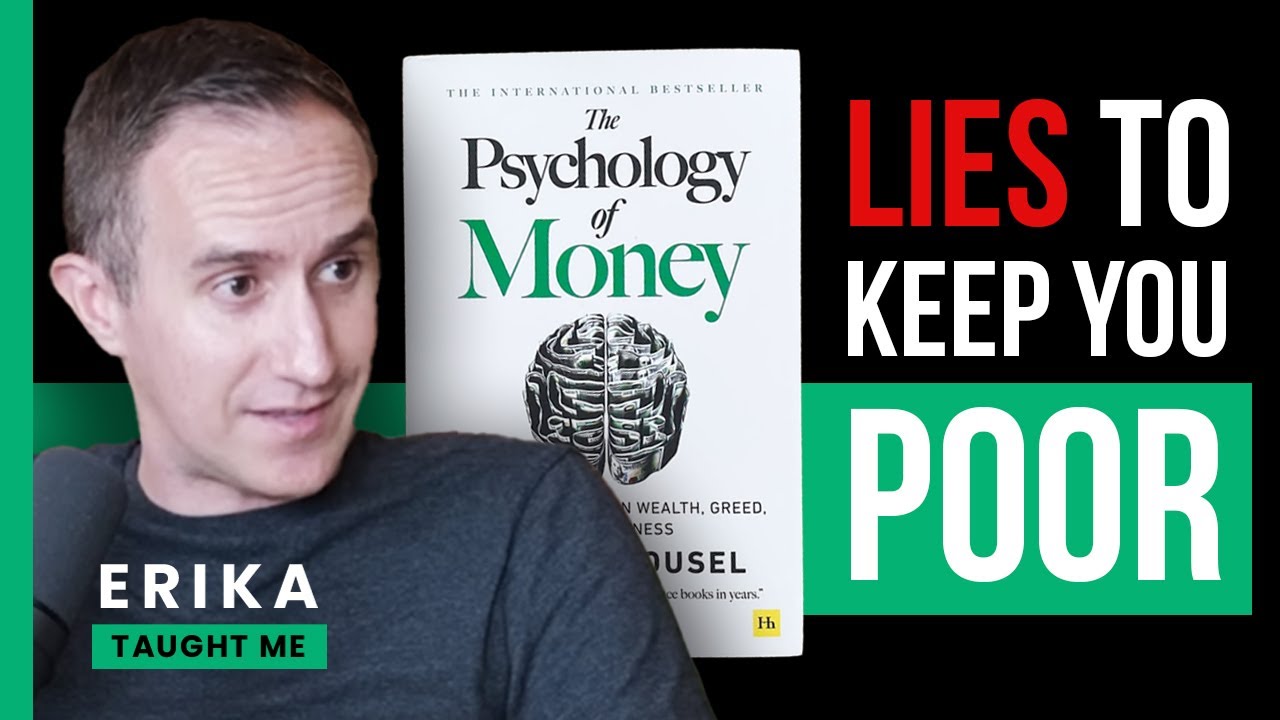
But don't worry; understanding and changing these habits is easier than you think. In this video, I will take you through 18 key lessons about money from Morgan Housel's book, *The Psychology of Money*. By the end of this video, you'll know how to avoid common money mistakes, measure your financial success, and achieve financial independence.
So subscribe to the channel, and let's get started! Chapter one from the book *The Psychology of Money* says no one is crazy. Money is one of the most powerful forces in the world, and its impact on our lives is undeniable.
The author says people have different views and experiences when it comes to money, and that these differences do not make a person crazy. This means that you have a unique perspective on money, and the way you view it differs from others. On the other hand, we all know that books can teach us a lot about money, but they won't tell us everything.
This is because there's a big difference between reading about something and actually doing it; you need to experience it to really understand it. For example, imagine you're a lottery winner who has been spending money like crazy for years. You think money can buy you happiness, security, and respect.
You have bought expensive cars, houses, clothes, and vacations. You have given money to your friends, family, and charities. You are confident that you are living the dream, and everyone else is jealous.
But then something unexpected happens: you lose most of your money in a bad investment, a lawsuit, or a divorce. The IRS comes after you for unpaid taxes. Your friends and family turn against you or abandon you.
You realize that you have no savings, no skills, and no purpose. How do you feel? How do you explain this outcome?
How do you react? If you are like most people, you probably feel depressed, hopeless, and ashamed. You might blame the world for being unfair, the people for being ungrateful, or yourself for being stupid.
You might spiral into addiction or develop thoughts that put your life in danger. Or you might try to start over and rebuild your life from scratch. But what if there is another way to look at this situation?
What if you could acknowledge that your view of money was not crazy, but simply different from others? What if you could understand that other people had different experiences, beliefs, and biases that influence their perception of money? What if you could respect their choices even if you disagreed with them?
This lesson can help us become more open-minded, empathetic, and humble when it comes to money. It can also help us avoid costly mistakes such as spending more than we earn, ignoring the risks, or being overconfident. By recognizing that no one's crazy, we can learn from others' perspectives and improve our own.
Remember, it is not what happens to you but how you handle it. So always try to stay positive and let go of all the bad feelings. Be confident, strong, and take care of all the tasks that need to be done.
Success will follow as a result of your positive attitude. The next topic on the 18 lessons from *The Psychology of Money* talks about luck and risk. The author says that luck and risk are siblings that both have a profound impact on people's financial journeys.
He uses the examples of Bill Gates, who was lucky to have access to a computer at a young age. There has been a lot of talk about luck and how much of it plays a role in success. Some say that luck is all we have, while others argue that hard work is the key to success.
The real difference between these two sides is the way they define luck. Now imagine you could ask some of the most famous and successful entrepreneurs in the world how they made it to the top. What do you think they would say?
Would they talk about their hard work, their sacrifices, their humble beginnings in a car garage, and so on? Of course, they would, and I'm not saying they didn't work hard to achieve their dreams. But what I'm saying is that there is something else that they often forget to mention: the people who helped them along the way.
The people who gave them a chance, a tip, a connection, or support that made all the difference. For example, do you know the story of Gates and Allen? Bill Gates and Paul Allen were friends who shared a passion for computers.
They met at a private school in Seattle, where they had access to a computer lab that few other schools had at the time. They spent hours learning how to program and creating software for fun. They were lucky to have this opportunity, which gave them an edge over other programmers in the 1970s.
They also had a vision for the future of personal computing, which led them to start Microsoft together. However, luck and risk also played a role in their partnership and friendship. Gates was lucky to have parents who supported his decision to drop out of Harvard and pursue his business.
Allen was unlucky to be diagnosed with cancer in 1982, which forced him to leave Microsoft. Gates was also more ambitious and ruthless than Allen, which created tension between them. Gates wanted to dominate the software market and was willing to take risks to achieve his goals, while Allen wanted to explore other interests and was more cautious about his investments.
Their different personalities and priorities eventually drove them apart. Apart from luck and risk, both Gates and Allen's financial success and personal happiness were influenced by various factors. Gates became one of the richest people in the world but also faced legal battles and public criticism for his business practices.
Allen recovered from cancer and became a billionaire but also struggled with addiction and loneliness. Both men had their share of ups and downs, which were not entirely due to their own choices or abilities in business. By the way, if you're enjoying the video so far and want me to create more topics like this, comment the word "video" so I know.
Moving on to the next subject: 18 lessons about money from the book *The Psychology of Money*. In the chapter titled "Never Enough," the author explores the concept of enough and how people's egos and social comparisons can prevent them from being satisfied with their financial situation. Let's use the examples of John D.
Rockefeller, the richest man in history, and Rajat Gupta, a former McKinsey executive, to explain how even the most successful people can fall prey to greed and envy. John D. Rockefeller was the richest man in history, amassing a fortune of over 300 billion dollars in today’s dollars from his oil business.
He was also a philanthropist who donated millions to various causes. However, he was never satisfied with his wealth and always wanted more. He once said that he would retire when he had 100 million dollars, but when he reached that goal, he changed it to one billion dollars.
He also suffered from anxiety and depression and had poor health for most of his life. On the other hand, Rajat Gupta was a former McKinsey executive who had a successful career and a net worth of over 100 million dollars. He was also involved in various humanitarian projects and was respected by his peers.
However, he was not content with his status and wanted to be part of the elite circle of billionaires. He became friends with Raj Rajaratnam, a hedge fund manager who was involved in insider trading. Gupta leaked confidential information to Rajaratnam in exchange for a stake in his fund and other business opportunities.
He was eventually caught, convicted of fraud, and sentenced to two years in prison. He also lost his reputation and his fortune. Have you ever wondered how much money you need to be happy?
You might think that the more money you have, the happier you will be, but that's not always true. Sometimes, having more money can make you want even more money, and you end up feeling unhappy and stressed. This is because you start comparing yourself to other people who have more than you, and you feel like you are not good enough.
You also start spending money on things that don't really make you happy but only make you look good in front of others. This is what happened to some very rich and famous people like Rockefeller and Gupta, who were never satisfied with their wealth and ended up doing bad things to get more money. They didn't know when to say enough.
One way to avoid falling into this trap is knowing that having enough is not about how much money you have; it is about how you think about money. We should be grateful for what we have and not let our ego or our social status control our decisions. One should spend money on things that make one happy, not on things that make us look happy.
In addition, you should have your own goals and standards and not compare yourself to others. In conclusion, this is the way to be happy with your money. Next comes the concept of compounding, one of the 18 lessons about money from *The Psychology of Money*.
This chapter is about the power of compounding, which is the process of earning interest on interest over time. The author explains how small additions over time can lead to huge outcomes, using examples from nature and history. He uses Warren Buffett as a case study of how long-term investing can yield amazing results.
Warren Buffett is one of the richest people in the world because he started investing when he was very young and never stopped. What people don't know is that most of Buffett's fortune was made after he turned 50. He also lived a long time, which gave his money more time to grow.
Buffett was smart about choosing good companies to invest in, but he also knew that compounding was his secret weapon. He once said that his life was like a snowball rolling downhill; the longer it rolled, the bigger it got. However, this shows that patience and consistency are key factors for financial success.
One should never underestimate the impact of small actions over time, whether positive or negative. Compounding can work for or against us, depending on how we use it. One example can be saving for retirement: if you start saving a small amount of money each month from a young age and invest it in a diversified portfolio, you can benefit from compounding interest and grow your wealth over time.
However, if you delay saving or spend more than you earn, you can end up with compounding debt that becomes harder to pay off. Next comes the topic of getting wealthy versus staying wealthy, one of the 18 lessons about money from the book *The Psychology of Money*. The author says that people focus too much on building wealth and ignore the issue of keeping it, which he states requires some combination of frugality and paranoia.
He also emphasizes that getting wealthy depends on taking risks and being optimistic, while staying wealthy depends on being cautious and pessimistic. Have you ever heard of someone who won the lottery and then went broke, or someone who inherited a fortune and then squandered it, or someone who made a lot of money in business and then lost it all in a bad deal? These are.
. . Examples of people who got wealthy but didn't stay wealthy are those who didn't know how to manage their money or protect it from bad luck or bad decisions.
They thought that having more money meant having more happiness, but they were wrong. On the other hand, have you ever heard of someone who saved and invested their money wisely and lived comfortably for a long time? Or someone who created a successful company and shared its profits with its employees and customers?
Or someone who donated their money to good causes and made a positive impact on the world? These are examples of people who stayed wealthy; they knew how to keep their money and use it for good purposes. They didn't care about showing off or impressing others, but they were happy.
People who get wealthy often have different skills than those who stay wealthy. In other words, getting wealthy is about taking chances and being hopeful, while staying wealthy is about being careful and cautious. A person needs both qualities to succeed financially, but we also need to know when to use them.
Therefore, it is important to avoid wasting money on things that don't really make you happy but only make you look happy. The next lesson about money from "The Psychology of Money" says, "Tales You Win. " In this chapter, Housel defines a "tale" as a very rare occurrence, again emphasizing the role of luck or chance in finance.
Have you ever heard of someone who made a lot of money by doing something that no one else thought was possible or profitable? For example, Walt Disney, who created a global entertainment empire from his cartoons and theme parks. This is an example of a person who benefited from "tales.
" This was a very rare and unexpected event that had a huge impact on his financial success. These events are not normal or predictable, but they can change everything in an instant. To help you understand how "tales" work in finance, you must understand that financial outcomes are not fair or balanced, but rather follow a rule where a few things make most of the difference.
This means that you don't have to be right all the time to make money, as long as you are right about a few big things. This also means that you should be humble and curious and not assume that you know everything or that things will always stay the same. The book states that most financial outcomes are not distributed evenly, but rather follow a power law where a small number of events account for the majority of results.
"Comes Freedom" is one of the 18 lessons about money from the book "The Psychology of Money. " The author tells his story of how he always dreamed of becoming an investor. He admires the wealthy and successful people who make a fortune from the stock market.
He thought that if he could join them, he would be happy and fulfilled. He studied hard, got a degree in finance, and applied for a job at a prestigious investment firm. He was overjoyed when he got hired, but his joy soon turned into misery.
On his first day, he realized why investors earned so much money: they worked like slaves. They had to wake up before dawn, analyze endless reports and data, make split-second decisions, deal with angry clients and bosses, and stay in the office until late at night. They had no time for hobbies, friends, or family.
They lived under constant stress and pressure. They sacrificed their health and happiness for money. Housel felt cheated and disillusioned; he had traded his dreams for a nightmare.
He wondered if he had made a terrible mistake. He wished he could quit, but he had signed a contract and had debts to pay. He felt trapped and hopeless.
He realized that money wasn't the key to happiness. He learned that being an investor was not a glamorous or easy career. He understood that he had to find his own passion and purpose in life.
He decided to change his attitude and make the best of his situation. He started to read books and blogs about personal finance, psychology, and happiness. He discovered that there were different ways to invest—not only in stocks but also in himself, his skills, his relationships, and his community.
He began to write about his experiences and insights on his own blog. He found out that he loved writing more than investing. He enjoyed sharing his stories and lessons with others.
He received positive feedback and encouragement from his readers. He realized that he had a talent and a voice that could inspire and help people. He decided to pursue his passion and become a writer.
He quit his job at the investment firm and started to work as a freelance writer. He wrote articles and books about investing, money, and happiness. He became a popular and respected author and speaker.
He earned less money than before, but he was happier and more fulfilled. He had found his true calling. He learned that happiness was not about how much money you have, but how you use it to live a meaningful life.
He learned that investing was not only about making money but also about making a difference in the world. He learned that success was not about what you achieve, but who you become. Morgan Housel says that the most powerful asset someone can have is the ability to get up every day and say, "I can do whatever I want, when I want, with who I want, for as long as I want.
" Do you agree with this quote? The next chapter on 18 lessons about money is titled "The Man in the Car Paradox. " Housel says that when people see someone driving a fancy car, they imagine themselves driving it rather than admiring the driver, since people who spend lavishly on visible goods may.
. . Be sacrificing their long-term financial security and happiness for short-term gratification.
We should avoid social comparisons and focus on our own goals and values. Here is the story of Tom: he had always dreamed of owning a Ferrari. He worked hard as a lawyer and saved up enough money to buy one.
He thought that driving a Ferrari would make him feel successful and respected by his peers and clients. He imagined that people would look at him with admiration and envy as he zoomed past them on the road. However, Tom soon realized that his Ferrari did not bring him the happiness and recognition he expected.
Instead of admiring him, most people ignored him or resented him for flaunting his wealth. Some even assumed that he was a jerk or a crook who had cheated his way to riches. Tom also felt stressed about maintaining his expensive car and paying for insurance, repairs, and parking fees.
He worried that someone might scratch or steal his precious vehicle. Tom also noticed that his Ferrari did not make him happy. He enjoyed driving it for a while, but soon got used to it and took it for granted.
He started to look at other cars and wonder if they were better or faster than his. He felt dissatisfied with his Ferrari and wanted to upgrade to a newer or more exclusive model. Tom realized that he had made a mistake by buying a Ferrari.
He had wasted a lot of money on a status symbol that did not bring him any real value or joy. He wished he had spent his money on something more meaningful and fulfilling, like traveling, learning new skills, or donating to charity. He decided to sell his Ferrari and buy a more practical and affordable car.
He also vowed to stop comparing himself to others and focus on his own goals and happiness. The next lesson about money from the book *The Psychology of Money* by Morgan Housel says, "Wealth is what you don't see. " In today's society, where we are constantly bombarded by images and messages of instant gratification, social comparison, and materialism, we live in a culture where we want everything now, and some people are willing to pay any price for it.
We are influenced by the media and social media, where we see the glamorous and extravagant lifestyles of the Kardashians, celebrities, and influencers. Some people envy them and want to be like them. Some think that they are happy and successful because they have a lot of things, but we don't see the whole picture.
We don't see the hard work, the sacrifices, the struggles, the failures, the risks, and the costs behind their success. We don't see the stress, the anxiety, the depression, the loneliness, and the emptiness behind their happiness. We don't see the lies, the scams, the frauds, and the fakes behind their authenticity.
We don't see that some of them are not really wealthy; they are just rich. Some try to imitate their lifestyle by spending more than they earn, by taking loans that they can't repay, or by buying things that they don't need or enjoy. They try to fake their wealth by showing off their things to others.
They try to fake their happiness by pretending that they are satisfied with their lives. They try to fake their success by lying about their achievements and credentials. But this is a dangerous game.
It not only puts their finances in jeopardy but also their health and life. They end up in debt, in bankruptcy, in legal trouble, or in jail. They end up with health problems, mental problems, addiction problems, or become self-destructive.
Additionally, they end up losing their friends, their family, their reputation, or their dignity. In some cases, some of them end up realizing that they were chasing the wrong things for the wrong reasons. They end up realizing that they were not really living; they were just surviving.
Here are some questions to reflect on: How do you define wealth and happiness for yourself? What are some of the things that you spend money on that you don't need or enjoy? What are some of the things that you save and invest money for that you do need or enjoy?
How do you resist the temptation of buying things that you can't afford or that don't make you happy? How do you avoid comparing yourself to others who may seem rich but are actually poor? How do you balance your present needs and wants with your future goals and dreams?
How do you use your money to buy time and options instead of stuff and status? Moving on to the next topic on 18 lessons about money, the psychology says, "Save money. " This chapter is about how saving money is the most important thing you can do to build wealth and happiness.
Have you ever wondered how much money you should save? You might think that it depends on how much money you make, how much money you invest, or how much money you spend. But the author says that there is something else that matters more: how much money you keep.
Saving money is the best way to build wealth and security because saving money is certain and safe, while making money or investing money is uncertain and risky. Additionally, saving money is not just about numbers but also about attitudes and emotions. On the other hand, saving money is easier if you are humble and confident, and harder if you are proud and insecure.
Now, saving money is not about depriving yourself of happiness, but about choosing what makes you happy. For example, let's say you have a friend who likes shopping. She buys a lot of clothes, shoes, accessories, and gadgets every month.
She thinks that shopping makes her happy and confident and that she deserves to treat herself for working hard. She doesn't save much money because she thinks. .
. That she doesn't need to or that she can't afford to; she is trying to make money by spending money and being proud. Now imagine that you have another friend who likes to budget.
She tracks her income and expenses every month, buys only what she needs, and occasionally what she wants. She thinks that budgeting makes her happy and confident, and that she respects herself for being responsible. She saves a lot of money because she thinks that she needs to and that she can afford to.
She is trying to keep money by saving money and being humble. The author says that building wealth is not about how much money you earn or how much money you make from your investments, but about how much money you save. The next lesson about money from The Psychology of Money says you and me.
This chapter shows how we compare ourselves to others in money and success. Housel says this is natural, but also harmful and wrong, since we use relative measures of wealth and happiness—like income, net worth, or status—not absolute ones like health, freedom, or relationships. The problem is this can cause envy, unhappiness, and false hopes.
The thing is, we compare ourselves to those who are better off than us, not those who are worse off or different from us. To avoid this, one should focus on their own growth and values, not on what others have or do. This chapter challenges us to rethink our definition of success and happiness.
It reminds us that money is not the only or the best indicator of how well we are doing in life. It also urges us to be more aware of our own biases and emotions when we evaluate ourselves and others, and we should be more grateful for what we have and more respectful of what others have. Let's use the story of Jim Carrey, the famous actor and comedian, as an example.
In this chapter, Carrey grew up in poverty and struggled to make a living as a stand-up comic. He became a star after appearing in movies like Ace Ventura, The Mask, and Dumb and Dumber. He earned millions of dollars and achieved fame and recognition.
However, he also faced personal challenges, such as depression, divorce, and the death of his ex-girlfriend. He realized that money and fame did not bring him happiness or fulfillment. Carrey once said, “I think everybody should get rich and famous and do everything they ever dreamed of so they can see that it's not the answer.
” He started to explore spirituality and art as ways to express himself and find meaning in life. He seems to follow the advice of this chapter by questioning his own assumptions and expectations about success and happiness, and by seeking what matters to him personally rather than what others value or admire. Next comes a surprise—one of 18 lessons about money from the book The Psychology of Money.
This chapter is about how you can never know what will happen with money and investing. The author says that there will always be things that surprise us and shock us. This chapter invites us to be humble and cautious when it comes to money and success.
In addition, it shows us that we cannot control everything and that one should expect the unexpected. It also encourages us to be resilient and resourceful when facing challenges and setbacks. People should not be too attached to their goals or strategies, but rather be willing to adjust and adapt as circumstances change.
One example that makes sense with this chapter is the story of the COVID-19 pandemic, which disrupted the global economy and society in 2020. The pandemic was a surprise event that no one saw coming or prepared for. It caused millions of deaths, infections, lockdowns, job losses, business closures, and market crashes.
It also created new opportunities and innovations, such as vaccines, remote work, e-commerce, and digital entertainment. The pandemic tested people's financial plans and resilience and forced them to adapt to a new reality. It illustrated the importance of having a margin of safety, diversifying one's income sources, and being flexible and adaptable in the face of uncertainty.
Next comes “Leave Room for Error,” one of 18 lessons about money from The Psychology of Money. The author says, “You are not your investments. ” The concept of separating one's personal identity from their investments is important.
This means that you should not let your investment returns define who you are. Sometimes, one gets too emotionally attached to his investments and makes decisions based on feelings. This can lead to poor investment performance.
For example, let's say you invest in a stock that you believe in, but it starts to perform poorly. If you let your emotions take over, you might panic and sell the stock at a loss. This is not a good financial decision and can hurt your overall investment performance.
To avoid this emotional attachment, it's important to remember that your investments do not define who you are as a person. Your worth and intelligence are not determined by your investment returns. Instead, focus on setting clear investment goals, sticking to a long-term plan, and diversifying your portfolio.
Another point is to avoid borrowing too much money or putting all your eggs in one basket. One should always have some extra money saved for unexpected events or emergencies. The idea here would be to focus and make a plan for the things you can control.
Additionally, one should think about how it would feel if he lost money and how it would affect his life, and then aim for financial security and peace of mind, not just wealth and status. Moving on to the next lesson about money from the book The Psychology of Money: “You Will Change. ” Housel explains that people tend to underestimate how much they will change in the future.
And how that will affect their financial needs and preferences. This means that we are not the same person throughout our lives, and how we should not expect our financial plans to stay the same either. It is like a journey where we start from one point and end up at another, but we also explore different paths and destinations along the way.
One should not stick to the same route or map that we made when we were younger because we may discover new places and experiences we want to try. Additionally, a person should not assume that we know where we will end up or what we will want in the future because we may change our minds or encounter surprises. This lesson is inviting us to be flexible and adaptable and not be afraid to change our plans or goals.
Be true to yourself, not following others or society, who may have different values or expectations than you. For example, going back to school is a decision that can affect our financial situation and happiness, but it is also a personal decision that depends on our passions, skills, opportunities, and dreams. We should not go back to school just because we made a plan when we were younger or because everyone else is doing it.
You should go back to school because you want to learn something new or pursue a different career. Additionally, you should also be prepared to adjust your budget and lifestyle to accommodate your education costs and benefits. You should not worry about what others think or say about your decision; be proud of yourself for following your interests and ambitions.
This chapter invites us to be open-minded and adaptable and not to lock ourselves into rigid commitments or expectations. It also warns us against being influenced by peer pressure or social norms, which may not suit one's changing circumstances or desires. The next lesson about money from the book *The Psychology of Money* says nothing is free.
The author talks about how investing in the stock market involves paying a price, losing money on poor investments. This means that investing is not easy or free, but it requires paying a price in terms of money and emotions. It is like a roller coaster ride that goes up and down, sometimes making us happy and sometimes making us sad, but we should not give up or get too excited because the ride is not over until we reach our destination.
We should enjoy the ride and learn from it, but also be prepared for the bumps and twists along the way. Always be careful not to follow the crowd or take too much risk because that can lead us to crash. For example, buying a house is a big investment that can have many benefits, such as providing shelter, comfort, and security, but it also comes with a price, such as paying a mortgage, taxes, insurance, and maintenance.
Sometimes, the house can increase in value and make us happy, but sometimes it can decrease in value or need repairs and make us sad. You should not buy a house just because everyone else is doing it or because you think it will make you rich quickly. You should buy a house that suits your needs and budget and that you can afford to keep for the long term, and also be ready to deal with any problems or surprises that may arise along the way.
Next comes "Reasonable Rational," one of 18 lessons about money from *The Psychology of Money*. I would say that this chapter teaches us to be independent and critical thinkers when it comes to money and investing. It shows us that there is no one-size-fits-all solution for financial success and that we should not blindly follow others or assume that they know better than us.
It also encourages us to be honest and realistic about our own situation and needs, and to find the best strategy for ourselves rather than for someone else. One example that makes sense with this chapter is the story of Mark Zuckerberg, the founder and CEO of Facebook. Zuckerberg is one of the richest people in the world, but he has a different approach to money and investing than most people.
He has not sold any of his Facebook shares since 2012. Even though he could diversify his portfolio and reduce his risk, he also does not spend much on luxury items or status symbols, but rather on philanthropy and innovation. He has pledged to give away 99% of his Facebook shares to charitable causes during his lifetime.
He seems to follow the advice of this chapter by having his own vision and values rather than following conventional wisdom or social norms. The next topic on 18 lessons about money from the book *The Psychology of Money* is the seduction of pessimism. This chapter is about how pessimism can be tempting and convincing but also wrong and dangerous.
It is like a trap that lures us in with its logic and evidence but then snaps shut and hurts us. We should not fall for the trap of pessimism because it can make us miss out on the opportunities and rewards that come from being optimistic. On the other hand, one should not ignore the problems and risks that exist, but we should also not exaggerate them or assume that they will ruin everything.
Instead, we should recognize that things can get better and that we can overcome challenges. It is also important to be careful not to listen to pessimistic media or experts who may have their own agendas or perspectives. For example, let's say you are planning to invest in the stock market.
You've done your research and have a diversified portfolio, but you keep reading news headlines about how the market is going to crash. This negative news can be seductive and lead you to make fear-based decisions like selling. Off your investments or avoiding the stock market altogether; however, this knee-jerk reaction may not be the best for your long-term financial goals.
Another example that emphasizes this chapter is starting a business. You may already know that starting a business can be a risky and difficult endeavor that can have many benefits, such as creating value, solving problems, and generating income. But it also comes with many challenges, such as competition, regulation, and uncertainty.
The thing is, you should not start a business just because you are optimistic or naive; you should start a business because you have a vision and a plan, and you are willing to work hard and learn from your mistakes. One should also avoid being pessimistic or cynical, because that can make us give up or miss out on opportunities. In short, be hopeful but realistic, and acknowledge that success is not guaranteed or easy, but rather possible and rewarding.
Next comes when you'll believe anything. One of 18 lessons about money from "The Psychology of Money," Hustle explains that stories are powerful and persuasive, but also incomplete and misleading. He says that people should be skeptical and curious, and not take stories at face value.
This chapter is about how we tend to believe what we want to believe and how we ignore what we don't want to believe. It's like a filter that lets in only the information that matches our views and opinions, and blocks out the information that challenges or contradicts them. One should not rely on the filter of our beliefs because it can make us miss out on the truth and the reality.
Do not trust everything you hear or read, but you should also not dismiss everything you don't like or agree with. One should be open-minded and curious, and try to understand different sides of the story. In addition, it's also good to be aware of our own biases and motives, and not let them cloud our judgment.
Be careful not to listen to people who tell us what we want to hear, but who may have their own interests or agendas. For example, choosing a diet is a personal decision that can affect your health and well-being, but it is also a controversial decision that can spark many debates and arguments. Do not choose a diet just because it sounds good or because it is popular or trendy; choose a diet that is based on scientific evidence and that suits your needs and preferences.
One should also be willing to change his diet if he finds out new information or if he experiences negative effects. Never ignore or reject the facts or the feedback that may challenge your diet choices. Avoid people who promote or sell certain diets who may have their own profits or beliefs in mind.
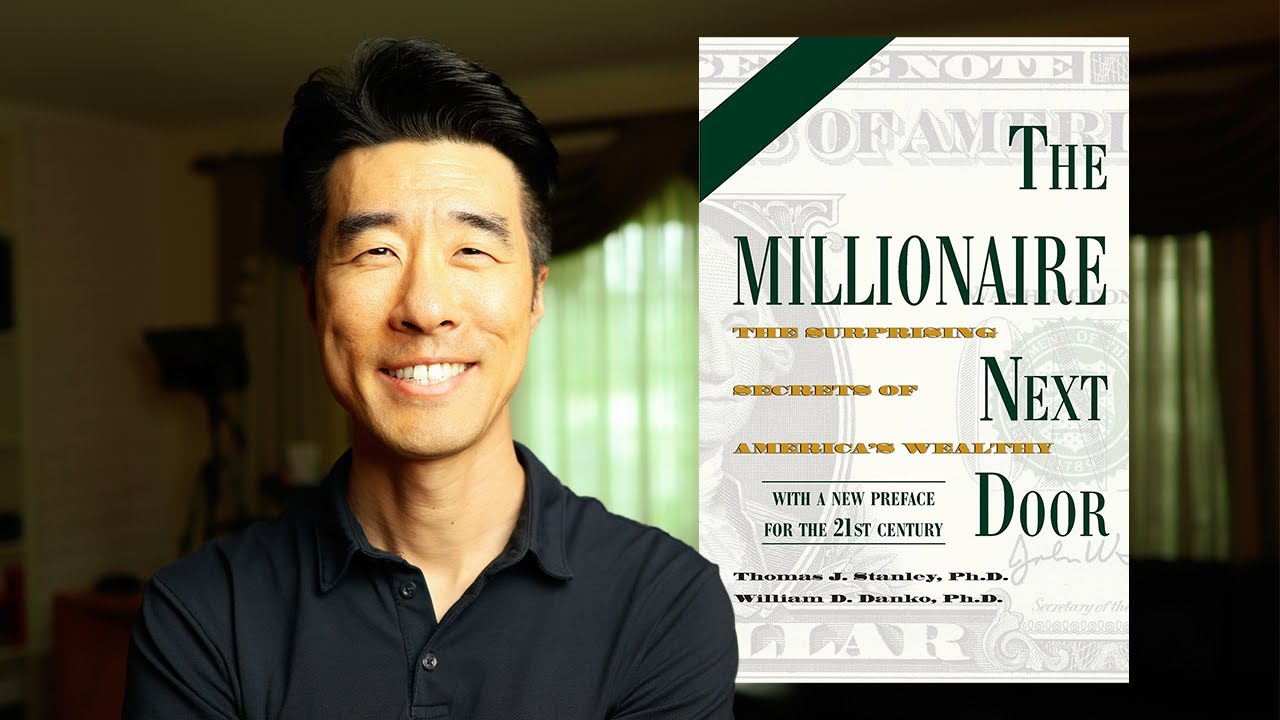
By the way, if you're interested in the book "The Psychology of Money," use my link in the description section and sign up for a 30-day free trial to listen to the audiobook or any other audiobook of your choice for free. With that said, let's move on to another subject in the book. "The Psychology of Money" by Morgan Housel reveals how our emotions, biases, experiences, and values shape our financial choices and outcomes.
He challenges us to question the common sense and assumptions that often guide our money and investing decisions, showing us that money is more than just numbers and logic; it is also a reflection of our psychology and personality. This amazing book can help you to become more aware of your own mental traps and how to overcome them. Today, I have shared 18 lessons that explain different aspects of the psychology of money, such as how, when it comes to money, psychology is more important than math in finance.
This means that how we think and feel about money affects how we act with money, and how we act with money determines how much money we have and how satisfied we are with it. However, experience and observation are the best teachers of money. You can learn a lot from the stories and examples of other people who have dealt with similar financial situations as you and from your own successes and failures.
Time is the ultimate measure of financial success. Money is a tool that can help you buy more time for the things that matter most to you. The more control you have over your time, the more successful you will become.
Furthermore, I discussed how saving more and spending less is the best way to achieve financial independence. We also see how saving is the difference between our ego and our income, and how spending is the difference between our income and our aspirations. The bigger these differences are, the more we save and the less we need to work.
Humility and adaptability are the best ways to avoid financial mistakes. We should admit that we don't know everything, that we can't predict the future, and that we can't control everything. However, we should be ready to change our minds when new information or circumstances arise, and to learn from our mistakes.
Now, if you want to know the rules of money you need to master to become rich, I recommend you watch this video next. Do not hesitate to share this video; it may help someone. Subscribe to the channel and share your thoughts on today's video.
Thanks for watching, and I'll see you in my next one.