[Music] in previous lessons we've been talking pretty extensively about the various facets of what a cloud computing service looks like the types of technologies that drive it and then we also talked a good deal about the National Institute of Standards and technology's definition of what cloud computing is and they provided us with five key traits that a service should possess in order to be considered a cloud computing service the first one was broad network accessibility this meant that we had to be able to access the services over some sort of a network after that was
an important model that allows for self-service ability the consumers of the service can interact with it without necessarily having to talk to the administrators this drives the third feature which was measured service and that was the part that said that we should be able to pay for just what we use and also that service providers are going to be charging us based on the total amount of consumption that we have this one in itself should drive a lot of savings because it allows us to pay for just what we're using and that in itself is
largely driven by the fourth characteristic which is shared resources and this says that just like renting a car or using somebody else's property for a short period of time there is value in not having to own it but still being able to use it when you need it the more we share typically the better the value proposition is going to be for consumers and providers and that brings us to the last one which is that a service should be elastic to be considered a cloud computing service this means that the service can scale up and
down to provide more capacity when we see more demand in this lesson we're going to be talking about the for deployment models that n is T defines and then in future lessons we'll also be talking about the three service models that they describe the first one we take a look at is private cloud and I think this one causes the most confusion just because it's really kind of a muddy definition when people think about private often the concept that comes to mind is that I own that thing it must run within my data center in
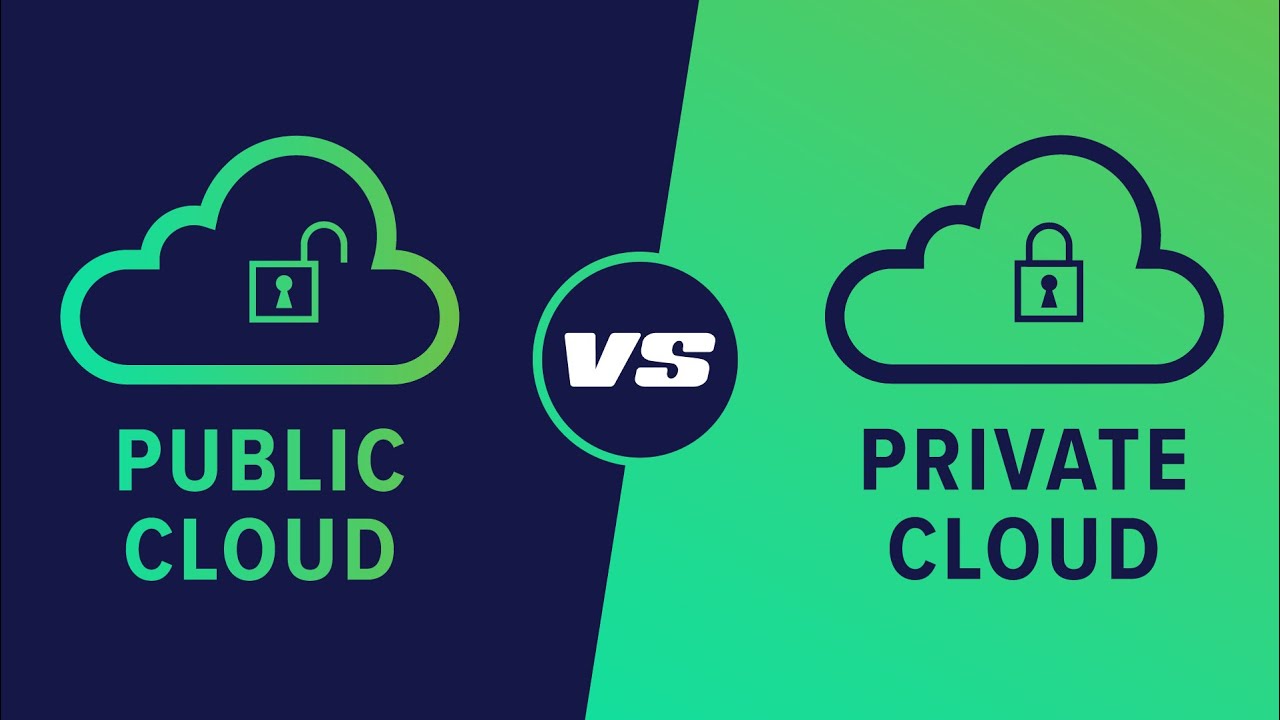
order for it to be considered private cloud we want to be careful about that because if we take a look at the definition it's about exclusive use by a single organization the definition does not say that you have to own the resources and it goes on further to say that it may exist on or off premises so that doesn't have to run in your own data center on your own enterprise networks it just means that you have to have very exclusive control over the resources themselves and one of my favorite ways to kind of describe
this model is to think about the way that a bank works now a bank is a public institution just about anybody could walk in there open an account and start using the bank services this includes customers from your town from your city from your regional area and there's no specific requirements on having to own the bank to use the bank now when somebody puts money into customer a's account it doesn't end up over here in customer D or E's account instead there is clear isolation between the accounting information for each one of the customers within
the shared bank that's the key concept that is where the exclusivity comes from even without owning the bank itself so in the end exclusivity not necessarily ownership is the key to private cloud keeping in mind of course that if we take this all the way to the extreme side where you own everything and you run it inside your own networks it of course fits that definition of private as well the next one we take a look at is the public deployment model this is one I think people are gonna be most familiar with because if
you've used the internet then you probably have used a public cloud service even if it's something like email or just using a hosted streaming video service like YouTube public cloud services are going to be available for general public consumption and typically they are going to be running on infrastructure or in data centers that the cloud provider owns another common term that we use to often describe this sort of model is hosted hosted refers to the idea of saying that in a traditional data center you would own the entire building you would own all the costs
the management efforts and you would still run your own virtual machines and services inside of it but it's an all-inclusive package and it comes with a lot of additional expense and costs and of course administrative overhead as well contrast that against having a cloud service provider who owns a data center and allowing you to just go and run your own little virtual machines inside of that environment and now you have drastically reduced the overall expense and administrative effort of using that service this is absolutely a hallmark trait behind using public cloud services and it's why
there's some of the most lucrative and valuable services that we can use typically public cloud services are going to have a large amount of sharing and nation of resources that are at use there it's part of what drives the value proposition sadly all of this sharing of resources though is one of the big red flags for a lot of security teams out there who have specific requirements that say we can't share resources so for them they don't have the option of necessarily using public cloud services instead they may need to keep things in their own
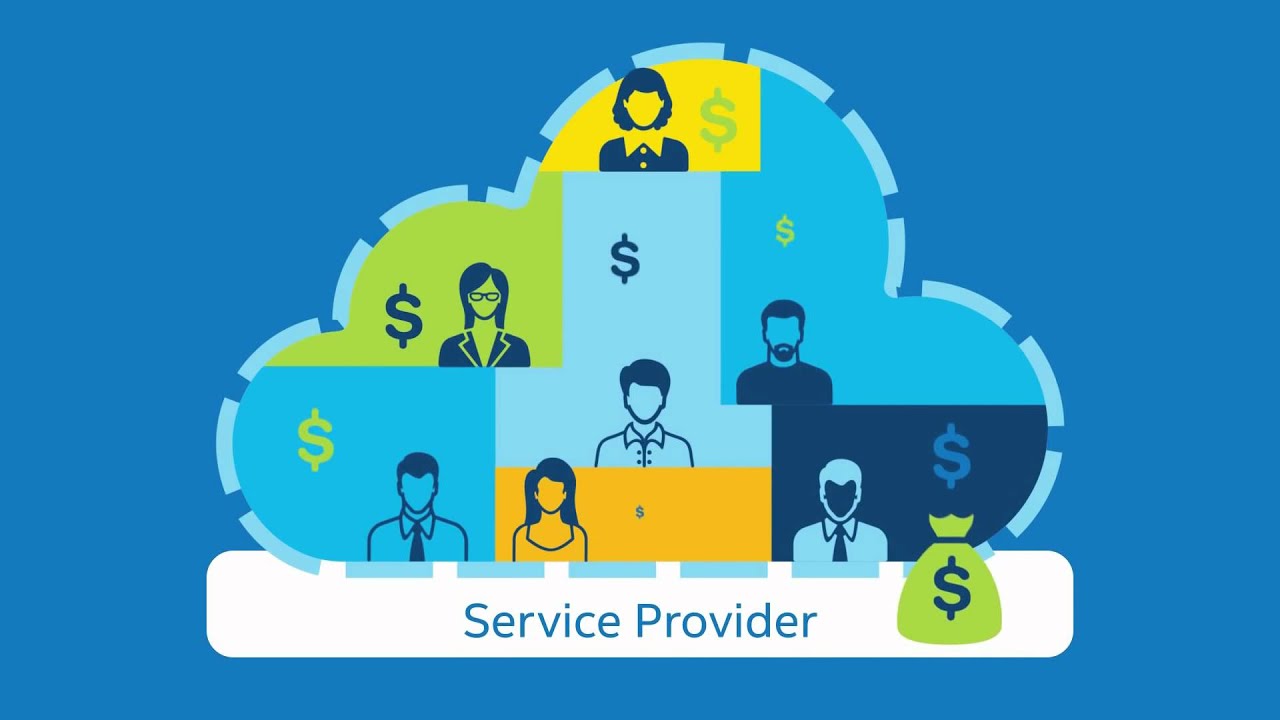
environments and not use a hosted solution this is one of the critical decisions that many businesses are struggling through given their industry their location and what sort of regulations might be placed on them and just a final note about public cloud service providers even though I've depicted these as all of these workloads habit ating the same cloud service provider there is still isolation between my traffic over here customer a the resources that customer B is using and the resources that customer C is using this is critical and it's made possible by those cloud computing technologies
we talked about in a previous lesson such as abstraction and virtualization that helps drive this isolation the next one is community cloud deployment and the key to identifying this one is to look for patterns of having a limited and shared concern a good way I like to describe this is imagine that you're gonna open an ice cream shop and sell ice cream cones now ice cream comes on all sorts of different flavors and you certainly could sell all of them if it's going to follow the community cloud model then rather than selling all of the
different ice cream flavors you're going to sell only chocolate flavors this is an example of specialization so in this way we are now looking at providing a unique need to a smaller group of individuals that is where the concept of that community comes from for a more technical example imagine that you're running a website and you want to be able to accept credit card payment for your products now you really have two different options you could run and process all of the information yourself and to do it yourself sort of payment card processing solution this
means that you're gonna have to do all of the work of receiving the card info processing the transactions producing receipts and validation or as an alternative you could go to a payment card company out there on the cloud who handles just the car to transaction parts of it this allows you to focus on making your beautiful products and running your way site while the payment card companies are the ones that are actually doing the processing of the information this gets even more critical when we recognize that card processing has regulations such as the payment card
industry or PCI regulations it dictates certain things you have to do when you're processing credit card information either you're gonna do all of those things or you could go to a payment card company and have them specialize in PCI compliance thereby allowing you to leverage their skills and their services the final deployment model is the hybrid deployment model and this is the one that we're gonna see the most often because it allows us to take a little bit of whatever we need to do so if we have an enterprise data center that we want to
run our own networks and cloud services inside of there great we can take advantage of that as a part of a private cloud model we can also go over to a cloud services provider who's living out there in the cloud who was running their own data centers run a little bit of our workload maybe we run some of our public web servers out there at the cloud service provider and then we could also take advantage of using like a PCI credit card processing organization to handle all of our payment card industry pieces just that one
particular community element in this way we're now taking advantage of all of these different types of cloud computing services and getting different types of value out of each one of them in the end when done properly hybrid cloud computing solutions are absolutely going to be the most valuable ones that we can create for ourselves because they let us custom tailor directly to our needs in the end these for deployment models fit together kind of like the a tasty buffet would with all sorts of different options for us to choose from and so this means that
if Bart's company has an IT problem that we need to overcome then we have a number of different options that we can pick and choose from and source from to solve those problems keeping in mind that all along the way depending on my skill sets and my requirements I can always choose to do some of the work myself to add control save money or just make it the right fit for me in our next lesson we're going to improve our options even farther by looking at the three different types of service models that we're gonna
see available in each one of these cloud deployment models we'll see you there I hope this has been informative for you and I'd like to thank you for viewing