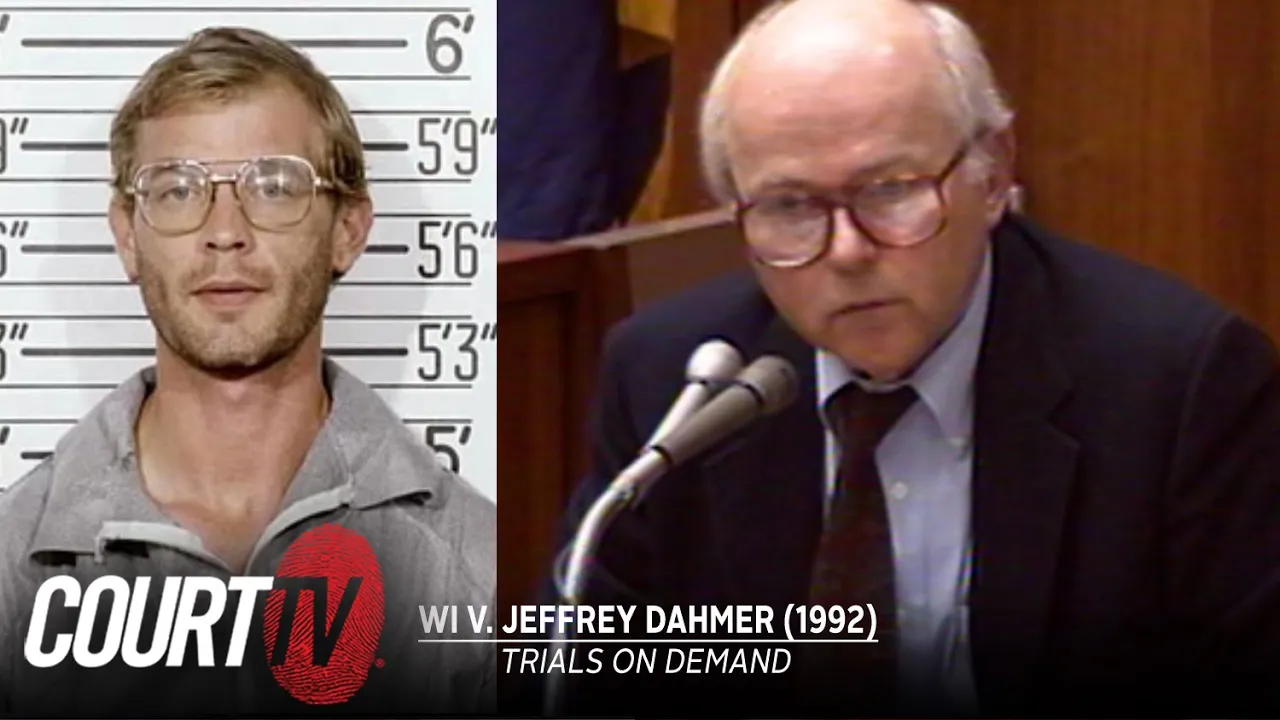
Foreign you have received a medical education is that correct doctor yes I am a physician would you tell the jury the manner in which you receive that medical education I first graduated from University of Wisconsin in Madison in 1960 with a major in psychology and I then I attended the University of Wisconsin medical school from 1960 to 1964. [Music] and achieved or received my doctoral medicine degree and in June of 1964. I then completed a one-year internship in Internal Medicine at the U.S Public Health Service Hospital in San Francisco California that was for one year
and then I returned to Madison Wisconsin and started my psychiatric residency Which is a three-year specialty halfway through my residency I was drafted in the United States Army and I spent three years in the Army as a psychiatrist and a flight surgeon and that was from March of excuse me March of 1966 until March of 1969. and then I returned to Madison and finished my residency in psychiatry and then took a fourth year Fellowship in legal Psychiatry or forensic psychiatry Where did you take that fourth year in Fellowship in the forensic psychiatry that was also
University Hospitals in Madison was that from July of 70 to June of 1971. I believe so would you tell the jury what forensic psychiatry is a forensic psychiatry well first of all Psychiatry is a branch of Medicine and then forensic psychiatry is a sub-specialty in the field of Psychiatry and it has to do with legal consultation In civil and criminal matters before we go further I'd like to have the pass to the jury the uh avite of the witness did you have an opportunity to explain what forensic psychiatry is yes I did what what postgraduate
training did you undertake after completing the fellowship [Music] I've certainly taken numerous Seminars workshops primarily in in general Psychiatry and especially in forensic psychiatry I attended the Institute of Law and psychiatry at the University of Southern California about three occasions in the early 1970s these were for uh further training in forensic psychiatry a 1970 71 and 72 I've had so many other continuing medical education courses on a variety of subjects especially in forensic psychiatry and you have listed those on your Vitae is that correct yes I am and do you all have you also attended
the summer course on Law and Psychiatry at the University of Wisconsin law school for a number of years during my fellowship I sat through that summer course And then later I became a panelist with the teaching professor for several of those Summers I was not an official instructor I had no official capacity with the University of Wisconsin law school but I was primarily a panelist if you received certain professional certifications yes I have would you tell some of those to the jury I would serve first certified as a Physician by the national board of medical
examiners back in 1965. and then I was later certified by the American Board of Psychiatry and neurology as a psychiatrist and that was in 1972 I was later certified as a forensic psychiatrist in 1980 by the American Board of forensic psychiatry are you a diplomate in both of those boards certification means you are a diplomat Yes would you explain to the jury that process and what the significance of that is to be a diplomate to be certified in Psychiatry you have to have various training requirements and experience requirements sort of I'm not sure what they
are currently but basically the finisher at least a three-year residency uh have some degree of experience and back when I took the exams we had a Written examination and if you pass that then you had an oral examination whereby you know examinated neurological patient and was and were quizzed by a panel of neurologists and psychiatrists about the patient and also two psychiatric patients where you were quizzed about these two patients so it's an all-day affair as far as the American Board of forensic Psychiatry exams that was also you had to be certified first as a
psychiatrist before you can take the licensing or certification exam in forensic psychiatry and also they wanted you the board wanted you to have a special interest in forensic psychiatry perhaps some degree of Advanced Training and experience and then you take excuse me you take a written examination and if you pass a written examination Then you take oral examinations whereby you are questioned on your submitted reports you even interview a potential defendant or you watch a videotape of a defendant and your question for several hours about a variety of forensic subjects were you the first physician
in Wisconsin to receive to become a diplomat of the American Board of forensic psychiatry yes I was and what year was that that was a 1980 you are also a diplomate in the uh a fellow in the American Psychiatric association is that correct that's true would you explain to the jury what it means to be a fellow in the American Psychiatric Association the American Psychiatric association is the National Organization of Psychiatrists uh the various membership categories and back in 1976 the Wisconsin Psychiatric Association advances your name along with other people to the National Organization for
promotion to Fellowship which is somewhat of an honorary status requires varying degrees of training service experience that type of thing and so in 1976 I was A made a fellow in the American Psychiatric association did you later become a fellow in the American College of forensic psychiatry yes I did and would you explain that procedure uh basically that's a smaller organization of the Forensic psychiatrists and um upon submission of Various records experience training their what have their board screened you and if they think you qualify then you're also elevated to a fellowship status and so
both those fellowships involve recognition by your peers before you advance to those fellowships is that correct that's true this isn't something where you pay your dues and after you're there a certain number of years you automatically become a fellow that's True I'd like to turn now to your professional experience you indicated that you were drafted during the Vietnam incident can you briefly tell the jury what transpired or what you did when you were involved with the military in the Vietnam this was why you were in training while you were in residency that you were drafted
out and was drafted out of my residency yes would you tell the jury what you did for The military during the time you were brought out of the residency basically since I had psychiatric training I was used as a psychiatrist and um during the Vietnam war there was a strong emphasis on Aviation and helicopters and what have you so I was there was a great need for flight surgeons so I was also programmed through the flight surging course At Fort Rucker Alabama which also authorized me to treat aviators and uh I was just assigned to
a various posts I was which basically a Fort Lewis Washington which uh were you also in San Francisco and then later later spent a year at Letterman General Hospital in San Francisco San Francisco which is a major Army hospital and it was transferred to Savannah Georgia where I was the chief of Psychiatry for Hunter Army Airfield and also Fort Stewart Georgia is that in Savannah Georgia Fort Stewart is about 30 miles Inland west of Savannah from 1970 to 1977 were UA forensic consultant with the Central State Hospital yes I was would you explain to the
jury What the Central State Hospital was in those years and what your duties and responsibilities were back in those days um Wisconsin had three state hospitals in Mendota and Winnebago Mental Health institutes and the Central State Hospital in Waupun Central Central State Hospital was Wisconsin's maximum security Hospital where the forensic or legal patients were excuse me Do you have some water doctor I have some little yeah it'll straighten out the forensic patients in the state went there people were sent there from courts of Wisconsin for evaluation as to their competency to stand trial and back
then there was also a sex crimes program and the people were found unable to stay on trial and the individuals who were found Mentally non-responsible were committed to Central State Hospital my role there was as an examiner and I started going there during my fellowship because that's where the forensic patients were being sent so I performed a numerous evaluations on people sent there by the courts of Wisconsin asked for their competency to stand trial and their suitability for Wisconsin's then sex crimes program So that persons that were involved in sexual matters a variety of sexual
assaults and so on were studied by you yes Wisconsin had a post-trial but pre-sentence sex crimes program meaning that these were people that were charged convicted but were not sentenced the purpose of the program was to screen out those individuals who were felt to uh have sufficient sexual maladjustment and were somewhat treatable and to be placed in a special treatment Program rather than going straight into Correctional channels and during that time those seven years can you opine the number of sexual persons involved in sexual crimes that you examined for one purpose or another I'm sure
I saw a couple to a few hundred individuals for the sex crimes program but you mean a couple hundred to to several hundred I just usually say a couple to a few yeah that's Not clear in my mind is that hundreds you mean a couple to a few hundred during those years I did the same thing after I transferred over to the Mendota Mental Health Institute and did the same thing uh forum and that was from 1974 to 1982 that you did that yes I did that was um a day and a half just part
time I would go out there it's near Madison and also See at that time the forensic clients in the state of Wisconsin were being phased out of Central State Hospital and they were closing down Central State Hospital and turning it over to the Division of Corrections which is now the Dodge Correctional Institute and the Mendota and Winnebago Mental Health institutes picked up on the illegal legal clients in the state of Wisconsin so I did the same thing in Mendota Usually one morning half morning a week for several years right were you also a forensic consultant
at the Federal Correctional Institution in Oxford from 1974 to 1982. yes when the federal government bought the new wisconsin-built prison in Oxford I think it was back in around 74. uh I was asked to be the Consulting psychiatrist to that facility and did so went up there about a day a month for several years to consult with The the medical department and the psychology department have you also served as a forensic consultant with the Wisconsin criminal jury instructions Committee in the 1980. yes I did and that brought you where the emphasis was more on law
but you could draw on your background of both law and medicine is that correct uh that's true of the jury instructions committee is an ongoing committee I Understand of attorneys and judges and they're always revising and studying the jury instructions for a variety of issues and back then they were revising and investigating the then the then jury instructions for this phase criminal trial meeting the second phase or the mental responsibility phase and they wanted my input as to any comments I had definitions and that type of thing So I did make some suggestions to them
some were considered and some are not great you were also a forensic consultant for the technical advisory service for attorneys in Fort Washington Pennsylvania is that correct yes that's a national agency that attorneys go to when they want cells in various areas and somehow they've heard about me and uh Yes right and with respect to the defense Research Institute are you also a forensic consultant to that group yes this is a civil insurance company organization out of Chicago and uh I occasionally get referrals from that organization where you also have you been a forensic consultant
in the Wisconsin Department of Justice Madison in Milwaukee yes that's the uh Attorney General's office the state of Wisconsin and I've Had referrals from both their Madison and Milwaukee offices have you also served as a forensic consultant for the United States Department of Justice for the Western District of Wisconsin that is in Madison Wisconsin yes I've had referrals from both the U.S attorney's offices in both Madison and Milwaukee you've also served as a consultant with the Department of Social Security Disability insurance in Madison is that true yes I performed numerous so these days but years
ago I was a regular examiner for that agency performing evaluations on people who are applying for Social Security disability have you also served as a consultant for the Veterans Administration Hospital in Madison from 74 to 76. yes I did and as a consultant for the Wisconsin Department of Regulation and Licensing in Madison yes ago I did receive some referrals from that body and as an I have you served as an assistant clinical Professor for the Department of Psychiatry University of Wisconsin medical school from 1974 to 1978. yes I did yes I did served as other
also in various roles in your professional associations is that Correct I've had various offices with the Wisconsin Psychiatric association I would say the main one I was the editor from 1979 to 1986 of our our newsletter and you're presently are engaged in practice as a member of the psychiatric services in Madison I think in Madison Wisconsin is that so yes yes I'm a member of a About a 15-member mental health group psychiatrists psychologist and a few social workers and I've been a member of that group since 1975. you've served as an examiner for the American
Board of forensic psychiatry over several years is that correct and you tell us what that is foreign yes I have basically as I mentioned before there's an oral examination part and uh I was asked me an examiner on them for about four years examining psychiatrists who have passed and passed the written forensic examination and we're taking their oral part to become board certified in forensic psychiatry have you done the same type of work for the American Board of Psychiatry and neurology yes I have and this is where you're examining applicants to that board basically that's
true you've also served in the Wisconsin judicial Council and Sanity defense Committee in 1989 and 1990 in drafting legislation revising the Wisconsin Insanity law is that correct yes and also back in 1979 to 1981 both committees study the present statutes in the state of Wisconsin relating to various psychiatric issues I like competencies stand trial and the mental responsibility statutes some of the recommendations were adopted Because there's a competency to stand trial statutory that's now in effect as a result of those committees the present statute covering the procedures following a person being fundamentally not responsible a
result of that the latter committee and this wanted to affect January 1st of last year and these are positions to which with the the judicial Council our positions that are in part influenced by leadership in the Legislature is that correct leaders in the legislature legislators are on the committee and eventually somebody puts forth a bill and that's then reviewed by the council is that that's true you belong to various professional societies which you have listed on your veterans is that correct these are the present organizations I belong to I belong to other Organizations in the
past but you've been involved in numerous presentations through the years and you've listed listed some of them on pages four and five of the Vitae is that correct that's true and the vast majority of these relate to that mental health issues and the insanity defense is that true criminal responsibility most of them have to do with forensic psychiatric issues and I've talked to a variety of organizations From judges at their annual meeting on a couple occasions that the courts also have a summer criminal law and sentencing Institute I've talked to that and you have all
meeting on a couple occasions I've talked to the Wisconsin Psychiatric association a few times other lay organizations and you have also published some articles in the area of forensic psychiatry is that correct I've done some writing in the area not extensively Think I have four or five articles presently in the Wisconsin barbell and which is the journal for the State Bar Wisconsin would it be accurate to say really that from 1970 on you have been a practicing forensic psychiatrist [Music] forensic psychiatry has always been part of my practice certainly in the Army you do a
great Deal of administrative Psychiatry and um sort of commonly got involved with many people who were in trouble in the Army and that's where I first started doing them and I came back and part of my fellowship I had forensic experience and training and then in my Prime then I went to Private Practice in the early 70s and it was part-time Forensic work inpatient psych Psychiatry inpatient hospitalization in an outpatient Psychiatry then later toward the late 70s it was too hard to juggle all three and I dropped the inpatient work and was just forensic work
and outpatient clients paid well patients and then eventually uh for the last couple years I have not been involved in patient care but it's just The forensics work is um and so demanding and so time consuming and the scheduling problems and what have you it's it's very hard if you do much forensic work to have an established outpatient practice where patients at regular hours because my hours are so regular and I don't you never know when you're gonna be needed and you can't be uh rescheduling your patients all the time because the patients need that
So basically for the past several years you've been practicing forensic psychiatrist your full-time work last couple years yeah and you do that through this private Corporation with your colleagues that you've described already is that correct that's true I'm presently I'm not Consulting with any agency it's full-time you are not in any way a government employee at this time I'm not through the years since you started in 1970 you have examined many hundreds of peer persons for forensic purposes is that correct yes yes I am and particularly in the earlier years there were many of those
were persons that had were involved with some sexual difficulty is that true [Music] when Wisconsin had a sex friends program yes a common examination and both of them do it on Central State Hospital was for Admission screening for the sex crimes program since that time you've also from time to time examined the persons from for sexual problems that true on the private work some type of sexual assault is part of the most common charge [Music] I see and in terms of being requested by to appear in Wisconsin courts in terms of Examinations for either competency
or for responsibility such as the proceedings we are presently involved in have you been involved in numerous such forensic assignments yes I am and particularly with the area of non-responsibilities such as in this proceeding tell us and wonder what circumstances you were employed and by whom generally and rough percentages if you can I have a referral for a mental Non-responsibility examination is is a probably the most common type of referral and I I do anywhere from 50 to 70 of those per year for a variety of charges for courts around the state of Wisconsin have
you appeared as in many counties many are all counties of the state if you know through the years I've had referrals from every county in the state in the last 20 years Uh they're about five or six counties I've not testified in but otherwise I've testified in all the other counties and that may be either by the engagement of the district attorney by the public defender by private practitioner or By Appointment of the court is that true because most um responsible examinations are are court appointed I suspect I am my name is recommended to the
court by the District Attorney's office and less Commonly by defense attorneys and then you're appointed by the court as the court expert is that true yes the vast majority are are court appointed my report goes to the court and my my bill goes to the court occasionally occasionally there's a direct referral from the attorney's office some counties vary in how they administrate these referrals some judges don't appoint a Point in the solid defense and District Attorneys most counties and Milwaukee County everything comes through the court uh except occasion there's a direct referral like in this
case from the District Attorney's Office you're saying that in most situations when you're testifying you're testifying as did Dr Palermo in this case as a court appointed physician that's usually the way it has a chance people testified within the last several Months here in Milwaukee County as the court appointed physician in murder cases is that true yes I am Milwaukee County cler easy because the most number referrals per year I keep track of all this and uh so I'm down here I always have work in Milwaukee County and yes would you say a little recently
is it safe to say that you have testified numerous times in the homicide cases often as the court appointed Expert Through The Years on the issue of responsibility in a homicide case that's true you have sometimes supported the plea of insanity and you have sometimes said no the person was not insane is that accurate yes I uh sometimes my findings support The Plea and sometimes they don't over the years that's keep track of that also because I'm Commonly asked in court so I started keeping track and that that works out to uh about 25 percent
of the time or three out of ten times depending on the year where my findings support to play the rest of the other seven times uh 70 times it does not support the plane right so you have testified then in in you've talked about state courts here in Wisconsin have you also testified in federal courts yes I am and on the same Type of issues of responsibility and issues of Competency yes I have uh you did ask me about a recent Milwaukee murder I said you testified several times in the last several months here in
Milwaukee is that correct on in homicide cases there were two cases in early January or the um my planning support of the plea there was not a major contest it was pretty much agreed To by all the examiners and there was not a trial there was a hearing of course and the um findings were taken and this is where you supported the plea of insanity in these other cases these were two homicide cases last month and right was that in January that's that's true and have you on occasion seen patients or had referrals that related
individuals that had been active or had Been involved in some necrophilic activity I've seen cases over the years where the defendant pretty much after the homicide let's see a husband wife shooting Casey the male defendant had engaged in sexual behavior with the wife after killing her I've seen that on a few times as a pure let's pick on the more it was a pure Necrophilic individual working in a morgue or an old-fashioned grave robbing type individual I don't recall a person like that that's that's pretty unusual so you are presently then a full-time forensic psychiatrist
doing such issues as competency and responsibility among your among your ongoing work it's about two-thirds criminal and one-third civil civil referrals civil cases personal injury workers comp other miscellaneous Administrative Insurance Personnel employment discrimination kind of cases I offer Dr fosdel as an expert witness Mr Boyle so the record's clear how long have we known each other we met it in a case in Sheboygan in 1975 and I won't tell you I'm an interplanetary TV where we met but it was a in a homicide case in Sheboygan 1975 we've known each other a long time That's
true I have no objection that Dr Foster Has Fallen the can you may continue okay doctor you were engaged by the mall County District Attorney's office to become involved in this case as a forensic consultant is that correct I was and incident there too you received a stream of materials at various times is that true that's true and that involved the infamous police reports From particularly from the city of Milwaukee Police Department some from West Allis some from Bath Ohio it involved in medical reports and various other types of information is that true yes I
have quite a pile of materials they're quite a pile all right and did you also undertake uh what do you do generally when you get a not guilty in terms of when there's a raising of the mental responsibility issue would you have a particular procedure or routine That you follow [Music] basically the if I sit back can people hear me it's certainly will last longer if I can sit back yes or no uh basically the routine is the routine is to obtain collateral materials and uh eventually you interview the defendant review their past life and
functioning Or they've lived work Family Life School employment all aspects of their past life and then eventually you talk to the person about the charges against him or her and then you during your examination you're observing their behavior how they're talking their parent mood how they're thinking you're assessing their ability to comprehend talk you're assessing their intelligence all these Parameters relate to what we call mental status examination it's similar to a physician's physical we are Physicians but it's similar to a physical examination in general medicine the mental status examination isn't direct questions about certain parameters
but also an ongoing observation of the person throughout the interview thank you so then after the examination and study the materials and sometimes You see the individual once several times sometimes you interview outside resources you um submit a report and you try to apply your clinical findings to the question being asked and in the case of a mental non-responsibility examine examination you try to answer the questions of whether or not there was a mental disease or defect at the time of the offense mental defect which goes back to my consultation with The jury instructions Committee
in Wisconsin is defined as mental retardation mental defect is not an issue in this case but some defendants are mentally [ __ ] you try to answer the question as to whether or not there was a mental disease during the time of the offense and then you try to determine or at least run an opinion as to whether or not the mental disease caused the required Degree of impairment in the defendant's capacity to appreciate wrongfulness and to be able to conform their conduct so that's a standard for mental non-responsibility in the state of Wisconsin and
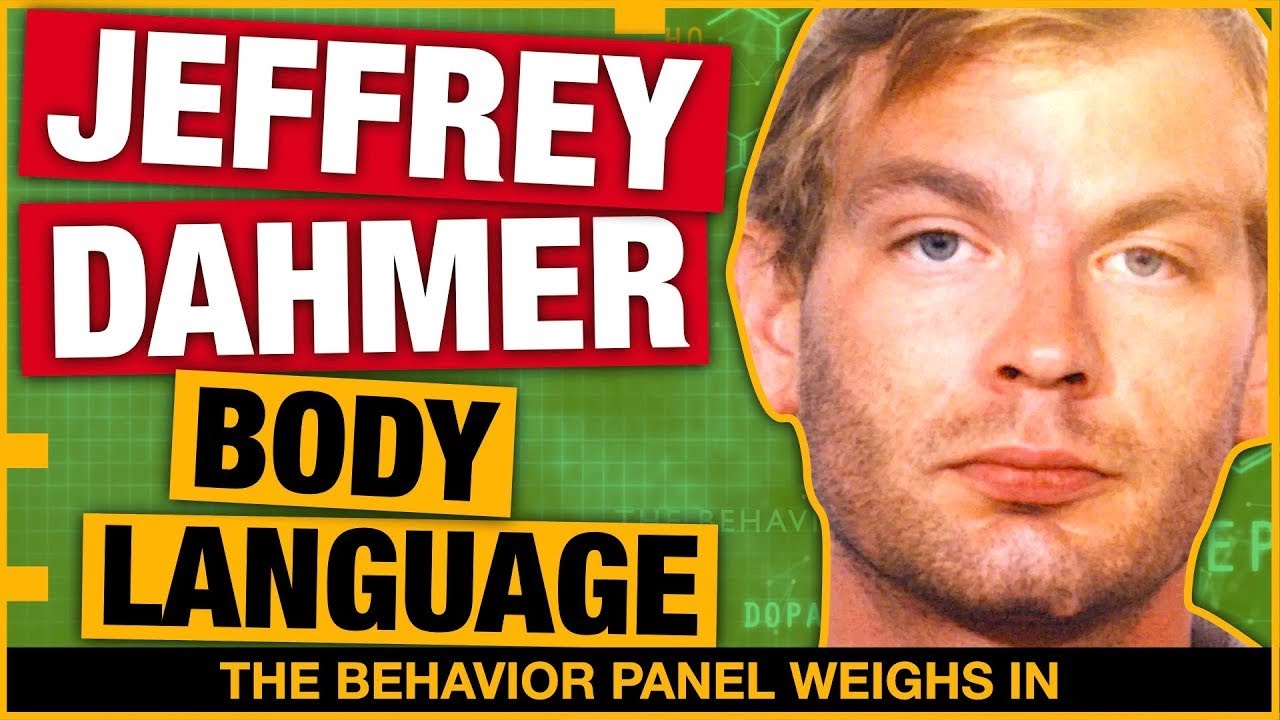
it's called the American law Institute test and it's been our standard since around 1969. incident to that referral in the receipt of the various materials that were forwarded to you did there come a time or times when you undertook to meet with The defendant and to conduct interviews of him uh yes I was called in the day after his arrest and I came to Milwaukee to potentially see him Mr Dahmer was apparently willing to be interviewed so I was called in and I was here the Wednesday afternoon of his after his apprehension but there was
so much else going on and eventually we was decided oh shoot Decided I just need a towel he was decided that I would not examine him yes I'm sorry we get some paper towel to come here I'm glad I said a little shooting not something else in our planetary television here I think this is the second time this morning I've done this doctor there did come a time then that you visited in fact there came five Separate times that you visited with the defendant is that true that's true and was that particularly on the 16th
of October the 23rd of October the 13th of November the 20th of December all in 1991 and the 9th of January in 1992. that's true so over the period roughly from December to strike that October 16 1991 to January 9 1992 you saw him for five times yes I had five interviews with Mr Dahmer and foreign Milwaukee and One of the Columbia Correctional Institution where he was sent take care of that and then that's fine we can continue this is I have some water spilling stories we won't take the time [Music] can you tell us
over those five visitations the total number of hours that you've spent with him approximately uh my total I log in when we start and when we ended an interview because You're commonly asked in court how much time you spend with somebody so you learn to you learn to you track your time right I feel I came up with 17 hours and 15 minutes so practice 17 hours and that was over the total of those five visitations it's true and as a result of seeing I'm going to first ask your conclusion then we'll go Into the
greater detail on it as a result of having visited with the defendant the five times that you did over the some was it 17 hours you said I'm sorry that's true over the 17 hours as a result of the various materials you're reading the materials you received from the sources that I've already cited and drawing on your experience and your training did you form a professional opinion within the medic did you form a minion to a Reasonable professional certainty within the field of medicine as to the psychiatric condition the mental condition of the defendant at
the time that he was involved in the 15 slayings which are the subject of the filed information yes I do would you recite that to the jury that opinion I will do this through sharing my diagnostic formulation of Mr Dahmer which will cover the time periods of the various offenses and this is also Described in my January 10th report right at this time we will go into the report later but just the did you the the basic question so the jury the question is that um he did have a psychiatric disorder not counting his alcoholism
during the time of these charges his psychiatric disorder in my opinion is a type of Sexual disorder and it's not specific falls into the category which has been mentioned in court before the not otherwise specified and primarily necrophilia which is a falls on the category of not otherwise specified this is a type of sexual disorder referring to a type of sexual maladjustment so I use that diagnostic category to to note that this is the main area one of the main areas of his psychiatric Unhealth so he had this disorder obviously during the times of these
offenses he had a before during and after these offenses my opinion is that this disorder in and by itself did not cause him to lack substantial capacity to appreciate the wrongfulness of his conduct and to not cause him to lack substantial capacity to be able to conform his conduct to the requirements of law the disorder Explains his motivation and explains his behavior but this disorder and did not cause him to lack the substantial capacity all right I'd like now to go at this time into the interviews that you conducted and the information that you received
first would you undertake to advise the jury where you met on October 16 1991 you have before you the notes as you interview him you take notes you then cause those notes to be typed up is That correct and you have those notes before you of the interviews is that so yes I take for an extensive handwritten notes during my interview occasionally I will tape part of an interview not very often but occasionally I will tape an interview my last interview I did tape part of it and then I dictate my notes for clarity purposes
and also to share with the attorneys involved the Information I obtained from a defendant so everybody can see what I learned and well the basis for my opinions would you proceed then with the meeting of October 16 1991 can you tell us where that was that you met with Mr Dahmer on that day yes I'm happy with Mr Dahmer for 3 hours and 45 minutes on December I'm sorry October 16th 1991 at the just off the just off this courtroom there's a study A separate room and your question was what would you provide the jury
oh sure okay I will try to share with you the information I obtained I will try to edit this somewhat but I will walk through talk through what he told me he started off by pretty much saying that he cherished quote his privacy and he doesn't like All this attention and publicity and he mentioned that at his job he wouldn't get off work and the morning he had coffee and donuts and then he would sleep from about 10 in the morning to about five in the afternoon and that was kind of his routine I was
31 years old and he was born on May 21st 1960 and here in Milwaukee he understood that I was district attorney appointed and he said this did not bother him sometimes because you're Appointed by a certain side that people think your biased or a higher gun for that side type experience and sometimes it's can impair their trust or rapport with a defendant so I try to discuss this up front and reassure them that most examiners are ethical and independent and who appoints him as more matter who pays the bill type thing and He asked about
the length of training I had and he made a statement that [Music] um his main Pleasures in life at that time were the food and cigarettes and he made the statement he said it's kind of pathetic it's my own fault if I had chosen a different path life would have been a difference unquote [Music] You talked about the conditions in the jail and being watched and then I commented on whether or not he was suicidal but I have some more water please and he said honestly I have no suicidal desire it would put me in
a worse predicament I would find myself in hell so he's unquote he said he now believes in heaven and hell but he was not very religious prior to his arrest since his arrest he said he's had time To do a lot of reading and evaluate his life and said he never read much before and he said he just turned on the TV set and that he received various religious materials from various people while in jail all right six feet tall weighs 170 pounds and he commented that he never put much stock into talking about his
life meaning he wasn't used to opening up so much to people over the years so this was kind of a new experience for Him and I think beneficial for him and provided some relief for him not only to me but all the examiners okay um in regards thank you in regard to the suicidal issue you said that when he was arrested and in regard to Mr Edwards that he was intoxicated and that he might have said something about suicide of the police and that was but that was not true he was not Suicidal but apparently
because of that utterance he has been under suicidal precautions that he mentioned a suicidal case while he was in the army of another person he understood the reason for our meeting that was in regard to the crimes and that was in regard to his special mental non-responsibility he he made a comment that he was charged with 17 counts but it's actually only 15 but he realized that I don't know there was a Inaccuracy later but and he'd you know the about when he was arrested around the 27th and had his home and then he was
taken the jail on a Tuesday evening and that he had been in jail ever since and I asked him if he was ever sent to any of the forensic hospitals for pre-trial observation and he said he was not and I also asked if he was on any medications while in jail and um he said he was not uh it's nice to know If you're a person you're talking to is on psychiatric medication sometimes they're so sedated or something it affects the interview and it also helps in regard to their diagnosis somebody's on antipsychotic medication or
something or antidepressants he was on some cold medication clearly caught cold at Columbia Correctional and he understood that he was at Columbia Correctional On a probation revocation meaning he was on probation when these offenses occurred normally you're not sent to prison pre-trial but if you're on probation they can revoke your probation and send you to prison so that's why he was at Columbia Correctional which is up near Portage and I asked him why he was on and I asked him why he was on probation and you said for taking pictures of a 13 14 year
old Individuals some years ago that he had a bench trial and then after his arrest his um he was in jail for about six days and placed unveil and and his attorney was also Mr ball and prior to that trial getting or he didn't actually have a trial trial he just had a hearing but he was also evaluated by a psychologist by the name of lodell And he had three meetings with Dr O'Dell and the report was sent to Mr Boyle and he also saw a psychologist with the state no one testified at that in
regard to that charge and the reports were submitted and he was um did not recall the judge that sentenced to him but he was sentenced to one year with work Work Release Privileges and five years probation so that was a probation he was on That led to his revocation that led to his being sent to Columbia Correctional and he was also ordered to depend to attend DePaul hospital here in Milwaukee for outpatient alcohol treatment after completing his um Huber or work release time and he was in that program for nine months the Huber program not
DePaul and it was released from the Uber program around March of 1989. the DePaul program was an outpatient Program and he was involved in that for about six months and he had regular meetings grew up in individual counseling for alcoholism and he implied that Nepal did not wasn't that helpful and he didn't really consider himself having an alcohol problem and he didn't crave alcohol he said he drank on weekends and he said that sometimes he went overboard that was his word and that's when he got into trouble He said I'd rank on weekends during the
program and I continued after the program so clearly in Mr Dahmer's history is you know a long history of alcohol abuse he's he's definitely into and he has been using alcohol but he did not think he was an alcoholic he also said that part of that case he was ordered for outpatient treatment in regard to the sexual aspects of the case and later Arrangements were made to see a Dr William Crawley who's a well-known Milwaukee as a psychiatrist and forensic psychiatrist and apparently Dr Crowley was Consulting with the Department of Probation and Parole and did
see Mr dommer on a let's say about three occasions in 1991 and Mr Dahmer told me that Dr Crowley was getting to know him collecting background information but um Mr Dahmer certainly did not tell Dr Crowley about the present charges and said that Dr Crowley recommended antidepressant medication But Mr Dahmer never got the prescription filled because he didn't think he was that depressed and didn't feel he needed the medication he was Mr Dominic said he was up somewhat sad and upset over financial problems but he did not feel clinically depressed he just said I was
just having feelings of lack of Direction and emptiness I wasn't crying or suicidal foreign about the homicides and he never told Anyone over the years he said I kept this pretty much to myself so this is a whole new ball game to me and you're talking about things and certainly talking about the homicide yeah he said that now now that this bomb has fallen there's no need to hide anything completely unload my conscience and hide nothing it's very clear he wanted to get everything off his chest and he said talking about matters has helped He
made the comment that the president pressure of concealing over the years built up a tremendous amount of pressure I was very good at suppressing emotions denial was a big part of my life I just buried them his feelings with alcohol and other things so it's relieved to be forced to try to put things right one thing that's clear to me now is that the truth will come out and he agreed with me that he was leading a double life all these years He said I just tried to put it out of my mind meaning the
what he had been doing suppress it so it won't bother me work and activities helped except on the weekends when I drank and had free time he said I was becoming obsessed with sex I guess it started a long time ago when I was 18. the first team I first time I made my mistake and that it's tainted my life my whole life ever since unquote he's referring to the Hicks homicide Out as a legal proceedings in his court proceedings and what's been going on I commonly learn with transpires in court and cases from the
defendants and he basically understood that the nature was plea why I was there to see him and we discussed what the plea was all about and what happens when you're found responsible or non-responsible he told me about the other examiners and who they were and mentioned Dr Palermo and Dr smale and the psychologist from The Department of Corrections again they asked why he confessed and he said there was a it was to make amends to what I brought into motion I owe it to the families and not to keep it hidden and he understood he
did not have to talk to the police and he was told this by the police and he said to make a full and complete confession there came a time to tell the truth I've only confessed to the ones That I have committed it would be ridiculous to try to hide what I had done the crimes that I have committed the detectives knew about it fully about half of them they would not have had the slightest knowledge I just want to put an end to it quote and he said he's a share this information with various
examiners and of course in his attorney Danny at that time he had no regrets about confessing to the police After these introductory comments and the orientation I'm I spent most of the first interview going through his background to see who who I was talking to back back then of course he was new to me and I'll try to highlight this it's been commented on before but as you know he was born in Milwaukee and May 21st 1960 and he's here for about one year then moved to AMS Iowa and about the age of six Father
was in school and I won the name later moved to Doyle's deal while yes Town Ohio father obtained employment there and if he thought father probably had his PhD by that time in chemistry they're in Doylestown for about a year and then moved to Barber Town Ohio for a couple years and later to Bath Ohio and he said that's where he did most of his growing up and that's where he lived when he was 18 Years old he graduated from high school in Richfield Ohio gave the name of the high school in 1978. and he
was always in public schools he was not in parochial schools or private schools he then went on to one quarter Ohio State University has been on the quarter system he had one quarter there in Columbus and he said I drank my way through that I took General Studies and did D like in David level work he said I was doing so much drinking then quit that his father pretty much urged him to drop out of school and he also said his parents were separated at that time entered the United States Army in January of 79
and originally was slated to go to a military police school and that school is at Fort MC Millan Alabama and you said basic training was quite Rough for him and he applied his weight went from 220 pounds to 175 pounds and something went wrong in MP school and as a military assignment was changed from a military policeman to a medic so he was sent to Fort Sam Houston in San Antonio Texas to What's called the medical field service School and that's where I took my that's where Physicians are also sent for their medical orientation so
we have that in common and he took a medical Field course for two months and then he was later transferred to Germany for a couple years and he had a three-year Enlistment but he claimed he received a early out six months early because of his problem drinking while in Germany he was stationed in Germany assigned to an Armored Division tank and infantry he performed General duties he also took outpatient sick call at the post Clinic until about 10 in the morning and then he worked in the motor pool until about five in the afternoon and
you said there was a physician on duty at the clinic thank you he then made a comment that he started drinking alcohol heavily which was his word while in high school beer and whiskey and he also said he drank evenings while in Germany and you said he said it was pretty Miserable trying to do pt runs the next morning with a hangover and he said I was a bottomless pit I would drink so much it was pathetic so getting this information supports his alcoholic diagnosis he said he received one Article 15 which is a disciplinary
measure and he said he mothed off to a lieutenant the lieutenant said he never received any alcoholic Counseling in the Army and was never sent to a mental Health unit um in the service so this at least he was not under psychiatric care in the military was not psychiatrically or medically discharged from the military this is just background information that helps you start categorizing people diagnostically so at least he there's no evidence of psychiatric care while in the military Did receive an honorable discharge he denied over going awoln I was never in the stock case
at least he wasn't a major behavioral problem for the military wasn't kicked out of the military and I was involved in numerous administrative and medical discharges from the Army during my three years in the service he said he knew what he was doing as a medic but he did not do any suturing he Performed General first aid you looking on the barracks I mean he said he did not do any dating at that time he told me about a hotel near the post which was primarily a probably a house of prostitution he went there but
never involved himself with the prostitutes said prostitution was illegal in Germany he was discharged from the Army in March of 81. Respect did you State he had no interest in the prostitutes TLC did not have any interest in the prostitutes I think at that time I did not fully appreciated sexual orientation and starting from scratch with this individual and then he was a return to the states I think he was released from Fort Jackson South Carolina and then Here he asked what city do you want a free transportation to and he decided to try Miami
and he was there for for about April to September of 1981 when he lived on the beach for a couple weeks he totally found a job and he tamed a restaurant a job in a restaurant as a cook and waiter and then he later lived in a motel and he gave the name of the motel and worked long hours he also said he continued to drink excessively And implied he was eventually fired for coming in late he then left Miami and returned home back to Bath Ohio where father and stepmother were then living and was
with them for two or three months and he again said he continued to drink excessively and he often came home late and my inferences that he was somewhat of a concern for the family and what are we going to do about Mr Their son and has decided that he would move in with paternal fathers mother paternal grandmother in West Allis and he moved to West Allis around October of 1981 and then he lived with Grandmother for about eight years gave me her name and how much he paid her per month and gave me her present
age and he later obtained employment in Milwaukee In The Blood Bank program around that around 1982 said he didn't like that worked very much The pay was low and he got tired of his job for a couple years from about 83 to 84 and he collected unemployment compensation for about a year and a half I need a later obtained part-time work through an employment agency and later sent to a company here in Milwaukee around 85 and he worked there on a part-time basis and later was became a full-time employee and he Worked the third shift
for about six years from 11 in the evening till seven in the morning and uh and he was eventually released from that position involving one of the victims in this case it was on a Sunday evening he was with this victim and he was supposed to work that night and he called in sick but I guess he had used up most of his sick points and he thought he had some a Little more sick credit coming and there was a misunderstanding and when he called in sick because he wanted to stay with one of the
latter victims in this case he was he went to work and he said uh you are dismissed because you've used up all your points so then he was unemployed for a period of time prior to his arrest he did admit to me that he missed work at this company because it was a Drinking and he estimated he missed work about 12 times during 1991. he told me how much he earned he had good benefits how much he netted per week what he did at the company what his role was uh he did not have any
income after his dismissal and he did not collect unemployment compensation you mentioned that after he moved out of living with his grandmother he moved in an apartment on 24th Street he was there For a couple months and he said while there he particularly ocean individual caught my eye and he asked this individual to pose he took a couple pictures they had some drinks he gave this individual some money and the individual left this individual told his parents and about one in the morning that same evening Mr Dahmer was arrested at work and taken to jail
this is approximately 1988. I then learned more about his parents and he told me about his father and the mother and he's a second born of two children and he has a 25 year old brother who's attending college in Ohio his parents separated around 1978 while they were living in bath and when I asked why he implied standard irreconcilable differences said mother moved out Preparation of divorce was primarily her idea and he shared some further information about their marital Discord he said that neither parent was an alcoholic or neither parent was a abusive to each
other or to him he said he got along well with his parents especially his father and a good relationship played tennis they were close The father never had any psychiatric care but mother did have some emotional difficulties over the years and pretty much since living in Ohio and since the birth of her second child primarily a depressive problem she saw different mental health people and when Mr Dominos about 15 years old mother might have been hospitalized in Akron and he remembers her complaints being that of chronic fatigue and depression But that she improved after the
divorce after the divorce he said he was somewhat close to his mother implied he was more close to his father and that he was discouraged about seeing her unhappy over the years but he said that she was an effective mother and a good mother and he said he has cared about her over the years I still do I still love I still have love for them both he said he's not bitter towards him And they separated when he was 18 years old and just before he started college at Columbus he said mother moved to Chippewa
Falls with the brother and uh father had been moved out of the home because of a court order prior to moving up north Mr dominar lived with his brother and mother in bath and then mother and brother went to Chippewa Falls mother told Mr Dahmer that she was going to go to Chippewa Falls and that she did not want this known to Father Mr Dahmer stayed at home and did not go with mother because he was about to start college an original concern when I came down the first day and was the issue of Abandonment
whether or not this was a shock or without Jeffrey or Mr Dahmer was just left on his own and this might be somewhat of a historical significance in understanding his Concern about being a left or being abandoning which is part of his makeup he has his conflict about being abandoned and then one not wanting people to leave him but he said it was discussed and he did not feel feel abandoned and he stayed on his own and lived alone in the house because he was about to start college after he went to college father moved
back to the house and then father continued living there For a few years and he was living there when Mr Dahmer returned to see him after his discharge from the Army father later remarried to his present wife a couple years after Mother moved to Chippewa Falls he told me where his father is presently employed and where his stepmother is employed and they're apparently away from each other during the week and let's get together on weekends mother said in Chippewa Falls to about 1987 and then brother returned to Bath and lived with Father Again implied that
the divorce was harder on his brother than on himself and he again denied that it was a devastating experience for him it was really not that traumatic to him that's what he's saying at this point in time but perhaps you just minimizing the degree of trauma involved mother later moved to California and he's had a little contact with her Over the years either by telephone or through letters he visited her in Chippewa Falls about seven years ago and while he was living with grandmother in West Allis and of course mother child relationships are important and
I'll find a good old feel for their relationship and he said the mother tried to keep in touch with him that she would write her a call at grandmother's but he would not talk to her he said he Felt guilty for not keeping in touch he put off writing letters and he would not call her or even get on the phone when she was calling implied that he has not been missing or longing or pining p-i-n-i-n-g for for her or his parents over the years once he left home he implied he was not this a
needy homesick type of individual that he he left home and he didn't strongly miss His parents he also said he was doing too much drinking drowning my emotions and alcohol I tried to forget their later years when their marriage was so bad and he implied he was never very close to his brother I asked if later if he thought his family problems were involved in the his present legal difficulties and he said Quote it's not the reason for my being in this situation I'm not blaming my parents not in the least they had nothing to
do with this and I asked him what what are you blaming and he said I have one person to blame the person sitting across from you no one else no one put a gun to my head I had choices to make and I made the wrong choices I could have made different choices in The past it's obvious to me if I had more insight if I had more motivation to find a career sit inside if I had more foresight thank you if I had more motivation to find a career in worthwhile acts to fill my
time rather than drinking my problems away drank my emotions and problems away and um implied that the family life was Somewhat doctor why didn't you find a Breaking Point oh sure okay um okay okay I dragged my emotions away the pain in my family situation the divorce that's what started is that what you wanted Mr well trying to do some editing here that's fine you mentioned he was then alone in the House before going to college and he mentioned a friend of his and that this friend was pretty much into marijuana and alcohol and got
Jeff Mr Dahmer involved so they were friends during the last couple years of high school and the two of them did a fair amount of smoking marijuana and drinking alcohol and he also said that once mother left The house that he was dating alcohol increased when he was kind of on his own he then mentioned the Hicks homicide during the time that he was living alone and before College he picked up a hitchhiker by the name of Stephen Hicks and he said this individual was wearing short pants and tennis shoes and he picked him up
on the spur of the moment I told the individual that he had marijuana alcohol and home and he said quote the first mistake that led up to All this had I driven past all this would not have happened he also implied that his strange Behavior started with animals and he said his friend in high school would like to drive fast and hit dogs and that his friend's Behavior made he said made me sick unquote foreign past Health he said he had double hernia surgery when he was three or four years old he's had a hay
fever he's had a Shoulder problem and was on a steroid here in Milwaukee and was treated with a steroid for about a year he said his first legal difficulty was while in bath drunken disorderly charged while living with his father and stepmother and this was after his discharge from the Army he did not any prior involvement with the law before that he said he was a quote very drunk and obnoxious I was involved in a police scuffle he was in jail Overnight in Akron in around 1981. you mentioned a couple arrests were drunk and disorderly
in West Allis and he had two or three overnight stays in the Milwaukee County Jail and was fine he was once arrested for urinating in the State Fair Park and charged with drunken disorderly he denied getting involved in bar fights but he said he would not drink alcohol at home he would always go out to Taverns to drink he was arrested once for shoplifting and I asked why and he said quote I was he was short unquote on money and he wanted a coat and he gave the name of the store and where it was
and uh and it was um caught and spent one night in jail and fined 25 dollars he was later arrested for lewdness serious behavior and said He was exposing himself in a park in West Allis some miners were walking through the park and there were 13 or 14 year olds three boys you stood about 50 feet away in a heavily wooded area they saw him and he wanted them to see him he had his penis out and was masturbating they laughed and left and the police came later and he was taken to jail for a
couple of days he was fine and ordered receive counseling and was On probation for about one year and that's when he started seeing Dr Rosen he saw her on a regular basis for about one year and discontinued the visits once his probation ended and he said these sessions were not helpful and um buddy you're supposed to be seeing her for any sexual problems but he did not want to talk to her and I asked him about his exposing behavior and his masturbating in front Of men he said this went on for about a year and
started while he was living in West Allis and he would expose himself and masturbate in front of teenage boys and some adult men would fantasize about the kids and we just masturbate but he would not ejaculate in somewhat typical exhibitionistic fashion he said he wanted to observe their reactions and he said a good reaction would be for them to stare and Watch and in an admiring way he said most people that saw him would pretend not to see him and walk by and he did this for about a year while living in West Allis and
he stopped doing this after his arrest he started using marijuana while while in high school and he discontinued his marijuana usage after graduating from high school you tried Hash a couple times in Germany he's never used cocaine and he denied Involvement with other street drugs so he doesn't have a strong past history of drug involvement which is part of the general forensic and psychiatric assessment to pretty much rule out that diagnostic consideration he did say you started drinking alcohol while in high school somewhat tapered unquote during the last six years and he would drink primarily
only on weekends he said a heavy bottle of drinking for him would involve a 12-pack and some Yukon Jack whiskey which I think is about 110 proof and he would continue to drink the next the next day and evening he estimated he might have had a case of beer on weekends and at bars that he mentioned that around 1985 he first discovered gay bars and he felt comfortable in that atmosphere and he liked the live entertainment there the male strippers he admitted that he calmly had blackouts From his drinking which is a sign of rather
Advanced drinking and experience with drinking meaning it's it's a later manifestation of with experienced drinkers his first black I was in the Army when he missed his tour bus back to the base and he told me all about that and he said his only alcohol treatment was a DePaul here in Milwaukee then he had to be returned to his cell So the enclosing some rapid questions for my immediate curiosity getting I wanted a quick and early comment on some fundamental issues I had with them and so these are pretty much stand-up questions as we're leaving
the room but he said he was admitting to 17 homicides and he then told me that he realized he'd been gay since he was 13 years old that he's never had any feelings toward women He estimated he's had sexual contact with about 100 different men and sometimes he did not have to pay for their involvement that he mentioned once he was paid ten dollars I asked him were you ever paid instead of you paying other people were you overpaid and you mentioned that he was paid once ten dollars by an older man 65 years of
age and they went to a bath house and he gave this man a [ __ ] I said about half of the time he would Have to pay someone to have sex he said if someone caught his eye quote he would pay them to have sex usually paid them fifty dollars he estimated he was paid someone about 25 times in Chicago and Milwaukee sometimes would bring people back to Milwaukee and that he when I asked he said he likes what he called quote light sex light sex unquote this was to lay around with each other
Mutual masturbation watch videos and he does not like quote heavy sex unquote which he implied involved anal intercourse he bloody likes mutual [ __ ] with his partner and then of course the 64 question is I asked him why would you go one step further Beyond this and kill them and then he first mentioned something about quote craving control unquote and quote dominating unquote over them and he said He wanted to keep the individuals with him longer and then when I asked him about all the dismembering and he implied this was not for sexual gratification
and I use the word it was an administrative function he said he liked my word in administrative for handling all the remains and then he was taken away and that was the end of my first interview Take a recess at this point courts and recess