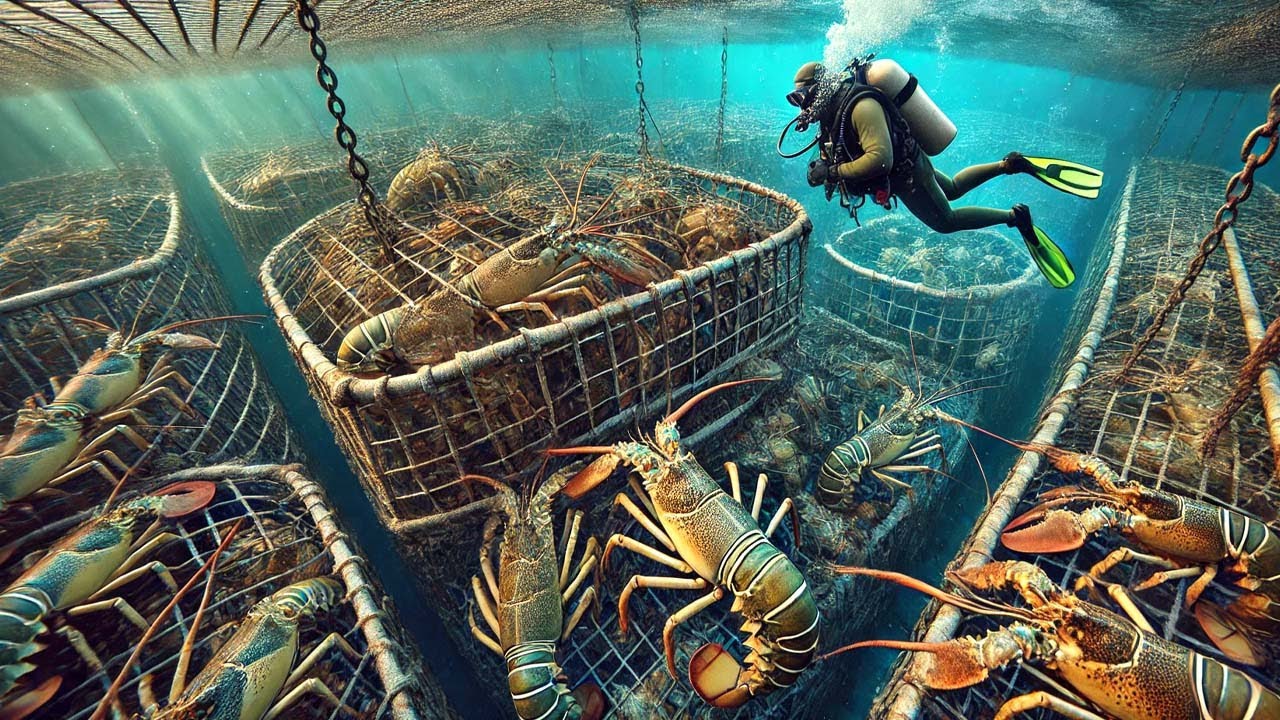
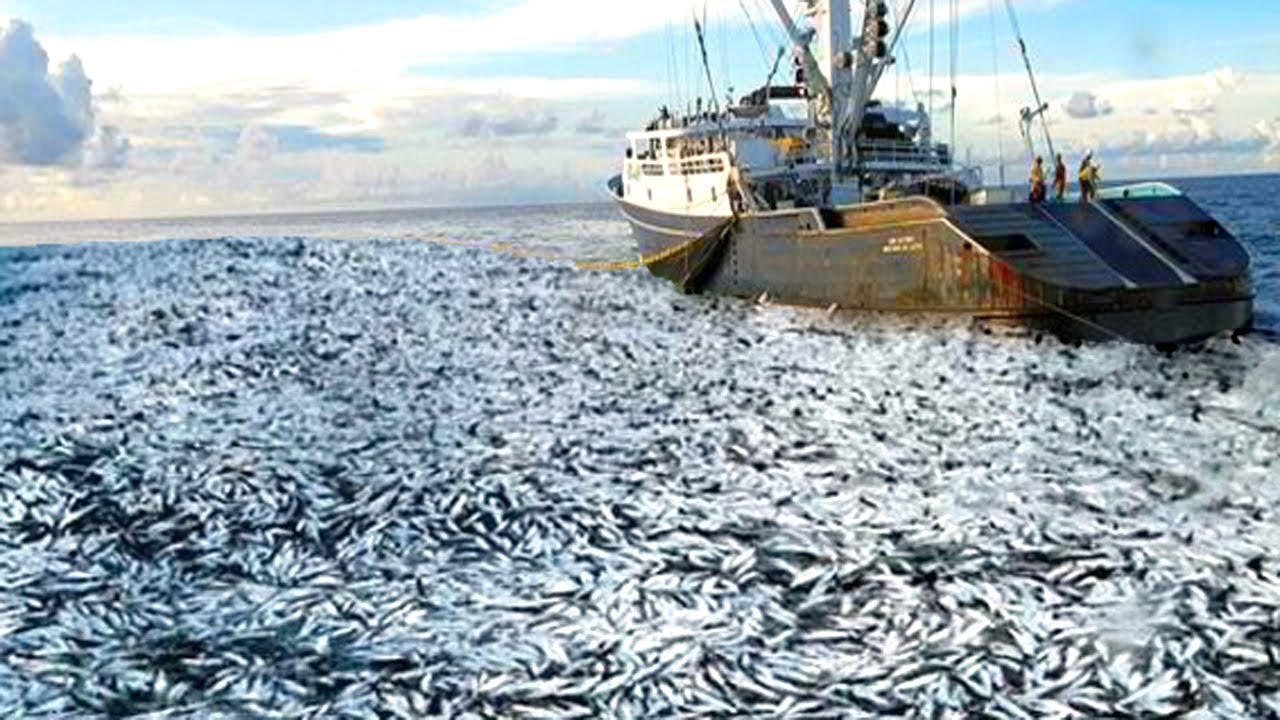
how do giant fishing ships operate at Sea this is a question that many people wonder when thinking about China's huge fishing industry with a coastline of more than 14,500 km it is one of the world's leading countries in Seafood production every year millions of tons of shrimp and crab are caught and harvested from fishing grounds across the country China's shrimp fishing grounds are very rich and diverse the Seas from the North like the bahai to the South like the East Sea and the Gulf of tonen are all important shrimp fishing grounds each of these sea
areas has its own ecological characteristics creating favorable conditions for shrimp to grow Chinese fishermen use a variety of fishing methods in order to to optimize shrimp production most of the catch comes from troll Nets this is the most common method often equipped on large fishing vessels this troll net is dropped to the seabed and dragged Along by moving ships collecting shrimp along with other types of seafood in addition modern Chinese fishing vessels are also equipped with GPS navigation devices radar and sonar systems to determine the location of shrimp schools helping fishermen catch more effectively after
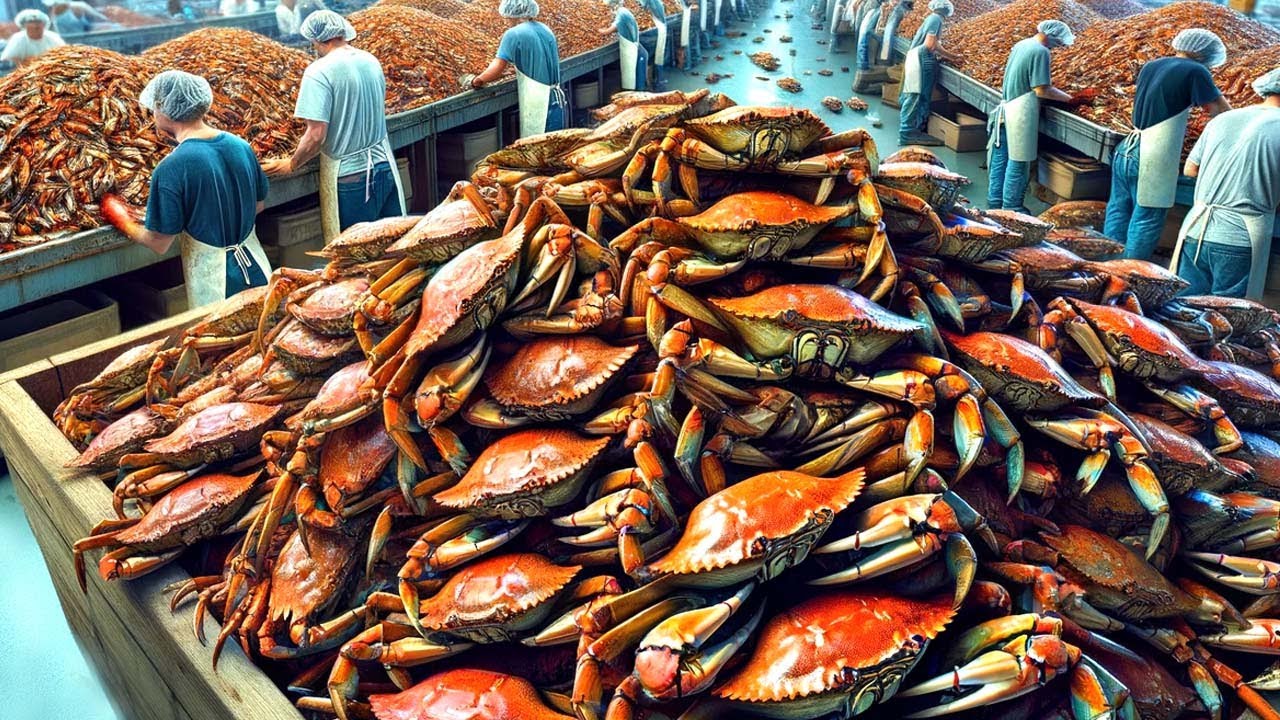
catching shrimp are preserved right on the boat in order to maintain freshness fishing vessels are often equipped with water tanks this helps to preserve shrimp at the appropriate temperature shrimp caught from the sea will be fed into a widespread distribution system throughout China shrimp are transported from fishing ports to processing factories or seafood markets in the area in October in a place with the densest Water Systems in jangu Province crab fishing boats begin operation in less than a month more than 40,000 tons of crab from jenu will begin a distribution journey to dinner table across
China each crab usually weighs 150 to 200 g due to its spiky structure of the crab shell the process of removing the crab from the net is rather difficult fishermen must wear gloves in order to avoid getting injured by these sharp spikes however fishermen do not have to use gloves in the fall this is because the crabs have just changed their shells at this stage so they are very soft when Autumn comes early in northern China the growth cycle of crabs is very short although crabs in this season are often small in weight they have
the advantage of hitting the market early and Catering to impatient diners fishermen work intensely in temperatures below 5° C each time they transport a batch of crabs the workers will rest they will cook noodles with a small crabs that cannot be sold usually after resting fishermen have to harvest crabs late at night until dawn this is because this is the time with the highest Catch of the Day in 24 hours even the crabs living in the cabin will die from lack of oxygen therefore fishermen will return to shore as soon as possible to distribute the
crabs to the market in the next few hours these crabs will appear in restaurants shrimp fishing is a major industry globally with a catch of 34 million tons each year especially in Asia it is also an important part of Korea's Maritime economy using Advanced fishing methods to ensure efficient and sustainable harvests bottom trolling is the method mainly used by Korean shrimp fishermen fishermen cast troll Nets along the seabed to catch shrimp this method is popular when harvesting large quantities of shrimp and is commonly used in both Coastal and offshore Waters fishermen drag Nets through the
water column at different depths this method may be useful in targeting shrimp species that do not live directly on the seabed however trolls are used selectively depending on the species of shrimp and their behavior modern shrimp vessels are equipped with Advanced Technologies such as Sona and GPS to more effectively locate Shrimp populations these Technologies help fishermen optimize catches while reducing time spent at Sea the southern coast of Korea including the waters surrounding juu island is known for its diverse marine life and Rich shrimp population the combination of warm ocean currents and diverse underwater terrain makes
this area ideal for shrimping according to the latest statistics Korea's total shrimp catch in 2023 amounted to to around 50,000 tons similar to fish or squid shrimp fishing is also banned during specific periods of time this allows shrimp populations to recover and reproduce the fishing effort also creates additional jobs at processing plants where shrimp are processed for both domestic consumption and Export Korean shrimp is popular in the International Market especially in Japan the United States and European countries how do Japanese fishermen catch shrimp to earn millions of tons each year that is the question that
many people ask when learning about this country's Fisheries industry with its long coastline and Rich Seas Japan has become one of the world's leading countries in shrimp production Japan's shrimp Fisheries extend from the sea of ok in the North through the Sea of Japan and to the Pacific Ocean to the East China Sea in the South white shrimp Heralds the coming of spring it is called the jewel of oama bay Japanese fishermen apply many Advanced shrimp fishing techniques in order to optimize output and minimize environmental impact the most commonly used tool is the troll net
modern troll Nets are designed to minimize by catch of other Seafood species in the northern Sea of Japan fishermen use modern troll Nets to harvest up to 50,000 tons of lobster each year meanwhile in the southern Seas the shrimp trapping method helps har an average of 200,000 tons of shrimp per year Japanese fishing vessels are also equipped with GPS and radar navigation systems this helps to determine the location of shrimp schools helping to optimize the fishing process fishermen often store a lot of ice after catching shrimp are preserved right on the boat to ensure freshness
modern Japanese fishing vessels often have advanced refrigeration systems helping to maintain shrimp at ideal temperatures shrimp will be classified and placed in cold compartments to maintain their quality shrimp products after catching will be distributed to wholesale markets supermarkets restaurants and Retail establishments across the country in addition Japanese shrimp is also exported to China where there is a great demand for seafood besides shrimp fishing Japan's fishing grounds are rich and diverse with many types of crabs the cold Waters of the Sea of osok and the Sea of Japan are ideal for snow and hairy crabs while
the warmer Pacific Ocean is a habitat for many other species in Shallow Seas where crabs Gather in large numbers the troll net is dropped to the seabed while the ship moves it is designed to collect crabs and remove other types of seafood after catching fishmen will classify during this process crabs that do not meet the standards will be released back into the sea in order to preserve crab production in the next season the seafood industry in Korea contributes significantly to the domestic economy and the global seafood market the outstanding development of this industry is thanks
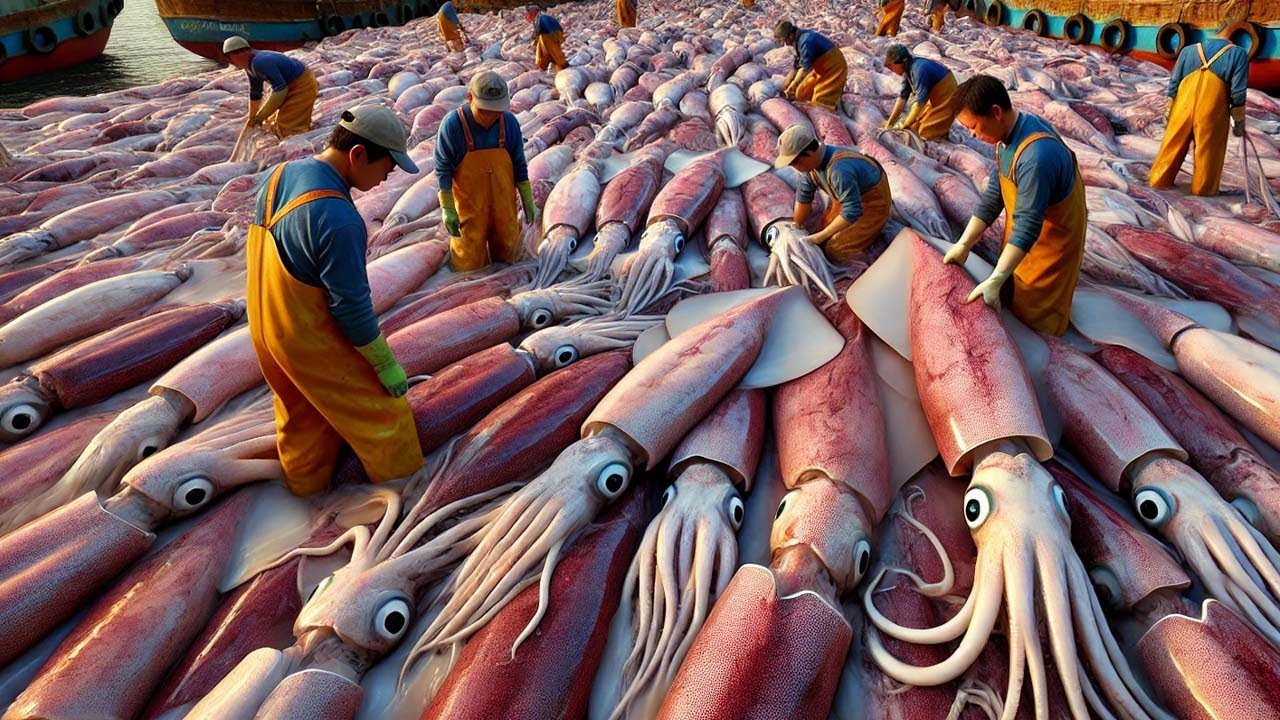
to the active activities of fishermen now let's learn how Korean fishermen process millions of squid mackerel and Pollock in the factory squid is the main product of fishing on the eastern coast of Korea this is also one of the most consumed Seafood products in Korea on average a fishing vessel catches about 520,000 tons of squid most of these boats belong to the offshore fishing fleet after preparing everything the fishermen were ready to go to Sea their fishing vessels are equipped with a powerful radar system that can scan large ocean areas these systems provide realtime data
on the size of squid and where they are going to help fishermen determine suitable locations to catch them the ship is equipped with super bright lights and bait to attract squids eager to feed squid fishing bait does not really require real bait usually just plastic shrimp with a reflective layer covering about half of the bit when the bright light shines on the bit the reflective part will glow attracting squid to attack dozens of fishing lines stretch into the water under the Lins each line carrying a specialized squid Hook when a squid gets caught on the
fishing line The Reel automatically lifts it onto the metal rack baskets are placed here to catch all the falling squid after the ship docked fisherman quickly brought fresh squid ashore and distributed it to the market this group of workers are in charge of receiving squid and poor quality squid are discarded the entire squid is washed in clean water after that workers will process and clean the internal organs they can process around 12,000 squid each day that's work that machines can't do and it's all done by hand workers wash squid gently several times to avoid damaging
the skin at the same time they remove the salty taste and remaining byproducts of squid by soaking them in sea water workers fix the ink with wooden sticks so that they don't bend inward the squids are arranged evenly on the rack the squids are then put into the drying equipment drying the front and back evenly to maintain toughness squids will dry at about 25° in 6 hours squid is mainly dried and preserved for long periods of time and distributed as raw food as well as processed into other products besides manual processing there are also efforts
to develop automatic machinery for gutting or squid cutting technology will help save time increase productivity and serve to process more products workers arrange squid in layers for easy cooling the weight of the trays will vary depending on the size of the squid after that the squid is packaged to move to the freezing stage along the Korean Coast mackerel is caught in large quantities it is also a familiar food ingredient that is always on people's dining tables the meat of the mackerel caught by the net is of unreliable quality compared to mackerel caught by line because
the fish are not bled before processing and can lie in Nets of tropical waters for many hours before being brought ashore however this is still a fishing method in the fishing nets about 80% of the total mackerel catch is caught using seam Nets the mackerel fishing season lasts from October to march of the following year at that time the water temperatures increase and the macro migrate to the West sea causing the number to increase to its highest level fishermen here will easily achieve a bumper harvest in 2023 Koreans caught around 151,000 tons of ma after
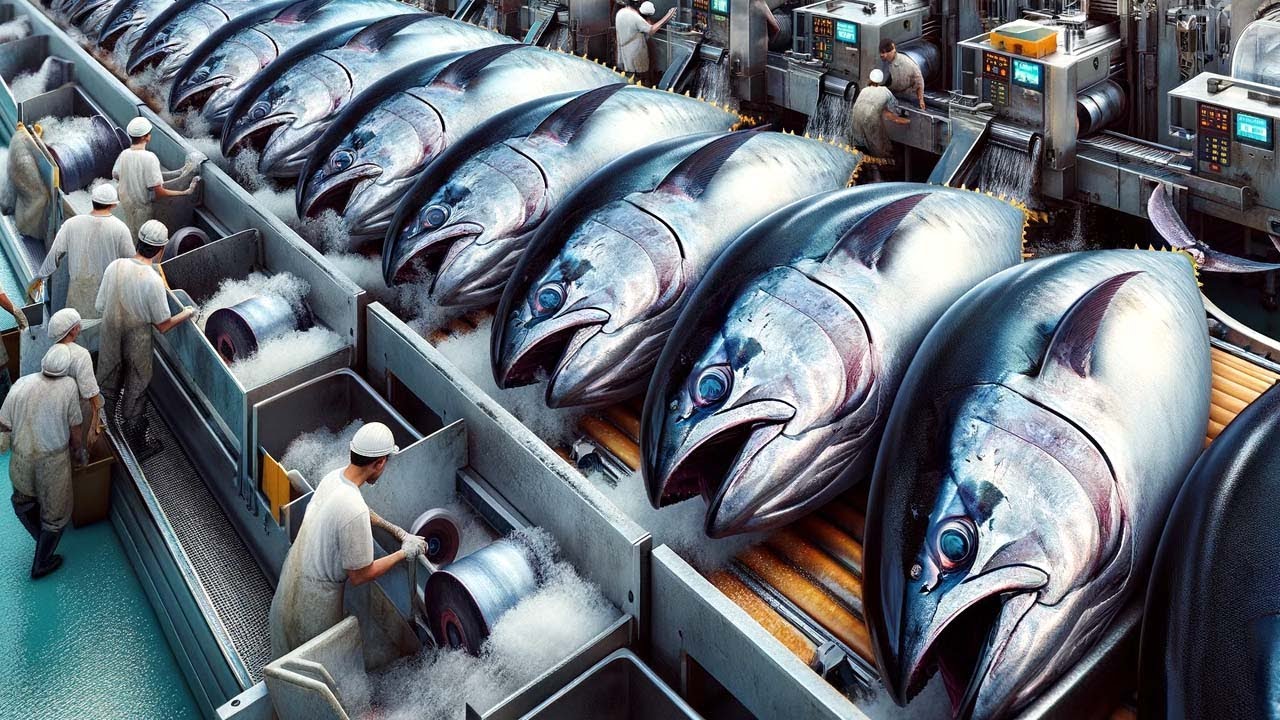
catching fisherman will have to Race Against Time in the distribution process the fresh mackerel in the ship's hold is transported to the truck large quantities of mackerel are gathered in this area and workers begin the Sorting process in the past because mackerel often rot quickly after catching fishermen often preserve them with salt salt salt and mackerel has become a favorite dish of many at factories salt and mackerel is made from premium fresh mackerel combined with traditional fish salting Secrets the most important thing is to maintain the freshness of the original ingredients because mackerel rots so
quickly workers must always make sure to keep the macro fresh the producer purchase premium mackerel through an auction at the Busan Fish Market which has a quick freezing facility they only bring in enough mackerel for one production session this will ensure workers have enough time to process and the mackerel stays fresh throughout the production process when mackerel is transported to the factory workers begin to separate the mackerel's belly and remove its internal organs the intestine is cut in the middle of the spine after careful trimming the mackerel is placed in a tank containing sea water
and washed When workers wash mackerel in sea water unwanted blood and residue can be removed the cleanliness is much higher than when using regular fresh water while maintaining freshness the mackerel is drained for 20 minutes and workers sprinkle 2 to 5 G of salt applying it to the surface of the mackerel next the mackerel is incubated for 7 hours at a temperature of around 5° CS before being vacuum packaged in addition to mackerel Pollock is also a very popular dish this fish is found widely around the Korean Peninsula Pollock moves south from the North Pacific
in the fall they reach the coast of ham Jango province in September or October they also reach the coast of guango province in November or December this abundance allows Pollock fishing activities to often take place in domestic Waters fishermen mainly use large scale troll fishing methods including midline and bottom trolls this method is effective in catching large quantities especially in deeper waters where poock reside in 2023 South Korea's Pollock catch was reported to be around 320,000 Pollock is caught off Shore and quickly Frozen for transport to the drying site because it is dried by the
Sea Breeze Pock is always clean and maintains its freshness poock absorbs nutrients from deep sea water and environmental temperatures over 90 days in an outdoor environment with cold wind after many contractions and expansions the fish meat will have a rich flavor currently instead of drying naturally poock is gradually dried at the factory after removing the gills and viscera the poock is washed and ready for drying workers use skewers to widen the fish's body so that air can circulate well Pollock is dried at a temperature of around -5° C these processing plants Meet The increased demand
for dried Pollock and save production time for fishermen they are widely used in Korean cuisine and are known for their natural sweetness and delicious chewy texture however dried Pollock products from the factory are not as popular as naturally dried poock besides dry processing pollock fillet is also popular in Korea at the factory workers will remove Bones from the meat the fillet is then marinated with spices before freezing then when Frozen the pocket fillets will be easily weighed and packaged