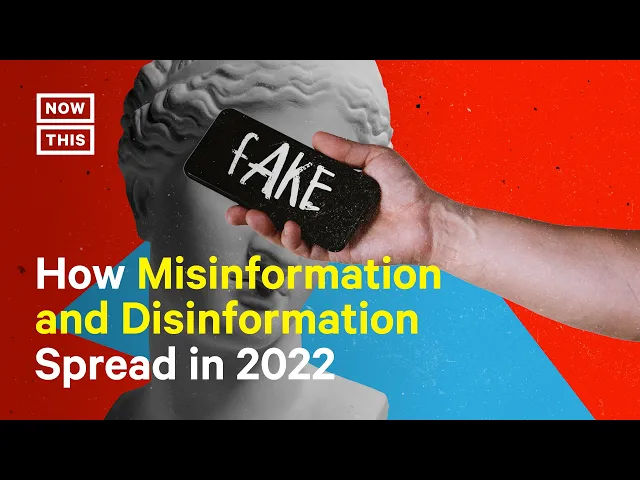
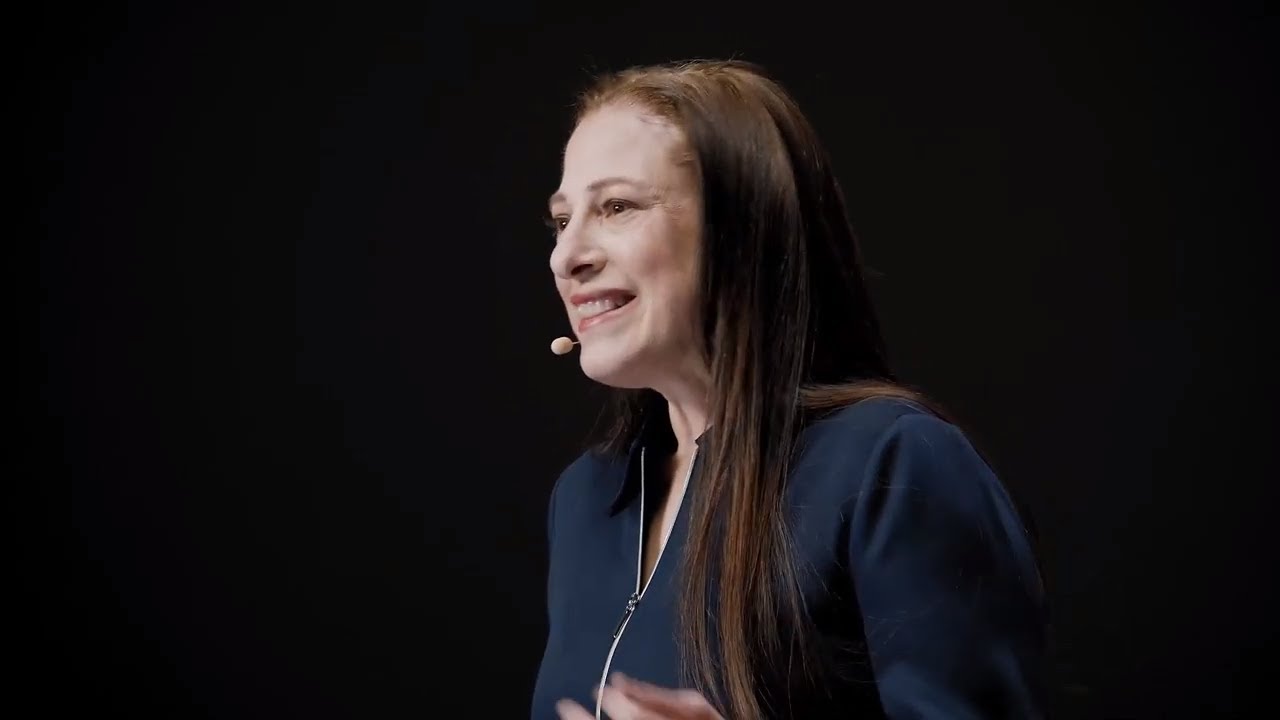
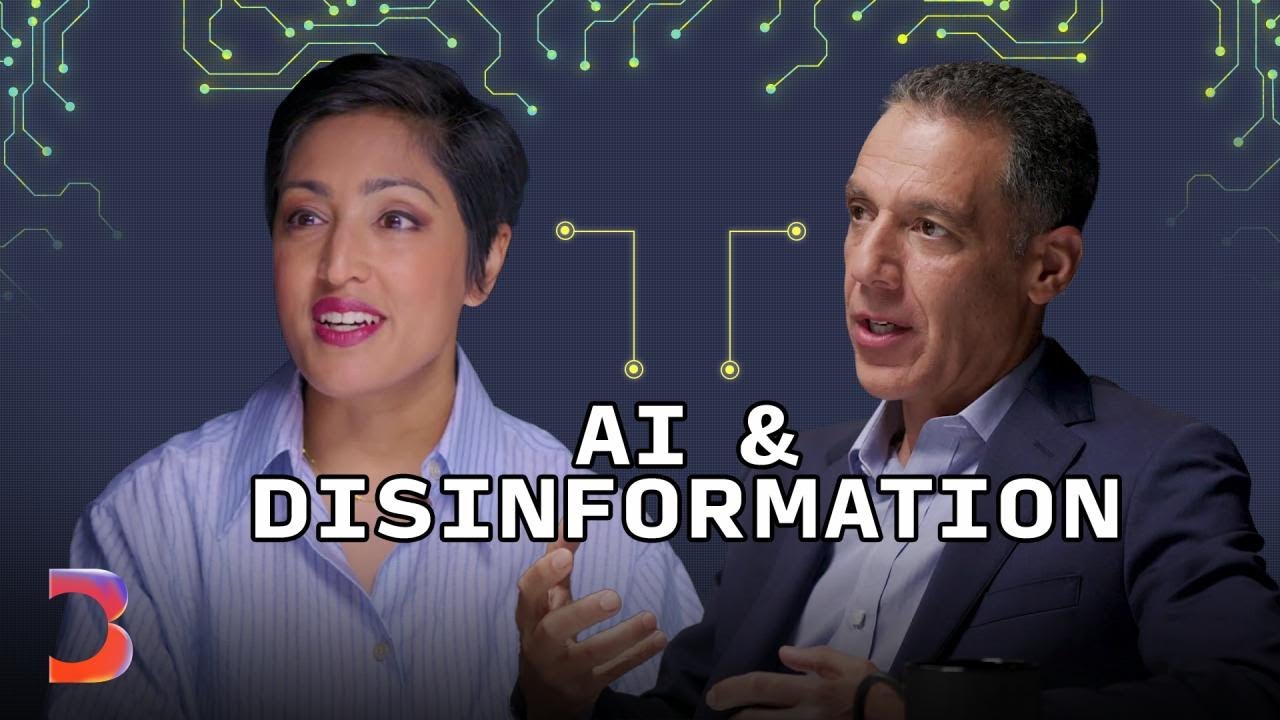
And the difference is intent, which is really, really difficult to verify. So sometimes, I refer to the umbrella term of 'false or misleading information' because the intent doesn't always matter. [NowThis' Chelsea Frisbie] Sara Aniano is a disinformation analyst at the Anti-Defamation League's Center on Extremism and focuses on falsities spread by hate groups and extremists.
There's a really important relationship between mis- and disinformation and extremism, and that is that false and misleading information, like what we see in mis- and disinformation narratives, creates a perceived threat where no such threat really exists. When mis- and disinformation go unchecked, the people that tend to suffer the most are the people that have historically been marginalized and vulnerable. We see it a lot with people of color, we see it a lot, especially recently, with LGBTQ+ communities, and the many intersections of, of those things, and, of course, we also see it in terms of antisemitism with the Jewish population.
Minority communities impacted by mis- and disinformation in 2022 include: Antisemitic rhetoric and acts of violence are on the rise, according to the ADL. The organization tracked an increase both in acts of violence and online hate speech against Jewish people from 2020 to 2021. And based on preliminary reports for 2022, a similar increase is expected.
A record number of anti-LGBTQ+ bills were introduced in 2022. Online rhetoric mentioning the LGBTQ+ community alongside slurs like 'pedophile' or 'groomer' increased by more than 400% in the month after the 'Don't Say Gay' bill was passed in Florida, according to the Human Rights Campaign and the Center for Countering Digital Hate. The 'great replacement' theory, or the idea that non-white individuals are being brought to the country to, quote, 'replace' white people, has made its way to the mainstream, with nearly half of Republicans agreeing with it at least in part, according to a poll from the NORC and the AP.
The white supremacist who killed 10 people in a Tops supermarket in Buffalo this year was heavily influenced by this idea, according to the 180-page manifesto he posted online. While there have been moves to moderate hate speech or extremist rhetoric on various social media platforms, Aniano says neither companies nor the government did enough in 2022. We have seen an increased amount of attention to it, although I don't know that we've seen enough attention from tech companies taking this stuff seriously to have really made a dent in that initiative so far.
But it does absolutely require the cooperation of the government and of tech companies, along with organizations like the ADL, in order to collectively fight this issue. Although deplatforming problematic or dangerous accounts and investing in robust content moderation are helpful tools in stopping the spread of disinformation, they aren't enough to prevent all false information from spreading online, especially when it comes to targeted attacks. Those practices don't catch everything because a lot of hate speech, especially today, it's veiled in irony, or using memes, or it's depicted as a joke, or it's depicted as celebrating the groups that they're actually demonizing.
And that kind of comes from this 4chan culture of, of trolling. Aniano says education about common conspiracy theories can help 'inoculate' people from mis- and disinformation. One of the strategies that is meant to help stop the spread of mis- and disinformation is called prebunking.
This basically helps the public confront emerging narratives with tools that help them assess how credible they are. In other words, by explaining how conspiracy theories spread, and why they're effective, and most importantly, why they're false, that's an important form of education for kids and adults alike. And with infinite information sources at our fingertips, we really need those tools in order to assess what is true and what is false because sometimes, it's really not that obvious.
Although a number of communities, including the Latine community, were targeted by mis- and disinformation campaigns prior to the 2022 midterm elections, Aniano says the spread of false and misleading information was less pervasive than experts thought it would be. In 2022, we definitely saw some successes in the fight against mis- and disinformation, particularly in the context of the 2022 midterms. Organizations like the ADL worked really hard in the months leading up to the election to pre-emptively debunk false and misleading claims about the election, including the claim that there was widespread election fraud being committed.
And we did this because we were deeply concerned about the presence of extremist groups at polling places or protests following the election, or candidates refusing to concede after losing an election. But these outcomes weren't as prevalent or as widespread as we thought they would be. And there might be other reasons for this, of course.
People have seen the consequences of things like January 6. And also, midterm elections tend to not be as polarizing as, say, a presidential election. But I think it's safe to say that in terms of the midterms, false and misleading information didn't win.
Aniano points out how everyone can have an impact on the fight against spreading false information online. There is just more to vet than there's ever been. And that makes the need for media literacy education— at any age, for the record—all the more critical, especially now.
We all have a role to play in the fight against mis- and disinformation— not amplifying harmful tropes, not taking the bait from trolls who want to fight you on social media or in social media comments, and importantly, until you know what is what, don't share anything. It's not good to speculate because it just adds more confusion into, into the atmosphere. These little things from just your average social media user can actually make a really, really big difference.
And so, again, it is a wholly collaborative effort, not just between organizations, and the media, and tech companies, and the government, but from everybody who has the power to spread any information online. And a lot of us, if not most of us, do.