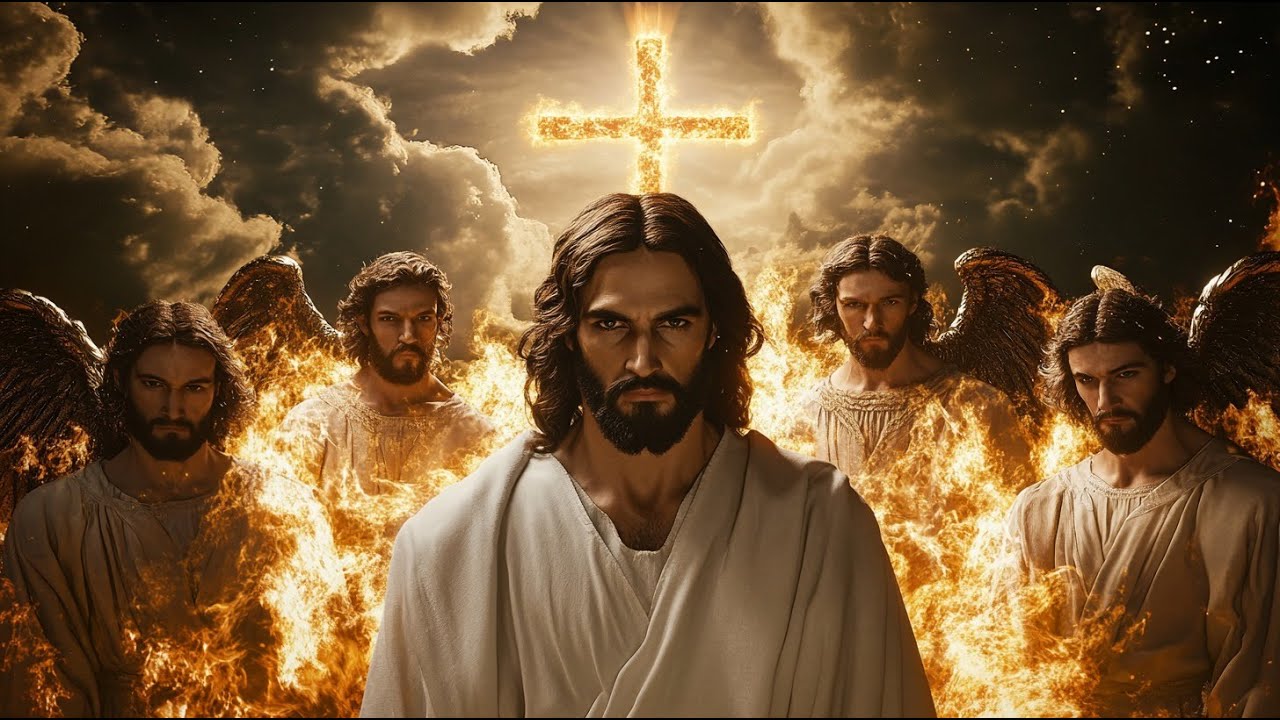
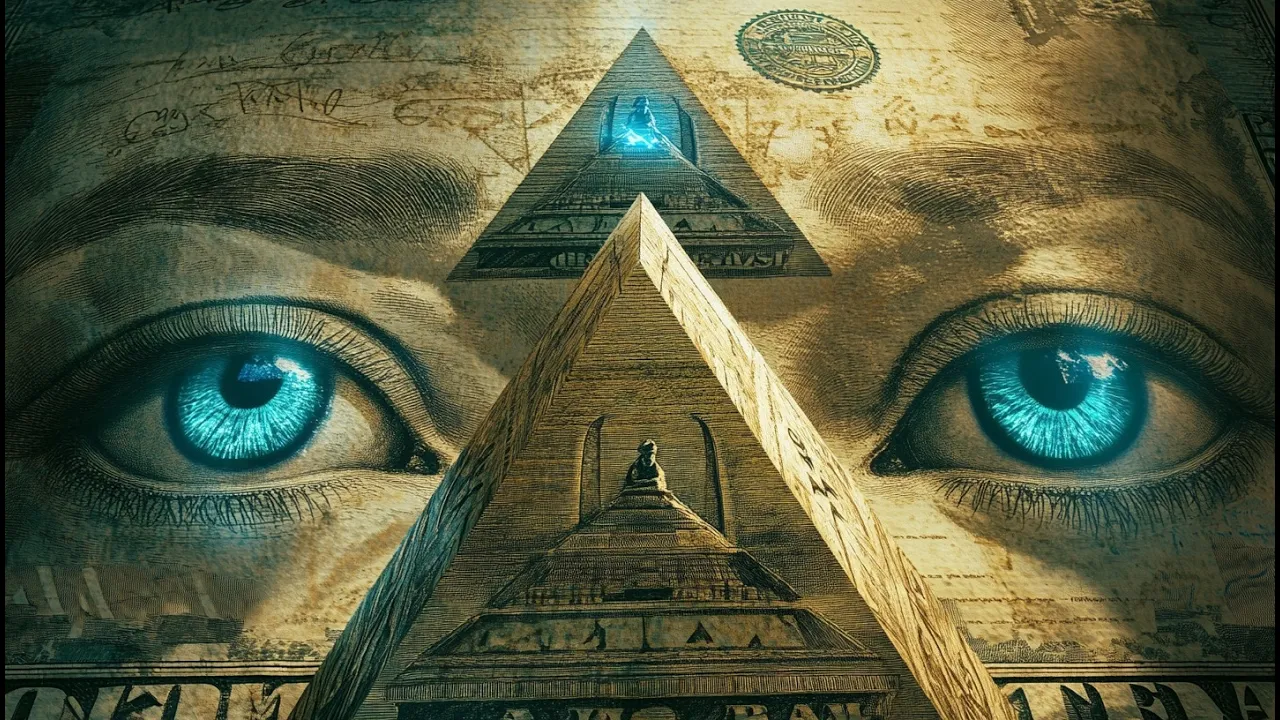
The God of materialism, Matthew 6:24, teaches us that no one can serve two masters. Either you will hate the one and love the other, or you will be devoted to the one and despise the other. You cannot serve both God and materialism.
Some might interpret this verse to mean that true Christians should shun all possessions, believing that material goods are inherently evil and that all Christians should divest themselves of worldly items to live a life of poverty. This view, while appearing righteous on the surface, can be misleading and may lead to what I call artificial piety. Material possessions, in themselves, are not evil.
It is essential to recognize that even our Lord and Savior Jesus Christ made use of material goods while He was on Earth. Remember, possessions are not inherently evil; they are necessary for sustaining life and functioning within our society. The true issue arises when material possessions become the center of one's life, when an individual starts to love and idolize possessions, elevating them to a status of worship.
This is when materialism becomes destructive. This is the very situation Jesus warned us about: you cannot pledge your ultimate loyalty to both God and the endless pursuit of material goods. We are familiar with the Prosperity Gospel, which claims that strong faith in God equates to great wealth and perfect health.
This teaching promises that true believers will never face adversity, linking spiritual righteousness with material success. However, there is a lesser-known but equally misleading teaching I refer to as the Gospel of Lack. This doctrine suggests that greater poverty equates to greater holiness, promoting a misguided sense of spiritual superiority among those who suffer.
Both extremes—the Prosperity Gospel and the Gospel of Lack—distort the Christian message. They either place undue emphasis on acquiring wealth or on the virtue of poverty, missing the core of Jesus's message about the dangers of materialism. As followers of Christ, our focus should be on living lives that reflect His teachings and values, not on the accumulation of possessions or the renunciation of them as an end in itself.
This world is fixated on possessions. Everywhere we turn, the message is clear: the most important goal is to acquire more. I once worked as a security guard in a designer mall where handbags sold for over $5,000, some even reaching $50,000.
As part of my job, I observed people daily and often pondered: is it truly worth it? In that role, I got to know some of the customers. Unfortunately, I learned that a few had engaged in immoral and wicked deeds to amass their wealth; they had compromised their very souls to satisfy the insatiable god of materialism.
Others sacrificed their integrity all for the pursuit of more. We live in a society that constantly bombards us with the notion that we must have the latest car, the newest phone, the trendiest clothes, and the most money. But I ask you, ladies and gentlemen, what about your soul?
What about your eternity? Death is a certainty for us all, and when that time comes, all the possessions you've accumulated—all those things you bought to appease the god of materialism—will be left behind. As believers, we must critically assess what we value.
Are we nurturing our souls and preparing for eternity, or are we too caught up in the material world? This is a call to re-evaluate our priorities, ensuring they align with eternal truths rather than transient material gains. In the graveyard, you won't find the possessions people labored their whole lives to acquire.
There are no designer malls, no hedge funds, no investments. But what do you find in graves? Stories.
Have you ever paused to read the epitaphs in graveyards? An epitaph is a short text honoring a deceased person, traditionally inscribed on their tombstone. I once read an epitaph that stated: "Not lost to memory, not lost to love, but gone to the Lord's house above.
" Such purity in those words! Eventually, we all will be forgotten by this Earth; those who loved and remembered us will also pass away. But there is one who will never forget us, one who always loves us—one who died on the cross for us so that we might spend eternity in God's house above.
Another epitaph I encountered read: "At rest in Jesus. " This is the heart's cry of every born-again believer: to spend eternity with Christ. Just those four letters encapsulate the deepest desire of a faithful soul: to rest in Christ, for Christ is our love.
I also came across a tombstone that simply stated: "Forgiven. " Just that one word. There was no name, no date—just "forgiven.
" This graveyard itself preached a powerful sermon of redemption. What more could a person desire than to have their sins forgiven? These epitaphs remind us of what truly matters.
As we walk through life, let us focus on nurturing our spiritual legacy, knowing that our physical possessions will not follow us beyond this life. Only what is done for Christ will last, and only through Him can we find true rest and forgiveness. Matthew 6:19-21: “Lay not up for yourselves treasures upon earth, where moth and rust doth corrupt, and where thieves break through and steal; but lay up for yourselves treasures in heaven, where neither moth nor rust doth corrupt, and where thieves do not break through nor steal.
For where your treasure is, there will your heart be also. ” Treasures in heaven, unlike earthly wealth, cannot be eroded by time or circumstance; they are safeguarded, immortalized in their purity and sanctity. These treasures are accumulated through acts of kindness, mercy, love, and unwavering faith.
They enrich our spirits and fortify our souls against the fleeting distractions of the material world. The challenge we face daily is the seductive lure of materialism, which can subtly shift our focus from. .
. Eternal values vs. temporal gratifications: the beauty of a well-furnished house, the latest model of luxury cars, or the prestige that comes from wearing designer brands can be captivating.
Yet, in the grand tapestry of eternity, these are but ephemeral threads; they do not endure beyond the threshold of death. Moses's plea in Psalm 90:12, "So teach us to number our days," is a poignant reminder of our mortal limits. He implores us to live with the end in mind, urging us to gain a heart of wisdom—a heart that recognizes the brevity of life and prioritizes accordingly.
This wisdom is not innate; it must be cultivated and learned through Divine guidance and reflective living. Indeed, how often do we pause to consider the ultimate significance of our daily pursuits? Are we enriching our eternal portfolio, or are we merely adding to a stockpile doomed to decay?
This discernment is what Moses sought; it is a discernment that directs us to invest in relationships, in spiritual growth, and in the well-being of others—investments that yield eternal dividends. The folly of youth is the illusion of unending time. Many young people live as if they are immune to the passage of time, indulging in pleasures without thought of consequence or the inevitable reality of mortality.
However, every day is a precious currency in the economy of life, and how we spend it shapes our eternal destiny. Our culture is deeply entrenched in the pursuit of material wealth, where success is often measured by material accumulation. But Jesus presents an alternative measure: the condition of our hearts and the nature of our treasures.
"Where our treasure is, there our heart will be also. " If our hearts are tethered to material wealth, then materialism is our god. But if our hearts are anchored in God Almighty, we experience a liberation that transcends the material, positioning us for eternal joy and peace.
It is imperative, then, that as followers of Christ, we regularly examine our hearts and motives. Are we being swayed by the shiny but shallow promises of materialism, or are we aligning our desires with God's will, seeking His kingdom first and trusting Him to satisfy our needs in His way and timing? The stark reality is that materialism can lead to a soul's impoverishment.
When possessions possess us, our spiritual sensitivity dulls and our divine purpose blurs. This is why Jesus warned so sternly about the danger of serving two masters. God requires our wholehearted devotion, not a divided allegiance.
Life, when viewed through the lens of eternity, should compel us to live differently, to live purposefully and generously, investing in acts of love and service that bear witness to the grace of God. Each day offers new opportunities to store up treasures in Heaven, where the truest form of security lies. The truth is, your collection of possessions does not determine your salvation.
This is precisely why the Prosperity Gospel, as well as the gospel of lack, are perilous. These doctrines are not just abstract theological points; they have real-world implications affecting believers across the globe. Consider the Prosperity Gospel, often exported from America to other parts of the world.
This isn't because Americans are inherently more faithful or blessed, but simply because America is a prosperous nation. Its wealth is not a marker of divine favor but a result of historical and economic factors. In less affluent nations, even where acquiring wealth is significantly harder, devout believers still love God, pray, and seek His presence.
They are born into less prosperous circumstances, yet their faith remains fervent. Conversely, the gospel of lack sometimes leads people to view material wealth as nearly demonic, choosing to avoid it entirely. This extreme stance can be just as harmful as material excess.
Material possessions themselves are not evil; being wealthy is not sinful, nor is living modestly a sign of greater righteousness. 1 Samuel 16:7 reminds us, "For the Lord does not see as man sees; for man looks at the outward appearance, but the Lord looks at the heart. " It doesn't say the Lord looks at your collection of possessions.
The core issue, as 1 Timothy 6:10 teaches, is, "For the love of money is a root of all kinds of evil. " It is the love of materialism that we must guard against, not the possessions themselves. Materialism, like money, is merely a tool, yet it is a tool that can seduce, becoming an idol in its own right.
Our generation—much like those before us—has seen a growing obsession with material wealth. Materialism has become a god to many; it drives people to compromise their morals, to abandon ethical principles, and to engage in harmful behaviors—from gambling futures away to undermining personal relationships—all for the accumulation of more possessions. It has led to indecency on the internet, violence, betrayal, theft, and even the dissolution of marriages.
As followers of Christ, we must look beyond the superficial allure of material goods and focus on what truly matters: the condition of our hearts and our relationship with God. Let us use our resources wisely to serve others and honor God without letting them dominate our lives. This balanced approach frees us from the bondage of materialism and aligns our lives with the teachings of Jesus Christ.

![State of the Nation Express: December 6, 2024 [HD]](https://img.youtube.com/vi/-sw1dTeRW4k/maxresdefault.jpg)