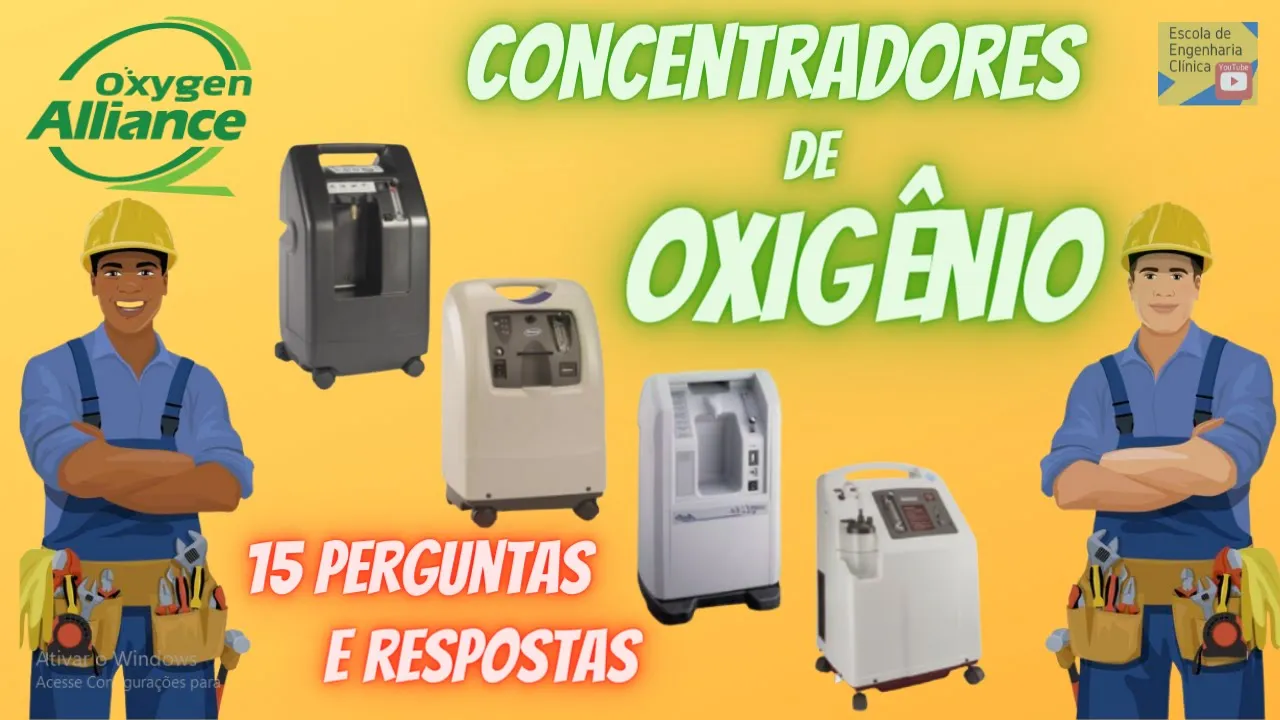
All right great well. It looks like we've got a fair number of people here. Wonderful so, hello everybody i'm Gerald Douglas from the Oxygen Alliance here with my colleagues Amarpreet Rai and Timothy Mtonga welcome welcome to the First Concentrator Talk we plan to be here every week at this time to share our knowledge and tips about concentrators and concentrator repairs.
If you have questions you can always email us in advance or you can type them into the chat and we'll try to get to them in the order that we receive them. We're going to be recording these sessions on Amarpreet i hope you'll hit the record button or if you didn't already and we plan to make them available on the oxygen alliance website> So we have several technicians with us today let me introduce them, we have Kulwinder Singh and Paulina Mohosho, Mwabi Lungu and Mtheto Sinjani. So i'd like to ask everybody to maybe please keep your video off, just to conserve bandwidth and keep your microphone muted unless you actually have a question.
Great thank you so much so i think we can get started. So the first question we'll ask Kulwinder to take and here's the first question Timothy's going to also post it in the chat. So what does it mean if the oxygen concentrator ball keeps moving up and down in the flow meter could it be a problem with the four-way valve?
So Kulwinder could you please help us with that one? Yeah if the ball is not static it is moving up and down, the maximum time that is the fault of a four-way valve or a pneumatic valve, because maybe one side it is functioning properly and the other side it may be choked somewhere. So that can be the main cause for the valve or the pneumatic valve.
So in case of AirSep we have different four solenoid valves for feed and waste two for feed two for waste and one is the equalizer valve on the top. So they have different readings in case of a Elite or Intensity machine, the resistance of the four valves feed and waste that is 3. 26 ohms 3.
26 ohms and the resistance of the equalizer valve is 4. 26, that is one or more one kilo ohm more than that. So we can check it with the help of a multimeter if it's it is open then it is faulty if it is short then also faulty if the reading is correct then it will function properly.
So that is the way to check in the case of AirSep. And other we can clean it, maximum it works the four way valve okay? Thank you so much.
Yeah, i think this question came from Peter who is on the call. Did we answer your question clearly? Do you have any follow-up questions or comments?
Ah, thank you! The answer is pretty much exactly where i thought it would be. Nice to have the resistance levels, i can check those now.
I was a bit shocked because this was a brand new machine. Ahm, can you, was it an AirSep machine um, is there any more information we can give you? Ah no, that's great, Thank you very much.
So in case of AirSep machine on the circuit board there are five LEDs blinking now. So we can check that which valve is faulty that will not blink. Okay.
That is not from an AirSep machine. It is int the AirSep machine on the motherboard. Yeah.
That is located on the motherboard five LEDs are there for each valve. So that will show which LED is not blinking that may be the fault. Okay.
Peter did we misunderstand you you're saying it is or it is not an AirSep machine. It's not an AirSep machine. Could you tell us what brand it is?
It's a SANRAI. Oops okay. All right.
So is there any additional information, we could give Peter with the knowledge that it's a SANRAI. What what model is it? M50.
An M50 okay. Okay. Kulwinder back to you i guess.
The LED is not on this Oxyflow or m50 model, i am telling about the AirSep model. I think when yep yeah. The faulty machine is um an Oxyflow go in there so can you give advice specific to that?
Ah for that uh there is no resistance level but we have to check with the uh that pressure gauge now. So i said we get we have to check the pressure of that sieve placing in between the compressor and the pneumatic valve. We have to place that pressure regulator in between that, so we have to check the pressure.
The normal pressure range is from 12 to 22 PSI. Correct? So if the value of the pressure is low then that, that means the compressor is faulty right?
Or somewhere leakage is there right? If the pressure is going higher than that maybe more than 28 or 30 the pressure is reaching more than 28 PSI. Then maybe the fault of the sieve bed.
Okay, Correct? And if the value is fluctuating sometime it is giving a different other time different not static, not the same, that means the pneumatic valve is faulty. Okay.
So that is in case of M50 Oxyflow. Okay thank you. And i think if you have more questions and you can't get things sorted out get back in touch with us.
Certainly. Thank you. All right i think we can move on to the next question maybe i can give this to Mtheto.
I want the team to talk about the user on how to maintain the units weekly maintenance and what to do in case the unit has an issue. Okay so the more like the weekly maintenance would be checking the oxygen purity for of the concentrator using an oxygen analyzer at the beginning of each week. So if let's say your week starts on monday then it means you need to be checking make sure that the values are within maybe it's WHO recommends 85, 87.
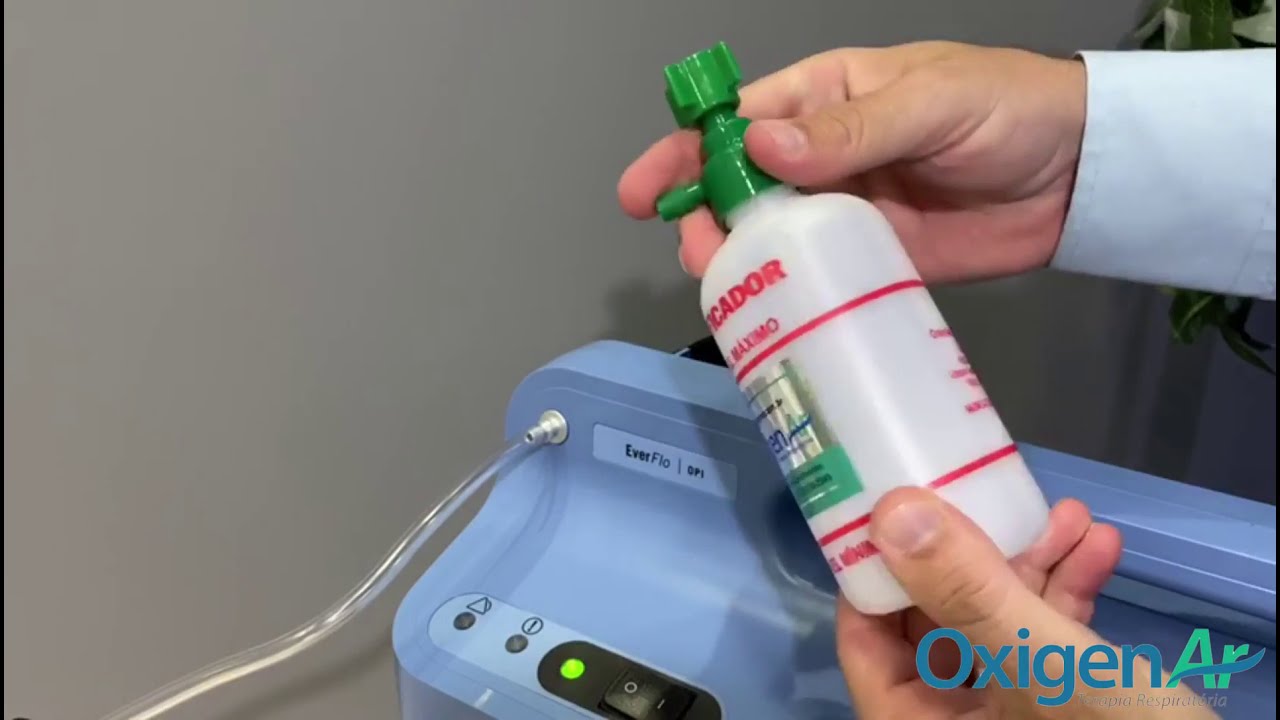
5 % and other concentrators even have the blue light for high oxygen right so make sure that when you check with your analyzer it's around 87. 5 and above and that is one of the worst enemies of an oxygen concentrator so you need to make sure that you clean it off like in the filters even if you have a chance to blow off inside the concentrator please do that because it can literally increase the lifespan of the concentrator and another thing to do is maybe like try and clean the humidifier bottle and the fill with distilled water at least once a week not at least but once a week that's fine and a concentrator has to be checked by a professional technician at least once a year. So make sure that when you started from 2021 to 2022 make sure the concentrator has been checked by a professional technician just to check for other causes that you can't see while you are using the concentrator.
So for some issues like small small issues they are written in the user manual so if you have the user manual try and look around they can literally point out to you, what to do you know in order to solve that problem. In case of big issues like maybe the compressor making a huge noise and or other big issues you need like a biomedical technician or somebody who is good at fixing oxygen concentrators to have a look at it. Not just a regular technician.
Don't take somebody who fixes electricity it and just to have a look at the concentrator. You might miss the problem, Yeah physically that's it. Thanks very much Mtheto um any questions from the listeners?
All right i think we can move on. I'd like to just remind everybody that if you'd like to get on our weekly email list please um send us an email and let us know or you could just type your email into the chat right now and we'll we'll pull it from there. So our third question um maybe i can pitch this back to either Paulina or Kulwinder.
I have a concentrator that i've been using for the past two years past couple of years all this time when adjusting the flow meter it took a few turns to get the ball to the maximum flow but now it takes a lot of turns to get to the maximum flow and when i open the flow meter all the way the ball does not reach the top it's just above the five liter mark, what could be the problem? Um okay. So in regards to this question one possible um issue with this could be um on the flowmeter of the machine.
So um so to to see whether the problem is with the flowmeter you will need to close the outlet of the machine where the oxygen is delivered you will need to close that and the ball needs to drop to zero. If it does not drop to zero then it means that there might be a flow on your there might be a leak on your flow meter. Another possible problem which is uh mostly um the cause of this problem it is the loop inside the machine.
So what you would need to do is you will need to check if there's any blockage in the machine on the tubings or on any part in the machine. Also check if there are any leaks in the machine and another thing that you need to check is the pressure that is coming from the compressor. So check if the pressure is um the pressure is fine so with the with the oxyflow and with the um oxypure the pressures would need to be between um 10 PSI and 30 PSI.
So you would need to check that. If the pressure is low then that is the possible cause of the flow meter not going up not going up. Great, thanks thanks so much for Paulina um i see we have a hand there from Peter.
Yeah just a quick note on that fault that you're describing uh i've seen it a couple of times here where we've got a lot of lime in the water and they're not using distilled water and it's blocked the oxygen humidifier bottle and that'll cause a very similar looking and feeling fault where you you're cranking you you're opening everything up but you're still not getting any pressure coming through and your um balls not going up full. So just a note just to double check that you haven't got a lime build up in your humidifier bottle. Yes also that will also need to be checked that will also need to be checked.
Great. Those are the internals that will need to be checked to the humidifier and also check the cannula connected. All right.
That scan or that call can also be due to the choked filter. If the filter is chocked then the flowmeter will also not go up. If the cabinet filter or the HEPA filter is fully choked then also the flowmeter will not go up.
That may be the one cause also or one more cause is the big capacitor of the compressor that can can be the cause. All right wonderful thanks so much. Uh if we have no questions on that we'll take a new question from the the chat.
How can um one fix a noisy compressor? I think we'll ask Mwabi to take this one? I know we're springing this one on you Mwabi but since you're the compressor expert it seems like you should have a quick answer for this one.
Yeah sorry i'm having trouble with my unmute button so. Okay. It takes time to unmute.
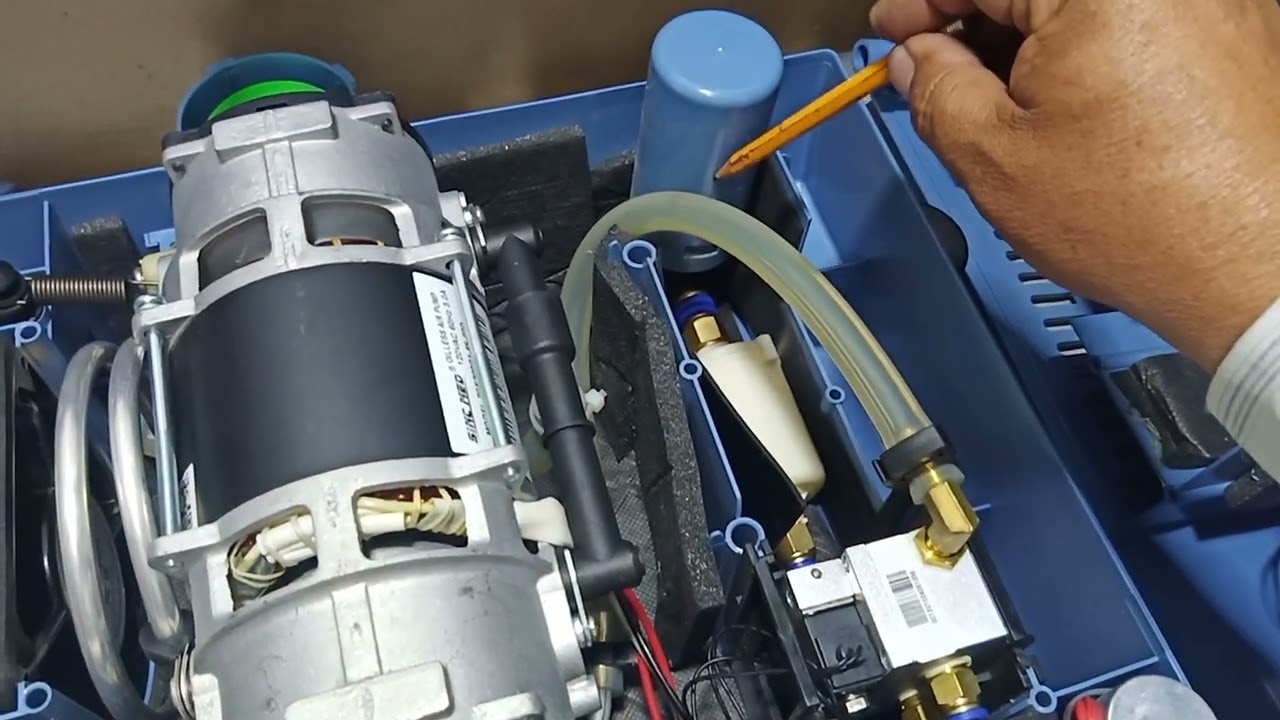
Yeah all right yeah um so on the noisy compressor um i think there are a couple of things uh the first one is no is uh not the compressor itself but then there are situations where you get a blockage in one of the valves. So when that happens uh you get a high pressure build up within the compressor and when you have a high pressure build up most of the compressors have a relief valve built on to them. So when the pressure reaches a certain level the relief starts to pop.
So you hear a popping sound from the compressor. So that could be one of the issues. Um the other issue would be that uh the service kits uh in the compressor are worn out.
So when that happens then you start getting a squeaking sound and when you get the squeaking sound then you will need to replace the service kit for the compressor . Okay thanks thanks Mwabi for that um and so maybe we can also just mention that um we put together a short training video on how to replace cups and sleeves these service kits that Mwabi has just mentioned and we will put that up on the Oxygen Alliance website most likely later today. Good um so i think moving on to the next question um maybe i think we're out of sequence here now.
So i'm gonna i'm gonna pitch this one back to um to um while uh sorry to Mtheto. I have a Devilbiss 525 concentrator. Black in color it's the drive.
Devilbiss drive. When i measure the oxygen purity it shows 21 percent and there's some moisture build up in the flowmeter what could the problem be? Okay.
So on that one so i'd say if the concentrator if the concentrator was being used with a humidifier bottle chances are high that the water might have gotten to the sieve bed hence they are damaged like the sieve bed they are damage. So this model of Devilbiss like the Devilbiss 525 drive um has some it has a design problem of not having a one-way valve, before the patient outlet and this allows back pressure um this allows back pressure created when the concentrator is turned off to suck the water from the humidifier bottle back into the product tank and the sieve beds. So the best way to troubleshoot, to troubleshoot this is to open the concentrator and check if the moisture is visible through pipes.
If not remove the product tank and try to point it try to point the hole downwards or outside upside down and water might come out from the tank and if this happens it means that the zeolite inside, this is just a clue that the zeolite inside the bed might also be wet. So trying a new pair of synthetics after draining the water in the product tank and adding a one-way valve before the patient outlet to prevent this from happening again. Thanks Mtheto.
I think it's worth pointing out that we we've actually seen this happen on several different concentrators um so it's it's not uncommon and it's just unfortunate that the manufacturer did not put this one-way valve in there. Yes. Um to prevent this from happening Yeah.
All right so i think we we have another we had another question in the chat maybe i'll ask Kulwinder to answer this one Is it right to leave water in the humidifier bottle when the concentrator is not in use? Sir it is recommended that we should change the water every day. You should not keep it in inside because, it can cause cause germs inside the bottle.
So we have to put purified water every day. We are telling the patient to change the water every day. Okay and if so so if the concentrator has not been in use for some time um it makes sense to remove the bottle anyway because you would not be using that same water when you give it back to a patient i guess.
Yeah correct. Great. All right um so Kulwinder since you're the the solenoid expert there's another question in the chat here that maybe you could take.
How many volts should be on a solenoid? Uh in the solenoid. How many types of valves?
Well the question says how many volts should a solenoid valve have? I think the the question means if we were to take a voltmeter and measure across the terminals, when the solenoid is being energized, what how many volts would we expect to see there? Uh in the AirSep machines there are the five valves, In InvaCare machines we have two valves.
Sorry, um i'm not saying valves i'm saying volts like voltage what's what voltage would we measure with a volt meter, if we were trying to measure the volts voltage across the solenoid valve? Uh in the case of InvaCare it is 24 volts. In the case of.
Devilbiss. In the case of AirSep, Devilbiss? Yeah.
This machine it is not having the solenoid valve. So i think i think there are there are so as you're pointing out the devilbiss machines more frequently are using the rotary valves as opposed to the solenoid valves, but the earlier models of the 515 and also some of the predecessors like the MC44 and the Devos we're using we're using solenoid valves but, i agree with you it's not common to see the solenoid valve in the in the Devilbiss. You're about to say on the AirSep i think that the voltage is in the range of 200 Volts i think right?
Yeah yeah yeah got it. Very good all right so, the person who posted that question is does that answer it for you or you have a follow-up maybe? Okay so no one no one responding there i think.
Um okay very good Augustus thank you so much. Okay i think we'll move on to the next question. Um i don't know Paulina would you like to take this?
So, my 515 Devilbiss concentrator starts to get hot after it's been running for a few minutes. I can feel it when i touch the cover of the concentrator and then, the purity starts to drop rapidly. Any ideas what the problem could be?
Um the problem could be the fan of the machine. So it is situated underneath the compressor. So the job of the fan is to cool down the compressor and help air circulation inside the concentrator, it extracts the hot air from the concentrator.
So you would need to remove the cover from the concentrator and power on the concentrator to see if the fan is spinning. So if it is not spinning then it means that the fan needs to be replaced and if, um you will also need to check the speed of the fan so if it is slow then you would also need to replace it and once you have done the replacement then you would need to run the concentrator again and also check if the fan is running at a correct speed and also check if it. Yeah check if it's running and also check the correct speed.
It's running at a correct speed. Thanks Paulina and and hopefully if that's resolved the problem that purity should should come back up again. Um i've just seen a hand from Mwabi Lungu go ahead please.
Um so one other thing that could be the problem is: how you position your concentrator? So we always need to make sure that we are not blocking uh the airways underneath the concentrator. So if you block the air passages you restrict the airflow within the concentrator and that might also cause the heating up.
That's that's a very good point. I know that many most concentrators have the air intake on the back right and if you position it against a wall or close to a curtain it can block it easily. Bblocking it from underneath seems like it would be a little bit harder to do but i guess it's a it's a possibility.
Paulina did you have a follow-up comment Um i would also say that um the cross particle filter that also would need to be checked because if it is um completely blocked then it is also a problem then the compress is not um it's not able to suck in enough air then which makes it to overheat. Perfect perfect thank you so much. I think we can move on to the next question, maybe Mtheto you can take this one?
I have a Respironics EverFlo concentrator that has been working perfectly and after turning it off the next time i tried turning it on nothing happened. I checked the power from the socket, and it was there. What could the problem be?
So one possible problem would be the fuse in the top flag so like the fuse in the top flag of your power cable but, for this model the Respironics the fuse on the control board easily gets spent. So if the top flag is fine, then you need to open the machine and check the fuse on the control board. The fuse has around shape and is located on the corner closer to the pressure sensor.
So they're normally red or black. Yeah. So if the power is coming on and the fan can be held to be spinning, but the compressor is not running, then the compressor may need uh may need Then the compressor may need an o ring or the start capacitor may need to be replaced yeah.
All right um so again i'd like to encourage people to be posting in the chat. If you have questions and or raise your hands. Um if you if you'd like to ask a question about something we're discussing or you have a comment thanks.
Um i think we'll we'll move on to the next question Um so uh Kulwinder could we ask you to take this one. Uh i have an AirSep New Life Intensity 10. Um the flowmeter ball does not go up past five liters per minute.
When i try to move the ball to 10 liters. Any idea is what's going on? So this is a five liter con a 10 liter concentrator, that is not able to produce more than five liters per minute.
Okay so in case of the flowmeter is not going above five. Uh the first. .
the first problem may be choked filter, So we'll start from the filter. So check firstly check the filter if it is okay then maybe the problem of humidifier bottle. That bottle is having a filter inside that, that may be choked.
So after checking that, then it comes to the flowmeter. So if the flowmeter is not going above uh then maybe the problem of weak compressor or capacitor. Or one thing more in the case of Intensity machine there is one knob placed on before the compressor pressure for five liters that is having one position at five liter if the patient is using the machine below 5 then we have to keep that knob at 5 at 5 LPM.
If using above that then there is another position. So we have to check that also. So that way with one of the causes.
Very good, thank you so much. Any any questions from the audience? If not i think we can move on.
Um So um let's see here i think Mwabi Mwabi Lungu, i have a question for you. I have a concentrator, that has no brand written on it, but i believe it was manufactured in China. The model number that's written on the concentrator is D02-5 AM.
The concentrator is working fine. I've checked the purity and it's producing 92 percent at five liters per minute but, the problem is the low oxygen light is on, despite the high purity. What could be the problem here?
Okay um for this one i think it depends on the type of sensor that you have inside. So it can inform some concentrators for most of the concentrators uh you normally have an ultrasonic sensor for oxygen sensing. So for those type of sensors they normally have an inlet ports where the air goes in and then an outlet port where the air goes out.
So the air gets sensed when it's within the sensor. So if you switch the inlets and the outlet ports that gives out some issues. So you always need to make sure that the inlet port is where the air gets into the sensor and you have the outlet port uh putting up the air after it has been sensed.
If you notice that the orientation of the pipes is correct, then it could be that you have a defective sensor and you might want to replace the sensor. Thanks Mwabi. So this is most likely a problem during the time of assembly at the factory we think, right?
Where the tubes were just put on backwards. Yeah. Great all right, i think we have a question from just posted in the chat recently.
Maybe i'll ask Kulwinder to write this one, to answer this one. I have a Longfian unit when it sets to 2 liters per minute it's reading 95. 6 percent nicely but, when i set it to 5 liters per minute it reads less than 85 percent what can i do?
The machine is working at two, fine at two liters per minute and at five it is giving purity below eighty? Below eighty five, yeah yeah yep. That may be due to quality sieve beds or the weak compressor maybe.
Okay. More chances of why, i think sieve bed. Okay um in terms of trying to differentiate between sieve beds versus compressor, you think um you would change the sieve beds first?
We can check it by with the help of that pressure gauge, now so with the pressure gauge it is clearly indicated which part is faulty. If the pressure is low at 5 lpm then, it is weak compressor if the pressure is high then, it is sieve bed. Very good very good that makes total sense.
Um all right here. So i think we can move on to the next question here. Um again encouraging people to post questions in the chat or raise a hand if you have questions.
Um so maybe we'll go to Mwabi Lungu on this one. What does it mean when i turn on the Devilbiss 525 concentrator and it starts running then i hear the compressor stop and then start again a few seconds later. Then the service alarm comes on, and the concentrator shuts down.
Okay um so normally a concentrator will have a certain voltage rating. So it could be 115 volts or 220 volts depending on the voltage that gets supplied by the electricity companies. So if you get lower voltages that affects the running of your concentrator.
For concentrators that are rated at 220 volts normally you start getting such problems when you get down to something around 180 190 volts. So just check the voltage and make sure it's within the range. For the 110 models i think it's around 50 volts or 60 i can't really remember on that, but just make sure that the voltage you are getting is correct.
Another possible issue would be the run capacitor. So the compressor inside the concentrator has a capacitor and that run capacitor normally has a specific rating. So it could be 10 microfarads or 15 microfarads depending on the size of the compressor.
So if you get the wrong capacitor then, that will cause such problems or if for some reason your capacitor gets damaged then, you will also get those problems. So one thing would be to check the voltage make sure you are getting the right supply and then if the voltage is fine then you might want to check the capacitor in the concentrator. Thank you so much Mwabi any questions from the audience?
Tony we're seeing a nice picture of your ceiling fan there. Do you think maybe you could turn your video off. All right.
So i know that we've had several new people joined as we've been going along here so i know we might have you might have missed the introduction. Before we go on to some of the final questions just let me again greet everybody. I'm Gerald Douglas from The Oxygen Alliance my colleagues Amerpreet Rai and Timothy Mtonga so welcome to this first concentrator talk.
We plan to be here every week at this time and talk about knowledge and tips about concentrators and concentrated repairs. So if you have questions please either send them in advance by email and or you can type them in the chat and we'll get to them as soon as we can. Again we're recording these sessions and we plan to make them available on The Oxygen Alliance website.
So if you do happen to miss a week or two you can find them there. And we have we're joined today by several of our technicians Kulwinder Singh, Paulina Moholo Mohosho. I'm so sorry Mwabi Lungu and Mtheto Sinjani.
So we just asked people to please keep their microphones on mute and keep their video off unless they're asking a question. I'll go to i think what might be our final question here in in our list so far and maybe i'll pitch this to Paulina. I have an AirSep con AirSep Elite concentrator as a donation from the United States and after i turned it on the lights showed for about one second and then everything went dead.
What could be the problem? Um so the problem could be with the power. So a large percentage of devices are from the US, the AirSeo Elite, they're designed to operate at 110 volts and if your grid is over that like 220 230 volt it will damage the concentrator.
So you would need to check the rating of the device first before you um before you can run it. So if the rating is lower than what um your power supply is supplying then the device would not be um good to use with your power supply. Um i would i would like Kulwinder to um because he has done a lot of AirSeps to continue on with this question.
I think he would be best at answering it. Paulina you are correct the answer is right. That may be the problem of the voltage, because in US that is 110 volt and in here Asia it is 220 volt in other some countries that is 220 volt.
That may be the main reason of that damage i think. So so firstly we have to check the specifications before using the machine. What voltage it requires.
If it is a 110 volt then we can use step down transformer for that. So many machines we have in India also, they are donated from US and now they are using in India with the step down transformers. So that is the best way.
Please go ahead and add. Okay so like uh for the example of AirSep um most of the components that blow up when you have high voltage are like there are like ballistas inside on the circuit board and two resistors. So normally when you connect 110 Volts um AirSep concentrator to 220 or 230 Volts those are the most common components that will blow up and they always they're always they look flyed which when you look at them yeah that's what i wanted to add up.
Thank you um and i think that is our last question and i know we've just had a few more people join again. So if there are any other questions i think we can please feel free to raise your hand or ask your question on a concentrator and we will ask that. Okay we have a question here i think just continuing talking about the um difference in voltage of devices.
If one changes a compressor from a 110 volt to a 220 volt what will happen? Will the will the unit work? Um Mtheto do you want to just add on to that to the answer.
Yeah sure i can try. Um so i think like when normally when they're designing boards for the concentrator itself, they literally put into consideration on like the power rating of the let's say the compressor. So you might find that some resistors do not match with the voltage rating for that compressor Yeah thank you um the short answer Augustus is no it will not work.
Um Mwabi go ahead please add on. Yeah actually i wanted to point out what you just said that uh it will not work. Uh you just need to be careful because uh normally these concentrators will look similar like the exact same size so you need to check the sticker placed on the concentrator on the compressor that it's a 110 or 220 volts.
So it might fit into the device but then uh you need to consider the voltage also. So the straight answer would be no it wouldn't work. Maybe just to add to that to say that you really do have these two components you have the compressor and then you have the um the control board and the control board usually has the power supply on it which controls the voltage going to the the valves solenoid valves.
So um trying to convert a 115 volt concentrator to a 230 volt concentrator um it's not as simple as just changing the compressor. There are multiple other implications and depending on the model it might be some models might be harder to do than others. Thank you does anybody have any other questions?
O kay if we can ask everyone to please put their um email addresses in the chat so that we can add you to the invite and um just share kind of a summary with you of this call. Um i know there are a lot of people that did not put questions in advance so it would be great if you can all just take a minute and share your email addresses with us and then if we have no other questions i think we'll just take the last few minutes here and talk about The Oxygen Alliance and what we've been trying um to do here with that group. Um we'll pause maybe 30 seconds to see if there are um if there's anything further before i do that or Gerald if you have anything else to add.
No that's uh i think we'll wrap up there that's great thank you so much. Wonderful thank you everyone who's sharing their emails. Um so The Oxygen Alliance to give everyone a bit of a background was started in november of 2021 and our goal was to improve access to oxygen in the Global South the Low Middle-Income Countries and we want to do that through supporting small local businesses and empowering them to sign up and execute maintenance contracts for auction concentrators with hospitals Ministries of Health and other establishments.
Um so what we're really trying to do is bring together a group of companies or individuals biomedical engineers that are focused on the equipment graveyards that we see in a lot of these countries and we're starting this process with oxygen concentrators. So as you become a member of the alliance and we have had a couple companies already asked to join which is fantastic um and they will become members of this alliance and they will be hosted and and promoted through the alliance but most importantly members of the alliance will have access to a couple different things that non-members would not have one we have a robust and comprehensive oxygen concentrator repair library. So this will be driven by our members so if members find a concentrator you know we know there's a lot of different models and makes out there that concentrator will get added to this library and this library will be audio visual and written documents so we'll have videos we'll have pictures of the different components of how to do certain repairs for that how to break down those concentrators how to put them back together how to specifically refill their sieve beds or anything from a component perspective as well.
This library is open and available to everyone um Timothy if you want to just drop the link to The Oxygen Alliance website in the chat so everyone has that. That would be great. Um and basically the advantage if you're a member is you can send us new equipment you've come across something in the field, you want more help in it you want it to be fully broken down and we will take those requests from our members.
Um we will have the first video up in the concentrator library later today and that is a full breakdown of the Devilbiss 525 compressor and then rebuild. So we'll talk about exactly how to replace the components that are in that as well as how to take it fully apart and put it back together. So that you are um able to get more use out of a compressor that you already have.
The next uh program that we have is the concentrator talk which again we thank you all for joining us here today as our first concentrator talk. And so this is something that is open to everyone and and it's just about answering the questions. Um so you can send in questions in advance to our email address you can ask those questions in the chat as you're doing during the call or you can raise your hand and ask those questions.
And we can get as specific as needed for that so i know sometimes people have a problem concentrator where they have a part that they just can't replace or something that they just can't um do we do have of course the video function here that you are more than welcome to bring that concentrator to this um talk show the part show us what's going on and we can help you diagnose and fix it in real time. So that everything that you're working on is um fixed by the end of these calls. So we really encourage you to ask those questions in advance so that we can be fully prepared to answer those um and then these calls will be recorded we will annotate them so you can see the questions that were answered and what time those questions are answered and then that will also be shared on The Oxygen Alliance website.
So that if you don't remember what the answer was or you need to refer back to it, you will have that information always readily available. Some of the other services that we are providing for our members is parts and equipment so sometimes it can be very hard to get both the parts that are needed for different concentrators as well as maybe test equipment. So between Sanrai Open02 we are able to give you access to high quality components and parts for the majority of concentrators or we can help you through the components that are needed to repair, those parts that you're working on um at very affordable costs and at very high quality.
Um so this is something that's a service that's really only available to um Alliance members um and then we also have some other support where as the alliance grows, we'll be doing some advocacy work with some of the other charitable organizations that we are all aligned with that basically works with governments and ministries to educate them on the importance of maintenance and service and how that can be a really cost effective way to keep access to oxygen higher in a country than just buying new equipment. So as we do that and we've got this great list of companies across different countries that are fully audited and are fully trained and and supported by the alliance, we will be promoting those members to win those contracts or to sign those contracts and to work with hospitals and government groups and and all that. So that's really the main activities of the alliance up front today we hope to grow and expand as time continues of course with more services and and more support for what our alliance members need.
But we really encourage you to sign up, to become a member of the Alliance um it's pretty easy we don't ask too many questions and once you join we do hope that there's a lot that we are able to provide and support you. So everyone who's joined us today we thank you very much we will be back again next thursday um and you know we are running out of our prepared questions so please send in your questions in advance um and come ready to to learn. Um so thank you from me Gerald Timothy i don't know if you guys want to add something here.
No that's it it's great to see we've had uh 25 people on the call today i hope the numbers are going to grow from there and we look forward to seeing people next week.