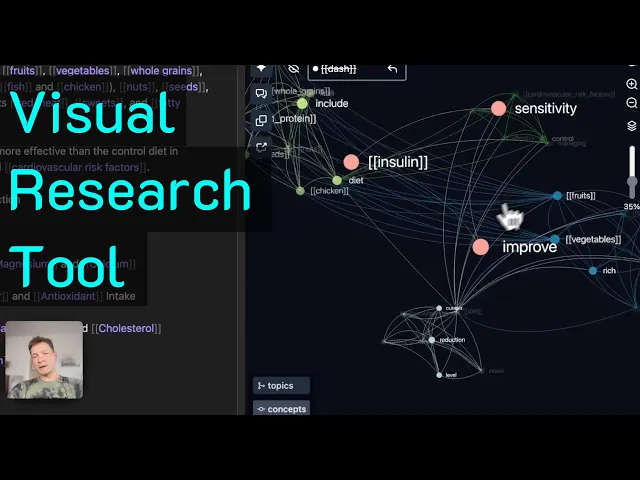
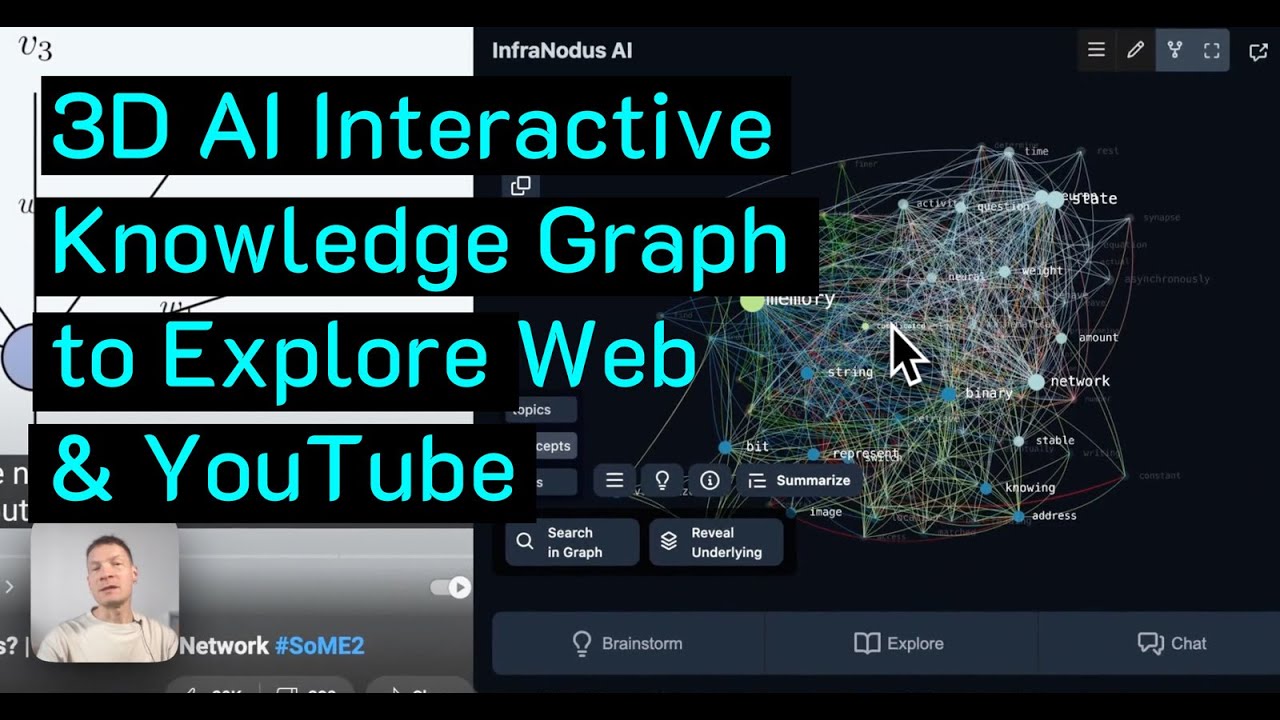
hi in this video I will demonstrate how you can research any topic using a combination of three different tools: InfraNodus Knowledge Graph visualization tool, Obsidian note-taking app and ChatGPT I will demonstrate how you can create a conceptual map around a certain subject that you're interested in identify the main topics inside find the topics that you're interested in and zoom into them to explore them in more detail and then extract the information that you find relevant put it into obsidian make a graph from it and then use the Structural Gap feature of InfraNodus Obsidian plugin to
identify the gap between the topics that exist in your research and use the built-in AI to generate interesting questions that would help you take this research further so instead of just reiterating what you've learned you would identify the gaps so what's missing and then generate an idea or a question that would help you develop this whole discourse further so if you're interested to learn how it works keep watching and I'll will demonstrate it step by step also please subscribe to this channel so that others can get informed about this video so the first thing that
I like to do when I start researching a certain topic is going into InfraNodus and using the built-in AI to generate some ideas in relation to here I'm going to use the topic of hypertension and I will click GPT topic overview and I will ask InfraNodus to produce 20 statements using GPT 4 that relate to the idea of hypertension this is a great way to begin because I'm not expecting any breakthrough ideas or any sort of wisdom here is just to get a general idea of what are the main topics that people talk about in
general when they talk about hypertension maybe there are different words that they use that I can also integrate into my research and so on so here I can see that mainly it relates to the idea of Health then there's also something about silent threat and hypertension so how hypertension is a silent threat that you cannot see it directly and then also how it's a special health condition heart risk and so on and the way that InfraNodus works makes it very intuitive to explore the graph actually because it visualizes the main ideas bigger on the graph
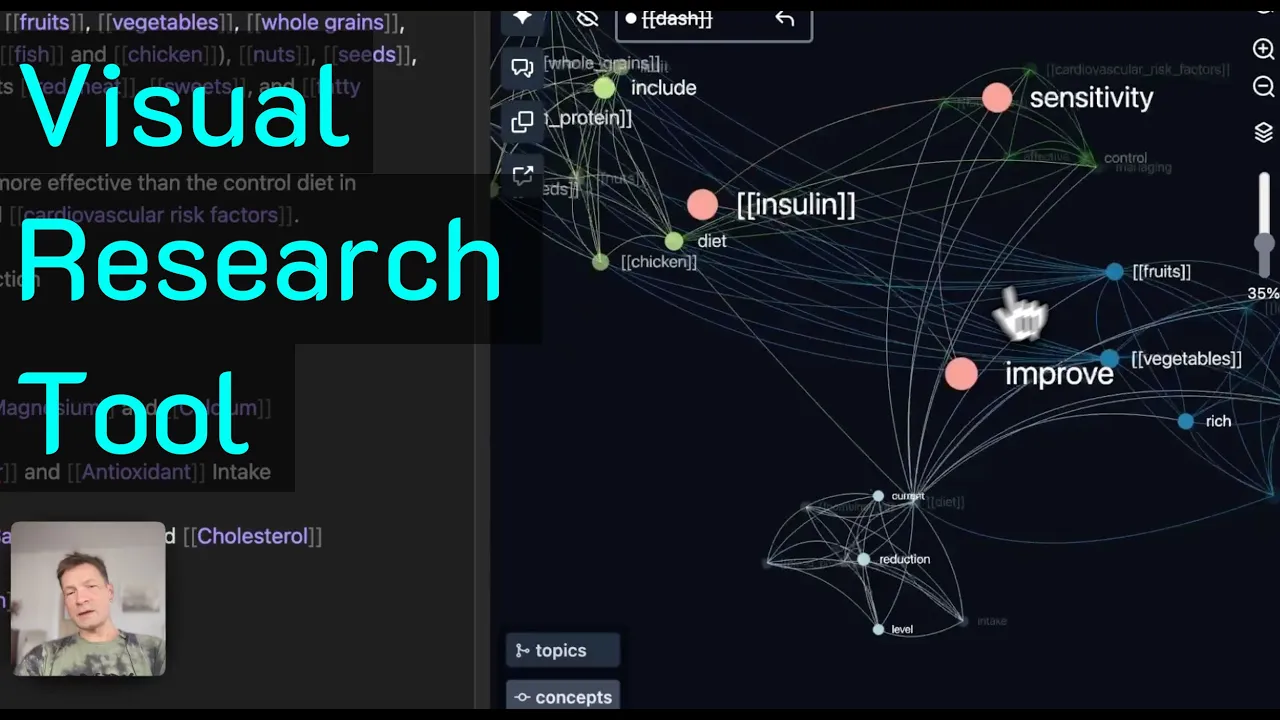
so the bigger is the node in the graph the more relevant it is to the discourse and if they have the same color it means they belong to the same topic and here you have the topics actually automatically named so you can see that there is a very big cluster on cardiovascular health green lifestyle management silent hypertension heart disease risk and so on you have more topics here right so that gives you a general idea of the main topics around this keyword that you're researching hypertension in this case and it might be really useful if
you want to get into a certain aspect of it so for example here I'm interested in the lifestyle management bit actually I want to see what we can do to decrease the risk so I can select this topic and then ask the AI to summarize just this topic on lifestyle management and here it's going to show me the results that says hypertension often silent is a critical indicator for cardiovascular risks highlighting the need for regular monitoring and lifestyle adjustments to prevent complications it's crucial to manage hypertension through lifestyle changes and medication for heart health so
let's say I want to get more into this lifestyle aspect of hypertension now I can either generate ideas using the AI in InfraNodus or I can also ask Chad to actually produce something on that subject for me and I'll show you how you would not have to deal with the verbos answers that it usually gives so here I'm going to say what are the lifestyle changes one needs to do to counter hypertension so let's see what it says and then it will gradually produce an answer and I can kind of like then research on every
of those bullet points whether or not it's really true because you have to check the facts but generally it gives you quite a truthful response and a very good general advice but I would not actually use it for my notes I would rather go through those bullet points step by step and explore each of them in more detail so for example if it's talking about some kind of diet then I'm going to research the scientific papers on diet then I'm going to make another research on physical activity and so on right so here I would
not copy and paste ideas into my obsidian notes directly from chat ptip because I don't trust it I would rather use it more to build a pattern of the main ideas and then see what I should focus on right so for example here I see that there is a very important aspect of diet so let's say I want to research more on hypertension and died for that I would go into InfraNodus again apps and then now I'm I'm going to go to analyze new content and then I'm going to be typing in hypertension diet so
that should be sufficient but this time I'm going to ask in front NOS to extract the results from Google Scholar it's a repository of search results for all kinds of scientific papers on any subject so basically here I'm typing in hypertension diet and Google Scholar is going to extract scientific papers that relate to this topic and visualize them as a graph and I'll see what are the main ideas that tend to emerge in those scientific papers as well as the gaps in those ideas and that will help me direct my research further so here I
have the graph W with the visualization and I can see that okay there is something on Diary this I can remove directly because it's like a synonym of diet and hypertension which I already removed and then I can see the context around so I can see that this idea of Dash died it's quite prominent and if I click here Dash I can then click there and see in which context it's used so for example here there is a scientific paper that It quotes there's actually 24 four results out of 40 so it's 60% of results
are actually talking about DASH diet so it seems to be a pretty well researched type of diet for hypertension so if I'm interested to learn more about it I'm going to find the paper that I like what can be interesting to do here is to filter the results by cation so you only get like the most cited papers on that subject and then I can see that there is two of them that have the most citations so I use the filter here right and then I click Dash again and then what I can do is
to Simply click on the first link so that's like one of the top results and I'm going to see the paper and it says effects on blood pressure of reduced dietary sodium and dietary approaches to stop hypertension DASH diet so that already explains what the diet is and what it's riching so it's great cuz I can just take this part of the sentence here dietary approaches to hypertension and it's effects and then what I'm going to do here is that I'm going to select this part of the text that I find interesting and then I
will go to obsidian I will create a new page so there it's going to be hypertension research and I'm just going to copy and paste this sentence into obsidian it's going to be automatically visualized by the InfraNodus graph view plugin but I'm going to actually select the parts of the text that are relevant to me and mark them with the double brackets so that they become separate pages and that will help me later to make connections between the main ideas so I'm selecting DASH diet vegetables fruits and lowfat da products so that's already a few
notes here and you can see them all on the graph directly visualized here I'm already creating like a structure in relation to this right and also of course hypertension itself hypertension okay great okay then we go back to this paper and we can just click on the con conclusions and see what were the results of this review so here they have specific recommendations of the food intake and its effects on blood pressure which is great in fact I can c copy and paste these results and also select some of the nodes that I find relevant
here so here it says that one should reduce the sodium intake and also they mentioned that after researching and reviewing the papers on dash di they found that it lowers blood pressure substantially so it works and it usually works better in combinations and long-term health effects will depend on the ability of people to make longlasting dietary changes that's quite obvious I'm going to remove that and I will also copy the link to this paper so I can later see where I got this information from that's very important then I will go back to InfraNodus look
at another result I had two here so I'm going to open another paper in fact it looks like it's the same paper that appeared twice so now I'm going to look at the less sided papers I still see that Dash is quite prominent in them and open it again so for example here there's another paper the same subject and here it's saying conclusion okay so here they also say the same thing that this Dash Diet Works but there's nothing more specific than what I already have so I don't have to add it into the graph
and so on so basically I would go through all these different papers find the parts that I like copy and paste them into in into obsidian and then gradually build my discourse around this so for example let's say I want to get a little bit deeper into this Dash died concept what I can also do is to actually select this node and ask InfraNodus to generate something for me on that subject this is not a very dangerous thing to kind of use AI for because it's pretty obvious that it's just an abbreviation and it's very
simple what it's comprised of we already mentioned that it's about reducing sodium intake and emphasizing fruits vegetables whole grains and lean proteins so in fact I can ask specifically what are the foods that belong to the DASH diet let's see if it produces something interesting here as you can see when I'm generating this advice I'm asking it not to use the specific context but I want to be more General and then here it gets it's quite a nice statement that gives me like a nice overview of what the DASH diet is then I can go
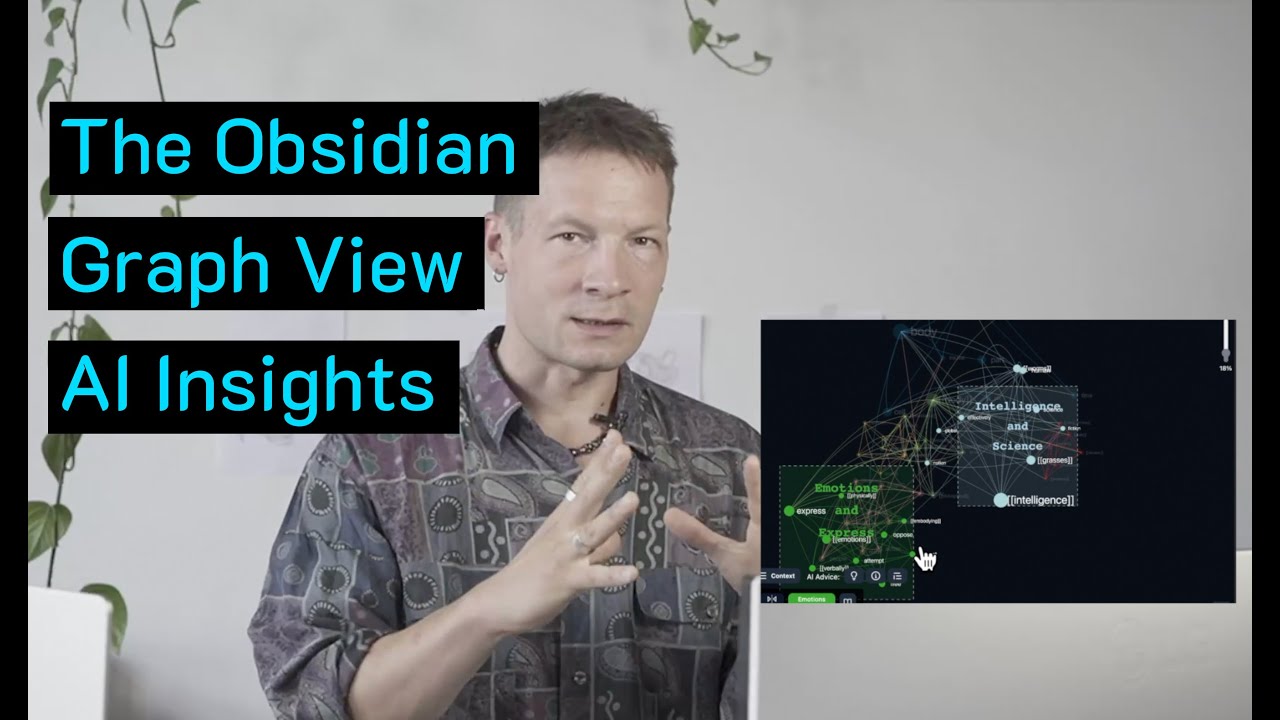
back to obsidian base past it and then create my markers again for the most important parts so I can see that it's fruit vegetables whole grains lean protein Fish and Chicken nuts seeds and lowfat diary Dairy so it limits red meat sweets and fatty food I will also Mark those because it will be interesting to see what else they connect to later that's actually the great thing about obsidian is that once you add a few notes you can start seeing connections between them especially if you use the InfraNodus graph plugin and it also gives you
like a nice visual overview of the topics that you covered already and that helps you see what's missing actually so I can see that the central concept is the dash died then I have this cluster here green on the types of food that belong to it here it's more about the effects on H H tension and here it's about sodium intake so that's actually great because then it already lays out for me the main ideas that I can research for further so I can go for example into sodium intake and see how I can reduce
that or I can get into more types of different foods or I can look at the mechanism of how this diet actually positively affects hypertension and reduces it for instance let's say I'm interested in the technical aspect so why does this diet actually reduce hypertension so then I would go back to apps and in fact what I can do at this point is to get a little bit more information on DASH diet but from more specific repository so I will type in DASH diet hypertension but this time I'm going to ask it to use scientific
databases and in this case PubMed because they have a lot of papers on the medical research right so there I'm going to get very specific results that are usually relevant for people doing medical research so let's have it visualized here and then we can see it becomes a little bit more specific usually than Google Scholar results and here we will see that there's something on Mediterranean diet also dietary pattern let's see here they're talking about diabetes it's kind of like how you shouldn't be eating this is how you should be eating so that gives you
like a interesting Search terms that you can use actually and then also risk disease metabolic syndrome so that's interesting I think that could be an interesting paper so here it doesn't provide a link but but I can simply copy and paste it here and find that same paper on Google so here I'm going to open that paper on Pub man and here I have a title that can be quite interesting but again it's much better to look at the conclusion and here it's an important finding that the dash died was more effective than the control
di in managing fatty liver and cardiovascular risk factors so not only it positively affects the cardiovascular R risk factors but you can also manage fatty liver with this diet so that's really interesting and it could be like a new direction for research so for example the effects of different diets on different organs and so on so here I would go more specific into this you using the scientific research there I could also so so let's say if I cannot find the stuff that I'm interested in there and I want to get into more detail I
would ask chat jpt at this point what are the actual mechanisms of the DASH diet effects on hypertension and I would just do that to have chat jpt generate some scientific terms for me that that I can explore further to understand actually how that works so for example here I can see sodium reduction is a big point then increased potassium intake high intake of magnesium and calcium increased fiber and antioxidant intake so that's great because I can then verify each of those claims in a scientific paper and then add the stuff that I find interesting
but as I know this topic already more or less I'm actually going to copy all of this stuff and here instead of kind of like visualizing the whole thing I'm just going to go to obsidian and in fact just copy only the titles so I can have the connections between each of those so I will say that Dash is connected to sodium reduction actually I'm just going to do the sodium only as a then I have another connection between Dash and potassium I don't care about the mechanism so much now because there I would research
this mechanism with the scientific search engine rather than chpt so chpt is just useful to get a general idea and then when you want to get into details it's much better to use the same scientific research databases so here I'm going to make a connection between fiber and antioxidant okay and then finally saturated fat reduction of saturated fat and cholesterol so now suddenly I have all the different connections between the DASH diet and the various mechanisms of how it works right I have the DASH diet here and then as you can see I have U
all the different stuff I added now that are more technical which I connected to sodium intake potassium intake magnesium calcium and so on so that's great cuz I can kind of build through those clusters there and develop them in more detail later by the way if one word occupies too much space here you can always hide it and then you will see the concepts surr it much better so that can also be very useful if you want to jump a little bit deeper and also why I like this graph is because it helps me see
how I should develop these ideas further so obviously now from the structure I can see that this graph is very dispersed and I need to develop each of those clusters a little bit better and also make connections between them so now it would be time for me to get deeper into each of the those subjects like how does this diet affect each of those elements and then what would be the effects on hypertension and what would be the specific foods that I would use to do that so that's kind of like how you would finish
this part with the researching the actual subject but one last thing I want to show that is very useful when you do research is to see what people search for when they search for the same topic so now we just just looked at what exists out there but it also really helps to see what people actually search for when they search for hypertension and you can do that with InfraNodus when you type in the word and then you ask it to produce popular search queries in relation to this topic and you create a new graph
and it will be a very easy way to see the search patterns that people have when they search for hypertension and that may really help you a lot when you're writing research paper or an essay because you will know what people use what words people use to search for hypertension and then you can integrate them into your own paper so for example here obviously they're talking about high blood pressure because it's like a synonym I can hide those from the graph see what else treatment home treatment so I see that there is demand for home
treatment and I can see which search queries people use actually they say hypertension treatment at home it's quite a popular thing to actually treat it at home and probably the best way to treat it at home is through Di diet and lifestyle changes so that kind of confirms me that I'm going in the right direction by focusing on those ways of managing it PA of physiology is not a word that I use a lot but apparently people search for it a lot so I can actually select this word go into the AI module and ask
to produce some Google results so diffuse cing of interestes it's kind of like a specific specific physiological way of how that works and that can be interesting because if I'm curious about the mechanics of how hypertension Works maybe I could use this word so you see through exploring the search patterns that people have when they search for this I can actually find a specific term that I can then use to research this topic further so this is why it's very useful to do this part also to see what people use when they search for a
certain topic to identify if you missed out on some terms and also if people will actually be interested in whatever it is that you are writing about and then you have some more patterns here like for example life expectancy calculator depending on hypertension where is drugs that you can use and so on so it's kind of like gives you an idea of what people search for and in this case it confirms that we're on the right track by exploring the lifestyle changes because that's what people can do at home and they definitely are interested in
it but it also shows us that we're missing out on this path of physiology part and that could be really interesting to explore as well because it could give us more ideas for the topics that we could research in more detail so this is how it would work with those three tools and I'll just show you one final graph that I have on hypertension because it usually takes maybe a couple of hours to create something like this and here I kind of added all the different ideas about hypertension using this approach that I just showed
where I visualize Google search results Google Scholar results scientific paper results and then I analyze all those graphs find the papers or the statements that I find interesting get them into obsidian highlight the parts that I find important and then gradually build a graph like this I also like to follow the advice which is given here so if the graph is too dispersed it's going to ask me to connect those clusters if it's too focused on one idea it will ask me to also disperse my thinking a little bit further but in the end I
will have a visualization like this that shows me the main ideas and that more importantly allows me to jump into the specific parts so for example here there's one on nitric oxide and then if I zoom in here I can also ask in which context it's used so for example here it says that by regulating nitric oxide be availability polyphenols present in fruits and vegetables and tea and cocoa and soy products affect endotelial function and as a as a con consequence blood pressure so I can see that there is some very specific chemical elements which
get released because of those vegetables and fruits and that's great because as you can see I can jump into this topic from any point of interest that I have whether it's more like the way it works chemically or whether it's some behaviors like here smoking for instance which which causes high blood pressure so what are the effects on this and then I can see in which context it was used and then get to the parts of the discourse where it's talking about that or let's say if I want to develop it further I'm going to
say like okay I'm I'm interested in the connection between blood pressure and smoking and then if I click on AI advice question here then InfraNodus is going to generate a research question for me to stimulate me to think in this direction so for example here it says how does the ation of high nitrate vegetables consumption influence the recovery of otan function in smokers and can this dietary intervention modulate dose dependent and theal damage caused by smoking so that's interesting because it kind of takes into account the fact that smoking damages their inner tissue of arteries
but then it proposes me to think of how that could be fixed with the right diet and a specific kind of diet that we're talking about here and then I can then kind of jump into this rabbit hole and explore what are the actual vegetables and fruits that I can use to fix this damage for instance so this is how how you would use this graph after and then gradually build the parts of it that you find interesting and relevant for your own research so try it out using InfraNodus and also the new InfraNodus Obsidian
plugin and a little bit chpt for inspiration and then combine it all together let me know how it works and also if you have any questions or comments please leave them below under this video and I will be happy to respond. Thank you!