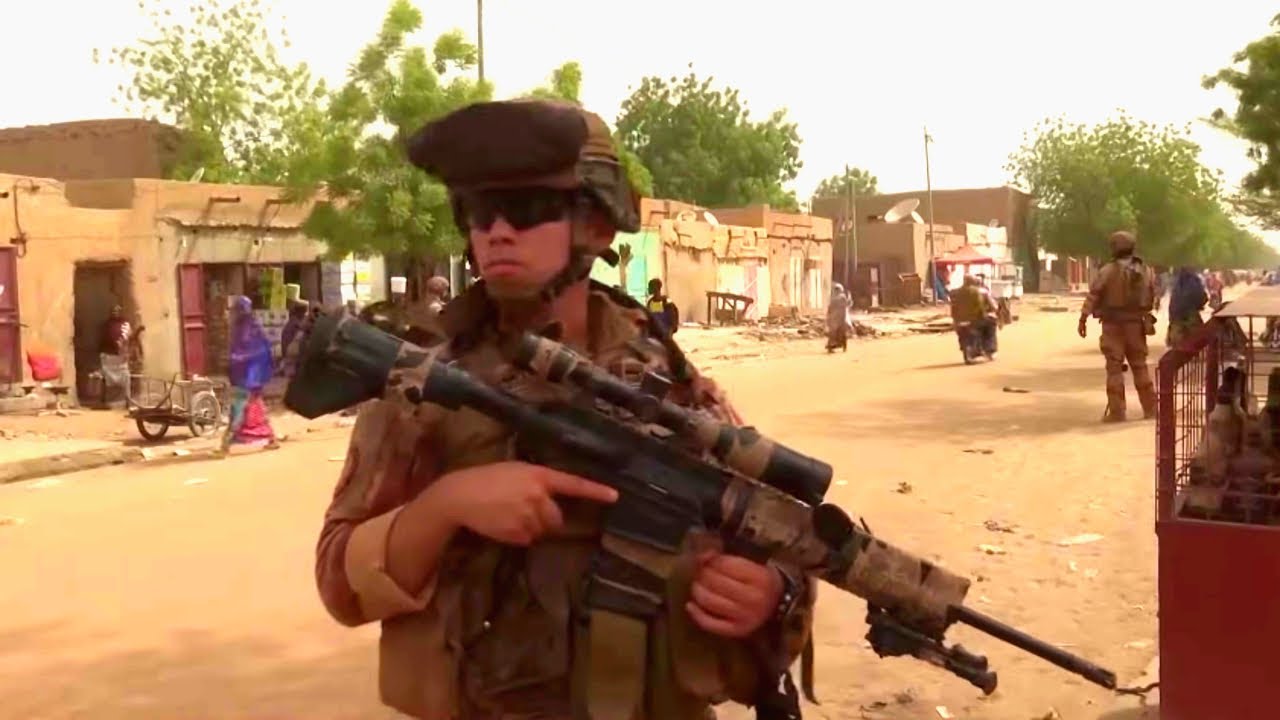
Mali is the country of salt and gold one of the poorest nations in the world yet it was a powerful Empire during the Middle Ages and one of the wealthiest individuals in Universal history ruled these territories stay with me to learn about life in Mali its geography culture and much more you'll learn very positive and amazing aspects of the country but others are a bit more controversial and not as well known 1. Mali is considered one of the most insecure countries in the world which is due to the presence of terrorist groups gorillas and separatists on its territory with an armed conflict between the North and South parts of the country in 2012 it experienced a coup that overthrew president amadu tumani Toure the ensuing political chaos and the weakness of the central government created a power vacuum in the North and the Tuareg Rebel groups from the north seeking Independence or greater autonomy for their region azawad sees the opportunity to launch a rebellion during the Tuareg Rebellion several Islamic extremist groups such as al-Qaeda in the Islamic maghreb and ansardine took advantage of the situation to also establish themselves in the north imposing a strict version of Islamic law in 2013 at the request of the Malian government France launched a military intervention known as operation serval to Halt the advance of the extremist groups and help recover lost territory a peace agreement was signed in 2015 between the Mali government and some Rebel groups including the Tua Reg despite liberating occupied cities the French military presence could not end the violence and jihadist terrorism remains a problem in both the Sahel and North Africa and Europe 2. According to some historians Musa the first of Mali popularly known as Mansa Musa was the richest person in history he was the 10th Manza of the Mali Empire translated as King of Kings or emperor at his time he was described as a young man of brown color Pleasant face excellent appearance and extremely generous Legend has it that on one of his trips he left so much gold to people that it caused a rise in prices in the regions he passed through he inherited a prosperous Empire but his efforts to promote trade turned it into the richest territory in Africa his immense personal Fortune came from the vast reserves of salt and gold of his kingdom and from elephant ivory to give you an idea this man could have had a fortune equivalent to 400 billion current dollars one of his legendary eccentricities is that on a pilgrimage to Mecca he made his country Famous by bringing along 12 000 slaves sixty thousand servants 80 camels carrying approximately 20 kilograms of gold each and building a mosque every Friday along his journey 3.
the powerful Mali Empire was created by Sundiata keita in 1235. he was the first Manza of the Empire until 1255. his biography is known from the tales and Adventures that are told from generation to generation to our days presenting him as one of mali's national heroes he was known for his tolerant and advanced principles for the time as he did not support the death penalty and was a prominent promoter of Peace as a monarch gold and salt mines were always the major sources of Imperial wealth 4.
three significant Empires existed on the territory that is currently Mali which controlled the trans-saharan trade in their heydays we owe part of modern mathematics and astronomy to these ancient political units the first of these was the Empire of Ghana originally named wagadu by its own inhabitants it was renamed by Europeans and Arabs as Ghana after the title of its king which means warrior king it existed between the 8th and 13th centuries and was the first black Empire in West Africa today's Ghana was named in honor of the ancient empire although it was not part of its territory the second was the Empire of Mali which existed between the 13th and 17th centuries and from which the current name of this country derives it was widely known for the generosity of its rulers most of whom were extremely rich during those times and for the noticeable cultural influence it exerted in West Africa spreading its language laws and customs through the Niger River the third and the most recent of all was the Songhai Empire it existed for almost a century under different forms coexisting with some of the previous ones in fact it was annexed for a time to the Empire of Mali however between the 15th and 16th centuries it was one of the largest Islamic empires in history 5. in 1893 Mali became a territory dominated by France resulting in a political and economic Union that culturally enriched Malian society and returned an important role to it in the region a century later it joined Sudan to achieve independence from the European power and in 1959 it became the Federation of Mali which included other African territories since 1960 Mali has been an independent state six today Mali is a sovereign state governed by a semi-presidential republic under military Junta organized into 10 administrative regions with Mining and agriculture as its main economic activities salt and gold continue to be two of the country's most important natural resources in fact Mali is currently the third largest producer of gold in Africa only after South Africa and Ghana in agriculture its most important crop is cotton and livestock includes cattle and camels more than 80 percent of malians work in subsistence farming and the sudden changes that the country experiences have caused waves of temporary unemployment another key activity is fishing in its rivers lakes and other freshwater sources more than 200 species of fish live 7. in contrast to its Imperial past Mali is now one of the poorest countries in the world despite being one of Africa's leading producers of gold only a tenth of the country's inhabitants earn more than two dollars a day while almost two-thirds can earn less than a dollar this means that almost half of malians live below the poverty line due to various factors firstly the Malian economy depends largely on mining and agriculture making it vulnerable to International price changes and the climate on the other hand there is a low literacy rate especially among women which limits job opportunities in addition there is inadequate infrastructure for roads electricity and irrigation systems coupled with a situation of conflict and violence and desertification 8.
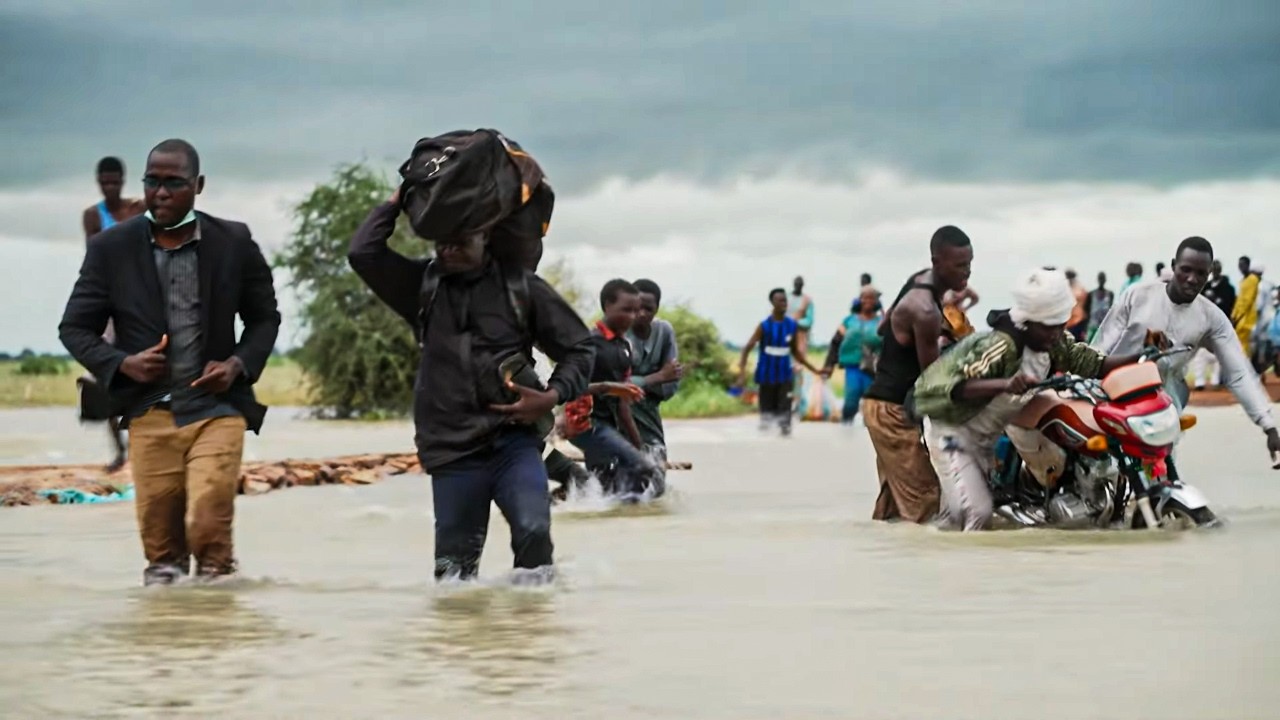
about 3. 5 million Millions have problems accessing water especially in rural areas do in part to the fact that Mali is one of the hottest places on the planet with 65 percent of its territory in the Sahara and Sahel the main source of water is the Niger River but its flow very seasonally and its quality can be affected by soil erosion when there are torrential rains there can be floods that create more problems than Solutions another major issue that Mali has experienced with water is contamination in the middle of the last decade the country suffered a disastrous cholera outbreak which developed when numerous Health Centers were not functioning adequately due to a lack of staff the malians themselves recommend that foreigners guard against diseases with the phrase cook it peel it or forget it currently even fruit must be washed with chlorinated water or other disinfection methods to avoid risks however despite these challenges the situation has generally improved compared to decades ago today 80 percent of mali's population has access to clean water falling to 70 percent in rural areas 9. Mali is located in West Africa and is the eighth largest country on the continent it shares borders with Algeria to the north Niger to the east Burkina Faso and Ivory Coast to the South Guinea to the southwest and Senegal and Mauritania to the West its geography is diverse with different Landscapes and features it has three very different zones the first is the Saharan Zone which extends in the north of the country and is the most arid region the second is the Sahel not as desertic located in the center of the country lastly the southern zone is where the majority of the population lives as its climate and lands are more fertile and it is the most forested and habitable area although Mali is largely flat there are several mountain ranges the adurades efocas is located in the North near the border with Algeria while the hamburi mountains including the impressive rock formation of the hand of Fatima are in the center most of the Northern parts of the country lies within the Sahara Desert one of the driest and most arid areas in the world in addition to this Geographic diversity Mali is rich in natural resources such as gold uranium phosphates and Limestone it also has several Natural Parks and protected areas such as the boucle dubale national park and the gorma Wildlife Reserve 10.
it is characterized by having a warm and dry climate with typical temperatures of arid and desert regions from February to June it is hot and dry from June to November on the other hand it is humid and temperate with frequent rains in the remaining months the climate is cool and dry some of the hottest places are Timbuktu tagasa taudani arawani GAO gidal and tessalit the City of cayes renowned as the pressure cooker of Africa is known for its scorching temperatures throughout the year particularly in April when maximum temperatures reach extreme levels in the Sahara the heat becomes even more extreme with average maximum temperatures soaring in arawane during June and reaching unprecedented levels in the taodani region during July 11. the Niger River is the third longest river in Africa it is of extreme importance in fact without it the country would be practically uninhabitable and filled with desert areas the Niger River's inner Delta in the center of the country is an expanse of wetlands a result of seasonal flooding a unique natural phenomenon that creates an oasis of Life amid the Arid surroundings with Incredible diversity of Flora and Fauna including endangered species such as the African Manatee and the desert elephant these seasonal floods of the Niger and its tributaries allow for the practice of flood agriculture where Farmers plant crops such as rice Millet and sorghum in addition the river is home to fish that provide a crucial source of protein and employment through fishing 12. the African Manatee is one of the endangered animal species in West Africa it is estimated that less than 10 000 specimens remain in coastal Waters and estuaries of various African countries including Mali where it inhabits the Niger River these animals are also known as sea cows characterized by large rounded bodies with a paddle-shaped snout and a flattened caudal fin in the past African manatees led a quite Placid life they fed on aquatic plants and thanks to their size didn't have many natural Predators human presence was limited in the area which allowed them to live in relative tranquility however over time the situation of the African manatees has drastically changed due to population growth agricultural expansion increased fishing and the construction of dams and development projects that have altered their habitat 13.
another unique and threatened species that inhabits Mali is the gorma elephant a unique subpopulation of African elephants that inhabits the gorma region a semi-desert area located in the Sahel between the Niger River and the bandiagara mountains these elephants have adapted to the extremely arid conditions of the area developing a nomadic lifestyle and traveling long distances in search of food and water but the situation of this subspecies has worsened over the years and is worrisome due to several factors mainly poaching desertification and the armed conflicts that I have already told you about it is estimated that currently only about 350 individuals remain 14. bamako is the capital and the largest city of Mali with an estimated population of about 3 million people it's hard to compare it to other world capitals but some Travelers who have visited it say it's one of the most authentic African capitals it is located on the banks of the Niger River on which you can take a cruise to learn more about the local culture it's a great place for those who wish to explore the local markets to buy traditional crafts and enjoy the Lively Malian music another thing you can enjoy on its streets are the marquis small bars with a pleasant atmosphere where locals gather on weekends the name bamako translates from the Bambara language as crocodile River in the area there are many crocodiles three of these reptiles are even represented in the coat of arms of the capital 15. Molly uses the West African CFA Franc as its official currency shared by eight African countries and pegged to the euro at a fixed rate at 655 CFA francs per Euro the currency is managed by the Central Bank of West African States and in addition to being used in Mali it is used in Benin Burkina Faso Ivory Coast Guinea bissau Niger Senegal and Togo 16.
Timbuktu is an important historical City in Mali located on the southern edge of the Sahara and near the Niger River it was founded in the 11th century by the tourags and over time it became a cultural and Trade Center for Ivory gold spices and salt at its peak it was also a prominent Center of Islamic teaching and learning attracting Scholars poets and philosophers from all over Africa the University of sankore founded in the 14th century was one of the most relevant teaching institutions in West Africa known for its large collection of manuscripts in 1591 Timbuktu was conquered by the Morocco sodium sultanate leading to the city's decline as a cultural and Commercial Center over the subsequent centuries it experienced a series of invasions and occupations by different powers including French colonial rule in the 19th century Timbuktu is famous for its Rich Adobe architecture which includes the jingare bear great mosque made of earth wood fiber other organic materials and a small portion of limestone 17. the great Mosque of Janae in the center of Mali is a must-visit structure it's a fascinating construction that dominates most postcards from this African country the world's largest Adobe building it is also the largest building made from this material in one piece the building has been destroyed and rebuilt several times being made of adobe it rapidly deteriorates due to rain and humidity some past Malian rulers considered it too luxurious leaving it in neglect without investing in it its current structure dates back to 1907 and was built on the ruins of the previous mosque the Janae Community actively participates in maintaining the mosque holding an annual Festival in its honor it includes music and traditional food and the main objective is to repair the damage from the past Year's rain and humidity in the days leading up to the festival plaster is prepared in a pit as it needs to be stirred constantly children usually do it seeing it as a game 18. Mali is located in the transition zone between the Sahara Desert and the Sahel Savannah making the country prone to sandstorms also known as haboobs they are driven by strong winds that lift large amounts of sand and dust reaching high speeds and Lasting from a few minutes to several hours they can cause visibility problems and hinder ground and Air transport affect air quality and cause respiratory problems especially for people with asthma or other lung diseases 19.
north of bamako is the country's largest national park and Reserve buklay de ballay National Park which extends between cebi and Kita approaching the border with Mauritania however the animal species living in Mali are spread across different regions including the Sahara in the north the Sahel in the center and the savannas and wetlands of the Niger in the South some of the animals that live in the country are the West African giraffe or Niger giraffe the African elephant the hippopotamus antelopes lions leopards cheetahs Buffalo Nile crocodiles hyenas ostriches chimpanzees Dame gazelles addicts among others 20. Mount humbori is a mountain in the mati region near the border with Burkina Faso it is the highest point in Mali it has beautiful rock formations and exotic vegetation and fauna showcasing the Wonders that African nature can offer it is an important place for biodiversity in the Sahel with 150 different species of plants along with several incredible animal species such as The Rock hyrax and the olive baboon it's an attractive place for mountaineering visited by the most daring Travelers because as I will explain later if you visit Mali you face certain dangers 21. the tomb of ostia located in the city of gown is a strange 15th century edifice that stands out for its curious shape resembling a stepped pyramid it is an example of mud construction typical of West Africa and the Sahel its pyramidal Tower is one of the most significant examples of the Grandeur of the Songhai Empire the complex includes the pyramidal tomb two mosques a cemetery and a space for assemblies It is believed that the Mortal remains of ostia Muhammad the first the first emperor of the Songhai who reigned from 1464 to 1492 and expanded his territorial domains through numerous battles are at rest here Legend has it that during his pilgrimage to Mecca the emperor passed through Egypt and was fascinated by the beauty of the pyramids upon his return he decided to build the tomb imitating this style 22.
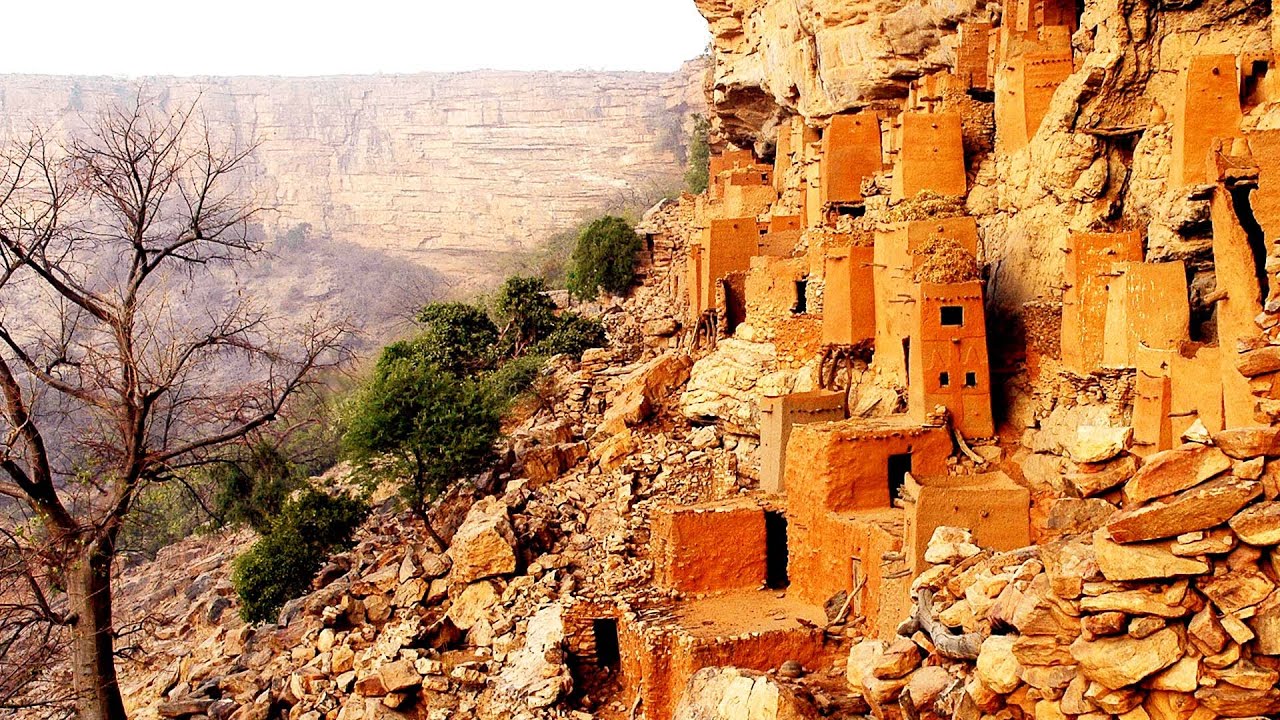
The bondiagara Cliffs land of the dogon in the south of Timbuktu is one of the most outstanding places in Mali due to its cultural and Architectural richness to walk along this long Cliff the presence of a guide who knows the area is required it stretches from bangkas to duenza in the heart of Dogan along the way he will encounter traditional dogon communities clinging to the cliffs these dwellings are built from a mixture of clay straw and cow or bulldung and they can hardly be seen from a distance are the most recognized in this area 23. in Mali there are different ethnic groups the largest with approximately 34 percent of the population are the Bambara who are mainly found in the central region of Mali and speak the Bambara language the Fulani around 14 percent are usually Shepherds and are found throughout the country as well as in other nations in West Africa in the west are 10 known for being good Traders the sanufo also 10 and especially inhabiting the South are usually farmers the malinke around nine percent are descendants of the Mali Empire and are mainly in the west and southwest of the country also there are the dogon sunrise Bobo and Touareg each of these ethnic groups has a language with Bambara being the most spoken in Mali although the official language of the country is French inherited from the colonial era 24. the dogons are one of the ethnic groups with the most peculiar cultural features such as masks and dances the kanaga is one of more than 70 masks that exist used in a ritual dance when someone important dies the olgon of the dogons is the spiritual and political leader of the village a religious figure who lives alone and in celibacy and cannot be touched the traditional dogon religion is a mixture of animism totemism and Shamanism their cosmogony centers on the Creator God Amma who created the world and all living creatures the dogon people also venerate their ancestors and Spirits called Nomo supernatural beings associated with water and fertility in addition some Dogan communities have adopted Islam or Christianity although they usually practice it by combining it with their traditional beliefs and practices 25.
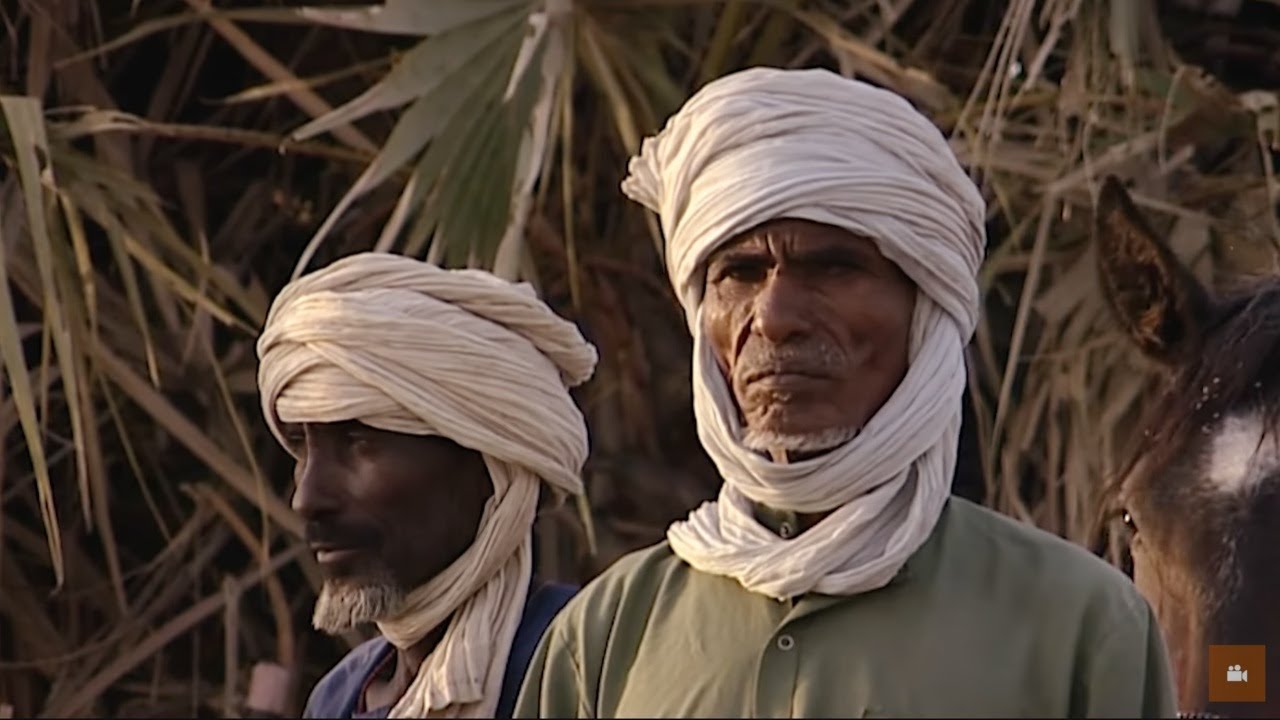
the Touareg people are the nomadic Berber ethnic group found in the Saharan and sahelian regions of West and North Africa in Mali they are in the north particularly in the regions of kidal GAO and Timbuktu they speak the tamashek language and have their own unique script known as typina the toureg society is organized into various Clans and tribes with a hierarchical social structure that includes Nobles vassals and Artisans unlike other areas of Mali they have practiced a decentralized system of government where each Clan or tribe is responsible for its own Affairs which has partly influenced the various Touareg rebellions throughout history the two areg are known for their distinctive attire particularly the toggle most are indigo-dyed turban which covers the head and face this garment serves both practical and cultural purposes protecting from the Sun wind and sand while also acting as a symbol of identity the majority of the Touareg practice Islam which has been present in the region for centuries their interpretation is characterized by a mix of Orthodox Islamic beliefs and local pre-islamic traditions and Customs 26. polygamy is a common practice legal and culturally accepted in Mali especially among the Muslim communities that make up approximately 90 percent of the country's population a man is allowed to marry multiple women as long as he can fulfill certain conditions such as treating all wives fairly and equitably Islamic law also requires a man to be capable of maintaining and protecting all his wives and their families being married to several women is a symbol of social status and wealth these men are considered powerful Rich successful and prestigious for having a family in the eyes of malians and people from other African countries there are advantages to polygamy among them that it can be helpful to divorced or widowed women who find new protection housing and resources in any case not all Malian men choose to have multiple wives either for love economic reasons or to avoid cohabitation problems 27. Molly has one of the youngest populations on the planet the median age of the population is 16 years compared with the global median age of 30 years about 67 percent of its population is under 25 years old and the predominant age range is from zero to four years old encompassing 18 percent of people one of the causes of this country's fertility rate one of the highest in the world with an average of 5.
4 births per woman the life expectancy is one of the lowest in the world the average Malayan person is expected to live to 60 years 28. due to its young population and the country's high fertility rate mali's historic and future population growth projections are impressive in 1960 the population barely exceeded 5 million people today there are about 23 million and calculation suggests that in about 20 or 30 years this number will have doubled with almost 50 million people 29. male circumcision is a common practice in Mali especially among Muslim communities where it is performed for religious cultural and hygienic reasons usually in a festive and ritual setting also practiced is a much more controversial activity female genital mutilation known as cutting this is a practice that remains very prevalent in the country especially by the dogon ethnic group in this Society it is considered that a woman who has not been mutilated is impure and therefore it is likely that she will have difficulty getting married and will be a victim of social exclusion all her life to this day Molly is one of the few African countries that does not have laws that expressly prohibit this practice only doctors are not allowed to perform it it is estimated that 9 out of 10 million girls have undergone this practice similarly when women menstruate they are considered impure they are socially isolated for five days during which they take refuge in a hut specifically Built For This purpose 30.
Malian women play an essential role in their families and communities but they also face numerous challenges including gender inequality and limited access to Education Health Care and economic opportunities family plays a crucial part in the lives of Millions with women typically shouldering much of the responsibility of maintaining the home and raising children in rural areas they can also contribute to work in agriculture and Animal Care traditional clothing for Malayan women includes garments like the boo-boo a tunic the pagnae a skirt and headscarves 31. marriage can be arranged it's legal from the age of 16 for girls and 18 for boys parents or other family members can choose a spouse for their child based on factors such as social status economic stability and compatibility between the two families in these arranged marriages love is not the most important thing but it can develop over time in the marital Life religion also plays an important role in romantic relationships pre-marital relationships and sexual activity are discouraged in Islam and couples are expected to marry before engaging in intimate relations 32 in Mali lighter skin tones are often considered more desirable possibly due to historical factors like European colonization and the influence of Western media but this preference is not Universal and many malians prefer their natural skin tones a curvier female body shape is usually preferred which is a sign of prosperity health and fertility this differs from Western standards where more athletic and thin bodies are preferred or from East Asian standards with more slender and small shapes facial features like full lips and wide noses may be seen as attractive 33. in Mali there are men called helis or Grio who serve as storytellers accompanied by traditional music they are the keepers of the country's spoken tradition and history but this role of storytellers is not exclusive to men there are also women who serve as grios known as yelimusas 34.
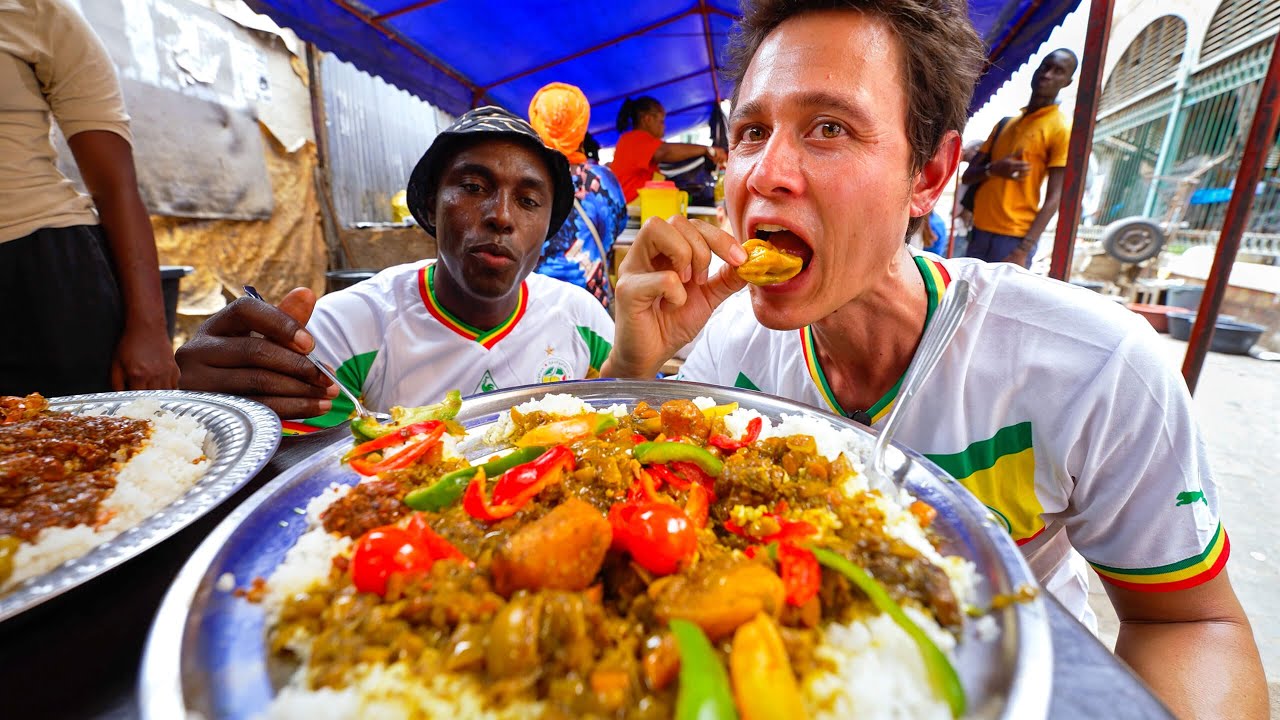
boo-boos are the typical clothing of the millions they are loose comfortable and very colorful tunics worn in everyday life although it is a form of dress associated with men the traditional female clothing in much of West Africa closely resembles the booboo 35. the national flag of Mali consists of three stripes green yellow and red the green symbolizes the fertility of the land the yellow represents wealth and brightness especially of gold and the red represents the Bloodshed during the time of Independence 36 like other countries in the region mali's food is characterized by intense flavors based on legumes vegetables grains and to a lesser extent fish and meat jollof rice is cooked with tomatoes peppers onions and spices with vegetables or fish sometimes added pyasa is chicken or fish marinated in lemon juice spices and onions slow cooked and served with rice is one of the national dishes made with chicken or lamb peanut butter chunks of carrots and potatoes is Nile perch served with fried banana rice and spicy chili sauce couscous is also common in Mali a mixture of water and durum wheat semolina sometimes prepared with Millet barley sorghum corn or rice 37. the bogalanfini or bogalan is a Malian handmade cotton cloth dyed with fermented mud characterized by its Brown yellow and dark colors it translates to Mud cloth other language studies suggest that it actually refers to Slippery clay with large amounts of iron as the iron in the clay will stain the Fabric's black it holds a significant place in the National culture and has become a symbol of their identity it's increasingly appreciated internationally as it's currently exported to various parts of the world for use in fashion Fine Arts and decoration the designs on the cloths are made following patterns of fermented mud women usually wear them to match the tunics to cover their heads 38.
like all societies malians have their unique forms of entertainment for example they love oware a curious board game native to West Africa which involves capturing the opponent's pieces these pieces are almost always seeds to play it you need an oware board and 48 seeds an oware board has two straight rows with six holes called houses and can also bring a large scoring house at each end the two players control the six houses on their respective side of the board and the scoring house on their side the goal is to capture more seeds than the other player since the game only has 48 seeds capturing 25 is enough to win 39. now let's talk about what you shouldn't do in Mali and other very important aspects to keep in mind if you're traveling there firstly if you want to avoid risks you need to know that it's not advisable to travel to Mali the current conflict and other aspects make it a country with little security if you're a journalist going there for work or dare to go as a tourist bear in mind that a problematic aspect is the absence of checkpoints on the roads which allows jihadist groups to move freely if we have to divide the country by levels of security Southern Mali is the least insecure the center is somewhat more insecure and the north is almost inaccessible and highly insecure with a high risk of kidnappings and Highway assaults there's usually little information about the possible attacks that occur due to the conflict so it's necessary to take preventive measures such as not staying more than one night in insecure areas and always traveling with a local guide or a trusted person who knows the areas you're visiting 40. now let's move on to customs and ways of relating to people when greeting don't forget to shake hands you can also bring your right hand to your chest as a sign of respect the hug is more common among friends and slightly tilting your head is advised when greeting older people don't interrupt when speaking as it's considered rude to give gifts things or receive them don't use your left hand always the right one don't maintain overly direct eye contact especially with older people don't feel annoyed by hearing somewhat loud music everywhere as it's part of Malian culture bringing gifts to hosts can feel uncomfortable and is generally not expected especially if there's no previous or trusting relationship don't point at other people also don't photograph government or military buildings or their employees other aspects to consider don't drink tap water only bottled prepare to negotiate which is normal take preventive malaria pills and pay close attention to your belongings about religion be respectful especially in religious places avoid displays of affection in public and dress modestly 41.
some of the notable personalities from Mali include Ali farca Toure one of the most famous African musicians who fused traditional Malian music with the blues and other Western musical genres was a politician and Military Man president of Mali in two terms and leader of the democratic transition following the military coup of 1911.